Angular Contact Ball Bearings: Built for High-Precision Demands in Industrial Applications
Sourcing reliable angular contact ball bearings shouldn't mean endless supplier hunts or quality gambles. At YIDI Motion, we've handled these specs for machine builders across the US and Europe for years.
Quick Navigation
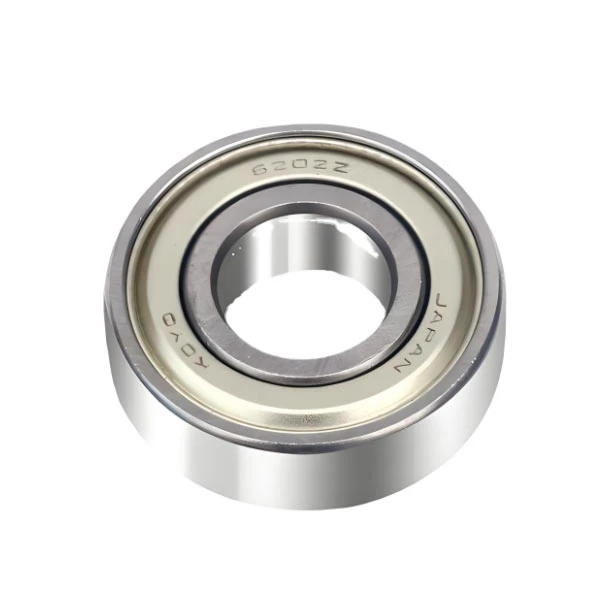
Procurement managers know the drill. Your CNC spindle starts whining under load, or pump shafts wobble at high RPMs. Downtime costs stack up fast—lost shifts, rushed replacements from sketchy distributors. That's where angular contact ball bearings step in. They handle combined axial and radial loads better than deep groove types, especially in setups demanding rigidity and speed.
We've seen it time and again: importers chasing cheap radials end up with premature failures. Angular contacts? Different story. The offset raceways create that signature contact angle—typically 15°, 25°, or 40°—letting them take thrust in one direction while supporting radial forces. No wonder they're staples in spindle motors, robotic arms, and turbo pumps.
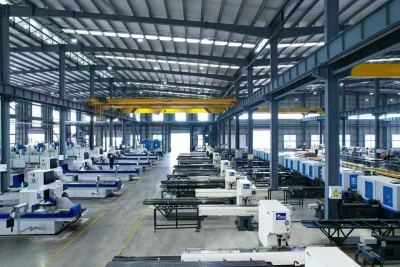
At YIDI Motion, out of our Hebei base, we don't just stamp out parts. Our line runs German-imported grinders and Japanese inspection gear. That means tolerances down to P4 or even P2 on request. Chrome steel as standard, but we do hybrids with ceramic balls for those ultra-high-speed gigs where heat buildup kills lesser bearings.
Picture this: a US machine shop rebuilding their vertical mill. Old bearings seized after 6 months. They switched to our 7208 series—25° angle, light preload. Six months later? Still humming at 8,000 RPM. No drama. That's the operational edge buyers chase.
Lead times? We ship samples in 7-10 days, full pallets in 3-4 weeks. FOB Xingang, or CIF to major US ports like LA or NY. Containers load tight—up to 15 tons without drama. And we're not talking generic Alibaba fodder. Full traceability from steel pour to packing slip.
Understanding Angular Contact Ball Bearings: The Engineering Basics
Let's cut to the chase on how these work. Unlike standard radials, angular contacts have inner and outer raceways machined at an angle. Balls ride between them, creating line contact under load. This setup absorbs axial thrust—up to 50% of radial capacity in duplex pairs—while keeping radial stiffness high.
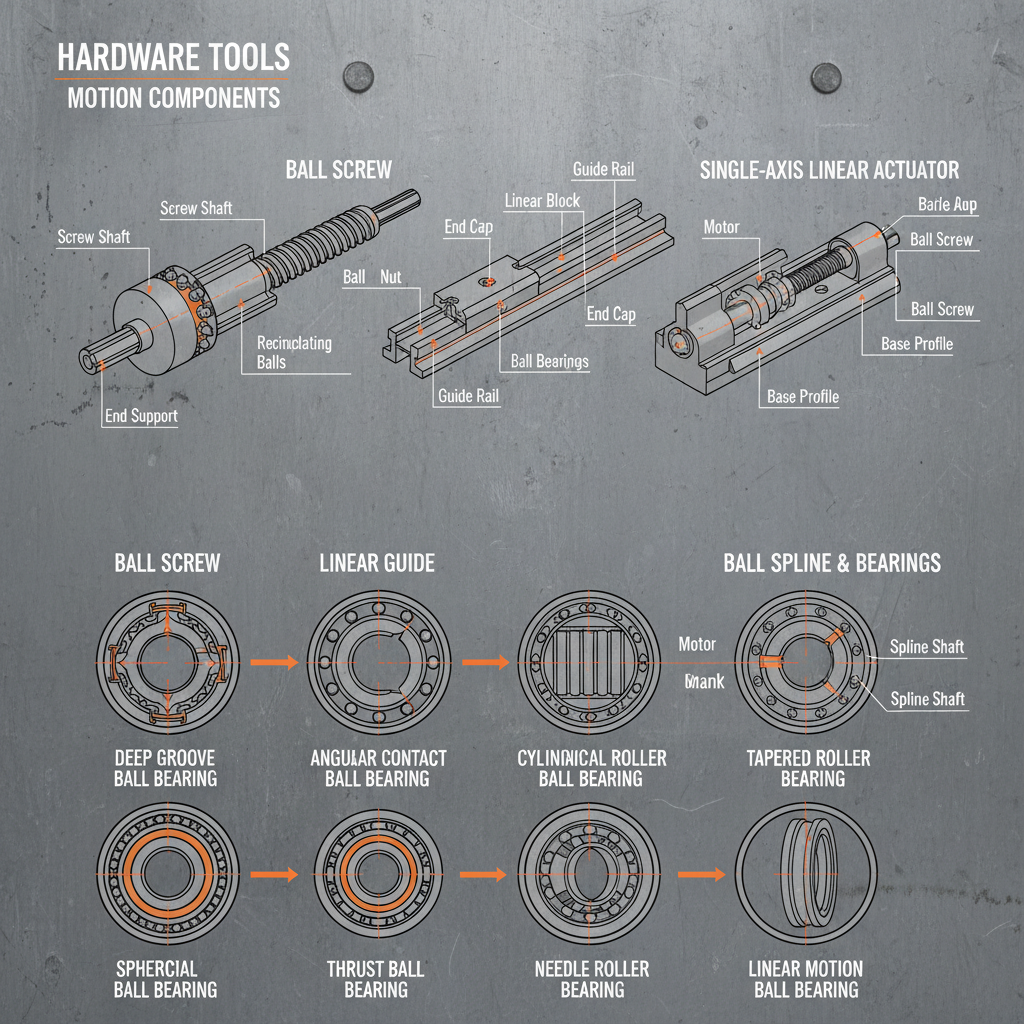
Contact angle matters. 15° for max speed, low thrust. 40° for heavy axial hits, like in screw drives. We machine ours universally pairable—DB, DF, DT configs—to stack without play. Preload via nuts or springs fine-tunes rigidity; too loose, vibration creeps in. Too tight? Heat spikes.
Cage design's no afterthought. Brass for heavy duty, polyamide for light precision. Balls? G5 or G3 grade chrome, or silicon nitride for corrosive environments. Seals vary—contact rubber for grease retention, or labyrinth for oil baths.
Real-world tolerance classes: ABEC 1 to ABEC 7 (ISO P0 to P4). Runout under microns. We've chased P2 for aerospace proxies, but most OEMs spec P4 for spindles. Vibration specs per ISO 15243 help predict field life—those V2 grades cut noise in dental mills.
One pitfall: mismatched pairs from mix-and-match suppliers. Leads to uneven load sharing, early spalling. We etch lot codes on races. Trace back if issues pop.
Materials evolve too. Standard 52100 chrome steel hits 150°C continuous. For 200°C+, go stainless AISI 440C. Hybrids drop inertia 40%, spin 1.5 million DN safe. DN being bore times RPM—key metric for procurement specs.
Load ratings? Static C0 from 5kN on tiny 7000 series to 500kN on monster 72xx. Dynamic Cr factors speed and life via L10 formulas. Expect 20,000 hours basic, longer with proper lube.
Where Angular Contact Ball Bearings Excel in Real Operations
- Machine Tool Spindles: High-speed milling, grinding. Duplex pairs kill axial drift at 15k RPM.
- Pumps and Compressors: Thrust from impellers. 40° angles handle it cold.
- Robotics: Joint pivots need compact rigidity—thin-section 71900 series shines.
- Automotive: Wheel hubs, transmissions. Matched sets for EV drivetrains emerging.
- Aero Derivatives: APUs, starters. Hybrids for light weight.
Take CNC routers. Users report 30% faster feeds post-upgrade versus loose radials. Or centrifugal pumps—bearing failures drop when axials are spec'd right.
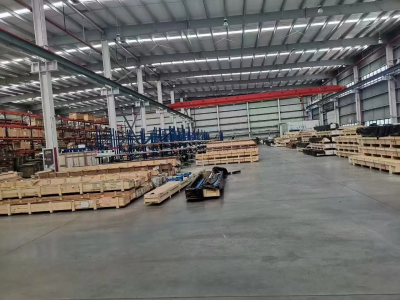
We've shipped thousands to US woodworkers running Delta mills, or oilfield rig pumps in Texas. Logistics? We pack in anti-rust paper, wooden crates. No sweat for 40' HC loads.
Warning: Undersize the angle, thrust overloads balls. Oversize? Radial capacity dips. Match to load vector—axial/radial ratio over 1:1 screams 40°.
Smart Procurement: How to Source Angular Contact Ball Bearings Without Regrets
Procurement's risky game. Spot-market deals tempt, but quality ghosts bite back. Start with needs: bore size (10-320mm range), speed, load profile. Cross-reference SKF/FAG/NSK catalogs for baselines—we match or beat.
Key checks:
| Factor | Red Flag | Green Light |
|---|---|---|
| Certifications | None listed | ISO 9001, RoHS |
| Lead Time | 6+ months | 3-4 weeks FOB |
| Pricing | Too good (<30% OEM) | Volume tiers clear |
| Samples | $100+ refusal | Free/cheap test qty |
wholesale angular contact ball bearing custom angular contact ball bearing angular contact ball bearing service
OEM/ODM? We customize races, cages. Minimums start 500pcs. Full drawings to STEP files.
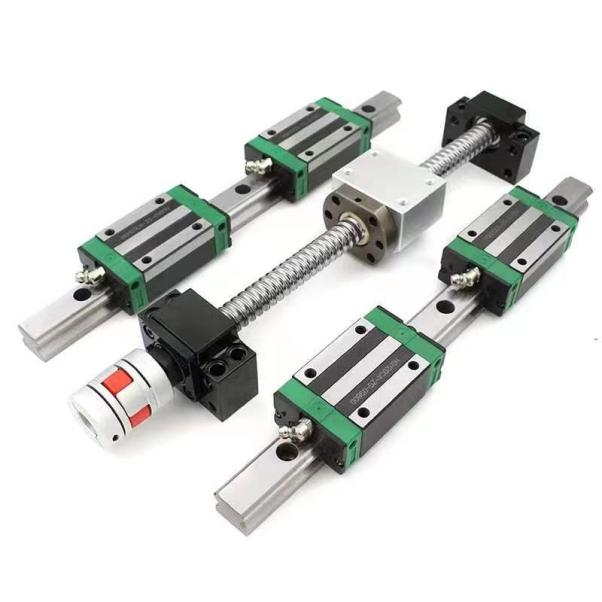
Logistics tip: Consolidate with ball screws or linears—we do bundles. Duty? US importers leverage Section 301 exclusions sometimes. We handle paperwork.
Detailed Technical Specifications
Our 7000-72xx series covers most calls. Here's a snapshot—email for CADs.
| Series | Bore (mm) | OD (mm) | Width (mm) | Contact Angle | Cr (kN) |
|---|---|---|---|---|---|
| 7005 | 25 | 47 | 12 | 15°/25° | 7.0 |
| 7208 | 40 | 80 | 18 | 40° | 32 |
| 71912 | 60 | 85 | 13 | 15° | 20 |
| 7306 | 30 | 72 | 19 | 25° | 28 |
Tolerances to DIN 620. Grease: lithium NLGI 2 standard. Oil holes on request.
Why Partner with YIDI Motion's Factory?

Started 2020, 100 staff, 30% senior techs. German Hass grinders, Japanese Mitutoyo CMMs. Exports to 50+ countries—US, Germany, Japan top list.
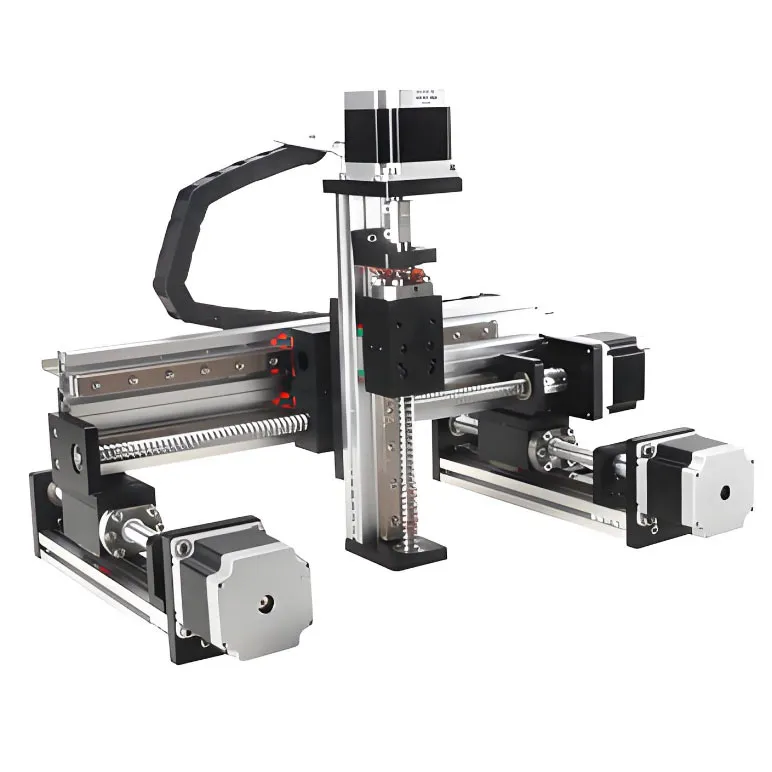
One-stop linear motion: pair bearings with ball screws, guides. OEM labels your brand. ODM tweaks designs—say, custom preload.

Certifications: ISO 9001:2015, RoHS compliant.  No heavy metals. Traceability full chain.
Shipped 10k+ sets to US importers last year. Volumes? 100 to 10k pcs. Pricing competitive—request sheet.
Feedback from Procurement Pros

John Ramirez, Ops Manager, Texas Machine Shop
"Needed 7205 duplex fast after supplier flaked. YIDI delivered P4 pairs in 2 weeks. Spindle runs smoother than NSK originals. No complaints."

Sarah Chen, Supply Chain Lead, CA Distributor
"Tested hybrids for CNC. Heat way down at 12k RPM. Logistics smooth—CIF LA, docs perfect. Will reorder 5k."

Mike Kowalski, Engineer, MI Robotics Firm
"Custom 40° for arm joints. Tolerances spot-on. Better price than FAG, same life. Samples free sealed the deal."

Raj Patel, Project Contractor, FL
"Pump rebuilds. These took the thrust where radials failed. Crate arrived intact. Good comms via WhatsApp."
Common Buyer Questions
Q: What's the min order for OEM angular contacts?
A: 500pcs per spec. Samples 1-10 free if project-bound.
Q: Can you match competitor drawings?
A: Yes—SKF 71900, FAG 7200 series. Send DXF.
Q: Shipping to USA—duties?
A: CIF quotes include calc. HTS 8482.10. Typical 3-6%.
Q: Maintenance tips?
A: Grease every 4k hours or 10% C life. Monitor temp & vibe.
Q: Ceramic upgrades?
A: +40% cost, double speed. Lead +1 week.
More? Shoot us specifics.
Need Angular Contact Ball Bearings Now?
Talk factory-direct. Quotes in 24hrs.
HEBEI YIDI IMPORT AND EXPORT TRADING CO.,LTD. | 16-1-1601 Aobeigongyuan, Chang'an District, Shijiazhuang, Hebei, China
+86 18134111662 | adam@yidimotion.com
Written by Li Wei, Export Director at YIDI Motion

25+ years in precision bearings, ex-NSK supplier network.