Ball screw manufacturers are critical components in a vast array of modern machinery and automation systems. Their precision and efficiency are instrumental in driving innovation across diverse industries, from aerospace and automotive to medical and manufacturing. Understanding the nuances of ball screw technology, and the capabilities of leading ball screw manufacturers, is paramount for engineers, designers, and anyone involved in building or operating complex mechanical systems.
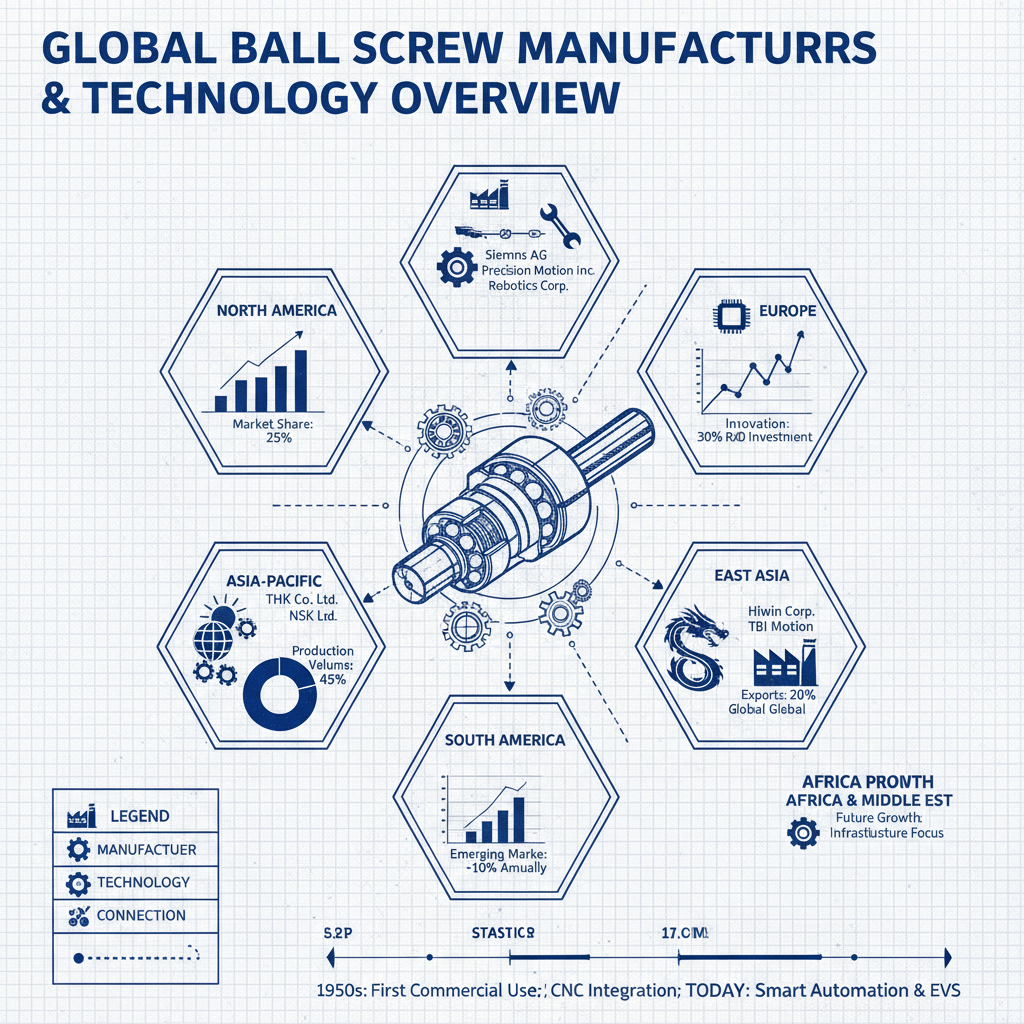
The global demand for high-quality ball screws is steadily increasing, driven by the growing adoption of automation and precision engineering worldwide. According to recent market research, the ball screw market is projected to reach \$8.5 billion by 2028, exhibiting a compound annual growth rate (CAGR) of 4.2% during the forecast period. This growth reflects the escalating need for reliable and accurate linear motion solutions in sectors experiencing rapid technological advancements.
Addressing the challenges of precision, load capacity, and operational lifespan requires collaborating with knowledgeable ball screw manufacturers. Selecting the right partner ensures access to cutting-edge technology, customized solutions, and consistent product quality – essential factors for optimizing performance and reducing downtime in critical applications.
The Importance of Ball Screw Manufacturers
The selection of a competent ball screw manufacturer is fundamental to the success of any project requiring precise linear motion. These manufacturers aren't simply suppliers; they are partners in engineering solutions, providing expertise in materials science, manufacturing processes, and application-specific design. A reputable ball screw manufacturer will offer a comprehensive range of products, catering to diverse needs in terms of load capacity, accuracy, and operating environment.
Furthermore, the quality of a ball screw directly impacts the overall performance, reliability, and lifespan of the machinery it’s integrated into. Investing in superior ball screws from trusted manufacturers minimizes the risk of costly downtime, repairs, and production losses, ultimately contributing to a stronger return on investment.
Defining Ball Screw Manufacturers and Their Role
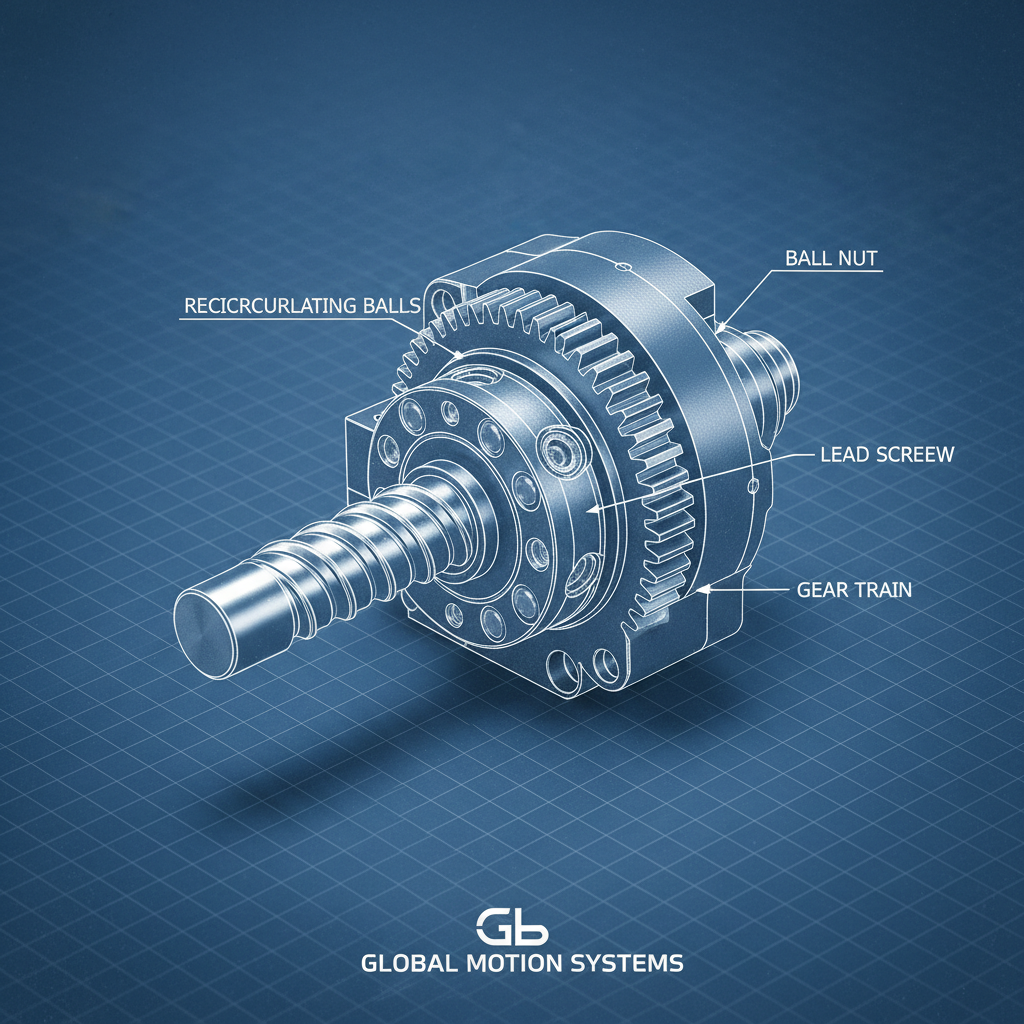
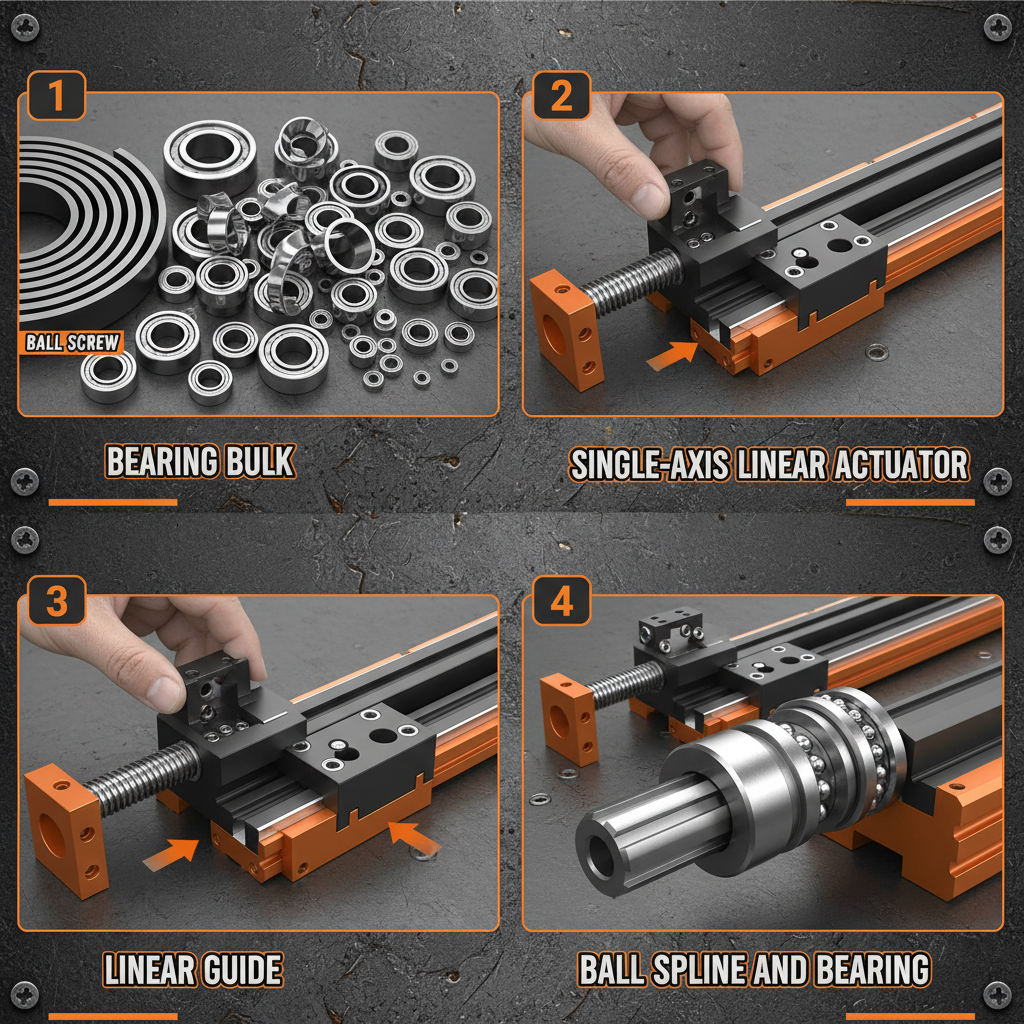
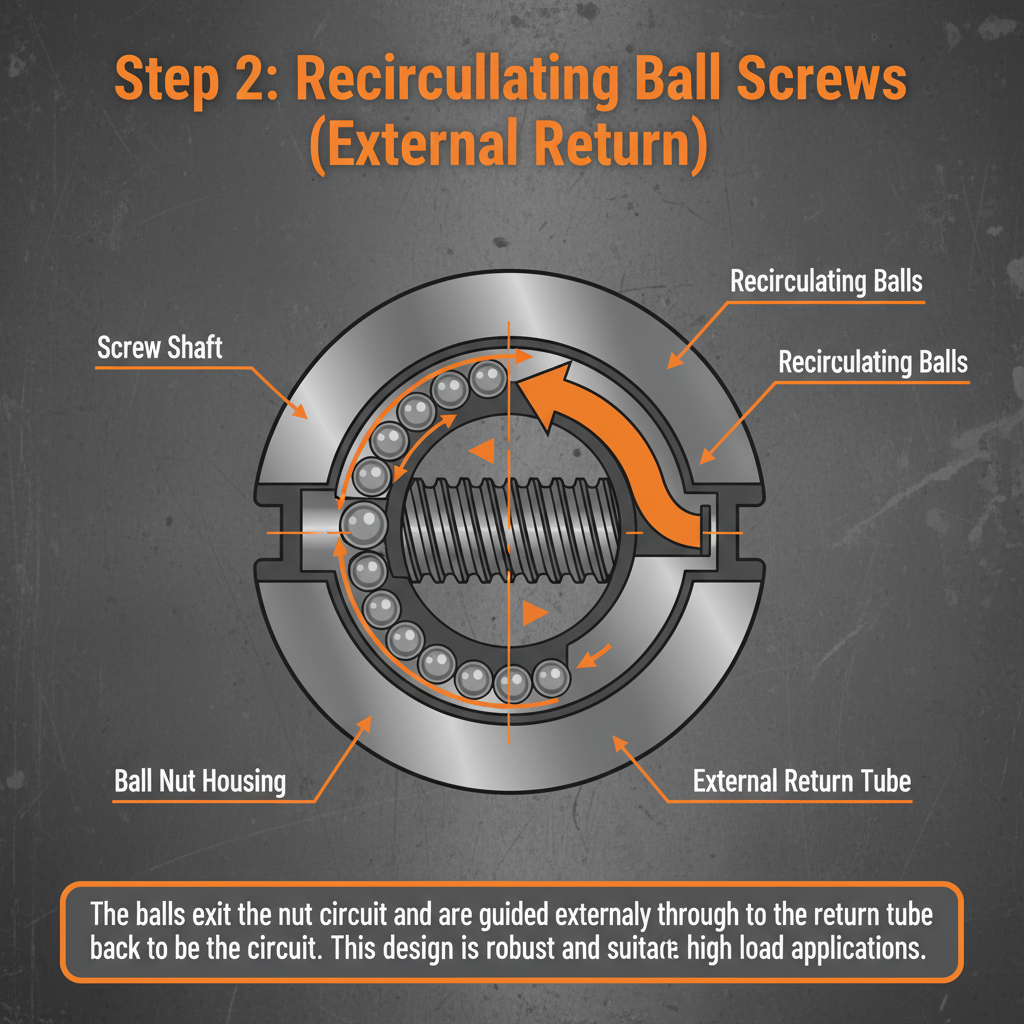
Ball screw manufacturers are companies specializing in the design, production, and distribution of ball screws – a type of linear actuator that converts rotational motion into linear motion with high precision and efficiency. Unlike traditional lead screws, ball screws utilize recirculating ball bearings between the screw and nut, significantly reducing friction and enhancing load-bearing capabilities.
Their role extends beyond simply manufacturing a component. These manufacturers often provide engineering support, custom design services, and a range of complementary products like linear guides and couplings, forming a complete linear motion solution. They cater to industries requiring high precision and repeatability, like CNC machining, robotics, and medical equipment.
The rise of automation in modern industry has propelled ball screw manufacturers to the forefront of technological innovation. The demand for accurate, reliable, and durable linear motion systems continues to grow, solidifying the critical role these manufacturers play in advancing numerous sectors.
Core Characteristics of Leading Manufacturers
Leading ball screw manufacturers distinguish themselves through several key characteristics, most prominently a commitment to quality control. This involves rigorous testing throughout the manufacturing process, from raw material selection to final product inspection, ensuring adherence to stringent industry standards. A dedication to using high-quality materials, like specialized steel alloys, is also crucial for producing durable and long-lasting ball screws.
Innovation is another hallmark of top-tier manufacturers. They continuously invest in research and development to improve existing products, explore new materials and manufacturing techniques, and develop customized solutions to meet the evolving needs of their clients. This includes optimizing ball screw designs for specific applications, such as high-speed, high-load, or high-accuracy scenarios.
Finally, exceptional customer service and technical support are essential. This encompasses providing detailed product documentation, offering engineering assistance during the design phase, and ensuring prompt and reliable after-sales support. A strong manufacturer will prioritize building long-term relationships with its clients, based on trust and mutual success.
Key Performance Indicators of Ball Screw Manufacturers
Evaluating ball screw manufacturers requires considering several key performance indicators (KPIs). Accuracy, often measured in microns, is paramount, especially in precision applications. Load capacity, representing the maximum load the ball screw can handle, is another critical factor, influenced by screw diameter, lead, and material strength.
Efficiency, determined by the power transmission ratio, impacts energy consumption and overall system performance. Durability, measured by lifespan and resistance to wear and tear, is essential for minimizing downtime and maintenance costs.
Ball Screw Manufacturer Performance Comparison
Global Applications and Industry Impact
Ball screws are integral to a wide spectrum of industries and applications worldwide. In CNC machining, they provide the precise linear motion necessary for accurate cutting and shaping of materials. Robotics relies heavily on ball screws for joint movement and precise positioning, enabling complex automated tasks.
The aerospace industry employs ball screws in flight control systems and actuation mechanisms, where reliability and precision are paramount. Medical equipment, such as surgical robots and imaging devices, utilizes ball screws for accurate and controlled movement. These applications span continents, with prominent demand in manufacturing hubs across Asia, Europe, and North America.
Long-Term Value and Benefits
Investing in high-quality ball screws from a reputable ball screw manufacturer yields significant long-term value. Reduced friction translates to lower energy consumption and operating costs. Enhanced precision minimizes errors and improves product quality, increasing overall efficiency.
The durability and reliability of these components translate to reduced maintenance requirements and extended equipment lifespan, lowering the total cost of ownership. Ultimately, these benefits contribute to increased productivity, improved profitability, and a stronger competitive advantage.
Beyond the financial advantages, selecting a reliable ball screw also contributes to improved safety and worker wellbeing, minimizing the risk of equipment failures and accidents.
Future Trends and Innovation in the Industry
The ball screw industry is undergoing continuous innovation, driven by the demand for higher performance, greater efficiency, and increased sustainability. Emerging trends include the development of new materials, such as ceramic and carbon fiber reinforced polymers, to reduce weight and enhance corrosion resistance.
Digitalization and the integration of smart sensors are enabling predictive maintenance and remote monitoring of ball screw performance, optimizing efficiency and preventing costly downtime. Furthermore, advancements in coating technologies are improving wear resistance and extending the lifespan of ball screws.
The push for sustainable manufacturing practices is also driving the adoption of eco-friendly materials and energy-efficient production processes among leading ball screw manufacturers.
Summary of Key Trends in Ball Screw Manufacturing
| Material Innovation |
Digital Integration |
Coating Technologies |
Sustainability Initiatives |
| Ceramic and CFRP adoption |
Predictive maintenance sensors |
DLC and TiN coatings |
Eco-friendly material sourcing |
| Lightweight alloys development |
Remote monitoring capabilities |
Wear-resistant surface treatments |
Reduced energy consumption |
| Increased corrosion resistance |
Data analytics for optimization |
Enhanced lubrication properties |
Waste reduction strategies |
| Improved thermal stability |
Real-time performance tracking |
Increased lifespan expectancy |
Circular economy principles |
| Reduced overall weight |
Automated diagnostics |
Minimized friction coefficients |
Responsible manufacturing processes |
| Enhanced load capacity |
Improved operational efficiency |
Prolonged service intervals |
Compliance with environmental regulations |
FAQs
Ball screws utilize recirculating ball bearings to reduce friction, resulting in higher efficiency, greater load capacity, and smoother operation compared to lead screws, which rely on direct sliding contact. While lead screws are generally more affordable, ball screws offer superior performance and longevity, making them ideal for precision applications demanding high accuracy and reliability.
Selecting the appropriate ball screw involves considering several factors, including load requirements, desired accuracy, speed, operating environment, and available space. You'll need to determine the required screw diameter, lead, and length based on your application's specific needs. Consulting with a ball screw manufacturer's engineering team can provide valuable guidance and ensure optimal performance.
Ball screws typically require minimal maintenance, primarily involving regular lubrication to ensure smooth operation and prevent wear. The frequency and type of lubricant depend on the application and operating conditions. Periodic inspection for signs of damage or wear is also recommended. Proper alignment and mounting are crucial for maximizing lifespan and minimizing maintenance needs.
The lifespan of a ball screw varies depending on factors such as load, speed, duty cycle, and environmental conditions. However, with proper maintenance and operation, a well-designed ball screw can last for millions of cycles. High-quality ball screws from reputable manufacturers are engineered for long-term reliability and durability, minimizing the need for frequent replacements.
Yes, many ball screw manufacturers offer customization options to meet specific application needs. These options include custom lead, screw length, material selection, and end machining. Working with a manufacturer that provides engineering support can ensure the customized ball screw precisely meets your design requirements.
Covered ball screws, also known as telescopic ball screws, offer enhanced protection against contaminants like dust, dirt, and debris, making them ideal for harsh environments. The covering also helps to maintain lubrication and prevent damage to the ball screw, extending its lifespan and reducing maintenance requirements. They're commonly used in applications where cleanliness and reliability are critical.
Conclusion
In conclusion, ball screw manufacturers play a pivotal role in driving innovation and efficiency across a multitude of industries. Their commitment to quality, precision, and continuous improvement results in linear motion solutions that are essential for modern automation and manufacturing. Selecting the right partner—a manufacturer dedicated to engineering excellence and customer satisfaction—is crucial for maximizing performance, minimizing downtime, and achieving long-term success.
Looking ahead, the ball screw industry will continue to evolve, driven by advancements in materials science, digitalization, and sustainability. Embracing these trends and collaborating with forward-thinking manufacturers will be key to unlocking new possibilities and achieving even greater levels of precision, efficiency, and reliability in linear motion systems. Visit our website at www.yidibearings.com to learn more.