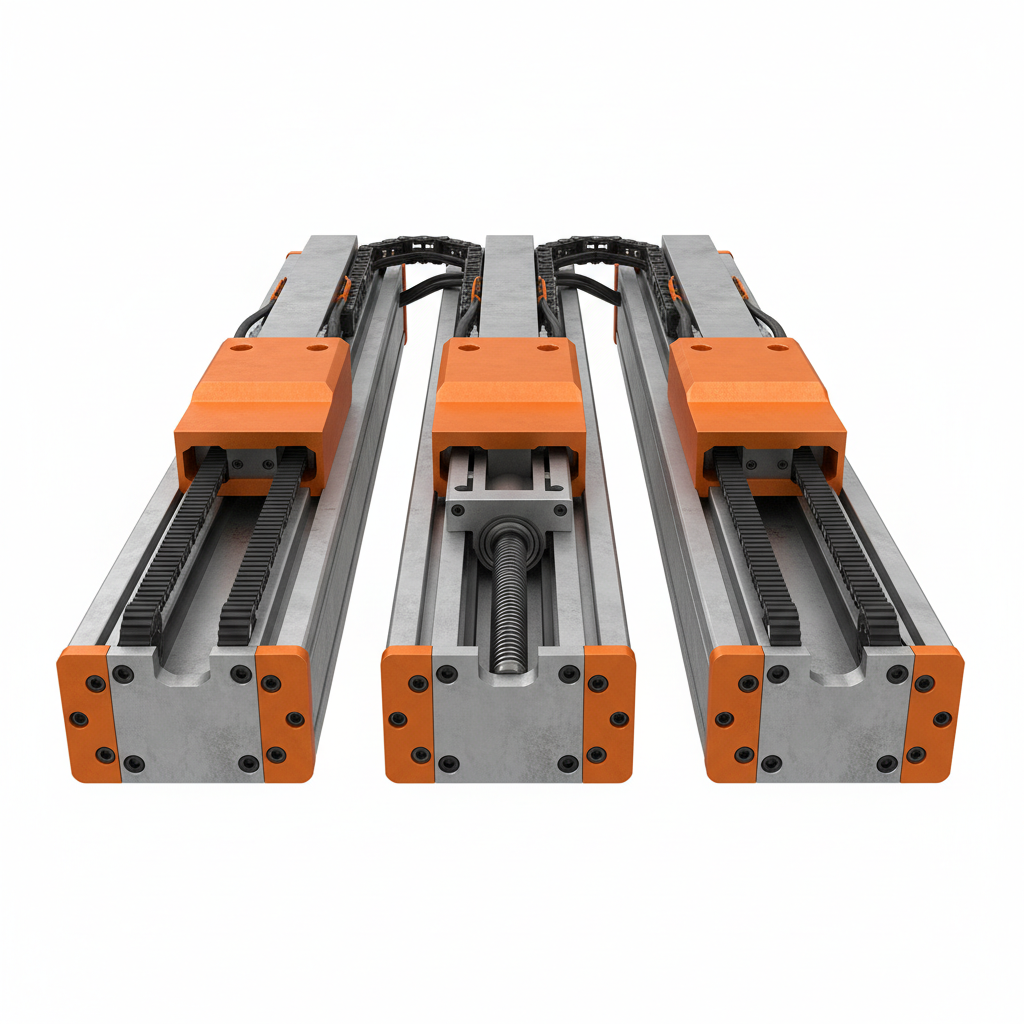
Linear modules represent a transformative approach to various industrial and logistical challenges, offering pre-engineered, readily deployable solutions that drastically reduce on-site construction time and costs. These modules, often encompassing complete subsystems or even entire structures, are becoming increasingly crucial in a world demanding speed, efficiency, and adaptability. The global market for modular construction, a key area utilizing linear modules, is experiencing significant growth, driven by factors such as urbanization, infrastructure deficits, and the need for sustainable building practices. linear modules are fundamentally changing how we approach construction, manufacturing, and even disaster relief.
The increasing complexity of modern supply chains and manufacturing processes necessitates solutions that offer flexibility and scalability. Linear modules excel in these areas, allowing for rapid reconfiguration and expansion of systems without extensive downtime or disruption. This capability is particularly valuable in industries requiring frequent product updates or customized solutions. Furthermore, the inherent quality control achieved in a controlled factory environment, compared to traditional on-site construction, ensures higher reliability and performance of linear modules.
From optimizing factory layouts to rapidly deploying essential infrastructure in emergency situations, linear modules offer a versatile toolkit for addressing a wide spectrum of needs. Their adoption is fueled by a growing awareness of their economic and environmental benefits, solidifying their position as a cornerstone of future industrial and humanitarian efforts.
Introduction to Linear Modules
Linear modules aren't simply about prefabrication; they represent a fundamental shift toward a more efficient and adaptable manufacturing and construction paradigm. They integrate various components – structural elements, mechanical systems, electrical wiring, and even interior finishes – into self-contained units. This integration streamlines the assembly process, minimizing errors and maximizing precision. linear modules promote design for manufacturing and assembly (DFMA) principles.
The core appeal of linear modules lies in their ability to dramatically shorten project timelines and reduce overall costs. Traditional construction methods often involve lengthy permitting processes, skilled labor shortages, and unpredictable weather delays. Linear modules largely mitigate these issues by shifting the majority of the work to a controlled factory environment, where quality control is more rigorous and efficiency is optimized.
Global Relevance and Challenges
Globally, the demand for infrastructure and housing is skyrocketing, particularly in rapidly urbanizing regions of Asia, Africa, and Latin America. The United Nations estimates that over 1.6 billion people currently lack adequate housing, a figure that is projected to increase in the coming decades. Traditional construction methods are often unable to keep pace with this demand, leading to housing shortages, overcrowded cities, and the proliferation of informal settlements. Linear modules offer a viable solution for addressing this urgent need, providing a faster, more affordable, and sustainable pathway to adequate housing.
However, the widespread adoption of linear modules faces several challenges. One significant hurdle is the need for standardized designs and regulatory frameworks. Building codes often lag behind innovative construction techniques, creating obstacles for the deployment of modular buildings. Another challenge is transportation logistics – moving large, pre-fabricated modules can be complex and costly, especially in remote or underdeveloped areas.
Furthermore, overcoming perceptions of "prefab" quality and aesthetic limitations is crucial. Early generations of modular construction sometimes suffered from a reputation for being utilitarian and lacking in design flexibility. However, advancements in materials, manufacturing techniques, and architectural design have shattered these misconceptions, demonstrating that linear modules can be used to create aesthetically pleasing and highly functional buildings.
Defining Linear Modules
At their core, linear modules are self-contained, three-dimensional units designed for repeatable manufacturing and rapid assembly. They are distinct from traditional modular construction in that they often represent a higher degree of pre-assembly, incorporating not just structural components but also essential systems like plumbing, electrical, and HVAC. This level of integration significantly reduces on-site labor and minimizes the risk of construction errors.
The concept of linear modules extends beyond simply building construction. It encompasses a broader range of applications, including industrial machinery, robotic systems, and even entire data centers. In manufacturing, linear modules can be used to create flexible production lines that can be quickly reconfigured to accommodate changing product designs or market demands. linear modules provide a modular approach to complete systems, not just buildings.
Importantly, linear modules are not limited to standardized designs. They can be customized to meet specific project requirements, allowing for a high degree of design flexibility. This adaptability makes them suitable for a wide range of applications, from residential housing to commercial buildings to specialized industrial facilities.
Key Factors of Linear Modules
Several key factors contribute to the effectiveness and growing popularity of linear modules. Durability is paramount, as these modules are often transported over long distances and subjected to harsh environmental conditions. High-quality materials and robust construction techniques are essential to ensure structural integrity and longevity. Scalability is another critical factor – linear modules should be easily expandable or adaptable to accommodate changing needs.
Cost efficiency is a major driver of adoption, stemming from reduced labor costs, shorter project timelines, and minimized waste. Furthermore, the precision and quality control inherent in a factory setting lead to lower maintenance costs over the lifespan of the structure or system.
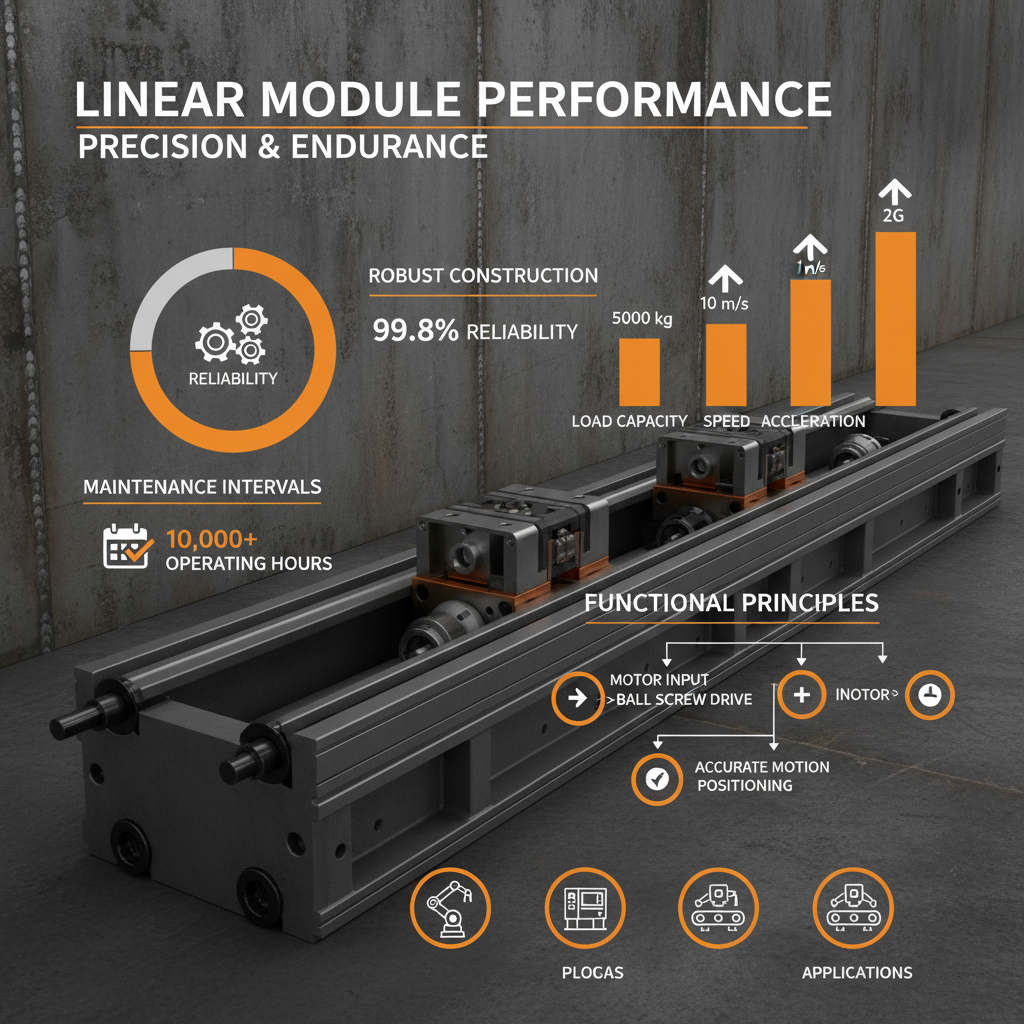
Linear Module Performance Metrics
Global Applications and Use Cases
Linear modules are finding applications across a diverse range of industries and geographies. In post-disaster relief operations, rapidly deployable modular shelters provide immediate housing for displaced populations. In remote industrial zones, modular facilities offer a cost-effective and efficient solution for establishing manufacturing plants or resource processing facilities. linear modules help make infrastructure more accessible.
Within the healthcare sector, modular operating rooms and isolation units can be quickly assembled to address emergency medical needs or expand existing capacity. In the commercial sector, modular office buildings offer a flexible and sustainable alternative to traditional construction, allowing businesses to adapt to changing workforce requirements.
Advantages and Long-Term Value
The advantages of utilizing linear modules extend beyond immediate cost savings and faster project delivery. The inherent quality control achieved in a factory setting translates to increased reliability and reduced maintenance requirements, resulting in lower life-cycle costs. The sustainable nature of modular construction, with its reduced waste and efficient use of materials, aligns with growing environmental concerns.
From a societal perspective, linear modules offer the potential to address critical housing shortages and improve living conditions for vulnerable populations. They empower communities with faster access to essential infrastructure and contribute to increased economic opportunities. Furthermore, the precision and safety inherent in the manufacturing process enhance the well-being of occupants and workers.
Future Trends and Innovations
The future of linear modules is bright, driven by advancements in materials science, digital technologies, and sustainable building practices. The integration of Building Information Modeling (BIM) and digital twins will enable greater design precision, improved collaboration, and optimized performance monitoring. The development of new, lightweight, and high-strength materials will further enhance the efficiency and sustainability of linear modules.
The rise of automation and robotics in manufacturing will accelerate the production process and reduce labor costs, making linear modules even more competitive. The increasing emphasis on green building standards will drive the adoption of eco-friendly materials and energy-efficient designs. linear modules will play a critical role in the future of sustainable infrastructure.
Finally, the exploration of 3D printing technologies for modular components holds immense potential, promising further customization and reduced manufacturing lead times.
Core Challenges and Solutions for Linear Module Implementation
| Challenge Area |
Impact on Module Performance |
Potential Solutions |
Implementation Timeline |
| Transportation Logistics |
Increased costs, potential damage during transit |
Optimized packaging, strategic factory location, specialized transport |
Short-Term (6-12 months) |
| Regulatory Hurdles |
Project delays, increased compliance costs |
Advocacy for updated building codes, standardized certification processes |
Medium-Term (1-3 years) |
| Design Standardization |
Limited design flexibility, higher initial costs |
Develop modular design platforms, promote component interoperability |
Medium-Term (1-3 years) |
| Material Sustainability |
Environmental impact, potential for resource depletion |
Utilize recycled materials, explore bio-based alternatives, promote circular economy principles |
Long-Term (3-5 years) |
| Skilled Labor Shortages |
Reduced production capacity, increased labor costs |
Invest in workforce training programs, automate manufacturing processes |
Medium-Term (1-3 years) |
| Public Perception |
Resistance to adoption, negative branding |
Showcase successful modular projects, emphasize quality and design excellence |
Ongoing |
FAQS
Linear modules typically offer significant cost savings due to reduced on-site labor, shorter construction timelines, and minimized material waste. The controlled factory environment allows for economies of scale and streamlined production processes. Furthermore, the precision of modular construction often translates to lower maintenance costs over the building’s lifespan. Utilizing linear modules can result in project savings ranging from 10-20% or more.
Quality control in modular construction is significantly more rigorous than in traditional methods. The factory setting allows for consistent monitoring and inspection throughout the entire manufacturing process. Each module undergoes thorough testing before shipment, ensuring adherence to strict quality standards. This contrasts with on-site construction, where quality control is often subject to weather conditions, labor skill variations, and logistical challenges.
The lifespan of a building constructed using linear modules is comparable to, and often exceeds, that of traditionally built structures. With proper maintenance and durable materials, modular buildings can easily last for 50-100 years or more. The consistent quality control and precise construction techniques employed in modular manufacturing contribute to the longevity and structural integrity of the building.
Yes, linear modules can be adapted to suit a wide range of climates and environmental conditions. Design considerations such as insulation, ventilation, and weatherproofing are incorporated during the manufacturing process to ensure optimal performance in specific environments. Furthermore, the use of durable materials and robust construction techniques enhances the resilience of modular buildings to extreme weather events.
Transporting linear modules to remote locations can present logistical challenges, particularly in areas with limited infrastructure. Careful planning and coordination are essential to ensure safe and efficient delivery. Utilizing specialized transport equipment, optimizing module dimensions for transport, and exploring alternative transportation modes (e.g., rail, barge) can help mitigate these challenges.
Linear modules are generally more sustainable than traditional construction methods due to reduced material waste, lower energy consumption during construction, and the potential for using recycled and renewable materials. The controlled factory environment minimizes waste generation and allows for more efficient resource utilization. Moreover, modular buildings can be easily disassembled and repurposed, promoting circular economy principles.
Conclusion
Linear modules represent a paradigm shift in construction and manufacturing, offering a compelling combination of speed, efficiency, cost-effectiveness, and sustainability. Their versatility allows them to address a wide range of challenges, from housing shortages to disaster relief to industrial expansion. The integration of advanced technologies and the growing emphasis on sustainable building practices are further accelerating the adoption of linear modules worldwide.
Looking ahead, continued innovation in materials science, manufacturing processes, and regulatory frameworks will be crucial to unlocking the full potential of linear modules. Embracing this transformative approach is not only essential for meeting the growing global demand for infrastructure and housing but also for building a more resilient, sustainable, and equitable future. Visit our website to learn more about how linear modules can benefit your projects: www.yidibearings.com.