Ball screw types are critical components in modern precision machinery, offering a highly efficient means of converting rotational motion into linear motion. These screws, characterized by their rolling element design, have become indispensable across a multitude of industries, driving advancements in automation, manufacturing, and beyond. Understanding the nuances of different ball screw types is paramount for engineers, designers, and manufacturers seeking optimal performance and reliability in their applications.
The global market for ball screws is substantial and growing, driven by increasing demand for automation in sectors such as automotive, aerospace, and medical device manufacturing. According to recent reports, the global ball screw market is projected to reach billions of dollars in the coming years, fueled by the adoption of advanced manufacturing techniques and the rising need for precision motion control. This growth underscores the importance of selecting the right ball screw type for a specific application.
Ball screw types are fundamental to a broad range of applications where precise linear movement is required. From the intricate movements of robotic arms in automated factories to the smooth operation of CNC machines and the accurate positioning in medical imaging equipment, these screws play a vital role. The ability to provide highly accurate, repeatable, and efficient motion makes them essential for many critical processes, enhancing productivity and improving product quality.
Introduction to ball screw types
The increasing reliance on automation across numerous industries has propelled ball screw types to the forefront of motion control technology. These precision instruments, capable of translating rotary motion into linear movement with exceptional efficiency, are critical for applications demanding accuracy and repeatability. Choosing the appropriate ball screw type is no longer simply a mechanical consideration, but a strategic one impacting overall system performance.
The diverse range of ball screw types available—from standard to high-precision, and differing in features like lead, diameter, and material—necessitates a thorough understanding of their capabilities and limitations. Factors like load capacity, speed requirements, and environmental conditions all play crucial roles in selecting the optimal ball screw for a given application. ball screw types offer a unique solution for complex mechanical engineering demands.
Defining Ball Screw Types
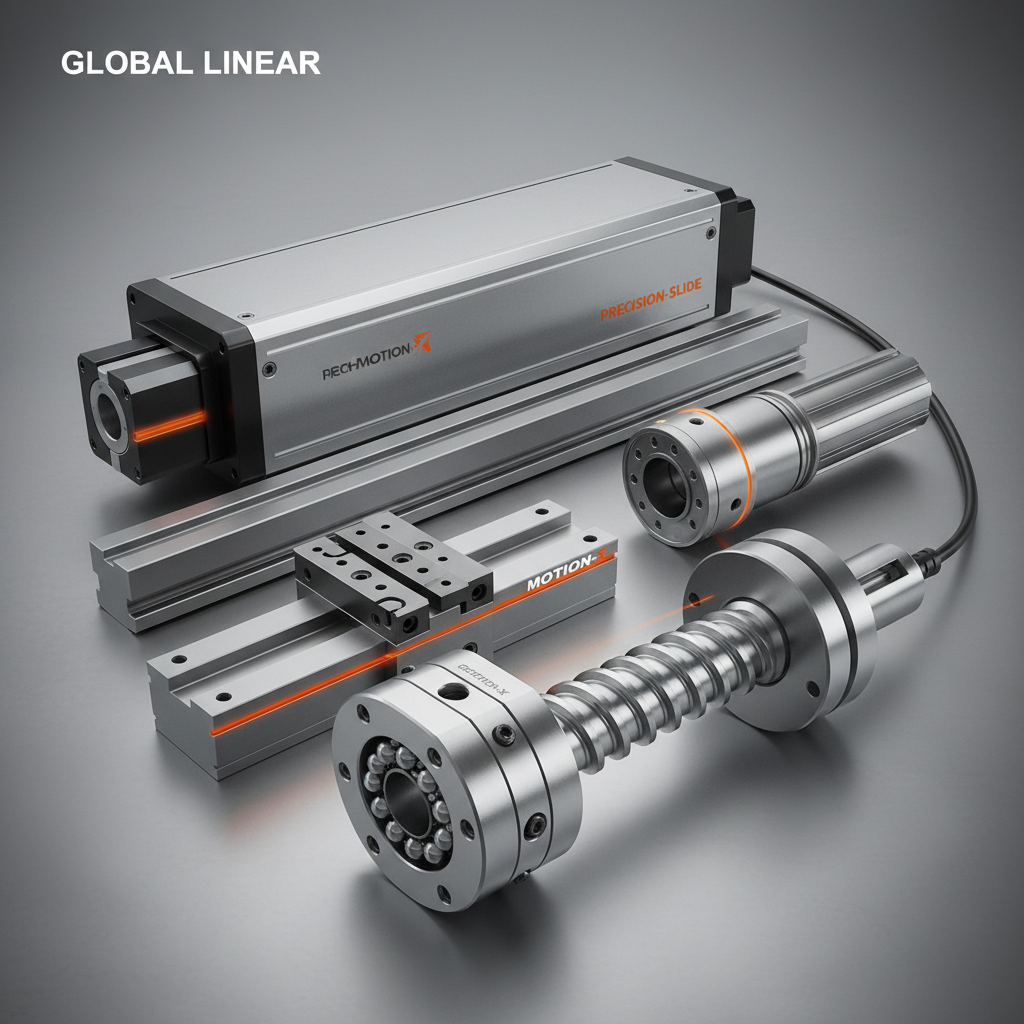
A ball screw, fundamentally, is a mechanical linear actuator that transforms rotational motion into linear displacement. Unlike traditional lead screws, ball screws utilize ball bearings placed between the screw and the nut, significantly reducing friction and enhancing efficiency. This reduction in friction translates to higher accuracy, smoother motion, and longer service life. The defining characteristic of ball screw types lies in this rolling element system.
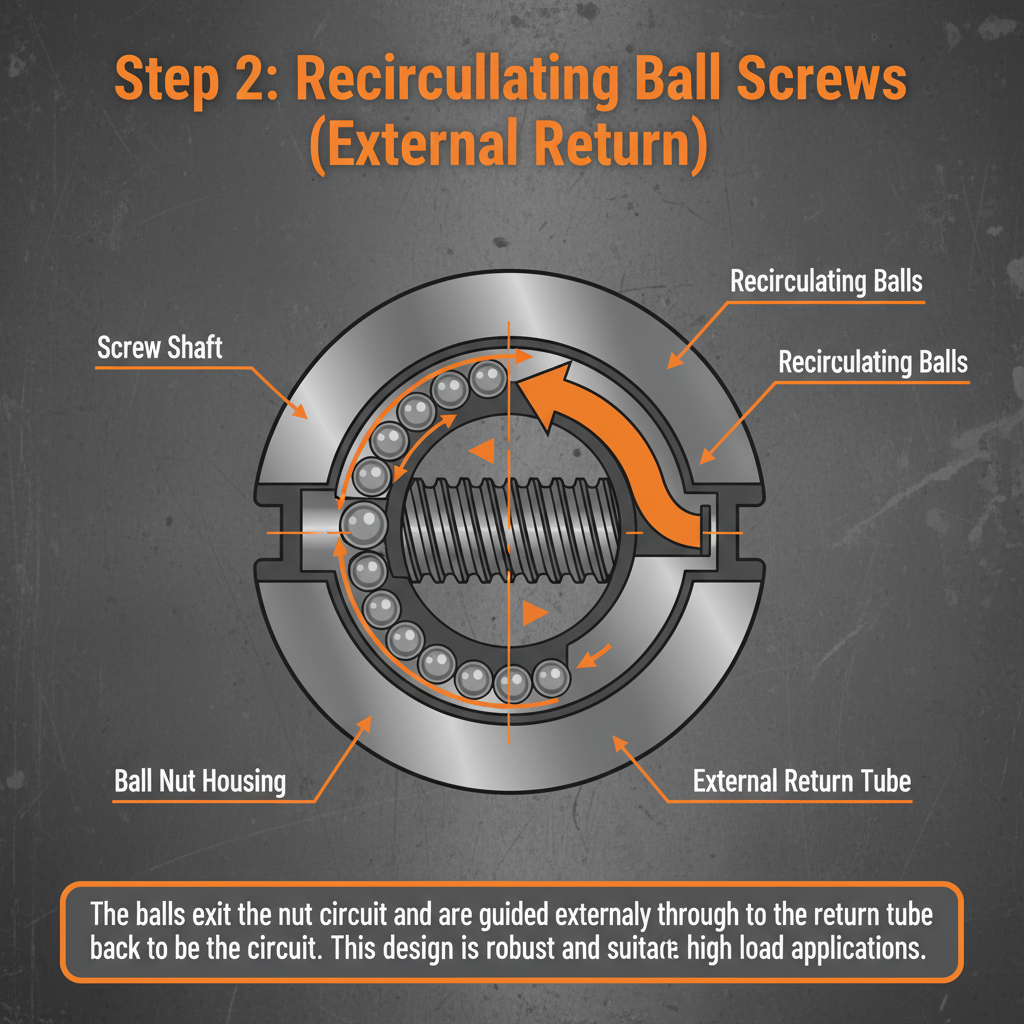
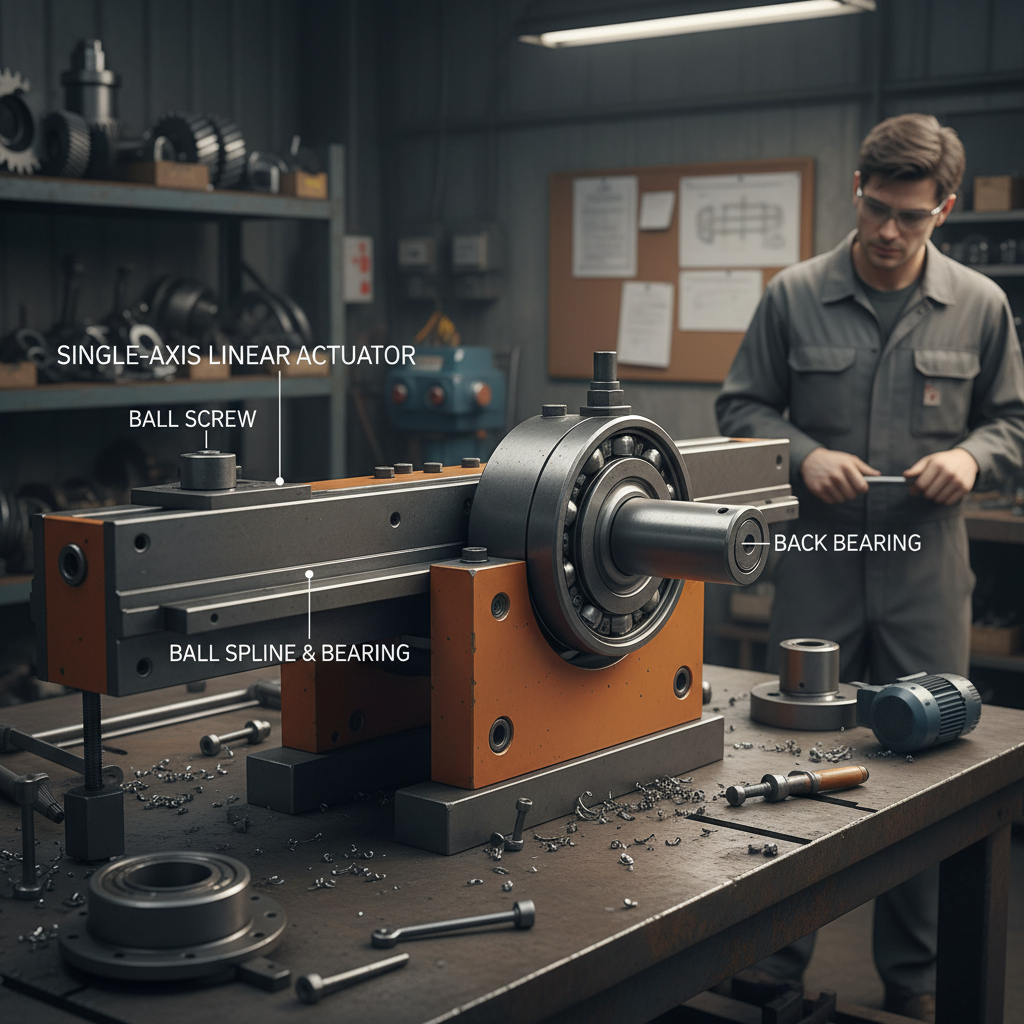
The core components of a ball screw assembly include the screw itself (typically a hardened steel shaft with a helical groove), the nut (containing the ball bearings), and recirculating pathways for the ball bearings. Different configurations of these components, along with variations in materials and manufacturing processes, result in the various ball screw types available today.
The connection to modern industry stems from the need for increased precision and automation. As manufacturers strive for higher throughput and improved product quality, ball screw types provide the necessary level of control and repeatability. This is particularly critical in industries like aerospace, automotive, and medical device manufacturing where even minute inaccuracies can have significant consequences.
Core Characteristics of Ball Screw Types
Durability is a cornerstone of ball screw types. The use of hardened steel and the rolling element design contribute to exceptional wear resistance, allowing these screws to withstand high loads and operate reliably for extended periods. Proper lubrication further enhances durability, minimizing friction and protecting against corrosion.
Accuracy is another key characteristic. Ball screw types offer significantly higher accuracy than traditional lead screws, thanks to the minimal friction and precise manufacturing tolerances. This accuracy is crucial for applications requiring precise positioning, such as CNC machines and robotics. The preloading of the ball screw can further enhance its rigidity and accuracy.
Efficiency is a significant advantage. The rolling element design minimizes energy loss due to friction, resulting in higher efficiency compared to sliding friction-based systems. This efficiency not only reduces energy consumption but also minimizes heat generation, preventing thermal distortion and maintaining accuracy.
Global Applications of Ball Screw Types
Ball screw types are ubiquitous in the manufacturing sector, driving automation in CNC machines, robotics, and assembly lines. They are integral to the precise movements required for cutting, milling, drilling, and other machining operations. The automotive industry relies heavily on these screws for applications such as welding robots, transfer systems, and engine manufacturing.
In the aerospace industry, ball screw types are used in flight control surfaces, landing gear actuators, and satellite deployment mechanisms. The demand for high reliability and precision in these applications necessitates the use of high-quality ball screws. In remote industrial zones, such as mining operations or offshore platforms, these components ensure reliable operation of critical equipment.
The medical industry utilizes ball screw types in medical imaging equipment, surgical robots, and patient positioning systems. The need for precise and controlled movements in these applications makes ball screws an indispensable component. In post-disaster relief operations, portable and rapidly deployable equipment frequently incorporates ball screws for its compact size and efficiency.
Ball Screw Types Performance Comparison
Advantages and Long-Term Value
The cost savings associated with ball screw types extend beyond initial purchase price. Reduced friction translates to lower energy consumption, decreasing operational expenses over the lifespan of the equipment. Furthermore, the extended service life and reduced maintenance requirements minimize downtime and associated costs.
The reliability of ball screw types contributes significantly to process stability and product quality. Precise and repeatable motion ensures consistent results, reducing scrap rates and improving overall efficiency. The inherent safety features of these screws, combined with their robust construction, minimize the risk of mechanical failure and potential hazards.
Future Trends in Ball Screw Types
Ongoing research focuses on developing new materials for ball screws, such as ceramic and composite materials, to further enhance their performance and durability. These materials offer improved wear resistance, lower friction, and reduced weight. ball screw types are seeing constant improvement to performance.
The integration of smart sensors and data analytics is enabling predictive maintenance capabilities. By monitoring parameters like temperature, vibration, and load, these systems can anticipate potential failures and schedule maintenance proactively, minimizing downtime and maximizing operational efficiency. This aligns with the broader trend of digital transformation in manufacturing.
Sustainable manufacturing practices are driving demand for more environmentally friendly ball screw designs. This includes the use of recyclable materials, the development of more energy-efficient designs, and the implementation of closed-loop lubrication systems to minimize waste.
Challenges and Solutions in Ball Screw Types
One common challenge is dealing with contamination, as dust and debris can compromise the performance and lifespan of ball screws. Implementing effective sealing solutions and regular cleaning protocols can mitigate this issue. Another challenge involves managing thermal expansion, which can affect accuracy. Utilizing temperature compensation techniques and selecting materials with low thermal expansion coefficients can address this concern.
Selecting the appropriate lubrication is crucial for optimizing performance and preventing wear. Choosing a lubricant compatible with the ball screw material and operating conditions, and implementing a regular lubrication schedule, is essential. Advanced lubrication systems, such as automatic lubricators, can ensure consistent and precise lubrication.
Addressing noise and vibration can be challenging in certain applications. Utilizing damping materials, optimizing screw alignment, and implementing vibration isolation techniques can minimize noise and vibration levels. Careful consideration of mounting configurations and load distribution is also important.
Summary of Ball Screw Type Challenges and Solutions
| Challenge |
Impact on Performance |
Solution |
Implementation Difficulty (1-10) |
| Contamination |
Reduced lifespan, increased friction |
Effective sealing & cleaning |
4 |
| Thermal Expansion |
Decreased accuracy |
Temperature compensation |
6 |
| Insufficient Lubrication |
Increased wear, reduced efficiency |
Regular lubrication schedule |
3 |
| Noise & Vibration |
Reduced precision, operator discomfort |
Damping materials & isolation |
5 |
| Incorrect Load Capacity |
Premature failure |
Proper screw sizing |
7 |
| Misalignment |
Increased friction, uneven wear |
Precise mounting & alignment |
4 |
FAQS
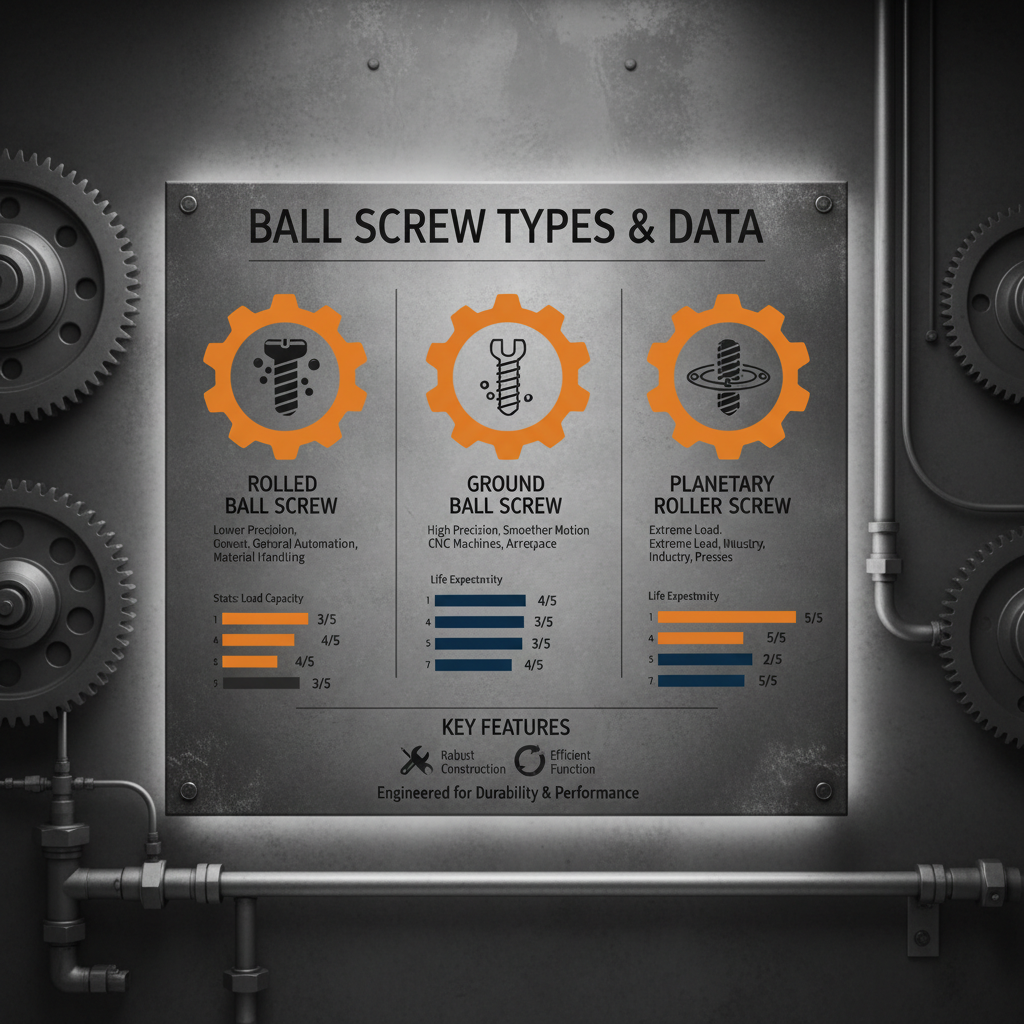
Rolled ball screws are manufactured through a rolling process, resulting in a lower cost and faster lead time. Ground ball screws, however, undergo a grinding process to achieve higher accuracy and surface finish. Ground screws are ideal for applications demanding exceptional precision, while rolled screws are suitable for less demanding applications. The key differentiator is the surface finish and dimensional accuracy.
Preloading refers to the application of an axial load to the ball screw assembly, eliminating backlash and increasing stiffness. A higher preload generally results in improved accuracy and rigidity, particularly under varying loads. However, excessive preloading can increase friction and reduce bearing life, so proper preload selection is essential based on the application’s requirements.
A properly maintained ball screw can have a remarkably long lifespan, often exceeding 10,000 operating hours and sometimes reaching 20,000 or more. Regular lubrication, protection from contamination, and appropriate load management are crucial for maximizing lifespan. The specific lifespan depends on factors like load, speed, and environmental conditions.
The choice of lubricant depends on the operating environment and load conditions. Lithium-based greases are commonly used for their excellent lubrication properties and resistance to water washout. Synthetic oils are often preferred for high-speed applications or extreme temperatures. Consulting the ball screw manufacturer’s recommendations is always advised.
Ball screws can be used in corrosive environments, but require special considerations. Choosing corrosion-resistant materials, such as stainless steel, and applying protective coatings can mitigate corrosion. Regular cleaning and lubrication with corrosion-inhibiting lubricants are also essential. The severity of the environment dictates the level of protection required.
Determining the appropriate ball screw size requires careful consideration of several factors, including the applied load, desired speed, required accuracy, and duty cycle. Calculating the required dynamic and static load capacities is critical. Consulting with a ball screw specialist or using online sizing tools can ensure proper selection.
Conclusion
Ball screw types represent a cornerstone of modern precision motion control. Their ability to efficiently and accurately convert rotational motion into linear displacement has revolutionized industries ranging from manufacturing to aerospace and medicine. The advantages of durability, accuracy, and efficiency, coupled with ongoing innovations in materials and design, solidify their position as a critical component in countless applications.
Looking ahead, the future of ball screw types is poised for continued advancement. Integrating smart technologies, embracing sustainable manufacturing practices, and addressing existing challenges will unlock even greater potential. For reliable performance and expert guidance in selecting the ideal ball screw solution for your needs, visit our website: www.yidibearings.com.