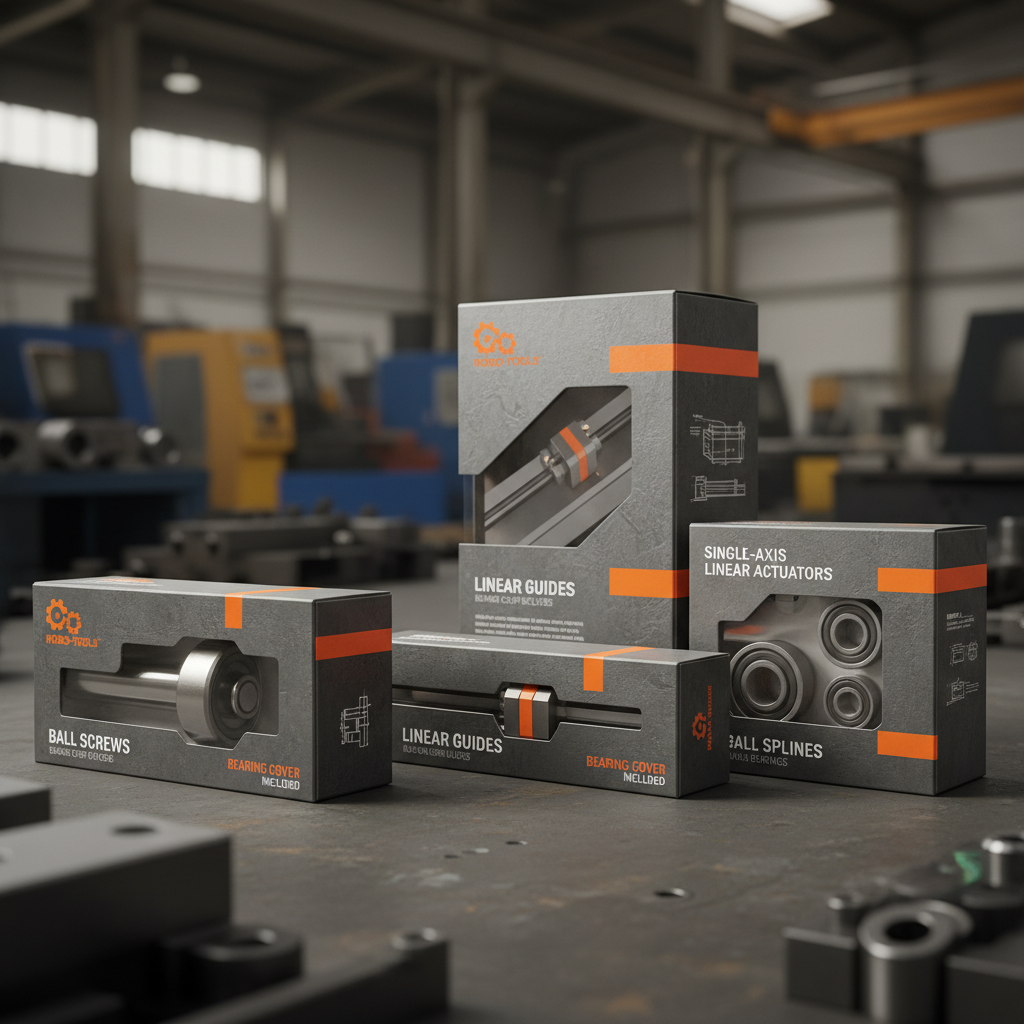
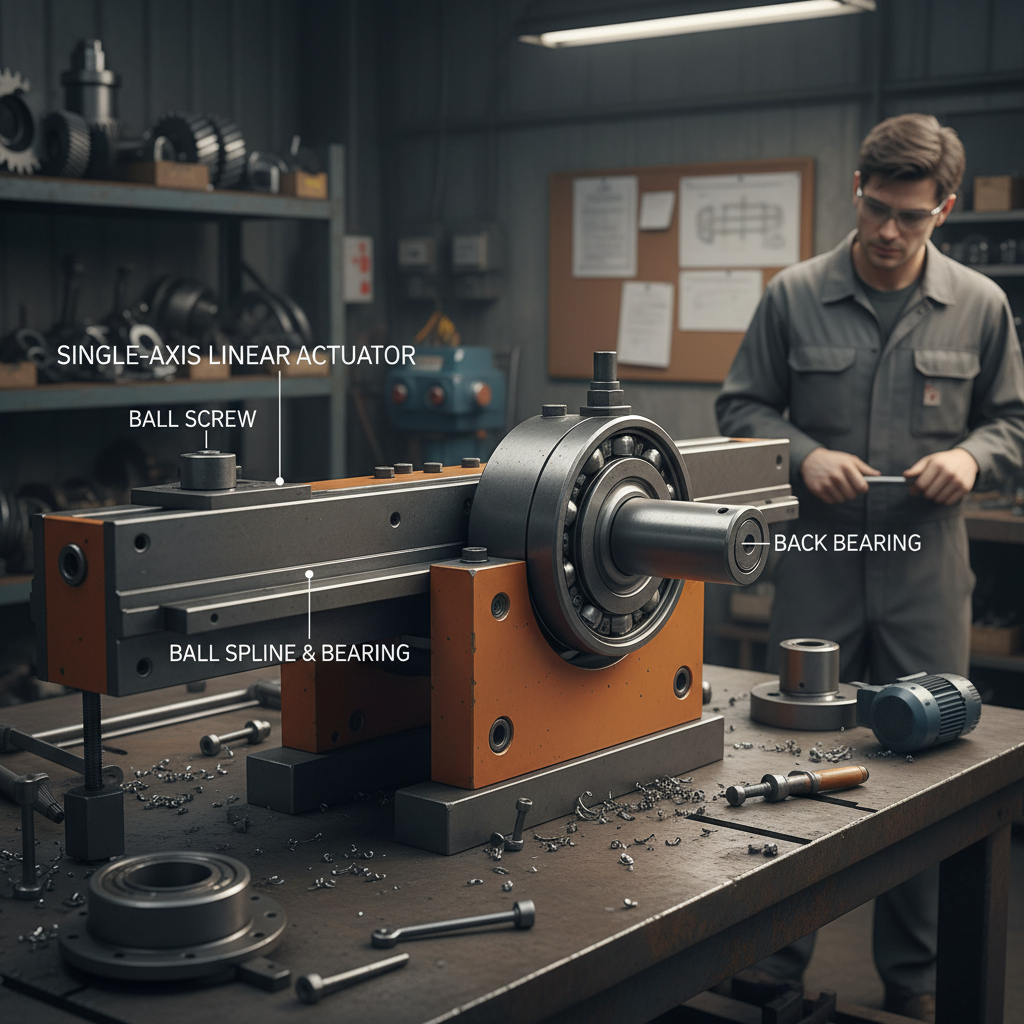
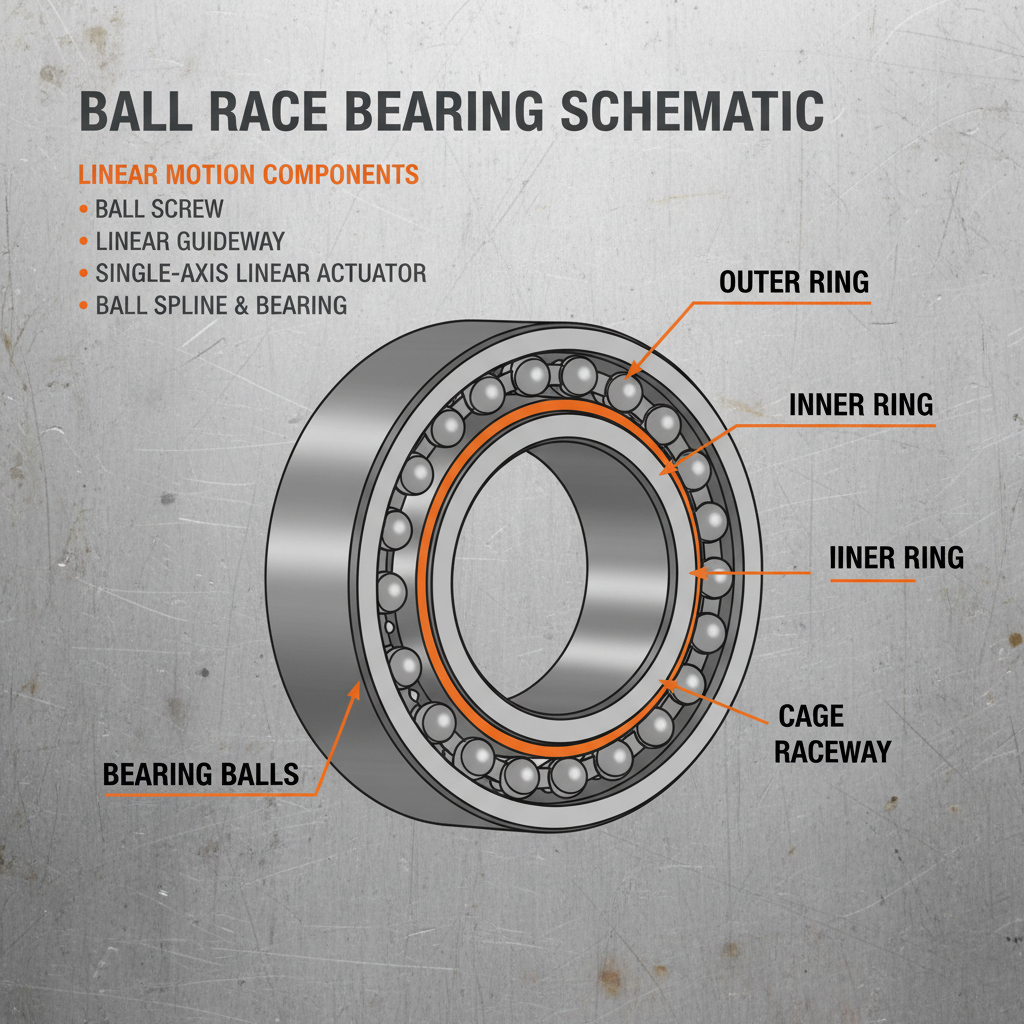
In the world of precision machinery, the longevity of a rotating assembly is often determined not by the bearing itself, but by how well it is shielded from the environment. A high-quality bearing cover serves as the first line of defense, preventing contaminants like dust, moisture, and metallic shavings from infiltrating the raceways and causing premature wear. Understanding the nuances of these protective components is essential for engineers aiming to reduce downtime and maximize operational efficiency across various industrial sectors.
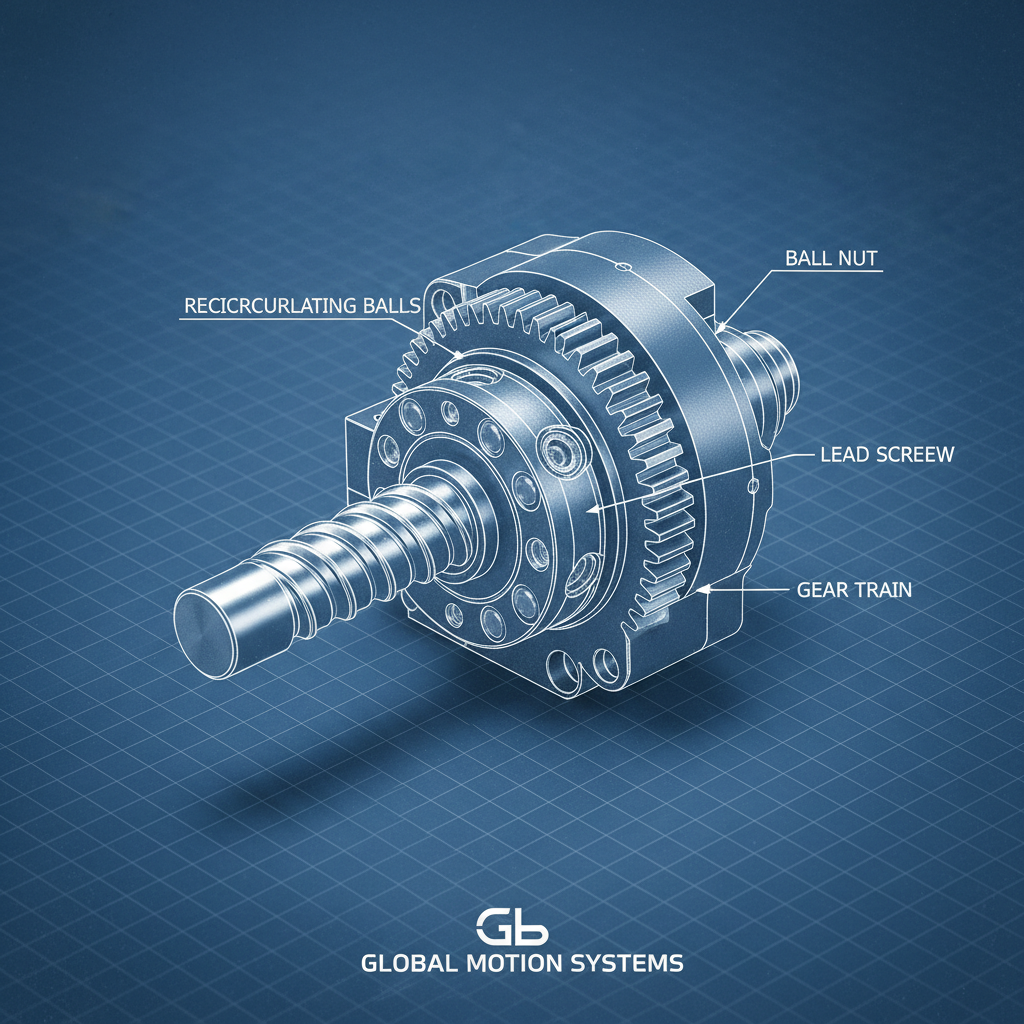
Globally, the demand for robust sealing solutions has surged as automation and high-speed manufacturing become the standard. From the automotive assembly lines in Germany to the semiconductor plants in East Asia, the implementation of a precision-engineered bearing cover ensures that lubricants remain trapped within the bearing, maintaining the low-friction environment necessary for high-performance output. Without proper coverage, even the most expensive Ball Screw or Linear Guide system can fail within a fraction of its intended lifespan.
Investing in the correct shielding strategy is not merely a maintenance choice but a strategic financial decision. By mitigating the risk of abrasive wear and corrosion, companies can significantly lower their Total Cost of Ownership (TCO) and improve the reliability of their equipment. This guide explores the technical dimensions, material science, and application strategies of the bearing cover to provide a comprehensive roadmap for industrial optimization.
The Global Industry Context of Bearing Covers
The global manufacturing landscape is currently facing a critical challenge: the paradox of increasing speeds and tightening tolerances. According to ISO standards for rolling bearings, contaminant ingress is cited as one of the leading causes of premature failure in industrial equipment. As the world shifts toward Industry 4.0, the bearing cover has evolved from a simple piece of sheet metal into a precision-engineered component designed to withstand extreme pressures and chemical exposure.
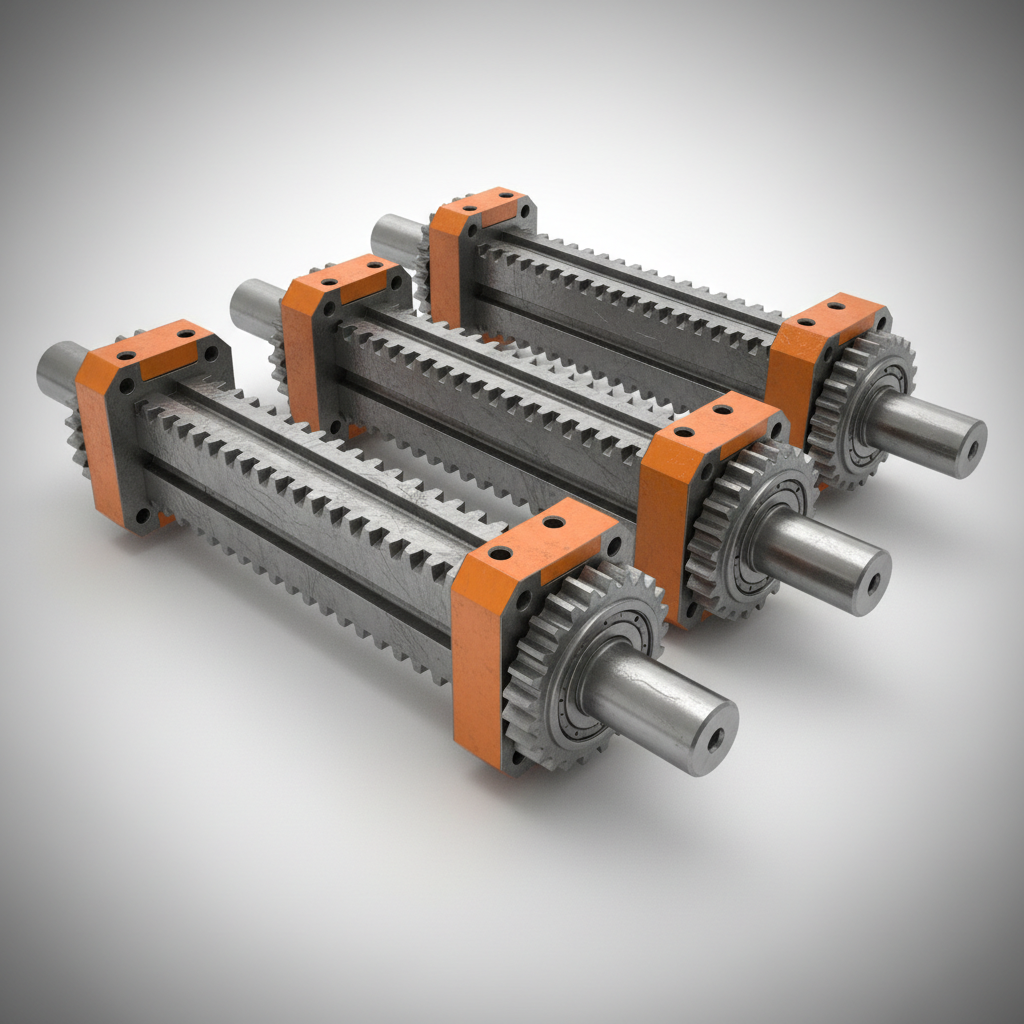
In regions with heavy industrial concentrations, such as the Midwestern United States or the Yangtze River Delta, the cost of unplanned downtime can reach thousands of dollars per minute. This makes the selection of an appropriate bearing cover a pivotal factor in operational stability. By integrating advanced sealing geometries, manufacturers are now able to extend the maintenance intervals of their Gear and Rack systems and Linear Modules, ensuring a more predictable production cycle.
Defining the Function and Meaning of Bearing Covers
At its core, a bearing cover is a protective housing or seal that encapsulates the bearing assembly. Its primary purpose is two-fold: to keep external pollutants out and to keep the internal lubricant in. Whether it is a simple press-fit shield or a complex labyrinth seal, the cover ensures that the rolling elements—the balls or rollers—can rotate without interference from debris that could cause scoring or pitting on the raceways.
Beyond simple protection, these covers play a crucial role in thermal management. In high-speed applications, friction generates heat; a well-designed bearing cover can act as a heat sink or be integrated with cooling channels to prevent the lubricant from breaking down. This connection to thermal stability is what allows modern Linear Guides and Ball Splines to operate at higher velocities without risking catastrophic thermal expansion.
In the broader context of humanitarian and infrastructure needs, the reliability provided by these covers is indispensable. In remote industrial zones or post-disaster relief operations where spare parts are scarce, the use of a heavy-duty bearing cover significantly extends the life of critical machinery, such as water pumps or power generators, ensuring that essential services remain operational under harsh environmental conditions.
Core Components of Effective Bearing Protection
Durability is the foremost requirement for any bearing cover. The material choice—ranging from carbon steel and stainless steel to high-performance polymers like PTFE—determines how the cover reacts to corrosive agents and physical impacts. A durable cover prevents the structural deformation that could lead to seal leakage, thereby safeguarding the internal integrity of the bearing.
Scalability and versatility allow a bearing cover to be adapted across various product categories, from small-diameter Ball Screws to large-scale industrial Gear systems. This versatility is achieved through modular design, enabling engineers to swap cover types (e.g., from a contact seal to a non-contact shield) as the operational environment changes without needing to redesign the entire housing.
Cost efficiency in bearing protection is measured by the balance between initial procurement and the reduction in maintenance costs. While a premium bearing cover may have a higher upfront price, the extension of the bearing's service life from 2 years to 5 years represents a massive return on investment, reducing the frequency of expensive replacements and labor-intensive teardowns.
Performance Metrics for Different Cover Types
Selecting the right bearing cover requires a data-driven approach. Different shielding methods offer varying levels of protection against different types of contaminants. For instance, while a metallic shield is excellent for excluding large particles, a rubber lip seal is far superior for preventing the ingress of fine liquids or gases.
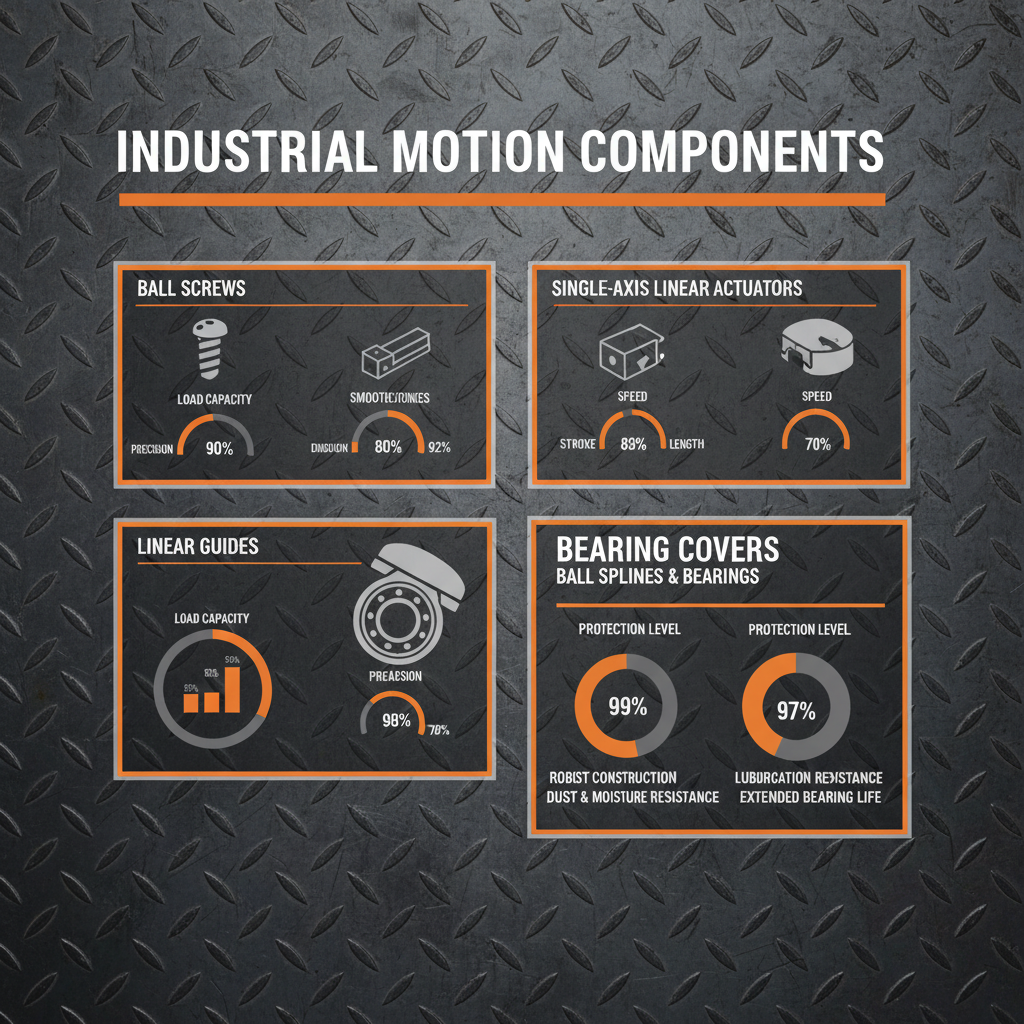
The following chart illustrates the comparative ratings of various cover methods across key performance indicators such as sealing efficiency, heat dissipation, and ease of installation, helping engineers make an informed choice for their specific application.
Comparative Performance of Bearing Cover Methods
Global Applications and Industrial Use Cases
The practical application of a bearing cover spans nearly every mechanical system in existence. In the aerospace industry, where bearings are exposed to extreme temperature fluctuations and vacuum conditions, specialized composite covers are used to maintain lubrication and prevent outgassing. Similarly, in the food and beverage industry, stainless steel covers with FDA-approved seals are mandatory to prevent food contamination and allow for rigorous chemical wash-downs.
In heavy-duty mining operations in regions like Australia or Chile, the bearing cover faces its toughest test against abrasive quartz dust and moisture. In these scenarios, multi-stage labyrinth covers are employed, creating a tortuous path that particles must travel through, making it mathematically improbable for contaminants to reach the internal bearing surfaces. This ensures that massive conveyor systems and crushers can operate for months without intervention.
Long-Term Value and Sustainability Benefits
From a logical perspective, the value of a high-quality bearing cover is found in the drastic reduction of waste. When a bearing fails prematurely due to contamination, the entire assembly—including the shaft and housing—often requires replacement. By extending the component life, we reduce the consumption of raw steel and the energy required for manufacturing new parts, aligning industrial practice with global sustainability goals.
Beyond the numbers, there is an emotional and ethical dimension to reliability: safety. A bearing failure in a high-speed Linear Module or a heavy-duty Gear system can lead to catastrophic mechanical collapse, posing a direct threat to operator safety. A dependable bearing cover provides peace of mind, fostering a culture of trust between the equipment manufacturer and the end-user.
Innovation in this field also drives overall machine efficiency. By reducing friction and leakage, advanced covers contribute to lower energy consumption in motors and drives. This ripple effect means that the simple act of choosing a better bearing cover contributes to the broader objective of reducing the carbon footprint of the global manufacturing sector.
Future Innovations in Bearing Cover Technology
The future of the bearing cover is inextricably linked to the digital transformation of industry. We are seeing the emergence of "Smart Covers" equipped with embedded IoT sensors. These sensors can monitor temperature and vibration levels in real-time, alerting maintenance teams to a seal breach or lubrication failure before the bearing actually fails, transitioning maintenance from a reactive to a predictive model.
Material science is also evolving, with the introduction of nano-coatings and self-healing polymers. Future bearing cover designs may feature surfaces that actively repel water and oil (superhydrophobic/oleophobic), further reducing the chance of contaminant adhesion. Furthermore, 3D printing allows for the creation of complex, customized internal geometries that were previously impossible to machine, optimizing airflow and cooling.
As green energy becomes the priority, there is a shift toward biodegradable lubricants, which in turn requires new bearing cover materials that are chemically compatible with these bio-oils. The synergy between automation, new materials, and sustainability is pushing the boundary of what a simple cover can achieve, transforming it into a sophisticated system for asset protection.
Technical Analysis of Bearing Cover Materials and Application Suitability
| Material Type |
Contamination Resistance |
Temperature Range |
Recommended Application |
| Carbon Steel |
Medium (Dust) |
-40°C to 200°C |
General Industrial Machinery |
| Stainless Steel |
High (Corrosion) |
-50°C to 400°C |
Food & Pharmaceutical |
| NBR Rubber |
High (Liquid) |
-30°C to 120°C |
Automotive Oil Seals |
| PTFE (Teflon) |
Very High (Chemical) |
-180°C to 260°C |
Chemical Processing Plants |
| Engineering Plastic |
Medium (Light Dust) |
-20°C to 80°C |
Office Automation/Robotics |
| Ceramic Composite |
Extreme (Heat/Wear) |
-100°C to 800°C |
Aerospace Turbines |
FAQS
A bearing shield is typically a thin metal plate integrated into the bearing itself to block large particles. A bearing cover is usually a separate, more robust housing or seal assembly that fits over the entire bearing unit to provide a higher level of protection against liquids, fine dust, and extreme environments.
The choice depends on three factors: temperature, chemical exposure, and the type of contaminant. For high-heat environments, stainless steel or ceramics are best. For chemical plants, PTFE is recommended. For general dust protection in dry areas, carbon steel or high-density plastics offer the best cost-to-performance ratio.
Yes, if a bearing cover is too tight or lacks proper ventilation/heat dissipation paths, it can trap heat generated by friction. This is why high-speed bearings often use non-contact labyrinth covers that allow air to circulate while still blocking contaminants.
Inspection intervals vary by industry. In clean-room environments, annual checks may suffice. However, in mining or heavy construction, monthly visual inspections for cracks, leakage, or deformation are recommended to prevent a sudden failure that could destroy the internal bearing.
Polymer covers are highly effective for lightweight applications and corrosive environments where metal would rust. However, they lack the structural rigidity and heat resistance of metal. For heavy loads and high-temperature industrial use, metal bearing cover solutions remain the industry standard.
A properly fitted cover does not affect precision; rather, it preserves it. By preventing debris from entering the rail and carriage, the cover ensures that the Linear Guide maintains its original tolerance and smooth travel over millions of cycles.
Conclusion
In conclusion, the bearing cover is far more than a simple accessory; it is a critical component that dictates the reliability, safety, and economic viability of any rotating mechanical system. By effectively managing the balance between contaminant exclusion and thermal regulation, the right coverage strategy extends the life of Ball Screws, Linear Guides, and Gears, reducing waste and maximizing industrial productivity.
Looking forward, the integration of smart sensors and advanced composite materials will continue to evolve the role of bearing protection. We encourage engineers and procurement managers to move beyond "standard" solutions and evaluate their specific environmental challenges to select a cover that offers the best long-term value. For high-precision components and professional consultation, visit our website: www.yidibearings.com.