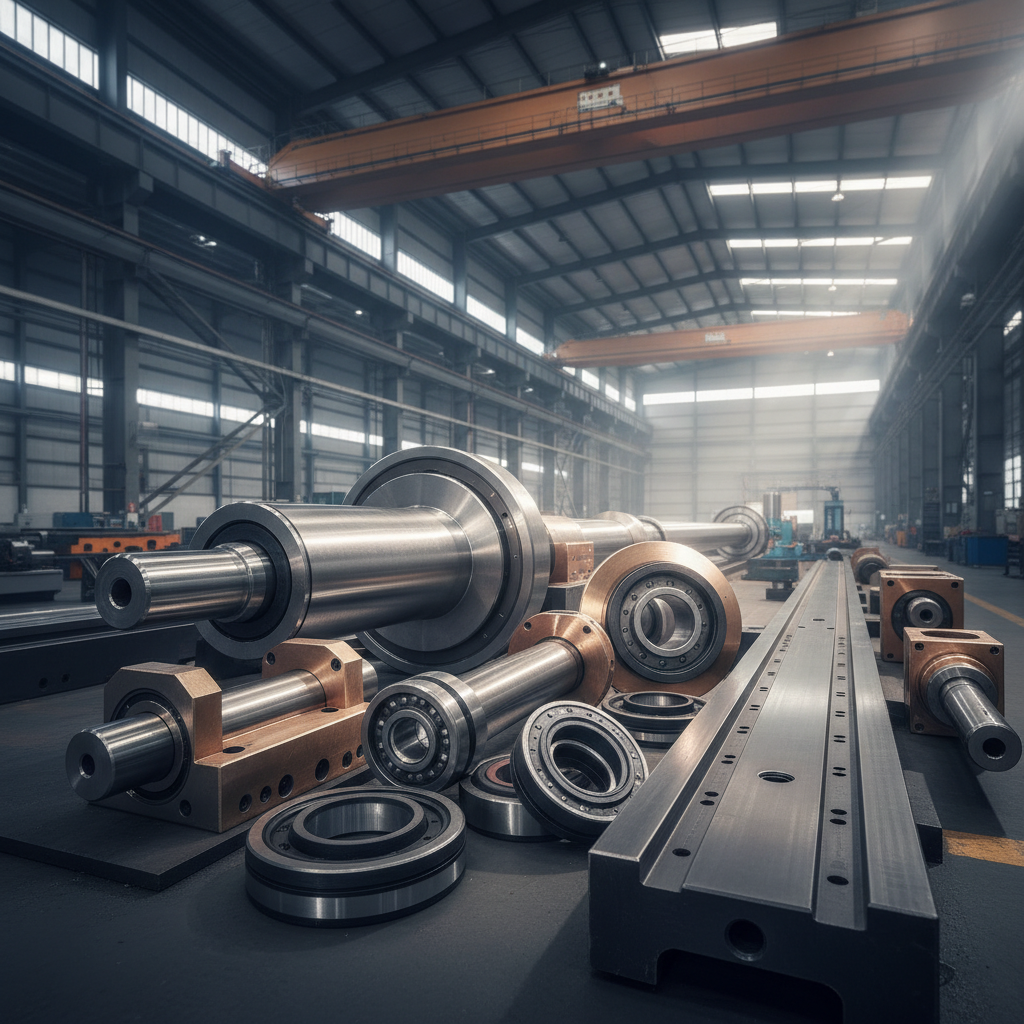
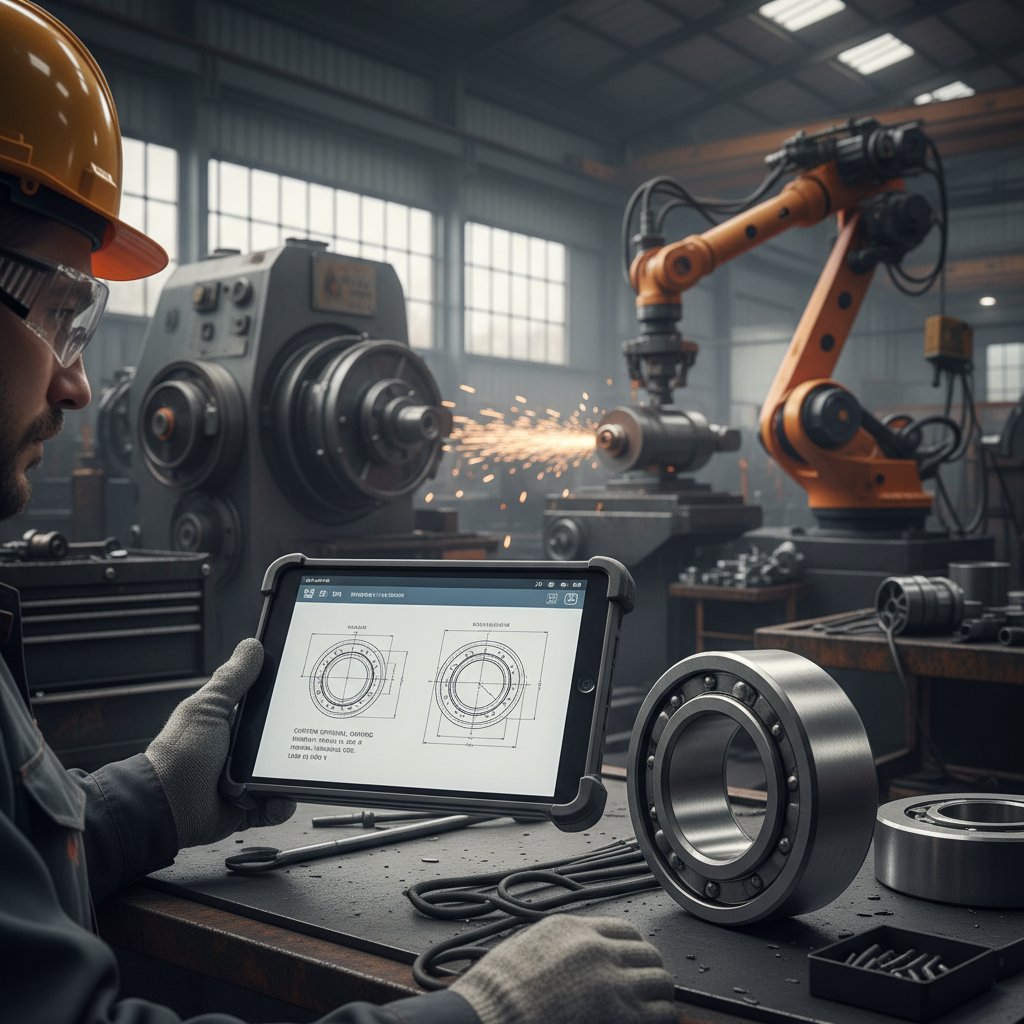
In the high-precision world of mechanical engineering, the synergy between a bearing and seal system is the invisible backbone of industrial reliability. Whether it is a high-speed turbine or a precision linear module, the ability to reduce friction while preventing contaminant ingress determines the operational lifespan of the entire machine. Understanding this relationship is not merely a technical necessity but a strategic advantage for reducing downtime and optimizing energy efficiency.
Globally, the demand for advanced motion control components is surging as automation scales across the manufacturing sector. The integration of high-performance seals with precision bearings allows machinery to operate in increasingly harsh environments—from the corrosive atmosphere of chemical plants to the ultra-clean requirements of semiconductor fabrication. This critical pairing ensures that lubricants remain contained and external pollutants are locked out.
For engineers and procurement specialists, choosing the right bearing and seal combination is a balancing act between cost, durability, and performance. By analyzing the interplay between load capacities, thermal expansion, and sealing materials, companies can move from reactive maintenance to a predictive model, significantly enhancing the overall equipment effectiveness (OEE) of their production lines.
Global Industrial Significance of Bearing and Seal
On a global scale, the reliability of the bearing and seal assembly is directly linked to industrial productivity. According to ISO standards and industry benchmarks, nearly 40% of premature bearing failures are attributed to lubrication contamination or leakage—problems that a correctly specified seal could have prevented. In massive industrial hubs across Asia and Europe, the shift toward "Zero Downtime" manufacturing has placed a premium on the precision of these components.
The challenge lies in the diversity of operational environments. From the extreme temperatures of aerospace engines to the high-pressure requirements of deep-sea drilling, a generic approach to sealing fails. The industry is currently witnessing a transition toward customized, hybrid solutions where the seal is engineered specifically for the bearing's load profile and the surrounding environmental stressors, ensuring that the motion remains fluid and the machinery remains protected.
Defining the Mechanics of Bearing and Seal
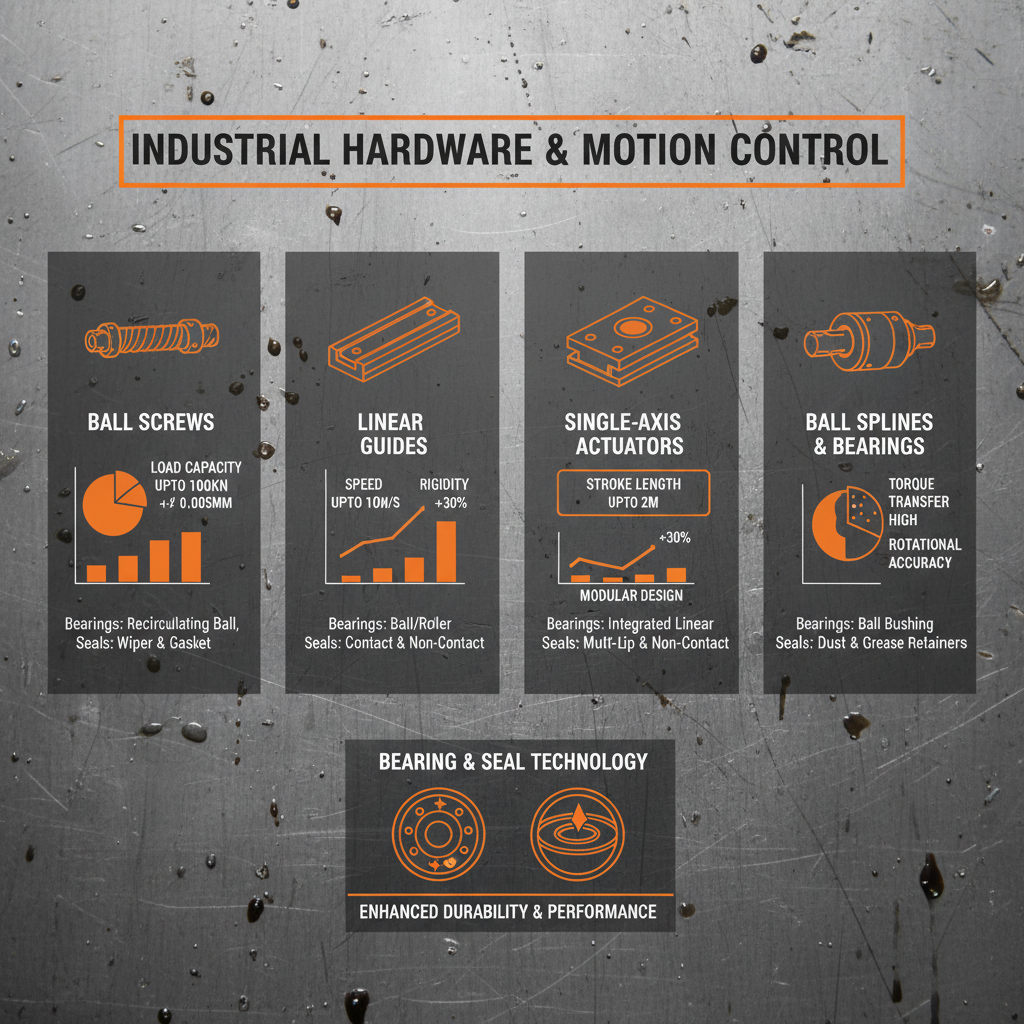
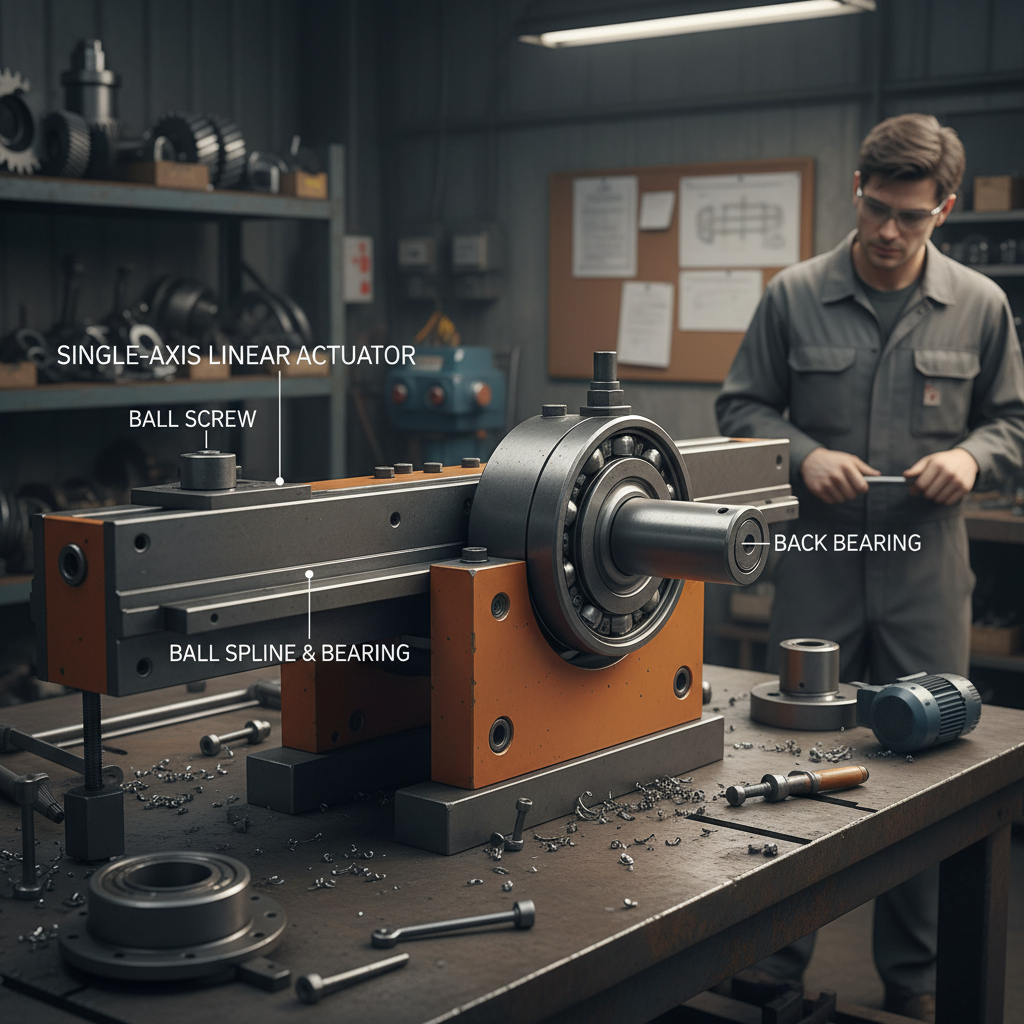
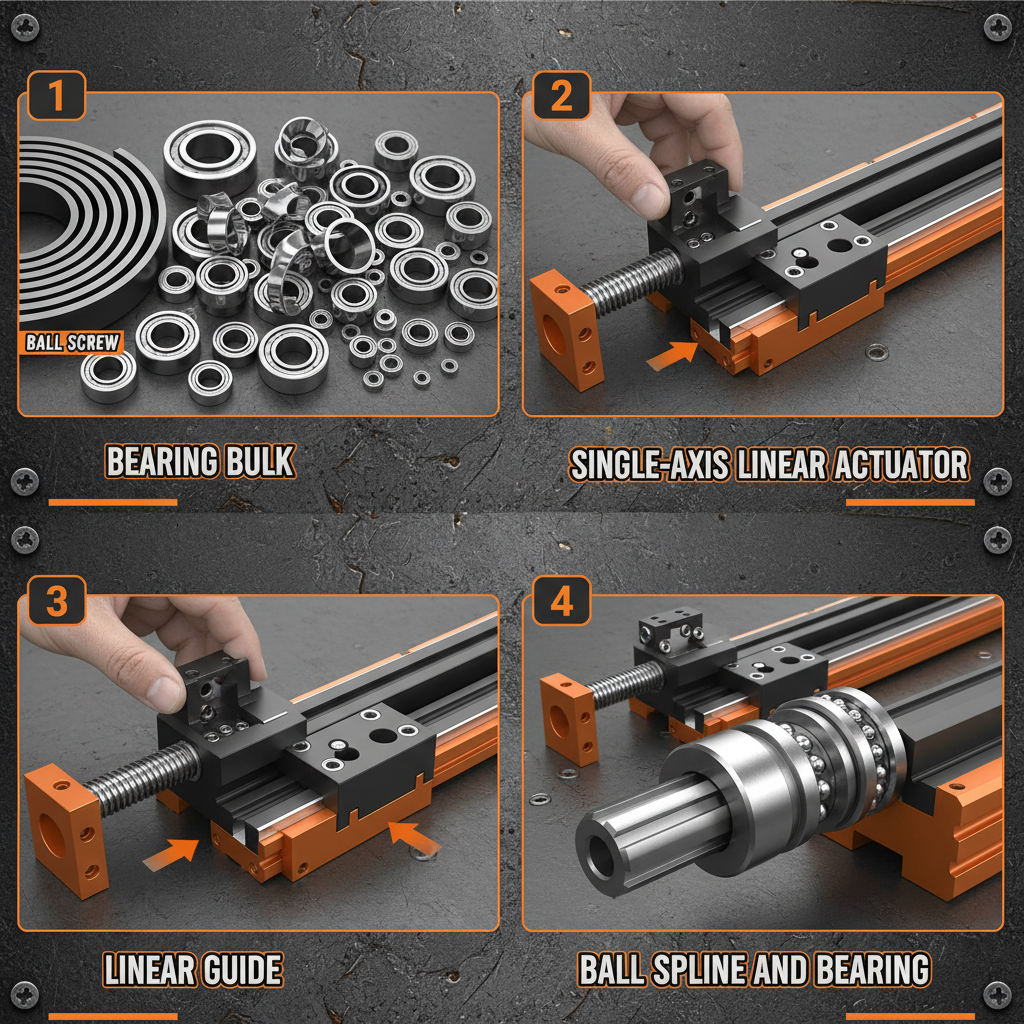
At its most fundamental level, a bearing is a machine element that constrains relative motion to only the desired motion, and reduces friction between moving parts. When we speak of a bearing and seal system, we are describing the marriage of a load-carrying component with a barrier designed to retain lubricants and exclude debris. This combination is what allows a Ball Screw or a Linear Guide to maintain micron-level precision over millions of cycles.
The connection to modern humanitarian and industrial needs is profound. For instance, in medical imaging equipment (like MRI machines) or high-precision surgical robotics, the stability provided by the bearing and the cleanliness maintained by the seal are not just performance metrics—they are safety requirements. A failure in sealing could lead to lubricant leakage into a sterile environment, rendering a life-saving machine useless.
Technically, the "seal" part of the equation can vary from simple contact seals (like rubber lips) to non-contact labyrinth seals. The choice depends on the required speed and the nature of the contaminant. While a contact seal provides a tighter barrier, it introduces more friction; conversely, a labyrinth seal reduces heat but may allow microscopic particles to enter over time. Balancing these trade-offs is the essence of precision engineering.
Core Components for Maximum Durability
Durability in a bearing and seal assembly begins with material science. The use of high-chrome steel for bearing races paired with Nitrile (NBR) or Viton (FKM) for seals ensures that the system can withstand both mechanical wear and chemical degradation. This synergy is critical for components like Ball Splines, where axial and radial loads must be managed simultaneously without compromising the seal's integrity.
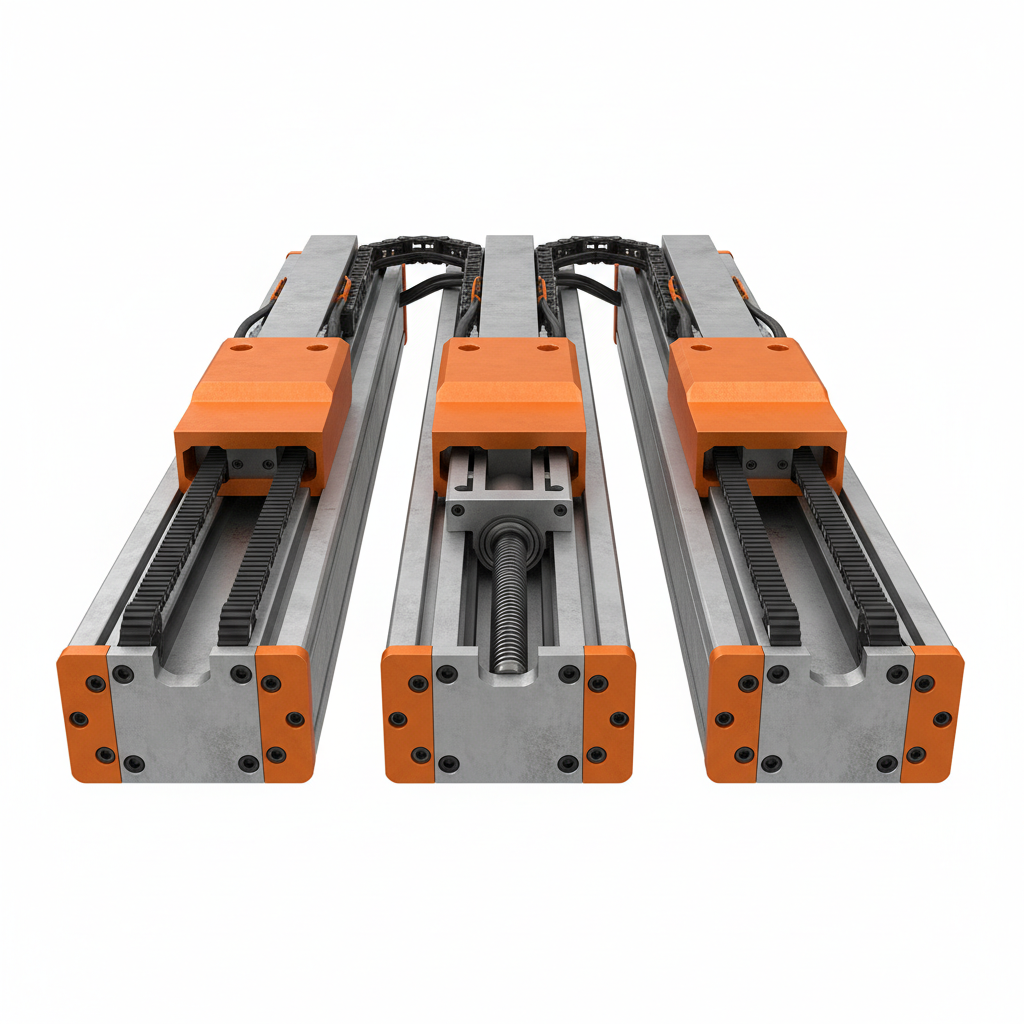
Scalability and versatility are equally important. A modular approach allows engineers to integrate the same bearing core with different sealing options depending on the application. For example, a Linear Module might use a heavy-duty wiper seal in a dusty warehouse environment but switch to a low-friction polymer seal in a clean-room setting, all while utilizing the same internal bearing geometry to maintain cost efficiency.
Finally, thermal management plays a pivotal role. Friction naturally generates heat, and as materials expand, the gap between the bearing and seal can change. High-end systems employ "self-compensating" seals that maintain a consistent lip pressure regardless of thermal expansion, preventing the common issue of seal "blow-out" during high-speed operation.
Performance Metrics in Real-World Applications
Implementing a bearing and seal system requires a data-driven approach. In industries like automotive assembly, the performance is measured by the "Mean Time Between Failures" (MTBF). A high-quality seal reduces the frequency of lubricant replenishment and prevents the premature pitting of bearing races caused by abrasive dust.
In remote industrial zones, such as mining operations in the Australian Outback or oil rigs in the North Sea, the reliability of these components is the difference between a profitable day and a multi-million dollar shutdown. In these contexts, the "ruggedness" of the seal is prioritized over low-friction, as the cost of failure far outweighs the energy savings of a non-contact seal.
Comparison of Bearing and Seal Configuration Efficiency
Strategic Advantages and Long-Term Value
The primary tangible benefit of a precision-engineered bearing and seal system is a drastic reduction in Total Cost of Ownership (TCO). While premium seals may have a higher initial purchase price, they extend the service interval of the bearings by 2x to 5x. This leads to lower labor costs for maintenance and a reduction in the consumption of lubricants, which is a significant win for corporate sustainability goals.
Beyond the numbers, there is a critical element of trust and safety. In high-speed rotating equipment, a seal failure can lead to catastrophic bearing seizure, which in turn can cause mechanical explosions or structural collapses. By investing in high-reliability sealing solutions, companies are essentially buying "insurance" against disaster, ensuring the safety and dignity of their workforce.
Future Innovations in Sealing Technology
The future of the bearing and seal industry is being reshaped by digital transformation. We are seeing the emergence of "Smart Seals" embedded with miniature sensors that can detect moisture ingress or lubricant degradation in real-time. These sensors transmit data to a central AI, allowing operators to replace the seal before the bearing is damaged, moving the industry toward a truly predictive maintenance era.
Material science is also evolving with the introduction of graphene-enhanced polymers and ceramic coatings. These materials offer nearly zero friction while maintaining an airtight barrier, effectively solving the age-old conflict between sealing efficiency and energy loss. Such innovations are particularly vital for the green energy sector, where wind turbine bearings must operate for decades with minimal human intervention.
Furthermore, the drive toward "Green Lubrication" is forcing a redesign of seal compatibility. As biodegradable oils replace petroleum-based lubricants, the elastomers used in seals are being re-engineered to prevent swelling or degradation. This holistic approach ensures that the entire motion system—from the Gear and Rack to the smallest bearing—is environmentally sustainable.
Overcoming Common Implementation Challenges
One of the most common failures in the field is "incorrect installation," where a seal is damaged during the press-fit process, creating a microscopic leak. To solve this, the industry is moving toward pre-assembled bearing and seal cartridges. These units are factory-tested and installed as a single module, eliminating human error during the assembly phase and ensuring a perfect seal from day one.
Another challenge is "chemical incompatibility," where the seal material reacts with the lubricant or the process fluid, leading to hardening or softening. The solution lies in comprehensive compatibility matrices and the use of multi-layered sealing systems (e.g., a primary nitrile seal for oil retention and a secondary PTFE wiper for dust exclusion).
Lastly, cost pressures often lead engineers to choose "equivalent" generic parts that lack the precise tolerances of OEM components. Expert insight suggests that the "cost of failure" must be calculated into the procurement process. A $10 saving on a seal can lead to a $10,000 loss in production downtime, making the argument for precision-engineered components logically undeniable.
Comparative Analysis of Bearing and Seal Material Performance
| Material Combination |
Contamination Resistance |
Temperature Range |
Lifespan Rating (1-10) |
| Chrome Steel + NBR |
Moderate |
-40°C to 120°C |
6 |
| Chrome Steel + Viton |
High |
-20°C to 200°C |
9 |
| Ceramic + PTFE |
Very High |
-100°C to 260°C |
10 |
| Stainless Steel + EPDM |
High (Water) |
-50°C to 150°C |
8 |
| Hybrid Ceramic + NBR |
Moderate |
-30°C to 110°C |
7 |
| Polymer + Labyrinth |
High (Dust) |
-20°C to 80°C |
8 |
FAQS
Contact seals use a physical lip to touch the rotating shaft, providing a superior barrier against dust and liquid, but they increase friction and heat. Non-contact seals, like labyrinth seals, create a complex path that hinders contaminant entry without touching the shaft, allowing for higher speeds and lower heat generation, though they are slightly less effective against microscopic particles.
The most common signs of seal failure include visible lubricant leakage around the shaft, an increase in operating temperature, and a change in the acoustic signature (higher pitch noise) of the machine. Regular ultrasonic testing or simple visual inspections for "weeping" oil can help identify seal degradation before it leads to bearing seizure.
In most cases, yes, provided the dimensions are identical. However, PTFE (Teflon) has different friction and compression characteristics. While it offers better chemical resistance and lower friction, it may not provide the same "tight" seal against vacuum or high-pressure liquids as a rubber NBR seal. Always verify the pressure rating of the new seal against your application requirements.
Temperature affects the elasticity of the seal and the viscosity of the lubricant. If it's too cold, rubber seals can become brittle and crack; if it's too hot, they can soften or melt. Similarly, high temperatures thin out the lubricant, making it easier for the seal to leak. Selecting materials like Viton for high-heat environments ensures the seal maintains its geometry and sealing force.
Sealed bearings are ideal for "fit and forget" applications where maintenance access is limited. External seals are preferred in high-performance machinery where the bearing needs frequent lubrication (grease nipples) or where the environment is so harsh that a standard internal seal would be destroyed quickly. External seals are generally more robust and easier to replace.
A degraded seal allows contaminants to enter the bearing raceways, increasing the coefficient of friction. This forces the motor to draw more current to achieve the same movement, leading to higher energy consumption. Conversely, an overly tight or incorrect seal can create unnecessary drag, also reducing the overall energy efficiency of the linear motion system.
Conclusion
The intricate relationship between bearing and seal components is the cornerstone of modern mechanical reliability. By integrating high-grade materials, precision tolerances, and an understanding of environmental stressors, industries can significantly extend the life of their assets, from simple ball screws to complex linear modules. The transition from generic components to system-optimized pairings is not just a technical upgrade, but a strategic move toward sustainable and cost-effective manufacturing.
Looking forward, the integration of smart sensing and bio-compatible materials will redefine how we maintain motion systems. We encourage engineers and plant managers to audit their current sealing strategies and move toward a proactive, data-driven approach to component selection. For those seeking the highest standards in precision motion and protection, we invite you to explore our comprehensive range of solutions. Visit our website: www.yidibearings.com