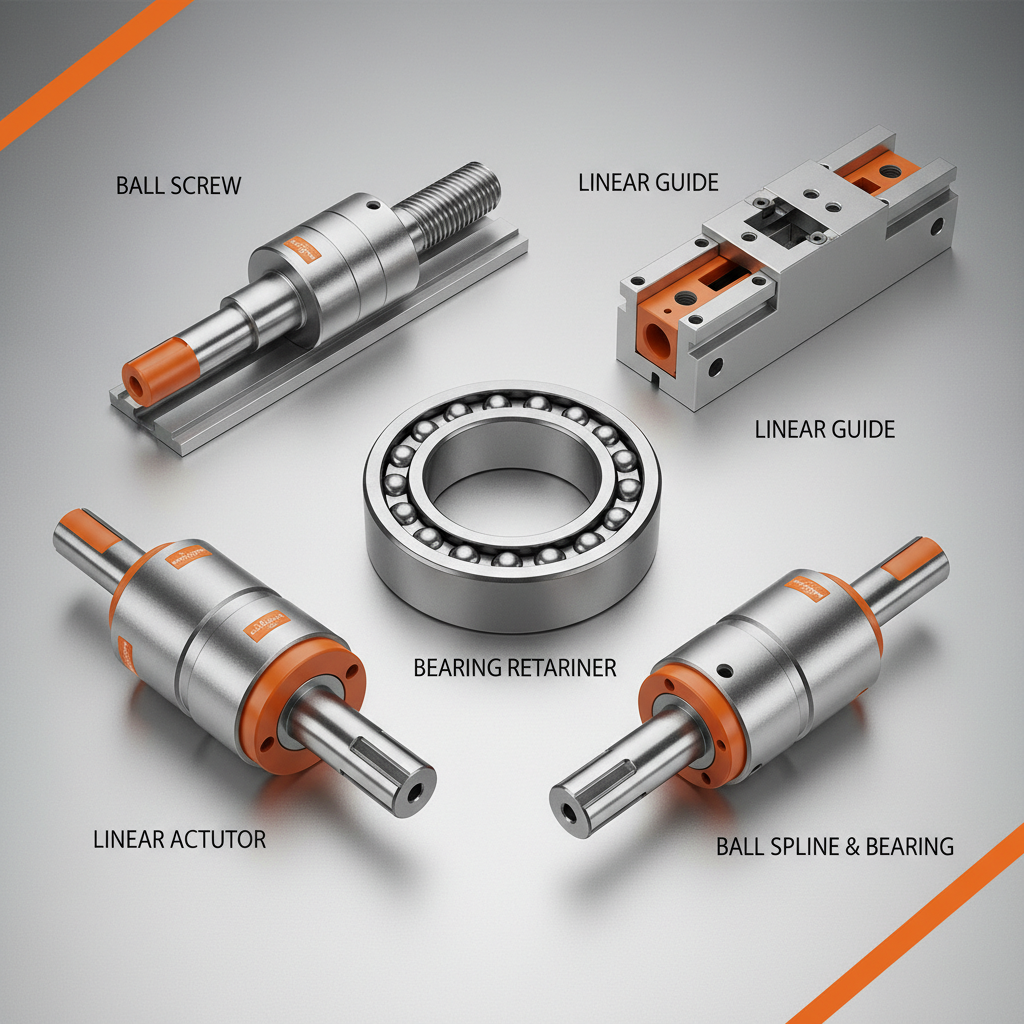
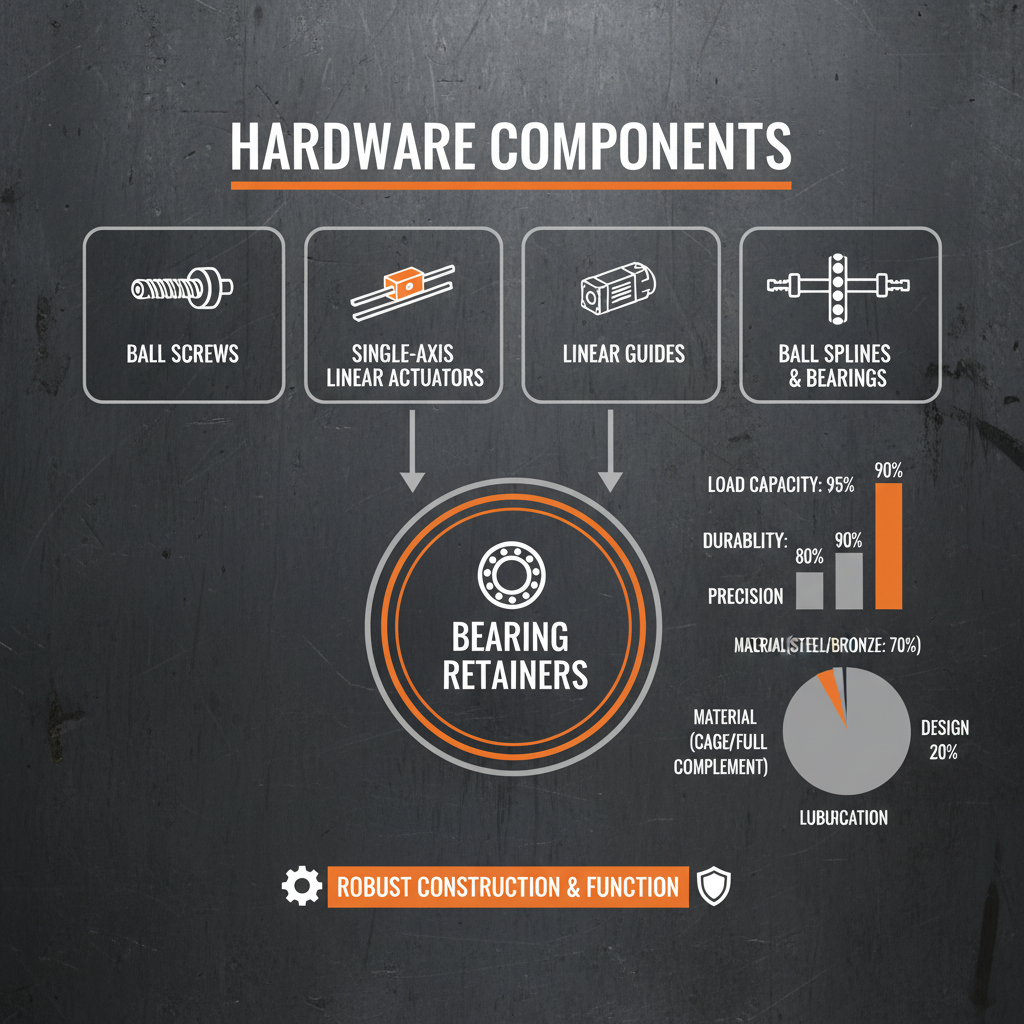
In the precision-driven world of motion control, the bearing retainer serves as the unsung hero of mechanical efficiency. While the rolling elements handle the load, the retainer ensures they remain perfectly spaced, preventing friction and catastrophic failure in high-speed applications. Understanding the nuances of these components is essential for any engineer aiming to optimize the lifespan of industrial machinery.
Globally, the demand for high-performance transmission components has surged as automation and robotics redefine the manufacturing landscape. From the delicate movements of a medical surgical arm to the heavy-duty rotations of wind turbine generators, the integrity of the bearing retainer determines the overall reliability of the system. A failure in this small part can lead to systemic downtime, costing industries millions in lost productivity.
By exploring the materials, designs, and applications of modern retainers, companies can significantly reduce maintenance costs and improve energy efficiency. This guide delves into the technical complexities and commercial advantages of selecting the right cage design, ensuring your Ball Screw, Linear Guide, or Bearing systems operate at peak performance for years to come.
Global Industrial Importance of Bearing Retainers
The global industrial landscape relies heavily on the precision of rotating machinery. According to ISO standards for rolling bearings, the stability of the rolling elements is paramount to preventing heat buildup and premature wear. The bearing retainer, also known as the cage, is the critical component that maintains this stability, ensuring that balls or rollers do not rub against one another during high-velocity operations.
In an era of "Industry 4.0," the precision requirements for Linear Modules and Ball Splines have reached unprecedented levels. When a retainer fails or is improperly specified, it creates erratic vibration and acoustic noise, which can destabilize an entire production line. Consequently, the engineering of the retainer has shifted from a simple "spacer" to a highly engineered component designed to withstand extreme centrifugal forces and thermal expansion.
Defining the Role of the Bearing Retainer
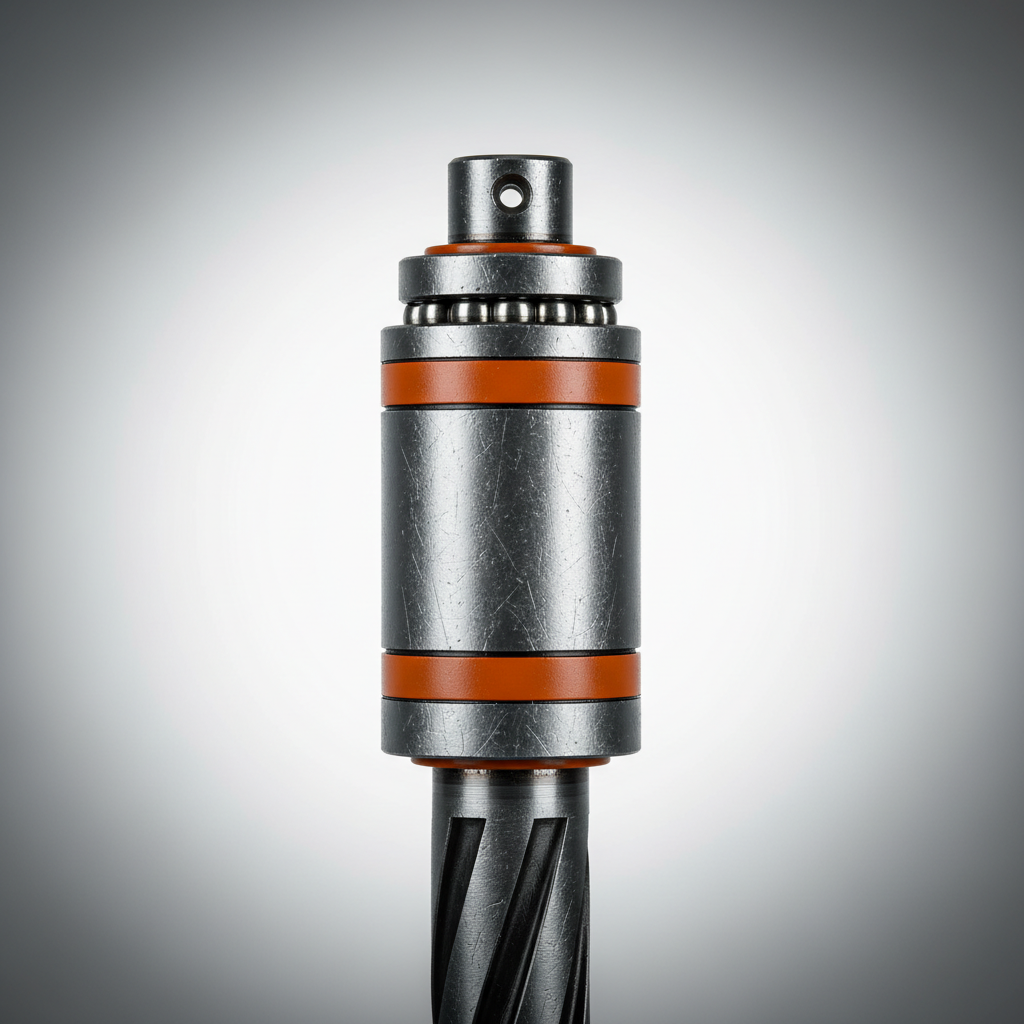
In simple technical terms, a bearing retainer is a framework that holds the rolling elements (balls or rollers) in place, preventing them from clustering or contacting each other. By maintaining uniform spacing, the retainer reduces the internal friction of the bearing, which in turn lowers the operating temperature and significantly extends the lubrication life of the assembly.
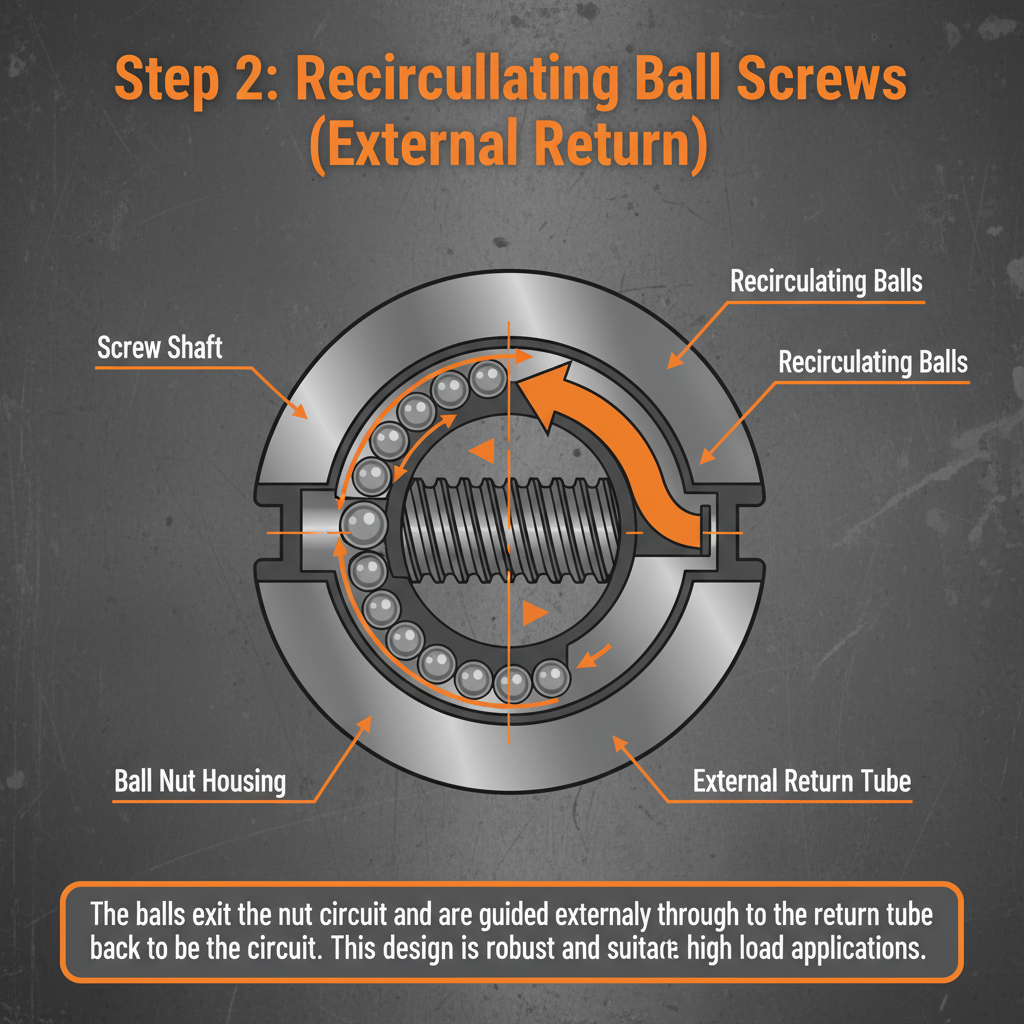
Beyond simple spacing, the retainer plays a vital role in guiding the rolling elements as they transition between the inner and outer races. This is particularly crucial in specialized components like Ball Screws and Gear systems, where any deviation in the path of the rolling element could lead to mechanical seizure or a loss of positional accuracy in CNC machinery.
From a broader industrial perspective, the retainer is the primary safeguard against "skidding"—a phenomenon where the rolling elements slide instead of roll. By ensuring a constant and controlled distribution of elements, the retainer allows for smoother acceleration and deceleration, which is essential for the safety and efficiency of modern transportation and aerospace systems.
Core Factors Influencing Retainer Performance
Durability is the first pillar of a high-quality bearing retainer. Depending on the environment, retainers must resist corrosion, oxidation, and wear. In harsh chemical environments or high-humidity zones, the choice between a stamped steel retainer and a reinforced polymer one can mean the difference between a five-year lifespan and a five-month lifespan.
Thermal Stability is equally critical. As speeds increase, friction generates heat, causing materials to expand. A precision-engineered bearing retainer must maintain its geometric integrity across a wide temperature spectrum to prevent the rolling elements from jamming, a common failure point in high-speed spindle applications.
Lastly, Friction Reduction and Lubrication Management define the operational cost of the machinery. Modern retainers are often designed with specialized pockets or textures that help retain grease or distribute oil more effectively, reducing the frequency of maintenance intervals and improving the overall energy efficiency of the motor driving the bearing.
Material Selection and Comparative Efficiency
Choosing the right material for a bearing retainer requires a balance between strength, weight, and friction coefficients. Steel retainers offer unmatched strength for heavy-duty loads, while brass and bronze are preferred for high-temperature or corrosive environments. In contrast, polymers like PEEK or Nylon are utilized in lightweight applications or where "quiet" operation is a priority.
The trade-off between these materials directly impacts the RPM limits and load capacities of the bearing. For instance, a polymer retainer reduces the overall mass of the rotating assembly, allowing for faster acceleration, whereas a machined brass retainer provides the structural rigidity needed for high-precision gear and rack systems.
Material Performance Comparison for Bearing Retainers
Global Applications Across Key Sectors
The application of a high-grade bearing retainer spans across diverse global industries. In the aerospace sector, where weight reduction is critical, advanced composite retainers are used in jet engines to maintain stability under extreme centrifugal force. Meanwhile, in the automotive industry, specifically within electric vehicle (EV) drivetrains, low-friction retainers are essential to maximize battery range by reducing mechanical drag.
In remote industrial zones, such as mining operations in Australia or oil rigs in the North Sea, the focus shifts to durability. Here, retainers made from corrosion-resistant alloys ensure that Linear Guides and Ball Screws can operate in salty or abrasive environments without seizing, reducing the need for frequent, costly on-site technician visits.
Long-Term Value and Sustainability
Investing in a premium bearing retainer provides tangible long-term economic value. By reducing internal friction and heat, the retainer extends the life of the entire bearing assembly, which directly translates to lower replacement costs and reduced material waste. This aligns with global sustainability goals to reduce the carbon footprint of industrial manufacturing.
Beyond the balance sheet, there is a critical safety component. A retainer that fails in a high-speed application can cause the bearing to explode or the shaft to seize instantly. In sectors like high-speed rail or elevators, the reliability of the retainer is a matter of public safety and trust, ensuring that machinery operates predictably and without failure.
Furthermore, the shift toward "smart" bearings—incorporating sensors to monitor wear—is only possible when the bearing retainer provides a stable, predictable environment for the rolling elements. This synergy between traditional mechanical engineering and digital monitoring is the hallmark of modern industrial innovation.
Future Trends in Retainer Engineering
The future of the bearing retainer lies in the intersection of material science and additive manufacturing. 3D printing allows for the creation of complex, non-linear retainer geometries that were previously impossible to machine. These "lattice" structures can optimize oil flow and reduce weight while maintaining structural rigidity, potentially revolutionizing high-precision Linear Modules.
We are also seeing a move toward self-lubricating materials. By embedding solid lubricants directly into the polymer matrix of the retainer, engineers are creating bearings that can operate in vacuum environments or extreme temperatures where traditional grease would evaporate or freeze, expanding the possibilities for space exploration and deep-sea research.
Finally, the integration of AI-driven design is allowing for the "topology optimization" of retainers. By simulating millions of stress points, software can now design a bearing retainer that uses the absolute minimum amount of material required to support the load, further increasing efficiency and reducing the environmental impact of production.
Comparison of Bearing Retainer Technologies and Use-Case Suitability
| Retainer Material |
Friction Level |
Max Temp Range |
Primary Application |
| Stamped Steel |
Moderate |
Up to 200°C |
General Industrial Motors |
| Machined Brass |
Low |
Up to 400°C |
High-Precision Spindles |
| Polyamide (Nylon) |
Very Low |
Up to 120°C |
Electric Vehicle Hubs |
| PEEK Polymer |
Low |
Up to 250°C |
Chemical Processing |
| Bronze Alloy |
Moderate |
Up to 300°C |
Heavy Duty Mining Gear |
| Ceramic Hybrid |
Ultra Low |
Up to 500°C |
Aerospace Turbines |
FAQS
Stamped retainers are produced by pressing metal sheets, making them cost-effective and suitable for high-volume, general-purpose applications. Machined retainers are carved from a solid piece of material, offering superior precision, higher strength, and better stability for high-speed or heavy-load environments where tight tolerances are non-negotiable.
Standard polymers like Nylon have limited temperature resistance. However, high-performance polymers such as PEEK can withstand significantly higher temperatures. For extreme heat, however, brass or bronze retainers are recommended as they maintain structural integrity without softening or warping.
The retainer significantly impacts acoustic performance. Polymer retainers tend to dampen vibrations and reduce the "metal-on-metal" noise associated with rolling elements, making them ideal for office equipment or medical devices. Steel retainers can be noisier if not perfectly aligned or lubricated.
If a retainer fails, the rolling elements will cluster together, leading to increased friction, rapid heat buildup, and eventual seizure of the bearing. This often results in catastrophic failure of the shaft or the surrounding housing, leading to expensive repairs and unplanned downtime.
For corrosive environments, stainless steel or high-grade polymers (like PEEK) are the best choices. Brass is also effective against certain types of oxidation. Avoid standard carbon steel retainers, as they will rust quickly, compromising the spacing of the rolling elements.
Yes. Polymer retainers may be incompatible with certain aggressive chemical lubricants. Conversely, machined retainers often have specific oil-hole geometries designed for forced lubrication systems, whereas stamped retainers are typically used with standard grease packing.
Conclusion
The bearing retainer may seem like a simple component, but it is the cornerstone of mechanical stability and efficiency in any rotating system. By carefully selecting the right material—whether it be high-strength steel for durability, brass for heat resistance, or polymers for low friction—engineers can drastically improve the lifespan and reliability of Ball Screws, Linear Guides, and Bearings. The synergy of precision geometry and material science ensures that industrial machinery can operate at higher speeds with less energy consumption.
Looking forward, the integration of additive manufacturing and smart materials will continue to push the boundaries of what a retainer can achieve. For companies seeking to optimize their production lines, upgrading to precision-engineered retainers is not just a maintenance choice, but a strategic investment in operational excellence. To explore our full range of high-performance motion components, visit our website: www.yidibearings.com