0%

Table of Contents

Bearings are fundamental components in modern machinery, enabling smooth, efficient rotational or linear movement between parts. Their seemingly simple function underpins a vast range of industries, from automotive and aerospace to manufacturing and consumer electronics. Understanding the principles behind bearings – their types, materials, and applications – is crucial for engineers, technicians, and anyone involved in the design, maintenance, or operation of mechanical systems. The global reliance on bearings highlights their importance in facilitating economic growth and technological advancement.

The global bearings market is a multi-billion dollar industry, consistently growing with advancements in manufacturing and increasing demand across various sectors. According to market research reports, the bearings industry is projected to continue its expansion, driven by factors like the automotive industry’s shift toward electric vehicles (requiring specialized bearings) and the increasing need for precision in industrial automation. This growth presents both opportunities and challenges, demanding innovation in materials science, manufacturing processes, and supply chain management to meet evolving industry needs.

Bearings address the critical need to reduce friction and wear in moving parts, extending the lifespan of machinery and improving its overall performance. Without bearings, many of the machines and devices we rely on daily would be inefficient, unreliable, and prone to failure. This impacts everything from transportation and energy production to healthcare and everyday conveniences, underlining the significance of this often-unseen component.
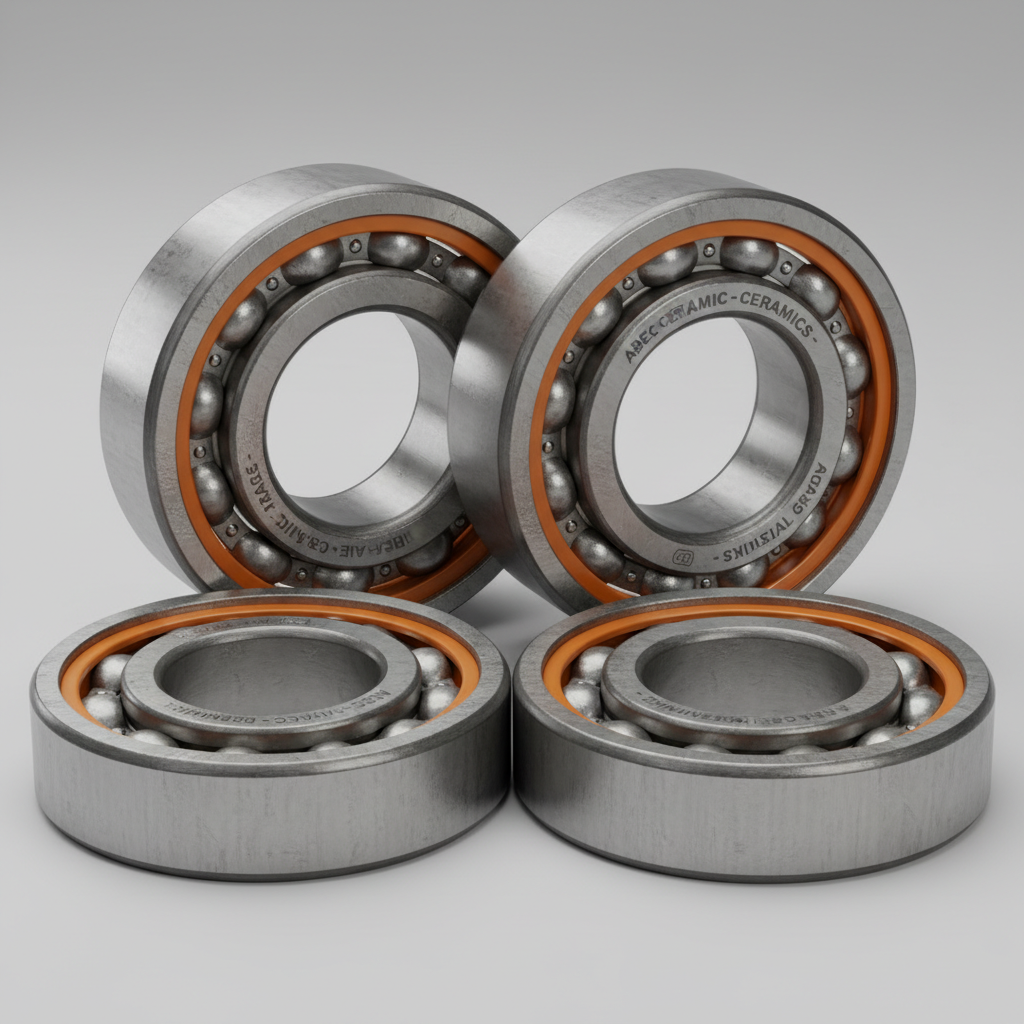
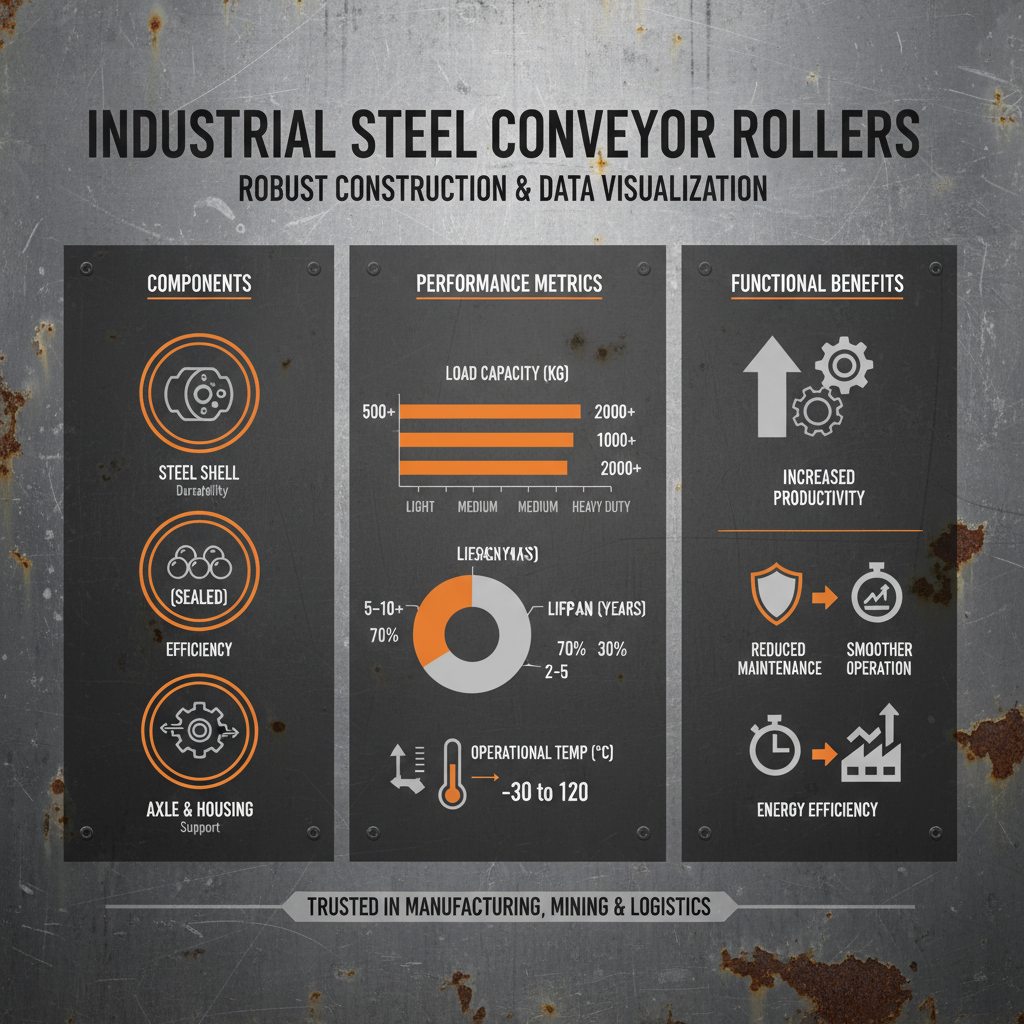
Understanding the Crucial Role of Bearings in Modern Machinery and Industry

Introduction to Bearings

Understanding the Crucial Role of Bearings in Modern Machinery and Industry

Bearings are engineered components designed to reduce friction between moving parts, allowing for efficient and reliable operation of machinery. They come in numerous designs, each tailored to specific load conditions, speed requirements, and operating environments. Proper bearing selection and maintenance are crucial for maximizing equipment lifespan and minimizing downtime.

The development of bearings has been integral to advancements in almost every field of engineering. From simple wooden bearings used in ancient civilizations to the high-precision ball and roller bearings of today, continuous innovation has driven improvements in efficiency, durability, and performance. Understanding this evolution provides valuable insight into the ongoing quest for optimized mechanical systems.

Defining the Role of Bearings

At its core, a bearing’s function is to constrain relative motion between components while reducing friction. This is achieved by employing rolling elements (balls or rollers) or a fluid film (in the case of hydrodynamic bearings) to separate the moving surfaces. This separation minimizes direct contact, significantly decreasing friction and wear.

The connection between bearings and modern industry is undeniable. Without bearings, countless industrial processes – from manufacturing and power generation to transportation and robotics – would be significantly less efficient or even impossible. They are the silent enablers of countless technologies that underpin our modern way of life.

Bearings directly contribute to humanitarian needs as well. For example, medical equipment, water purification systems, and disaster relief machinery all rely heavily on the reliable operation of bearings. Their durability and performance are often critical in ensuring these essential services are available when and where they are needed most.

Core Components and Characteristics

Durability is a paramount characteristic of high-quality bearings. They must withstand repeated stress, vibration, and exposure to harsh environments without failing. Material selection, heat treatment, and precision manufacturing processes all contribute to a bearing’s longevity.

Load capacity refers to the maximum force a bearing can handle without experiencing permanent deformation or failure. Different bearing types are designed for different load capacities, including radial loads (perpendicular to the shaft) and axial loads (parallel to the shaft). Selecting a bearing with sufficient load capacity is critical for ensuring safe and reliable operation.

Precision is another key characteristic. Bearings must be manufactured to tight tolerances to ensure smooth, accurate movement. Runout, a measure of radial or axial deviation, must be minimized to prevent vibration and noise. High-precision bearings are essential for applications requiring accuracy and repeatability.

Key Performance Indicators for Bearings

Evaluating bearing performance requires considering several key indicators. Friction torque, a measure of the resistance to rotation, directly impacts efficiency and energy consumption. Lower friction torque generally translates to better performance.

Bearing life, typically expressed in operating hours or revolutions, is a crucial metric for assessing reliability. Factors influencing bearing life include load, speed, lubrication, and operating environment. Understanding these factors is essential for predictive maintenance and preventing unexpected failures.

Bearing Performance Comparison


Global Applications of Bearings

Bearings are ubiquitous in the automotive industry, from wheel bearings and engine components to transmission systems. The demand for lighter, more efficient vehicles is driving innovation in bearing design and materials, with a focus on reducing friction and weight.

The aerospace industry relies on high-precision bearings for critical applications such as aircraft engines, landing gear, and flight control systems. These bearings must withstand extreme temperatures, high speeds, and significant loads while maintaining exceptional reliability.

Advantages and Long-Term Value

The cost savings associated with using high-quality bearings are substantial. By reducing friction and wear, bearings extend the lifespan of equipment, minimizing downtime and maintenance costs. This translates to increased productivity and profitability.

Sustainability is another key benefit. Efficient bearings reduce energy consumption, lowering operating costs and minimizing environmental impact. The use of recyclable materials and environmentally friendly manufacturing processes further enhances the sustainability of bearing technology.

Future Trends in Bearing Technology

The integration of sensors and data analytics into bearings is a growing trend. Smart bearings can monitor their own condition, providing real-time data on temperature, vibration, and load. This data can be used for predictive maintenance, optimizing performance, and preventing failures.

Research into advanced materials, such as ceramic and hybrid bearings, is ongoing. These materials offer superior performance in extreme environments, including high temperatures, corrosive chemicals, and high speeds. They are poised to play a crucial role in future bearing applications.

Automation and robotics are driving demand for increasingly precise and reliable bearings. As robots become more sophisticated and integrated into industrial processes, the need for bearings that can withstand high speeds, heavy loads, and repetitive motion will continue to grow.

FAQS

What factors should I consider when selecting a bearing for a high-speed application?

When choosing a bearing for high-speed applications, prioritize limiting speed rating, lubrication type, and material composition. Ceramic bearings or hybrid bearings (steel races with ceramic balls) are often preferred due to their lower friction and heat generation. Proper lubrication is essential to prevent wear and failure at high speeds. Additionally, consider the bearing's precision class and balance grade.

How do I properly lubricate a bearing?

Proper lubrication is critical for bearing life and performance. Use the lubricant recommended by the bearing manufacturer, and follow their guidelines for quantity and application method. Common methods include grease packing, oil bath lubrication, and oil mist systems. Avoid over-lubrication, as this can lead to overheating. Regularly inspect the lubricant for contamination or degradation.

What are the signs that a bearing is failing?

Common signs of bearing failure include unusual noise (grinding, squealing), excessive vibration, increased operating temperature, and loss of pre-load. Regular inspections and vibration analysis can help detect early signs of failure, allowing for timely replacement and preventing catastrophic equipment damage.

What is the difference between a ball bearing and a roller bearing?

Ball bearings utilize spherical balls to maintain separation between the bearing races, making them ideal for high-speed applications with lighter loads. Roller bearings, using cylindrical or tapered rollers, are better suited for heavier loads and shock loads. The larger contact area of roller bearings provides greater load capacity. The choice depends on the application's specific requirements.

How does bearing material impact performance?

Bearing material significantly influences performance characteristics. Steel is common for its strength and cost-effectiveness. Ceramic bearings offer higher speed capabilities, lower friction, and corrosion resistance. Hybrid bearings (steel races with ceramic balls) combine the benefits of both materials. Material selection should align with the operating environment and load conditions.

What is bearing preload and why is it important?

Bearing preload refers to the initial load applied to the bearing to eliminate internal clearances and improve stiffness. Proper preload is essential for minimizing vibration, reducing noise, and enhancing bearing life, particularly in applications with oscillating or reversing loads. However, excessive preload can increase friction and temperature.

Conclusion

Bearings are indispensable components in a vast array of mechanical systems, playing a critical role in enabling efficient and reliable operation. Their ongoing evolution, driven by advancements in materials science, manufacturing processes, and sensor technology, continues to push the boundaries of performance and sustainability. Understanding the principles of bearing selection, maintenance, and future trends is essential for engineers, technicians, and anyone involved in the design and operation of machinery.

Investing in high-quality bearings and implementing proactive maintenance strategies can yield significant long-term benefits, including reduced downtime, increased productivity, and improved overall equipment reliability. As technology continues to advance, the role of bearings will only become more critical in shaping the future of industry and innovation.

David Miller

David Miller

David Miller is a Senior Applications Engineer at Precise Control, focusing on ball screw and linear guide integration within the North American market. With over 8 years of experience in precision motion control, David specializes in assisting clients with complex automation challenges. He holds a Bachelor's degree in Mechanical Engineering
Previous Advancements in Ball Splines for Precision Linear Motion Systems
Next Understanding Ball Screws and Their Expanding Global Applications

If you are interested in our products, you can choose to leave your information here, and we will be in touch with you shortly.


3_3ricon1-webp17404468391174113810811 819_2025032815201169958.png

If you are interested in our products, you can choose to leave your information here, and we will be in touch with you shortly.