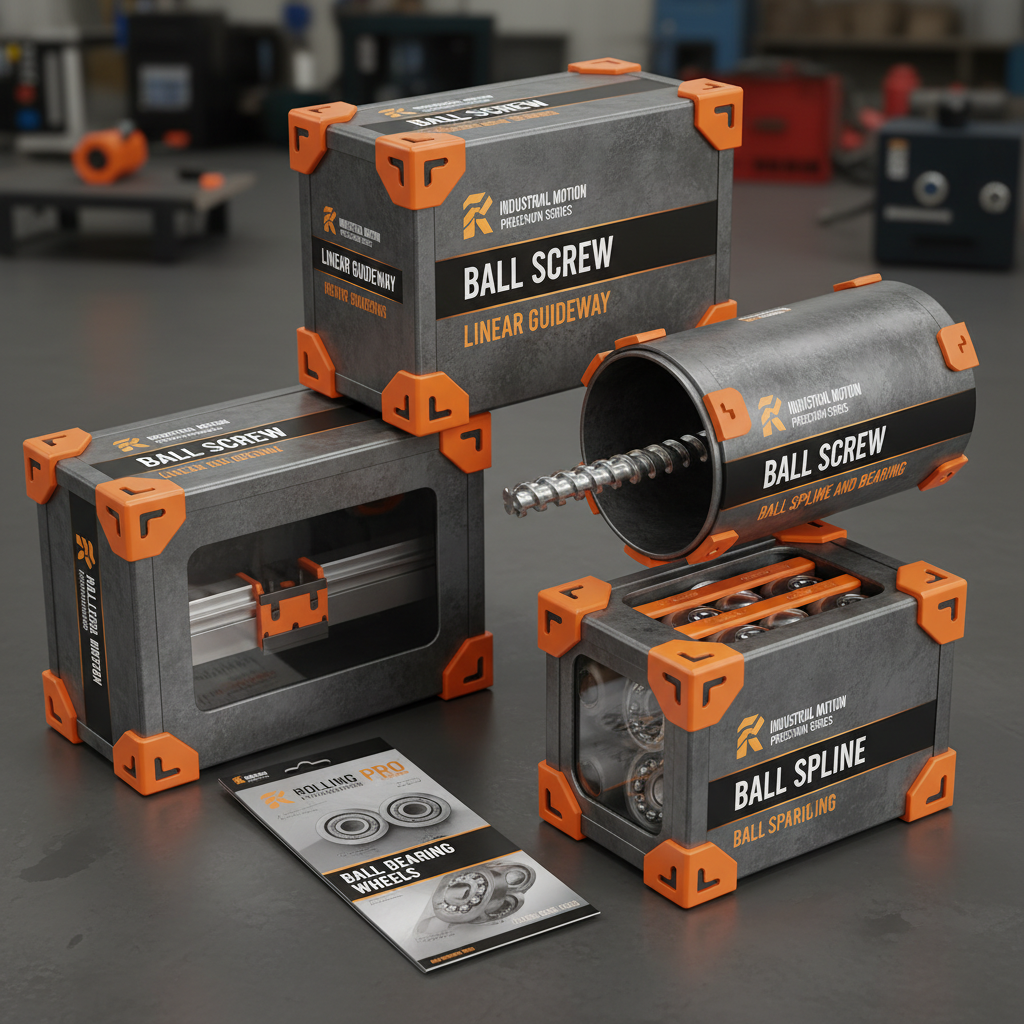
Ball splines represent a critical component in modern precision engineering, enabling smooth and accurate linear motion across a vast spectrum of industries. Their ability to handle high loads, maintain rigidity, and operate with minimal friction makes them indispensable in applications ranging from robotics and automation to medical equipment and aerospace technology. Understanding the principles and applications of ball splines is crucial for engineers, designers, and manufacturers seeking to optimize performance and reliability in their systems.
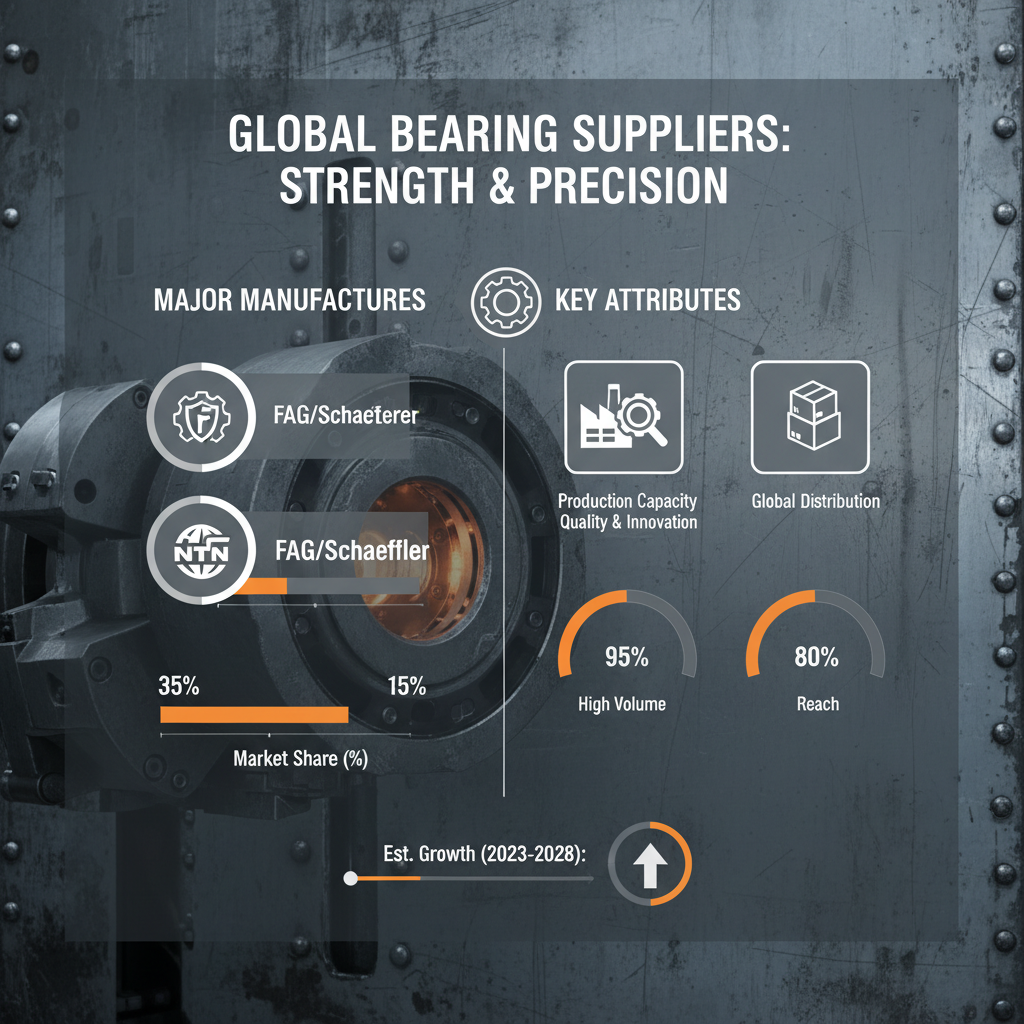
Globally, the demand for ball splines is surging, fueled by the continued growth of automated manufacturing, the expanding healthcare sector, and the relentless pursuit of technological innovation. According to a recent report by Market Research Future, the global ball spline market is projected to reach USD 2.8 billion by 2030, exhibiting a CAGR of 4.5% during the forecast period. This growth underscores the increasing reliance on precise linear motion solutions.
At their core, ball splines are designed to address the limitations of traditional linear guides. By utilizing recirculating ball bearings within a spline shaft and housing, they offer superior load capacity, reduced wear, and enhanced positioning accuracy, ultimately contributing to increased efficiency and productivity in various applications. The versatility and adaptability of ball splines make them a key enabler of advanced automation and precision control.
Introduction to Ball Splines
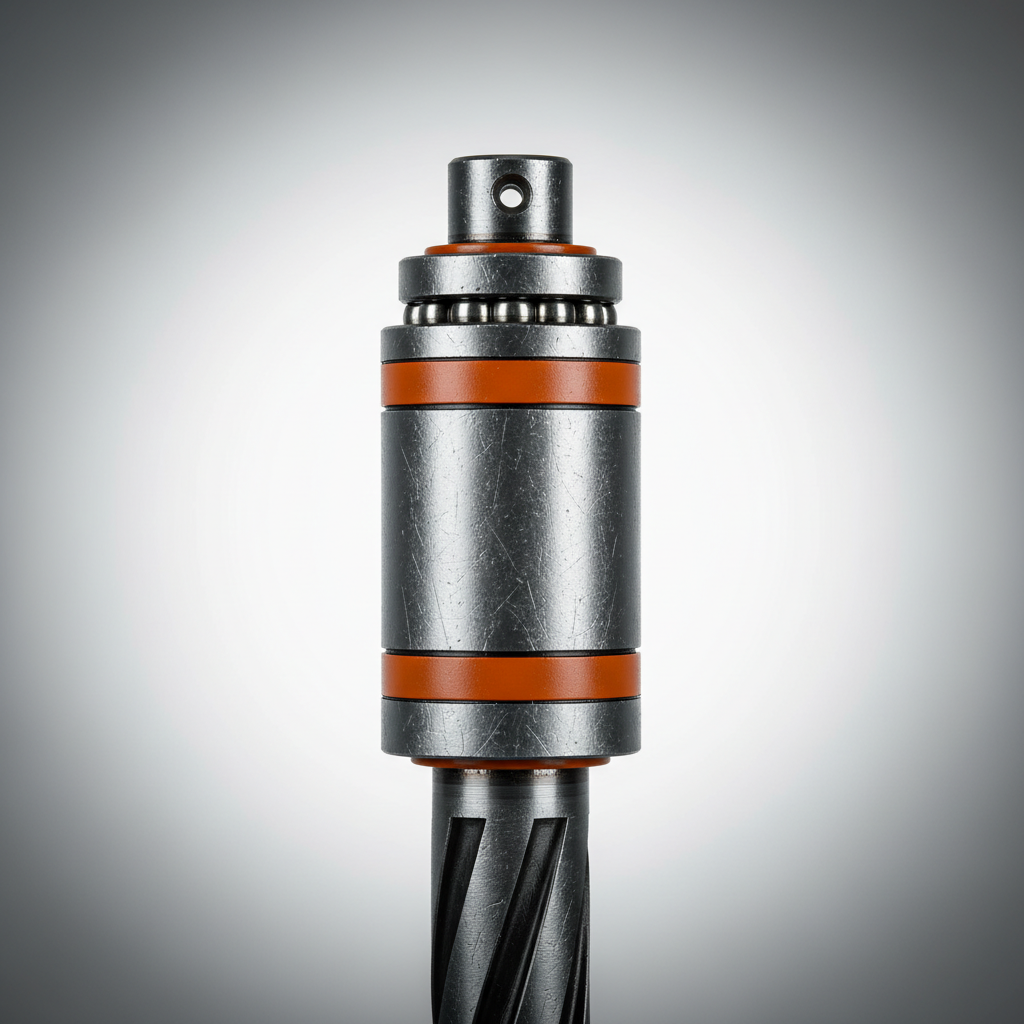
Ball splines are specialized linear motion components designed for applications requiring high precision, load capacity, and smooth movement. They are characterized by a unique construction utilizing ball bearings within a grooved spline shaft and housing, allowing for controlled linear travel.
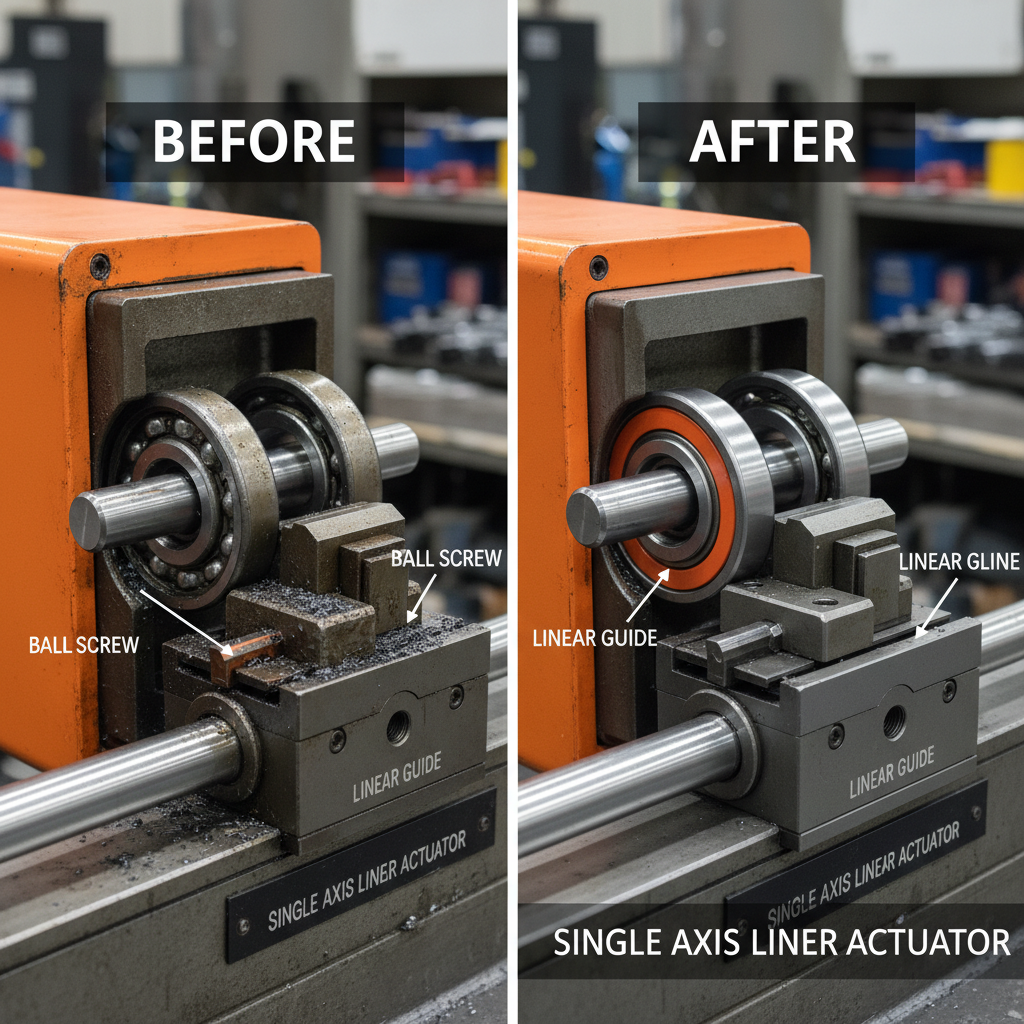
These components differ significantly from traditional linear guides like linear rails or lead screws. Their design distributes the load across multiple ball bearings, dramatically increasing load capacity and reducing friction. This inherent benefit translates to improved performance, extended lifespan, and reduced maintenance requirements in a wide range of dynamic systems.
Global Relevance and Applications
The global market for ball splines is deeply intertwined with the growth of automated manufacturing, robotics, and precision engineering. Countries with strong industrial bases, like China, Germany, and the United States, represent significant consumers of ball spline technology. Emerging economies in Southeast Asia and India are also experiencing increasing demand as their manufacturing sectors expand. This demand is further influenced by trends in industries like medical device manufacturing, where precision and reliability are paramount.
According to data from the International Federation of Robotics (IFR), the global robot density – the number of robots per 10,000 workers – continues to rise, indicating a growing need for components like ball splines that enable precise robotic motion. The medical technology sector also relies heavily on ball splines in applications such as surgical robots, diagnostic imaging equipment, and precision drug delivery systems.
A major challenge addressed by ball splines is the need for high-accuracy, high-reliability linear motion in demanding environments. Traditional solutions often struggle to maintain precision under heavy loads or during prolonged use. Ball splines overcome these limitations, contributing to enhanced system performance and reduced downtime in critical applications.
Defining Ball Splines: A Precision Linear Motion Solution
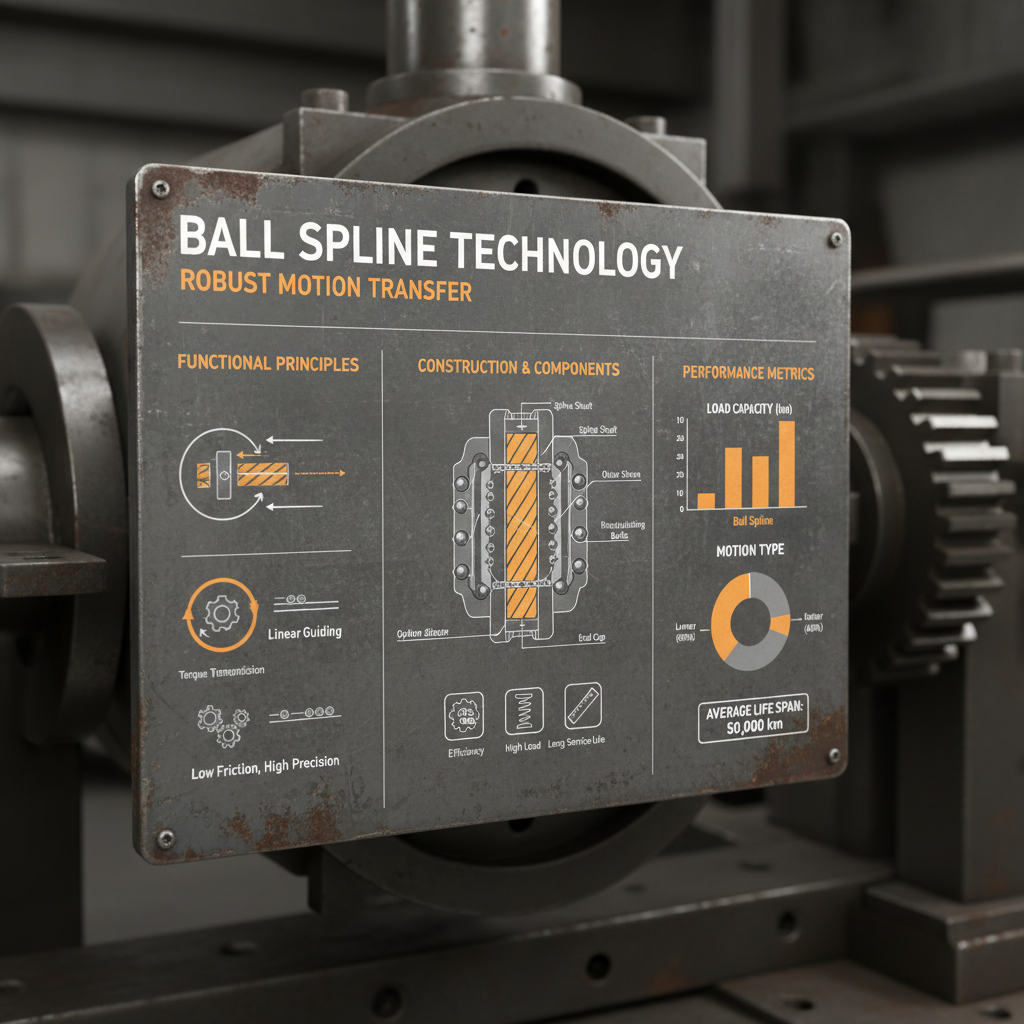
A ball spline is a type of linear guide that utilizes recirculating ball bearings to provide smooth, low-friction linear motion. Unlike traditional linear guides that rely on sliding contact, ball splines employ rolling contact, minimizing wear and maximizing load capacity. At its core, a ball spline consists of a shaft with multiple grooves, a housing surrounding the shaft, and a series of ball bearings that circulate within these grooves.
This design offers a significant advantage over conventional methods in applications requiring high precision and heavy loads. Ball splines directly connect to modern industry’s demands for increased automation and more precise control. They enable more sophisticated movements than simpler linear motion solutions, and are especially suitable for robotic arms, precision measurement systems, and semiconductor manufacturing equipment.
Furthermore, the concept extends beyond merely moving objects linearly; they contribute to overall system reliability and longevity. By reducing friction and wear, ball splines minimize maintenance requirements and prolong the operational life of the machinery in which they are implemented, showcasing their relevance to modern humanitarian needs through increased efficiency and reduced resource consumption.
Key Factors Influencing Ball Spline Performance
Several key factors determine the performance characteristics of ball splines. Load Capacity is paramount, dictated by the size and number of ball bearings, as well as the material properties of the spline shaft and housing. A higher load capacity allows for use in more demanding applications.
Stiffness and Rigidity are crucial for maintaining precision, particularly under dynamic loads. A stiffer spline resists deflection, ensuring accurate positioning. Friction levels directly impact smoothness of motion and energy efficiency. Ball splines inherently exhibit low friction due to the rolling contact of the ball bearings. Precision defines the accuracy and repeatability of linear movement, essential for applications like CNC machining and robotics. Durability impacts longevity; high-quality materials and construction contribute to a longer lifespan and reduced maintenance. Environmental Resistance includes protection from contaminants and extreme temperatures, affecting reliability in harsh conditions.
Ball Spline Performance Factors
Real-World Applications Across Industries
Ball splines find widespread use in robotics, facilitating precise joint movements and enabling complex tasks in manufacturing, healthcare, and exploration. In CNC machine tools, they ensure accurate positioning of cutting heads and workpieces, leading to improved machining quality and efficiency. They are also essential in semiconductor manufacturing equipment, where ultra-precise linear motion is critical for creating microchips.
The medical industry leverages ball splines in surgical robots, diagnostic imaging systems (like MRI and CT scanners), and precision drug delivery devices. These applications demand exceptional reliability and accuracy. Aerospace applications include flight control systems, landing gear actuators, and satellite deployment mechanisms. Finally, in the automotive industry, ball splines contribute to the functionality of power steering systems and automated assembly lines.
Advantages and Long-Term Value Proposition
The primary advantage of ball splines lies in their superior load capacity and smooth, low-friction operation, translating into reduced energy consumption and increased system efficiency. Their durability and minimal maintenance requirements contribute to lower lifecycle costs. The enhanced precision offered by ball splines results in higher product quality and reduced scrap rates, offering a significant economic benefit.
Beyond cost savings, ball splines enhance safety by enabling more reliable and predictable machine movements. Their contribution to increased automation and precision fosters innovation and supports the development of advanced technologies. Investing in ball spline technology builds trust and confidence in the performance and longevity of critical equipment, ultimately safeguarding operational integrity and promoting long-term sustainability.
Future Trends and Innovations in Ball Spline Technology
Ongoing research and development efforts are focused on enhancing the performance and capabilities of ball splines. New materials, such as advanced ceramics and composite alloys, are being explored to improve load capacity, reduce weight, and increase corrosion resistance. Innovative designs, including self-lubricating ball splines and miniaturized versions for micro-robotics, are also emerging.
The integration of smart sensors and data analytics into ball spline systems is a growing trend, enabling real-time monitoring of performance and predictive maintenance. This data-driven approach allows for proactive interventions, minimizing downtime and optimizing system efficiency. Furthermore, the increasing emphasis on sustainability is driving the development of eco-friendly ball spline designs and manufacturing processes. These innovations are crucial for addressing the evolving needs of industries transitioning towards greater automation, precision, and sustainability.
FAQS
While both ball splines and linear rails provide linear motion, they differ significantly in their construction and capabilities. Linear rails utilize rolling element bearings along a rail system, offering high rigidity but potentially lower load capacity in certain directions. Ball splines, with their recirculating ball bearings within a spline shaft, generally provide superior load capacity in all directions and are better suited for applications requiring torsional rigidity and smooth, constant friction throughout the stroke. The choice depends heavily on the specific application requirements and load characteristics.
The lubrication frequency for a ball spline depends on factors like operating environment, load, speed, and duty cycle. Generally, ball splines require less frequent lubrication than sliding guides. Many modern ball splines are designed for long-term operation with minimal or no lubrication. However, periodic inspection and re-greasing with a suitable lubricant are recommended, especially in harsh environments or high-load applications. Refer to the manufacturer's specifications for precise recommendations.
Ball splines are commonly manufactured from high-quality bearing steel (such as 52100) due to its excellent hardness, wear resistance, and fatigue strength. The ball bearings themselves are also typically made from bearing steel. However, for specialized applications requiring corrosion resistance or lightweight construction, materials like stainless steel, ceramics, or aluminum alloys may be used. The housing is often made of aluminum or steel for structural support.
Yes, ball splines are well-suited for high-speed applications due to their low friction and smooth operation. The recirculating ball bearing design minimizes energy loss and allows for rapid, precise linear movements. However, it’s crucial to consider factors like lubrication, dynamic load capacity, and potential resonance frequencies when designing for high-speed operation. Selecting the appropriate ball spline size and configuration is essential for optimal performance.
Environmental factors such as temperature, humidity, and the presence of contaminants can significantly impact ball spline performance. Extreme temperatures can alter material properties and lubricant viscosity. High humidity can lead to corrosion. Dust and debris can contaminate the bearing surfaces, increasing friction and wear. Selecting ball splines with appropriate seals and protective coatings, along with proper maintenance practices, is crucial for ensuring reliable operation in challenging environments.
The lifespan of a ball spline is highly dependent on operating conditions, load, speed, maintenance, and quality of manufacturing. With proper lubrication and maintenance, a well-designed ball spline can operate reliably for millions of strokes or tens of thousands of hours. Factors like exceeding load limits, contamination, and improper installation can significantly reduce lifespan. Predictive maintenance strategies, including condition monitoring, can help optimize lifespan and minimize downtime.
Conclusion
Ball splines represent a cornerstone of modern precision engineering, delivering unparalleled performance in linear motion applications across diverse industries. Their superior load capacity, low friction, and high accuracy make them invaluable components in robotics, automation, medical technology, and beyond. Understanding the principles of ball spline operation and the factors influencing their performance is crucial for engineers and designers seeking to optimize system efficiency and reliability.
Looking forward, continued innovation in materials, design, and smart technologies will further enhance the capabilities of ball splines, enabling even more sophisticated and demanding applications. As industries continue to embrace automation and precision manufacturing, the demand for high-quality ball spline solutions will only continue to grow. Visit our website at ball splines to learn more about our products and how we can help you meet your linear motion needs.