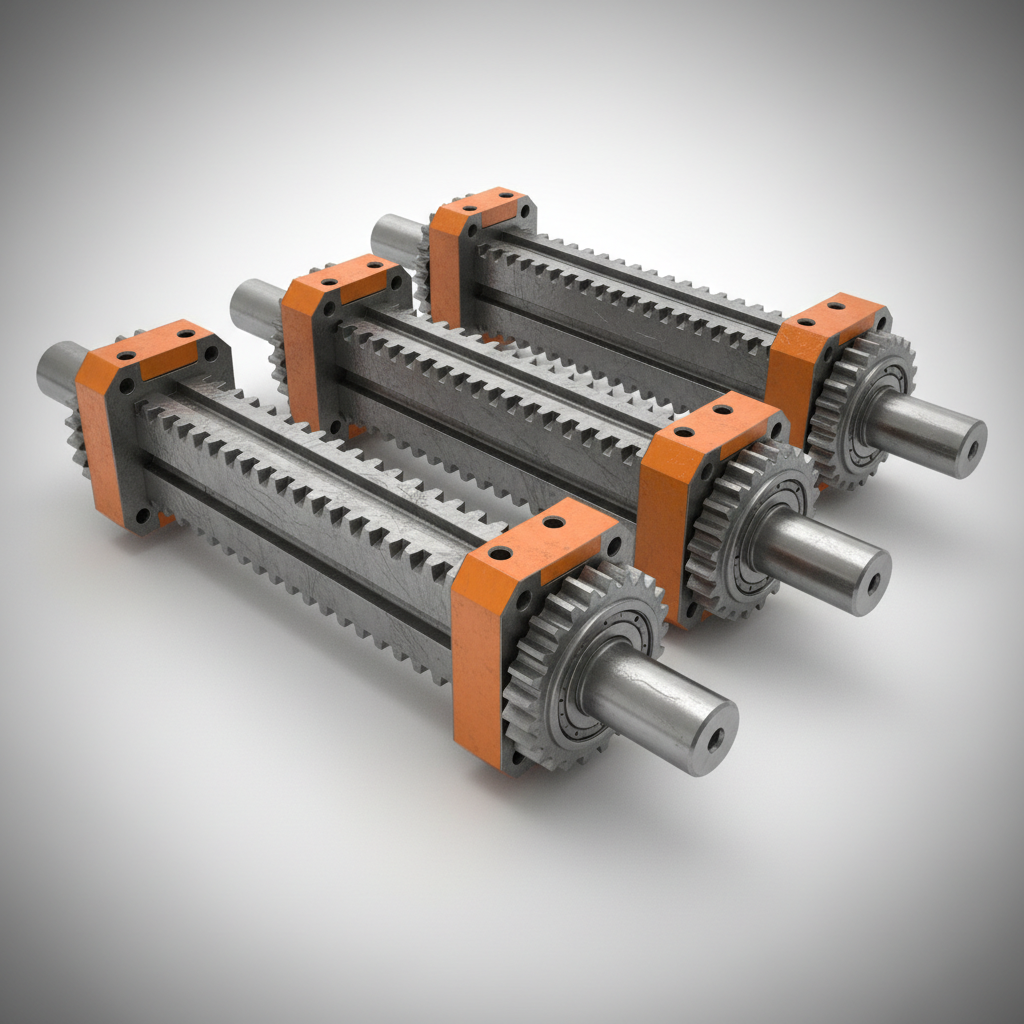
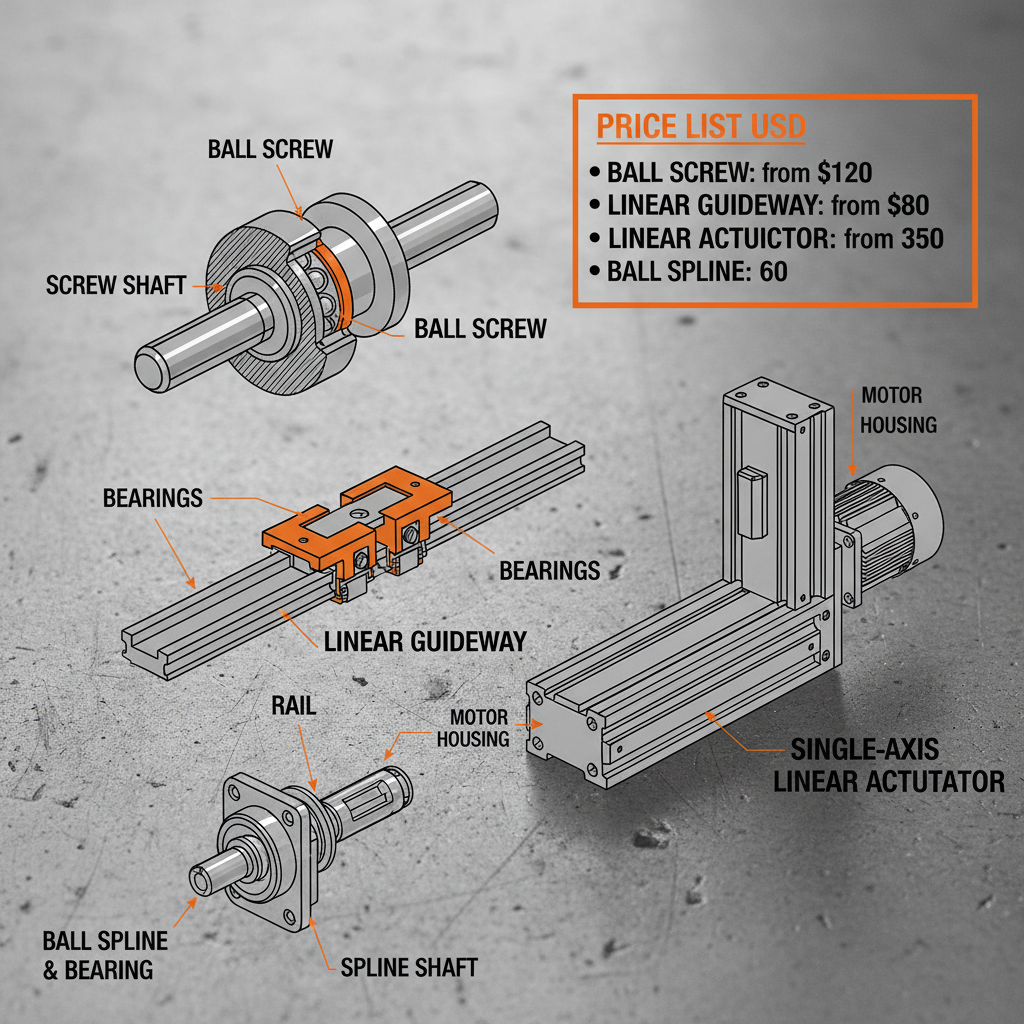
The world relies on smooth, efficient movement, and at the heart of this lies the critical role of the bearing company. From the intricate mechanisms of aerospace engineering to the everyday functionality of household appliances, bearings enable rotation and reduce friction, driving progress and innovation across countless sectors. Understanding the nuances of bearing companies – their materials, manufacturing processes, and applications – is crucial for engineers, manufacturers, and anyone involved in designing or maintaining mechanical systems. A robust bearing company ensures reliability, longevity, and optimal performance, ultimately contributing to economic growth and technological advancement.
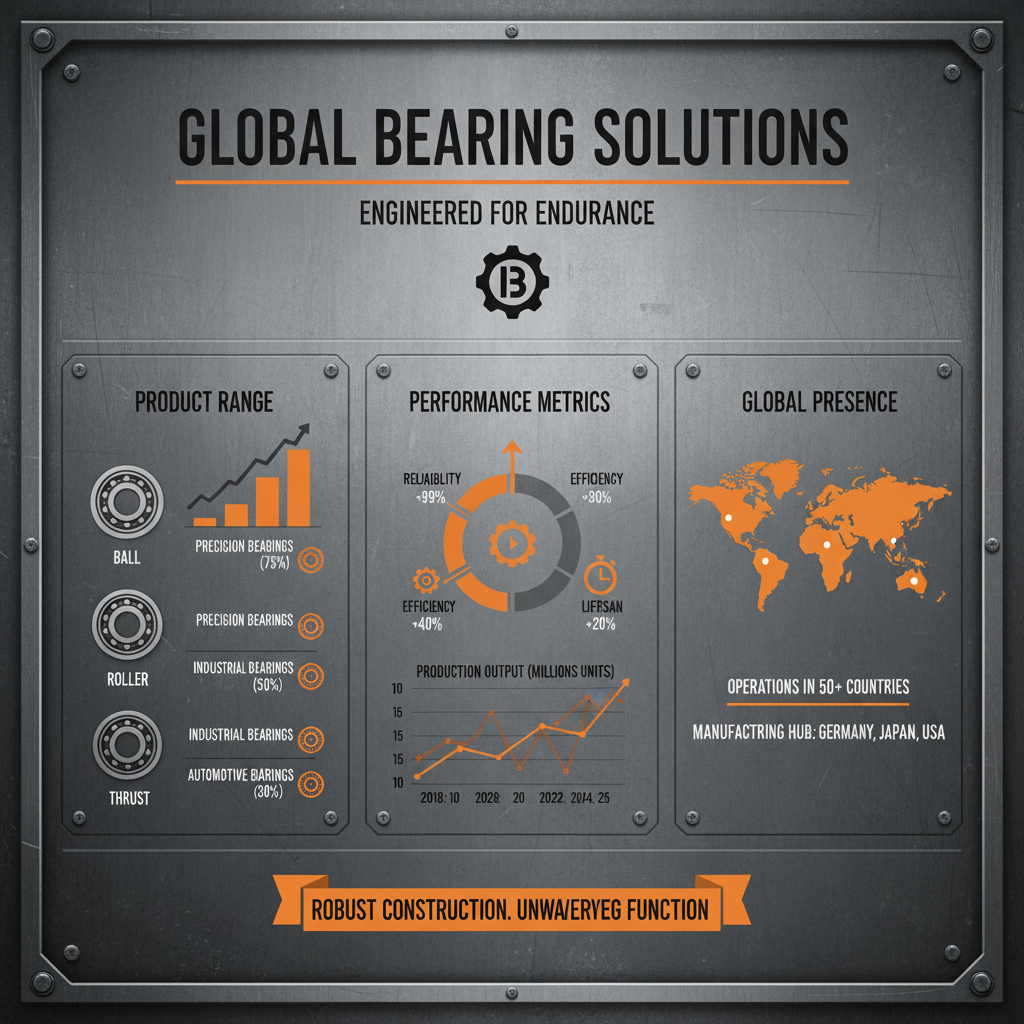
Globally, the bearing market is a multi-billion dollar industry, projected to continue its growth trajectory as industrialization expands and technological demands become more complex. According to industry reports, the market is influenced by factors such as automotive production, machine tool manufacturing, and the rise of renewable energy sources. The demand for high-precision, durable, and specialized bearings is particularly strong in emerging economies. However, challenges exist, including supply chain disruptions, material cost fluctuations, and the need for sustainable manufacturing practices. A well-managed bearing company is essential for navigating these complexities and meeting the evolving needs of a globalized market.
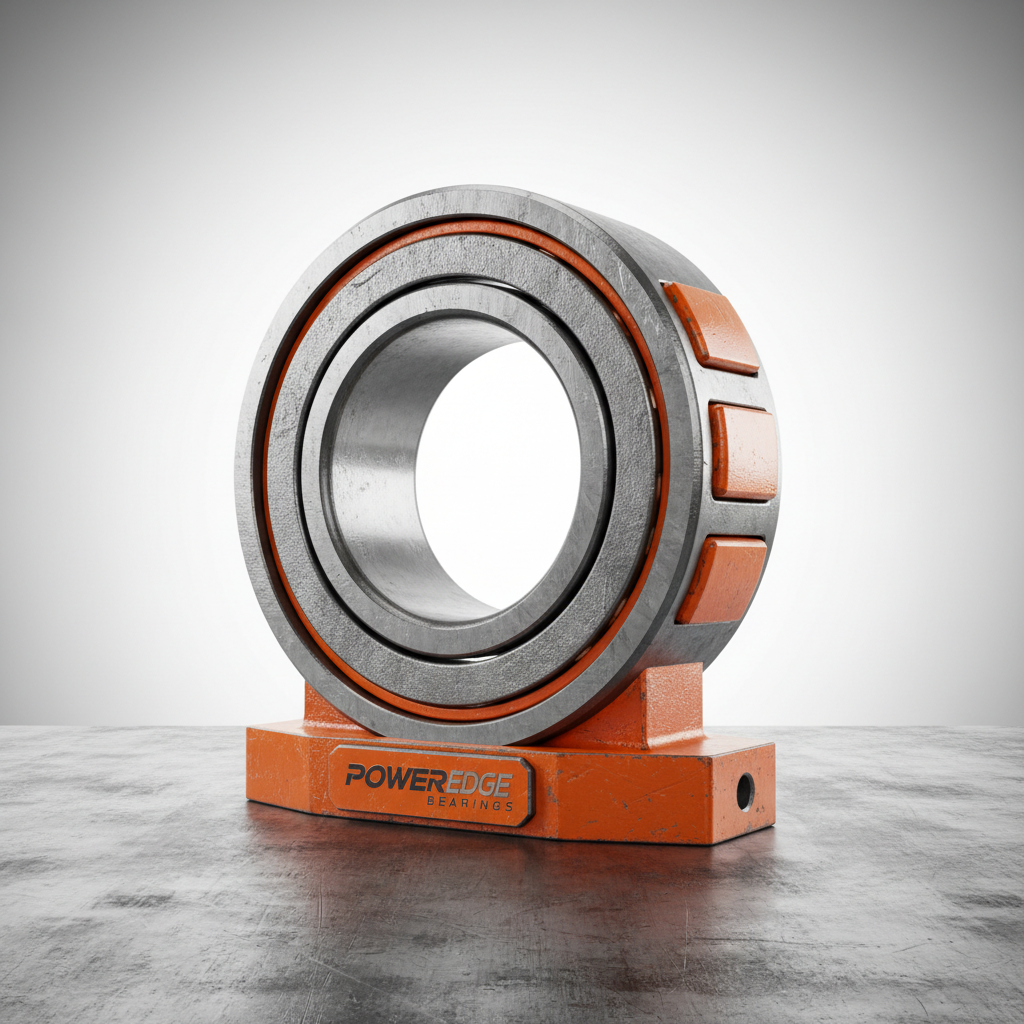
A bearing company specializes in the design, development, manufacturing, and distribution of bearings – mechanical components that reduce friction between moving parts. They are fundamental to the operation of virtually all machinery, enabling smooth rotation and supporting loads. This vital function is paramount in industries ranging from automotive and aerospace to manufacturing and healthcare. The success of a bearing company hinges on its ability to deliver high-quality, reliable bearings tailored to specific applications, contributing significantly to the efficiency and lifespan of the equipment they serve.
Global Relevance of Bearing Company
The global manufacturing sector, a cornerstone of economic development, relies heavily on the consistent performance of bearing companies. Bearings are integral to machinery used in automotive production, aerospace engineering, and countless other industries. As global trade expands and supply chains become increasingly interconnected, the demand for reliable bearing components rises, making bearing company a critical link in the worldwide industrial network. The UN Sustainable Development Goals, particularly those related to infrastructure and industrial innovation, are directly supported by advances in bearing technology.
Furthermore, disruptions to the bearing supply chain, such as those experienced during the recent pandemic, highlight the strategic importance of domestic bearing company capabilities. The resilience of a nation’s manufacturing base often depends on its ability to produce or readily access these essential components. Investing in research and development within the bearing industry contributes to both economic security and technological leadership.
Definition and Core Principles
At its most basic, a bearing company is an entity dedicated to the production and distribution of bearings, which are machine components designed to minimize friction between moving parts. This seemingly simple function is critical for the efficient operation of a vast array of machines, from electric motors and turbines to bicycles and vehicles. The core principle underlying bearing design is the reduction of friction, which translates into reduced energy loss, increased efficiency, and prolonged component life.
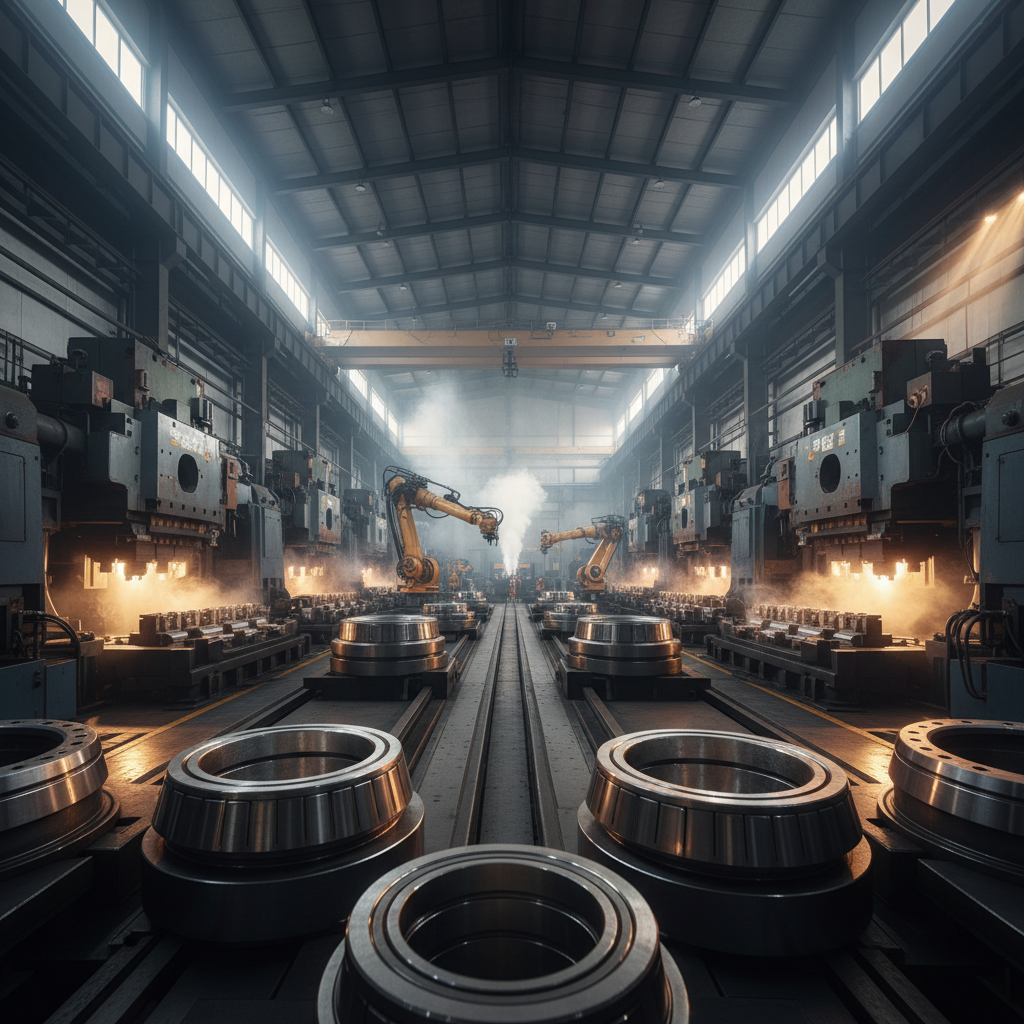
The connection to modern industry is profound. Without bearings, complex machinery would quickly overheat and fail due to excessive friction. Bearing companies leverage materials science, precision engineering, and rigorous quality control to deliver components that meet exacting performance standards. These standards are vital for sectors like aerospace and medical devices, where failure can have catastrophic consequences.
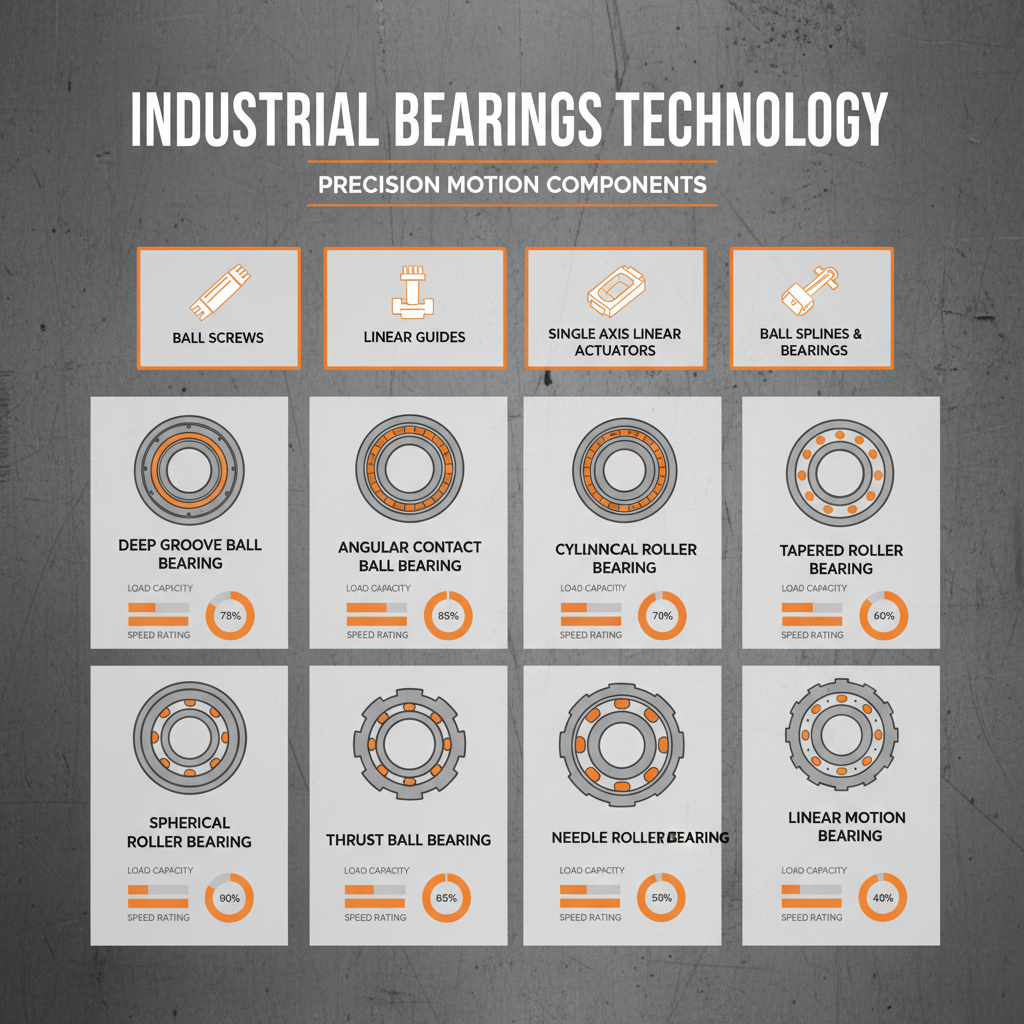
Beyond merely reducing friction, modern bearing company focuses on load support, positioning accuracy, and noise reduction. Advanced bearing designs incorporate features like sealed lubrication systems, specialized materials, and intricate geometries to optimize performance in specific applications. The ability to tailor bearing solutions to individual customer needs is a defining characteristic of a leading bearing company.
Durability and Longevity
Durability is a paramount concern for any bearing company. Bearings operate under significant stress, enduring high loads, extreme temperatures, and often, corrosive environments. A robust bearing must withstand these conditions without premature failure, ensuring the continuous operation of the machinery it supports. This requires careful material selection, precise manufacturing tolerances, and rigorous testing procedures. A high-quality bearing from a reputable bearing company minimizes downtime and reduces maintenance costs.
Longevity, closely tied to durability, is determined by several factors. Bearing materials, lubrication systems, and operating conditions all play a crucial role. Bearing company often offer specialized coatings and treatments to enhance resistance to wear, corrosion, and fatigue. Predictive maintenance strategies, enabled by advanced sensor technologies, can also extend bearing life by identifying potential issues before they escalate into failures.
The use of high-grade steel alloys, ceramic materials, and advanced lubrication technologies are hallmarks of a leading bearing company committed to delivering exceptional durability and longevity. Investing in these areas translates into long-term value for customers, reducing the total cost of ownership and enhancing operational efficiency.
Cost Efficiency and Return on Investment
While initial cost is a consideration, a true assessment of value when choosing a bearing company must focus on the total cost of ownership. A cheaper bearing that fails prematurely can lead to costly downtime, repair expenses, and potential production losses. Bearing company that prioritize durability and reliability offer a stronger return on investment over the long term.
Furthermore, optimized bearing designs can improve energy efficiency, reducing operating costs. Lower friction translates into less energy consumed, contributing to both economic savings and environmental sustainability. A bearing company that invests in research and development to minimize friction and maximize efficiency provides a significant competitive advantage to its customers.
Cost Analysis of Bearing Company Methods
Scalability and Adaptability
A leading bearing company must be able to scale its production to meet fluctuating demand from diverse industries. This requires flexible manufacturing processes, efficient supply chain management, and a commitment to continuous improvement. The ability to adapt to evolving customer needs and market trends is equally important.
Adaptability also extends to the development of specialized bearing solutions. Different applications demand unique characteristics, such as high-speed capability, resistance to extreme temperatures, or compatibility with specific lubricants. A bearing company that can tailor its designs to meet these diverse requirements gains a competitive advantage and fosters long-term customer relationships.
Real-World Applications and Industry Impact
Bearing company components are ubiquitous, appearing in everything from automotive engines and transmissions to wind turbines and medical imaging equipment. In the automotive industry, bearings are crucial for wheel hubs, crankshafts, and steering systems, contributing to vehicle safety and performance. In the aerospace sector, high-precision bearings are essential for aircraft engines, landing gear, and control surfaces.
The renewable energy sector also relies heavily on bearing technology. Wind turbines require large, durable bearings to support the rotating blades and generator. Similarly, hydroelectric power plants utilize bearings in turbines and generators. The reliability of these bearings directly impacts the efficiency and longevity of renewable energy infrastructure.
In healthcare, miniature precision bearings are used in surgical robots, diagnostic imaging equipment, and dental drills, enabling precise and reliable operation. Even in everyday consumer products, such as hard drives and electric motors, bearings play a vital role in ensuring smooth and efficient functionality.
Future Trends and Innovation
The future of bearing company is being shaped by several key trends, including the increasing demand for electric vehicles, the growth of automation and robotics, and the push for sustainable manufacturing practices. Electric vehicles require specialized bearings designed to handle the unique stresses and operating conditions of electric motors.
The rise of Industry 4.0 and smart manufacturing is driving the development of intelligent bearings equipped with sensors that monitor performance and predict potential failures. This data-driven approach enables proactive maintenance, reducing downtime and optimizing operational efficiency. Furthermore, research into new materials, such as self-lubricating polymers and advanced ceramics, promises to enhance bearing performance and durability.
Sustainability is another critical focus. Bearing company are actively exploring ways to reduce their environmental impact through the use of eco-friendly materials, energy-efficient manufacturing processes, and closed-loop recycling systems. Collaboration between bearing company and research institutions is crucial for accelerating innovation and addressing these evolving challenges.
Analysis of Key Factors Influencing Bearing Company Performance
| Material Quality |
Manufacturing Precision |
Innovation Rate |
Customer Support |
| High-grade steel alloys (Rating: 9/10) |
Tight tolerances and surface finishes (Rating: 8/10) |
New product development frequency (Rating: 7/10) |
Responsiveness to technical inquiries (Rating: 8/10) |
| Ceramic materials for high-speed applications (Rating: 7/10) |
Automated inspection systems (Rating: 9/10) |
Investment in R&D (Rating: 6/10) |
Customization capabilities (Rating: 7/10) |
| Self-lubricating polymer coatings (Rating: 6/10) |
Statistical process control (Rating: 8/10) |
Patent portfolio strength (Rating: 5/10) |
Global distribution network (Rating: 9/10) |
| Corrosion-resistant materials (Rating: 8/10) |
Lean manufacturing principles (Rating: 7/10) |
Collaboration with research institutions (Rating: 6/10) |
After-sales service quality (Rating: 7/10) |
| Bio-compatible materials (Rating: 5/10) |
Real-time monitoring of production processes (Rating: 7/10) |
Adoption of Industry 4.0 technologies (Rating: 5/10) |
Training and technical support for customers (Rating: 8/10) |
| Lightweight alloys for aerospace applications (Rating: 7/10) |
Non-destructive testing methods (Rating: 8/10) |
Focus on sustainable manufacturing practices (Rating: 6/10) |
Warranty and return policies (Rating: 7/10) |
FAQS
When choosing a bearing company, several factors are crucial. These include the quality of materials used, the precision of manufacturing processes, the company's ability to meet specific application requirements, their commitment to innovation, and the level of customer support provided. Additionally, consider factors like scalability, cost-effectiveness, and a proven track record of reliability. A reputable bearing company will provide detailed specifications, testing data, and technical assistance to ensure the optimal bearing solution for your needs.
The material of a bearing significantly impacts its performance characteristics. Steel alloys offer high strength and durability, making them suitable for many applications. Ceramic bearings are ideal for high-speed, high-temperature, or corrosive environments due to their hardness, low friction, and resistance to wear. Polymer bearings are lightweight and self-lubricating, making them suitable for low-load applications. The correct material selection is crucial for ensuring optimal bearing life and performance.
Lubrication is essential for minimizing friction, reducing wear, and dissipating heat within a bearing. The proper lubricant creates a film between the rolling elements and the bearing surfaces, preventing direct contact and reducing friction. Choosing the correct lubricant is critical, as factors like viscosity, temperature range, and load capacity must be considered. Regular lubrication maintenance is also crucial for extending bearing life and preventing failures.
Determining the correct bearing size requires careful consideration of several factors, including the load, speed, operating temperature, and space constraints. You'll need to calculate the radial and axial loads the bearing will experience. A bearing company's engineering team can assist in these calculations. Consult bearing catalogs or use online selection tools provided by bearing company to identify suitable options based on your application requirements.
Several signs can indicate a failing bearing, including unusual noises (grinding, squealing, or rattling), increased vibration, excessive heat, and loss of lubrication. If you notice any of these symptoms, it's important to inspect the bearing and potentially replace it to prevent further damage to the machinery. Early detection and replacement can minimize downtime and costly repairs.
Bearing company are increasingly focusing on sustainable manufacturing practices. This includes using eco-friendly materials, reducing energy consumption in production processes, implementing closed-loop recycling systems, and minimizing waste generation. Many bearing company are also developing bearings designed to improve the energy efficiency of the equipment they support, contributing to a more sustainable future. Furthermore, extending bearing lifespan reduces the need for frequent replacements, conserving resources and reducing environmental impact.
Conclusion
In conclusion, the bearing company plays an indispensable role in the functioning of modern industry and technology. Their products are integral to countless applications, driving efficiency, reliability, and innovation across diverse sectors. From ensuring the smooth operation of machinery to enabling advancements in aerospace and renewable energy, bearing company are essential for economic growth and technological progress. Prioritizing durability, cost-effectiveness, scalability, and sustainability is crucial for maximizing the long-term value of bearing solutions.
Looking ahead, the future of bearing company will be shaped by emerging trends such as electric vehicles, automation, and the demand for sustainable manufacturing. By embracing innovation, investing in research and development, and collaborating with customers, bearing company can continue to deliver cutting-edge solutions that address evolving challenges and unlock new opportunities. For more information on our comprehensive range of bearing products and services, please visit our website: www.yidibearings.com