Linear guides are fundamental components in modern engineering, enabling precise and efficient motion control across a vast spectrum of industries. From robotics and automation to medical equipment and precision manufacturing, their ability to facilitate smooth, accurate linear movement is crucial. The increasing demand for automation and higher precision in manufacturing processes globally drives the continued growth and innovation in linear guide technology. Understanding their principles, applications, and advancements is essential for engineers, designers, and anyone involved in building and maintaining sophisticated mechanical systems.
The global market for linear guides is experiencing substantial growth, driven by expanding industrialization in emerging economies and the increasing adoption of automation technologies in developed countries. According to industry reports, the linear motion systems market, of which linear guides are a significant portion, is projected to reach billions of dollars in the coming years. This growth is particularly prominent in sectors like automotive, aerospace, and semiconductor manufacturing, where precision and reliability are paramount. Addressing the challenges of increasing demand and maintaining quality and affordability are key focal points for manufacturers.
Linear guides represent a core enabling technology for many humanitarian applications. Rapidly deployable housing solutions, for instance, rely on efficient and stable linear mechanisms for assembly and operation. Furthermore, portable medical diagnostic equipment and robotic surgery systems utilize linear guides for precise instrument control, increasing accessibility to healthcare in remote or underserved areas. As the world faces increasing challenges related to urbanization, disaster relief, and healthcare access, the role of linear guides in providing innovative solutions will continue to expand.
Introduction to linear guides
Linear guides are systems designed to allow linear reciprocation or movement with minimal friction. They provide a high degree of precision and stiffness, making them ideal for applications requiring accurate positioning. Commonly used in CNC machines, 3D printers, and robotic arms, linear guides transform rotational motion into precise linear movements, enabling complex operations and improving overall system performance.
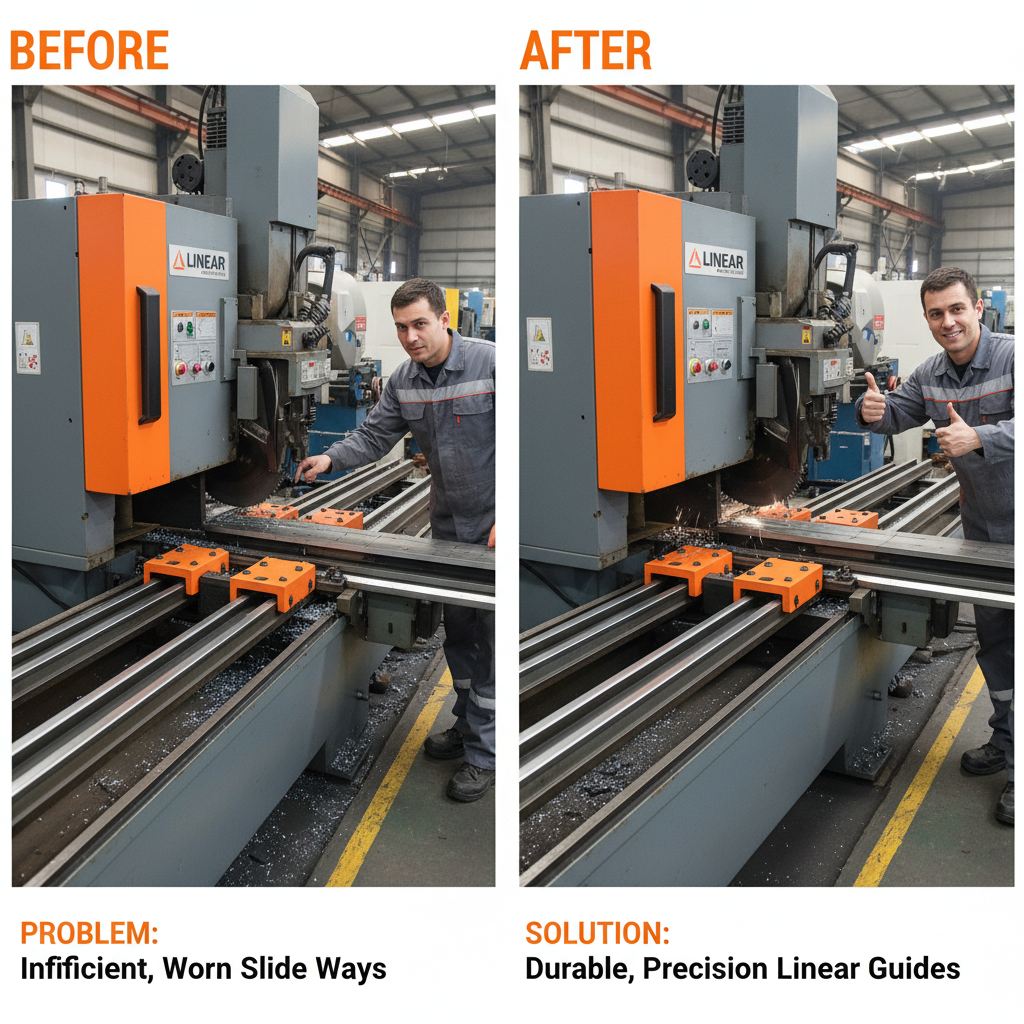
The widespread adoption of linear guides stems from their superior performance compared to traditional sliding surfaces. While simple sliding surfaces rely on friction to maintain position, linear guides utilize rolling elements, such as ball bearings or rollers, to minimize friction and distribute the load more evenly. This results in smoother motion, increased efficiency, and prolonged component life, especially in high-speed or high-load applications.
Defining Linear Guides
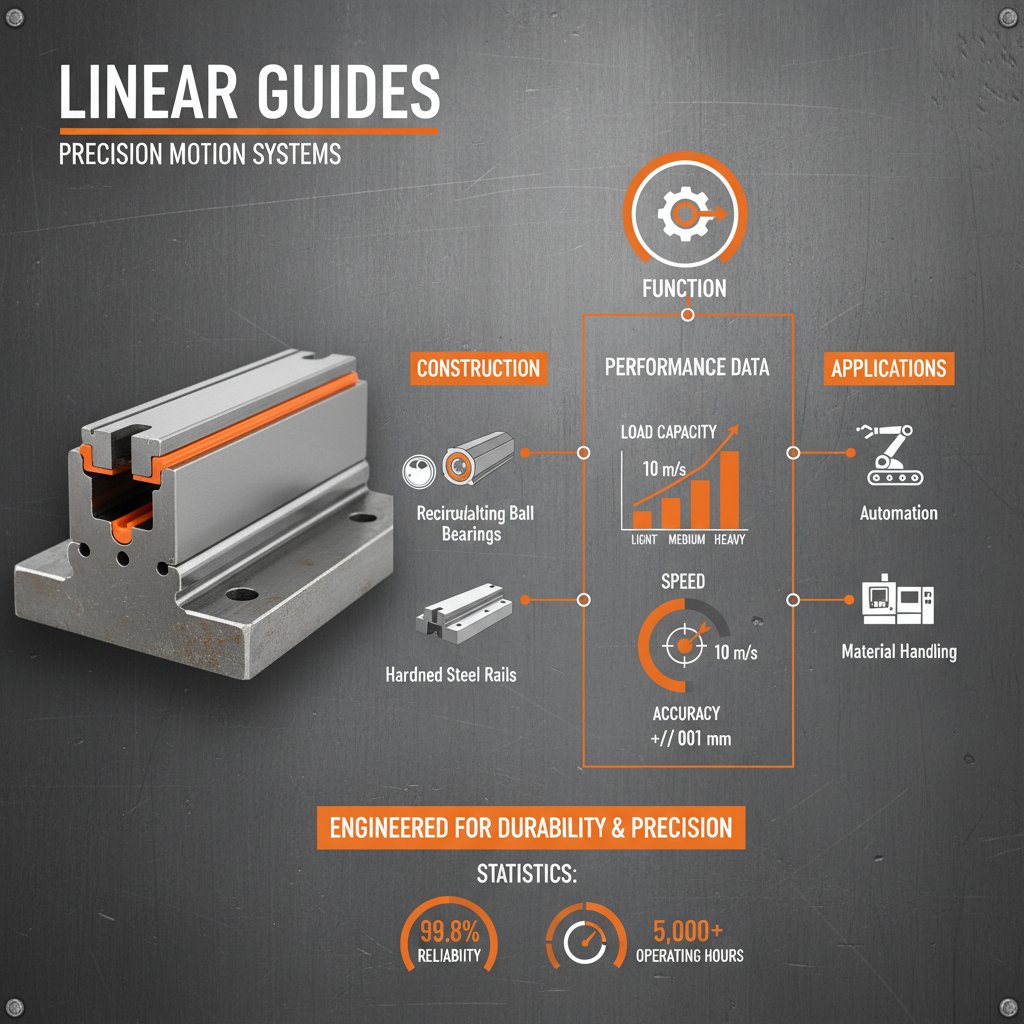
At their core, linear guides are a crucial part of a linear motion system, designed to support and guide moving parts while enabling precise and consistent linear travel. They consist of several key components working in concert, including rails or tracks, bearing blocks or carriages, and rolling elements. These components are engineered to minimize friction and ensure smooth, accurate movement along a single axis.
The concept of linear guides dates back to the early 20th century, but significant advancements in materials and manufacturing techniques have led to the high-performance systems available today. Modern linear guides are frequently constructed from hardened steel alloys, offering exceptional durability and load-carrying capacity. They play an integral role in enabling technological innovations across diverse industries.
Unlike traditional methods that rely on lubrication and sliding contact, linear guides leverage the principles of rolling friction. This drastically reduces energy loss and wear, making them essential in applications where efficiency and reliability are paramount. Their adaptability extends to a wide range of load capacities and precision levels, making them indispensable in modern industrial processes.
Core Components and Factors
Durability: High-quality linear guides are constructed from hardened steel and often feature protective coatings, ensuring long-term reliability even in harsh environments. The choice of materials and surface treatments significantly impacts their resistance to wear, corrosion, and fatigue.
Precision: The accuracy and repeatability of linear guides are critical for many applications. Factors like manufacturing tolerances, preloading, and alignment all contribute to the overall precision. Higher precision guides are essential in applications such as CNC machining and metrology.
Load Capacity: Linear guides are designed to handle varying load capacities, from light-duty applications like 3D printers to heavy-duty industrial machinery. The load capacity depends on the size, construction, and rolling element type of the guide.
Global Applications and Use Cases
Linear guides are integral to numerous industries worldwide. In the automotive sector, they are used extensively in robotic welding, assembly lines, and testing equipment. The aerospace industry relies on linear guides for the precise positioning of aircraft components during manufacturing and maintenance. Within the medical field, they are crucial in surgical robots, diagnostic imaging systems, and patient handling equipment.
The demand for linear guides is particularly high in emerging economies like China and India, where rapid industrialization is driving growth in manufacturing. In regions with advanced manufacturing capabilities, such as Germany, Japan, and the United States, linear guides are utilized in high-precision applications requiring extreme accuracy and reliability.
In post-disaster relief operations, portable shelters and temporary medical facilities can utilize linear guides for rapid assembly and deployment. In remote industrial zones, they enable the maintenance and operation of essential equipment in challenging conditions, enhancing productivity and safety. The versatility of linear guides makes them a crucial component in a wide variety of global applications.
Linear Guide Performance Comparison
Advantages and Long-Term Value
Implementing linear guides offers several tangible benefits. Lower friction translates into reduced energy consumption and increased efficiency, decreasing operational costs over time. Their high load capacity and rigidity contribute to extended machine life and reduced downtime, leading to greater productivity.
Beyond the economic advantages, linear guides enhance safety. Their precision and stability minimize the risk of errors and accidents, particularly in automated systems. The reliability of linear guides fosters trust in the performance of machinery and processes, crucial for maintaining quality control and ensuring product consistency.
Future Trends and Innovations
The future of linear guides is poised for significant innovation. Research into advanced materials like carbon fiber and ceramic composites promises lighter, stronger, and more corrosion-resistant guides. The integration of smart sensors and data analytics will enable predictive maintenance, optimizing performance and minimizing downtime.
Digital transformation and the rise of Industry 4.0 are driving the development of linear guides with embedded communication capabilities. These “smart” linear guides can provide real-time data on load, position, and wear, enabling closed-loop control and adaptive manufacturing processes. These innovations will contribute to increased efficiency, improved precision, and greater sustainability in a variety of industries.
Sustainability is becoming a key driver in the development of linear guides. Manufacturers are exploring eco-friendly materials and manufacturing processes to reduce their environmental impact. Furthermore, the increased efficiency of linear guides contributes to energy savings, aligning with global efforts to promote green energy and reduce carbon emissions.
Challenges and Solutions
One common challenge with linear guides is the potential for contamination. Dust, debris, and other particulates can compromise performance and reduce lifespan. Effective sealing solutions and regular maintenance are crucial for mitigating this issue. Another challenge is the cost of high-precision linear guides, which can be prohibitive for some applications.
Innovative solutions are addressing these challenges. Self-cleaning linear guides incorporating built-in wipers and seals are gaining popularity. Furthermore, advancements in manufacturing processes and economies of scale are helping to reduce the cost of high-precision guides, making them more accessible to a wider range of users. Utilizing linear guides designed for specific environments is also a crucial strategy.
The development of modular linear guide systems offers another solution. These systems allow users to customize guides to meet their specific needs, optimizing performance and reducing costs. Furthermore, the use of simulation and modeling tools helps engineers to select the optimal linear guide for their application, minimizing the risk of performance issues and ensuring long-term reliability.
Summary of Key Considerations for Linear Guide Selection
| Application Requirements |
Load & Precision |
Environmental Factors |
Cost & Maintenance |
| CNC Milling |
High Precision, Medium Load |
Moderate Dust & Vibration |
Medium Cost, Regular Lubrication |
| 3D Printing |
Medium Precision, Light Load |
Low Dust, Stable Temperature |
Low Cost, Minimal Maintenance |
| Robotic Arms |
High Precision, Variable Load |
Dynamic Environment, Potential Contaminants |
High Cost, Advanced Sealing Required |
| Medical Devices |
Ultra-High Precision, Low Load |
Sterile Environment, Chemical Resistance |
Very High Cost, Strict Quality Control |
| Automated Packaging |
Medium Precision, Medium-High Load |
Dusty Environment, Frequent Cycles |
Medium Cost, Frequent Maintenance |
| Linear Actuators |
Variable, Based on Application |
Dependent on Operating Environment |
Variable, Depending on Features |
FAQS
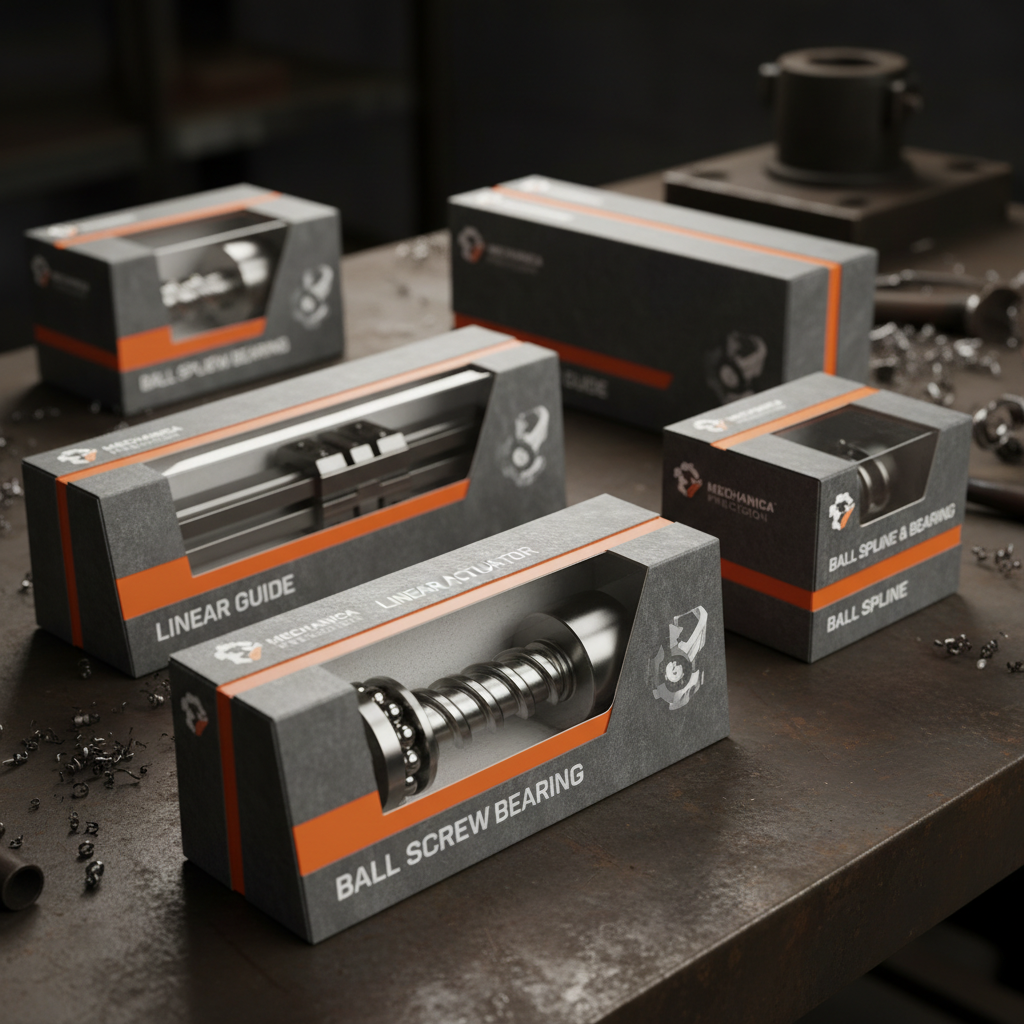
There are several main types, including profiled rail guides, shaft guides, and ball splines. Profiled rail guides are the most common, offering high load capacity and rigidity. Shaft guides are lighter and more compact, suitable for less demanding applications. Ball splines provide rotary and linear motion simultaneously. The best type depends on the specific application’s requirements for load, precision, and space constraints.
Selecting the correct linear guide requires careful consideration of several factors. Evaluate the required load capacity, precision, travel distance, and operating environment. Consider factors like contamination, temperature, and vibration. Determine the required accuracy and rigidity for your specific application. Consulting with a linear guide supplier can help ensure optimal selection.
Preloading refers to the initial load applied to the rolling elements within the linear guide. It eliminates backlash and increases stiffness, improving positioning accuracy and reducing vibration. Proper preloading ensures smooth and consistent motion, especially in high-precision applications. However, excessive preloading can increase friction and reduce lifespan.
The lubrication frequency depends on the operating conditions and the type of lubricant used. Generally, regular lubrication is essential for maintaining smooth operation and extending lifespan. Consult the manufacturer’s recommendations for specific lubrication intervals and lubricant types. Automatic lubrication systems can simplify this process and ensure consistent lubrication.
Common causes include contamination, improper lubrication, excessive loading, misalignment, and corrosion. Contamination can cause wear and damage to the rolling elements. Misalignment can lead to uneven loading and premature failure. Regular maintenance, proper installation, and environmental protection can help prevent these issues.
Whether a linear guide can be repaired depends on the extent of the damage. Minor issues like lubrication problems or loose components can often be addressed through repair. However, severe damage to the rails, bearings, or rolling elements usually requires replacement. In many cases, replacing the entire assembly is more cost-effective and reliable than attempting a complex repair.
Conclusion
Linear guides are fundamental to modern automation and precision engineering. Their ability to provide smooth, accurate, and reliable linear motion is essential across a wide range of industries, from manufacturing and aerospace to medical technology and robotics. Understanding the core principles, components, and applications of linear guides is crucial for optimizing system performance and driving innovation.
As technology continues to advance, linear guides will undoubtedly play an even more significant role in shaping the future of automation and manufacturing. Continued innovation in materials, design, and smart features will lead to even greater efficiency, reliability, and sustainability. To explore the wide range of linear guide solutions available and find the perfect fit for your application, visit our website: www.yidibearings.com.