The interplay between gears and racks represents a cornerstone of modern mechanical engineering, impacting industries from manufacturing and automation to transportation and robotics. Their ability to convert rotational motion into linear motion, and vice versa, provides a fundamental building block for countless systems. Understanding the principles governing gear and rack design, materials, and application is therefore crucial for engineers, designers, and technicians across a wide spectrum of disciplines. This knowledge enables the creation of more efficient, reliable, and innovative mechanical solutions, ultimately driving progress across the globe.
Globally, the demand for precise and robust motion control systems is continuously rising, fueled by trends like Industry 4.0 and the increasing automation of processes. The market for power transmission equipment, which includes gears and racks, is substantial, with projections indicating continued growth in the coming years. According to industry reports, the global gear market alone is expected to reach billions of dollars by 2028. This growth is particularly pronounced in emerging economies as they invest in infrastructure and manufacturing capabilities.
However, challenges exist in optimizing gear and rack systems for increasingly demanding applications. Factors such as wear, noise, and efficiency need careful consideration. The ability to address these challenges through advanced materials, innovative designs, and precise manufacturing techniques is key to unlocking the full potential of this essential mechanical component.
The Fundamental Principles of gear and rack
At its heart, the operation of a gear and rack system relies on the meshing of a circular gear with a linear toothed bar – the rack. As the gear rotates, its teeth engage with the rack’s teeth, causing the rack to move linearly. This simple yet powerful principle is governed by fundamental laws of physics, particularly those related to force, torque, and motion. The gear ratio dictates the relationship between the rotational speed of the gear and the linear speed of the rack.
Understanding the geometry of both the gear and the rack is critical for optimal performance. Factors like tooth profile, pressure angle, and module (tooth size) significantly influence the system’s efficiency, load capacity, and smoothness of operation. Precise manufacturing tolerances are also essential to minimize backlash and ensure accurate motion transfer.
Global Significance and Industry Applications
Gear and rack systems are ubiquitous across a vast range of industries globally. Manufacturing relies heavily on these systems for automated assembly lines, robotic arms, and positioning systems. The automotive industry employs them in steering mechanisms, window regulators, and transmission systems. In the railway sector, they play a critical role in signaling systems and level crossing gates.
The demand is particularly strong in regions undergoing rapid industrialization, such as Asia-Pacific, where significant investments are being made in infrastructure and automation. The United Nations Industrial Development Organization (UNIDO) highlights the importance of reliable mechanical components, like gears and racks, for fostering sustainable industrial growth in developing countries.
Furthermore, the aerospace and defense industries rely on high-precision gear and rack systems for flight control surfaces, missile guidance systems, and radar antennas. The continuous pursuit of improved performance and efficiency in these sectors drives ongoing innovation in gear and rack technology.
Defining gear and rack: A Mechanical Foundation
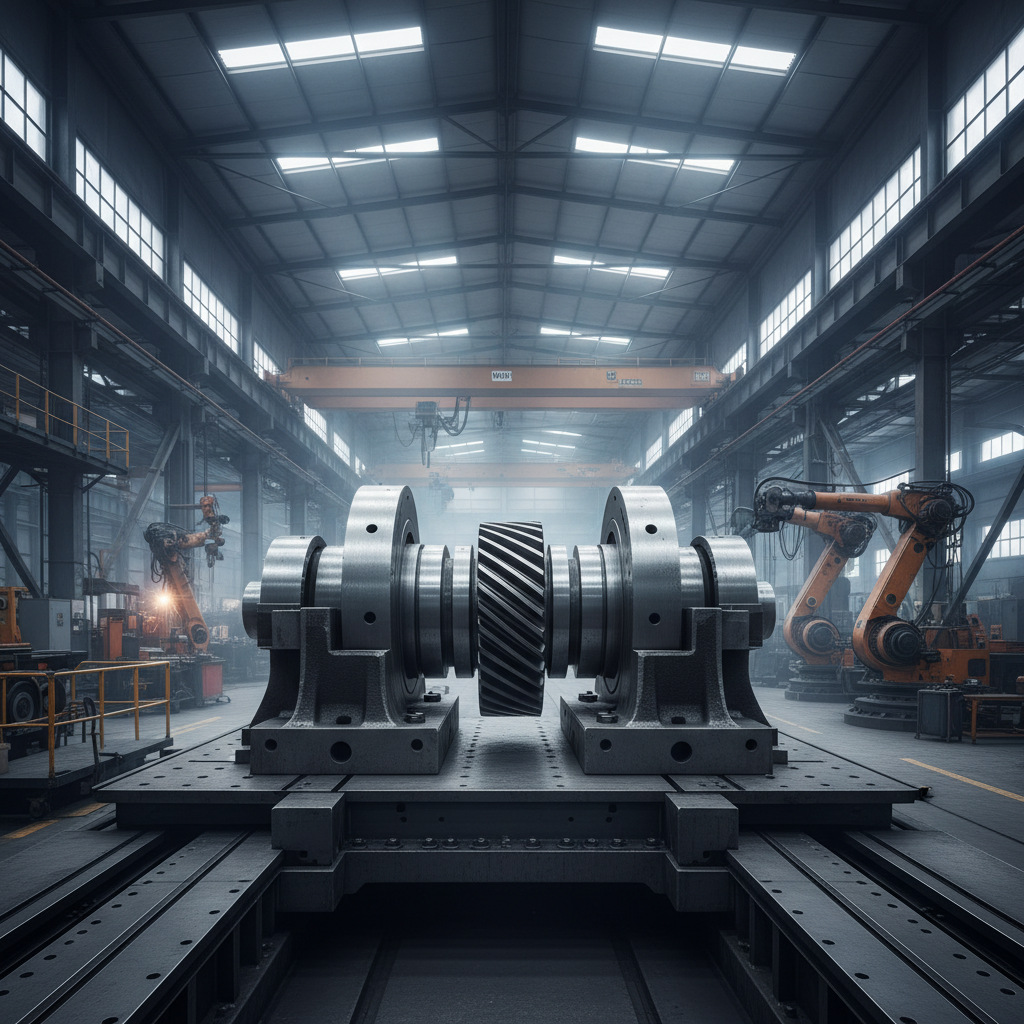
A gear is a rotating circular machine part having cut teeth or, in the case of a helical gear, teeth cut on a helix, designed to mesh with another toothed part to transmit torque. A rack, conversely, is a linear toothed bar, and its interaction with a gear transforms rotational motion into linear motion – a fundamental principle exploited in countless mechanical systems.
This seemingly simple combination connects directly to modern humanitarian needs. Consider remote medical clinics requiring reliable power generation; a gear and rack system can be integrated into a hand-cranked generator, providing essential electricity. Or imagine disaster relief scenarios where quickly deployable shelters need robust and adjustable support structures – a gear and rack mechanism can facilitate efficient adjustment and stability.
The precision of these components is paramount. The tooth profile, pitch, and material selection all contribute to the system's accuracy, efficiency, and lifespan. Modern manufacturing techniques, such as CNC machining and precision grinding, are essential for producing gear and rack systems that meet stringent performance requirements.
Core Components and Key Considerations
Several core components define the performance characteristics of a gear and rack system. First, material selection is crucial, with options ranging from steel and cast iron to polymers and composites, each offering different strength, wear resistance, and cost profiles. Secondly, gear geometry, including the tooth profile (involute, spur, helical) and pressure angle, impacts efficiency and load capacity.
Thirdly, lubrication plays a vital role in reducing friction and wear, extending the system’s lifespan. Fourthly, mounting and alignment are critical for minimizing vibrations and ensuring smooth operation. Finally, backlash, the play between the gear and rack teeth, must be carefully controlled to achieve precise positioning.
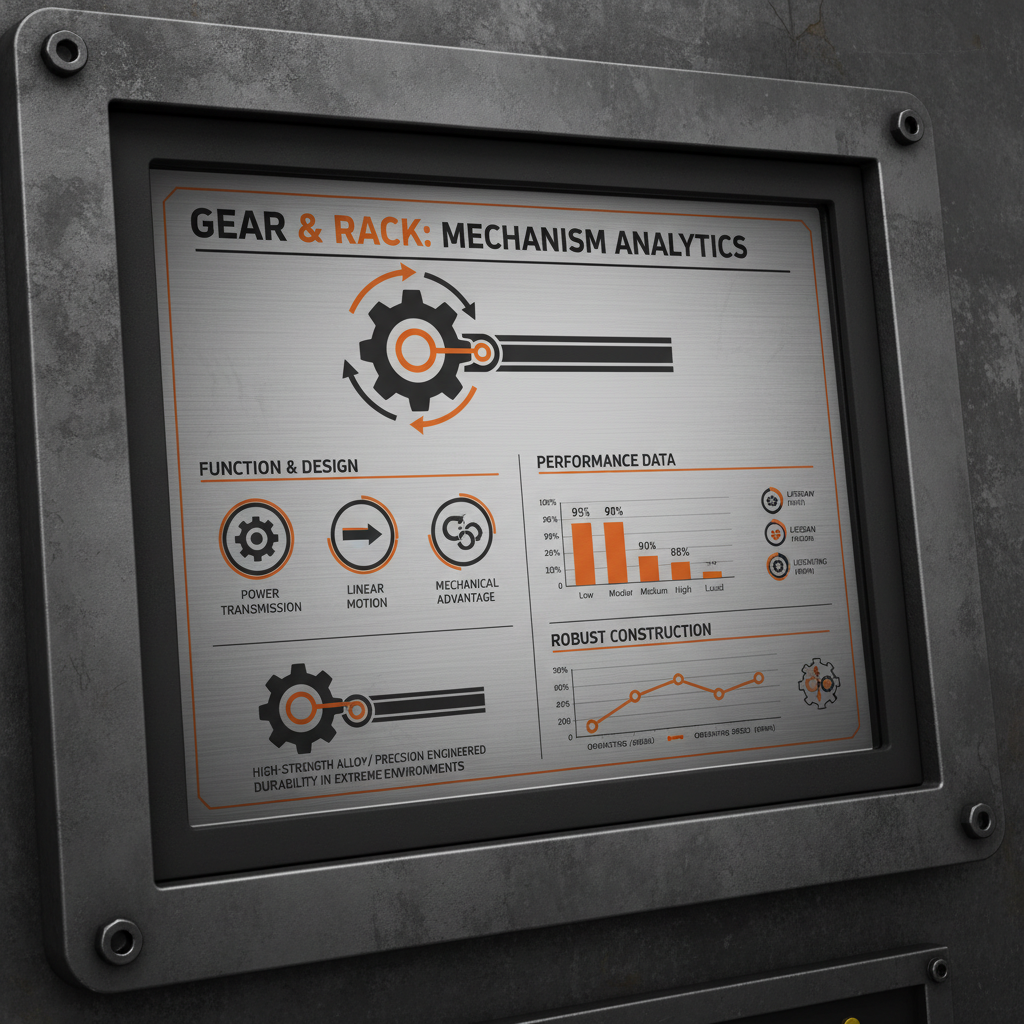
Comparison of gear and rack Performance Metrics
Worldwide Applications of gear and rack
From the high-speed trains of Europe to the automated manufacturing facilities of China, gear and rack systems are integral to modern infrastructure. In the United States, they are commonly found in packaging machinery, printing presses, and robotics. In remote industrial zones of Australia, they support mining operations and material handling systems.
In post-disaster relief operations, portable gear and rack driven linear actuators can be employed to quickly erect temporary shelters and facilitate the movement of heavy equipment. The adaptability and relatively simple mechanical design of these systems make them suitable for deployment in challenging environments.
Advantages and Long-Term Value Proposition
The advantages of utilizing gear and rack systems are multifaceted. They offer high load capacity, precise motion control, and relatively high efficiency compared to other linear actuation methods. Their robust construction translates into a long operational lifespan, reducing maintenance costs and downtime.
From a sustainability standpoint, gears and racks can contribute to energy efficiency by minimizing friction and optimizing power transmission. Emotionally, the reliability of these systems fosters trust in the equipment they power, enhancing safety and productivity. Economically, their long-term value proposition outweighs the initial investment due to their durability and reduced maintenance requirements.
Future Trends and Innovations in gear and rack Technology
The future of gear and rack technology is being shaped by several emerging trends. The development of new materials, such as self-lubricating polymers and high-strength alloys, is enhancing performance and reducing wear. Digital twin technology is enabling virtual prototyping and optimization of gear and rack systems, reducing development time and costs.
The integration of sensors and IoT connectivity allows for real-time monitoring of system performance, enabling predictive maintenance and preventing costly failures. Furthermore, advancements in additive manufacturing (3D printing) are enabling the creation of complex gear geometries and customized rack designs. The ongoing push for automation and Industry 4.0 will continue to drive demand for innovative gear and rack solutions.
Green energy initiatives are also playing a role, with gear and rack systems being incorporated into renewable energy technologies such as solar trackers and wind turbine pitch control mechanisms.
Addressing Challenges in gear and rack Application
Despite their many benefits, gear and rack systems can face challenges related to wear, noise, and backlash. Traditional lubrication methods can be messy and require frequent maintenance. Precise alignment during installation and operation is often difficult to achieve, leading to premature failure.
Solutions involve advanced surface coatings to reduce friction and wear, the use of preloaded gear systems to minimize backlash, and the implementation of sophisticated monitoring systems to detect and correct misalignment. Furthermore, exploring alternative gear tooth profiles and materials can enhance performance and durability.
Expert insights suggest that integrating digital modeling and simulation tools during the design phase can significantly mitigate these challenges. By accurately predicting system behavior and identifying potential failure points, engineers can optimize designs for maximum reliability and longevity.
Summary of Challenges and Solutions for gear and rack Systems
| Challenge |
Impact on Performance |
Proposed Solution |
Implementation Difficulty (1-10) |
| Wear and Friction |
Reduced efficiency, increased noise, shortened lifespan |
Advanced surface coatings, optimized lubrication |
6 |
| Backlash |
Positioning inaccuracy, reduced responsiveness |
Preloaded gear systems, precision manufacturing |
7 |
| Misalignment |
Increased vibration, premature failure |
Precision mounting techniques, alignment monitoring |
5 |
| Noise Generation |
Unpleasant working environment, potential safety concerns |
Helical gear designs, noise dampening materials |
4 |
| Lubrication Issues |
Increased friction, reduced efficiency, environmental concerns |
Self-lubricating materials, automated lubrication systems |
8 |
| Design Optimization |
Suboptimal performance, increased cost |
Digital modeling and simulation, material selection analysis |
9 |
FAQS
The load capacity of a gear and rack system depends on several factors, including the gear material, tooth geometry, module (tooth size), and the contact ratio. Higher quality materials, optimized tooth profiles, larger modules, and higher contact ratios all contribute to increased load capacity. Proper lubrication and alignment also play a crucial role in maximizing the system’s ability to handle heavy loads. Careful design calculations are essential to ensure the system can withstand the anticipated loads without failure.
Minimizing backlash requires a combination of precision manufacturing, careful assembly, and often, the use of preloaded gear systems. Preloading involves applying a slight force to the gear and rack to eliminate play between the teeth. Other strategies include using anti-backlash gears, employing adjustable mounting systems, and ensuring precise alignment during installation. Maintaining proper lubrication is also vital for minimizing friction and backlash over time.
Spur gears are the simplest and most common type, with straight teeth parallel to the axis of rotation. Helical gears have teeth cut at an angle, resulting in smoother, quieter operation and higher load capacity. Bevel gears are used to transmit motion between intersecting shafts, often found in automotive differentials. The choice depends on the application requirements – spur gears are suitable for simple, low-speed applications, while helical and bevel gears are preferred for higher speeds and loads.
Common lubrication methods include grease, oil baths, and forced oil circulation. Grease is easy to apply and provides long-lasting lubrication, but it’s less effective at dissipating heat. Oil baths offer better cooling and lubrication but require seals to prevent leakage. Forced oil circulation provides the most effective lubrication and cooling but is more complex and expensive. The choice of lubricant depends on the operating speed, load, and temperature.
Material selection significantly impacts a gear and rack’s strength, wear resistance, and overall lifespan. Steel is commonly used for high-load applications, offering excellent strength and durability. Polymers are lighter and quieter but have lower load capacity. Composites offer a balance of strength and weight. Factors like corrosion resistance and temperature stability also influence material choice, depending on the operating environment.
Regular maintenance is crucial for ensuring long-term reliability. This includes periodic lubrication, inspection for wear and damage, and alignment checks. Cleaning the gear and rack to remove debris and contaminants is also important. Vibration analysis can help detect early signs of failure. Maintaining detailed maintenance records allows for proactive identification of potential problems and prevents costly downtime.
Conclusion
Gear and rack systems are foundational components in countless mechanical applications, offering a reliable and efficient means of converting rotational motion into linear motion. Their versatility, coupled with ongoing advancements in materials, design, and manufacturing, ensures their continued relevance in a rapidly evolving technological landscape. Understanding the core principles, advantages, and potential challenges associated with these systems is vital for engineers, designers, and technicians alike.
Looking ahead, the integration of digital technologies, such as IoT and AI, will further enhance the performance and reliability of gear and rack systems. The ongoing pursuit of sustainability will drive the development of eco-friendly materials and energy-efficient designs. We encourage you to visit our website at www.yidibearings.com to explore our comprehensive range of high-quality gears and racks and discover how we can help you optimize your mechanical systems.