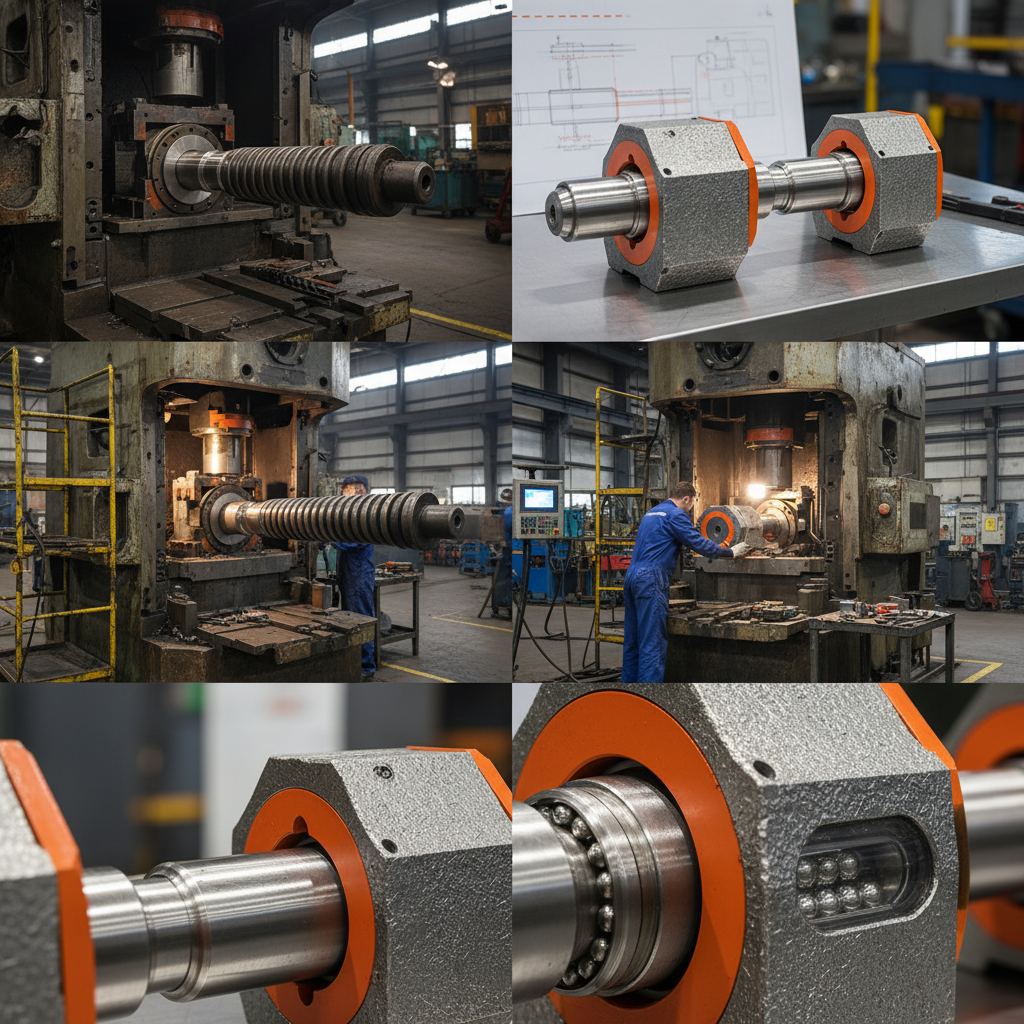
Ball screws are precision mechanical components that convert rotational motion into linear motion, finding extensive application in a wide range of industries. Their ability to deliver smooth, accurate, and efficient movement makes them integral to modern manufacturing, automation, and even everyday devices. Understanding ball screws is paramount for engineers, designers, and anyone involved in developing or maintaining mechanical systems where precision and reliability are crucial.
Globally, the demand for ball screws is constantly growing, driven by increasing automation across sectors like automotive, aerospace, medical, and robotics. The rise of Industry 4.0 and the need for increasingly precise and efficient machinery are key factors boosting this demand. From complex CNC machines to simple linear actuators, ball screws are the backbone of countless automated processes, making their performance a critical factor in overall system efficiency.
The importance of ball screws extends beyond industrial applications. They are instrumental in fields like medical equipment, where precision is life-critical, and in aerospace, where reliability under extreme conditions is paramount. Investing in understanding ball screw technology translates directly into improved product quality, increased manufacturing efficiency, and enhanced performance in diverse applications.
Introduction to ball screws
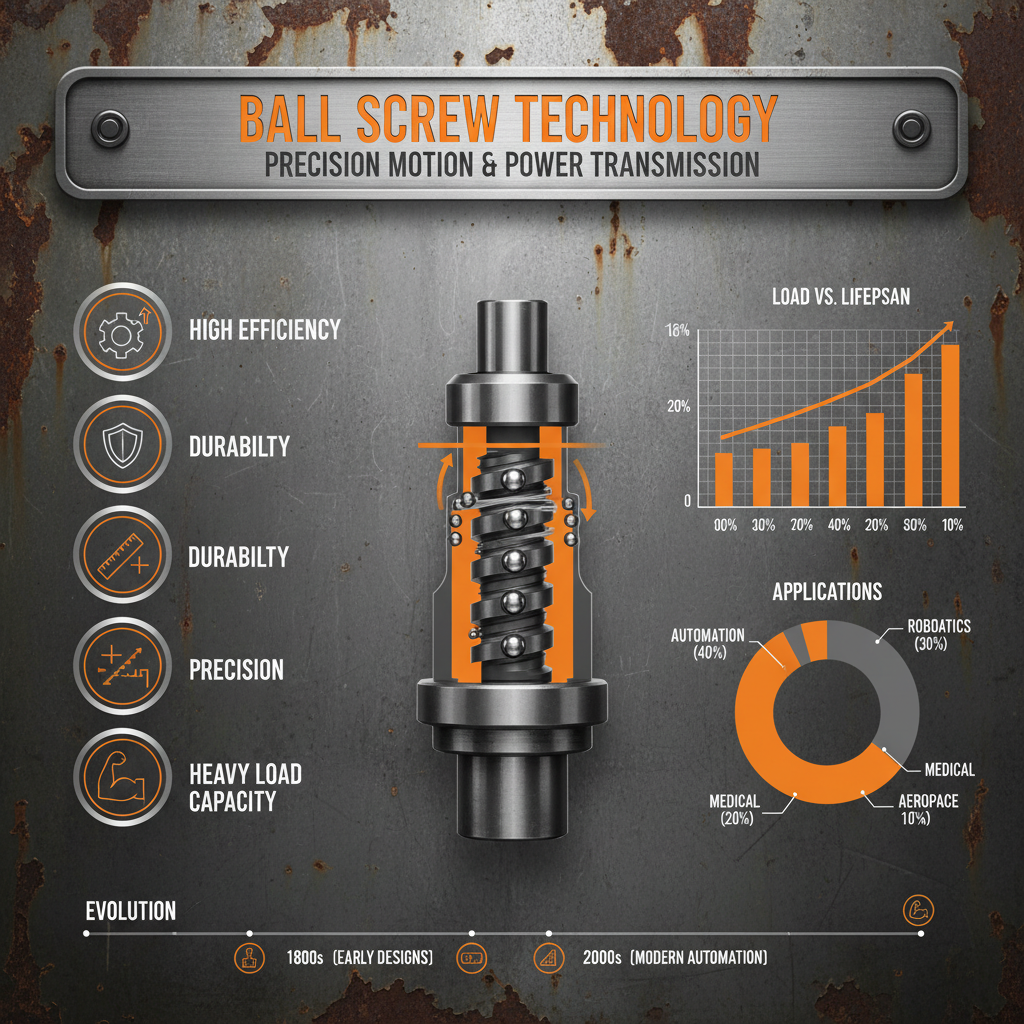
At its core, a ball screw consists of a threaded shaft and a nut, both featuring helical grooves. Instead of direct sliding contact, hardened steel balls are recirculated between the shaft and the nut, drastically reducing friction and wear. This innovative design allows for highly efficient power transmission and exceptionally smooth linear motion, making ball screws superior to traditional leadscrews.
The precision in manufacturing ball screws – both the shaft and nut – is critical. Tight tolerances and high-quality materials ensure minimal backlash, high positional accuracy, and long service life. Choosing the right ball screw for a specific application requires careful consideration of factors such as load capacity, speed, accuracy, and environmental conditions.
Global Relevance and Applications
The global ball screw market is experiencing substantial growth, projected to reach significant figures in the coming years. This growth is directly correlated with the expansion of automated manufacturing processes across various industries. Countries with large manufacturing sectors, such as China, Germany, and the United States, represent key markets for ball screw technology. The demand is further fueled by emerging economies investing in automation to improve productivity and competitiveness.
Applications for ball screws are remarkably diverse. They are essential in CNC machinery for precise tool positioning, in robotics for accurate joint movement, and in medical imaging equipment for smooth scanning motion. Additionally, they are used in aerospace applications, such as flight control surfaces and landing gear systems, where reliability and precision are paramount. The increasing sophistication of these industries drives the continuous demand for improved ball screw technology.
A challenge within the industry lies in balancing cost with performance. While high-precision ball screws offer superior accuracy and longevity, they come at a premium price. Developing cost-effective solutions without compromising critical performance characteristics remains a significant focus for manufacturers and researchers alike.
Defining ball screws: A Core Component
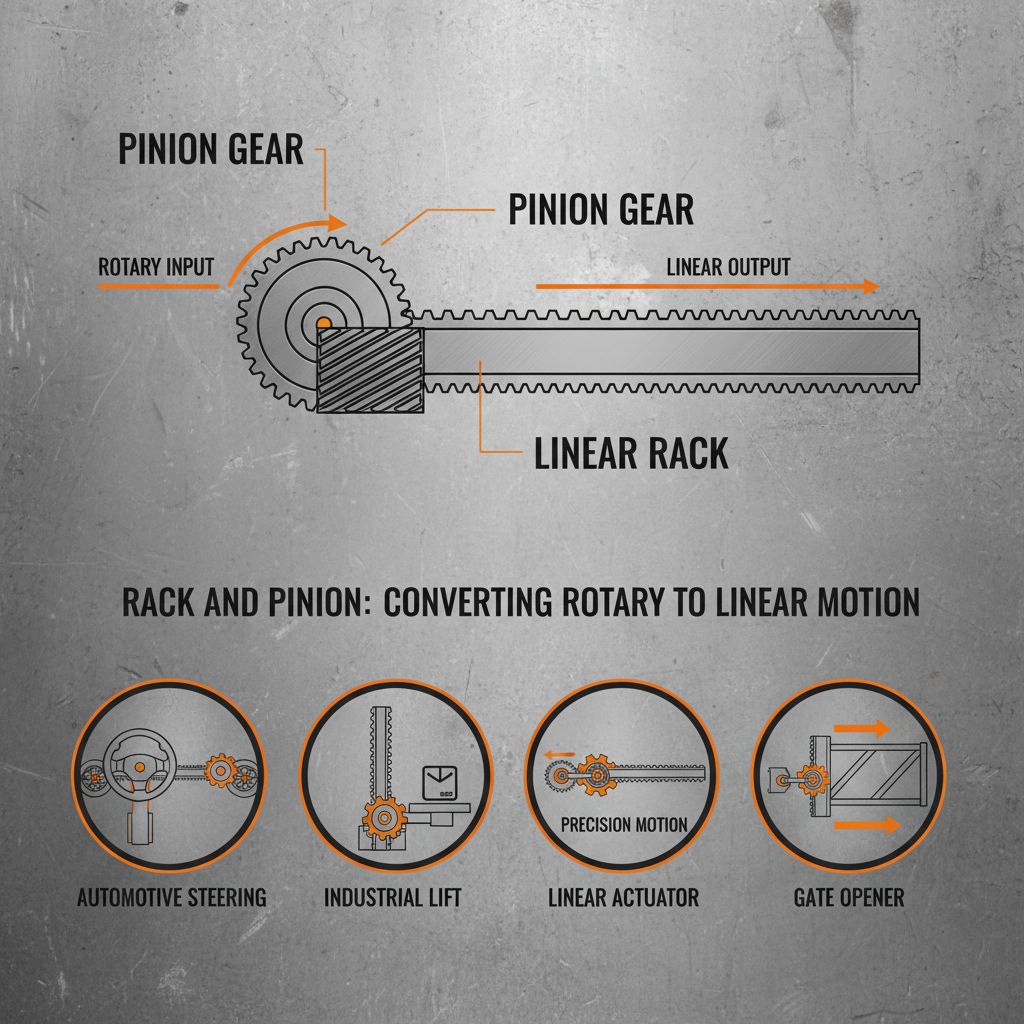
A ball screw is fundamentally a linear actuator that converts rotational motion into linear motion with minimal friction. Unlike traditional leadscrews that rely on sliding friction, ball screws utilize recirculating ball bearings to minimize contact and dramatically reduce wear. This key difference translates into higher efficiency, longer lifespan, and greater precision in linear positioning.
The connection to modern industry is undeniable. Without the precision and reliability of ball screws, advanced manufacturing processes like CNC machining, 3D printing, and automated assembly would be significantly hindered. Their ability to deliver consistent and accurate linear movement is critical for maintaining product quality and optimizing production efficiency. ball screws are not merely a component; they are an enabling technology.
Even humanitarian applications benefit from ball screw technology. In prosthetics, for example, precise and reliable linear actuators powered by ball screws enable more natural and functional movement. Similarly, in disaster relief operations, remotely operated vehicles and robotic systems utilizing ball screws can access and assess hazardous environments, contributing to safer and more effective response efforts.
Key Characteristics of ball screws
Durability is a cornerstone of ball screw design. The use of hardened steel balls and precision-ground threads minimizes wear and extends the operational life, even under heavy loads and demanding conditions. This longevity translates to reduced maintenance costs and increased overall system reliability.
Accuracy is another defining characteristic. Ball screws exhibit minimal backlash and high positional repeatability, making them ideal for applications requiring precise linear positioning. This is particularly critical in CNC machining, robotics, and metrology.
Ball Screw Performance Metrics
Global Applications & Industry Impact
In the automotive industry, ball screws are crucial in robotic welding, assembly line automation, and tooling machines. Their precision and reliability ensure consistent product quality and increased production rates. Across Europe and North America, automotive manufacturers heavily rely on ball screws in their production processes.
The aerospace sector utilizes ball screws in flight control systems, landing gear actuation, and aircraft manufacturing. Their ability to withstand extreme temperatures and maintain high positional accuracy is paramount. Manufacturers in the United States and Canada are leading adopters of advanced ball screw technology in aerospace applications.
Advantages and Long-Term Value
The initial cost of ball screws can be higher than that of leadscrews, however, their longevity and reduced maintenance requirements translate into significant long-term cost savings. The reduced friction minimizes wear and tear, extending the operational life and reducing the need for frequent replacements.
From a sustainability perspective, the extended lifespan of ball screws contributes to reduced material consumption and waste generation. Their high efficiency also lowers energy consumption during operation, contributing to a smaller environmental footprint. Choosing ball screws is not just an investment in performance; it's an investment in sustainability.
Future Trends and Innovations in ball screws
Ongoing research and development are focused on improving ball screw materials and coatings to enhance durability and reduce friction further. New designs incorporating advanced lubrication systems and optimized ball recirculation paths are also being explored. These innovations will lead to even more efficient and reliable ball screw solutions.
The integration of ball screws with smart sensors and data analytics is another emerging trend. Real-time monitoring of ball screw performance can enable predictive maintenance, preventing costly downtime and optimizing operational efficiency. This connectivity aligns with the principles of Industry 4.0 and smart manufacturing.
The demand for smaller, lighter, and more compact ball screws is growing, driven by the increasing miniaturization of devices and systems. Manufacturers are responding with innovative designs that deliver high performance in a reduced footprint.
FAQS
The lifespan of a ball screw varies depending on the application, load, and maintenance schedule, but a well-maintained ball screw can easily last for 10,000 to 30,000 hours or more of operation. Regular lubrication and proper alignment are crucial for maximizing lifespan. High-quality materials and precision manufacturing also contribute to a longer service life.
The lead of a ball screw determines the linear travel distance per revolution. A larger lead results in faster linear speed but lower force capacity, while a smaller lead offers higher force capacity but slower speed. Selecting the appropriate lead is crucial for matching the ball screw’s performance to the specific application requirements.
Common lubrication methods for ball screws include oil bath, oil mist, grease packing, and synthetic lubricants. The choice of lubricant depends on the application environment, load, speed, and temperature. Proper lubrication is essential for minimizing friction, reducing wear, and extending the ball screw's lifespan.
Backlash refers to the amount of play or clearance between the ball screw nut and the shaft. Excessive backlash can reduce positional accuracy and repeatability, leading to imprecise motion control. Ball screws with low backlash are essential for applications requiring high precision, such as CNC machining and robotics.
Ball screws can be adapted for use in corrosive environments by utilizing corrosion-resistant materials, such as stainless steel, and applying protective coatings. Additionally, specialized lubricants can help prevent corrosion and maintain performance in harsh conditions.
The primary difference lies in how linear motion is achieved. Leadscrews rely on sliding friction, leading to higher wear and lower efficiency. Ball screws utilize recirculating ball bearings, significantly reducing friction, increasing efficiency, and extending lifespan. Ball screws generally offer higher precision and load capacity but are also more expensive than leadscrews.
Conclusion
In conclusion, ball screws represent a pivotal technology in modern mechanical engineering, enabling precision, efficiency, and reliability across a vast spectrum of applications. Their ability to convert rotational motion into linear motion with minimal friction has revolutionized industries ranging from manufacturing and aerospace to medical technology and robotics. Understanding the core principles, advantages, and emerging trends surrounding ball screws is essential for professionals seeking to optimize system performance and drive innovation.
Looking ahead, the future of ball screw technology promises even greater advancements in materials, design, and integration with smart technologies. By embracing these innovations and focusing on sustainable practices, we can unlock the full potential of ball screws and create a more efficient, reliable, and environmentally responsible future. For high-quality ball screws and expert support, visit our website today.