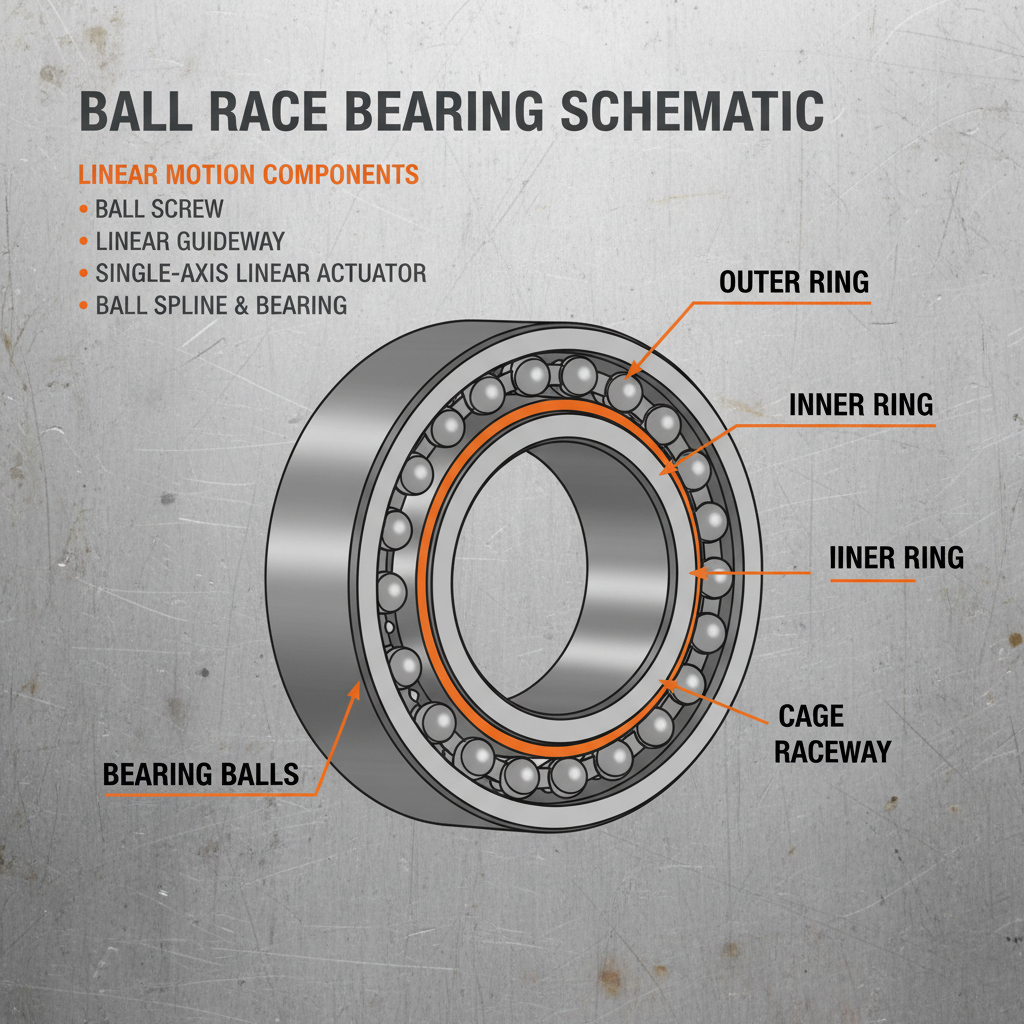
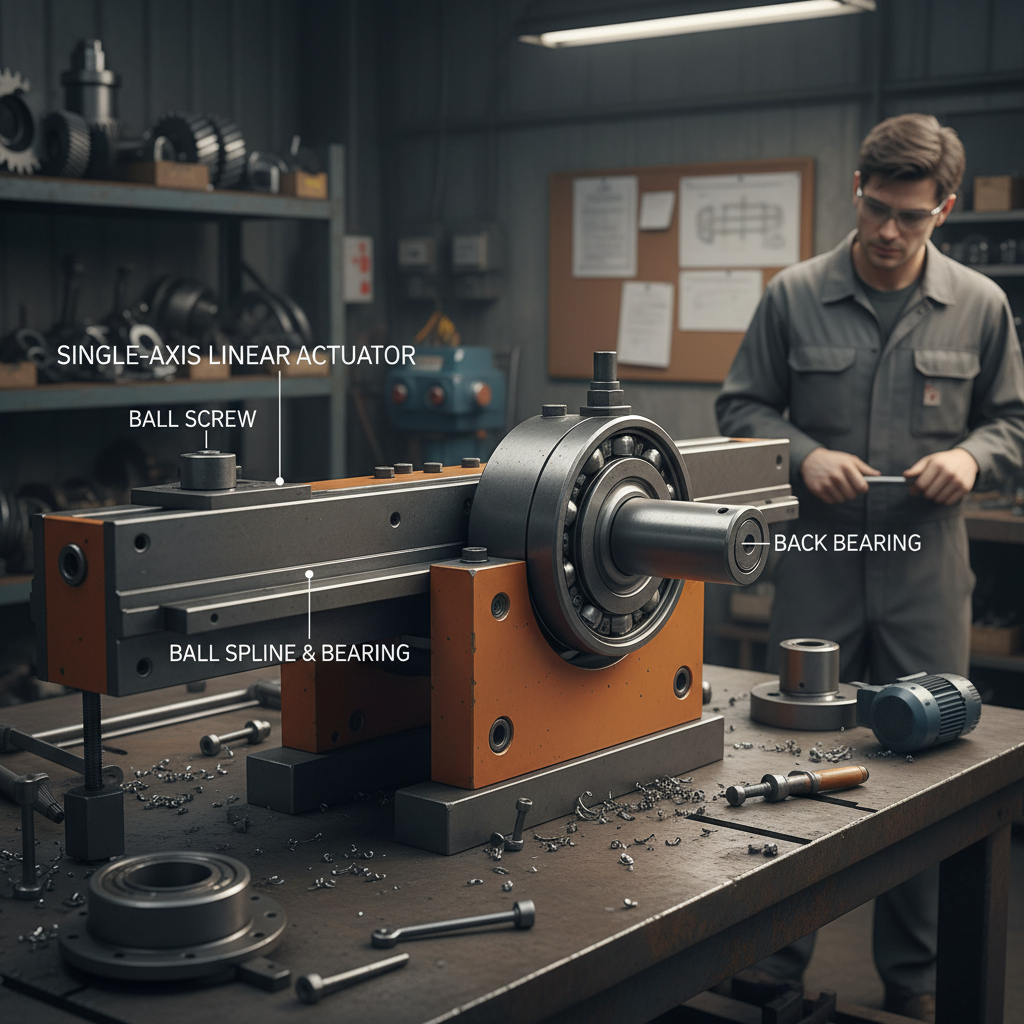
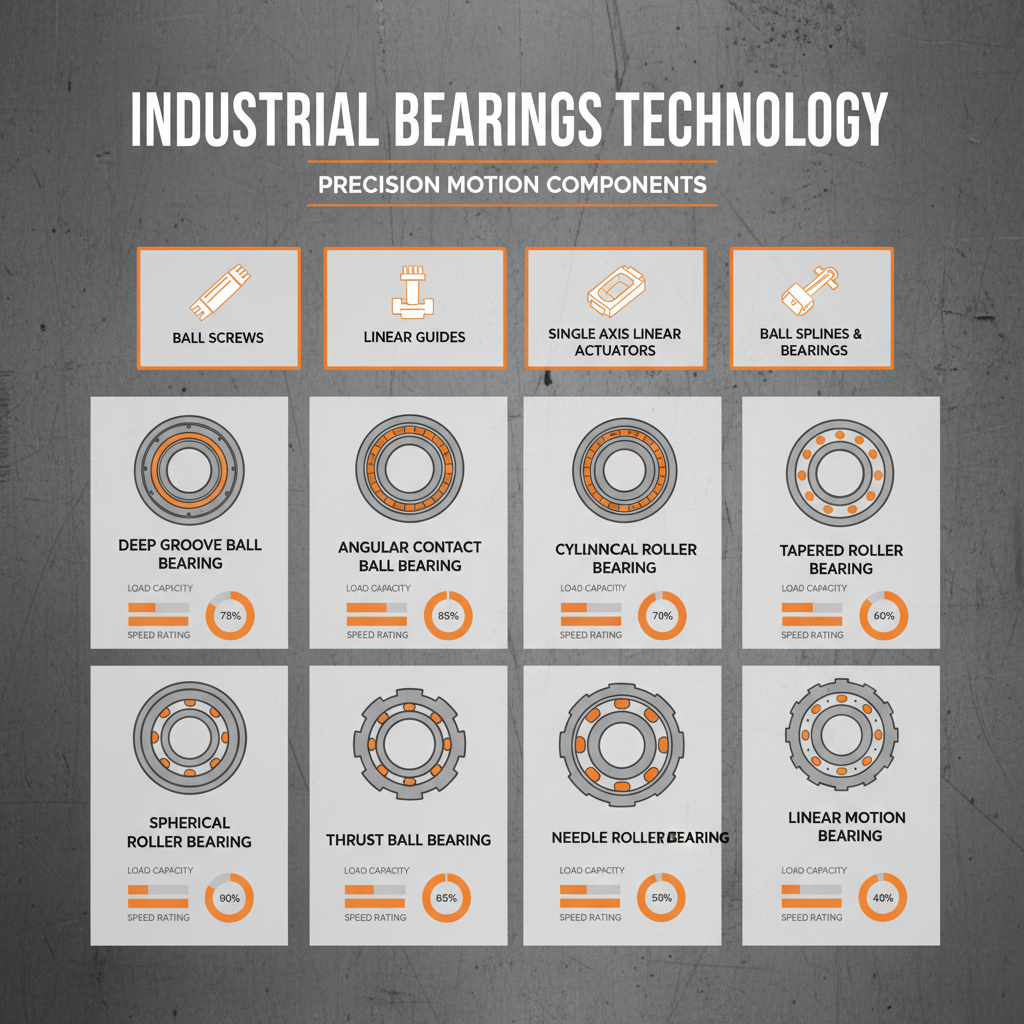
The global demand for high-quality bearings is substantial and ever-increasing, driven by the growth of industries like automotive, aerospace, manufacturing, and energy. A robust bearing factory is therefore crucial to maintaining supply chains and enabling innovation across these sectors. The effective design, production, and distribution of bearings underpin the functionality of countless machines and systems worldwide. This impacts global trade, economic stability, and technological advancement.
The precision and reliability of bearings, often unseen components, are vital for optimal performance and longevity of equipment. A sophisticated bearing factory isn’t simply a manufacturing facility; it's a center for material science, engineering expertise, and quality control. Investment in advanced manufacturing techniques and rigorous testing procedures is key to meeting increasingly demanding industry standards. The ability to consistently produce bearings with minimal friction, high load capacity, and extended lifespans is a competitive advantage.
Understanding the intricacies of a bearing factory, from raw material sourcing to final product delivery, is becoming increasingly important as industries seek to optimize efficiency, reduce downtime, and enhance sustainability. The integration of automation, data analytics, and lean manufacturing principles will be critical for future success in this dynamic field.
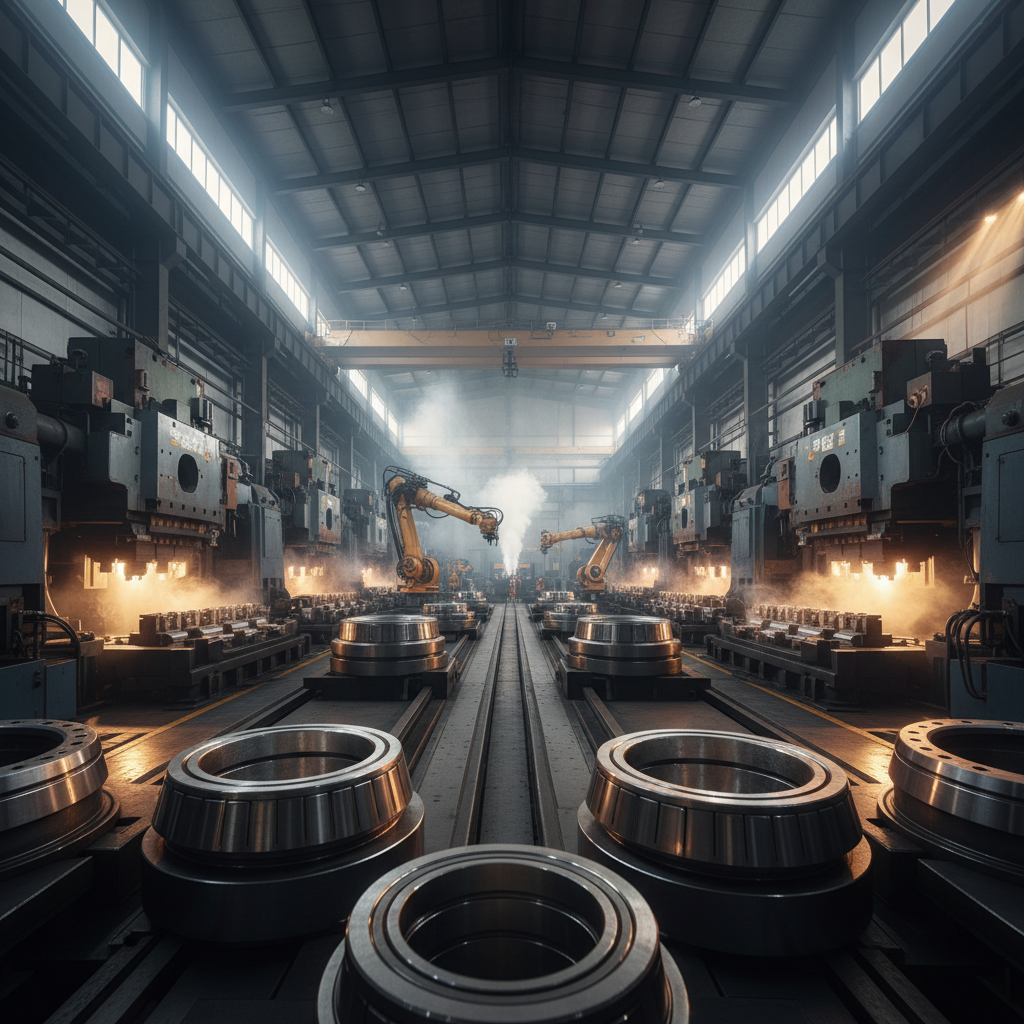
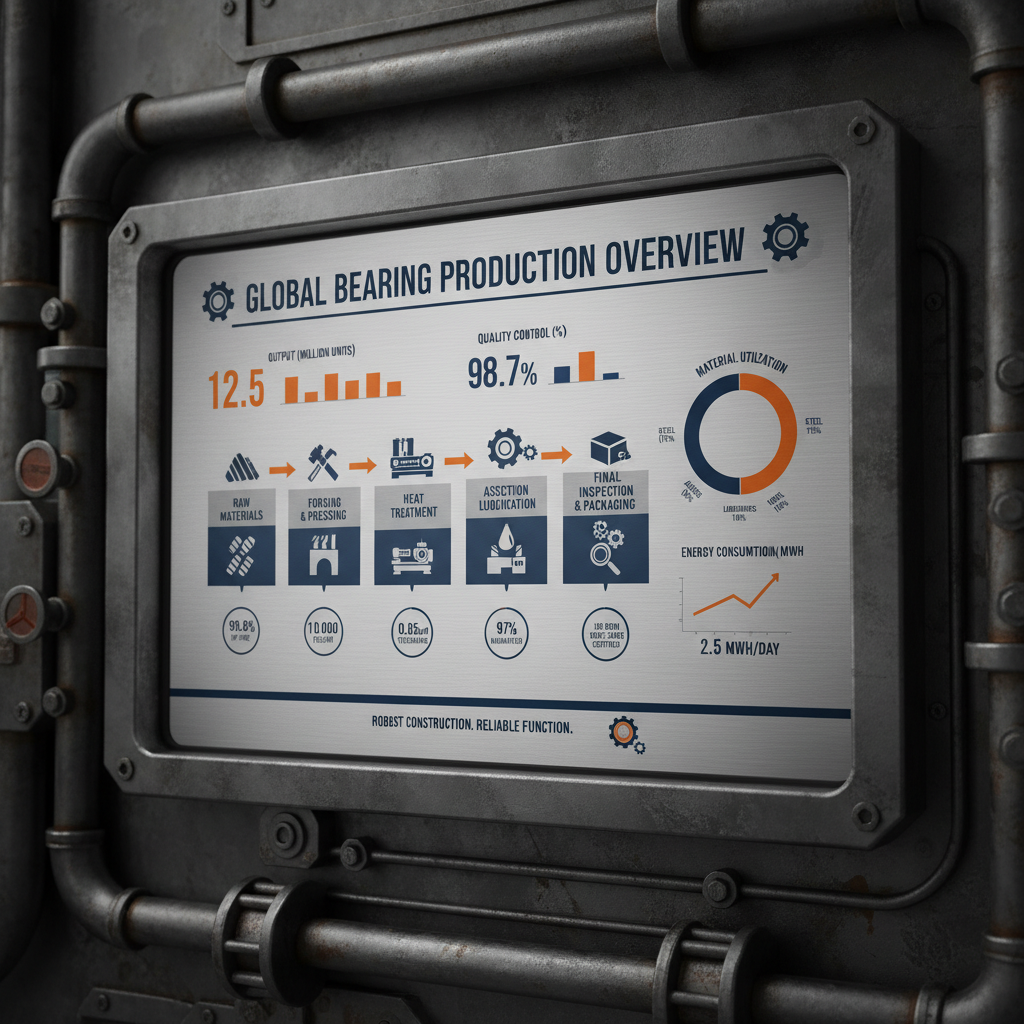
A high-performing bearing factory is the backbone of numerous industries. The quality, precision, and reliability of bearings directly influence the efficiency and longevity of machinery across diverse sectors like automotive, aerospace, and heavy industry. Without consistent access to quality bearings, production lines halt, maintenance costs soar, and overall operational effectiveness declines.
The global bearing market is projected to continue growing, driven by increasing demand from emerging economies and advancements in manufacturing technology. Therefore, the role of the bearing factory in supporting this growth is paramount. It requires constant innovation, skilled labor, and significant investment in research and development.
Bearing factories typically utilize high-carbon chrome steel as the primary material due to its strength and durability. Other materials include ceramic (for high-speed, high-temperature applications), stainless steel (for corrosion resistance), and various polymers (for cages and seals). Selection depends heavily on the bearing's intended application and performance requirements. Advanced factories also explore specialized alloys for unique properties.
Automation significantly boosts bearing factory productivity by streamlining processes, reducing manual labor, and minimizing errors. Robotic arms handle tasks like loading and unloading machines, while automated inspection systems ensure quality control. CNC machines deliver precision machining, and automated assembly lines speed up production. This leads to higher output, lower costs, and improved consistency.
Quality control is paramount in a bearing factory. It involves rigorous inspection at every stage of production, from raw materials to finished products. Techniques include dimensional measurements, hardness testing, surface finish analysis, and noise/vibration testing. Statistical process control (SPC) is used to monitor and maintain consistent quality. Defective bearings are identified and rejected, ensuring only high-quality products reach customers.
Bearing factories are increasingly focused on sustainability. This involves reducing energy consumption, minimizing waste generation, and using eco-friendly materials. Recycling of scrap metal and efficient use of water are common practices. Some factories are implementing closed-loop manufacturing systems and investing in renewable energy sources. Lean manufacturing principles also contribute to sustainability by eliminating waste and optimizing resource utilization.
The lifespan of bearings varies greatly depending on the application, load, speed, lubrication, and environmental conditions. However, well-manufactured bearings from a reputable bearing factory can last for millions of hours in optimal conditions. Regular maintenance and proper lubrication are crucial for maximizing lifespan. Factors like contamination and excessive loading can significantly reduce bearing life.
Data analytics is becoming increasingly vital for bearing factories. Sensors collect data on machine performance, bearing temperature, vibration, and other critical parameters. This data is analyzed to identify trends, predict failures, and optimize processes. Predictive maintenance, enabled by data analytics, minimizes downtime and reduces costs. Data analytics also helps improve quality control and optimize inventory management.
In conclusion, a thriving bearing factory is fundamental to the smooth operation of countless industries globally. From advanced manufacturing processes and rigorous quality control to the integration of innovative materials and technologies, these facilities are constantly evolving to meet the demands of a changing world. Investing in the efficiency, sustainability, and technological sophistication of bearing factories is essential for continued economic growth and innovation.
Looking ahead, continued advancements in materials science, automation, and data analytics will further enhance the performance and reliability of bearings. The increasing demand for customized bearing solutions will drive the need for flexible and agile manufacturing capabilities. By embracing these trends, bearing factory can solidify their position as critical enablers of progress in the 21st century.