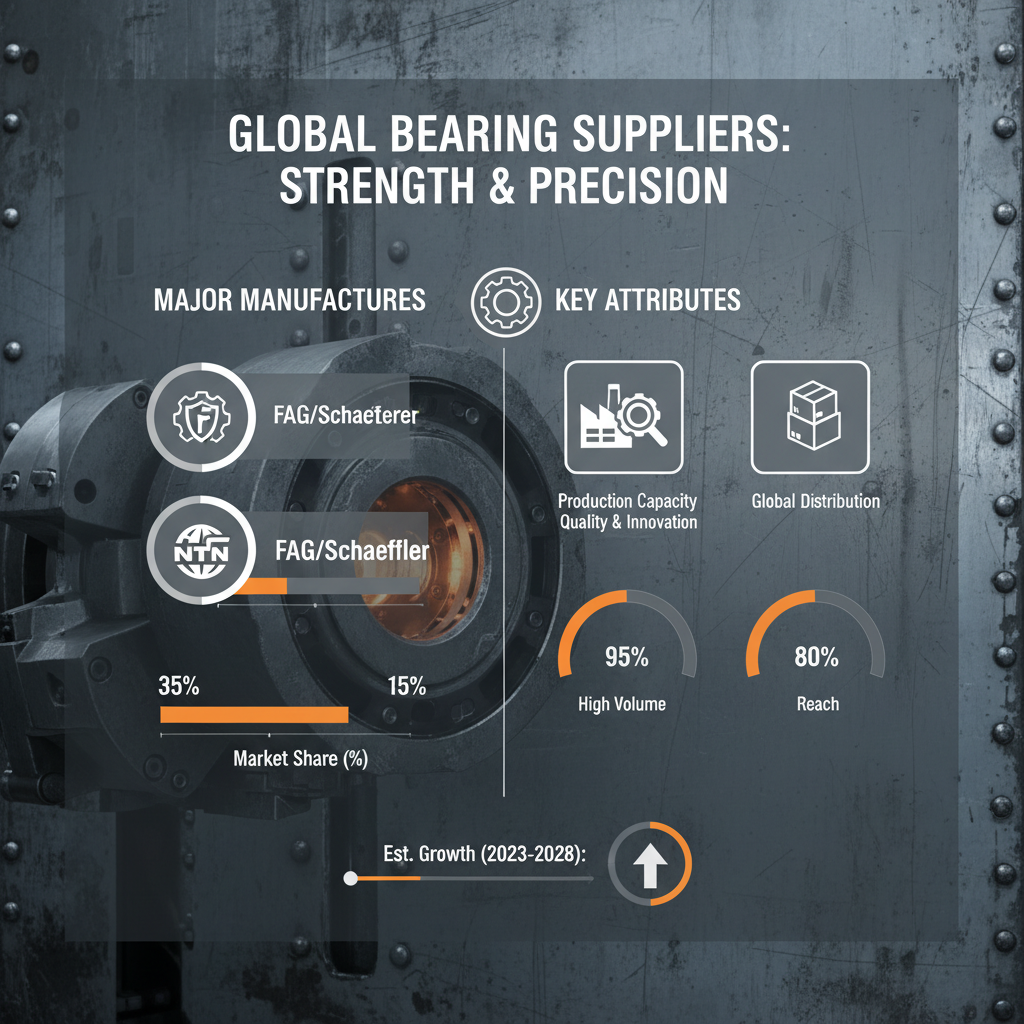
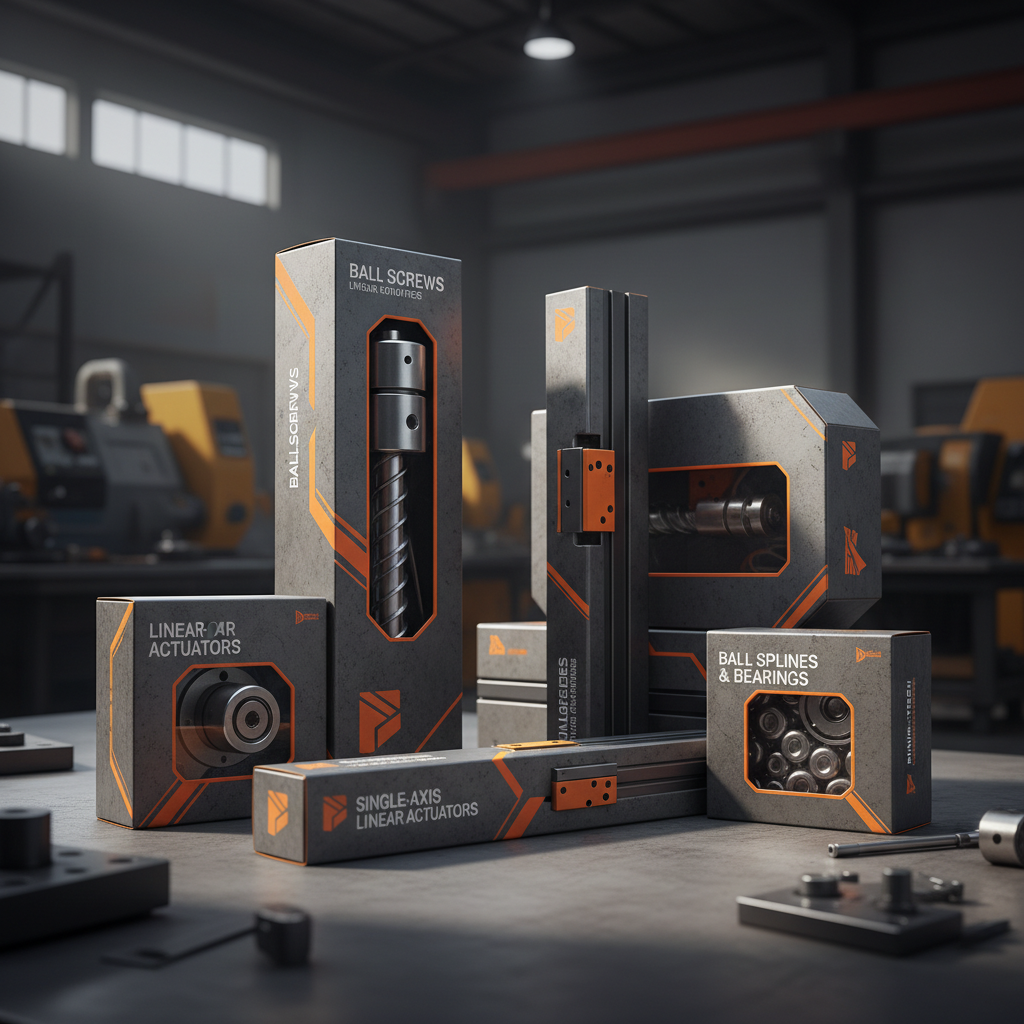
Bearing suppliers are the backbone of countless industries, providing essential components that enable motion and functionality in everything from automobiles and aircraft to household appliances and medical devices. The global demand for bearings is consistently high, driven by manufacturing growth, infrastructure development, and technological advancements. Understanding the intricacies of the bearing supply chain – including material sourcing, manufacturing processes, quality control, and distribution – is crucial for businesses seeking reliable performance and cost-effectiveness.
The relevance of robust bearing suppliers extends beyond economic considerations. In critical applications like aerospace or healthcare, the failure of a bearing can have catastrophic consequences, highlighting the importance of sourcing from reputable and certified suppliers. Furthermore, efficient bearing supplies contribute to minimizing downtime, reducing maintenance costs, and extending the lifespan of machinery, fostering sustainability and operational efficiency.
A skilled assessment of available bearing suppliers is essential. This isn’t merely a procurement task, but a strategic decision impacting product quality, operational reliability, and long-term profitability. The ability to navigate the complexities of the bearing market and identify suppliers that align with specific needs is a key differentiator for successful businesses.
The Significance of Bearing Suppliers
The importance of bearing suppliers often goes unnoticed, yet they are fundamental to the smooth operation of countless industries. They don't just provide a component; they offer expertise in materials science, precision engineering, and supply chain management. Selecting the right bearing suppliers isn't simply about finding the lowest price; it’s about establishing a partnership built on trust, quality, and reliability.
A strong supplier network ensures consistent access to bearings that meet precise specifications, mitigating the risk of failures, reducing downtime, and protecting valuable assets. This, in turn, enhances productivity and contributes significantly to the overall success of the end-user’s operations.
Defining Bearing Suppliers
Bearing suppliers are companies specializing in the sourcing, manufacturing, and distribution of bearings – mechanical components that reduce friction between moving parts. They range from large, multinational corporations with global distribution networks to smaller, specialized firms focusing on niche applications. The spectrum of bearings supplied is vast, encompassing ball bearings, roller bearings, needle bearings, and more, each designed for specific load capacities, speeds, and operating conditions.
These suppliers often provide value-added services beyond simply selling bearings, including technical support, custom design, inventory management, and just-in-time delivery. They serve a diverse clientele, including original equipment manufacturers (OEMs), maintenance, repair, and operations (MRO) providers, and distributors.
The role of bearing suppliers extends to quality assurance, ensuring that all products meet stringent industry standards (like ISO certifications) and customer requirements. A reliable supplier acts as a critical link in the supply chain, guaranteeing the performance and longevity of the equipment in which the bearings are used.
Key Characteristics of Top Bearing Suppliers
Top bearing suppliers distinguish themselves through a commitment to quality, technical expertise, and customer service. They possess robust quality control systems, often including advanced testing facilities and adherence to rigorous industry standards. A deep understanding of materials science and bearing design allows them to offer tailored solutions to meet unique customer needs.
Furthermore, leading suppliers demonstrate a proactive approach to supply chain management, maintaining sufficient inventory levels, offering efficient logistics, and providing responsive technical support. They invest in research and development to stay at the forefront of bearing technology, continually improving product performance and efficiency.
Strong communication and a dedication to building long-term relationships are hallmarks of excellent bearing suppliers. They view their clients as partners, working collaboratively to overcome challenges and achieve mutual success.
Critical Factors in Supplier Selection
Choosing the right bearing supplier requires a careful evaluation of several key factors. Price is certainly a consideration, but it should not be the sole determining factor. Quality, reliability, and technical support are equally important. Assessing the supplier’s certifications (e.g., ISO 9001, ISO 14001) and quality control procedures is essential.
Supplier Selection Criteria - Importance Rating
Global Applications of Bearing Suppliers
Bearing suppliers serve a remarkably diverse range of industries worldwide. The automotive sector is a major consumer, requiring bearings for everything from engine components to wheel hubs. Aerospace relies heavily on high-precision bearings for aircraft engines, landing gear, and control systems.
Manufacturing industries, including food processing, textiles, and electronics, depend on bearings for smooth and efficient operation of machinery. Even seemingly unrelated sectors, such as medical devices and renewable energy (wind turbines, for example), require specialized bearings. Bearing suppliers are vital to the global economy, underpinning countless processes and products.
Advantages of Partnering with Reliable Suppliers
The benefits of collaborating with dependable bearing suppliers are numerous. Reduced downtime due to fewer bearing failures translates directly into increased productivity and cost savings. Improved product quality and reliability enhance customer satisfaction and brand reputation.
Access to expert technical support enables businesses to optimize bearing selection and application, maximizing performance and extending bearing life. Streamlined supply chain management reduces inventory costs and ensures timely delivery of critical components. In essence, a strong supplier partnership fosters innovation, efficiency, and long-term sustainability.
Future Trends in the Bearing Supplier Landscape
The bearing supplier landscape is undergoing significant transformation driven by technological advancements and evolving industry demands. Increased focus on sustainability is prompting the development of eco-friendly bearings and manufacturing processes.
Digitalization is playing a crucial role, with suppliers leveraging data analytics and IoT technologies to optimize inventory management, predict maintenance needs, and enhance supply chain visibility. The rise of electric vehicles is creating demand for specialized bearings designed to withstand higher speeds and temperatures. The trend toward automation and Industry 4.0 will also require greater precision and reliability from bearing suppliers.
Summary of Emerging Trends in Bearing Supplier Analysis
| Trend Area |
Impact on Suppliers |
Supplier Response Strategies |
Investment Priority |
| Sustainability |
Increased demand for eco-friendly materials & processes |
Develop sustainable manufacturing, offer recycled bearing options |
High |
| Digitalization |
Need for data-driven optimization & real-time visibility |
Implement IoT sensors, AI-powered analytics, cloud platforms |
Very High |
| Electric Vehicle (EV) Growth |
Demand for high-speed, high-temperature bearings |
Invest in advanced materials, design specialized EV bearings |
High |
| Automation & Industry 4.0 |
Increased need for precision & reliability |
Implement advanced quality control, offer customized solutions |
Medium |
| Supply Chain Resilience |
Vulnerability to disruptions and geopolitical instability |
Diversify sourcing, build buffer stocks, implement risk management |
Very High |
| Customization & Niche Markets |
Demand for specialized bearings tailored to specific applications |
Invest in R&D, offer engineering services, embrace agile manufacturing |
Medium |
FAQS
When evaluating potential bearing suppliers, prioritize quality certifications (like ISO 9001), technical expertise, delivery reliability, pricing competitiveness, and responsiveness to customer support. Don’t solely focus on price; consider the total cost of ownership, including potential downtime and maintenance costs associated with lower-quality bearings. A supplier's track record, financial stability, and commitment to continuous improvement are also crucial factors.
Ensure bearing quality by requesting documentation such as material certifications, test reports, and dimensional tolerances. Conduct regular inspections upon delivery to verify compliance with specifications. Consider suppliers who utilize advanced quality control techniques, like non-destructive testing, and offer traceability throughout the manufacturing process. Establish a clear quality agreement outlining acceptance criteria and dispute resolution procedures.
Lead times are critical, particularly for businesses that require just-in-time inventory management or face urgent maintenance needs. Long lead times can disrupt production schedules and increase costs. Choose a supplier with a proven track record of on-time delivery and a reliable supply chain. Inquire about the supplier’s inventory levels and capacity to handle fluctuations in demand.
A good bearing supplier should offer comprehensive technical support, including assistance with bearing selection, application engineering, troubleshooting, and failure analysis. They should have experienced engineers available to answer your questions and provide guidance on optimal bearing performance. Access to detailed product catalogs, technical drawings, and installation instructions is also essential.
Assess a supplier's sustainability practices by inquiring about their environmental certifications (e.g., ISO 14001), waste reduction initiatives, energy efficiency measures, and responsible sourcing of materials. Look for suppliers who offer eco-friendly bearing options, such as bearings made from recycled materials or designed for extended life. Transparency in their sustainability reporting is also a positive indicator.
Cultivate a strong long-term relationship with a bearing supplier through open communication, regular performance reviews, and collaborative problem-solving. Share your future needs and forecasts to help the supplier optimize their inventory and production planning. Treat your supplier as a strategic partner, not just a vendor, and recognize their contributions to your success.
Conclusion
In conclusion, selecting the right bearing suppliers is a critical decision with far-reaching consequences for businesses across numerous industries. A strong supplier partnership, built on quality, reliability, technical expertise, and a commitment to sustainability, is essential for optimizing performance, reducing costs, and ensuring long-term success.
Looking ahead, the bearing supplier landscape will continue to evolve, driven by technological advancements and changing market demands. Businesses that proactively embrace innovation, prioritize digitalization, and foster collaborative relationships with their suppliers will be best positioned to thrive in this dynamic environment. Visit our website at www.yidibearings.com to explore our extensive range of bearing solutions and discover how we can help you optimize your operations.