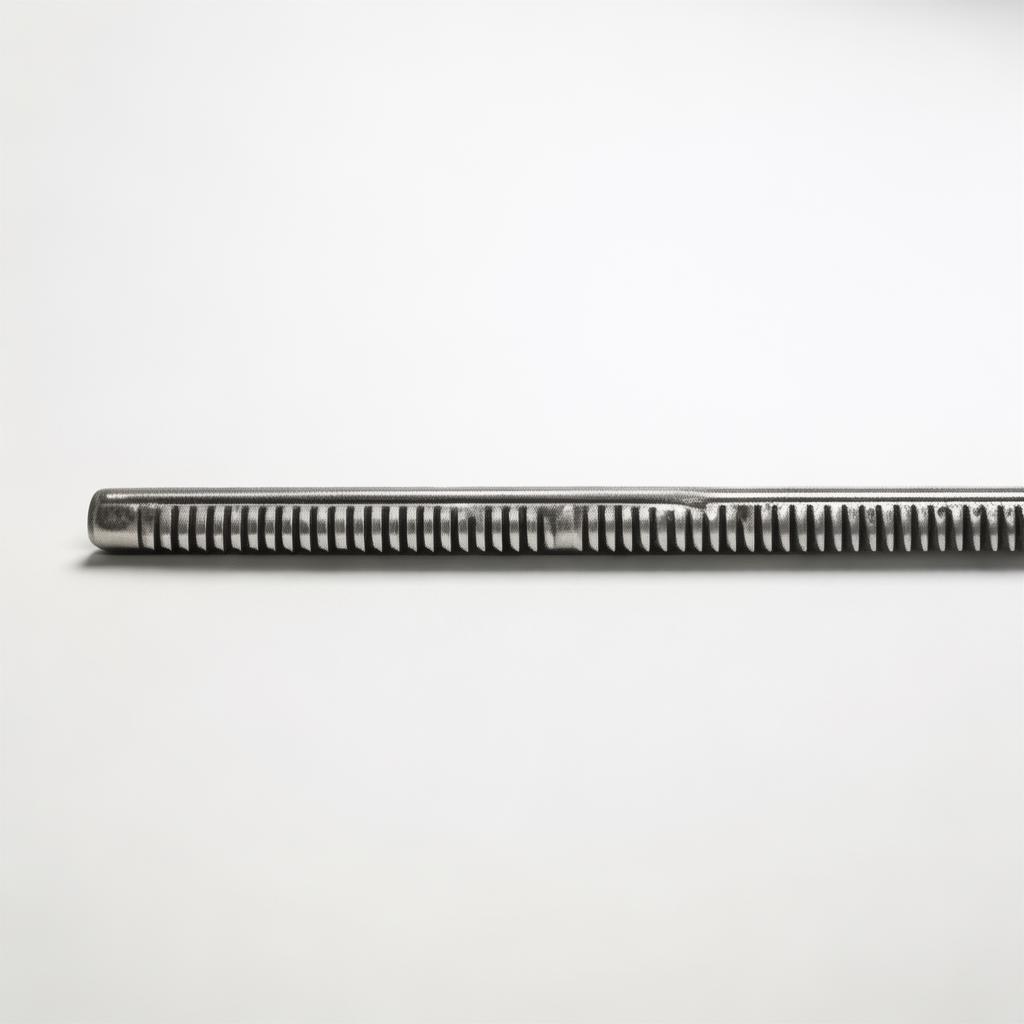
Belt Driven Linear Stages: High-Speed Precision for Your Automation Needs
Looking for a cost-effective way to handle long-travel positioning in pick-and-place systems or CNC setups? Our belt driven linear stages deliver speeds up to 5 m/s with strokes over 3 meters—without the backlash issues of cheaper alternatives.
Ready to spec out your project? Talk to our engineers now for custom OEM options.
Table of Contents
- What Makes Belt Driven Linear Stages Tick
- Common Headaches in Linear Motion Procurement
- Key Features That Matter in Real Applications
- Detailed Specifications
- Where They Shine: Real-World Applications
- Installation Realities—What Buyers Overlook
- OEM/ODM Customization from Our Factory
- Shipping and Lead Times to the USA
- Buyer FAQs
- What Importers Are Saying
Diving Into Belt Driven Linear Stages: Beyond the Basics
I've been sourcing linear motion components for over a decade, first as an operations manager in US assembly lines, now handling exports from our Hebei factory. Belt driven linear stages stand out because they solve a specific pain: you need fast, repeatable motion over long distances, but ball screw drives get pricey and limited in stroke length.
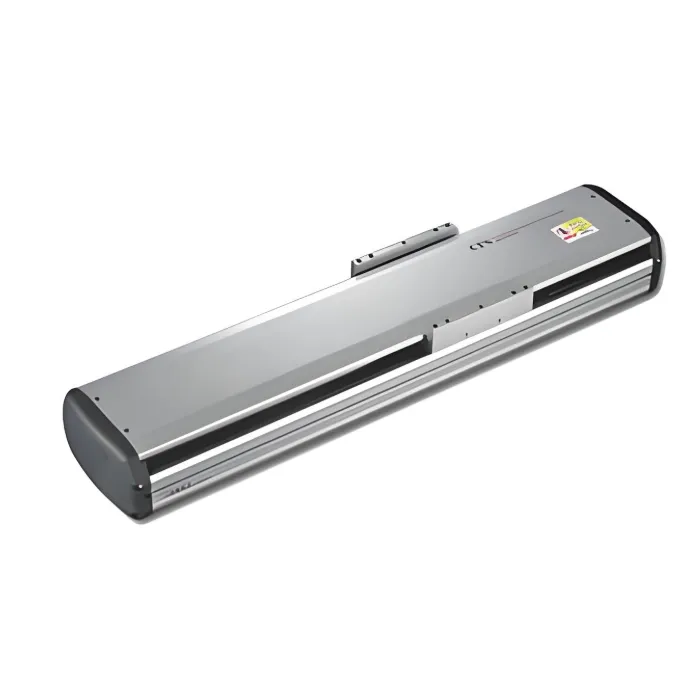
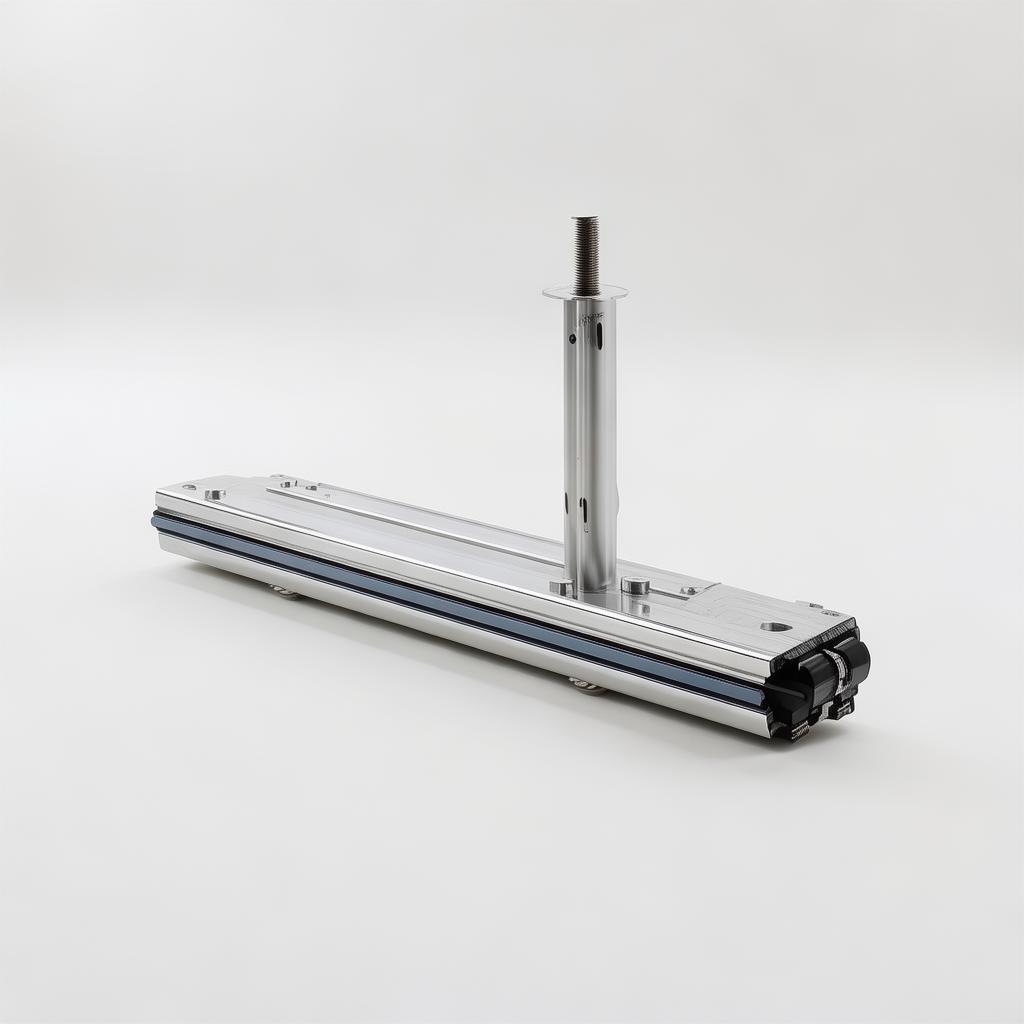
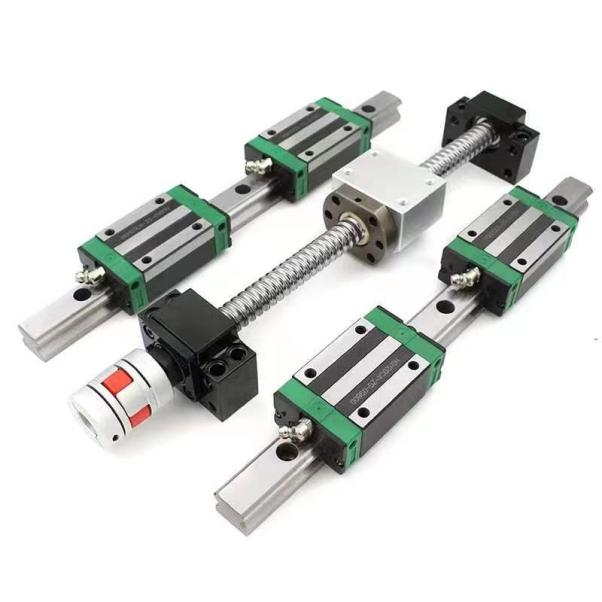
Picture this. You're setting up a conveyor inspection system that spans 2.5 meters. Screw-driven stages top out around 1.5 meters before costs skyrocket and rigidity drops. Enter belt drive: a reinforced timing belt loops between pulleys, driven by a stepper or servo motor. The carriage rides on precision linear guides—think crossed roller or ball rail for that smooth glide.
Why belt? Speed. We're talking 3-5 m/s peak, far beyond screw limits without whipping into resonance. Acceleration hits 2g easily. And travel? Custom up to 6 meters in modular setups. Accuracy sits at ±0.1mm repeatability for most models—good enough for 80% of automation tasks, from packaging to 3D printing gantries.
Materials matter here. Profiled aluminum extrusions form the base, anodized for corrosion resistance. Belts use fiberglass-reinforced polyurethane, tensioned precisely at install. Guides are preloaded for zero play. Motors? NEMA 23 or 34 standards, with encoders for closed-loop control if your PLC demands it.
But it's not all upside. Belts stretch over time—plan on 10,000 hours before retensioning. Dust and debris? They'll chew the belt faster, so enclosures help in dirty shops. We've seen importers skip covers and regret it six months in. That's why our stages come with optional stainless steel bellows or magnetic seals.
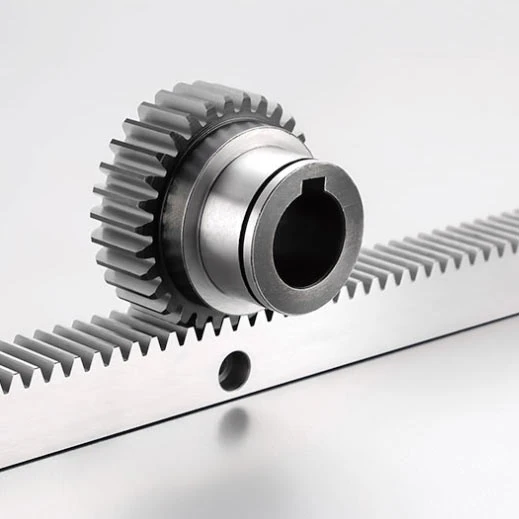
Comparing to competitors: Lead screw stages are cheaper short-term but slow. Rack-and-pinion works for ultra-long but noisy and backlashes. Direct drive linear motors? Overkill at 10x the price. Belt hits the sweet spot for high-volume OEM runs.
In our factory, we machine bases on DMG Mori 5-axis centers from Germany—flatness under 0.02mm guaranteed. Assembly uses cleanroom protocols to avoid contamination. Every unit cycles 1000 times on test benches before packing. Exports to the US? Over 500 units last year alone, mostly to Midwest machine builders.
Procurement tip: Always ask for dynamic load ratings, not just static. A stage handling 20kg at 3m/s needs beefier guides than one inching along at 0.5m/s. We've had buyers underspec and watch carriages wobble.
This isn't theory. Last month, a Texas automation firm integrated our 1500mm stage into a vision-guided sorter. Cycle time dropped 40%—their words, not mine. No fancy stats, just practical gains from matching the drive to the job.
Want the full rundown? Drop your specs, and we'll mock up a CAD model overnight.
The Hidden Risks When Sourcing Belt Driven Linear Stages
Procurement directors tell me the same story: landed a "bargain" from an unverified Alibaba seller, only to face jittery motion or belts snapping on week two. Offshore buying amplifies this—language barriers, unclear specs, logistics nightmares.
Top pitfalls? Undersized belts leading to slip under load. Poor pulley alignment causing uneven wear. No provision for belt tension adjustment post-install. And don't get me started on guide rail straightness—off by 0.05mm, and your precision evaporates.
Risk mitigation starts with factory vetting. Look for ISO 9001, not just badges. Ask for pulley bore tolerances (H7 max). Demand load curve graphs, not single numbers. We've turned away deals because buyers wouldn't share application details—better safe than retrofitting.
What Sets Our Belt Driven Linear Stages Apart
- Modular Design: Stack X-Y-Z axes easily. End-mounted or mid-carriage motor options.
- High Dynamics: 5m/s speed, 2g accel—proven in high-cycle packaging lines.
- Compact Profile: 50mm wide bases for tight spaces. Clear aperture for through-beam sensors.
- Maintenance-Friendly: Tool-free belt tensioner. Replaceable wear strips on carriages.
- Integration Ready: Stepper-ready wiring harnesses. Optional limit switches and home sensors.
One importer noted: "Switched to your belt stages from rack drives—noise down 20dB, alignment headaches gone."
Technical Specifications Table
| Model | Max Stroke (mm) | Max Speed (m/s) | Max Payload (kg) | Repeatability (mm) |
|---|---|---|---|---|
| BLS-100 | 1000 | 3 | 15 | ±0.05 |
| BLS-150 | 2000 | 4 | 25 | ±0.08 |
| BLS-200 | 3000 | 5 | 40 | ±0.1 |
belt driven linear module belt driven stage belt driven linear slide
Note: Custom strokes and payloads available. All models CE compliant, RoHS. Motor not included.
Need a quote on BLS-150? Send your drawing.
Applications Where Belt Driven Stages Excel
These aren't lab curiosities. In electronics assembly, they shuttle PCBs under cameras at blistering speeds. Automotive? Door panel inspection lines love the long strokes. 3D printers and laser cutters use them for gantry X-axes—quiet, fast, reliable.
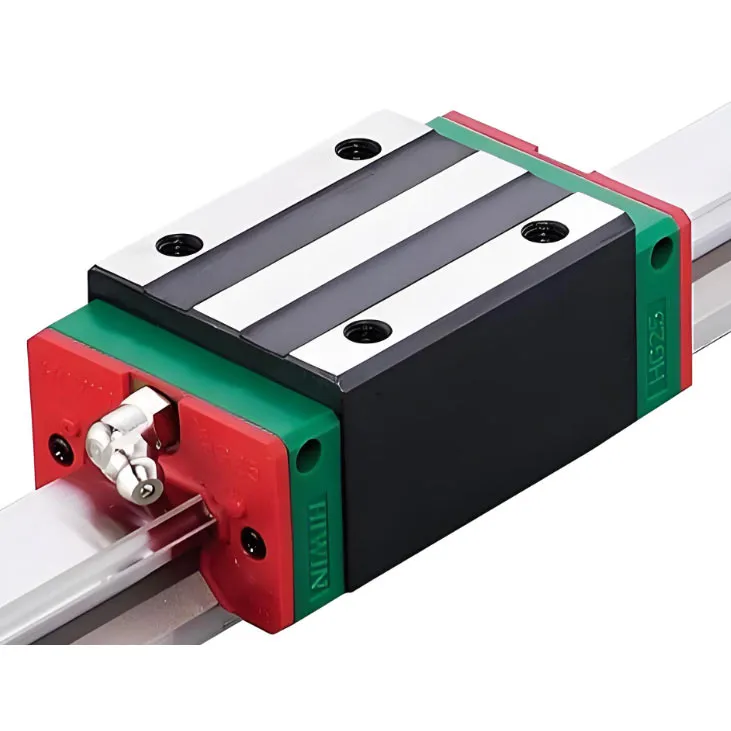
One twist: Food/pharma needs IP65 options. We add sealed belts and grease-packed guides. Offshore wind turbine blade scanners? Our heaviest duty handles vibration like a champ.
Pro tip: Match belt width to payload. Narrow for light duty, wide for slugs.
Installation Insights from the Field
Mounting seems simple—bolt down the base, align rails parallel within 0.03mm/m, tension belt to 50-80N force. But skip parallelism, and binding kills your motion.
Steps we recommend:
- Level base with shims.
- Laser align rails.
- Torque pulleys to spec.
- Run-in cycles unloaded.
- Calibrate homing.
Tools needed: Dial indicator, torque wrench, belt tension gauge. Takes a skilled tech 2 hours. We've shipped kits with alignment jigs for US integrators.
Warning: Overtension snaps belts. Undertension slips. Check quarterly.
OEM/ODM: Tailored Belt Driven Linear Stages
Our 100-person factory in Shijiazhuang cranks out 2000 units/month. 30% senior techs ensure tight tolerances. Imported Haas and Okuma machines for prototyping your mods—add slots, brakes, dual carriages.
ODM flow: Share CAD/STP, get prototype in 15 days, production 4 weeks. MOQ 10 units. Brands we've supplied: machine tools for US integrators, unnamed but big in semiconductors.
Logistics: From Hebei to Your Door
Sea to LA/Long Beach: 25-35 days, $200-400/cbm. Air: DHL 5-7 days, pricier. We palletize with foam corners, full enclosure crates. Duties? HS 8483.40, check your tariff code.
Lead time: Stock models 7 days, custom 25 days post-approval. Track via our portal. US customers rave about transparent ETAs—no radio silence.
Frequently Asked Questions
- How does belt drive compare to ball screw for precision?
- Belt suits speed over distance; screw for ultra-precision short stroke. Hybrid for best of both.
- What maintenance schedule?
- Tension check every 5000 hours. Belt life 20,000+ hours clean environments.
- Can you match my motor?
- Yes, NEMA, IEC, or metric mounts. Send datasheet.
- Certifications?
- ISO9001, CE, RoHS. FDA on request for cleanroom.
Feedback from US Importers
John R., Automation Engineer, Texas: "BLS-150 nailed our sorter line. Long stroke without sag. Delivery beat quote. Retensioner is genius."
Maria K., Procurement Mgr, Ohio: "OEM mod for our gantry—perfect fit. Competitive vs THK, faster lead. Solid partner."
David L., Ops Director, California: "High-speed pick-place transformed. Minor alignment tweak at install, but runs like clockwork now."
Sarah T., Integrator, Florida: "Logistics smooth, even sea freight. Payload holds 35kg at speed. Recommended."
Ready to Move Forward?
Request factory-direct pricing, samples, or CAD files today. No obligations.
- Phone: +86 18134111662
- Email: adam@yidimotion.com
- Address: 16-1-1601 Aobeigongyuan, Chang'an District, Shijiazhuang City, Hebei Province, China
- Contact Page: yidibearings.com/contactus.html
Common requests: OEM quotes | Free samples | Shipping estimates | Tech support
About HEBEI YIDI IMPORT AND EXPORT TRADING CO., LTD.
YIDI Motion, est. 2020. Specialist factory for linear motion: ball screws, guides, actuators, splines, bearings. 100 employees, 30% senior techs. German/Japanese equipment. Exports to 50+ countries—USA, Germany, Japan. OEM/ODM pros. ISO certified.
Written by Adam Li, Export Director
With 12 years in linear motion supply chain.