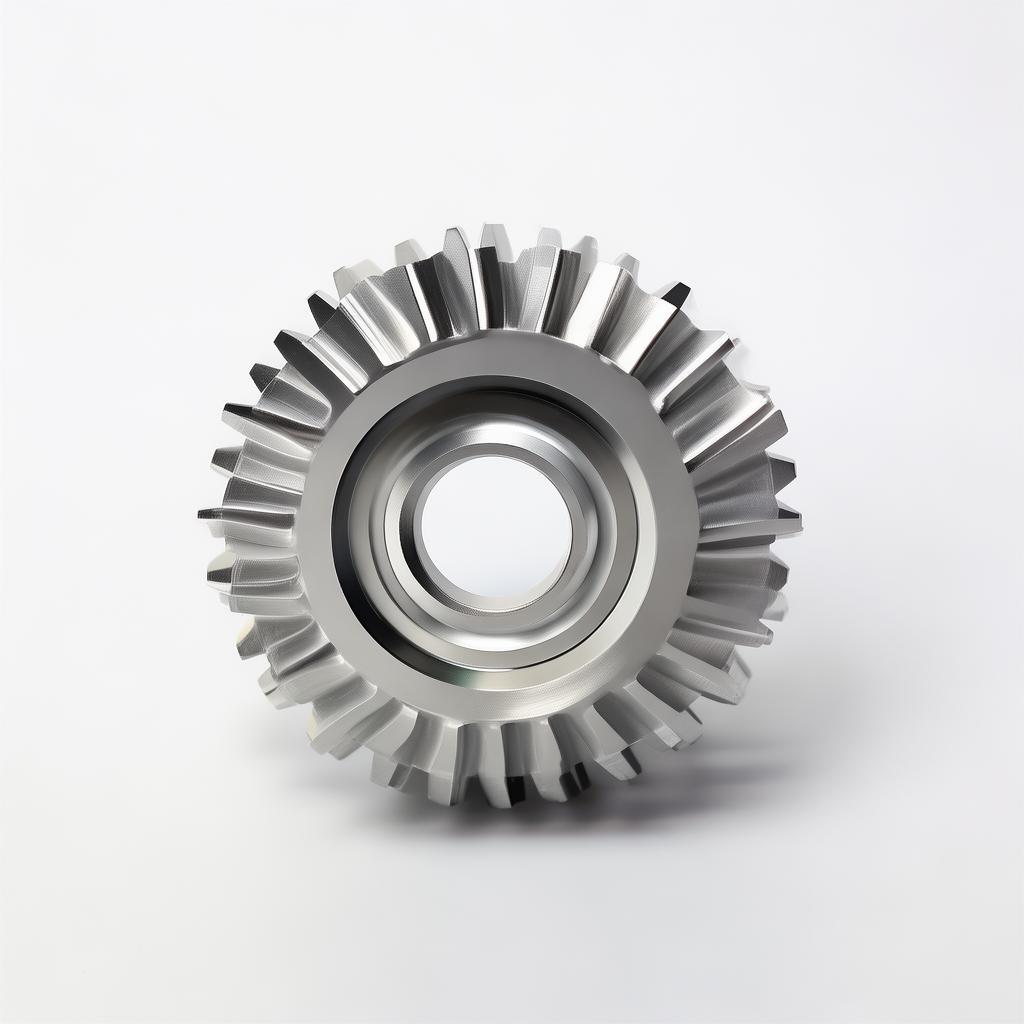
Belt Driven Actuator Linear Guide: Reliable High-Speed Linear Motion for Industrial Automation
Sourcing a belt driven actuator linear guide that handles long strokes without breaking the bank? We've seen too many procurement teams chase cheap imports only to deal with slippage issues down the line.
At YIDI Motion, we've supplied these to automation lines in the US and Europe for years. Expect speeds up to 5 m/s, strokes over 3 meters, and payloads that fit most pick-and-place setups. Ready for factory-direct pricing?
Quick Navigation
Why Procurement Managers Struggle with Belt Driven Linear Actuators
I've handled dozens of RFQs from US operations managers over the past few years. Most start with the same complaint: screw-driven units work fine for short strokes but choke on anything over 1.5 meters. Heat builds up. Precision drops. Downtime follows.
Belt-driven options change that equation. Timing belts—like reinforced neoprene with fiberglass cords—stretch minimally under load. You get consistent velocity across 5-meter runs. No thermal expansion headaches.
But here's the rub. Not all suppliers get the carriage design right. Loose tolerances lead to belt whip at high speeds. We've rejected bids from factories cutting corners on linear rail mounting. Procurement tip: always ask for dynamic load ratings, not just static ones.
Another pitfall? Ignoring end conditions. Open-ended belts need proper tensioners. Mismatched pulleys cause premature wear. We've seen setups fail in under 6 months because of this.
Rising Demand in Automation: Where Belt Drives Fit In
Automation lines are pushing longer travel distances these days. Think logistics sorters in warehouses or panel feeding in solar assembly. Screw actuators top out around 3 m/s before efficiency tanks. Belts hit 5 m/s easily, with quieter operation.
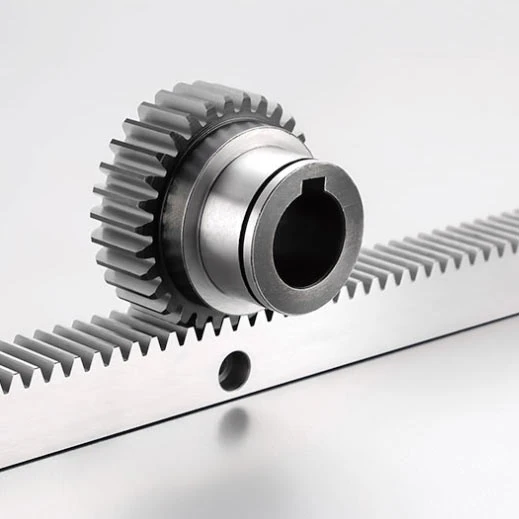
Market observation: post-pandemic supply chains favor modular systems. Belt driven actuator linear guides slot right in—pair them with stepper or servo motors for plug-and-play upgrades. US importers tell us they're swapping out older rack-and-pinion setups to cut maintenance calls.
Cost-wise, expect 20-30% savings over ballscrew alternatives for strokes beyond 2 meters. That's before factoring in lower energy draw from reduced friction.
What Sets Our Belt Driven Actuator Linear Guides Apart
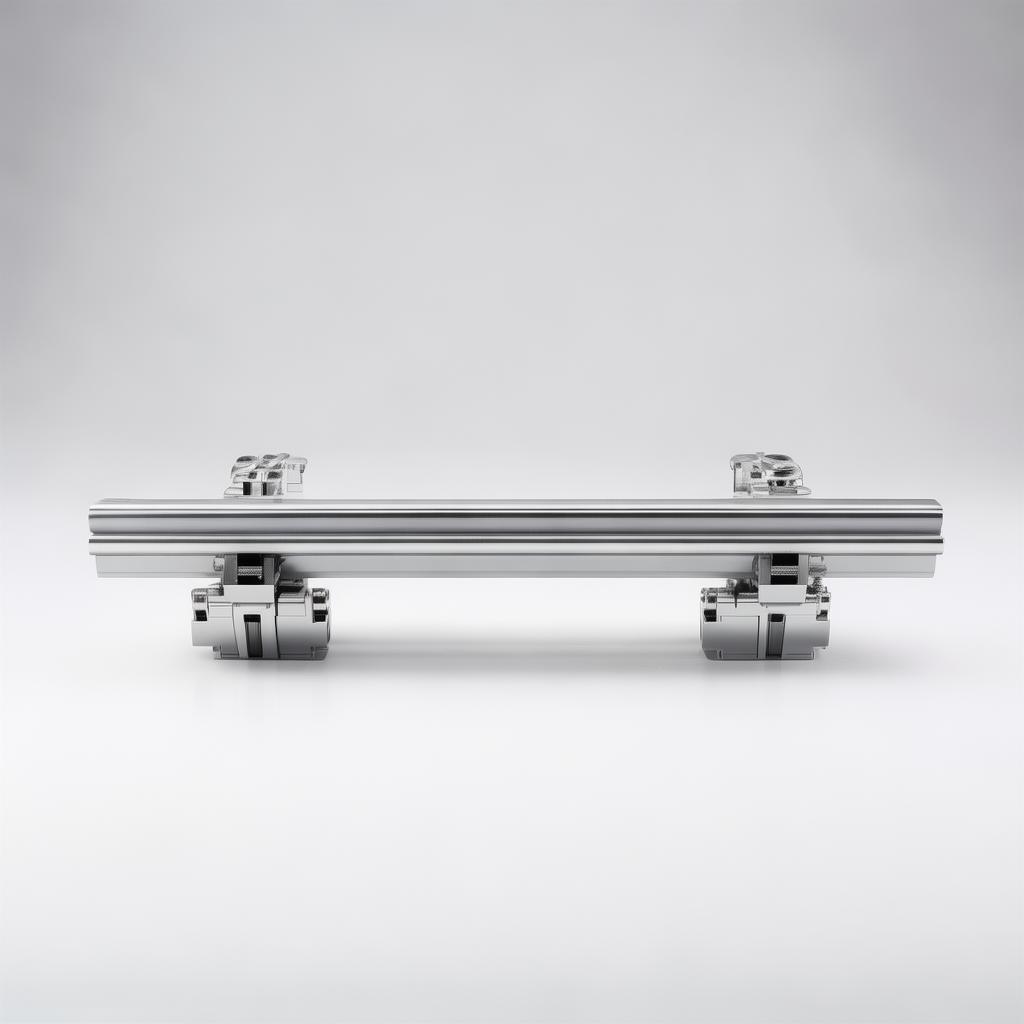
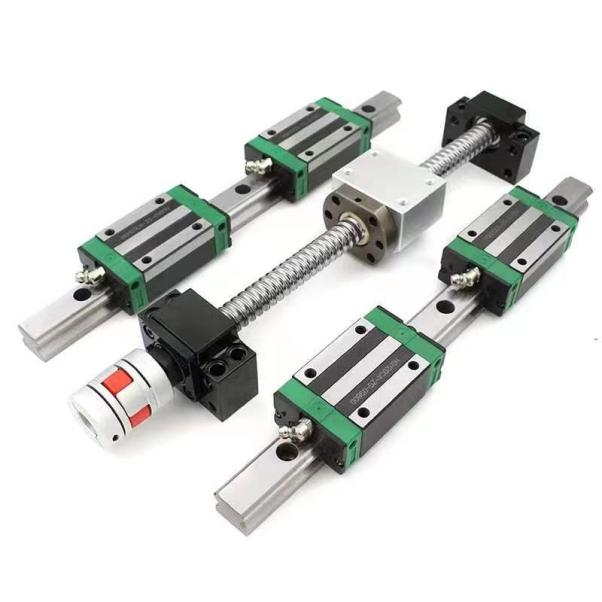
Core build: precision linear rails (HG series equivalents) with belt-driven carriages. We use 20mm or 25mm width rails standard, anodized aluminum extrusions for the beam. Belt is HTD 5M or 8M pitch, depending on torque needs.
- Carriage blocks with integrated belt clamps—reduces slippage under 100kg dynamic loads.
- Adjustable tensioners at both ends; simple hex key setup.
- Optional covers for chip/dust protection in machining environments.
- Mounting holes tapped M6 every 100mm—fits most frames.
Stroke lengths? Custom up to 6 meters. We machine the extrusion in-house, so no shipping splices.
Practical note: for vertical apps, add counterweights or specify geared-down ratios. We've tuned dozens for pick-and-place arms holding 50kg+.
Applications That Demand Belt-Driven Performance
High-speed transfer lines. Picture a conveyor feeding CNC mills—belt actuators shuttle parts at 4 m/s without jerking.
Material handling gantries. Warehouses use them for 4-meter spans, integrating with barcode scanners.
Testing rigs. Automotive suppliers move fixtures under load cells; low backlash belts ensure accurate positioning.
Even in packaging: flap folding stations where repeat accuracy matters over speed alone.
We've shipped to solar panel lines in California—long strokes for monocrystal alignment. Contractors report 15% faster cycle times versus chain drives.
Installation Realities: Getting It Right First Time
Level the base extrusion first—use a machinist's straightedge. Shim if needed. Rails parallel within 0.02mm/m.
Tension the belt to 50-80N, measured with a gauge. Too loose: slip. Too tight: early pulley wear.
Motor mount: align pulley faces within 0.1mm. We've seen misalignment cause 20% efficiency loss.
Short tip: grease rails lightly with lithium-based every 500km travel. Skip it, and you'll fight stiction.
Warning for integrators: test at half speed first. Belt resonance shows up around 2000rpm—drop motor steps if vibrating.
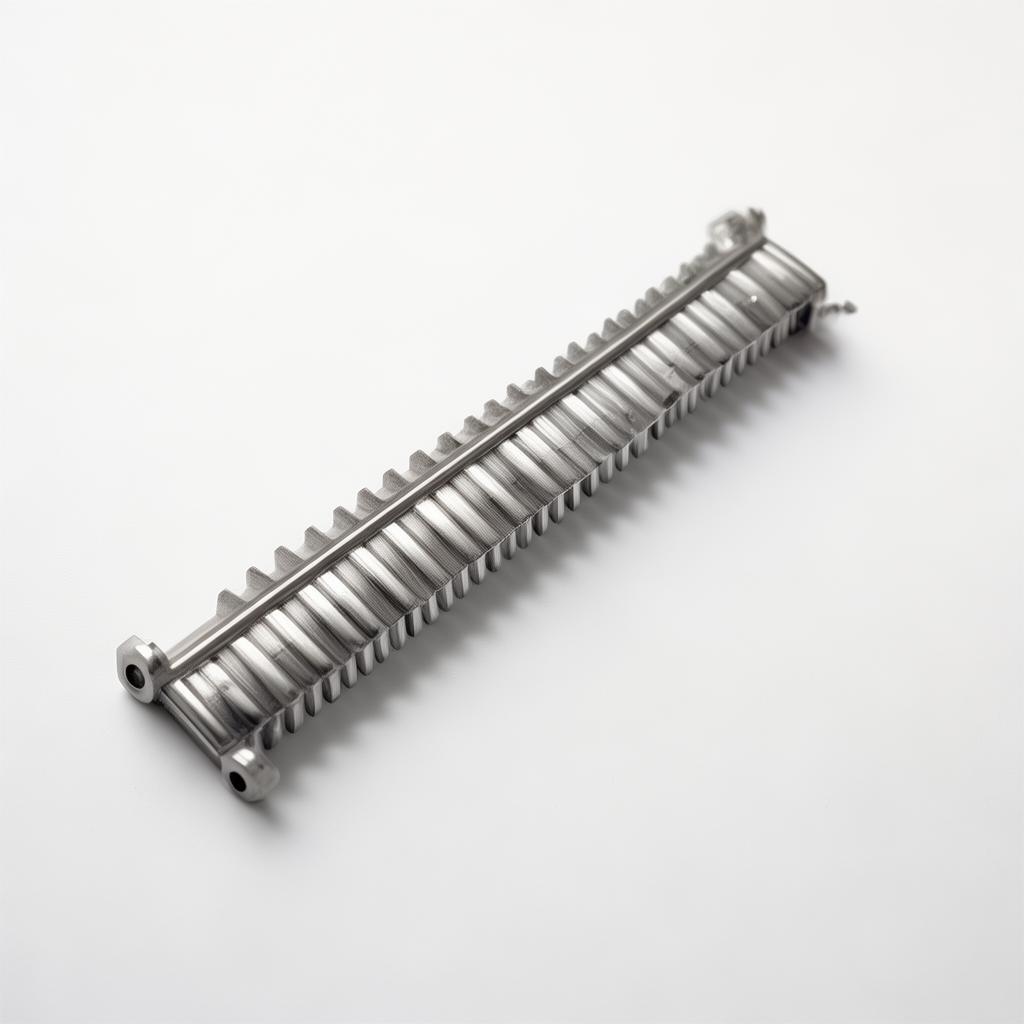
Technical Specifications Table
| Parameter | Standard Model | Heavy Duty |
|---|---|---|
| Rail Width | 20mm / 25mm | 25mm / 35mm |
| Max Stroke | 6000mm | 6000mm |
| Max Speed | 5 m/s | 4 m/s |
| Max Payload (Dynamic) | 100kg | 250kg |
| Repeatability | ±0.1mm | ±0.15mm |
| Belt Type | HTD 8M | HTD 8M Double |
belt driven linear actuator belt drive linear actuator linear actuator belt
Custom specs available—lead time adds 2 weeks.
Global Shipping: From Hebei to Your Dock
YIDI Motion ships from Shijiazhuang, China. To US West Coast: 25-30 days sea freight. Air for prototypes: 7-10 days.
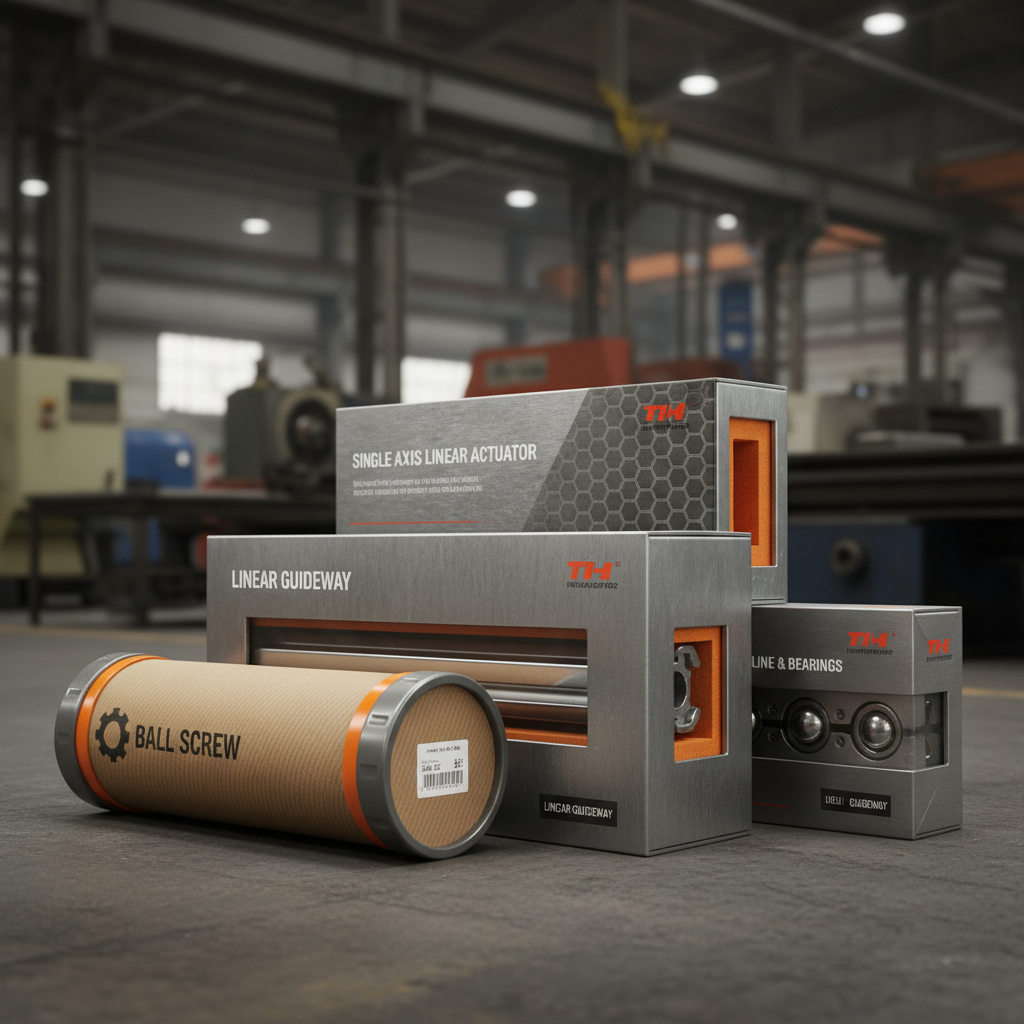
Packaging: foam-wrapped in plywood crates. Fits 20ft container with 20 units (3m stroke). Duties? We've got HTS codes ready for your customs broker.
Lead times: stock models 2-4 weeks. Customs 6-8 weeks. Track via our portal.
Pro tip for importers: consolidate with ball screws or splines—saves on freight rates.
Inside YIDI Motion: 100+ Staff, German/Japanese CNC
Since 2020, our Hebei factory runs 24/7 on linear motion. 30% senior techs oversee grinding for rail straightness under 0.003mm/300mm.
Imported Okuma mills from Japan, DMG Mori grinders from Germany. Test benches simulate 10 million cycles.
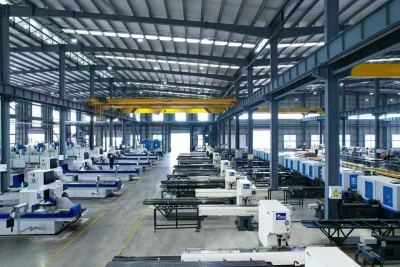
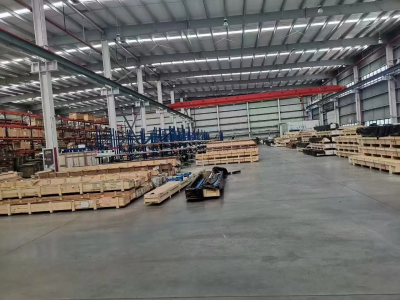
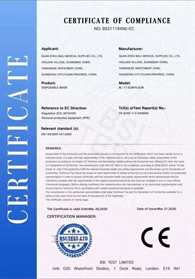
Exports to 50+ countries: US, Germany, Japan. Compliant with RoHS, CE.
OEM/ODM: Tailor-Made for Your Brand
Private label our actuators? Done. Laser etch your logo on carriages. Match extrusion profiles to legacy systems.
ODM tweaks: wider belts for heavier loads, integrated encoders. MOQ starts at 10 units.
Procurement insight: factories quoting OEM often hide setup fees. We bake it in—transparent CAD approvals upfront.
Certifications That Matter


Feedback from US and EU Buyers
"Swapped to YIDI belt actuators on our sorter line. Hit 3.5 m/s without belt stretch issues. Saved two weeks on install vs. competitors." - Mike R., Operations Mgr, Texas Automation

"OEM run of 50 units for our gantry. Custom stroke nailed specs. Lead time beat quotes from Taiwan suppliers." - Elena K., Procurement Lead, Ontario Canada

"Heavy duty model handles 180kg at 2 m/s. Quiet too—no more complaints from the night shift." - Raj P., Engineer, California Packaging

"Logistics smooth—arrived LAX in 28 days. Specs matched CAD perfectly." - Tom S., Supply Chain, Florida

Frequently Asked Questions from Importers
- What's the lifespan of the timing belt?
- Typically 5-10 million cycles at rated speed/load. Replace every 2 years in dusty shops.
- Can I pair with NEMA 23 motors?
- Yes, standard. We supply adapter plates. Torque up to 3Nm fine.
- Difference vs. rack-and-pinion?
- Belts quieter, no backlash adjustment needed. Racks better for ultra-heavy, short stroke.
- MOQ for custom lengths?
- 5 units. Full OEM branding at 20+.
- IP rating?
- IP54 standard with covers. IP65 optional.

Adam Li
Export Director, YIDI Motion
15+ years in linear motion exports. Handled 500+ OEM projects for US/EU clients.
Ready to Spec Your Belt Driven Actuator?
No risk—free CAD files, samples on request. Talk specs with our engineers.
Phone: +86 18134111662
Email: adam@yidimotion.com
Address: 16-1-1601 Aobeigongyuan, Chang'an District, Shijiazhuang City, Hebei Province, China