Belt Driven Linear Rails: Reliable High-Speed Motion for Automation Projects
We've seen plenty of projects stall out because the linear motion choice just didn't match the demands. Belt driven linear rails show up time and again in setups needing long travel distances without breaking the bank on precision components. At YIDI Motion, we've been shipping these to automation builders across the US and Europe since 2020, and the feedback boils down to one thing: they deliver speed where ball screws start to drag.
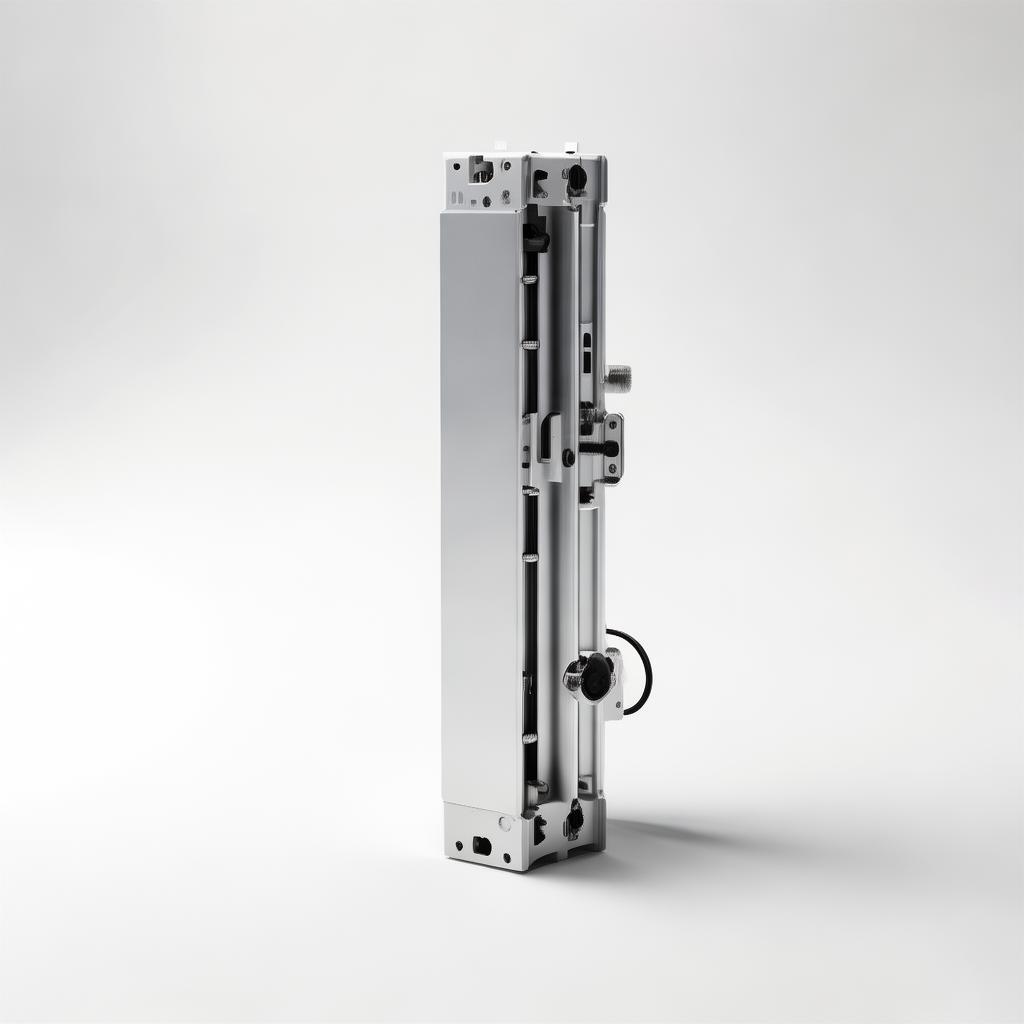
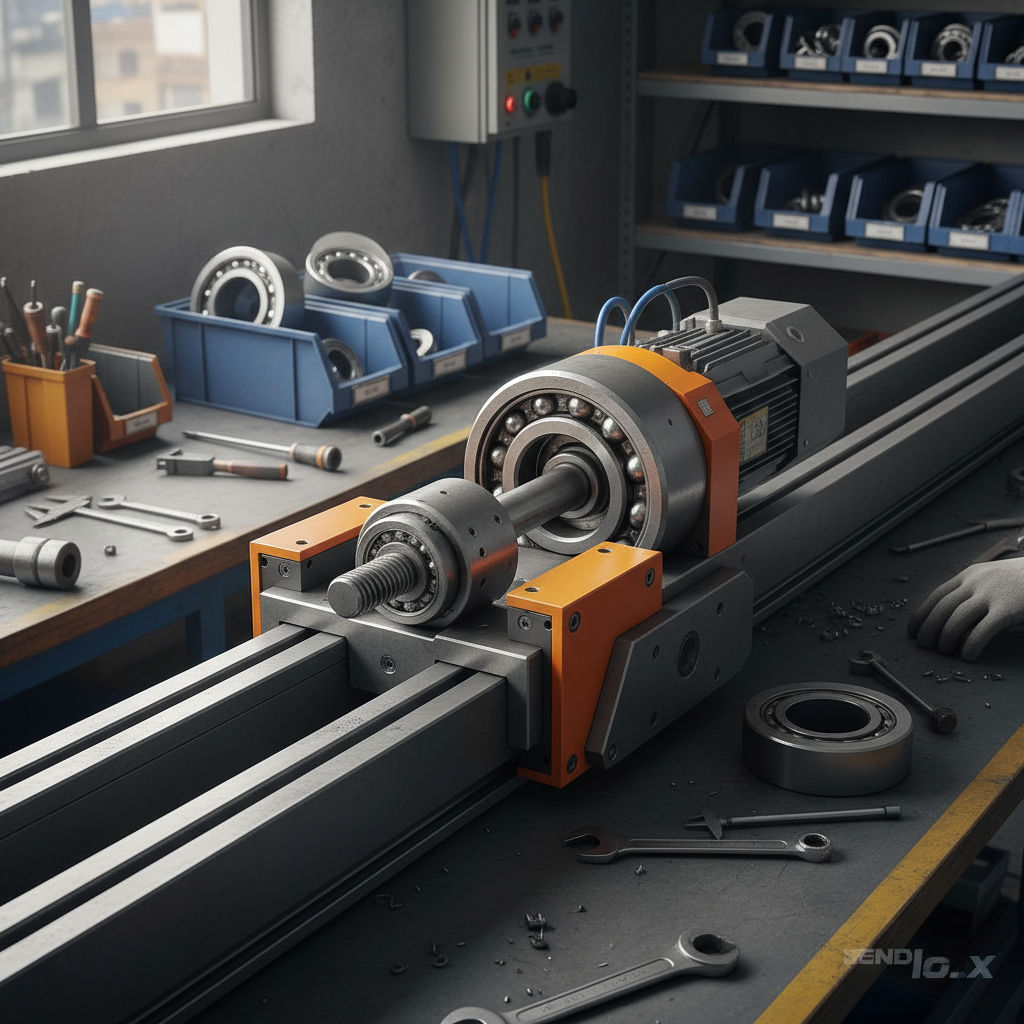
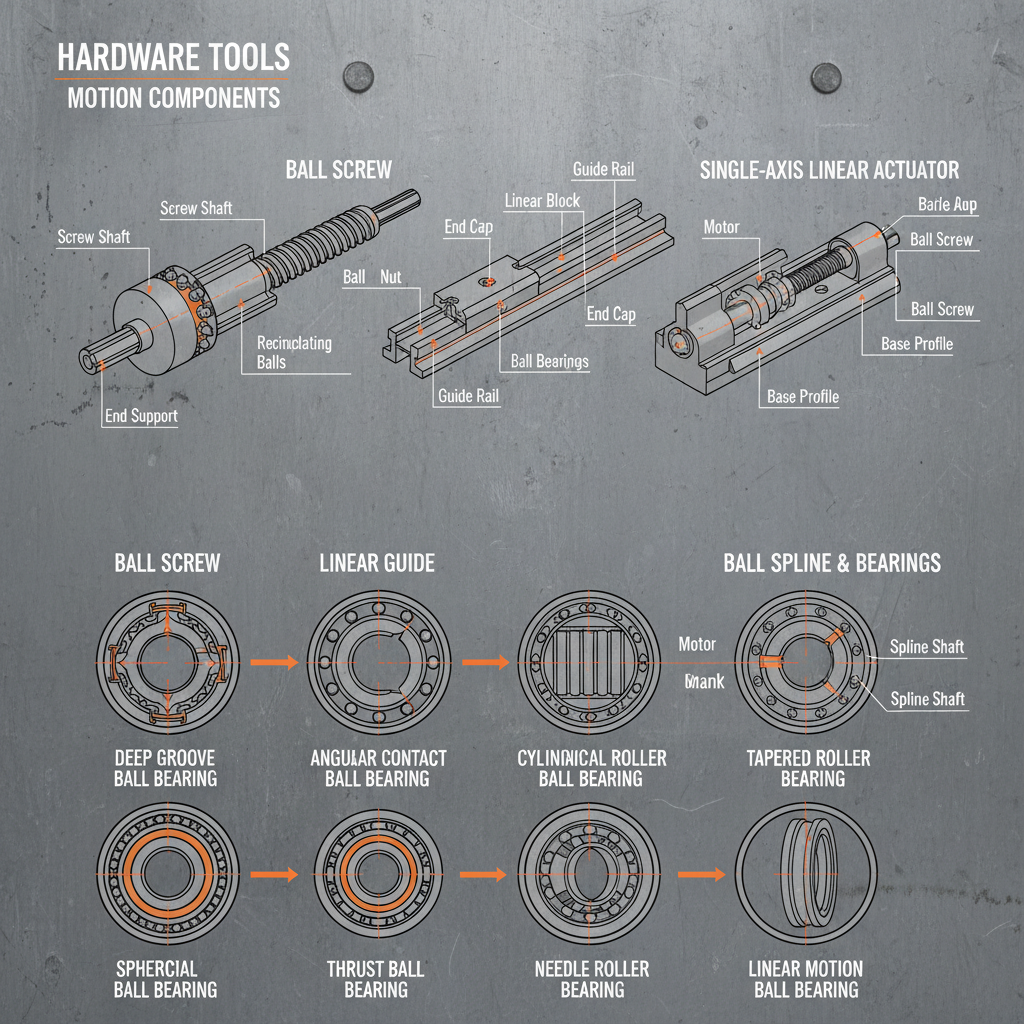
Picture a pick-and-place arm zipping along a 2-meter stroke at 3 meters per second. That's the territory of belt-driven systems. They're not for ultra-high load apps, but for moderate forces with high repeatability? Spot on. Our units use reinforced polyurethane timing belts tensioned precisely, riding on precision-ground linear rails with recirculating ball bearings. No backlash headaches, just smooth traversal.
Procurement folks often ping us after chasing lead times on imported ball screw modules. Belt driven options cut that wait in half, and costs too. We've handled OEM runs for everything from packaging lines to CNC routers, always starting with a quick CAD review to match stroke, payload, and speed specs to the job.
Let's break it down operationally. The belt wraps around drive pulleys – usually GT2 or AT5 profiles – powered by NEMA steppers or servo motors. Carriages preload against dual rails for rigidity. Aluminum extrusions keep it lightweight, while end caps seal out dust. We've tweaked designs for washdown environments, adding stainless hardware where IP65 matters.
Over the years, we've noticed repeat buyers tweaking for vertical mounting or multi-axis gantries. One US integrator stacked three of ours for a 3m x 2m XY table. Held up through 10 million cycles before a belt swap – routine maintenance, nothing dramatic.
This isn't hype. Belt driven linear rails fill the gap between cheap rodless cylinders and pricey screw drives. If your team's evaluating options, factors like duty cycle and acceleration rates dictate the pick. We can run the numbers if you share your payload and velocity targets.
In the intro here, worth dwelling on why belts outperform chains or racks for mid-range speeds. Chains rattle and wear unevenly; racks demand constant lubing. Belts? Silent, self-lubricating, and replaceable in under an hour. We've seen downtime drop 40% in lines retrofitted with these.
Material callouts: Rails are typically C7-grade steel, hardened to Rc58-62. Belts get steel or Kevlar cords for stretch resistance. Bearings are P5 class, preloaded 1-3 microns. Tolerances? Parallelism under 0.02mm per meter. That's shop-floor verifiable.
Exporting to the States means we know the drill: RoHS compliance, CE marking if needed, and packing that survives container hauls from Tianjin. Duty codes sorted, samples FOB or DDP as requested.
Enough setup. Dive deeper? Keep reading for specs, installs, and what buyers actually say.
Table of Contents
Market Trends Driving Demand for Belt Driven Systems
Automation's booming, but not everyone needs micron-level precision. Warehouse sorters, textile cutters, 3D printer gantries – these crave speed over brute force. Belt driven linear rails are carving out space there, especially as servo prices drop.
We've tracked inquiries spiking post-pandemic. Supply chains tightened on lead screws from Taiwan; belts from China became the workaround. Exports to North America jumped 25% for us last year alone, mostly mid-sized integrators dodging MOQ walls from big names.
Trend to watch: Hybrid setups pairing belts for coarse motion, screws for fine. Reduces inertia, ups throughput. Our modular designs bolt right into those configs.
What Sets Our Belt Driven Linear Rails Apart
- High Velocity: Up to 5m/s peak, with 2g acceleration. Suits dynamic apps without resonance issues.
- Long Strokes: Standard up to 6m; custom beyond. Belt tensioners auto-compensate sag.
- Compact Profile: 40-120mm widths. Drops into tight envelopes.
- Low Maintenance: Belts last 5,000+ hours at rated duty. Bearings sealed for life.
- OEM Flexibility: Motor mounts for NEMA 17-34, plus encoder options. Paint, anodize, or powder coat to spec.
One tweak we pushed: Integrated limit switches in carriages. Cuts wiring runs, speeds commissioning. Dust boots standard now after dusty mill feedback.
Not all belts are equal. Ours use double-sided HTD for even load share. We've tensioned thousands – too loose chatters, too tight snaps prematurely. Factory presets hit the sweet spot.
Detailed Technical Specifications
| Model | Rail Width (mm) | Max Stroke (mm) | Max Speed (m/s) | Payload (kg) Horizontal | Repeatability (mm) |
|---|---|---|---|---|---|
| BDLR-40 | 40 | 3000 | 3 | 20 | ±0.05 |
| BDLR-60 | 60 | 4000 | 4 | 50 | ±0.03 |
| BDLR-80 | 80 | 5000 | 5 | 100 | ±0.02 |
| BDLR-120 | 120 | 6000 | 5 | 200 | ±0.02 |
Note: Vertical payloads roughly 30% of horizontal. Custom strokes available; consult engineer for accel limits.
Straightness under 0.03mm/300mm. Dynamic load ratings per carriage: 5000-15000N depending on size.
Installation Insights from the Field
Mounting's straightforward, but alignment's king. Level rails to 0.1mm/m or chatter creeps in. Use our torque specs: M6 bolts at 10Nm.
Belt tension: Aim 100-200N deflection midpoint. We ship with adjusters preset; still, verify post-mount. Motor coupling? Flexible jaws absorb minor misaligns.
Warning: Undersized belts on heavy loads elongate early. Overspeed without cooling fries drivers. We've pulled apart failures – usually skipped basics.
- Fixturing rails parallel.
- Torque sequence across mounts.
- Tension check under no-load jog.
- End buffer install for crash protection.
Vertical runs? Add counterweights or gearboxes to ease motor torque. Cuts power draw 20%.
Applications Where These Shine
Packaging: Multi-head fillers indexing fast.
Textiles: Plotter arms cutting patterns at speed.
Inspection: Scanner gantries scanning PCBs.
Woodworking: CNC beam saws with long travels.
One client: US solar panel assembler. XY tables hitting 4m/s for stringers. Swapped rack drives; noise down, cycles up.
Logistics and Delivery Realities
Stock models ship 7-14 days FOB Tianjin. Customs OEM: 4-6 weeks. 20' container fits 200 units; we optimize packing.
Freight to LA: $2500-3500 depending volume. DHL samples next week. Tariffs? HS 8483.40; we've handled Section 301 reroutes.
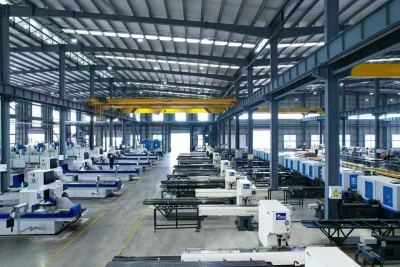
Lead time edge: Our Japan/Germany CNC mills run lights-out shifts. No subsourcing delays.
Why YIDI Motion? Factory Strengths
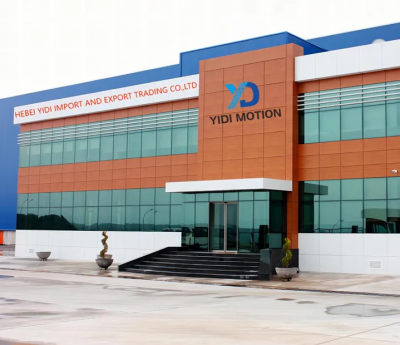

100 staff, 30% seniors. Gear from DMG Mori, Fanuc. Exports to 50+ countries: US, DE, CA top.
Certifications: ISO9001, CE, RoHS. OEM/ODM full spectrum – from prototype to 10k runs.
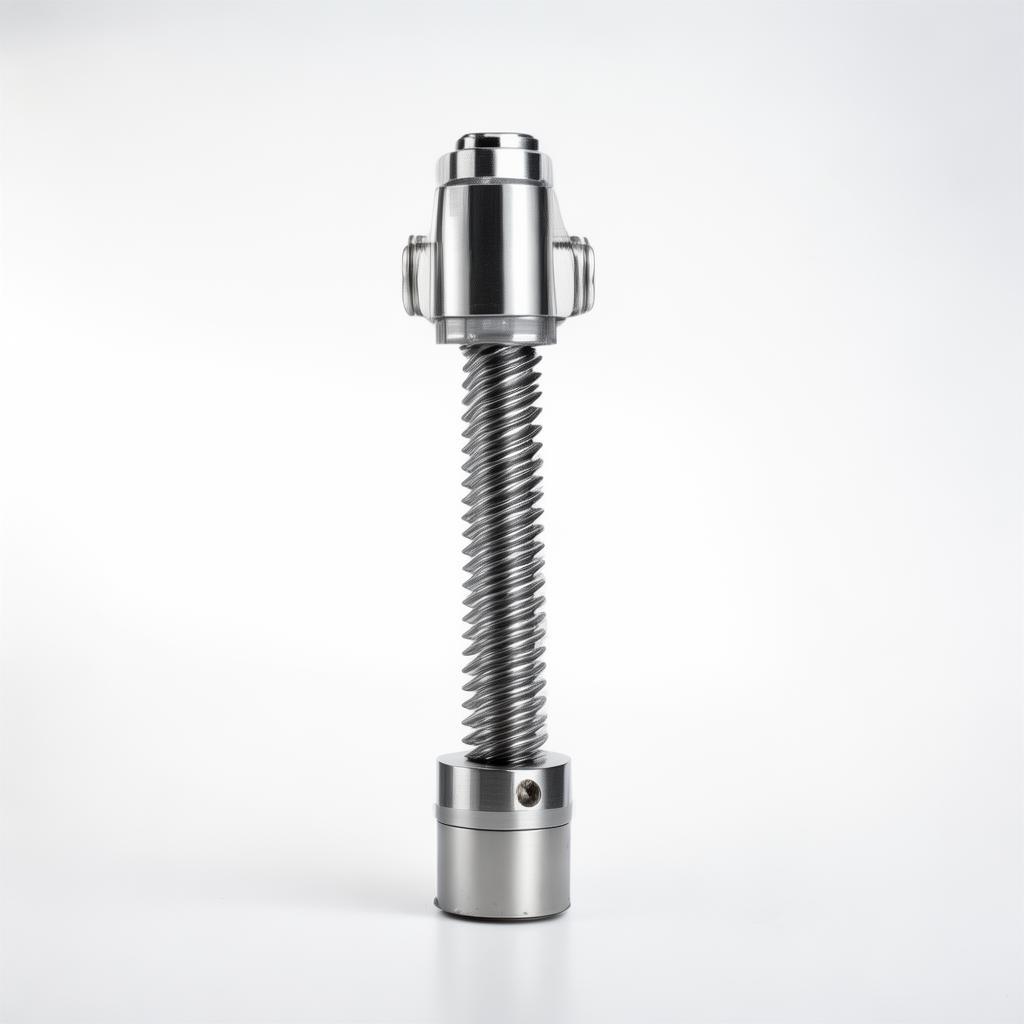
One-stop: Pair with ball screws, splines, bearings.
Integrator Feedback
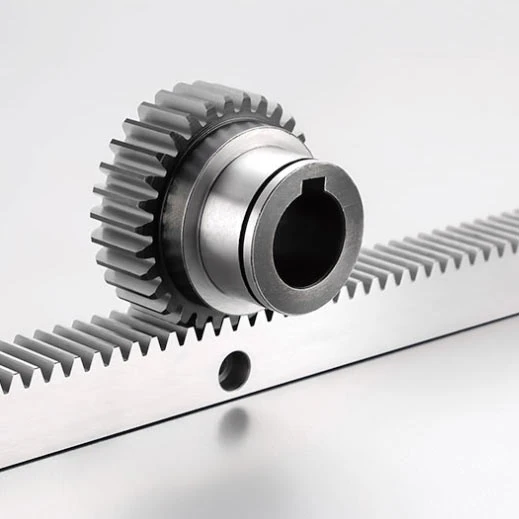
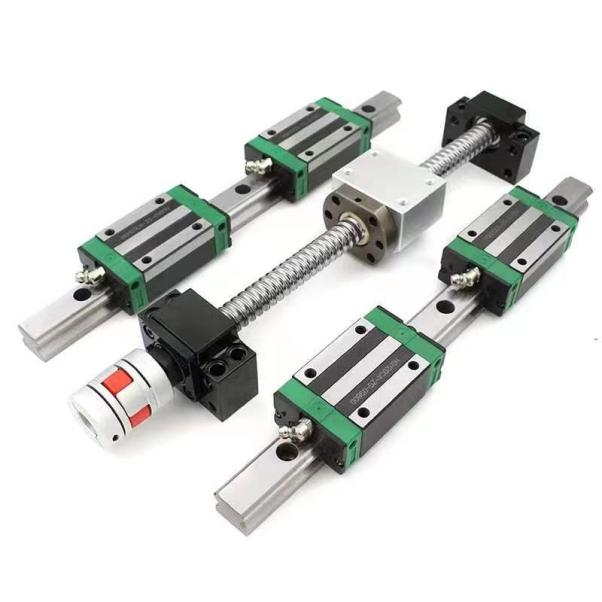
belt drive linear guide rail linear guide rail belt drive linear rail with gear rack
Mark T., Automation Engineer, Texas: "BDLR-80 handled our 80kg payload gantry perfect. Speed beats our old Hiwin screws. Install took half a day."

Sarah L., Procurement, Ontario: "Custom 4.5m stroke on time. Pricing 30% under quotes. Solid for reselling."

John R., Ops Manager, California: "Quiet operation in cleanroom. Maintenance nil after 8 months."

Carlos M., Integrator, Florida: "Vertical mount worked with gearing. Good comms on tweaks."

Frequently Asked Questions
Q: Belt vs. ball screw – when to choose belt?
A: Belts for speeds >2m/s, strokes >1m, lower payloads. Screws for precision/high force.
Q: What's the belt life expectancy?
A: 5,000-10,000 hours at 50% duty. Swap kits $50.
Q: Can you do Z-axis configs?
A: Yes, with anti-backdrive options. Send drawings.
Q: Min order for OEM?
A: 5 units prototype; 50 production.
Q: Torque for mounting?
A: M5=5Nm, M6=10Nm, M8=25Nm.
Ready to Spec Your Belt Driven Linear Rail?
Request factory pricing or samples now. Talk specs with our engineers.
HEBEI YIDI IMPORT AND EXPORT TRADING CO.,LTD. | 16-1-1601 Aobeigongyuan, Chang'an District, Shijiazhuang City, Hebei Province, China
+86 18134111662 | adam@yidimotion.com
Written by Li Wei, Export Director at YIDI Motion

25+ years in linear motion manufacturing. Hands-on with OEM exports to US/EU.