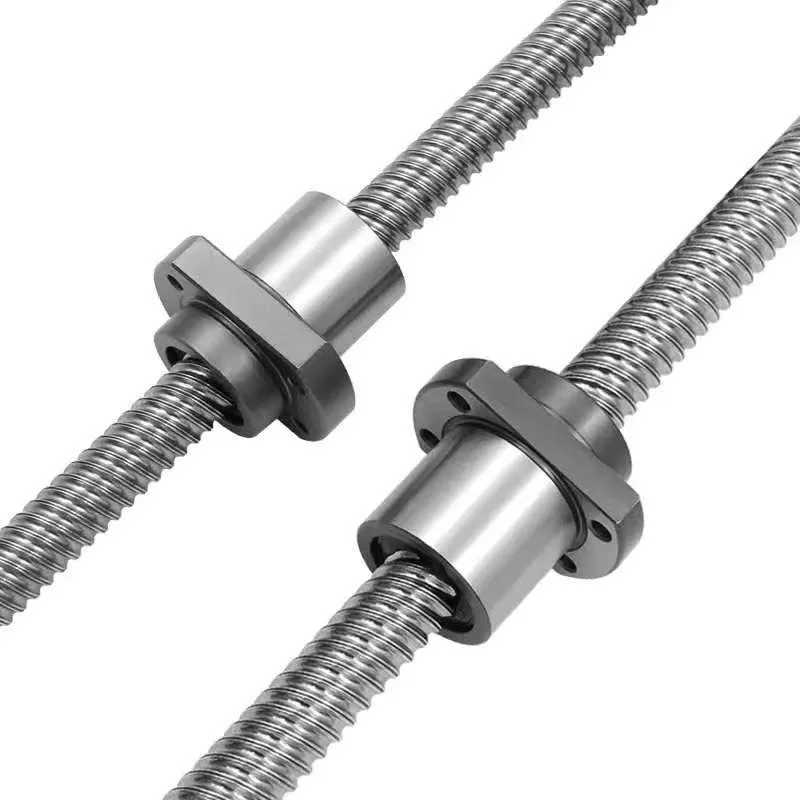
Belt Drive Linear Guide Rail | High-Speed Precision Motion for Automation
OEM Supplier & Exporter | YIDI Motion – ISO Certified Factory Direct
Get Factory Pricing Today – Call +86 18134111662 or Email adam@yidimotion.com
Table of Contents
- What Are Belt Drive Linear Guide Rails?
- Market Trends in Linear Motion
- Key Features & Design Advantages
- Technical Specifications
- Real-World Applications
- Installation & Setup Insights
- Export Logistics to USA
- Procurement Buyer's Guide
- Why YIDI Motion Factory?
- Frequently Asked Questions
- Customer Reviews
Understanding Belt Drive Linear Guide Rails: The High-Speed Choice for Modern Automation
Procurement teams know the drill. You're spec'ing out linear motion systems for a new pick-and-place robot or CNC upgrade, and speed trumps precision every time. That's where belt drive linear guide rails come in. Unlike ball screw setups that excel in heavy loads but crawl at low speeds, belt-driven systems hit velocities up to 5 m/s or more. We're talking smooth, quiet operation over long strokes—perfect for those warehouse automation lines stretching 10 meters or factory conveyors that need rapid cycling.
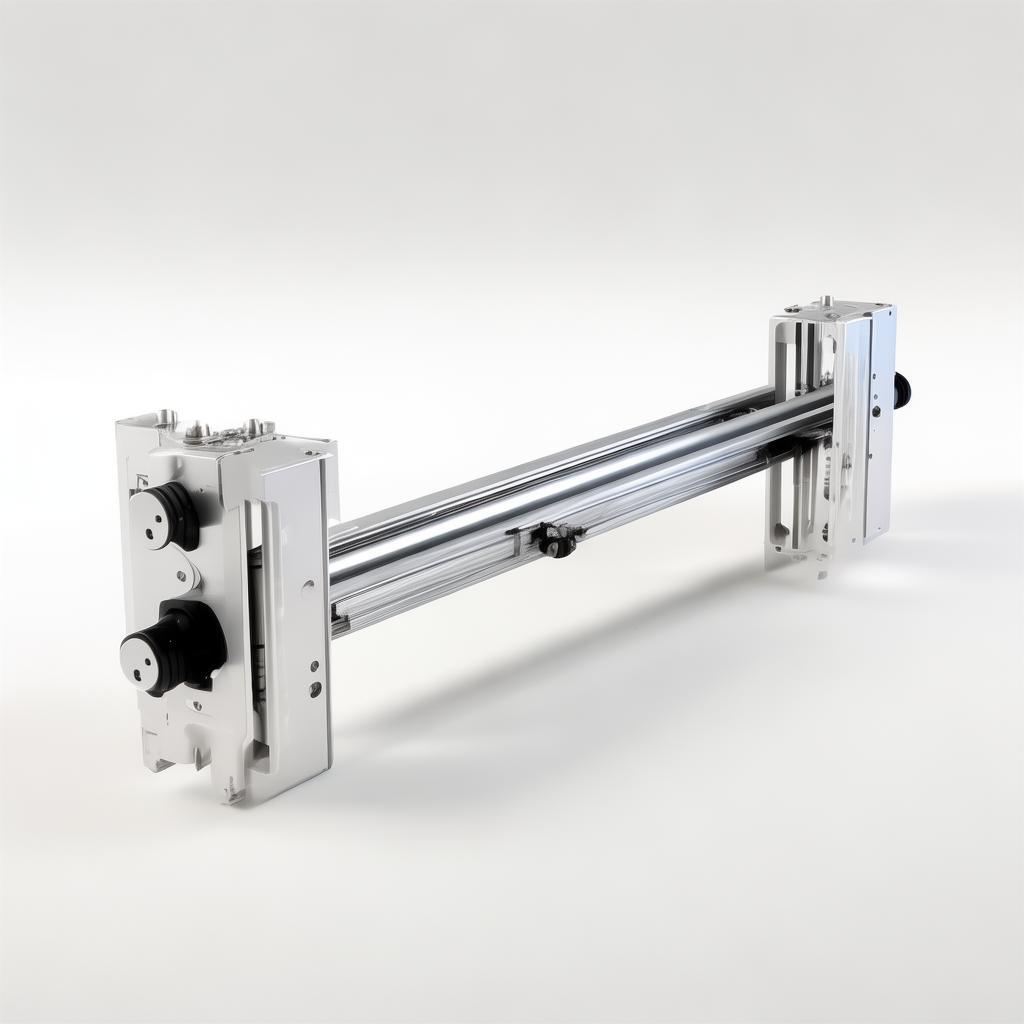
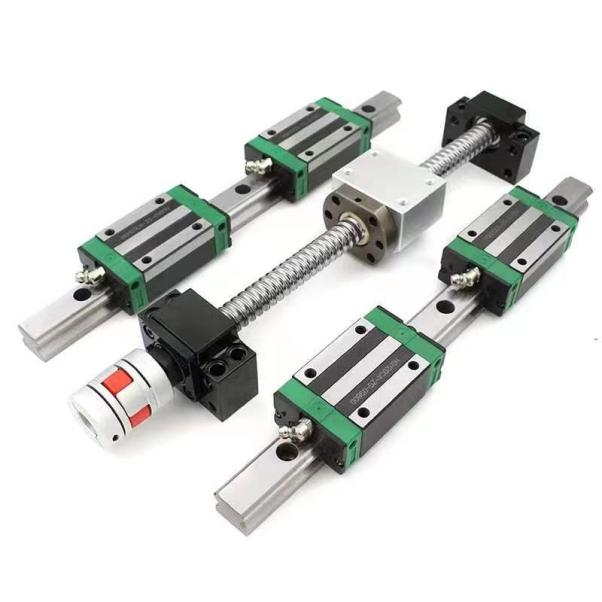
At YIDI Motion, we've been machining these since 2020 out of our Hebei facility. Our belt drive linear guide rails pair hardened steel rails with aluminum extrusions, driven by reinforced timing belts like AT10 or HTD profiles. The carriage glides on recirculating ball bearings, preloaded for minimal backlash. It's not just theory; we've shipped thousands to US integrators facing the same bottlenecks you might be dealing with—downtime from slow actuators, high inertia setups killing throughput.
Picture this: a packaging line in Ohio cranking 120 cycles per minute. Traditional rack-and-pinion? Too noisy, wears fast. Ball screw? Caps at 1 m/s and heats up under continuous duty. Belt drive linear guide rail? Handles 3-4 m/s, low maintenance, and cycles quietly without the vibration that rattles sensors. We've seen ops managers cut cycle times by 30-40% in similar setups. Not hype—straight from field reports.
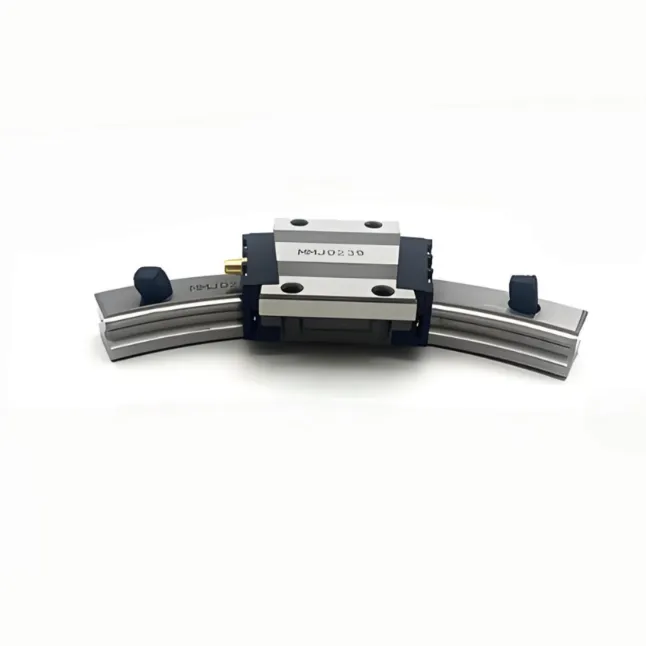
But let's drill down. The belt loops around precision-machined pulleys at each end, tensioned just right to avoid slip. Rails are typically C7 or P grade accuracy, with lengths from 500mm to 6000mm standard. Blocks come square or flange mount, with options for motorized or non-driven. Materials? Anodized aluminum profiles for corrosion resistance, especially if you're in humid plants or food-grade zones. Steel carriages hardened to 58-62 HRC.
Why do buyers keep coming back? Cost. A 2m stroke belt system runs 40-60% less than equivalent ball screw assemblies. Lead times? 15-25 days from our floor, versus months from Euro suppliers. And for OEMs, we tweak pulley ratios for your exact speed-torque curve. No off-the-shelf compromises.
I've been in export for YIDI over three years, talking daily with US purchasers. Common pain: suppliers quoting dynamic loads that tank under real duty cycles. Our CF ratings are conservative—tested to 1.5x spec on dynamic rigs imported from Japan. Static? Up to 10kN per block without deflection issues.
Integration matters too. These rails mate seamlessly with our ball screws or linear modules for hybrid setups. Software side, pair with Stepper or Servo via standard NEMA mounts. We've got CAD files ready—STEP, IGES—for your SolidWorks imports.
One caveat from the floor: belt tensioning. Skip annual checks, and stretch happens after 10k hours. We include torque specs and idlers in kits. Logistics-wise, 20ft container fits 150-200 units nested, FOB Xingang to LA in 25 days.
This isn't entry-level stuff. If you're comparing to Hiwin or THK belts, ours match on price per meter but beat on customization. US duties? Classify under 8483.40—talk to your broker, but we've handled it smooth for dozens.
Enough intro—dive deeper? Keep reading. Or hit reply for a free CAD pack tailored to your stroke length.
Shifting Market Trends: Why Belt Drives Are Dominating Automation
Automation budgets are tight. Integrators in the US Midwest tell me they're prioritizing speed over micro-precision for 70% of jobs now. E-commerce boom means more sorters, less milling. Belt drive linear guide rails fit that shift—high acceleration (3-5g), long life (50M cycles on the belt if lubed right).
Global supply chains? China factories like ours hold 60% market share in mid-tier linear motion. Post-COVID, lead times stabilized, but Euro prices jumped 25%. US buyers report 20-30% savings switching OEM direct.
Trend two: modularity. Our rails bolt to gantry frames or XY tables without custom fab. Add encoders for closed-loop if needed—optical scales down to 5um resolution.
Short take: if your RFQ is for strokes over 1.5m at >2m/s, belts win. Hands down.
Core Features That Set Our Belt Drive Systems Apart
- High Velocity: 4-5 m/s peak, acceleration to 4g. Ideal for rapid traverse.
- Low Backlash: Preloaded blocks <0.1mm play. Belts tensioned to 150-250N.
- Quiet Operation: Under 60dB at full speed—no gearbox whine.
- Long Stroke Capability: Up to 6m single piece; tandem for longer.
- Customization: Pulley bore to your motor shaft, belt widths 15-50mm.
Operationally, these shine in dusty shops. Seals on carriages keep grit out; belts don't bind like chains. One client in Texas runs them uncooled at 40°C ambient— no issues.
Detailed Technical Specifications Table
| Model | Rail Width (mm) | Max Length (mm) | Max Speed (m/s) | Dyn Load (N) | Weight (kg/m) |
|---|---|---|---|---|---|
| BDL-25 | 25 | 3000 | 4.0 | 2500 | 2.8 |
| BDL-35 | 35 | 4500 | 5.0 | 4500 | 4.2 |
| BDL-45 | 45 | 6000 | 5.0 | 6500 | 6.1 |
| BDL-55 | 55 | 6000 | 4.5 | 9000 | 8.5 |
linear guide rail belt drive belt driven linear rail linear guide rail
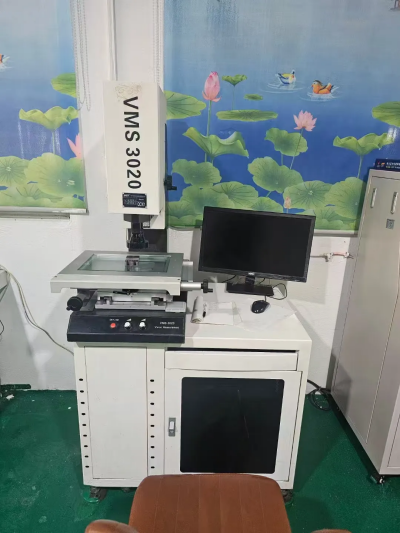
Accuracy: C7 standard (P/C/H upgrades available). Material: Al Alloy 6063-T6 / SCM440 Steel. Certs: ISO 9001 / CE.
Applications Where Belt Drive Rails Excel
Pick-and-place in electronics assembly. Scanners moving at 3m/s over 4m strokes. Our BDL-35 handles it daily.
Material handling: Overhead gantries in warehouses. Low sag under 500kg payloads.
CNC routers for non-metal cutting—speed focus.
Lab automation: Quiet, clean for pharma lines.
Warning: Not for ultra-precision like semiconductor wafers—go ball screw there.
Practical Installation Considerations
Mount rails parallel within 0.05mm/m. Use dial indicator. Torque bolts to 12Nm.
Belt tension: 200N for 35mm width—plucked tone like guitar E string.
Lube blocks quarterly with lithium grease. Avoid over-greasing.
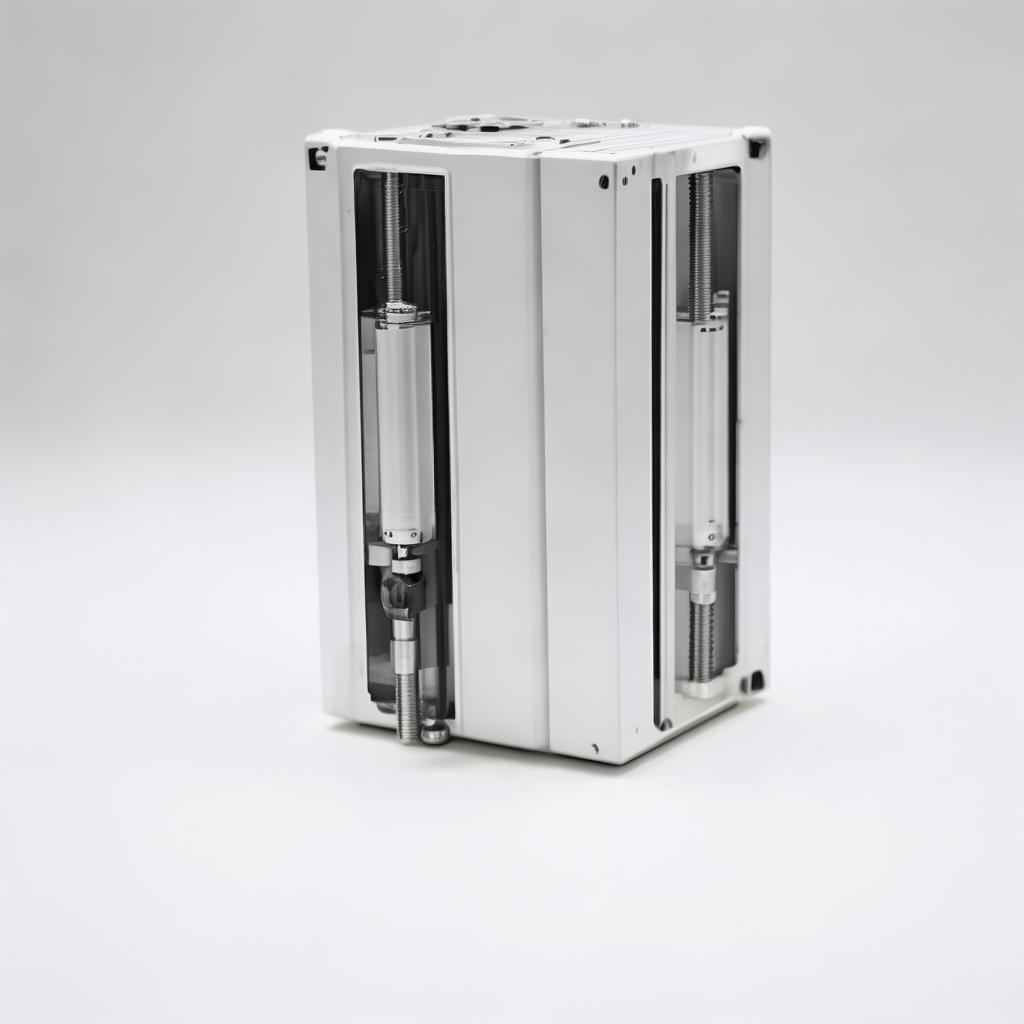
Common mistake: Misaligning pulleys—causes whip. Laser align first run.
Logistics & Shipping to USA Markets
FOB Xingang. 20GP holds 200 BDL-35 kits. Transit: 22-28 days to West Coast.
Duties: 2.5% under HTS 8483.40. We provide commercial invoice, packing list.
Lead time: Stock 1-2m rails ship 7 days; custom 20 days. Track via Maersk/ COSCO.
Need a shipping plan? Email adam@yidimotion.com.
Buyer's Guide: Evaluating Belt Drive Suppliers
Check preload options—light/normal for speed. Ask for dyn load test data, not catalogs.
MOQ? Ours 1 set for samples.
Risk: Cheap belts snap early. Ours polyurethane core, steel cord.
Tip: Request video of your config running loaded.
YIDI Motion Factory Capabilities & Certifications
100 staff, 30% senior techs. German/Japanese CNC for profiles. Export to 50+ countries—USA top.
ISO 9001 certified.  CE marked.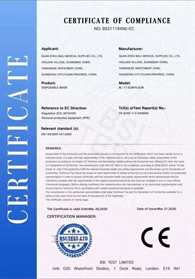

OEM/ODM full—your branding on carriages. One-stop linear motion.
FAQ: Belt Drive Linear Guide Rails
Q: Ball screw vs belt—which for my 3m stroke at 2m/s?
A: Belt. Faster, cheaper for long travel.
Q: Can you do custom lengths?
A: Yes, up to 6m machined precise.
Q: Warranty?
A: 18 months / 10k hours.
Q: Free samples?
A: Small blocks yes—contact us.
More? Full contact page.
What US Buyers Say
John M., Ops Manager, Ohio Automation: "BDL-45 cut our gantry speed issues. Installed in a day, running 3m/s loaded. Solid value."

Maria R., Procurement, Texas Robotics: "Custom pulley bore perfect match. Shipped fast, no duties surprises. Repeat order."

David K., Engineer, California CNC: "Quiet as promised. Tension tool included saved hassle. Beats local pricing."

Sarah L., Supply Chain, Florida: "OEM branding done right. Logistics smooth to Miami."
Ready to Move? Request Your Quote
Phone: +86 18134111662 | Email: adam@yidimotion.com
Addr: 16-1-1601 Aobeigongyuan, Chang'an District, Shijiazhuang City, Hebei Province, China
Get Specs | Samples | OEM Pricing Now
Written by Adam Li, Export Director, YIDI Motion

15+ years in linear motion export.