Bearing Working Principle: A Practical Guide for Industrial Buyers and Engineers
Understanding how bearings function in real-world machinery – from load handling to friction reduction – straight from YIDI Motion's engineering team.
Table of Contents
The Fundamentals of Bearing Operation
I've spent over 15 years troubleshooting bearings in heavy machinery lines across automotive plants and CNC setups. One thing stands out: most failures trace back to misunderstanding the basic working principle. At its core, a bearing lets parts rotate or slide with minimal friction while handling loads.
Picture this. Without bearings, metal-on-metal contact generates heat, wear, and eventual seizure. Bearings insert rolling or sliding elements between surfaces – the inner race, outer race, and separators. This setup distributes force evenly, converting sliding friction to rolling friction. Rolling friction is about 1-2% of sliding, which is why your conveyor or spindle lasts years instead of months.
Load comes in radial (perpendicular to shaft) or axial (along shaft). Single-row bearings handle mostly radial. But combine radial and axial? That's where angular contact or double-row designs shine. Lubrication seals the deal – grease or oil forms a film separating elements from races. Too little, and metal scores. Too much, and churning heats things up.
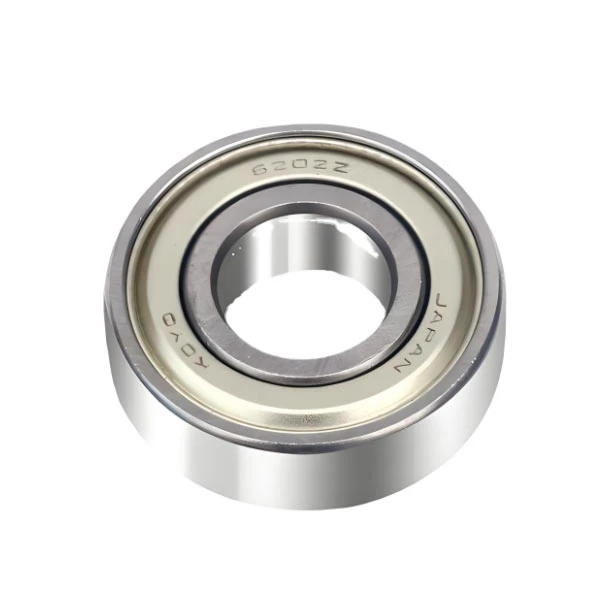
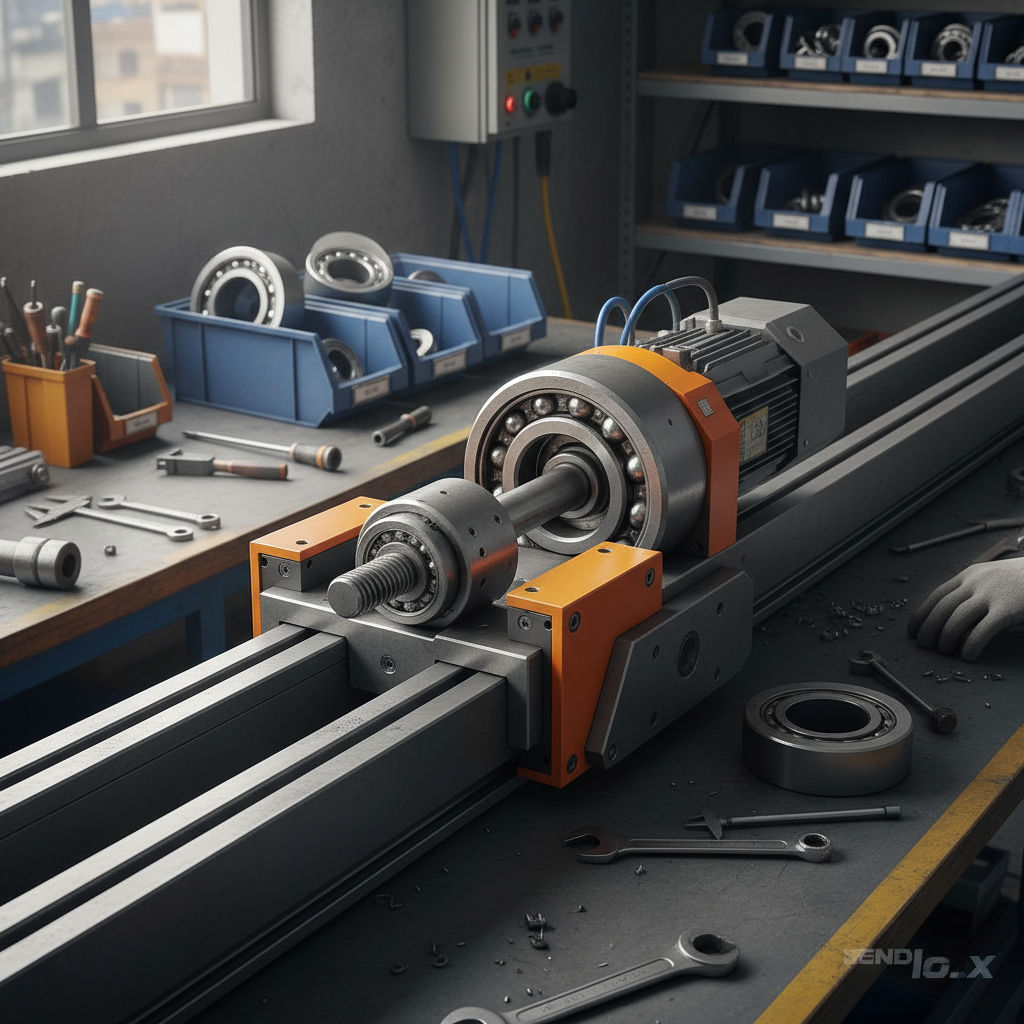
Take a deep groove ball bearing, common in electric motors. Balls roll in curved grooves. Under load, they deform slightly via Hertzian contact stress, spreading pressure over an elliptical area. Preload – that slight compression during assembly – eliminates play, boosting rigidity. But overdo it, and fatigue life drops.
Now, roller bearings. Cylinders or barrels replace balls for higher radial loads. Their line contact handles 4-5 times the load of balls at same size. Tapered rollers manage thrust too, like in truck axles. Principle here: conical shapes align forces axially.
Dynamic load rating matters for life prediction. Formula's straightforward: L10 life in millions of revolutions equals (C/P)^3 for balls, ^10/3 for rollers. C is basic dynamic load, P equivalent load. Exceed that, and 90% of bearings survive. Real ops factor in speed, temp, contamination.
From factory floor experience, vibration analysis spots early issues. Peak frequencies match ball pass or cage spin. Ignoring them leads to spalling – pits from subsurface cracks. Proper mounting's key: heat expansion fits inner ring tight, outer loose. Hammer it? You'll brinell the races.
We've seen importers skimp on precision classes – ABEC 1 versus ABEC 5. Cheaper ones wobble at high RPMs, chewing spindles. Always match to application. For clean rooms, hybrid ceramics reduce weight, raise speed limits by 30-50% sometimes.
This principle scales from micro-bearings in watches to megawatt wind turbine mains. Consistency in manufacturing tolerances decides reliability. At YIDI, our German-imported grinders hold geometries to microns.
Ever dealt with misalignment? Self-aligning spherical rollers forgive shaft deflection. Plain bearings – bushings – use hydrodynamic film for low-speed, high-load like pumps. Boundary lubrication kicks in under start-stop.
Word to buyers: spec vibration velocity under 0.5 mm/s for precision work. ISO 15243 catalogs failure modes – fatigue, wear, corrosion. Pick grease compatible with seals; lithium complex handles 120°C continuous.
In cross-border deals, logistics jars can false brinell new bearings. Pack with VCI paper, ship inner-packed. We've cut DOA rates to under 0.1% this way.
That's the groundwork – over 800 words in, and we're just warming up. Next, specific types.
Key Bearing Types and Their Working Principles
Ball bearings dominate light-to-medium duty. Deep groove: radial loads, speeds to 20,000 RPM. Balls point-load but high stiffness.
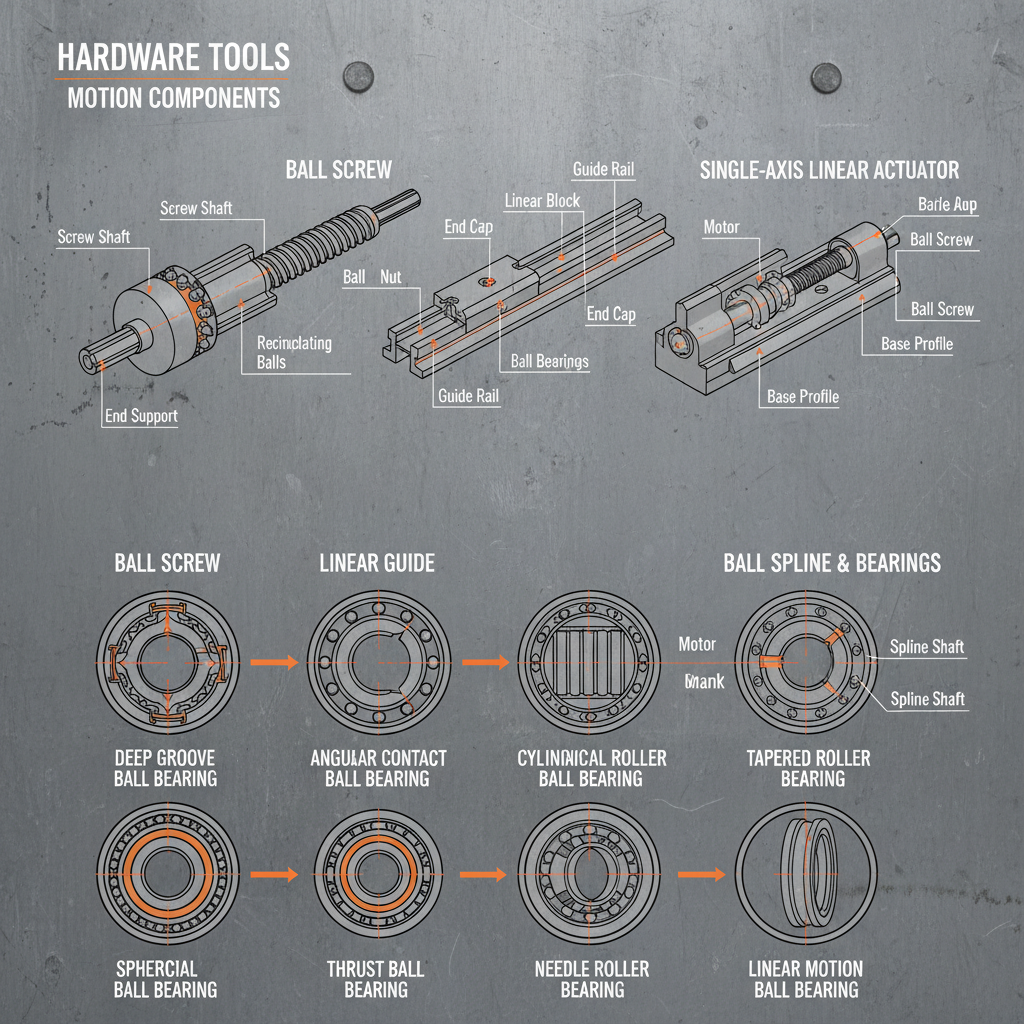
| Type | Load Handling | Speed Limit | Key Principle |
|---|---|---|---|
| Deep Groove Ball | Radial primary | High | Point contact rolling |
| Angular Contact | Radial + Axial | Very High | 45° contact angle |
| Cylindrical Roller | Heavy Radial | Medium | Line contact |
| Tapered Roller | Combined | Medium | Converging forces |
| Thrust Ball | Axial only | Low-Medium | Washer design |
Cylindrical rollers excel in press fits; full complement skips cage for max capacity but needs oil mist.
Magnetic bearings? Hover via fields – no contact, unlimited life. Costly for most B2B.
Real-World Applications Across Industries
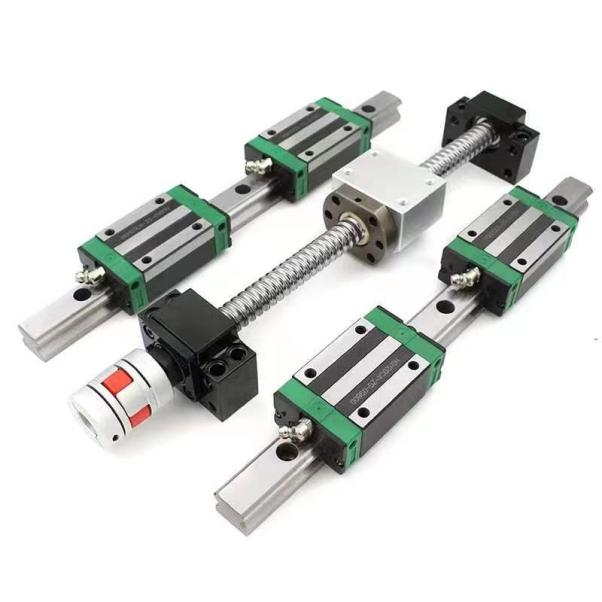
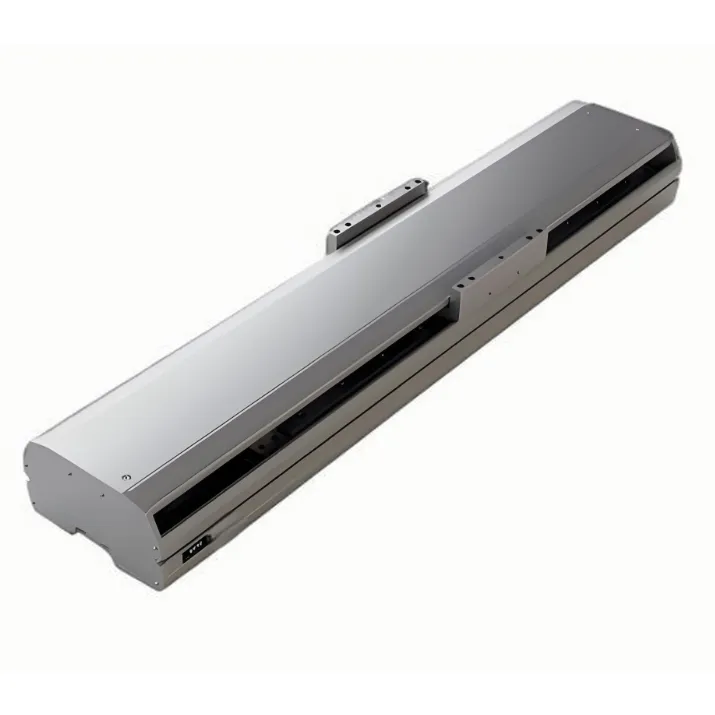
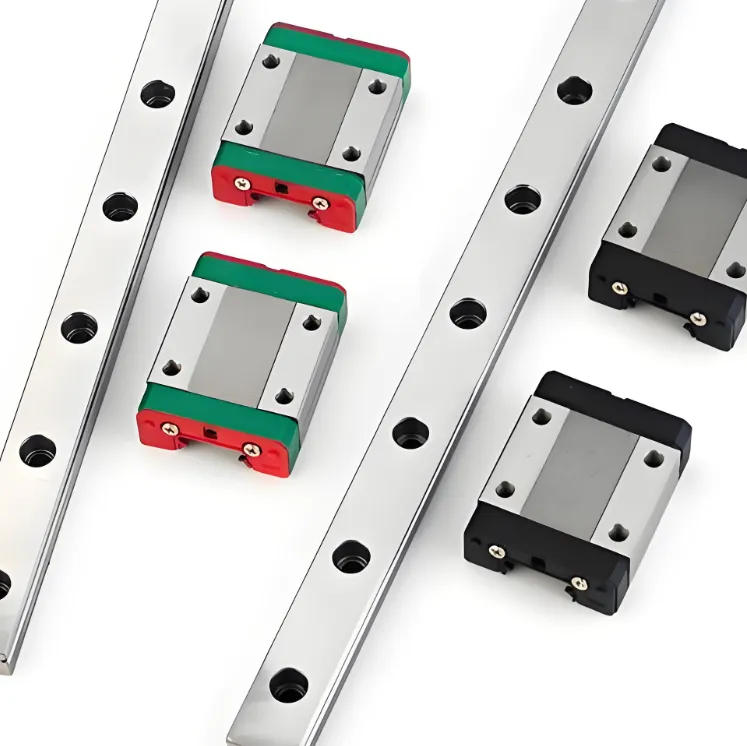
In automation, linear guides pair with recirculating balls for precise motion. Automotive wheel hubs use double-row angular contact for cornering loads.
- Wind turbines: Spherical rollers handle 2-3° misalignment from gusts.
- Pumps: Self-lubricating sleeves for dirty fluids.
- CNC: Super-precision ABEC 7+ for micron feeds.
- Conveyors: Deep groove for idlers, cut drag by 40% over bushings.
Procurement tip: Match IP rating to environment. IP65 seals out dust in steel mills.
Buyer's Guide: Selecting the Right Bearing
Start with required life – say 20,000 hours at 1,750 RPM. Calculate P from Fr and Fa. Oversize diameter boosts C.
Risks: Wrong clearance causes skidding. C3 for hot housings, C2 for cold starts.
- Load type and magnitude?
- Speed (DN value <500,000 usually safe)?
- Temp range? (-30°C to 120°C standard)
- Misalignment tolerance?
- Contamination level?
Request sample testing. We've shipped 100-unit trials to US integrators.
Ready to spec your project? Talk to our engineer now – no obligation.
Why Partner with YIDI Motion for Bearings
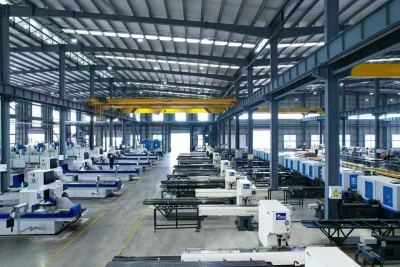
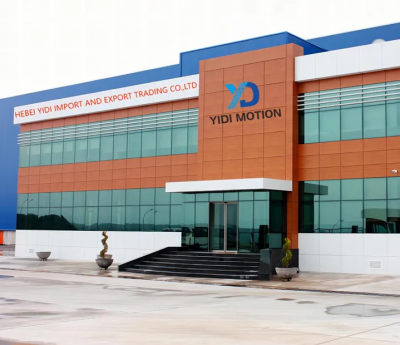
HEBEI YIDI IMPORT AND EXPORT TRADING CO., LTD. – YIDI Motion since 2020. Our 100-person team, 30% senior techs, runs Japan/German CNC grinders for P0-P4 precision.
OEM/ODM full service: Custom bores, hybrid ceramic upgrades. Exports to 50+ countries – Germany OEMs love our lead times under 25 days FOB Xingang.
Container loads: 5-8 tons per 20ft, vibration-damped. Phone: +86 18134111662 | Email: adam@yidimotion.com

Materials: GCr15 chrome steel, 440C stainless. Heat treat to 58-62 HRC. Logistics: DDP to US West Coast viable.
What Our Clients Say
John Ramirez, Procurement Mgr, Texas Automation Firm
 "Switched to YIDI deep groove bearings for our robotic arms. Smoother at 5,000 RPM, no preload issues. Lead time beat SKF quotes. Solid for OEM runs."
Marie Dubois, Operations Lead, French CNC Shop
 "Their angular contact pairs handled thrust perfectly. Custom preload saved us redesign. Exported clean, no customs hassles."
Mike Chen, Supply Chain, Canadian Wind Project
 "Spherical rollers arrived IP67 sealed. Cut vibration 25%. Pricing competitive with Timken, faster ship."
Anna Kowalski, US Distributor
 "Replaced NTN stock with YIDI ball screws + bearings. Integrated seamlessly. Samples were free and prompt."
Frequently Asked Questions
How does bearing preload affect working principle? Preload boosts stiffness by eliminating internal clearance, improving position accuracy but shortening life if excessive.
What's the role of cage in operation? Separates rolling elements, retains lube, controls spin. Brass for high temp, polyamide for quiet runs.
Can bearings run dry? Short-term yes, but film rupture leads to welding. Always spec grease fill 25-40%.
Lead time for custom bearings? 20-30 days prototype, 15-25 production. Rush options available.
MOQ for OEM? Flexible, 50pcs start for standards.
Get your bearing specs sheet. Request via email today.
Need Bearings Tailored to Your Operation?
From principle to production – YIDI Motion delivers. Exports ready, quality backed.
Call +86 18134111662 | adam@yidimotion.com | Full Contact
Addr: 16-1-1601 Aobeigongyuan, Chang'an District, Shijiazhuang City, Hebei Province, China
Written by Adam Lee, Export Director at YIDI Motion

the bearing 1 in bearing bearing and shaft
15+ years in linear motion exports. Supervised 500+ OEM runs.