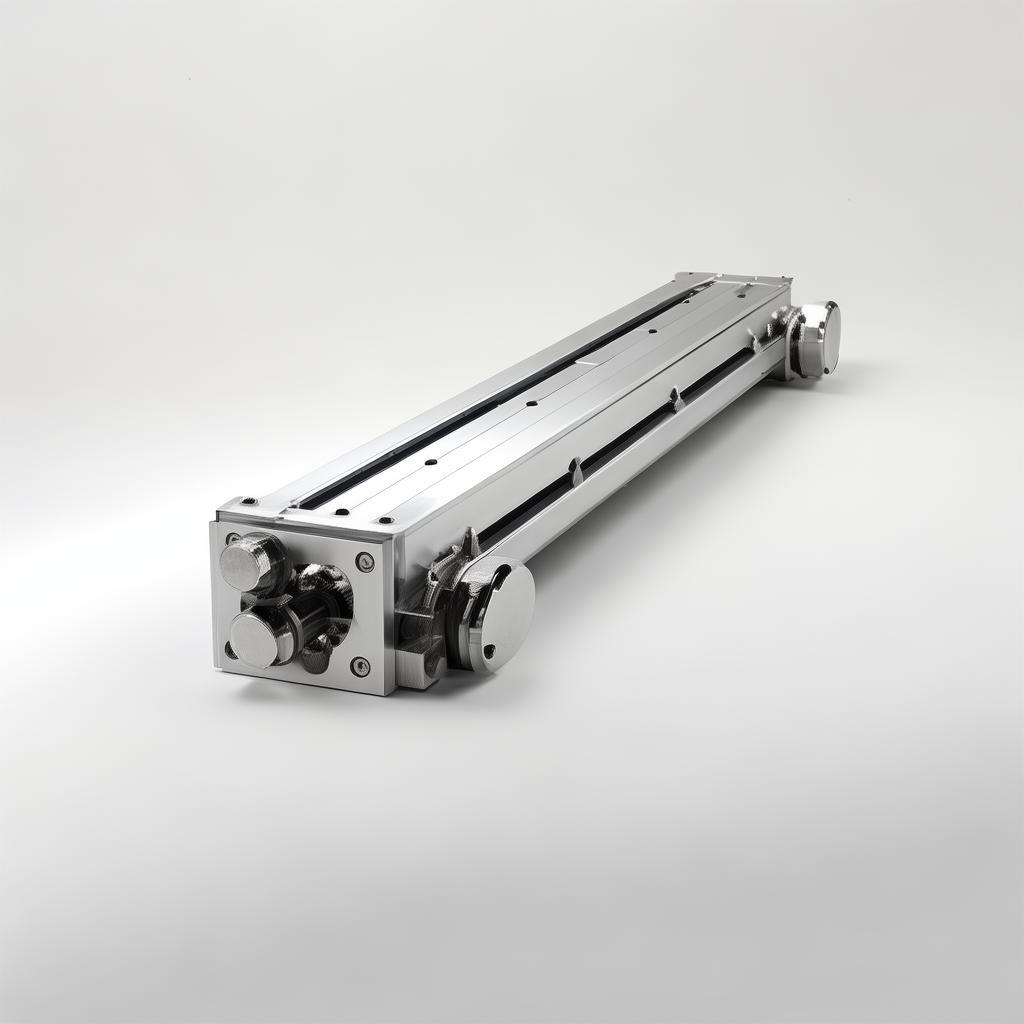

By Adam Li, Export Director at YIDI Motion
I've spent over 15 years in the linear motion components game, sourcing and shipping bearing sleeves to factories across North America and Europe. From Detroit machine shops to Ontario assembly lines, I've seen what works and what fails under real production pressure.
Bearing Sleeves: Tough, Reliable Bushings for Heavy-Duty Linear Motion
Procurement teams hit roadblocks all the time when chasing bearing sleeves that actually hold up. You order from a low-ball supplier, and three months in, shafts start scoring, tolerances drift, and downtime eats your margins. We've shipped thousands of these to U.S. integrators over the past four years—custom bronze sleeves for CNC spindles, self-lubricating polymer ones for automated conveyors. No fluff, just parts that run.
At YIDI Motion, our bearing sleeves aren't off-the-shelf generics. We machine them in-house from sintered bronze, PTFE-lined composites, or oil-impregnated alloys, tailored to your shaft diameter, load rating, and speed requirements. Think 1/2-inch ID for small actuators up to 4-inch bores for industrial presses. And since we're exporting to over 50 countries, including steady volume to the States, we know the headaches of customs, lead times, and container stuffing.
Picture this: a Midwest fabricator calls frantic because their linear guides are seizing. Root cause? Inferior sleeves with poor embeddability—debris gouges the shaft before the bushing even wears. We overnight samples of our PB bronze sleeves with graphite plugs. Installed same week, zero issues since. That's the kind of operational edge we deliver.
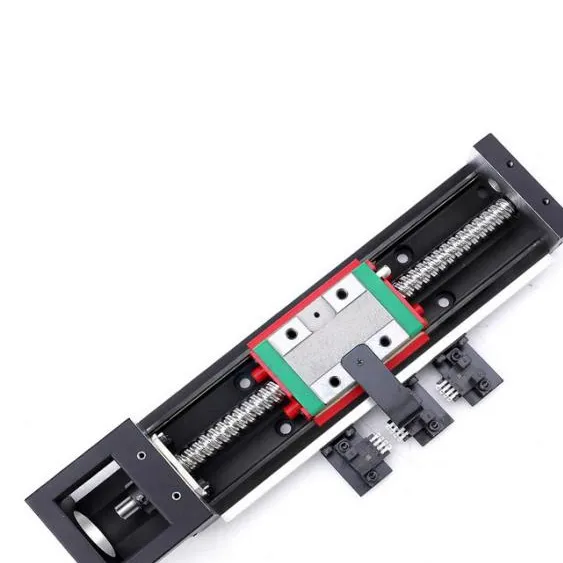
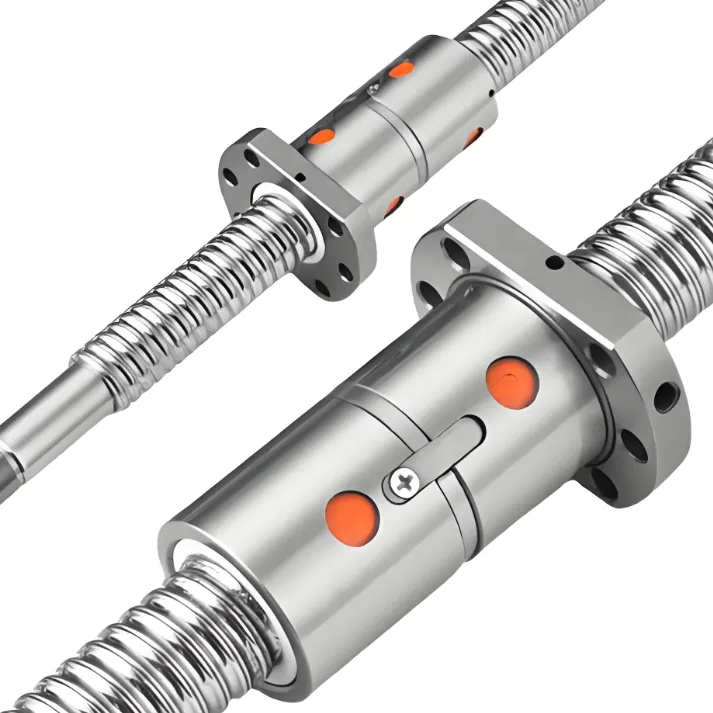
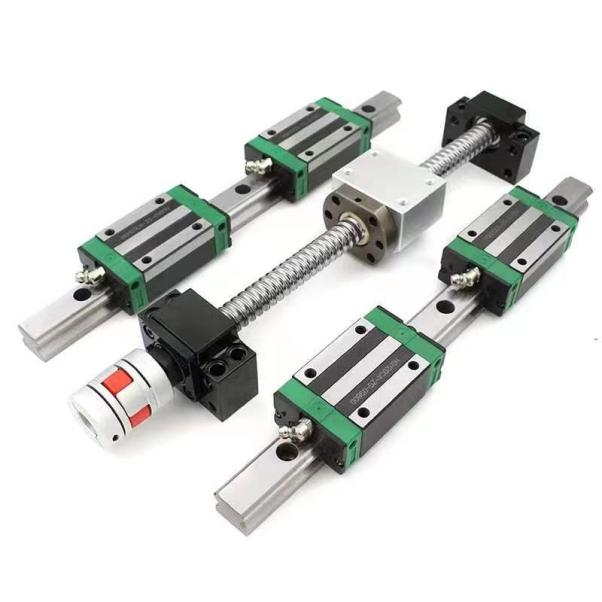
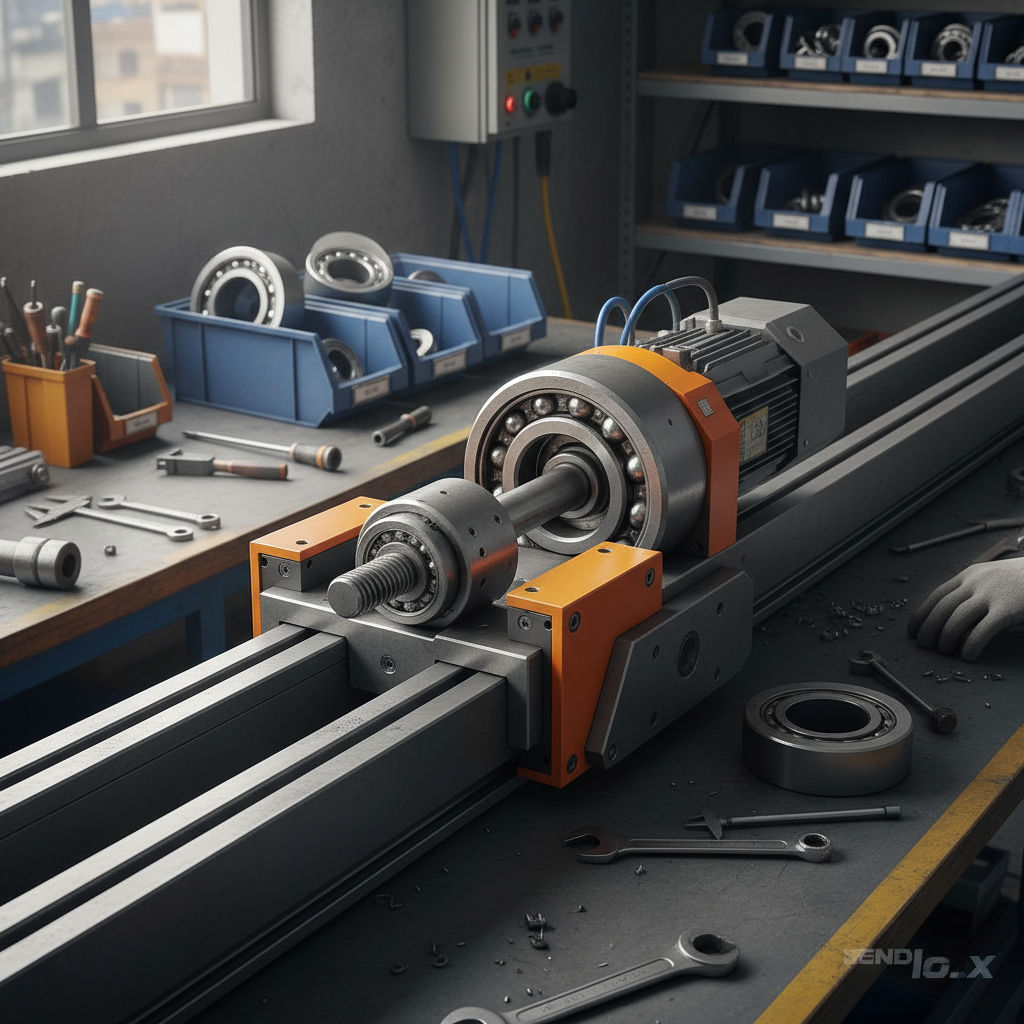
Bearing sleeves sit at the heart of linear motion systems. They bridge the gap between rotating shafts and stationary housings, handling radial loads while minimizing friction. In ball screw setups or linear modules—core to our lineup—they prevent metal-on-metal contact that leads to premature failure. But not all sleeves are equal. Cheap imports delaminate under heat; high-end ones like ours maintain ID tolerances to 0.001 inches even after 10 million cycles.
Let's break it down practically. For high-speed apps, we spec DU dry bushings—PTFE base with metal backing for heat dissipation. Low-speed, high-load? Solid bronze or cast iron sleeves with machined grooves for oil retention. We've got OEM runs for U.S. brands in packaging machinery, where sleeves see constant oscillation and vibration. Tolerance creep isn't an option.
One common procurement trap: overlooking wall thickness. Too thin, and it collapses under shock loads; too thick, excess material cost and harder install. Our standard range starts at 0.125 inches for 1-inch OD, scaling proportionally. We tweak based on your FEA data or field experience.
Exporting from Hebei, we pack 500 units per carton, 20 cartons per 40-foot container—fits 10,000 sleeves snugly without damage. Lead time? 15-25 days post-PO, depending on customization. No minimums under 500 pieces for stock alloys, but OEM specials scale from 1,000 up.
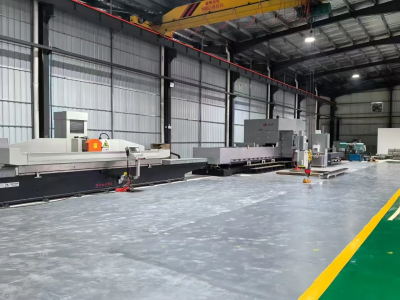
This isn't theory. Our factory floor runs DMG Mori lathes from Germany—precision to 0.0005 inches—and Japanese sintering presses for uniform porosity. Senior techs, 30% of our 100-person team, audit every batch against ISO 9001 specs. Exports to the U.S. hit USDA and REACH compliance without a hitch.
You're probably googling "bearing sleeve" because a line's down or you're quoting a new project. Skip the Alibaba roulette. Get specs that match your DIN 1494 or ASTM standards. We handle imperial and metric, flanged or straight, split or seamless. Talk engineering, not sales hype.
In the next sections, I'll walk through risks you're likely facing, how our sleeves solve them, factory realities, and buyer tips. Stick around—includes a full specs table and procurement checklist.
Table of Contents
Procurement Risks You're Probably Facing
Ordering bearing sleeves sounds simple. Until it's not. First off, material mismatch. A supplier quotes "bronze" but ships phosphor bronze with high tin content—brittle under impact. Your radial load rating drops 20% overnight.
Another killer: poor lubrication design. Self-lube sleeves promise maintenance-free, but cheap ones migrate grease onto shafts, attracting dirt. Bearings fail in weeks. We've rejected shipments ourselves after torque tests showed galling at 500 RPM.
Lead time traps hit hard too. Spot market? 8 weeks quoted, 12 delivered. Production ramps? Add 4 more. U.S. importers eat air freight costs or stockpile excess inventory.
Custom dims? Watch tolerances. Off by 0.002 inches on ID, and press-fit turns into a nightmare. We've consulted on swaps where buyers machined housings oversize—wasted engineering hours.
Container damage rounds it out. Sleeves rattle in loose packing, chips fly, IDs score. Claim fights drag months. Practical tip: demand foam separators and edge protection.
How Our Bearing Sleeves Fix These Issues
We start with proven alloys. SAE 660 bronze for standard loads—excellent machinability, natural lubricity. For dry runs, DX bushings with PTFE/indium layers, rated to 2.5 μ/sqm pressure-velocity.
Customization is routine. Flange additions for axial location. Helical grooves for oil distribution. Even hybrid designs—bronze body, polymer liner—for corrosive environments like food processing.
Testing? In-house thrust washers simulate 5-year service. Hardness checks per Brinell. Every lot traceable to raw ingot.
Compared to U.S. brands like Boston Gear or Oilite, ours match or beat on price per cycle life, with shorter leads from Asia supply chain depth.
| Material | Max Load (psi) | Max Speed (SFPM) | Temp Range (°F) |
|---|---|---|---|
| SAE 660 Bronze | 4000 | 1200 | -40 to 450 |
| PTFE DU | 6000 | 2000 | -328 to 536 |
| Oil-Impregnated | 3000 | 800 | -20 to 200 |
Higher PV means longer life under combined load/speed. Integrators report 25-40% fewer replacements versus generic imports.
Where Bearing Sleeves Shine in Real Operations
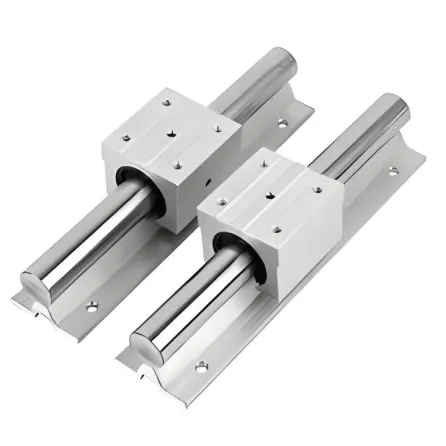
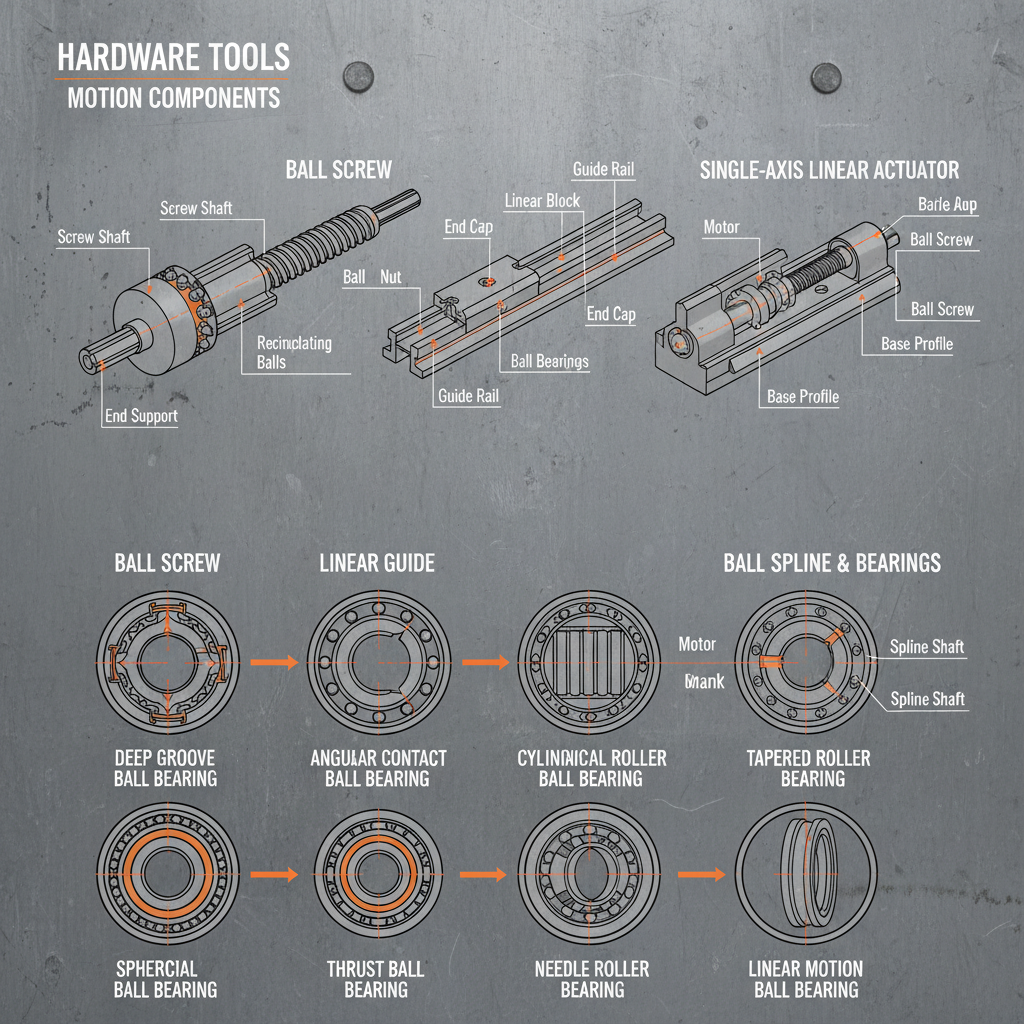
Linear guides and ball screws—our bread and butter. Sleeves support carriages against misalignment. In single-axis actuators, they take end-play out of rods.
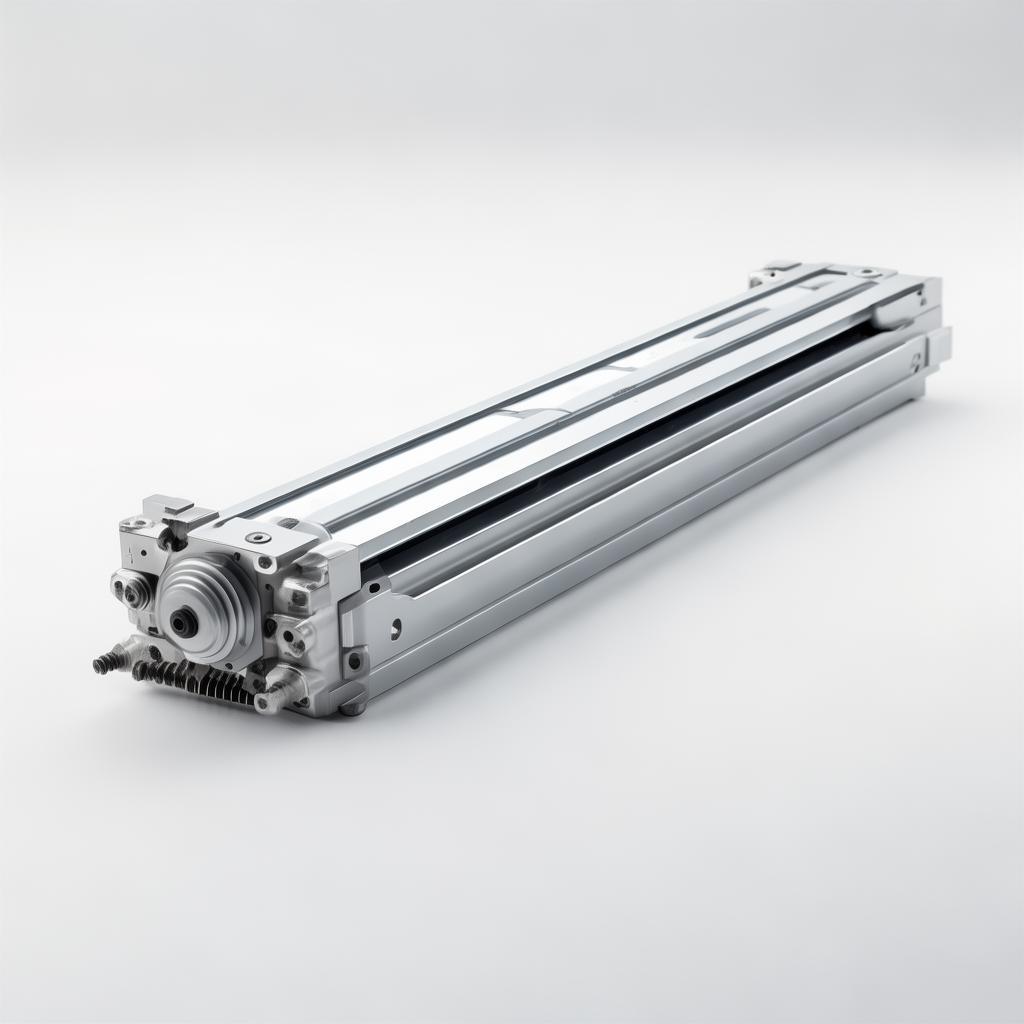
Heavy industry: Steel mills use them in roller tables. Automotive presses for die sets. Packaging lines for chain drives.
Precision apps? Robotics arms, where low-friction DU sleeves cut servo strain. Medical equipment needs FDA-grade polymers— we source those too.
- CNC milling spindles: Vibration damping
- Conveyor pivots: Shock absorption
- Hydraulic cylinders: Rod guidance
- Wind turbine yaw drives: Harsh weather
Detailed Technical Specs Table
Standard stock: ID 0.25" to 4", lengths to 6". Customs no issue.
| Part No. | ID (in) | OD (in) | Length (in) | Type | Load (lbs) |
|---|---|---|---|---|---|
| YS-BS-025 | 0.25 | 0.50 | 1.00 | Bronze | 1500 |
| YS-BS-050 | 0.50 | 0.75 | 1.50 | PTFE | 3500 |
| YS-BS-100 | 1.00 | 1.38 | 2.00 | Oilite | 8000 |
| YS-BS-200 | 2.00 | 2.50 | 3.00 | Bronze Flange | 15000 |
| YS-BS-400 | 4.00 | 4.50 | 4.00 | Custom | 25000 |
Tolerances: ID h7/g6, OD H7. Surface finish Ra 0.8 μm max.
Inside Our Factory: What Sets Us Apart
YIDI Motion kicked off in 2020 with a focus on linear motion—one-stop for ball screws, guides, actuators, splines, and bearings like these sleeves. 100 employees, 30% senior techs. German DMG Mori CNCs, Japanese presses. Annual output? Millions of precision parts.
OEM/ODM is core. We private-label for U.S. distributors, matching your branding and packaging. Full traceability via QR codes on every sleeve.
Certifications:  ISO 9001,
  RoHS, REACH. Exports to Germany, USA, Canada, France, Japan—your neighbors covered.
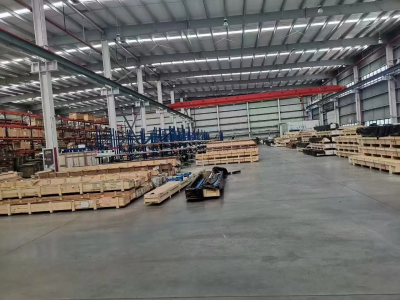
Hebei base means logistics hub access. Shijiazhuang to LA port: 25 days sea.
Schedule Factory Tour VideoInstallation Tips from the Field
Press-fit needs arbor tool—never hammer. Lube lightly with assembly oil. Align shaft 0.001" TIR.
Maintenance: Visual ID checks quarterly. Relube grooves every 500 hours. Warning: Over-grease kills embeddability.
Common error: Running dry on PTFE—fine for startup, but monitor temp rise.
Logistics for U.S. Importers
FOB Xingang. 40' HC holds 15 tons sleeves. Duty? HTSUS 8483.30—check Section 301 exclusions.
sleeve bearing bearing and sleeve flanged sleeve
Incoterms: CIF LA/Long Beach standard. Tracking via SeaRates. Samples via DHL, 5-7 days.
Frequently Asked Questions
- Minimum order quantity?
- 500 pcs stock, 1000 custom. Samples 10 pcs.
- Lead time for 5000 pcs?
- 20 days production + 25 sea = 45 total.
- Can you match McMaster-Carr specs?
- Yes, cross-reference provided.
- OEM branding?
- Full—labels, boxes, your logo etched.
- Warranty?
- 1 year/1M cycles, defects only.
Feedback from U.S. Buyers

"Swapped to YIDI sleeves on our ball screw lines. No more galling after 6 months hard use. Lead time beat quotes from domestic sources." – John M., Ohio Fabricator

"Custom flanged bronze for conveyor pivots. Fit perfect, pricing let us stock extras. Smooth customs too." – Sarah K., Texas Packer

"PTFE dry sleeves handled our dry-run tests better than expected. OEM run incoming." – Mike R., Michigan Automator

"Logistics pro. Container arrived undamaged, exact count. Will reorder." – Tom L., California Distributor
Ready to Spec Your Bearing Sleeves?
HEBEI YIDI IMPORT AND EXPORT TRADING CO.,LTD.
16-1-1601 Aobeigongyuan, Chang'an District, Shijiazhuang City, Hebei Province, China
Phone: +86 18134111662 | Email: adam@yidimotion.com
Get factory-direct pricing. OEM/ODM welcome. Ships to USA weekly.