Bearing Meaning: What It Really Means for Your Machinery and Operations
If you've ever stared at a technical drawing or a supplier quote wondering what "bearing" truly implies in the context of industrial equipment, you're not alone. Procurement teams across factories in the US and Europe grapple with this daily. Bearings aren't just generic parts—they're the unsung heroes that keep shafts spinning smoothly under load, reduce friction, and prevent catastrophic downtime. In simple terms, the bearing meaning boils down to load support and motion facilitation. But dig deeper, and it gets specific to your application's demands: radial loads for heavy rotation, axial for thrust, or hybrids for both.
From my years coordinating exports out of our Hebei facility, I've seen buyers overlook the nuances, leading to mismatched specs and rushed reorders. A ball bearing might handle high speeds but falter on shock loads, while a roller bearing thrives in those scenarios. Understanding bearing meaning starts with context—your machine's RPM, environment, and tolerance for vibration. We've shipped thousands of these to American distributors, and the common thread? Early clarification saves headaches later.
The Technical Breakdown: Core Bearing Functions and Types
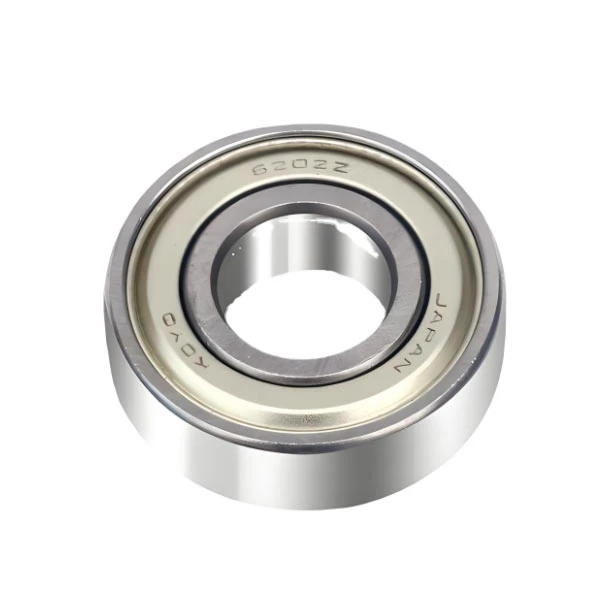
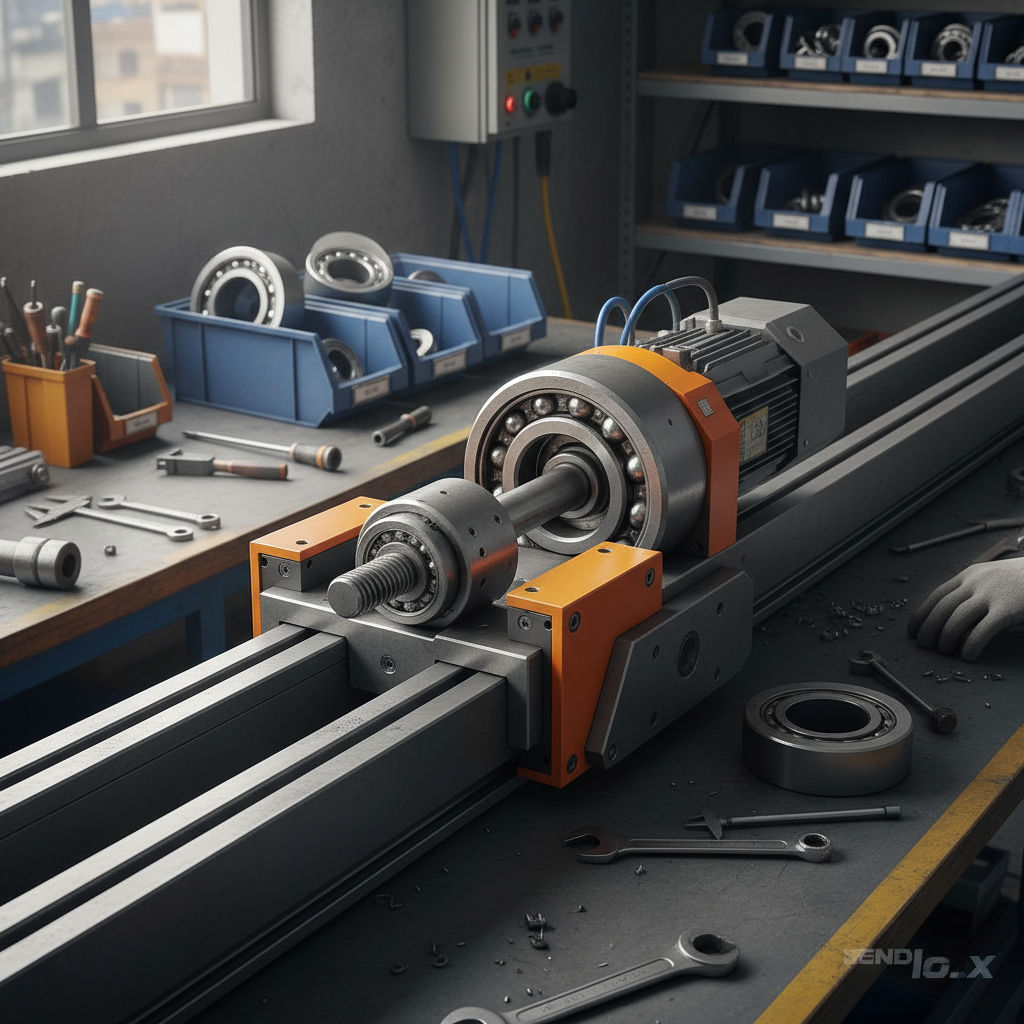
At its essence, a bearing's meaning is mechanical support. It constrains relative motion to only the desired type while minimizing friction and wear. Picture a shaft in a conveyor system: without bearings, metal-on-metal grinding eats efficiency and lifespan. Our production line handles precision ground bearings, often chrome steel for standard duties or stainless for corrosive setups.
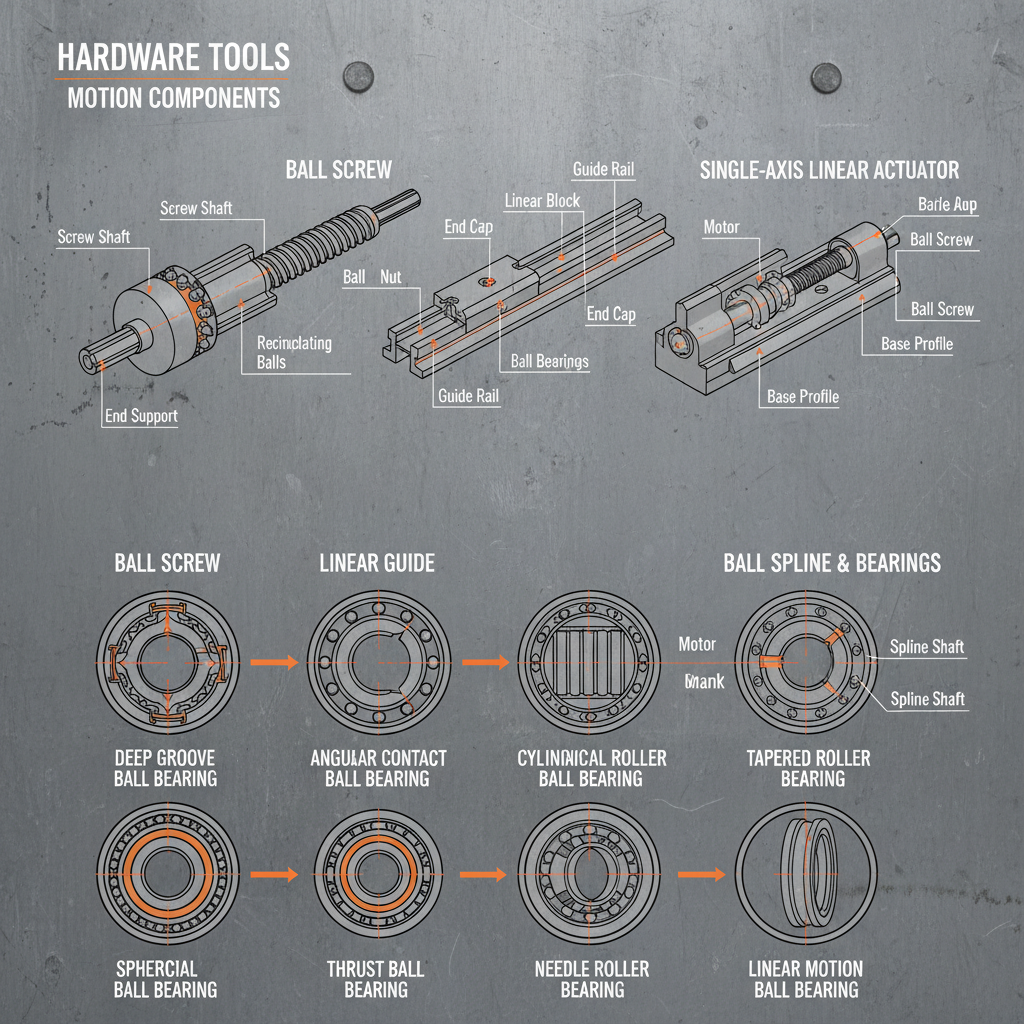
Break it into types—each with distinct meanings in engineering parlance:
- Ball Bearings: Deep groove variants dominate for their versatility. Radial load kings at moderate speeds. Meaning? Everyday rotation in motors, pumps.
- Roller Bearings: Cylindrical rollers distribute loads evenly. Ideal for heavy radial forces, like in mining gear reducers.
- Thrust Bearings: Handle axial loads primarily. Think crane turntables or propeller shafts.
- Angular Contact: Combined radial-axial capability. Precision machines love them for spindle work.
- Self-Aligning: Forgive misalignment—crucial in vibrating environments like textile mills.
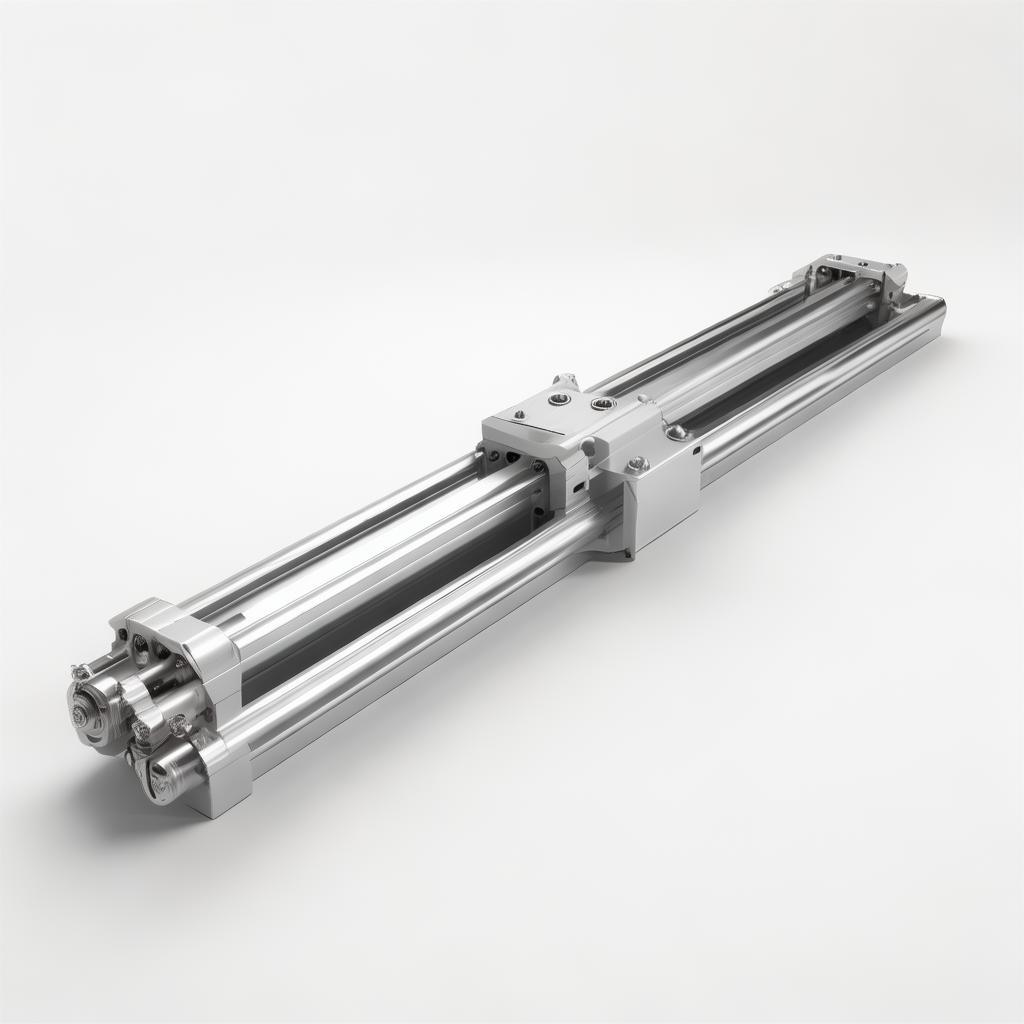
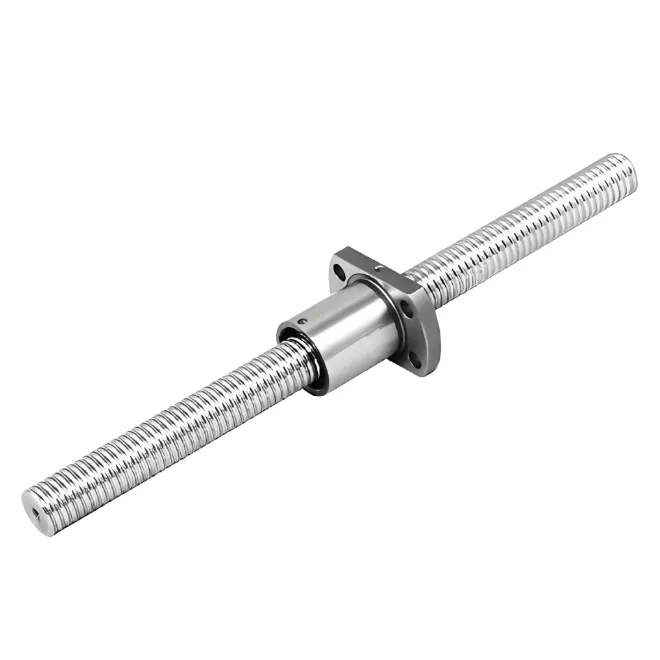
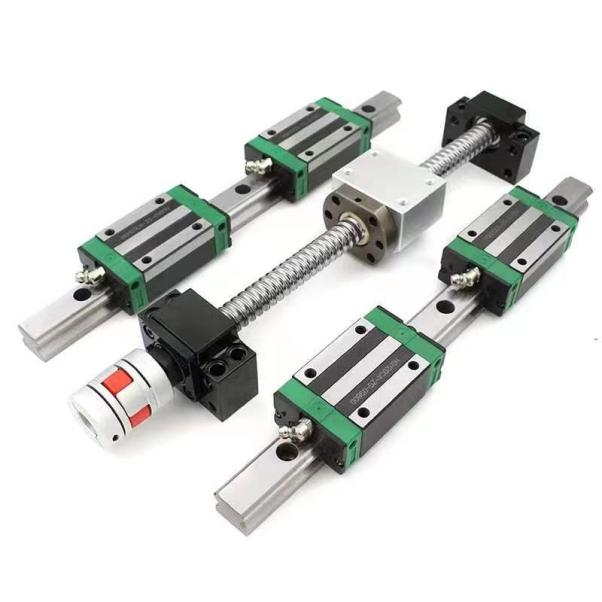
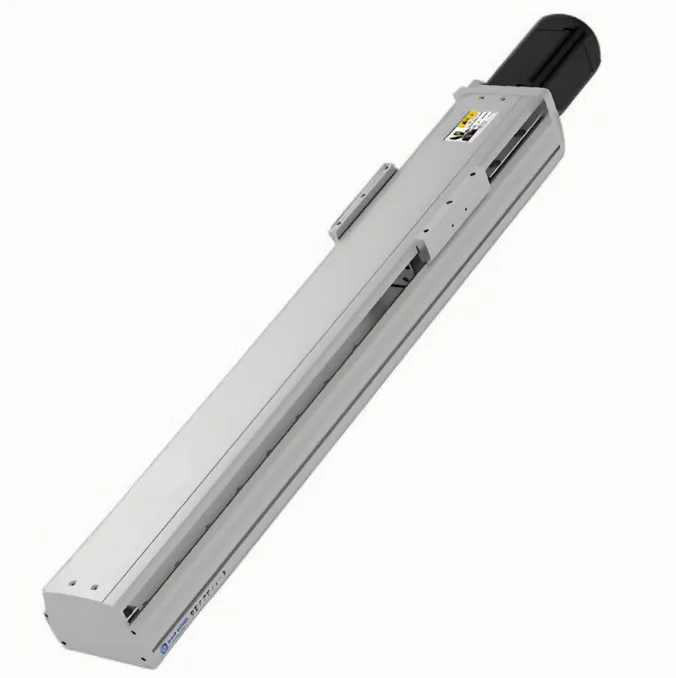
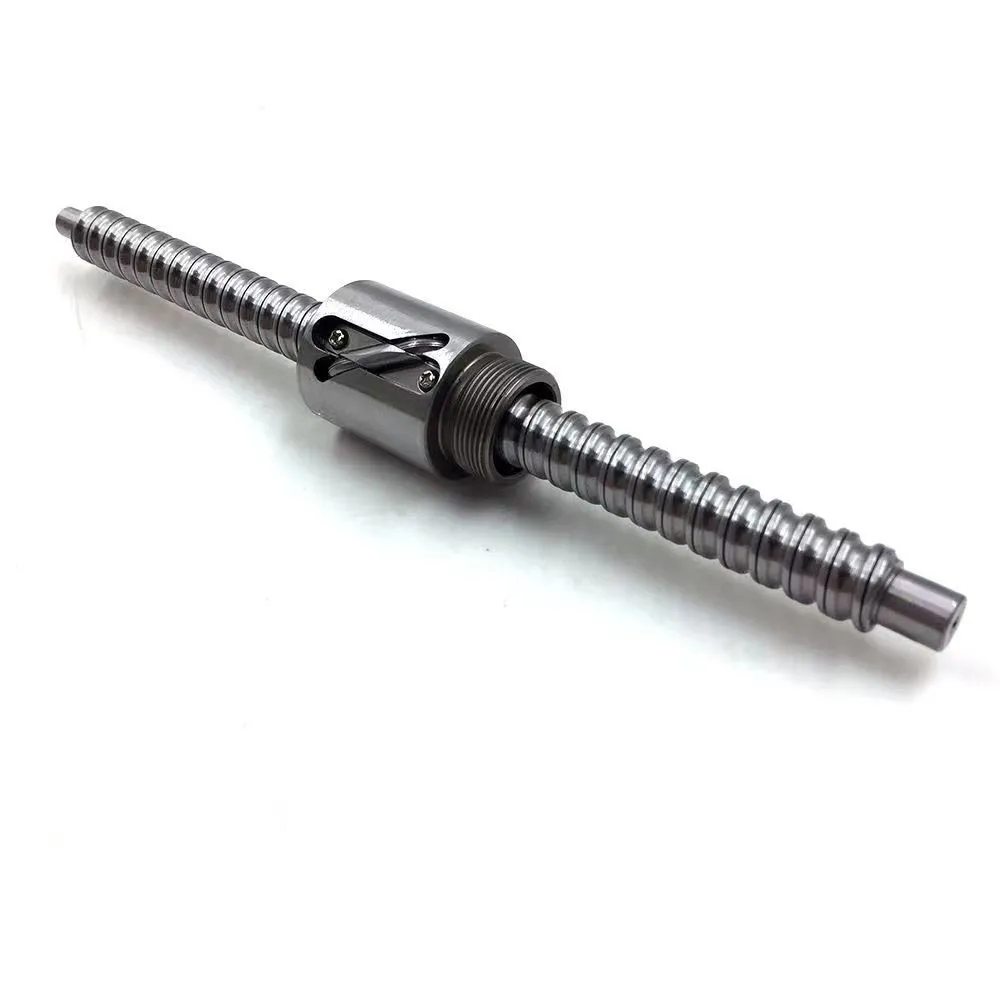
We've integrated these into linear motion assemblies, pairing with ball screws for CNC setups. Production involves heat treatment, grinding to microns, and assembly under clean room conditions. Imported Japanese grinders ensure tolerances hit ABEC 3 or P5 classes routinely.
| Bearing Type | Primary Load | Speed Rating | Typical Application |
|---|---|---|---|
| Deep Groove Ball | Radial | High | Electric Motors |
| Cylindrical Roller | Heavy Radial | Medium | Gearboxes |
| Tapered Roller | Radial + Axial | Medium | Wheel Hubs |
| Thrust Ball | Axial | Low-Medium | Screw Compressors |
These specs come from real runs on our floor. Tolerances? We hold inner diameters to 5 microns post-grind. Lubrication matters too—grease for sealed units, oil baths for high-speed.
Where Bearings Make a Difference: Key Applications
In linear motion systems—which we specialize in—bearings pair with ball screws and guides for precise positioning. Take automation lines: a poorly spec'd bearing vibrates, throwing off tolerances and scrapping parts. Automotive assembly? Tapered rollers handle wheel loads without brinelling.
We've supplied for packaging machines in Canada, where angular contact bearings kept indexers humming at 200 cycles per minute. Harsh environments? Sealed units with nitrile boots fend off dust in aggregate plants.
- Aerospace prototypes: High-precision ceramic hybrids.
- Food processing: FDA-compliant stainless with solid lube.
- Heavy industry: Forged steel rollers for 10-ton presses.
One US importer noted their downtime dropped after switching to our pre-lubed assemblies. Installation tip: always check shaft roundness first—out-of-round by 10 microns halves life.
Buyer's Guide: Selecting the Right Bearing
Procurement isn't guessing. Start with load calculations—radial (Fr) and axial (Fa). Use din ISO 281 for life estimates. For a 6205 ball bearing, L10 life might hit 20,000 hours at 5kN load.
Risks? Undersizing leads to seizure; oversizing wastes budget. Match ID/OD/B width to your housing. We offer CAD models for quick verification.
Steps we've refined over exports:
- Define loads, speeds, misalignment.
- Pick type per table above.
- Specify seals, grease (lithium NLGI2 standard).
- Request samples—test in your rig.
OEM twist: We customize bores, flanges. MOQ starts low for trials.
Ready to spec yours? Email adam@yidimotion.com for a free load calculator.
Pain Points in Bearing Procurement—and How to Avoid Them
I've fielded calls from ops managers in Texas refineries: bearings failing prematurely due to counterfeit grease or poor hardness. China fakes flood markets—always verify 58-64 HRC on races.
Lead times stretch with spot buys. Stock standard sizes with us; customs clear in 25 days to US ports. Vibration issues? Misalignment accounts for 40% of failures—use dial indicators during fit-up.
Logistics snag: Container stuffing. We optimize 20ft loads to 18 tons, pallets shrink-wrapped. Incoterms? FOB Xingang standard, but DAP available for regulars.
HEBEI YIDI: Built for Reliable Bearing Supply
YIDI Motion kicked off in 2020, but our core team brings decades from state-owned giants. 100 staff, 30% senior techs. German DMG grinders, Japanese Okuma lathes—output 50k units monthly.
Exports hit 50+ countries: US integrators get weekly air shipments. Certifications? ISO9001, RoHS compliant. Full traceability via QR on packs.
OEM/ODM our edge: Custom ball splines with integrated bearings. One-stop for linear modules too.
Contact: +86 18134111662 | adam@yidimotion.com | Full Form
Feedback from Procurement Pros
Mark T., Ops Manager, Texas Automation: "Switched to YIDI deep grooves after domestics failed early. Life doubled, no noise. Shipping was spot-on, cleared LAX fast."
Sarah L., Buyer, Canadian Packaging Firm: "Needed angular contacts quick. Samples arrived DHL in 5 days. Tested perfect—now on annual order. Good comms beat big names."
John R., Engineer, US Conveyor Maker: "Roller bearings held up in dusty trials. OEM mod was cheap. Avoided stockouts thanks to their buffer."
Carlos M., Importer, Florida: "Thrust units for my presses. Quality matched SKF at half price. Logistics smooth—no demurrage."
Frequently Asked Questions on Bearing Meaning
What is the basic meaning of a bearing?
A device that supports a rotating shaft, reducing friction via rolling elements or fluid.
How do I know which bearing type for my application?
Calculate loads first. Radial heavy? Roller. Axial? Thrust. We can run sims.
What's the difference between ball and roller bearings?
Balls: higher speed, point contact. Rollers: higher load, line contact.
Are your bearings OEM quality?
Yes, P5 precision standard. Match global brands in testing.
Lead time to USA?
Stock: 3-7 days air. Production: 25-35 days sea.
Can you do custom bearings?
Absolutely. Bore size, material, seals—MOQ 500pcs.
Need Bearings That Perform? Let's Talk Specs
Skip the guesswork. Share your drawing—we'll quote exact matches.
Call: +86 18134111662 | Email: adam@yidimotion.com
Written by Adam Li, Export Director at HEBEI YIDI IMPORT AND EXPORT TRADING CO.,LTD. | Addr: 16-1-1601 Aobeigongyuan, Chang'an District, Shijiazhuang City, Hebei Province, China