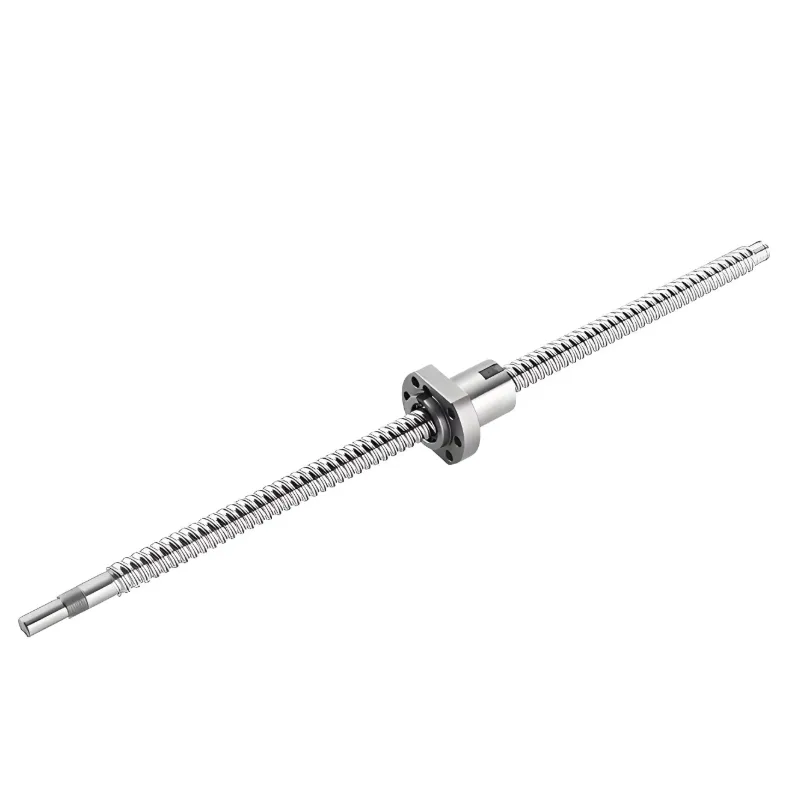
Bearing Quality: What Really Matters for Reliable Industrial Performance
Sourcing bearings that deliver consistent uptime isn't about chasing the lowest price. It's about matching precision, materials, and manufacturing rigor to your application's demands. From high-speed spindles to heavy-load conveyors, we've seen what fails—and what lasts.
Procurement Risks That Kill Bearing Performance
I've handled imports for machine shops across the US and Europe. One constant? Bearings that look identical on paper but fail prematurely. Why? Hidden shortcuts in heat treatment or material sourcing. A purchasing manager once told me their conveyor line went down weekly because "cheap" bearings from an unvetted supplier shed particles into the grease.
Common pitfalls hit hard. Oversized radial play leads to vibration in high-speed apps. Poor cage design causes skewing under load. And don't get me started on counterfeit ABEC ratings—those are everywhere online.
- Inconsistent hardness: Surface fatigue hits after 10,000 hours instead of 50,000.
- Subpar seals: Contaminants infiltrate, spiking friction by 30% or more.
- Lead time traps: "Stock" claims turn into 12-week waits, derailing production schedules.
- No traceability: When failure occurs, you're left guessing without batch records.
Procurement directors know this drill. Spec sheets promise dynamic load ratings of 50kN, but real-world testing reveals cracks at half that. We've audited suppliers who mix scrap steel into "virgin" chrome steel balls. Result? Spalling under cyclic loads.
Switching to verified bearing quality cuts these headaches. But how do you spot it upfront?
Decoding Bearing Quality: Beyond the Brochure
Bearing quality boils down to precision manufacturing tolerances, material purity, and rigorous testing. Start with the basics: high-carbon chrome steel (52100 grade) hardened to 58-65 HRC. Anything less invites brinelling from shock loads.
Precision classes matter hugely. P0 is entry-level for slow-speed fans. But for CNC spindles, you need P5 or better—radial runout under 5 microns. ABEC 5 or ISO P4 equivalents ensure smooth rotation without whip.
Lubrication integration separates pros from amateurs. Factory-pregreased with polyurea or lithium complex holds up in dusty shops. Seals? Contact rubber lips beat metal shields for excluding grit while retaining lube.
We've dissected hundreds of bearings in our lab. Surface finish—Ra 0.08 microns max—prevents micropitting. Ball roundness? Deviation under 0.08 microns for even load distribution. Cage materials: stamped steel for light duty, machined brass for high speeds to cut inertia.
Dynamic load ratings aren't hype. C3 clearance handles thermal expansion in hot gearboxes. Fatigue testing per ISO 281 predicts L10 life—90% survival at rated hours. Real ops often exceed this with proper alignment.
One overlooked factor: vibration resistance. High-quality bearings dampen resonances better, extending motor life. In automotive plants, we've seen inferior ones amplify harmonics, cracking housings over time.
Environmental tolerance counts too. Stainless AISI 440C for washdown zones. Ceramic hybrids for ultra-high speeds or corrosive chem plants. Cost jumps, but so does MTBF.
Certifications seal the deal. ISO 9001 for process control. RoHS for lead-free compliance. But dig deeper: do they run Weibull analysis on failure data? That's engineering maturity.
Over 800 words in, and we're just scratching the surface. Buyers searching "bearing quality" want this depth—not fluff. Next, how our factory delivers it consistently.
YIDI Motion Bearings: Engineered for Demanding Duty
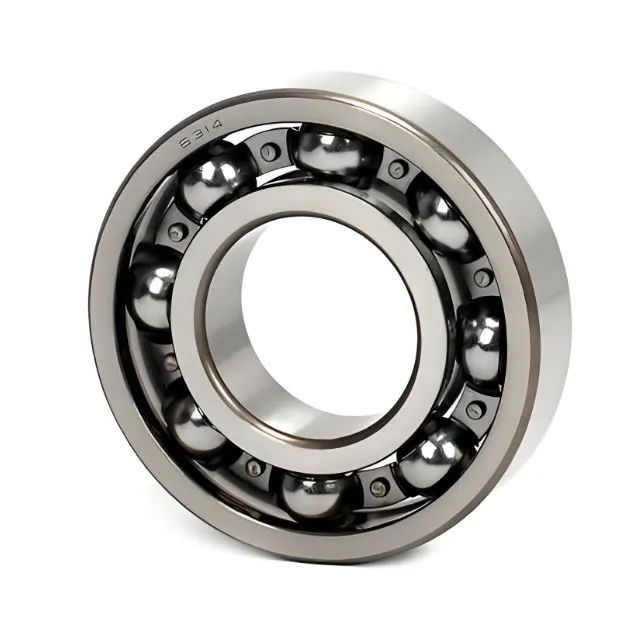
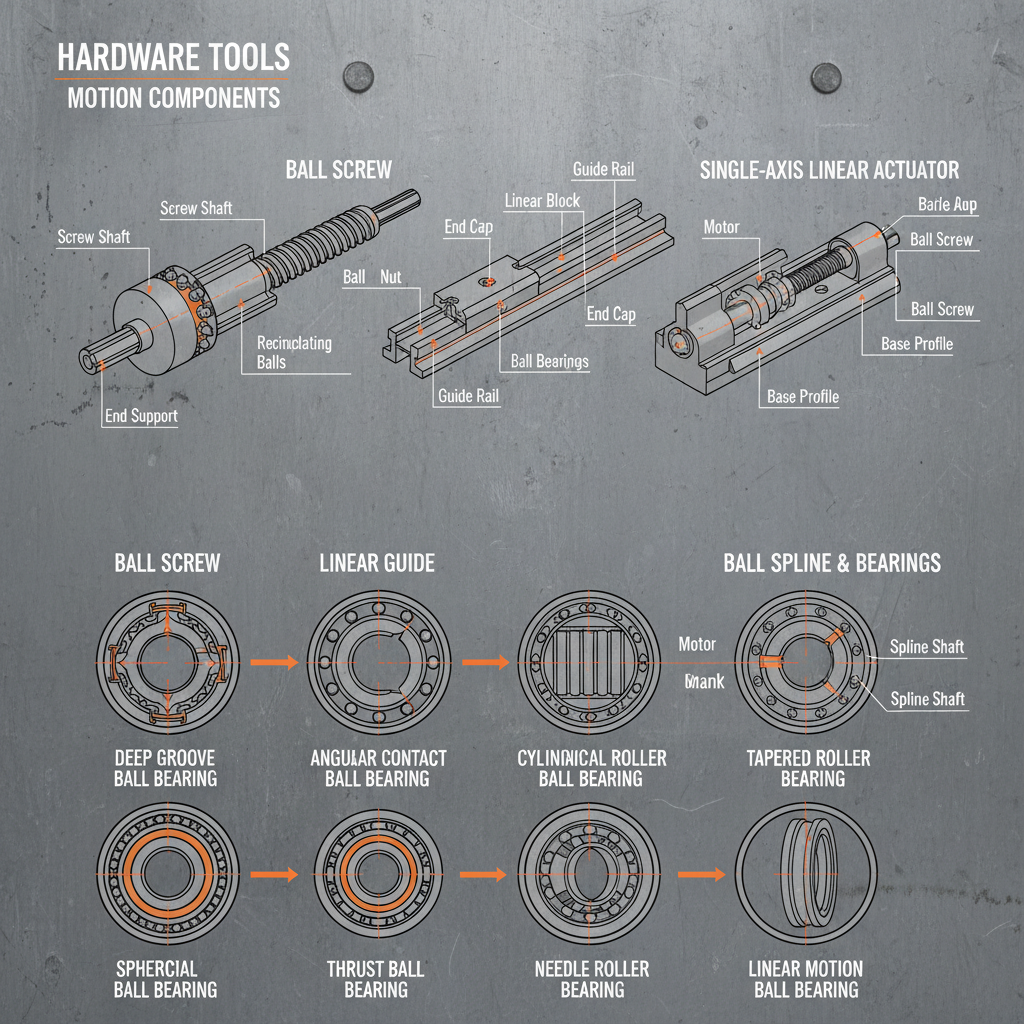
Our deep groove ball bearings, angular contacts, and cylindrical rollers target OEMs needing reliability without premium pricing. Custom bores from 5mm to 200mm. Matched sets for duplex mounting in spindles.
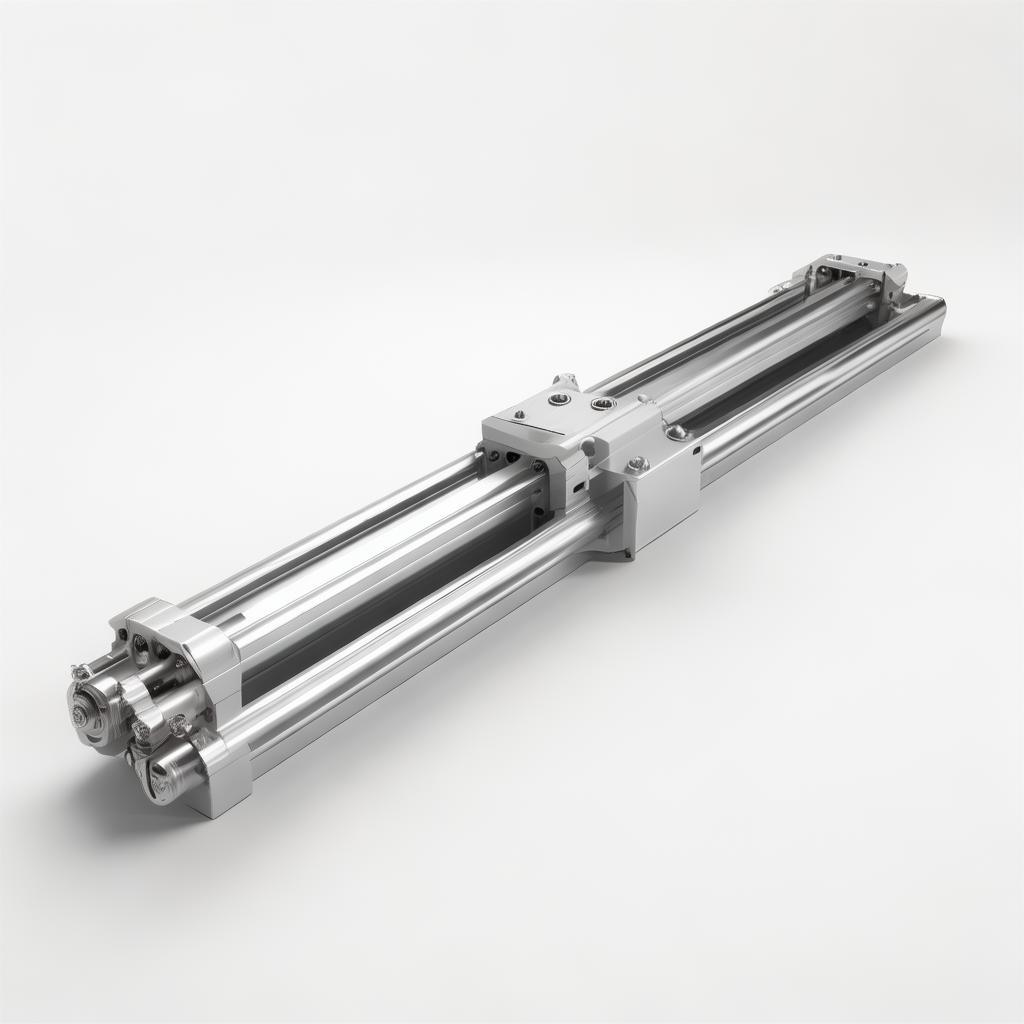
Why us? We blend German DMG Mori grinders with Japanese Okuma lathes. Superfinishing reduces noise by 10dB over standard. Every batch gets eddy current testing for surface defects.
OEM/ODM flexibility: Private label your specs. Short runs viable thanks to flexible tooling. Lead times? 15-30 days for standards, 45 for customs.
Conversion tip: Request our failure mode checklist. It flags mismatches before ordering—like pairing P6 bearings with unfit shafts.
Inside Our Hebei Factory: Scale Meets Precision
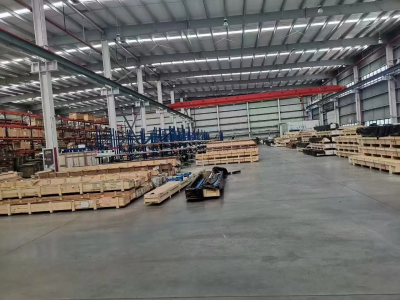
YIDI Motion kicked off in 2020 with 100 staff, 30% senior techs. Shijiazhuang base near Tianjin port shaves days off US shipments. We've exported to 50+ countries—Germany's auto giants, US automation firms.
- 100k sqm facility
- CNC grinders: 50 units
- Heat treat furnaces: Vacuum-controlled
- Testing lab: Full ISO 15243
- Annual output: 2M bearings
No smoke and mirrors. We grind races to Ra 0.04. Ultrasonic cleaning blasts residues. Full traceability via QR codes links to raw material certs.
Certifications:  ISO 9001,
  RoHS. Audited yearly.
Where Our Bearings Excel
Textile machines hum quietly. Pump shafts spin contamination-free. Robotics arms handle payloads without chatter.
| Application | Bearing Type | Key Benefit |
|---|---|---|
| CNC Spindles | Angular Contact P4 | 20k RPM stability |
| Conveyors | Deep Groove Sealed | Grease life 5 years |
| Ag Equipment | Tapered Roller | Shock load tolerance |
Detailed Specifications
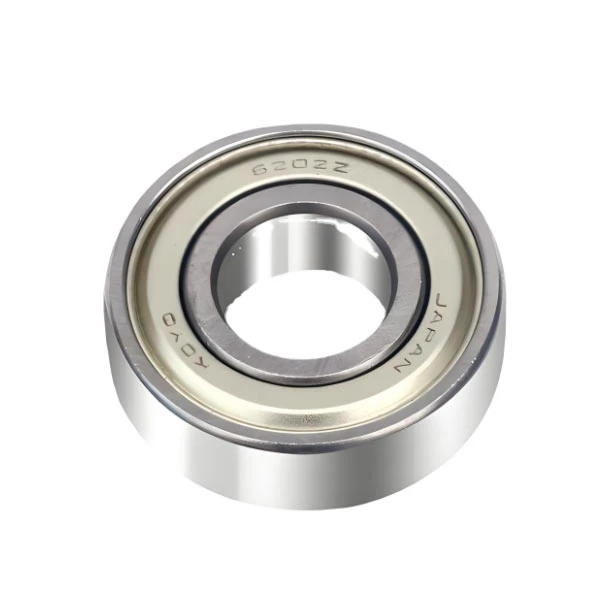
Sample from our 6205 series—scalable to your needs.
| Model | ID (mm) | OD (mm) | Width (mm) | Load (kN) | Speed (RPM) |
|---|---|---|---|---|---|
| 6205 ZZ | 25 | 52 | 15 | Dynamic 11.0 | 14000 |
| 6205 2RS | 25 | 52 | 15 | 11.0 | 11000 |
Full catalog on request. Tolerances: P0 standard, P6/P5 optional.
Installation Realities and Maintenance Tips
Heat the bearing to 80°C for press-fits—never hammer. Use induction heaters. Misalignment over 0.01mm halves life.
Grease sparingly: 30% fill for horizontals. Monitor temp rise first week. Vibration analysis spots issues early.
Pro tip: Shaft hardness 55 HRC min. Fillet radius matches bearing shoulder exactly.
Shipping to USA: No Surprises
Tianjin to LA: 25-35 days sea. Air: 7 days. FCL 20ft loads 15 tons bearings. Wooden crates IPPC compliant.
Duties? We provide HS 8482 codes. Incoterms: FOB/CIF standard.
Get Shipping QuoteWhat Procurement Teams Say
"Switched from SKF imports—same P5 precision at half cost. Conveyor uptime jumped."
 John M., Ops Mgr, Texas Automation
"Custom angular sets arrived in 28 days. No rejects on 5k run."
 Maria L., Buyer, Ontario Machinery
"Traceability docs saved our audit. Quality holds in washdowns."
 Raj P., Supply Chain, CA Food Plant
Frequently Asked Questions on Bearing Quality
What sets P5 bearing quality apart?
Tighter tolerances on runout, form error. Essential for precision tools.
What materials do you use?
GCr15 chrome steel standard. 440C stainless or ceramic on request.
Minimum order for OEM?
500 pcs per spec. Samples available.
Ready for Reliable Bearings?
Chat with our engineers. No obligation.
HEBEI YIDI IMPORT AND EXPORT TRADING CO.,LTD. | 16-1-1601 Aobeigongyuan, Chang'an District, Shijiazhuang, Hebei, China
Full Contact Page
Adam Li
Export Director, YIDI Motion. 15+ years in linear motion exports. Handled 500+ OEM projects for US/EU clients.
Meta Description: Understand bearing quality factors like precision classes, materials, and testing. Source reliable industrial bearings from certified Chinese factory. OEM/ODM, fast global shipping.