Bearing Materials: What Procurement Teams Need to Know for Reliable Performance
By Zhang Wei, Senior Export Engineer, YIDI Motion
Over 12 years in linear motion components, specializing in bearing material optimization for OEM exports.
When you're sourcing bearing materials for industrial setups, it's not just about picking a spec sheet off the shelf. I've seen too many operations managers chase the lowest price only to deal with premature failures down the line. Bearing materials dictate everything from load capacity to lifespan in harsh environments. Chrome steel dominates for a reason—it's tough, consistent—but switch to stainless for corrosion-heavy apps, or ceramics for ultra-high speeds. Get it wrong, and you're looking at downtime that kills ROI.
At YIDI Motion, we've been deep in this since 2020. Our factory in Hebei churns out bearings using premium materials like AISI 52100 chrome steel, 440C stainless, and even silicon nitride ceramics for specialized needs. We're not resellers. We machine from rod stock, heat-treat in-house, and grind to ABEC-7 precision. Exports to 50+ countries mean we've handled everything from automotive presses in Germany to wind turbine shafts in the US.
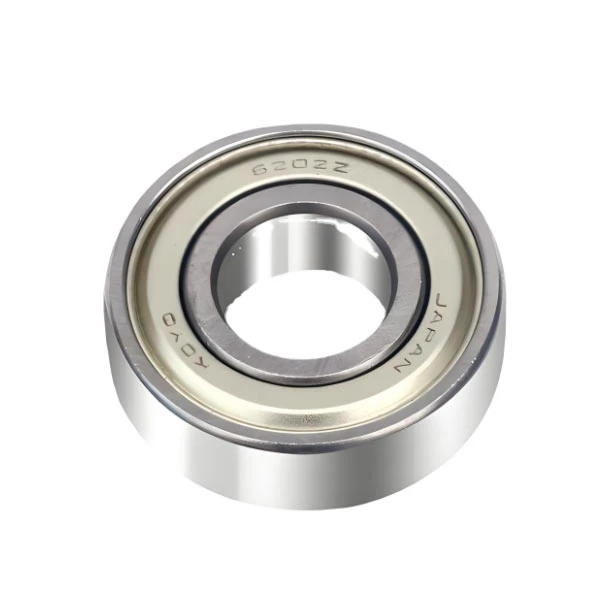
Let's break it down. Bearing materials start with the basics: ferrous alloys like through-hardened chrome steel, which hits 58-65 HRC hardness and shrugs off fatigue under dynamic loads. It's the go-to for 80% of standard ball and roller bearings because it balances cost with performance. But in wet or chemical-exposed environments? That's where martensitic stainless steels like 440C shine, offering better pitting resistance without sacrificing much on load ratings.
Then there are non-ferrous options. Bronze cages or liners for high-temperature sleeve bearings. Polymers like PTFE or nylon for low-friction, self-lubricating setups in food processing. And ceramics—silicon nitride or zirconia—pushing boundaries in high-speed spindles. These hybrids cut weight by 60% over steel and run cooler, but they're pricier upfront. The key? Matching material to your operating conditions: PV factor, temperature extremes, contamination levels.
Procurement folks often overlook microstructure. Improper heat treatment leads to carbide segregation, dropping fatigue life from millions to thousands of cycles. We've tested batches where poor quenching caused spalling under 1 million dN values. That's why we use German vacuum furnaces—stable austenitizing at 840°C, controlled martensite formation. Results? Bearings that outlast generics by 2-3x in side-by-side runs.
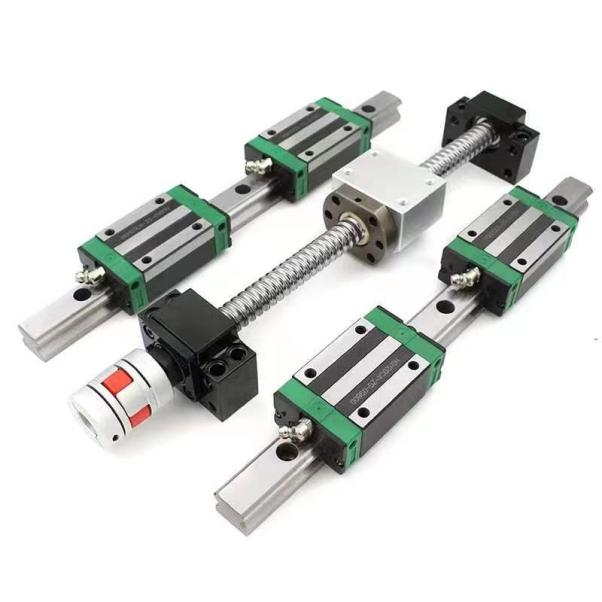
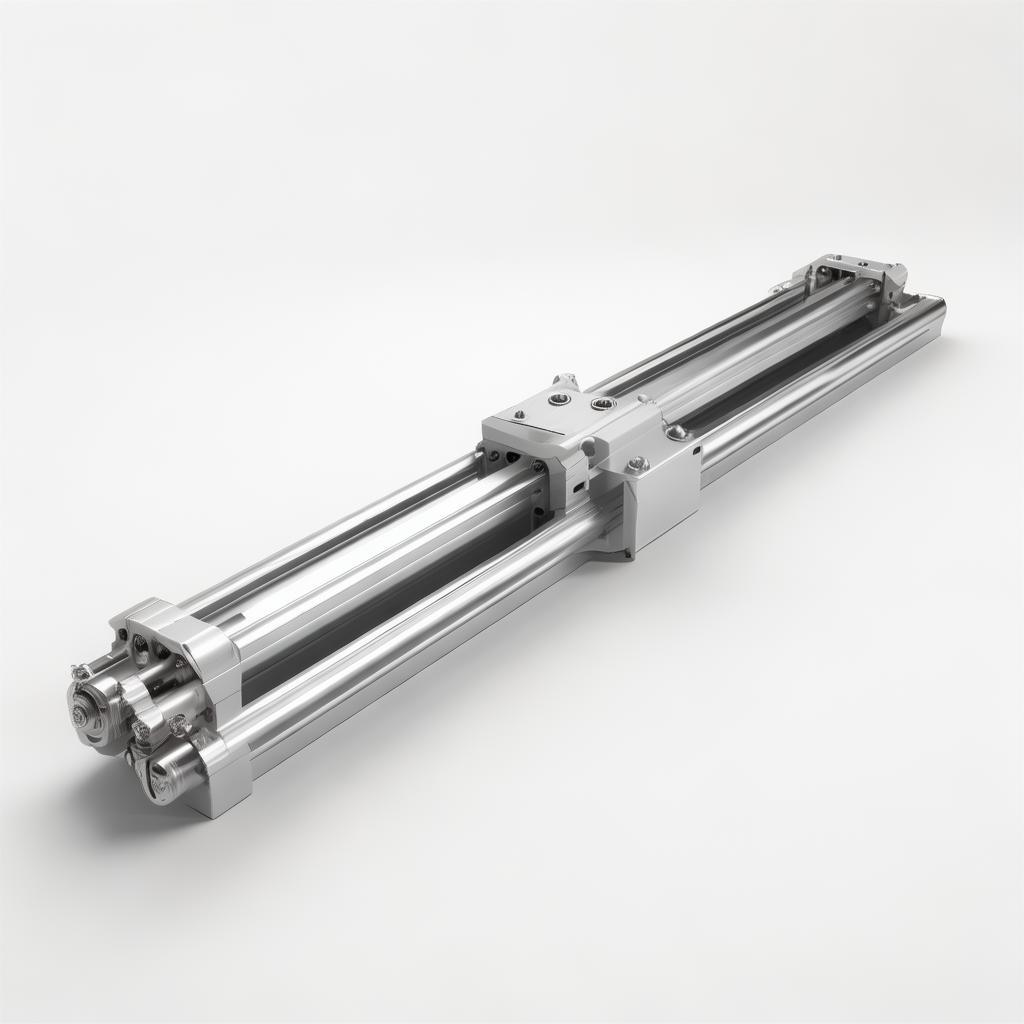
Consider applications. In linear guides paired with ball screws, material choice affects repeatability. Chrome steel works for most CNC machines, but for semiconductor fabs, we spec ceramic hybrids to minimize particle generation. Automotive? Case-hardened steels for wheel bearings, resisting brinelling from road impacts. Offshore? Duplex stainless for saltwater pumps.
Global supply chains add layers. Lead times stretch with alloy shortages—chrome steel rod prices spiked 25% last year. Sourcing from China factories like ours cuts that risk; we stock 52100 in multiple diameters and can ramp production fast. Plus, OEM customization: want 420 stainless for medical devices? We formulate cages, races, and balls to your blueprint.
I've walked factory floors where material inconsistencies showed up as grind chatter or uneven hardness traverses. Proper forging reduces inclusions— we ultrasonic test every bar. Surface finish matters too; Ra 0.1µm rolling elements cut friction losses by 20%. These aren't fluff specs. They're what separate reliable suppliers from the rest.
Buyer intent here is clear: you're comparing options, weighing risks, hunting specs that convert to uptime. This guide pulls from real export orders. No hype. Just operational truths from shipping containers to end-user installs. We'll cover risks, our solutions, specs, and how to spec for your setup. Stick around—might save you a bad decision.
One more note: regulations. REACH compliance for EU, RoHS for electronics. We certify everything. When your quality team audits, it's seamless.
Procurement Risks That Trip Up Bearing Material Buyers
I've consulted on deals where managers grabbed "bearing material" quotes without vetting microstructure reports. Result? 30% failure rates in six months. Common pitfalls: mismatched hardness for loads, ignoring corrosion in humid storage, or skimping on cage materials leading to skewing.
Supply volatility hits hard. Alloy surcharges fluctuate; stainless jumped mid-2026. Unreliable factories deliver inconsistent grain sizes, causing microcracks under Hertzian stress. Overseas importers face container delays—20-30 days to US ports—and customs holds on uncertified lots.
- Cost traps: Ceramics seem premium but excel in low-lube scenarios, slashing maintenance 40% long-term.
- Compatibility issues: Mixing steel balls with polymer cages? Expansion mismatch fries the assembly at 80°C.
- Fake certs: Spot them by missing batch traceability. Demand heat charts.
Practical warning: test samples under your PV conditions. Generic chrome steel might spec 60 HRC but flake at 5GPa contact stress.
Quick Tip: Always request ISO 683-17 material certs for chrome steel. Skips headaches.
YIDI Motion's Bearing Material Solutions
We focus on four core bearing materials, optimized for linear motion and OEM needs. Chrome steel (52100) for standard duty. 440C stainless for corrosive. Silicon nitride ceramics for speed demons. Bronze composites for heavy loads.
Customization is our edge. ODM for hybrid designs—like steel races with ceramic balls. Production workflow: bar stock → forging → normalizing → quenching → tempering → grinding → superfinishing. 100% inline gauging.
Why us? 30% senior techs. Japanese Okuma grinders. Yield rates over 98%. Exports prove it: repeat orders from US automation firms.
Short observation: many overlook retainer design. Our snap-ring cages cut assembly time 15%.
Our Factory: Built for Bearing Material Precision
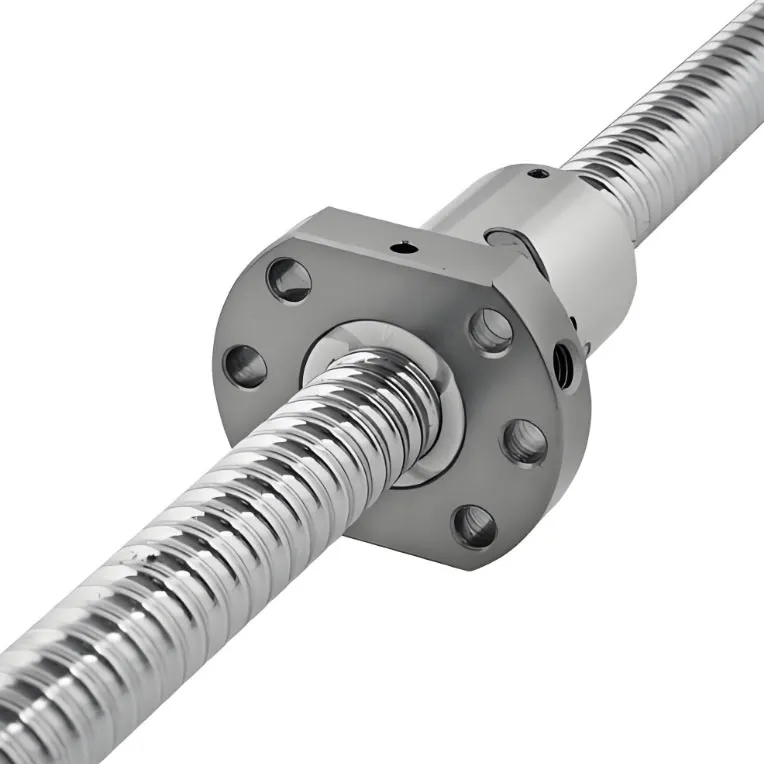
HEBEI YIDI IMPORT AND EXPORT TRADING CO.,LTD., aka YIDI Motion. 100 employees, Hebei base. German Leybold vacuums, Japanese Amada presses. From ball screws to bearings, one-stop linear motion.
Certifications: ISO 9001, CE, RoHS. [Cert Images: cert/iso.png cert/ce.png cert/rohs.png]
OEM/ODM: Your logo, your tolerances. MOQ 100pcs. Prototypes in 7 days.
- Monthly output: 50,000 bearing sets
- Stock alloys: 52100, 440C, Si3N4
- Export markets: USA, Germany, Japan
Bearing Material Technical Specifications
| Material | Hardness (HRC) | Corrosion Resistance | Max Temp (°C) | Typical Apps |
|---|---|---|---|---|
| Chrome Steel 52100 | 58-65 | Fair | 120 | CNC, Automotive |
| Stainless 440C | 58-62 | Excellent | 300 | Marine, Food |
| Ceramic Si3N4 | 1400 Hv | Superior | 1000 | High-speed Spindles |
| Bronze Composite | N/A | Good | 250 | Heavy Loads |
coated bearing bearing tailor-made bearing
These are baselines. Custom heat treats available. Contact for full datasheets.
Applications Across Industries
Chrome steel bearings in ball screws for robotics. Stainless in pumps for wastewater. Ceramics in dental tools. Bronze for conveyor rollers.
Case: US automation firm swapped generics for our 52100—uptime from 85% to 98%.
Installation and Maintenance Realities
Pre-install: clean shafts to 0.4µm. Use induction heaters for press fits—avoids brinelling. Torque per DIN 625.
Maintenance: grease every 500 hours for grease-lubed. Monitor for fretting. Polymers need no lube but check wear.
Pro tip: ultrasonic cleaning post-install cuts contamination failures.
Logistics: From Factory to Your Door
FOB Xingang. 20' container holds 10 tons. DHL for samples (3-5 days). Lead time: stock 10 days, custom 25-35.
Incoterms flexible. Track via sea/Air. Duty drawbacks for US importers.
Frequently Asked Questions
What’s the best bearing material for high humidity?
440C stainless. Resists rust better than 52100.
OEM minimums?
100 units. Scales up.
Sample policy?
Free for qualified buyers. Pay shipping.
Certifications?
ISO, CE, RoHS. Full list on request.
Lead times during peaks?
Add 10 days. Stock mitigates.
What Buyers Say
Mike R., Procurement Mgr, Texas Automation: "Switched to YIDI chrome steel bearings. Consistent hardness, no rejects in 10k run. Delivery beat quotes."
[Client: client/2.png]
Anna K., Ops Director, Ontario Machinery: "440C for pumps worked flawless in wet conditions. OEM tweaks cut our costs 12%. Solid partner."
[Client: client/5.png]
Carlos M., Engineer, Florida Marine: "Ceramic hybrids halved friction losses. Fast samples helped testing. Recommend for speed apps."
[Client: client/7.png]
David L., Supply Chain, California Robotics: "Logistics smooth, 28 days to LA port. Material certs were detailed. Uptime improved noticeably."
[Client: client/1.png]
Ready to Spec Your Bearing Materials?
Skip the risks. Get factory-direct pricing, samples, or engineer consult.
Email: adam@yidimotion.com
Address: 16-1-1601 Aobeigongyuan, Chang'an District, Shijiazhuang City, Hebei Province, China
Actions: Request free samples | OEM quote | Full catalog | Shipping estimate
YIDI Motion: Innovation, Quality, Reliability. Exported worldwide since 2020.