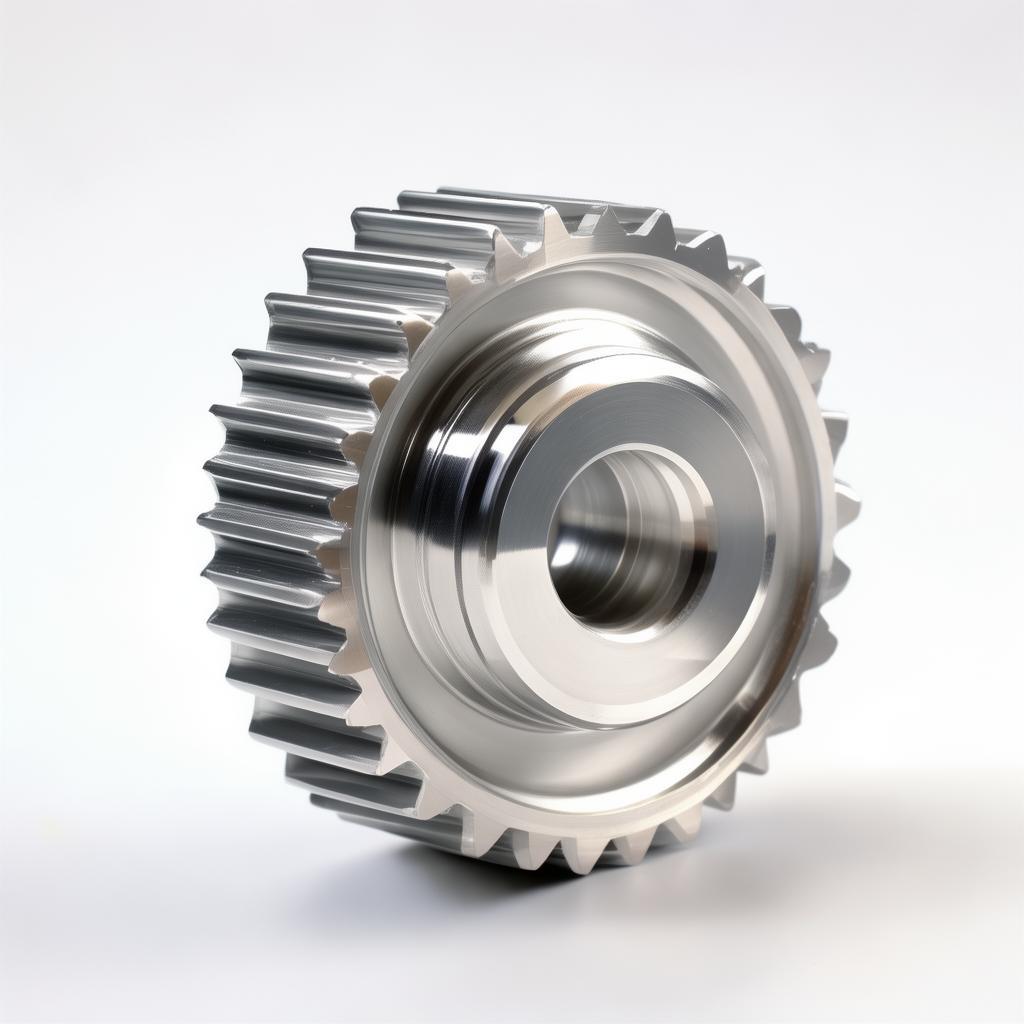
Bearing Block Types: Practical Guide for Procurement Teams
When your production line grinds to a halt because a shaft misalignment throws off tolerances, you start digging into bearing block types. We've seen it happen too often—managers scrambling for replacements that match exact specs under tight deadlines.
Get Factory-Direct Pricing Today | +86 18134111662 | adam@yidimotion.com
Page Contents
- 1. Understanding Bearing Block Basics
- 2. Common Bearing Block Types Explained
- 3. Real-World Applications Across Industries
- 4. Key Features and Material Choices
- 5. Installation and Maintenance Realities
- 6. Procurement Checklist for Importers
- 7. YIDI Motion Factory Capabilities
- 8. Logistics from China to Your Door
- 9. Customer Insights
- 10. FAQs for Buyers
What Exactly Are Bearing Blocks—and Why Do Types Matter in Your Setup?
Picture this: you're overseeing a conveyor system in a Midwest warehouse. Vibration starts creeping in. Downtime costs pile up. Turns out, the bearing block isn't holding the shaft steady under load. Swap in the wrong type, and you're back to square one.
Bearing blocks—also called plummer blocks or pillow blocks in some circles—house rolling element bearings to support rotating shafts. They take radial and axial loads, keep alignment, and shrug off contaminants. But not all handle the same environments. A fixed-type block shines in stable setups; an adjustable one flexes for thermal expansion.
Procurement folks often overlook this. They grab the cheapest option from a catalog, ignoring shaft diameter tolerances or mounting patterns. We've shipped thousands to U.S. ops managers who learned the hard way. Mismatched blocks lead to premature wear, especially in humid plants or dusty mills.
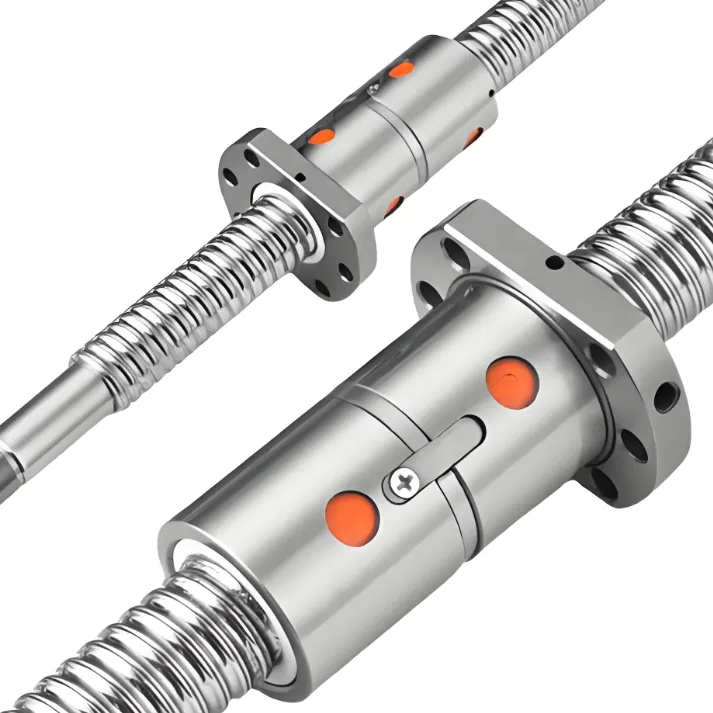
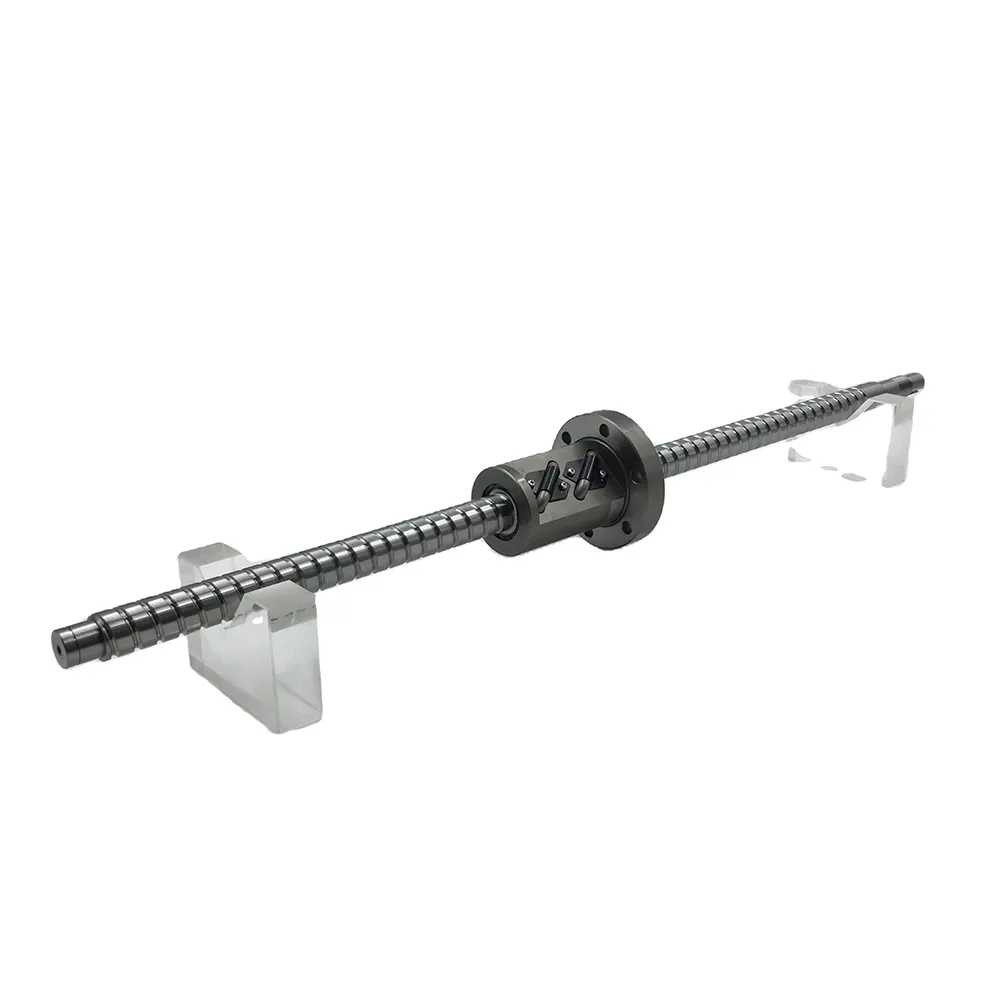
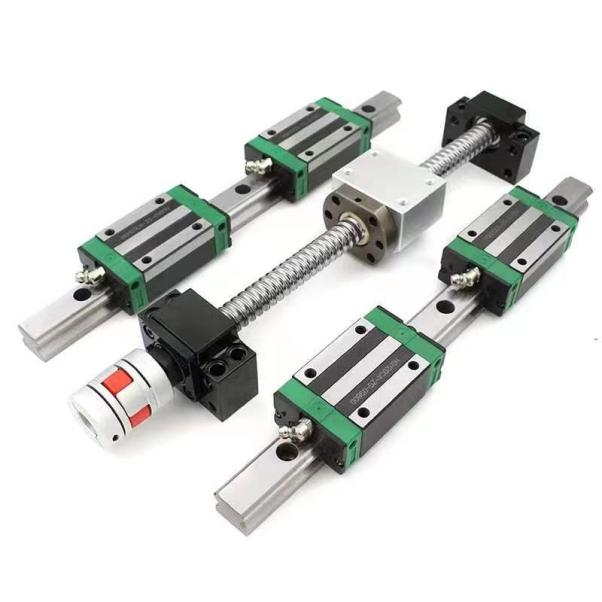
At YIDI Motion, we've honed this over four years. Our blocks pair with ball screws and linear guides, but stand alone too. Cast iron for heavy-duty? Sure. Stainless for food-grade lines? No problem. OEM tweaks? We do that daily.
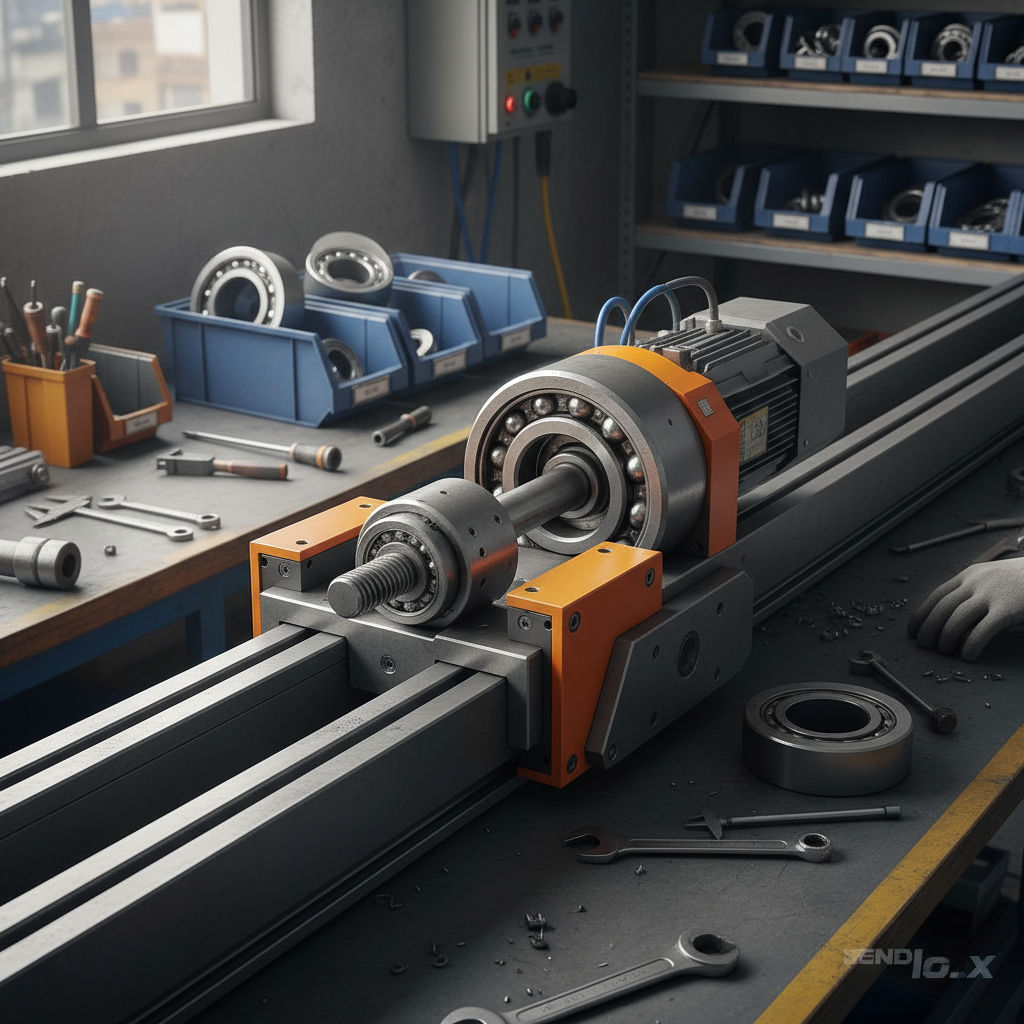
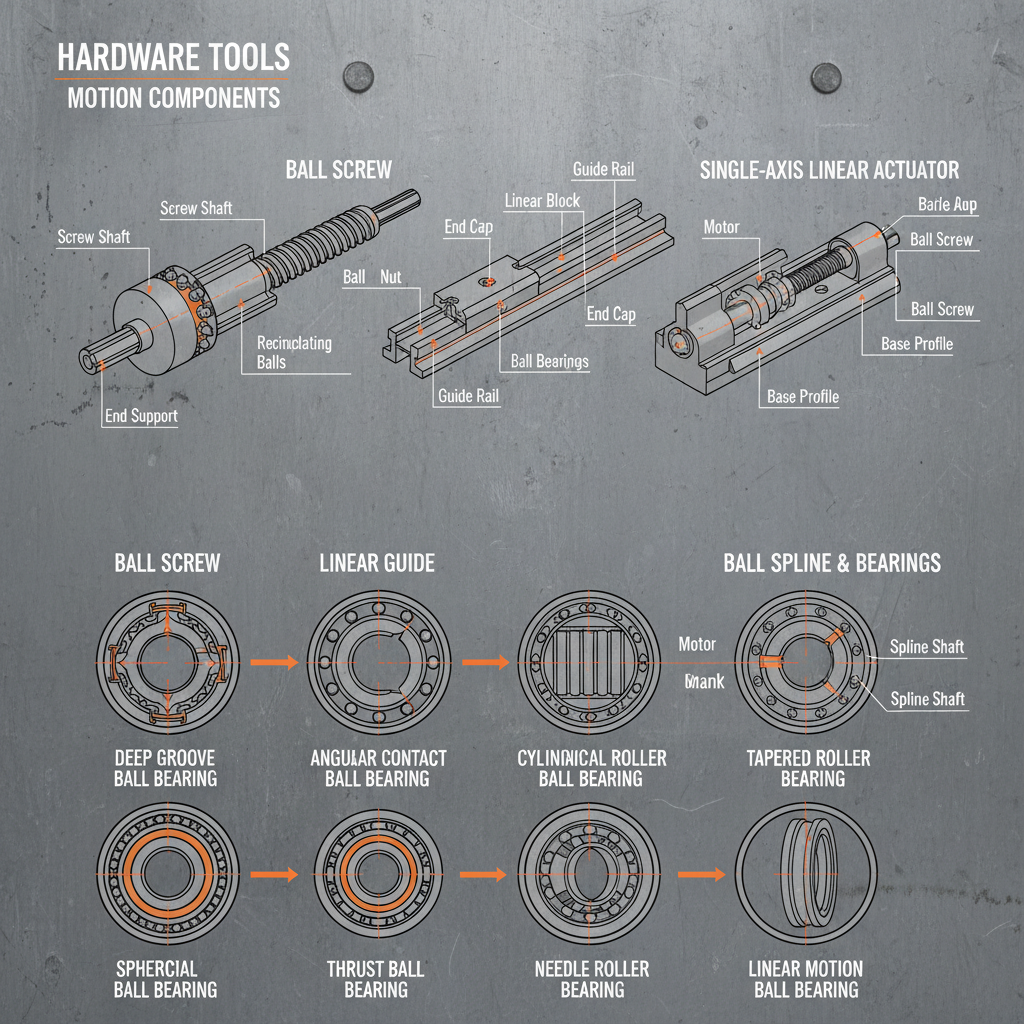
Let's break it down. Start with the core mechanics. A bearing block consists of a housing, often split for easy insert, and the bearing itself—deep groove, spherical roller, you name it. Seals keep grease in, dirt out. Mounting holes vary: two-bolt base for light duty, four-bolt for vibration-heavy apps.
Why types? Each addresses specific pain points. Pillow blocks excel in free-end supports. Flange types hug walls tight. Take-up units adjust conveyor tension on the fly. Miss the match, and efficiency drops. One client cut unplanned stops by half after switching to our SNL-style split housings—easier relube without full teardown.
Industry shifts play in too. With automation booming, blocks now integrate sensors for condition monitoring. U.S. importers chase lead times under 30 days. Chinese factories like ours deliver, but specs must align first. Ever dealt with ISO tolerance classes? H7 for shafts, J7 for housings—get it wrong, fretting starts early.
Materials tell the story. Gray cast iron dominates for cost and damping. Ductile iron ups shock resistance. Pressed steel suits light loads. Thermoplastics? Rare, but corrosion-free in washdowns. Coatings like epoxy fight rust in coastal plants.
Buyer intent here is clear: compare types, vet suppliers, minimize risk. You're not window-shopping; you need blocks that bolt in, last 20,000 hours, and ship FOB Xingang without customs snags. We've exported to 50+ countries—Germany's precision shops to Canada's oil rigs.
Standards seal trust. ISO 113:1999 for dimensions. DIN 69871 for tooling ties. CE marking for EU entry. Our Hebei plant hits RoHS, REACH compliance. No nickel shortcuts.
Operational tip: check bore tolerances early. A 50mm shaft in a 50.015mm bore? Fine initially, but heat expands it loose. Engineers at YIDI run CMM checks per batch.
This isn't fluff. Procurement directors tell us they save 15-25% on total lifecycle costs with right-block-right-job picks. Installation mismatches? They double MTBF issues.
We'll dive deeper next. But if shaft speed tops 3000 RPM, message us—high-speed ceramic hybrids might fit.
Bearing Block Types: From Pillow to Split Housings
Solid one-piece housings. Simpler, cheaper. But teardown means shaft-out time.
Split designs? Game-changer for 200+ kg machines. Our FNL series mimics SKF reliability at half cost.
| Type | Best For | Load Capacity | Mounting |
|---|---|---|---|
| Pillow Block (UCP/UC) | Conveyors, fans | Medium radial | 2/4-bolt base |
| Flange (UCFC/UCF) | Wall mounts, compact | Light-medium | Square/oval flange |
| Take-Up (SUCP) | Belt tensioning | Adjustable axial | Sliding base |
| Split Plummer (SNL/SE) | Heavy industry, paper mills | High radial/axial | Pedestal mount |
| Cartridge (FSL) | Drop-in repairs | Medium-high | Cylindrical outer |
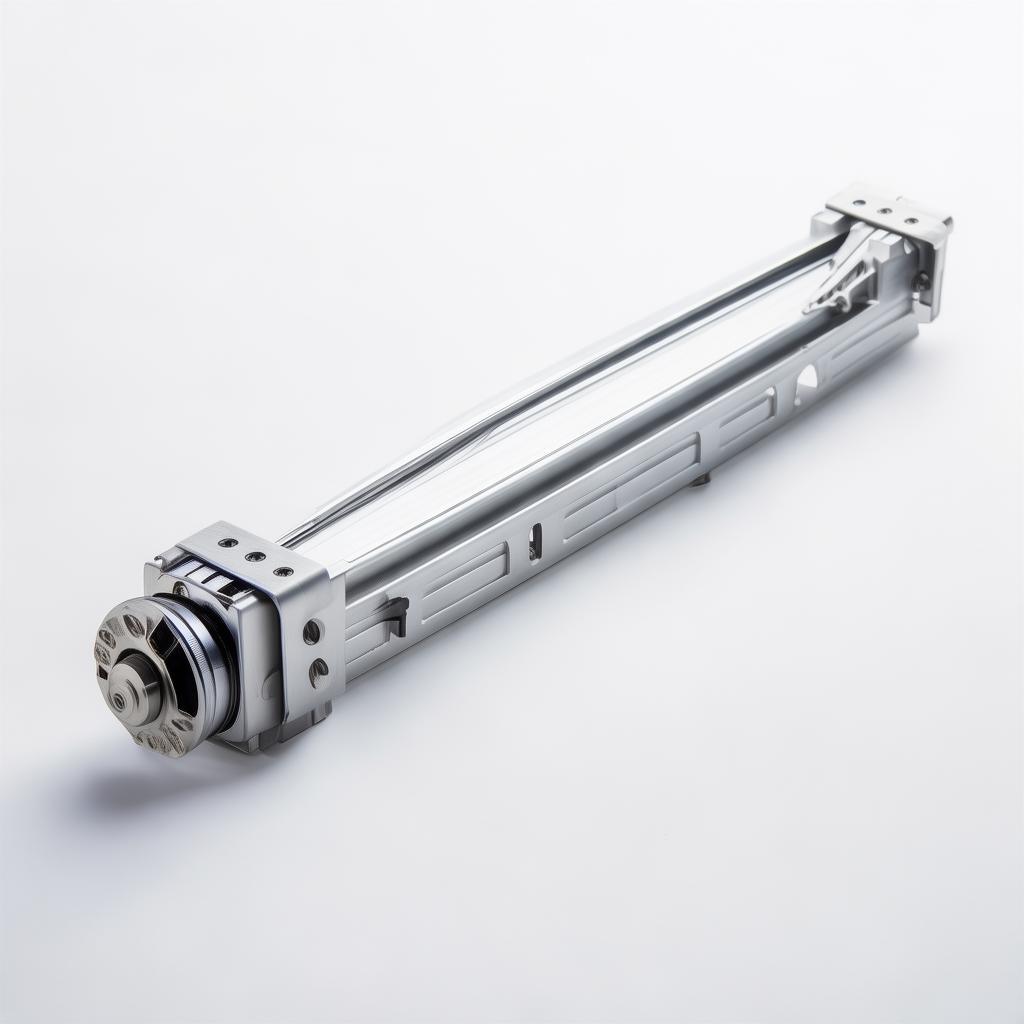
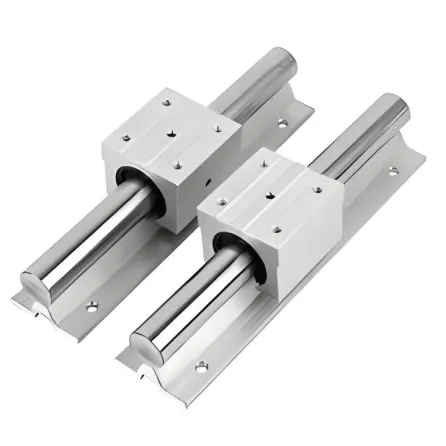
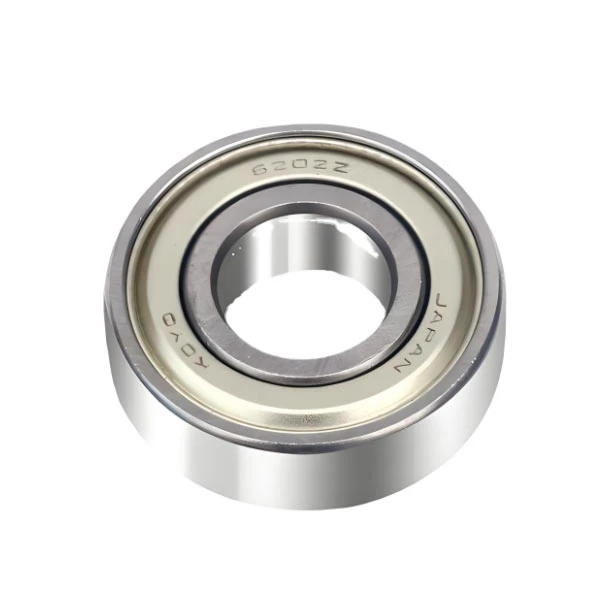
block bearing bearing type type of bearing
Pick based on misalignment tolerance. Spherical OD bearings forgive 2-3 degrees. Self-aligning rollers handle more.
Warning: Cheap imports skimp on housing strength. Cracks under 10g vibration. Test dynamic load ratings.
Quick Tip: For linear actuators, pair with fixed-end pillow blocks. Reduces whip at 2m/s speeds.
Request our type comparison sheet: adam@yidimotion.com
Where Bearing Block Types Shine in Daily Operations
Food processing: Stainless UCFL blocks resist CIP washes. No rust after 5000 hours.
Textile mills: SN-series split blocks. Easy bearing swaps mid-shift.
- Mining crushers: Ductile iron SNU for shock loads over 50kN.
- CNC spindles: Precision FNL with ABEC7 bearings.
- HVAC fans: Light-duty pressed steel UCP to cut weight 30%.
- Solar trackers: Adjustable take-ups for seasonal tilt.
Our blocks support ball spline axes too. One U.S. automation firm integrated them into gantry systems—smoother motion, less backlash.
Procurement note: Match IP rating. IP65 for dusty floors; IP67 for intermittent sprays.
Features That Separate Reliable Blocks from the Rest
Grease fittings matter. Zerk types beat felt—relube without disassembly.
Our lineup: Eccentric collars for quick lock; set screws for budget. Taconite seals for abrasives.
- Material Grades: QT500-7 ductile, HT200 gray iron, SUS304 stainless.
- Tolerances: P0 standard, P6 on request.
- Temp Range: -20°C to 120°C standard; Viton seals to 200°C.
- Customization: Non-standard bores, drilled feet.
Factory edge: German-imported grinders ensure Ra 0.8µm housing bores. No insert bind.
Compare to domestics. Offshore often skips stabilizing rings—leads to roller skew.
Ready for OEM specs? Talk engineer: +86 18134111662
Installation Pitfalls and Field-Tested Advice
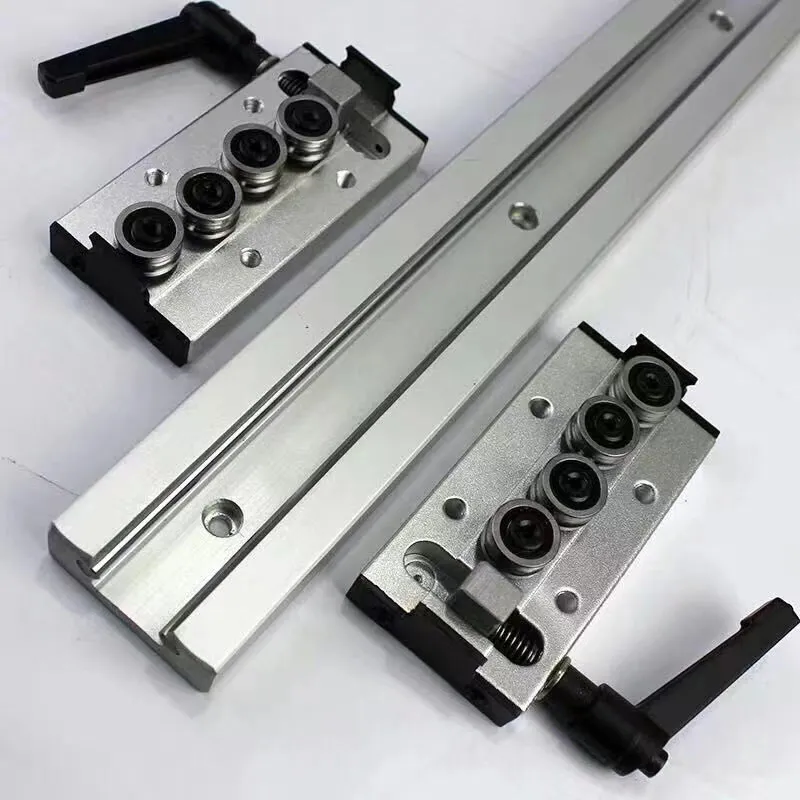
Bolt torque? Overdo it, housing cracks. Specs say 20-50 Nm typical.
Shaft prep: Clean to 0.4µm, no burrs. Heat block 80°C for press-fit.
- Level base within 0.02mm/100mm.
- Check runout under 0.05mm.
- Torque sequence: Cross pattern.
- Initial lube: 30% fill, lithium complex.
Maintenance: 2000-hour intervals. Feel for play. Ultrasonic detects early spalling.
We've trained dozens of U.S. teams remotely. Saves airfare.
Procurement Guide: Avoid Common Importer Traps
Risk 1: Sample fakes bulk quality. Demand 3rd-party test reports.
Risk 2: Lead time lies. Ours: 15-25 days stock; 35-45 custom.
Evaluate suppliers:
- Factory audit trail?
- 100+ staff, 30% seniors?
- Export volume proof?
- Container packing photos?
- Return policy?
YIDI checks all. FCL 20GP holds 5000 pcs typical.
Get your checklist PDF emailed.
Inside YIDI Motion: 100-Employee Precision Operation
Shijiazhuang base. Japanese CNC lathes, German spectrometers. 30% seniors from state institutes.
OEM/ODM core. Ball screws to blocks—one-stop. Exported 50 countries: U.S. integrators love our MOQ 50.
Certifications: ISO9001:2015, CE, RoHS. (See cert/iso.png, cert/ce.png in catalog)
Our mission? Reliable motion parts. No stockouts since '21.
Shipping Realities: China to USA in 25-40 Days
FOB Xingang/Tianjin. LCL $200/cbm; FCL $2500/20GP.
Duties: 2.5% typical HS 8483.20. Incoterms: CIF LA accepted.
Packing: Wooden crates, anti-rust paper. Vibration-tested.
Track via sea freight forwarder. Door-to-door options.
Plan your quote now.
What Procurement Managers Say
Mike R., Ops Manager, Ohio Automation: "Switched to YIDI pillow blocks after NSK delays. Half the price, same C3 clearance. Installed in a day."
Sarah L., Buyer, Texas Machinery: "Flange types held up in dusty shop. Custom bores no issue. Shipping smooth via LA port."
Tom K., Engineer, Canadian Fabricator: "Split SNL clones saved retrofit costs. Tech support via WeChat was clutch."
Carlos M., Procurement Dir., Mexico Plant: "OEM run of 1000 units. Quality beat Timken samples. Repeat order incoming."
FAQs: Bearing Blocks for Importers
What’s the most common bearing block type? Pillow blocks for general use. Versatile mounting.
UCP series fits 80% apps.
Lead times for custom types? 4-6 weeks. Stock bores ship faster.
MOQ? 50 pcs. Samples 1-5 pcs.
Can you match SKF/NSK dimensions? Yes, drop-in compatible.
USA voltage for testing? We certify pre-ship.
More? Hit reply.
Ready to Spec Your Bearing Block Type?
Factory pricing, samples, engineering chat. Zero risk trial.
www.yidibearings.com/contactus.html | Shijiazhuang, Hebei, China
16-1-1601 Aobeigongyuan, Chang'an District
By Alex Chen, Export Director, YIDI Motion
25+ years in linear motion exports. Profile: author/3.png
Updated: 2026 | HEBEI YIDI IMPORT & EXPORT TRADING CO., LTD. | All rights reserved.