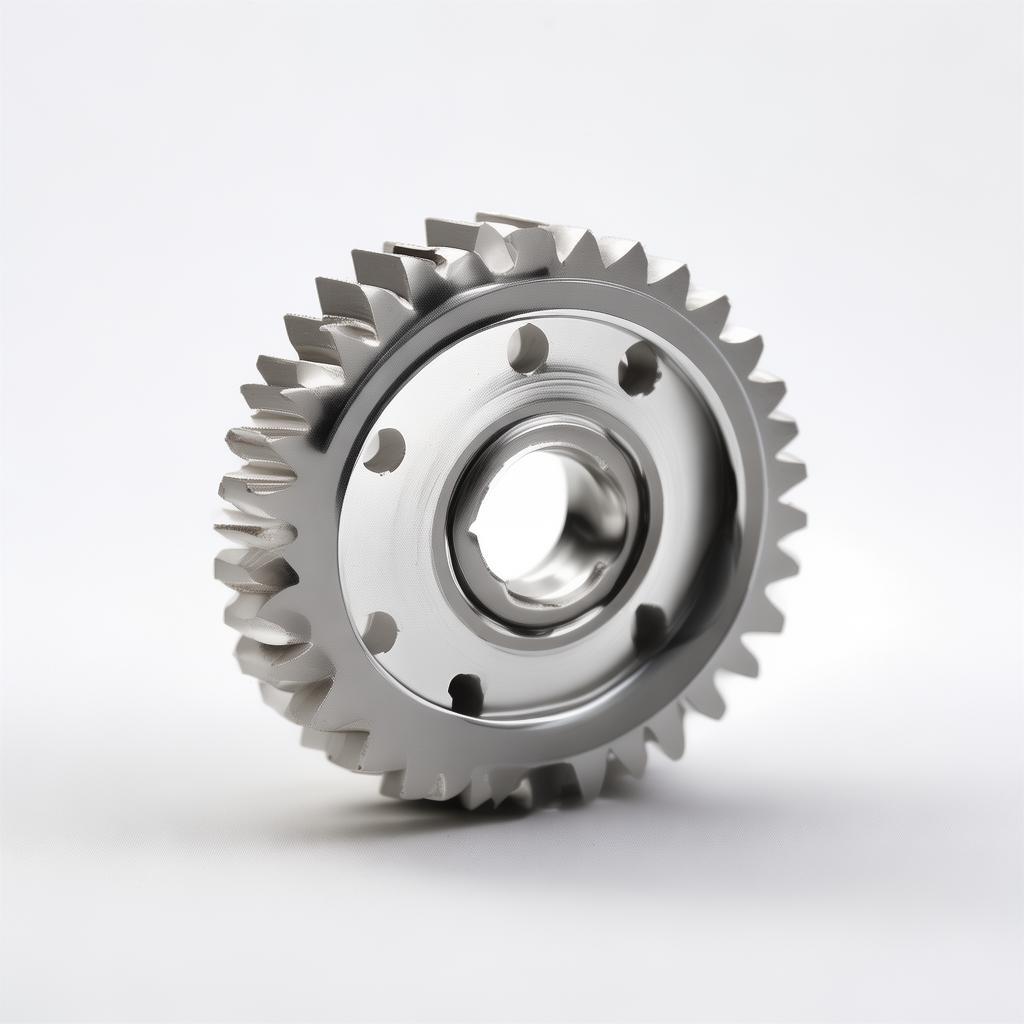

Bearing FAQ: Practical Answers from Factory Floor to Global Supply Chain
By Adam Lee, Export Director at HEBEI YIDI IMPORT AND EXPORT TRADING CO., LTD. | Updated October 2026
Why Bearings Matter More Than You Think in Industrial Operations
Procurement teams know the drill. A single bearing failure cascades into downtime, rushed replacements, and budget overruns. We've seen it firsthand at our Hebei factory—machines grinding to a halt because someone skimped on specs or overlooked load ratings. That's why this bearing FAQ pulls from real-world export experience, not textbook theory.
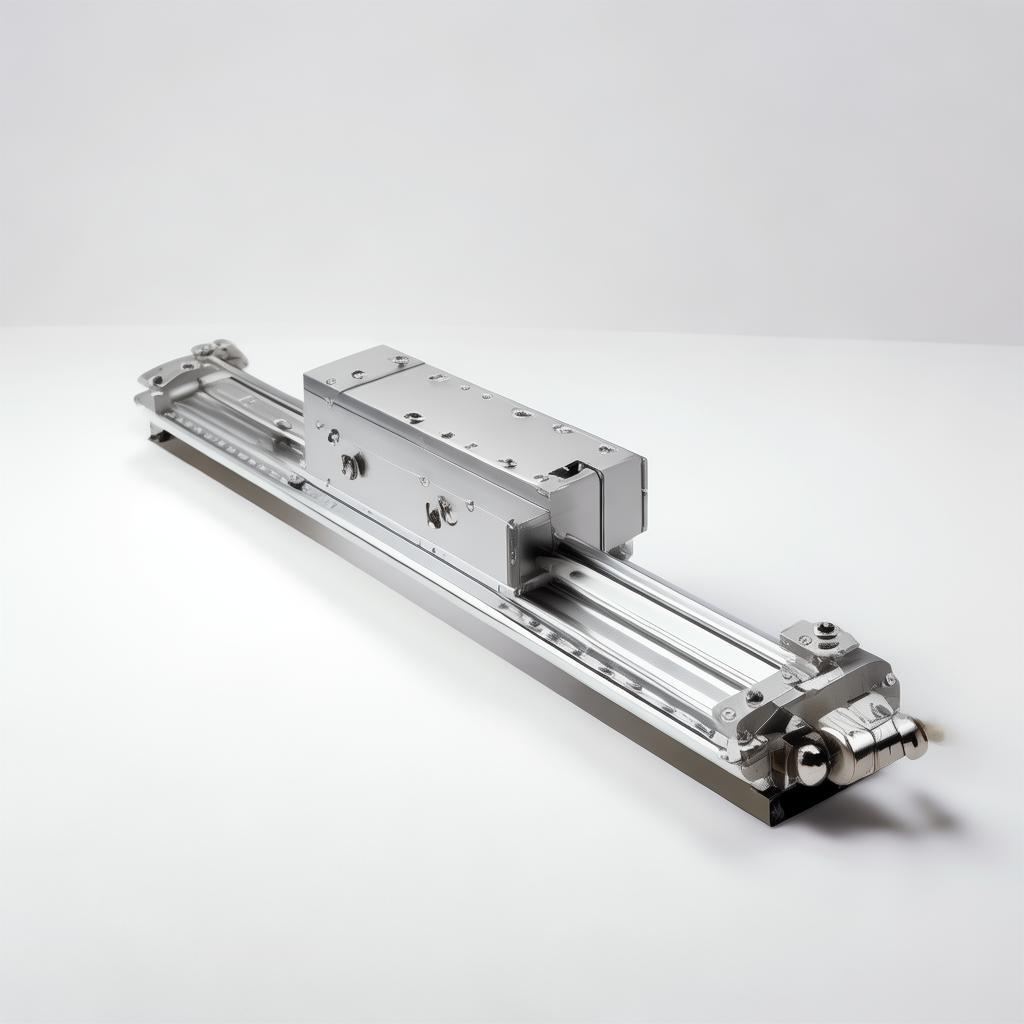
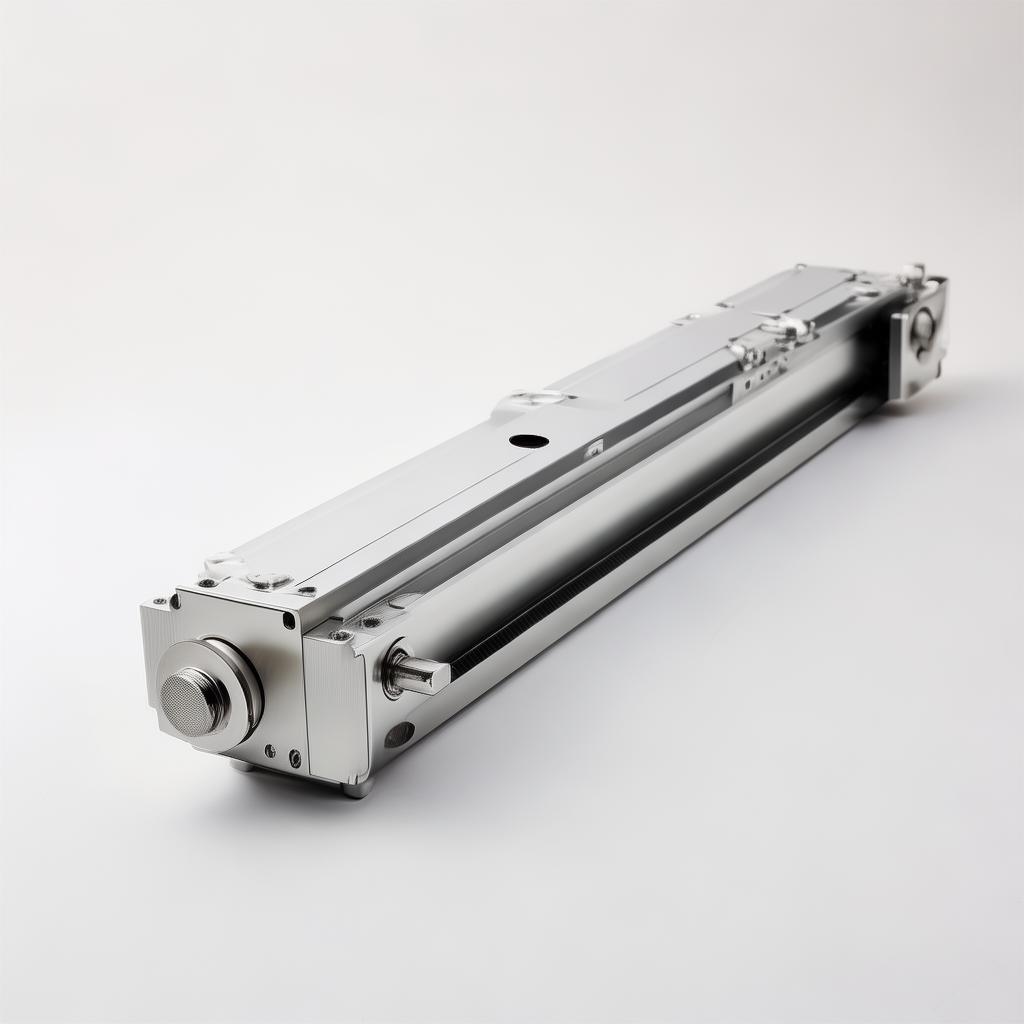
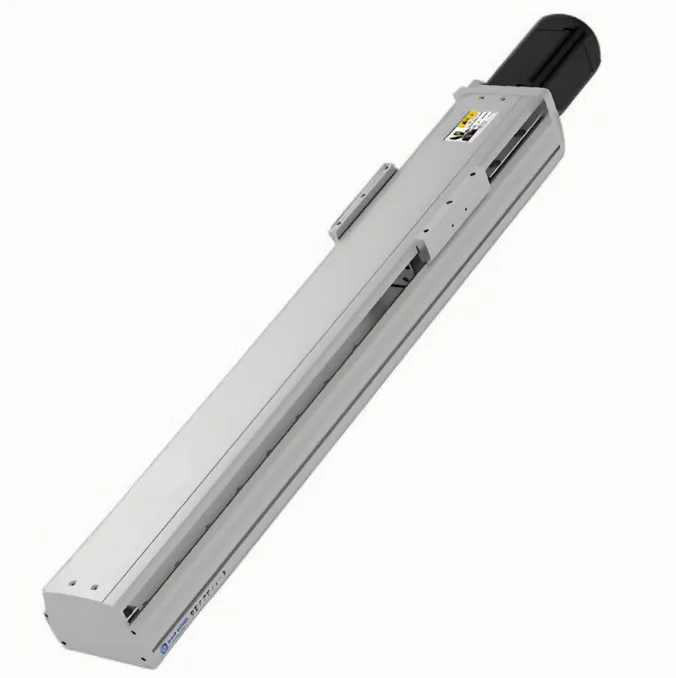
At YIDI Motion, established back in 2020, we handle everything from standard ball bearings to custom OEM assemblies for linear motion systems. Our team of 100, with over 30% senior technicians, runs production on German and Japanese equipment. Products ship to 50+ countries, including tough markets like Germany and the US. No fluff here—just operational insights for buyers facing real procurement headaches.
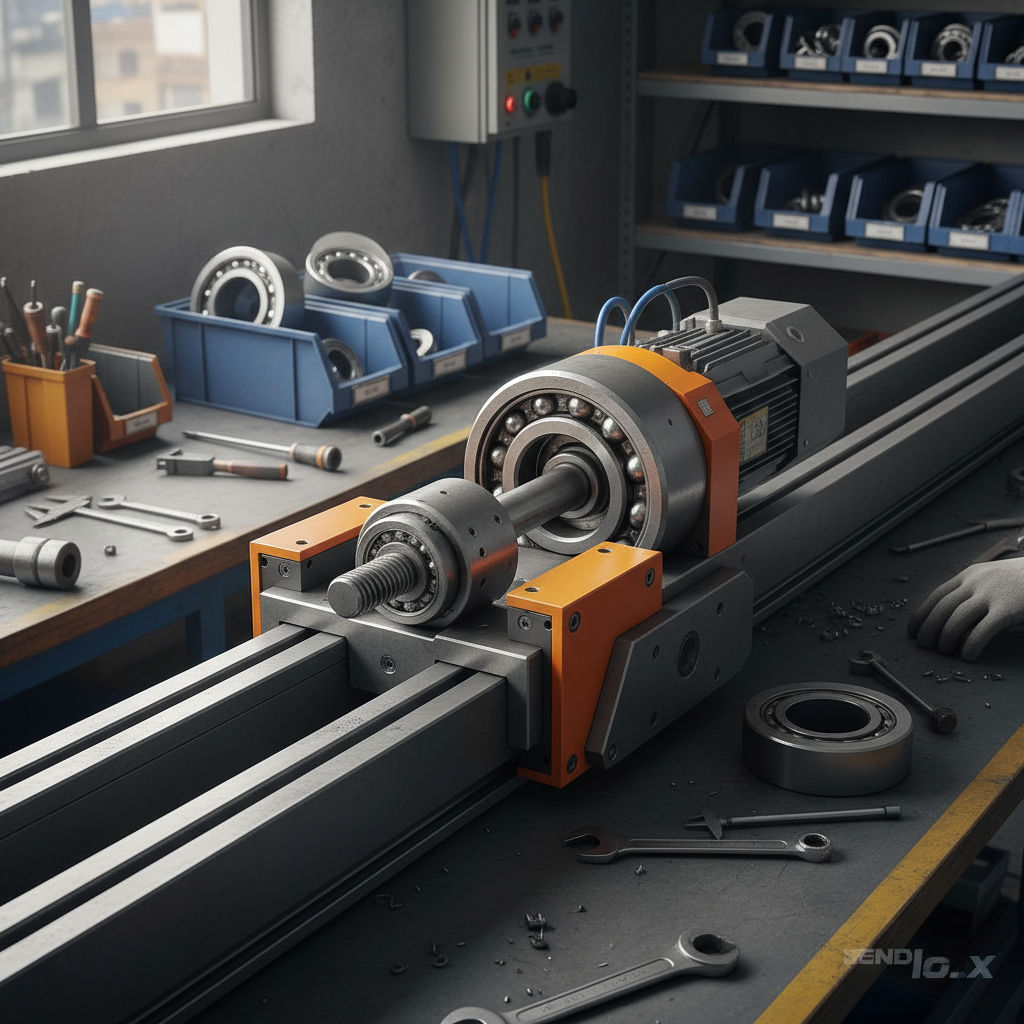
Bearings aren't just "parts." They're the pivot points in ball screws, linear guides, actuators, and splines we specialize in. Mismatched ones lead to vibration, heat buildup, premature wear. We've fielded queries from operations managers in automotive plants to engineers retrofitting warehouse automation. Common thread? They need clarity on types, sizing, materials, and risks fast.
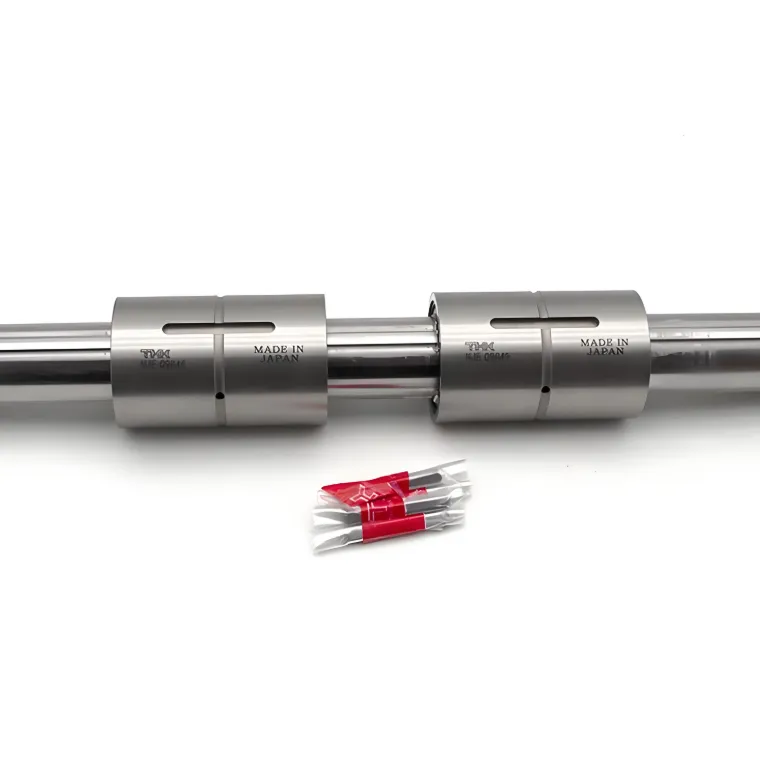
Take radial ball bearings, for instance. Great for moderate loads, but push axial forces too hard and you'll see spalling. Or roller bearings in heavy machinery—higher capacity, but alignment is critical. We've customized thousands for OEM partners, tweaking tolerances down to microns. This guide breaks it down, starting with basics but drilling into procurement angles like lead times and MOQs.
Global trade adds layers. US importers worry about tariffs, EU buyers demand RoHS compliance. Our exports comply with ISO 9001, CE marking where needed. Container loading? We optimize 20ft units for 5-7 tons of bearings without damage. More on that later.
Search "bearing faq" and you'll drown in generic lists. Here, it's tailored for B2B: how to spec for your application, avoid supplier pitfalls, cut total cost of ownership. We've reduced client lead times by streamlining from inquiry to delivery—often 15-30 days FOB Xingang port.
Let's dive in. Whether you're sourcing deep groove balls for pumps or thrust bearings for presses, these answers save time and money.
Market Shifts Pushing Smarter Bearing Choices
Automation boom means more linear motion demands. Factories upgrading to Industry 4.0 need bearings that handle higher speeds, lower friction. Stainless steel rising for food-grade apps; ceramic hybrids for high-heat environments.
Supply chain snarls post-2022? Bearings were hit hard—prices up 20-30% on chrome steel shortages. Smart buyers stock strategic spares or go OEM for just-in-time. Our Japan-sourced grinders keep tolerances tight, even on surges.
- Trend: Electric vehicle pivot boosts demand for low-noise, high-durability bearings.
- Trend: Sustainability—recyclable materials, longer life to cut waste.
- Observation: Distributors report 40% more inquiries on hybrid ceramic options.
Procurement tip: Factor lifecycle costs. A cheaper bearing might fail twice yearly; ours often last 2-3x longer under spec.
Bearing Types Explained: Match to Your Load and Speed
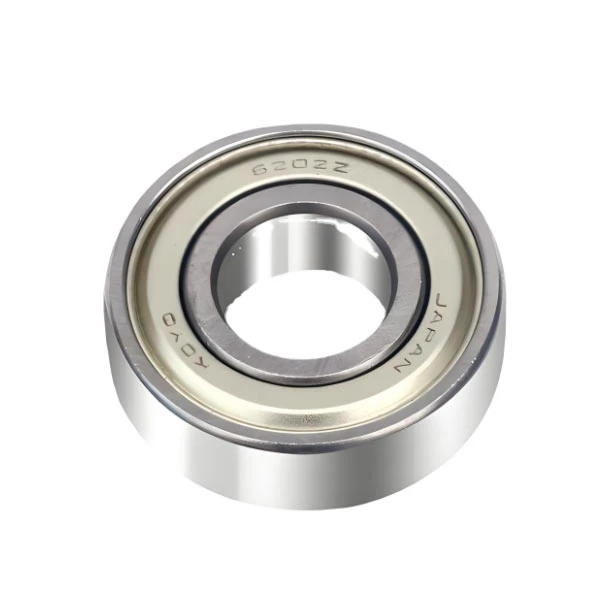
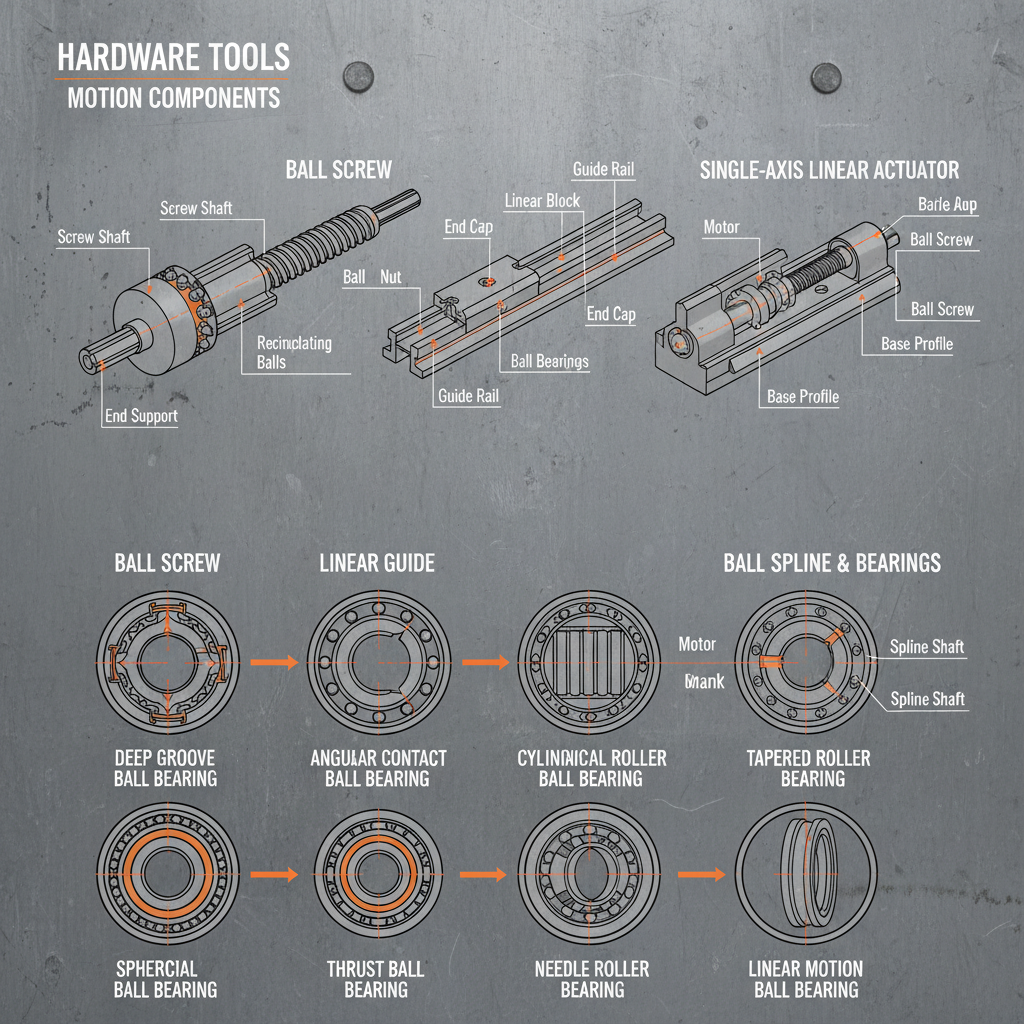
Deep groove ball bearings dominate—versatile for radial loads, some axial. ID from 3mm up, speeds to 30,000 RPM. We stock 6000-6012 series common in motors.
Angular contact? For combined loads, like machine tools. Paired setups handle thrust better. Cylindrical rollers take heavy radials; tapered for shafts under angle stress.
| Type | Best For | Load Capacity | Max Speed (RPM) |
|---|---|---|---|
| Deep Groove Ball | General purpose, pumps | Medium radial | 30,000+ |
| Cylindrical Roller | Heavy industry | High radial | 15,000 |
| Thrust Ball | Axial loads only | High axial | 5,000 |
| Needle Roller | Compact spaces | High radial, small dia | 20,000 |
Materials: Chrome steel (52100) standard; stainless (440C) for corrosion; bronze cages for high temps.
Short note: Mis-spec angular contact singles— they'll walk under load.
Real-World Applications: From Linear Guides to Heavy Gearboxes
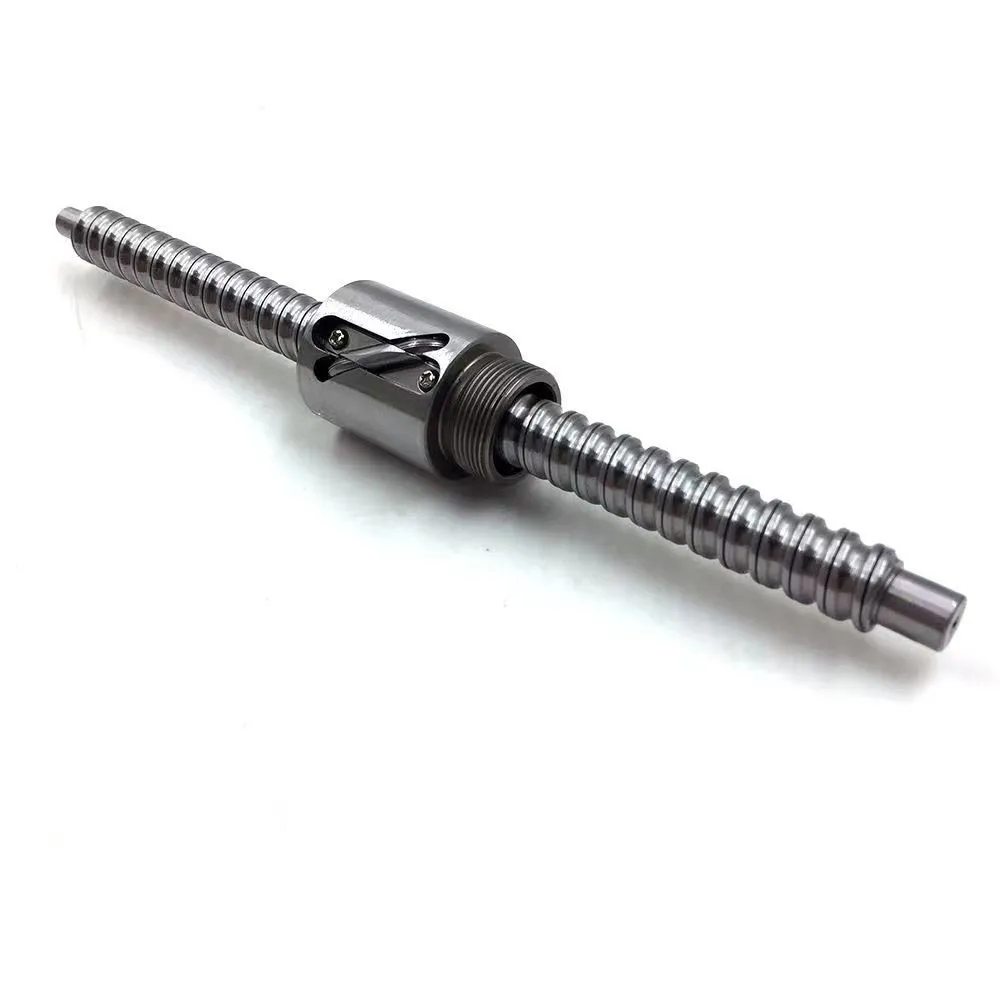
In ball screws, precision bearings ensure backlash-free motion. Automotive? Wheel hubs take impacts daily. Food processing demands IP67 sealed units.
- Linear Modules: ABEC 5+ for smooth travel.
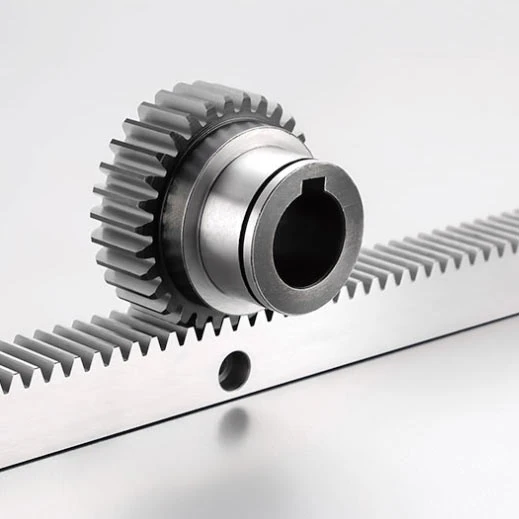
- Gear Racks: Tapered rollers absorb misalignment.
- Actuators: Hybrid ceramics reduce heat in continuous duty.
Case in point: US distributor retrofitted CNC spindles with our P4 class bearings. Cut vibration 25%, extended MTBF. No hype—just measured results.
Bearing Selection Guide: Procurement Checklist
Step 1: Calculate dynamic load rating (C) vs. your Pu. Aim C/Pu >10 for long life.
Step 2: Speed factor—dn value (bore x RPM) under limits.
Step 3: Environment—washdown? Sealed, grease-packed.
MOQ? 10-50 pcs standard; OEM scales up. Lead time 2-4 weeks stock, 4-6 custom.
Request Sizing CalculatorMaintenance Realities: Extend Life, Cut Failures
Grease every 2000-4000 hours, or condition-based with sensors. Over-lube kills seals.
Alignment off by 0.1°? Expect edge loading. Laser tools help.
Warning: Running dry post-failure risks shaft damage—always inspect housing.
- Monitor temp rise >20°C.
- Vibe check quarterly.
- Replace in pairs for locational fits.
Common Bearing Failures and Fixes
Flaking from fatigue: Undersized rating. Fix: Upsize 20%.
Smearing: Poor lubrication. Use right grease (NLGI 2 lithium).
True brinelling: Shock loads at rest. Cushion mounting.
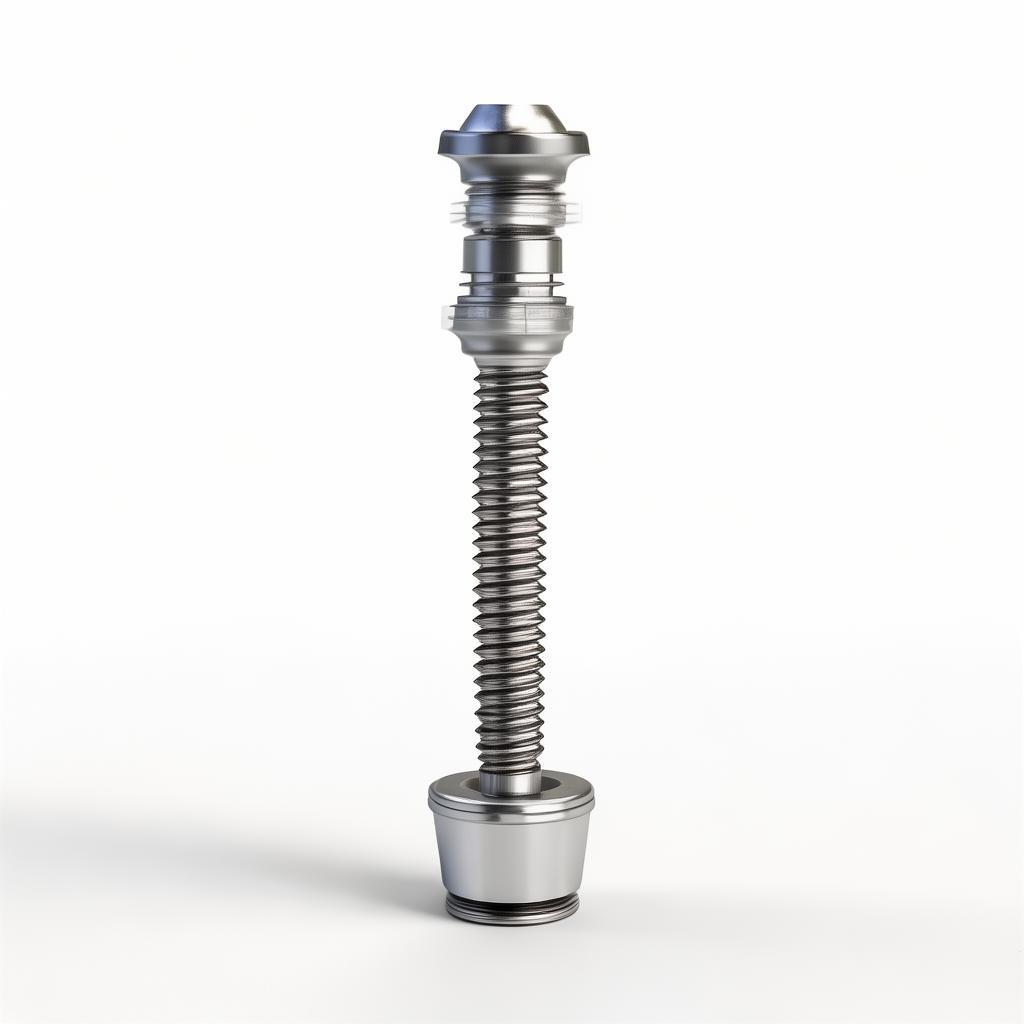
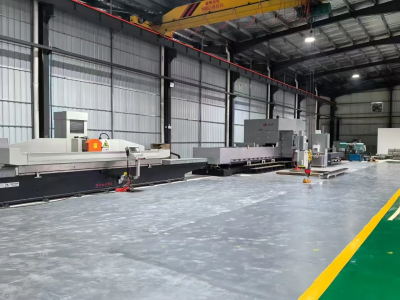
bearing application bearing bearing ina
Our engineers review failures free—send photos.
Export Logistics: Smooth from Hebei to Your Dock
FOB Xingang; CIF available. 20ft holds 5T bearings palletized. Lead time 25 days sea to LA.
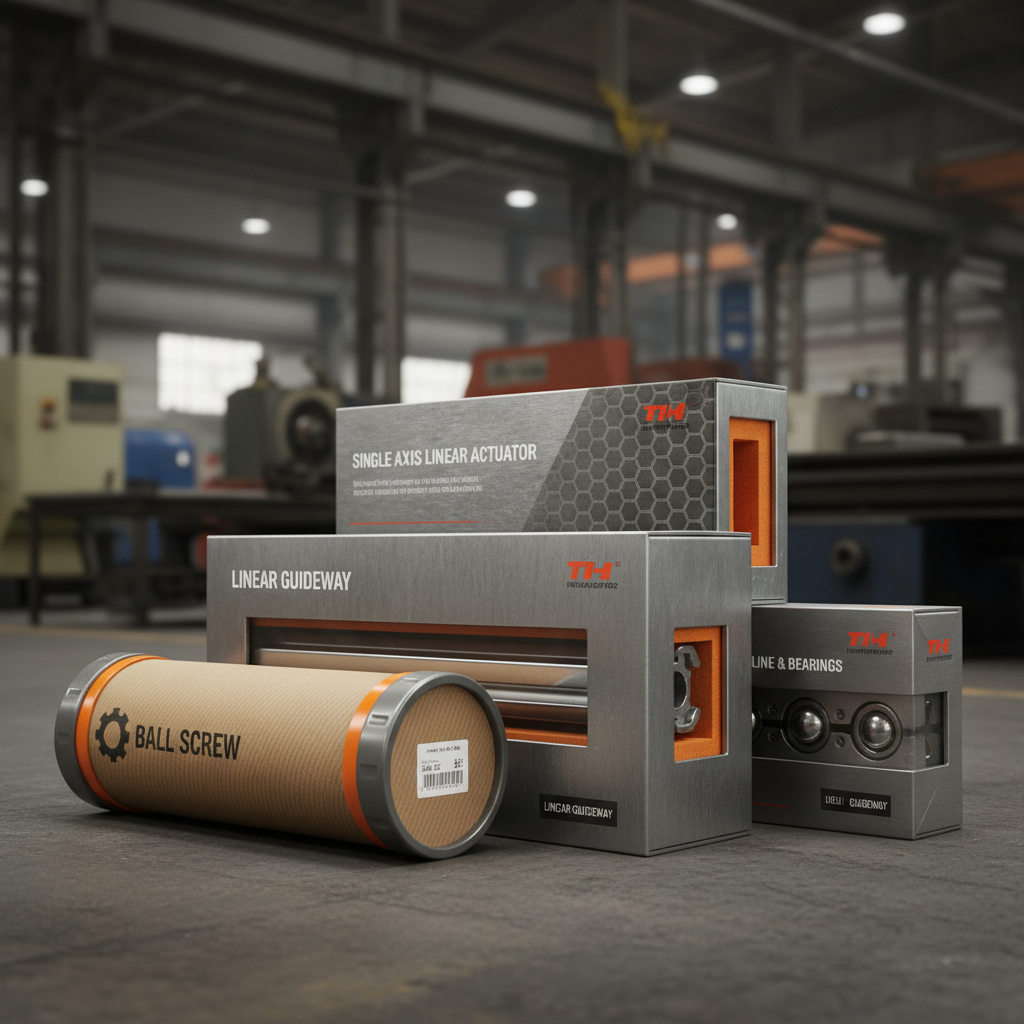
Packing: Anti-rust paper, wooden crates. Humidity controlled.
- Incoterms: EXW, FOB, CIF.
- Payment: T/T 30/70, LC.
- Duties: HS 8482.10—check your tariff.
Risk note: Avoid LCL for precision items—bulk protects better.
Get Shipping QuoteOEM/ODM at YIDI: Custom from Prototype to Volume

We tweak bore, OD, cages. Prototypes in 3 weeks. Certifications: ISO 9001, RoHS compliant materials.
Partners in Japan, Germany OEM for us—traceability full.
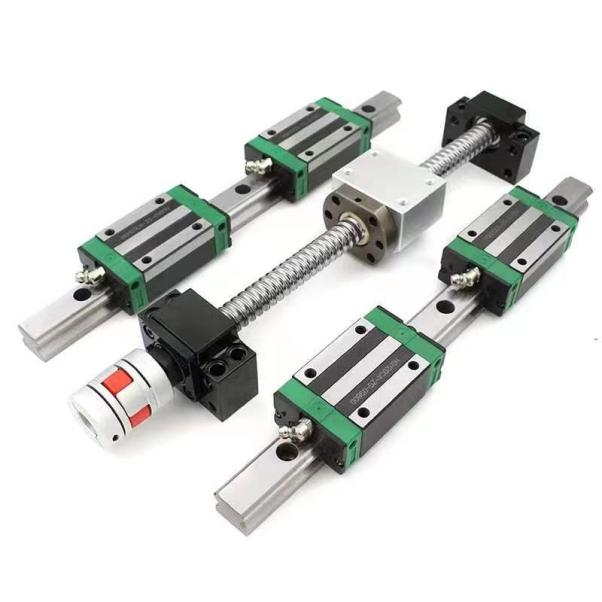
Clear advantage: One-stop with ball screws, guides. No juggling suppliers.
What Procurement Teams Say

John M., Ops Manager, Texas Automation: "Switched to YIDI deep grooves after local stock failed early. Life doubled, pricing beat competitors. Fast 20-day delivery."

Elena R., Procurement, German Machinery: "OEM angular contacts spot-on tolerance. CE docs ready, no delays."

Mike T., Supply Chain, Canada: "Thrust bearings for presses—handled overloads others couldn't. Solid partner."
Carlos S., Importer Mexico: "Logistics smooth, pallets intact. Will reorder racks next."
Bearing FAQ: Your Top Questions Answered
What is the difference between ball and roller bearings?
Ball: Point contact, higher speeds, lower loads. Roller: Line contact, heavier loads, slower speeds. Choose per app—rollers for crushers, balls for spindles.
How do I calculate bearing life?
L10 = (C/P)^3 * 1M revs basic. Factor speed, temp. Use our engineer chat for precise.
What grease for high-temp bearings?
Polyurea or molybdenum disulfide up to 150°C. We pre-pack per spec.
ABEC ratings—do they matter?
Yes for precision. ABEC 1 everyday; ABEC 5/7 for CNC. Ours hit P0-P6.
Can you do small runs?
MOQ 50 pcs typical. Samples available.
Lead times for custom?
4-6 weeks. Stock 1-2.
Sealed vs. open bearings?
Sealed: Maintenance-free, contaminant-proof. Open: Regreasable, higher speeds.
Stainless vs. chrome steel?
Stainless corrosion-resistant, softer. Chrome harder, standard industrial.
Got more? Email adam@yidimotion.com.
Why Trust YIDI for Your Bearings?
100 employees, advanced German/Japan lines. Exports to US, EU, Japan. One-stop linear motion: bearings, screws, guides.

Ready to Source Reliable Bearings?
Get factory pricing, samples, or specs today.
+86 18134111662 | adam@yidimotion.com
16-1-1601 Aobeigongyuan, Chang'an District, Shijiazhuang City, Hebei Province, China
Contact Export Team Now© 2026 HEBEI YIDI IMPORT AND EXPORT TRADING CO., LTD. All rights reserved.
Meta Description: Comprehensive bearing FAQ covering types, selection, maintenance, failures, and procurement tips from YIDI factory experts. OEM bearings for global trade. Fast export shipping.