Ball Screw Types: Choosing the Right Precision Linear Actuator for Your Machinery
From CNC mills to robotic arms, the ball screw type you pick can make or break your project's accuracy and uptime. We've supplied thousands to US importers—let's get you sorted.
On This Page
Understanding Ball Screw Types in Precision Motion Control
In the world of industrial automation, few components handle the load quite like a well-chosen ball screw. If you're a procurement manager scanning for "ball screw type" options, you're likely dealing with a machine rebuild or scaling up production. Ball screws aren't just rods with nuts—they're the backbone of linear motion in CNC routers, injection molding machines, and semiconductor equipment.
I've been exporting these from our Hebei factory since YIDI Motion kicked off in 2020. We've shipped to over 50 countries, including plenty of US ops facing lead time crunches. The key? Picking the right ball screw type based on your load, speed, and environment. Ground ball screws shine in high-precision gigs like medical devices. Rolled ones? They cut costs for general automation without skimping on duty cycles.
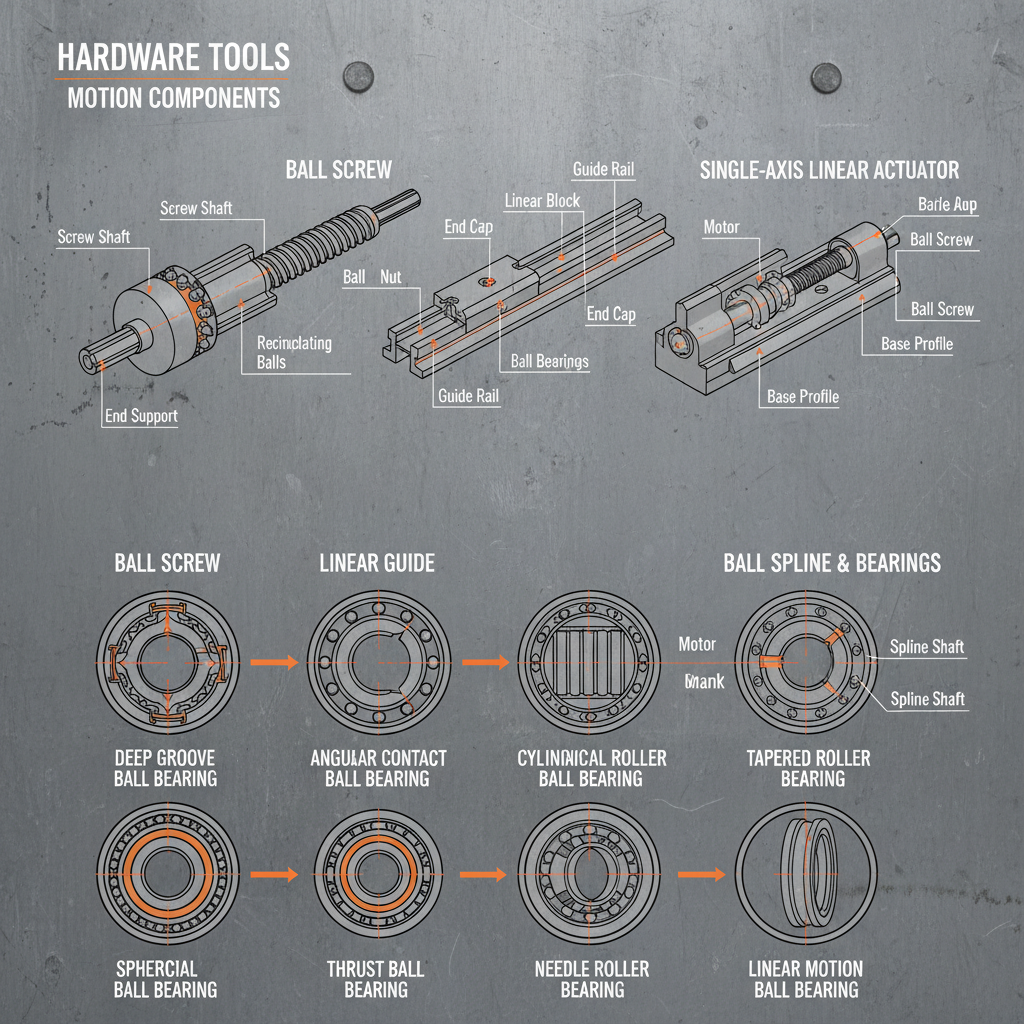
Let's break it down. A ball screw works by recirculating steel balls between the screw shaft and nut. This setup slashes friction—down to 1-3% of what a traditional leadscrew manages. Result? Efficiency hovers at 90%+, backlash near zero in preloaded setups. But types vary wildly: single nut for compact builds, double nut for heavy axial loads.
Procurement folks often overlook end support configs. Fixed-fixed for max stiffness in long spans. Floating setups handle thermal expansion without binding. We've seen importers fry machines by ignoring this. One US client swapped to our double-nut precision type and cut vibration by noticeable margins—no more scrapped parts from chatter.
Materials matter too. Standard carbon steel with induction hardening hits Rockwell C58-62. Stainless for washdown zones or corrosive shops. Diameters from 8mm to 120mm, leads from 2mm (fine control) to 50mm (high speed). Precision classes? C0 to C10 per ISO 3408—tolerances down to 3 microns per 300mm.
Market's shifting. With labor shortages in the US, more firms automate. Ball screw type selection ties directly to ROI. A mismatched type means higher energy bills, more downtime. Our German-imported grinders ensure we hit those specs consistently. We've customized OEM runs for everything from aerospace actuators to packaging lines.
Hold up—don't chase the cheapest. Rolled ball screws might save 30-40% upfront but wear faster under shock loads. Ground types last 2-3x longer in critical apps. We've quoted side-by-side for buyers comparing Taiwan vs China sources. Delivery? 4-6 weeks standard, 2-3 for stock diameters.
Logistics from Shijiazhuang to LA ports: 20-25 days sea freight, consolidated for under $2/kg. We've optimized 40ft containers—up to 8 tons of mixed ball screws, guides, splines. No surprises there.
This isn't theory. Last quarter, a Texas fabricator ordered 50 single-nut SFU1606 units. They run 24/7 on plasma cutters now, backlash under 0.005mm. That's real uptime. If your RFQ sits on desks, consider ball screw types that match your duty cycle first.
Next, we'll dive into configurations. Stick around—your next spec sheet decision gets easier.
Technical Deep Dive: Ball Screw Type Breakdown
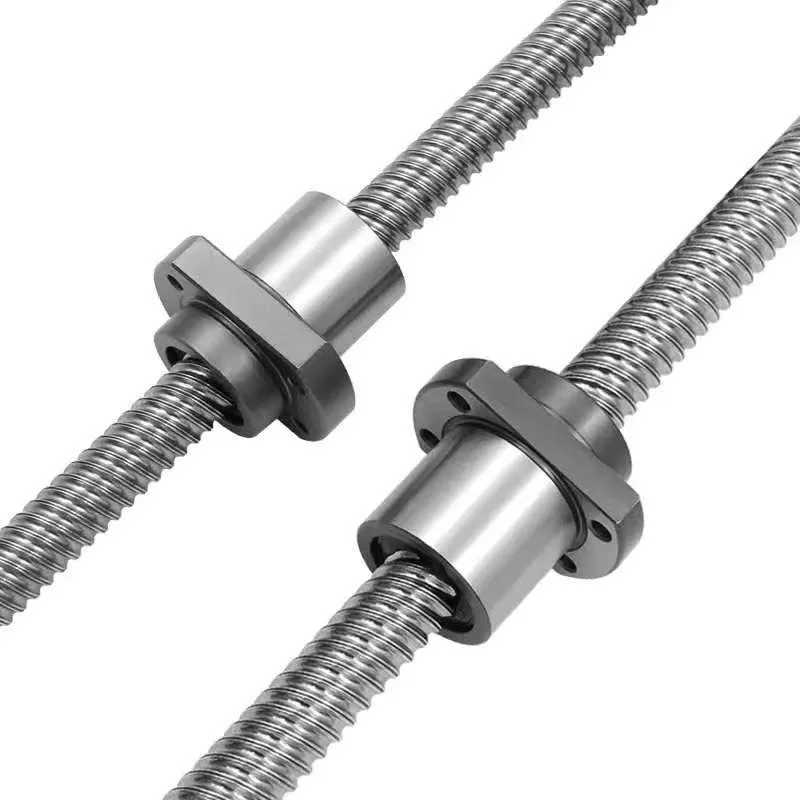
Start with nut designs. Single nut ball screws—like our SFU or SFV series—fit tight envelopes. Balls recirculate via a simple return path. Great for vertical axes where axial float isn't an issue. But under bidirectional loads? They can develop play over time.
Double nut types fix that. Two nuts preloaded against each other—zero backlash. Ideal for horizontal mills or robots. Our DFU series uses this, with preload adjustable via shims. We've tuned them for clients hitting sub-micron repeatability.
Flange nuts add mounting ease. Bolt straight to carriages. Cylindrical nuts for through-boring. End caps vary: standard metal for dust-tight, plastic for quieter ops.
Quick Tip: For high-speed apps (>2000 RPM), pick multi-start leads (10-20mm). Single-start fights inertia.
Ground vs rolled? Grinding post-heat treat gives mirror finishes, C5-C3 accuracy. Rolled uses dies for high volume, C7-C10 grade. Cost gap: 2-3x. We've rolled 10k units/month—perfect for distributors stocking ball screw types.
End journal types: Type A (fixed), B (floating), combos. Long screws (>3m) need supported designs or risk whip. Dynamic load ratings from 5kN to 500kN—calculate via L10 life formulas.
| Ball Screw Type | Dia x Lead (mm) | Accuracy Class | Dyn Load (kN) | Speed (RPM max) |
|---|---|---|---|---|
| SFU Single Nut Rolled | 16x5 | C7 | 12.8 | 3000 |
| DFI Double Nut Ground | 25x5 | C5 | 32.2 | 4000 |
| BFU Flange Nut | 32x10 | C3 | 56.5 | 3500 |
| Custom Stainless | 40x10 | C5 | 89.1 | 2500 |
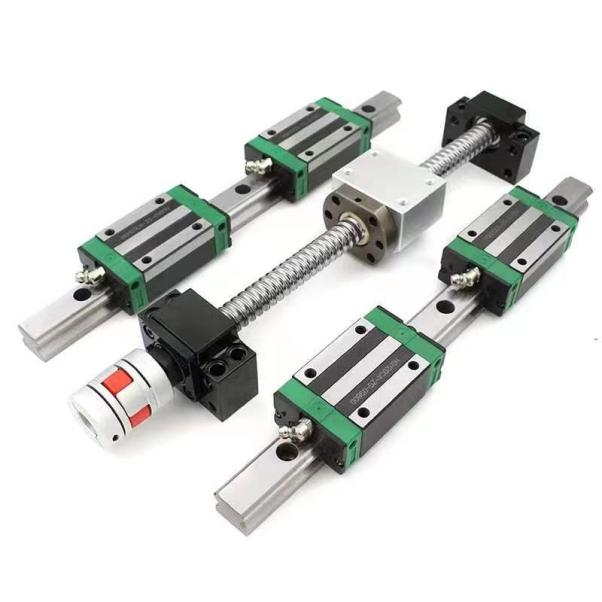
ball bearing type screw ball screw design custom ball screw
Grease every 200-500 hours. IP65 seals for chip-heavy shops. We've seen poor lubing halve life expectancy.
Where Ball Screw Types Excel: Application Breakdown
CNC machining loves precision ground, fixed-fixed ends. Z-axis single nut for speed. X/Y double nut for rigidity.
Packaging? High-speed rolled multi-start. Low inertia, quick indexing.
- Robotics: Miniature types, 8-12mm dia, C5 accuracy. Backlash-free.
- Medical: Stainless, cleanroom compatible. Low particle emission.
- 3D Printers: Budget rolled SFU1204—quiet, efficient.
- Heavy Press: 80mm+ dia, double nut, shock-rated.
One catch: High-vibe apps need damped nuts. We've modded for US vibration specs.
Procurement Guide: How to Spec Your Ball Screw Type
Step 1: Load calc. Moment loads? Use equivalent formulas.
Step 2: Critical speed. Whip kills accuracy.
Watch for: Over-spec'ing bloats cost. Under-spec'ing? Failures mid-run.
Buyer Alert: Verify supplier's grind certs. Cheap rolls masquerade as ground.
OEM/ODM? We handle logos, custom leads. MOQ 10pcs.
Request OEM SpecsYIDI Motion: Your Ball Screw Type Factory Partner
100 staff, 30% seniors. Japan/Germany machines. Exports to US, DE, JP.
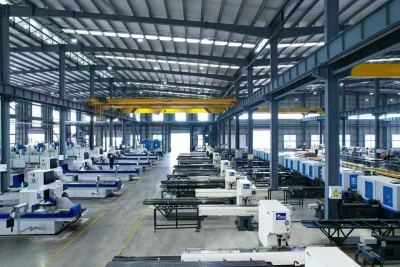
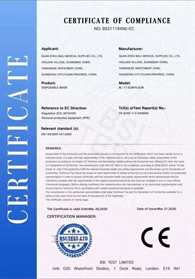
ISO9001, CE. One-stop: screws, guides, modules.

Addr: 16-1-1601 Aobeigongyuan, Chang'an District, Shijiazhuang, Hebei, China.
Feedback from US Importers
Mark T., Texas CNC Shop: "DFI double nuts fixed our backlash issue. Delivered 5 weeks door-to-door. Solid."

Sarah L., CA Automation: "Custom ground 32mm type. Preload perfect. Better than HIWIN samples."

John R., Midwest Fabricator: "Rolled SFU stock fast-tracked our line. No lube issues after 10k hours."

Frequently Asked Questions on Ball Screw Types
What's the difference between rolled and ground ball screws?
Ground offers tighter tolerances for precision work. Rolled is economical for standard duty.
How to calculate ball screw life?
L10 formula: Basic dynamic load over equiv load, cubed, times factor.
Lead times for custom types?
4-6 weeks. Stock 1-2.
OEM minimum order?
10 units.
Ready for Your Ball Screw Type?
Email adam@yidimotion.com or call +86 18134111662. Free samples on select types.
Written by Adam Li, Export Director at YIDI Motion

15+ years in linear motion exports. Helped 200+ US firms optimize suppliers.