Ball Screw Design Essentials for Precision Linear Motion
Engineers and procurement teams often wrestle with getting the right ball screw specs for their machines. We've seen it time and again—misaligned leads causing backlash, or undersized diameters failing under load. At YIDI Motion, our design approach cuts through that noise.
Ready to spec your next project? Talk to our engineer now
Grasping Ball Screw Design from the Ground Up
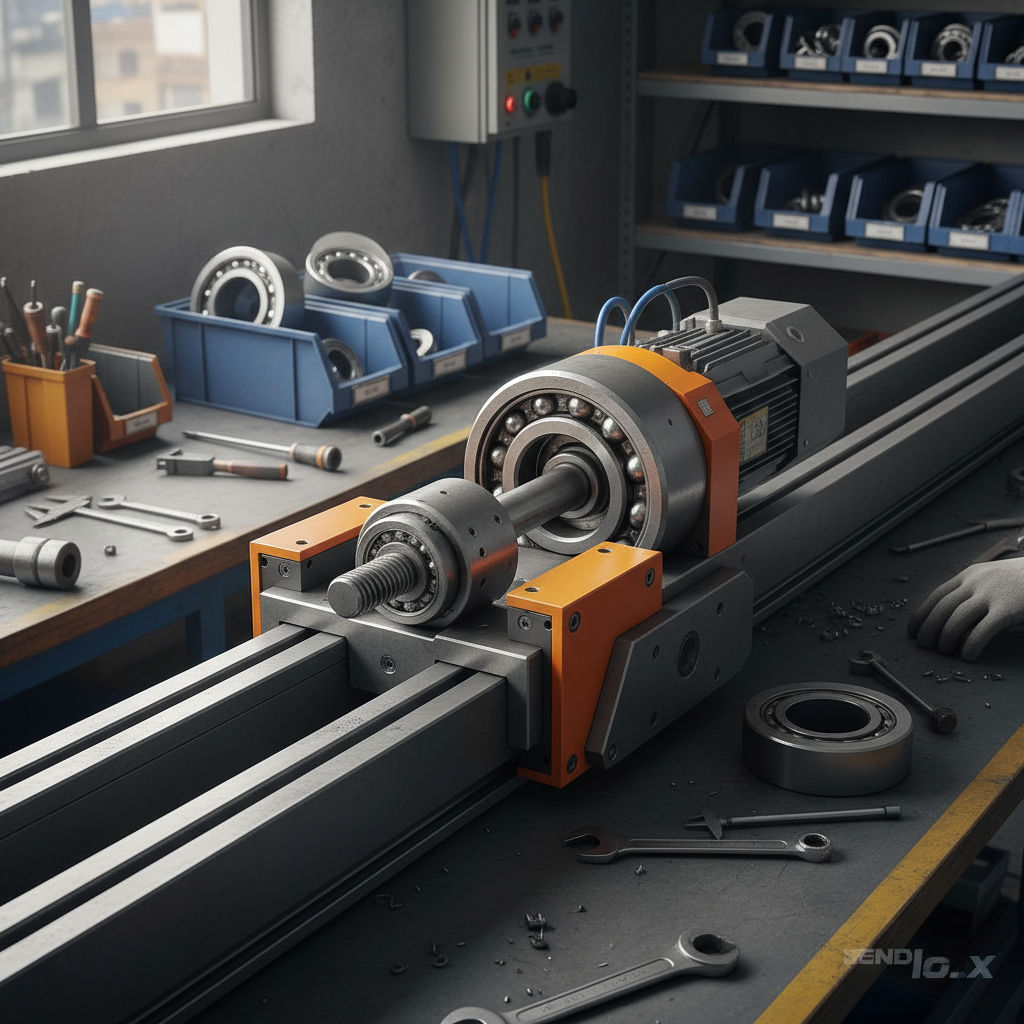
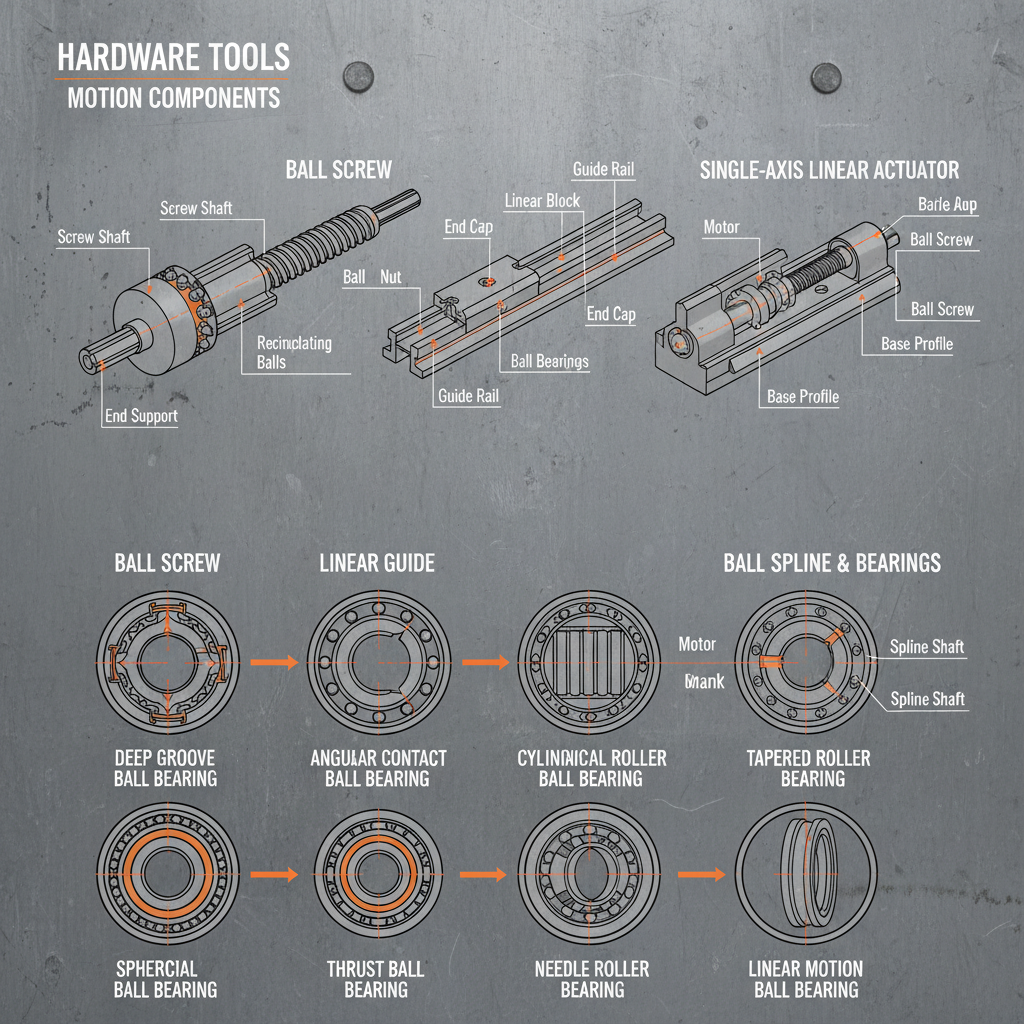
Ball screws sit at the heart of any high-precision linear motion system. Think CNC mills humming through aluminum blocks or robotic arms positioning parts to microns. But designing one isn't just picking a catalog part. It starts with the basics: converting rotary torque into smooth axial thrust via recirculating steel balls.
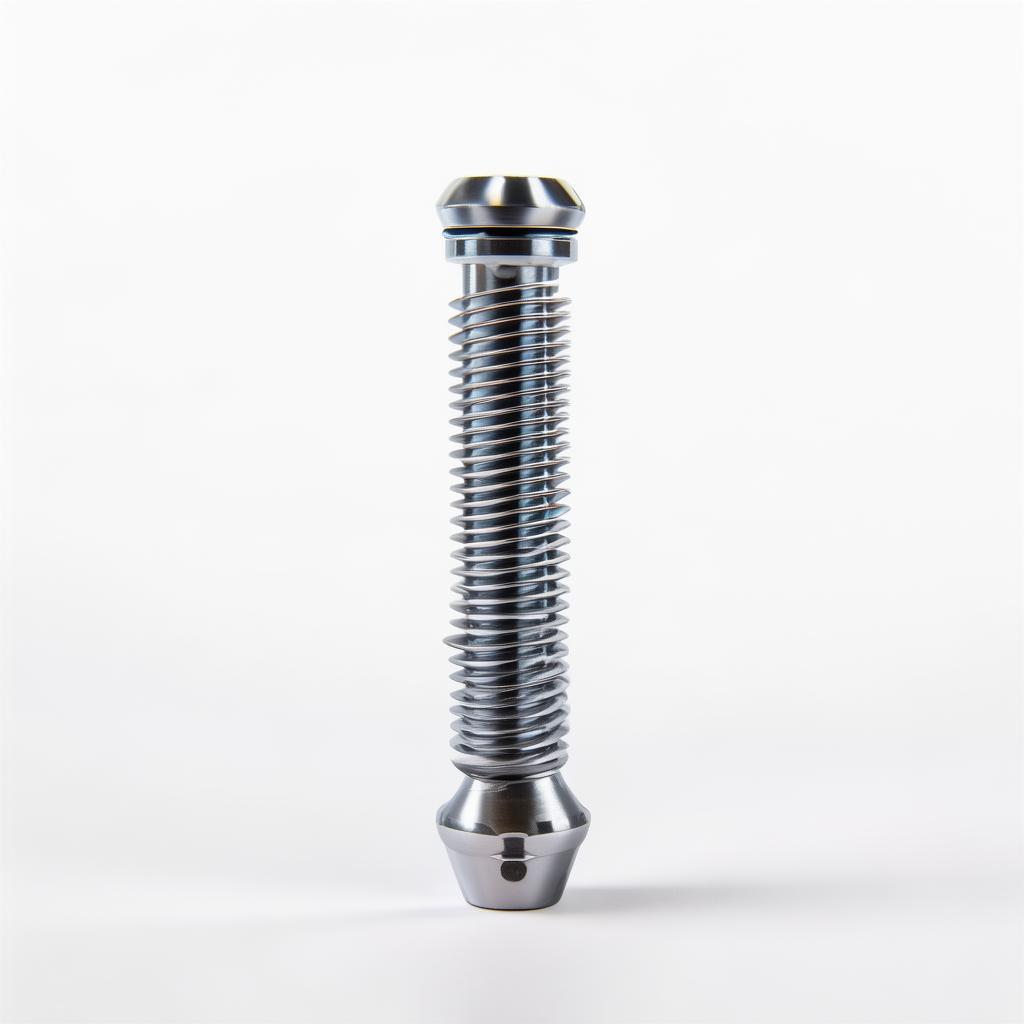
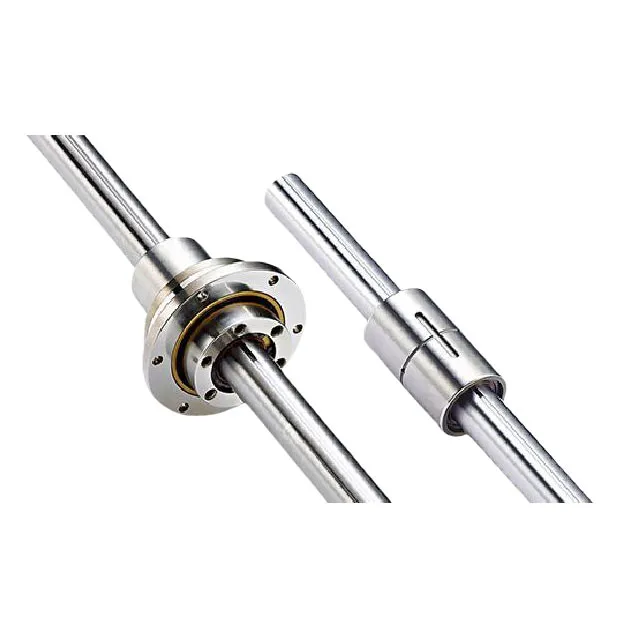
We've shipped thousands to US shops and automation firms since 2020. Common pitfall? Ignoring the screw's root fundamentals. The shaft—typically ground chrome steel—carries helical grooves. Balls ride those grooves, held by a nut with return channels. Poor design here leads to skidding, heat buildup, or premature wear.
Lead accuracy matters early. C7 grade might suffice for a conveyor, but medical devices demand C3 or better. Preload eliminates backlash—single or double nut setups do the trick. And don't overlook buckling under compression; Euler's formula keeps long strokes stable.
In practice, most designs stem from load needs. Dynamic load (while moving) hits different than static (holding position). Factor in duty cycle—80% for intermittent runs versus 100% continuous. Our German-imported grinders ensure diameters from 6mm to 80mm hit those marks.
Materials play big. Standard SFU/DFU series use S55C carbon steel, hardened to 58-62 HRC. Stainless AISI 440C for corrosive environments, though it sacrifices some load capacity. Coatings like nickel or MoS2 extend life in dusty shops.
Now, the math gets real. Critical speed formula: n_cr = (C * 10^5 * L_d) / (d^2 * sqrt(L)), where L_d is supported length, d root diameter. Exceed it, and you'll whip the shaft into vibration hell. We've debugged plenty of these on customer rebuilds.
Ball return methods vary. Internal returns for compact nuts, external for higher leads. Gothic arch grooves boost rigidity 20-30% over round. Procurement tip: Always confirm Dm-N factor—ball diameter times RPM limit—before quoting cycles.
Over years exporting to Germany and the States, we've learned tolerances tighten with speed. P-class (rolled) for budget axes, g-class (ground) for servos. And ends matter: fixed-fixed for max stiffness, but floating-free for misalignment tolerance.
Real-world tweak: Duty factor. A 5kN load at 50% duty might derate to 3kN equivalent. ISO 3408 standards guide this. Skip it, and lifespan drops from 50,000km to under 10k.
Customization ramps up here. OEM clients tweak ball sizes (2.38mm to 9.525mm), groove angles (45° gothic standard). We handle that in-house, from CAD to test runs. Lead times? 4-6 weeks for standards, 8-10 for specials.
Heat's the silent killer. Friction coefficient under 0.003 means low thermal growth—0.000012/°C for steel. Coolant channels in nuts help high-speed apps. Seen robots seize from overlooked lube ports.
Whip analysis for unsupported lengths over 1m. Use finite element sims or charts. Our Japan-sourced grinders hold 2-micron straightness over 3m—key for gantry systems.
This foundation sets up everything else. Procurement managers, spec your envelope first: stroke, speed, moment loads. Miss moments (Mx, My), and nut wobble eats accuracy.
Core Design Parameters You Can't Ignore
- Diameter & Lead: Ø16x5mm common start. Lead dictates speed vs thrust trade-off. 20mm/min per rev? Fine for positioning; 50mm pushes balls harder.
- Load Ratings: C_dyn from 5kN (small) to 500kN (heavy mills). Static 4-5x higher. Calculate with L10 life: 90% survival at 50km travel.
- Preload: 3-8% of dynamic load. Too much binds; too little backlashes.
- Accuracy: IT0-IT7 per JIS B1192. C0 = 3.5μm/300mm—servo territory.
- Rigidity: Axial 100-300 N/μm. Higher grooves, more preload.
Table time. Here's a snapshot of our SFU1606 series design baselines:
| Model | Dia x Lead (mm) | Dyn Load (kN) | Speed (RPM) | Accuracy Grade |
|---|---|---|---|---|
| SFU1605 | 16x5 | 12.8 | 3000 | C7 |
| SFU2005 | 20x5 | 18.5 | 2800 | C5 |
| SFU2510 | 25x10 | 28.4 | 2500 | C3 |
| SFU3216 | 32x16 | 46.2 | 2200 | C0 |
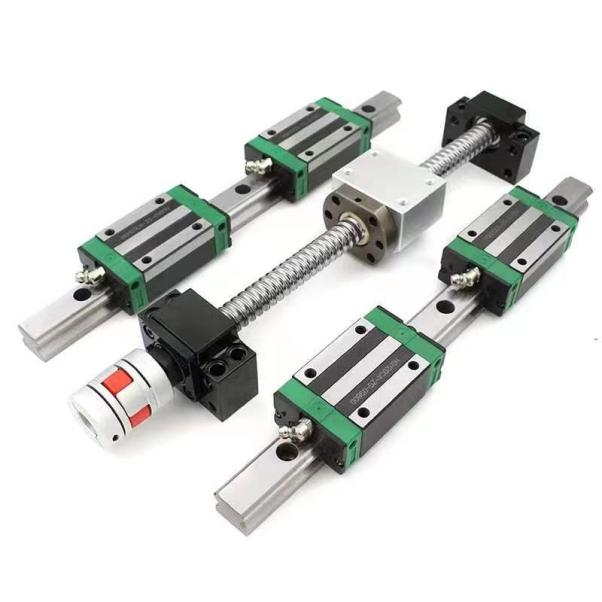
custom ball screw ball screw type ball screw set
These are baselines. Custom? We adjust grooves, balls, ends. Get your tailored calc sheet: Email adam@yidimotion.com with load/speed details.
Where Ball Screw Designs Shine in Real Machines
CNC routers love single-start leads for fine control. Robotic welders? High-lead for fast traverses. We've fitted them in semiconductor handlers—cleanroom stainless, zero particle gen.
- Automation: XY tables, pick-place
- Machine tools: Lathes, mills
- 3D printers: Z-axis upgrades
- Medical: Surgical robots
- Aerospace: Test rigs
- Packaging: Fillers, cappers
- Solar trackers: Long-stroke durability
Pro tip: Vertical apps need thrust bearings. We've seen overspeeding burn them out in weeks.
Your No-Nonsense Ball Screw Selection Guide
Step 1: Map forces. Thrust = torque / lead efficiency (90%). Moments from offset loads.
Step 2: Stroke + buckling check. Whip radius limits.
Step 3: Speed/life calc. 10^7 revs typical L10.
Common traps: Forgetting radial loads on nut, or env factors like chips eating seals. Go flanged nuts for easy mounting.
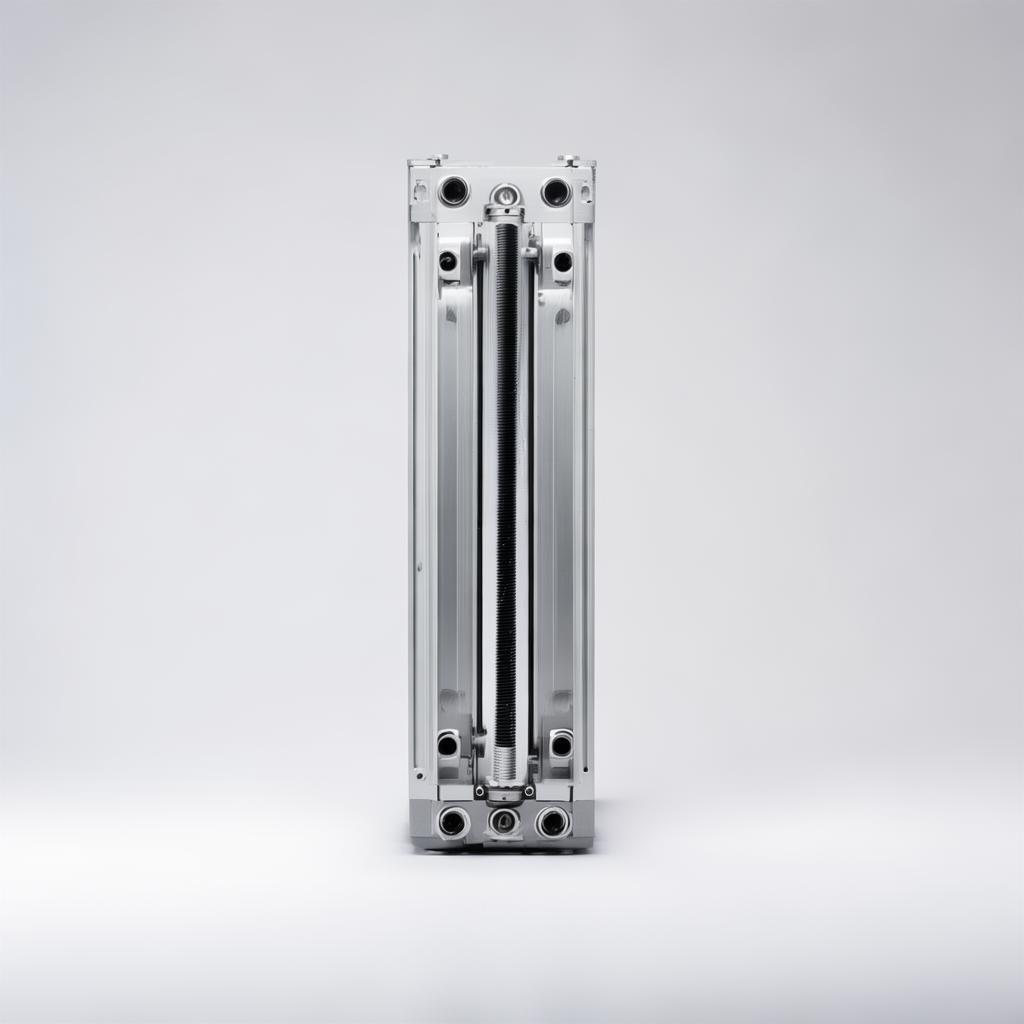
Procurement angle: Compare rolled vs ground. Rolled cheaper, but 5-10x less rigid. For US import, factor duties—our FOB Shijiazhuang keeps it lean.
Logistics note: 20ft container fits 500pcs Ø25. Lead time 25 days sea to LA.
YIDI Motion: Built for Export-Quality Ball Screws
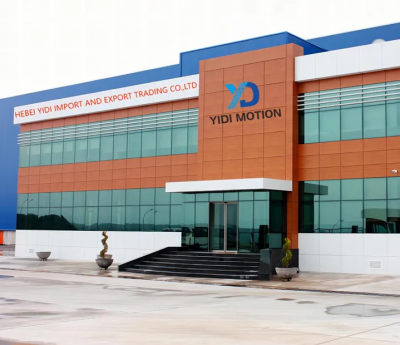
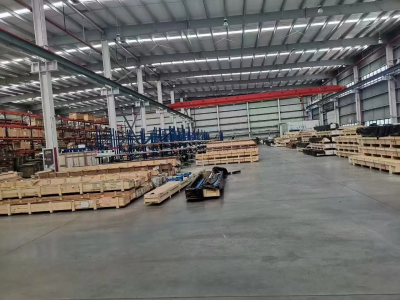
100 staff, 30% senior techs. German Walters grinders, Japan Amada CNC. ISO 9001 certified since day one.

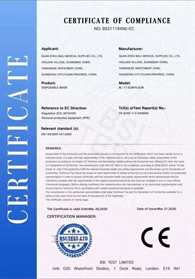

Exports to 50+ countries. OEM/ODM full suite—your print, our build. Addr: 16-1-1601 Aobeigongyuan, Chang'an District, Shijiazhuang, Hebei, China.
What Importers Say About Our Designs
"Swapped to YIDI C5 ground screws on our CNC. Backlash gone, cycle time down 15%. Solid for Texas heat."
— Mike R., Ops Mgr, Houston Fabrications 
"Custom preload for robot arm. Delivered on spec, no DOA. Better than THK pricing."
— Sarah L., Procurement, Seattle Automation 
"Vertical Z-axis held 2kN static. Installation straightforward, seals kept clean."
— Raj P., Engineer, Chicago Robotics 
"OEM run of 200pcs Ø32. Quality consistent, lead time beat quote."
— Tom K., Buyer, Florida Machine Tools
Frequently Asked Ball Screw Design Questions
How do I calculate required preload?
0.5-1μm/100mm typical. Rigidity needs drive it. We run FEA for you.
Rolled vs ground—which for my CNC?
Ground for <5μm accuracy. Rolled saves 40% if backlash okays.
What's your MOQ for custom design?
50pcs standard. Samples from stock.
Lead times to USA?
Stock: 1wk. Custom: 4-8wks FOB. DHL samples 3 days.
Lubrication best practices?
Grease every 100km travel. Lithium NLGI 2 for most.
Spec Your Ball Screw Today
No risk—free engineering review. Send your drawings or loads.
+86 18134111662 | adam@yidimotion.com
Or visit yidibearings.com/contactus.html for instant chat.
HEBEI YIDI IMPORT AND EXPORT TRADING CO.,LTD. – Precision from China to Your Door.

Adam Li
Export Engineer at YIDI Motion, 12+ years in linear motion design. Handled 500+ OEM projects for US/EU clients.