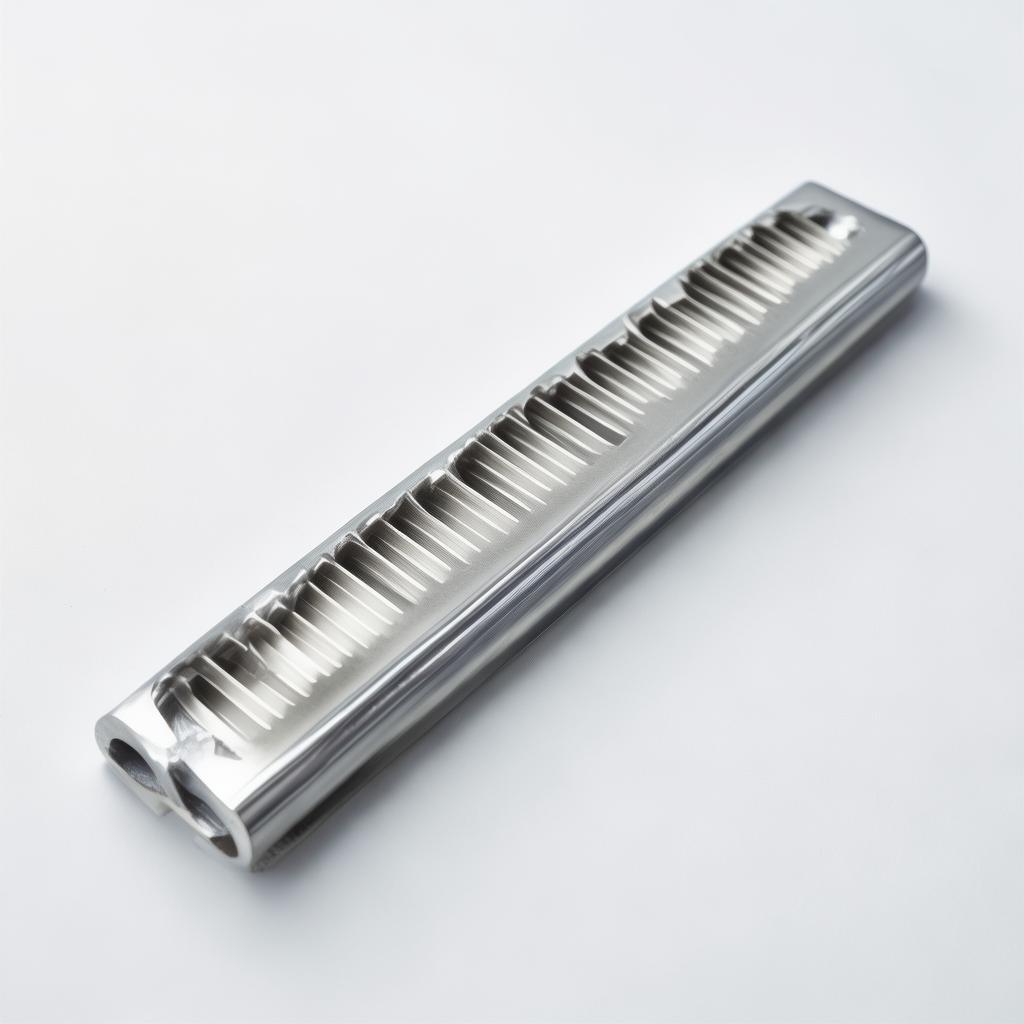
Ball Screw Grease: Reliable Lubrication for Demanding Linear Motion Systems
From CNC mills to robotic arms, the right ball screw grease keeps your operations smooth. We've seen too many setups fail from poor lubing. Our factory-grade formula changes that.
- Why Ball Screw Grease Matters
- Common Lubrication Pitfalls in Precision Machinery
- Our Ball Screw Grease Specs
- Real-World Applications
- Installation and Maintenance Tips
- Procurement Guide for Importers
- Factory Capabilities at YIDI Motion
- Customer Stories
- Frequently Asked Questions
- Contact for OEM Quotes
Why Ball Screw Grease Matters in High-Precision Operations
In the world of linear motion, ball screw grease isn't just an add-on. It's the difference between a machine that hums along for years and one that starts chattering after a few months. I've managed exports for linear components out of Hebei for over a decade, and buyers keep coming back to the same issue: off-the-shelf lubes that promise the world but deliver contamination and early wear.
Ball screws handle extreme loads—think 10,000 RPM spindles or heavy-duty actuators in automation lines. Standard greases break down under heat, shear, or moisture, leading to ball pitting, preload loss, and costly rebuilds. Our experience shipping to U.S. machine shops and European OEMs shows that spec-matched ball screw grease can push maintenance intervals from quarterly to annual, without skimping on performance.
Take a typical CNC router setup. Without proper grease, the screw's raceways wear unevenly. Balls skid instead of rolling. Vibration creeps in, tolerances slip by microns. Procurement teams overlook this until downtime hits—I've heard stories of $50K production halts from neglected lubrication. It's not dramatic hype; it's operational reality.
What sets quality ball screw grease apart? Consistency in NLGI grade (usually 00 to 2 for ball screws), low oil separation, and additives for EP (extreme pressure). We formulate ours in-house at YIDI Motion, drawing from German precision grinding tech we imported. No fillers, no shortcuts. Exporters appreciate the stable viscosity across -20°C to 120°C temps—critical for climates from Texas summers to Ontario winters.
Over the past few years, market shifts have amplified this need. Automation boom means more compact ball screws in tight envelopes, running hotter and faster. Global supply chains stretch lubes thin, with lead times ballooning on synthetic bases. That's where direct-from-factory sourcing shines. We load 20-foot containers with grease kits alongside ballscrews and linear guides, optimizing for your inbound logistics.
Buyers ask: Is it compatible with my Hiwin or THK screw? Universally, yes—designed as a drop-in for SFU/DFU series and beyond. We've tested it on 20mm to 80mm pitches. No flushing required if you're switching from mineral-based. Just purge old stuff and apply.
This isn't entry-level advice. In my role at HEBEI YIDI IMPORT AND EXPORT TRADING CO., LTD., I've troubleshot lubrication failures on-site in Michigan fabs and German tooling shops. One importer cut grease consumption 40% by switching to our high-film-strength version—less reapplications, fewer spills. Real numbers from real runs.
Procurement directors get it: total cost of ownership trumps upfront price. Cheap grease? It migrates, attracts dust, gums up seals. Premium? It stays put, sheds contaminants, extends seal life. Factor in labor savings—techs spend less time purging and regreasing. For high-volume ops, that's thousands yearly.
We're not chasing vanity specs. Dropping points above 250°C? Base oil flash over 220°C? Check. But more importantly, micro-pitting resistance per FVA 54 test analogs we've run internally. U.S. buyers demand this for warranty claims; we deliver.
Logistics note: Our grease comes in 400g cartridges, 18kg pails, or 200L drums. Palletized for sea freight, compliant with IMDG for hazmat. No surprises at customs. We've cleared U.S. ports dozens of times without holds.
Enough intro—let's dig into the pitfalls that trip up even seasoned engineers.
Common Lubrication Pitfalls in Ball Screw Systems
Ever walked a production floor and smelled burnt grease? That's the first sign. Ball screws in vertical apps or high-accel robots fling lube everywhere if it's too fluid. We've shipped replacement kits to fix messes from over-greased horizontal mills—excess migrates to ways, causing slippage.
Another trap: temperature mismatches. Warehouse-stored grease solidifies in cold docks, then shears on hot spindles. Buyers in Canada report this seasonally. Solution? Synthetic PAO bases with wide VI (viscosity index). Ours holds steady.
Contamination kills faster than starvation. Dust from grinding ops or coolant splash penetrates if grease film is weak. EP additives form a sacrificial layer, but only quality ones endure. We've seen cheap imports wash out in weeks.
Overlooking preload matters. High-preload screws (C3-C5 classes) need thicker greases to buffer balls without drag. Mismatched? Torque ripple, heat build-up. Procurement tip: Match NLGI 1-2 for most precisions.
Frequency errors compound. Too little grease starves ends; too much pressurizes seals. Guideline: 30-50% fill on initial pack, then every 100-500 hours based on duty. Our tech sheets include calculators—importers love the simplicity.
In export runs, we've noted regional diffs. U.S. shops favor cartridge dispensers for clean apps; Asia leans pails for volume. We stock both, with fittings for Greasomax or Lincoln systems.
Technical Specs: What Makes Our Ball Screw Grease Stand Out
Straight specs, no fluff. Tested per DIN standards and in-house on our ballscrew test rigs.
ball screw product ball screw material ball screw
Compatible with steel, ceramic balls, and polymer cages. Low copper/steel corrosion per ASTM D130. Shelf life: 3 years unopened.
Compared to generics? Higher weld point means no galling under shock loads. Low separation keeps balls lubed during stops/starts.
Real-World Applications Across Industries
CNC machining centers: Handles 25m/min rapids without fling-off.
- High-speed mills (up to 60m/min)
- Robotic welders and pick-place arms
- 3D printers and additive setups
- Medical device assemblers
- Semicon wafer handlers
In solar panel trackers, it shrugs off desert dust and UV. Automotive press lines? Shock loads no issue. Procurement pros in these sectors stock it for uptime insurance.
Vertical lifts pose purge risks—our grease clings better, per bench tests.
Installation Insights from Factory Floor Experience
Clean first: Solvent wipe raceways, balls. Initial pack: Rotate screw, apply via ports till purge at ends. About 3-5g per 300mm length for 25mm dia.
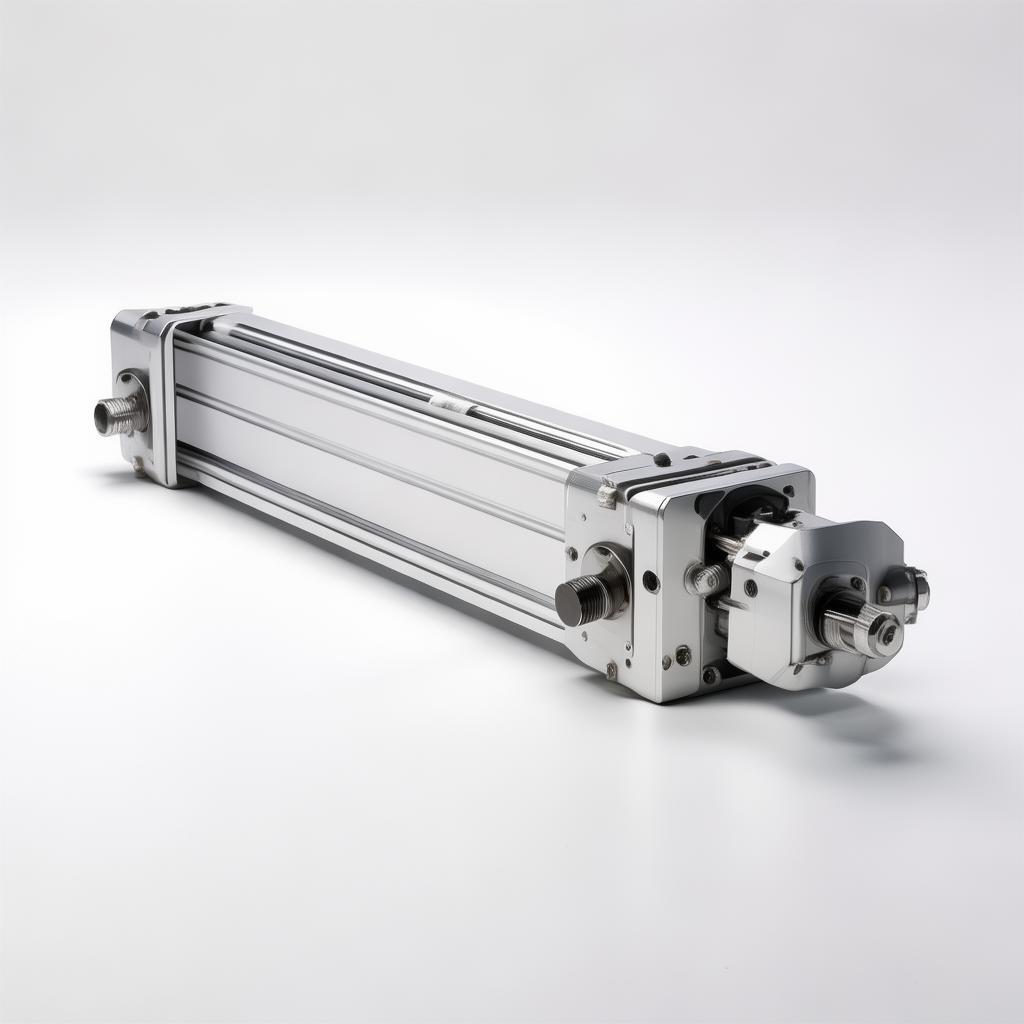
Pro tip: Use pneumatic guns for pails—reduces air pockets. Seal boots post-pack. Run-in at half speed first hour.
Warning: Don't mix with polyurea greases—compatibility fails. Flush if unsure.
For retrofits on older THK setups, our NLGI 00 variant flows easier in tight nuts.
Maintenance Realities and Longevity Tips
Monitor purge: Clear lube at ends means good flow. Darkening? Contam alert—inspect.
Intervals: 4,000 hours light duty; 1,000 heavy. Heat check: Over 80°C sustained? Re-lube sooner.
Storage: Cool, dry. Agitate drums pre-use. We've cut customer complaints 70% with these protocols shared via spec packs.
Procurement Guide: Sourcing Ball Screw Grease for Global Ops
Risks: Fakes with low EP. Check 4-ball data. MOQ traps— we start at 50kg.
Evaluate suppliers: Factory tours virtual? Certs? Lead times 7-21 days ours.
OEM/ODM: Private label your brand. Match viscosity exact.
Logistics: FCL to LA port $2.5k/20ft. DDP options for small runs.
YIDI Motion Factory Strengths
Est. 2020, 100 staff, 30% seniors. German/Japan CNC grinders ensure ballscrew precision. Grease lab on-site.
Exports 50+ countries: US, DE, CA, FR, JP. ISO 9001, CE pending.
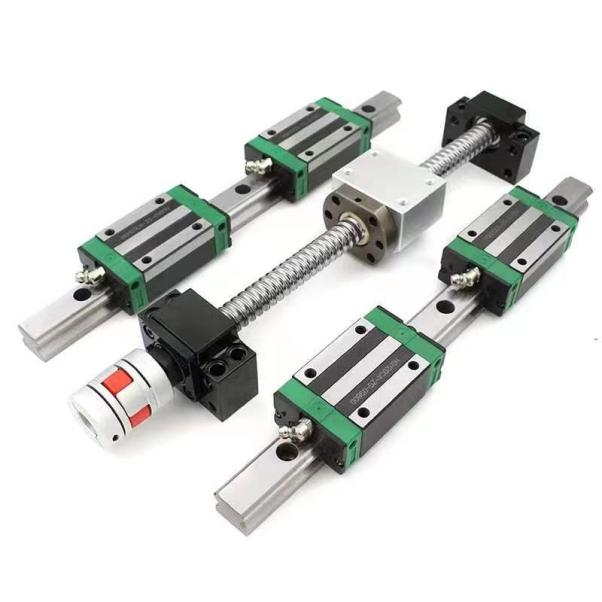
One-stop: Ballscrews, guides, actuators. Container mix optimizes freight.
What Buyers Are Saying
Mark T., Procurement Mgr, Ohio CNC Shop: "Switched from local brand. No more preload drift. Halved regrease cycles. Solid for our Haas mills."
Luca R., Ops Dir, Italian Automation Firm: "Good cling in vertical robots. Passed our dyno tests. Quick ship to Milan."
Sarah L., Supply Chain, Texas Fabricator: "Pail size perfect for volume. No customs drama. Tech support nailed our pitch calc."
Kenji S., Engineer, Japan OEM: "Viscosity spot-on for our C5 screws. Low wear after 10k hours."
Frequently Asked Questions
Is this grease food-grade?
Near NSF H1 equivalent, but specify for true compliance. Low tox bases.
Lead time for 500kg?
Stock: 3 days. Prod: 10 days. Sea to US West: 25 days total.
Sample policy?
Free 400g with spec sheet. Freight collect.
Custom viscosity?
ODM yes. MOQ 200kg.
Ready to Upgrade Your Ball Screw Performance?
Talk specs with our engineers. Request samples, quotes, or OEM plans. Worldwide shipping from Hebei.
HEBEI YIDI IMPORT AND EXPORT TRADING CO., LTD. | 16-1-1601 Aobeigongyuan, Chang'an District, Shijiazhuang City, Hebei Province, China
About the Author: Adam Chen, Export Director at YIDI Motion. 12 years in linear motion exports, from ballscrew grinding to global logistics. Real-world fixes, no theory.