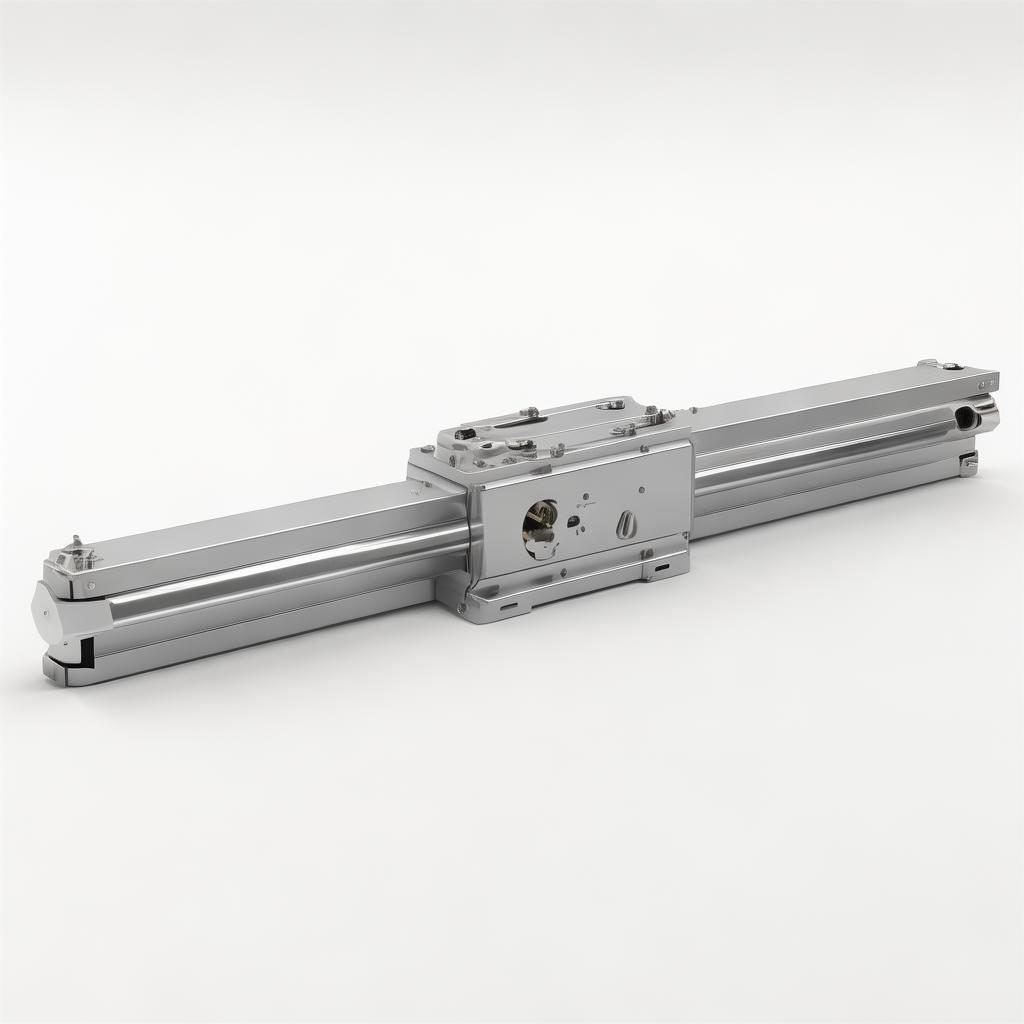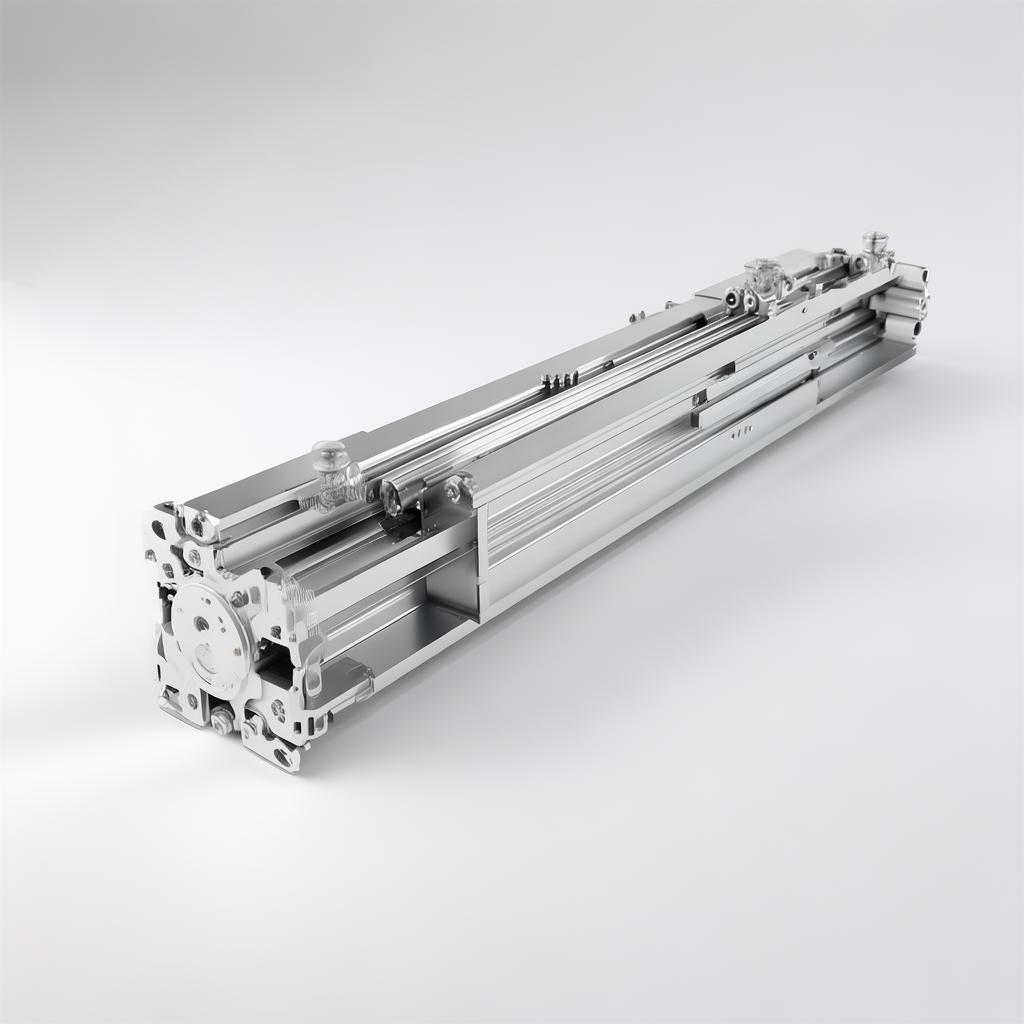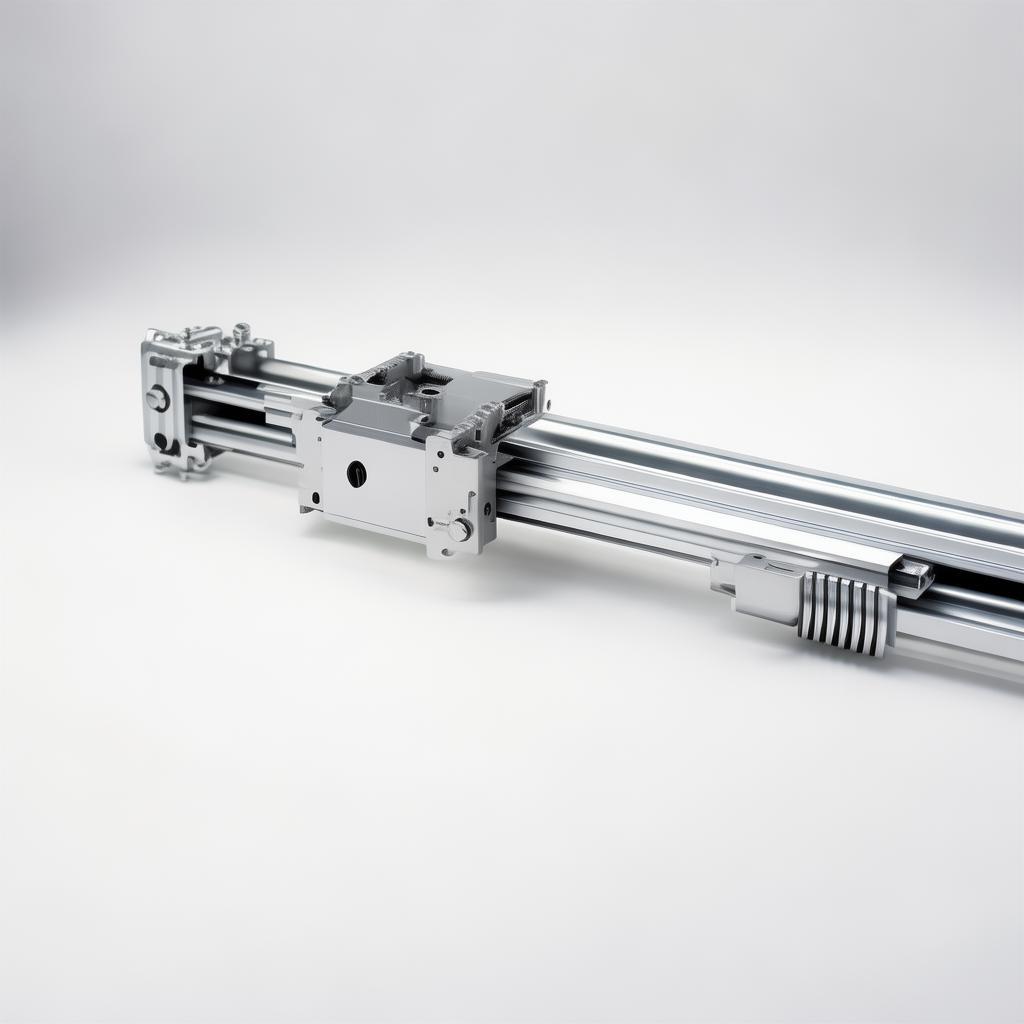
Ball Screw End Block: Reliable End Supports for Precision Linear Motion
Sourcing the right ball screw end block keeps your CNC or automation setup running smooth. We've handled thousands of these for exporters worldwide—let's get you specs, pricing, and delivery options that match your project.
Table of Contents
Common Procurement Risks When Sourcing Ball Screw End Blocks
Procurement managers know the drill. You order ball screw end blocks for a new linear axis, and two weeks later, they're wobbling out of alignment. Misalignment eats into precision fast—think 0.05mm errors turning into scrapped parts on a CNC mill.
One issue pops up often: cheap imports with thin walls. They flex under preload, shortening ball screw life by months. We've seen U.S. importers ditch suppliers after first batches failed load tests. Then there's mismatched threading—end blocks that don't mate perfectly with your SFU or DFU nuts lead to binding.
Lead times drag too. Spot market stuff from unverified factories hits 45-60 days, killing project timelines. And certifications? Many skip proper ISO checks, leaving you exposed on liability if a machine fails in production.
- Undersized housings crack under dynamic loads over 5kN.
- Poor surface finishes accelerate wear on ball screw journals.
- Fake precision claims—no real C5 or C7 grinding proofs.
- Logistics headaches: partial containers, customs holds on unverified docs.
We've consulted on dozens of these fixes. Switching to vetted end blocks often cuts downtime by half. But it starts with picking suppliers who actually machine these daily.
YIDI Motion Ball Screw End Blocks: Built for Real-World Demands
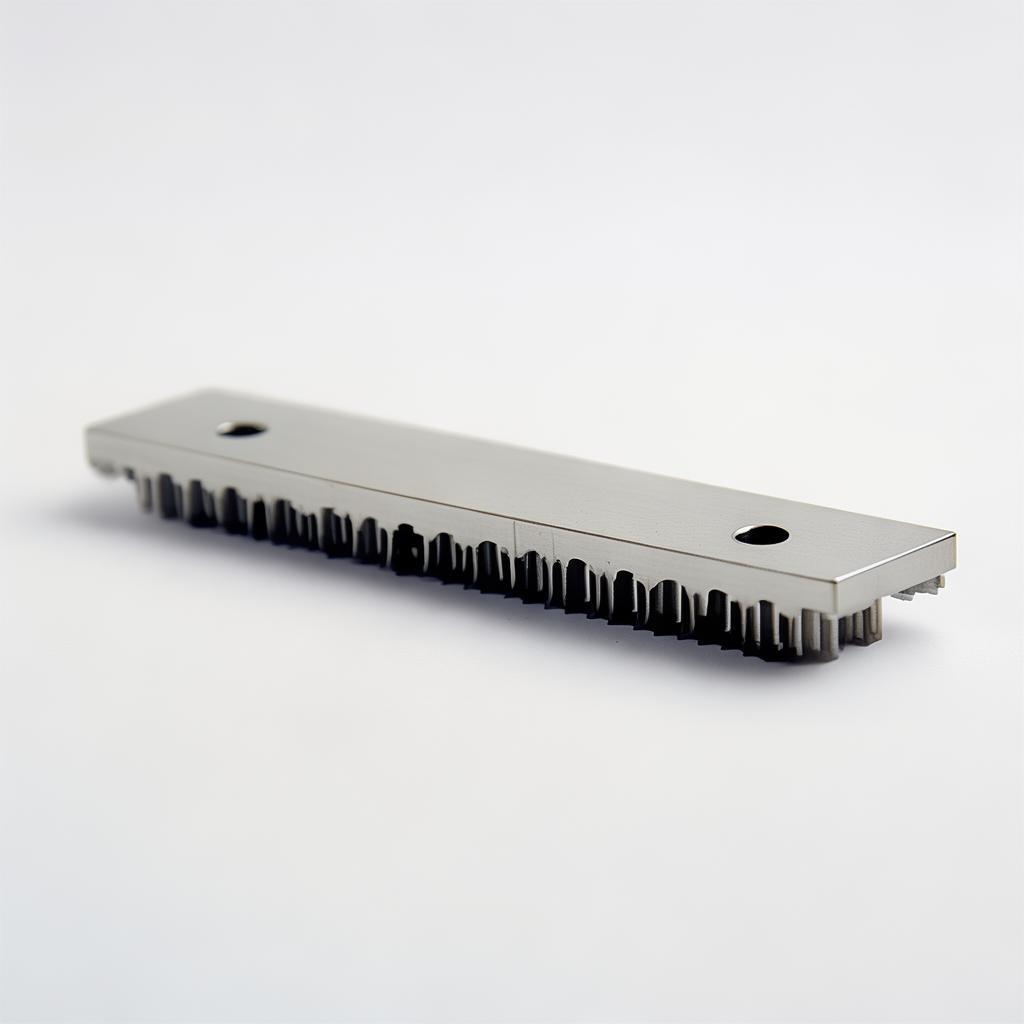
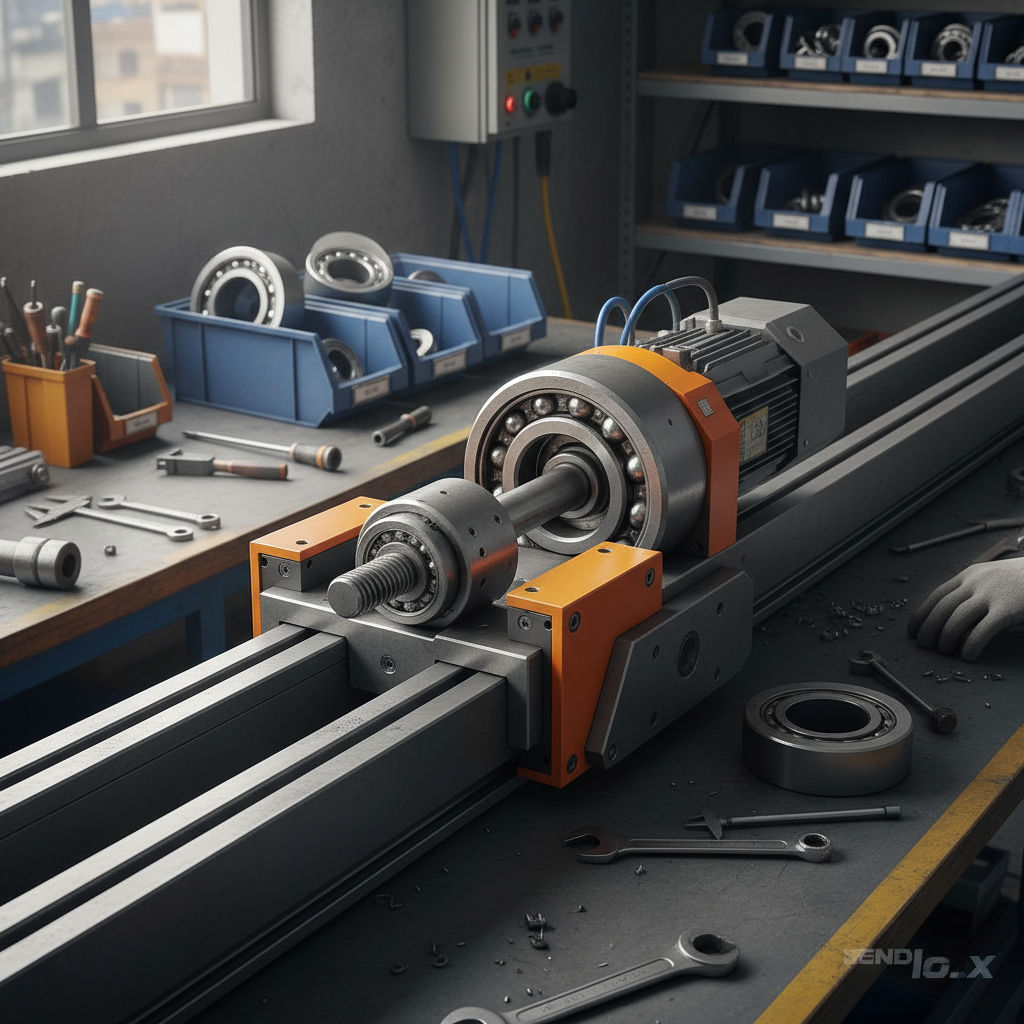
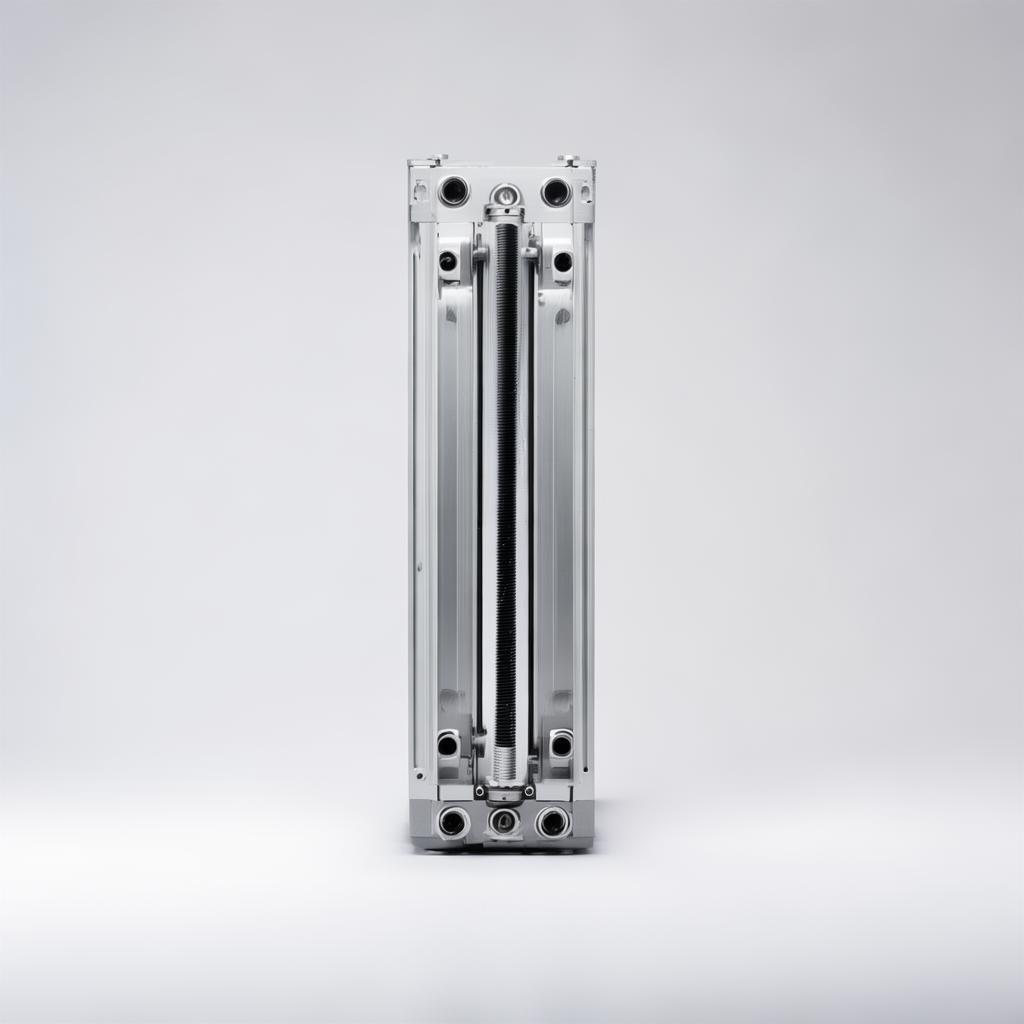
Our ball screw end blocks anchor the ends securely—fixed or floating designs to handle axial loads without drama. Machined from 6061-T6 aluminum or carbon steel, they pair with ball screws from 12mm to 80mm diameters. No fluff, just components that hold up in 24/7 automation.
What sets them apart? Integrated dowel pin holes for repeatable mounting. We've dialed in tolerances to IT7 for bores, ensuring zero radial play. Preload washers are standard on fixed types, distributing force evenly.
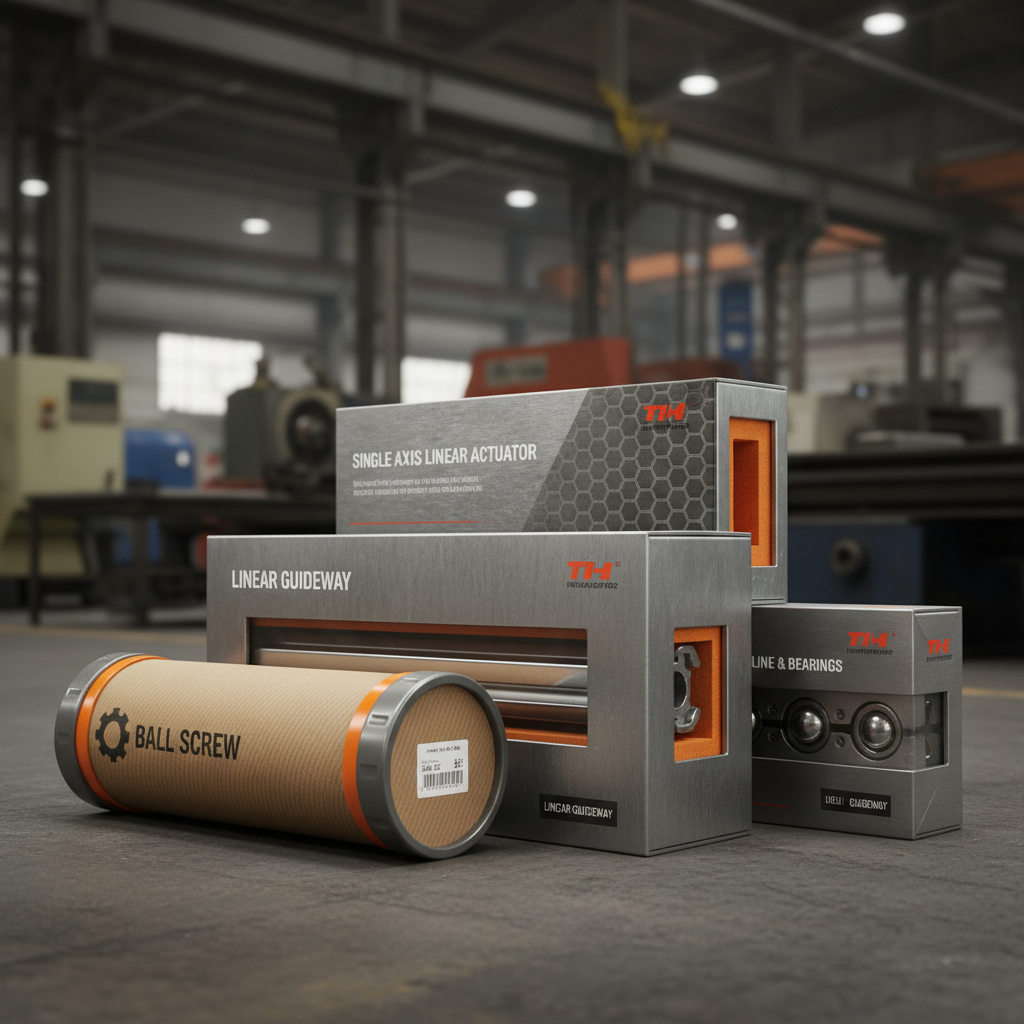
Customization hits OEM sweet spot. Need metric or imperial bolts? Extended flanges for panels? We tweak without minimums bloating costs. Export-ready packaging keeps them pristine from Shijiazhuang to your dock.
Operationally, these end blocks shine in retrofit jobs. One engineer swapped them into an older Haas mill—alignment held after 5000 hours, no re-shims needed. That's the kind of reliability procurement teams bank on.
Where Ball Screw End Blocks Deliver in the Field
CNC routers first. They take the thrust from rapid Z-axis moves, keeping balls circulating smooth. Robotics arms next—precision grippers demand end blocks that lock position without backlash.
Semicon equipment loves them too. Cleanroom grades available, with stainless options for washdown. And don't overlook packaging lines: high-cycle vertical actuators where end play means jams.
Table of common fits:
| Application | End Block Type | Load Range |
|---|---|---|
| CNC Milling | Fixed | Up to 10kN |
| Robot Joints | Floating | 2-5kN |
| Packaging | Combo | 5-8kN |
| 3D Printers | Floating | <2kN |
Procurement tip: Match end block preload to your ball nut. Overdo it, and friction spikes power draw.
Technical Specifications: Ball Screw End Block Models
Detailed specs below cover our standard range. All units metric unless noted. Custom bores available 16-100mm.
| Model | Screw Dia (mm) | Type | Material | Max Load (kN) | Weight (kg) |
|---|---|---|---|---|---|
| BK12 | 12-16 | Fixed | Aluminum | 3.5 | 0.2 |
| BF20 | 20-25 | Floating | Steel | 6.0 | 0.45 |
| BK40 | 40 | Fixed | Aluminum | 12.5 | 1.1 |
| Combo80 | 80 | Fixed/Floating | Steel | 25 | 4.2 |
ball screw end ball end screw screw with ball end
Tolerances: Bore H7, flange flatness 0.02mm. Torque specs on bolts: M6=10Nm, scale up linearly. RoHS compliant materials throughout.
Need CAD files? Hit us up—we ship STEP and IGES formats free with quotes.
Practical Installation and Maintenance for Ball Screw End Blocks
Mounting's straightforward but finesse matters. Torque bolts dry first—loctite on second pass if vibration's high. Align with dial indicator: under 0.01mm runout or you're chasing ghosts later.
Floating end goes opposite the load side. Grease ports? Use lithium EP2 every 500 hours. Watch for scoring—early sign of debris ingress.
- Clean journals with IPA before assembly.
- Preload adjust: shim 0.02-0.05mm stacks.
- Temp range: -10°C to 80°C standard.
- Lube interval: doubles life in clean ops.
Logistics angle: These pack tight—20x BK15s per carton, palletizes to 500pcs/20ft container. Duty class 8483.50 for U.S. imports.
Inside YIDI Motion: Our Manufacturing Edge for Ball Screw End Blocks
YIDI Motion kicked off in 2020, but our core team brings 20+ years from bigger linear motion outfits. 100 staff strong, 30% senior techs running DMG Mori 5-axis mills and Okuma grinders imported straight from Germany and Japan.
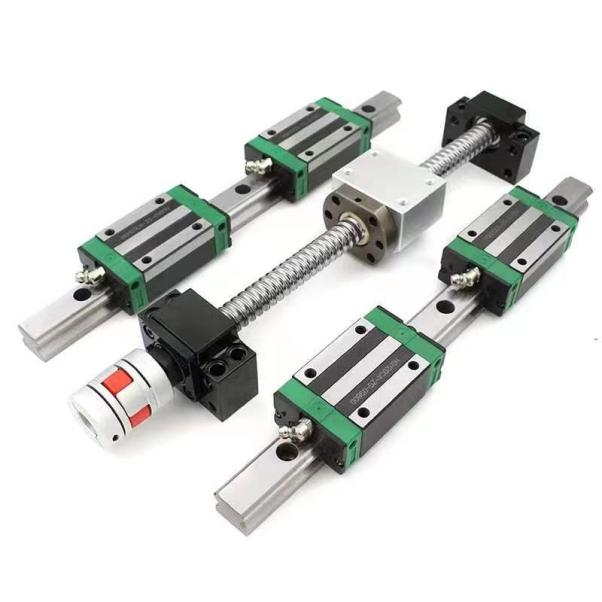
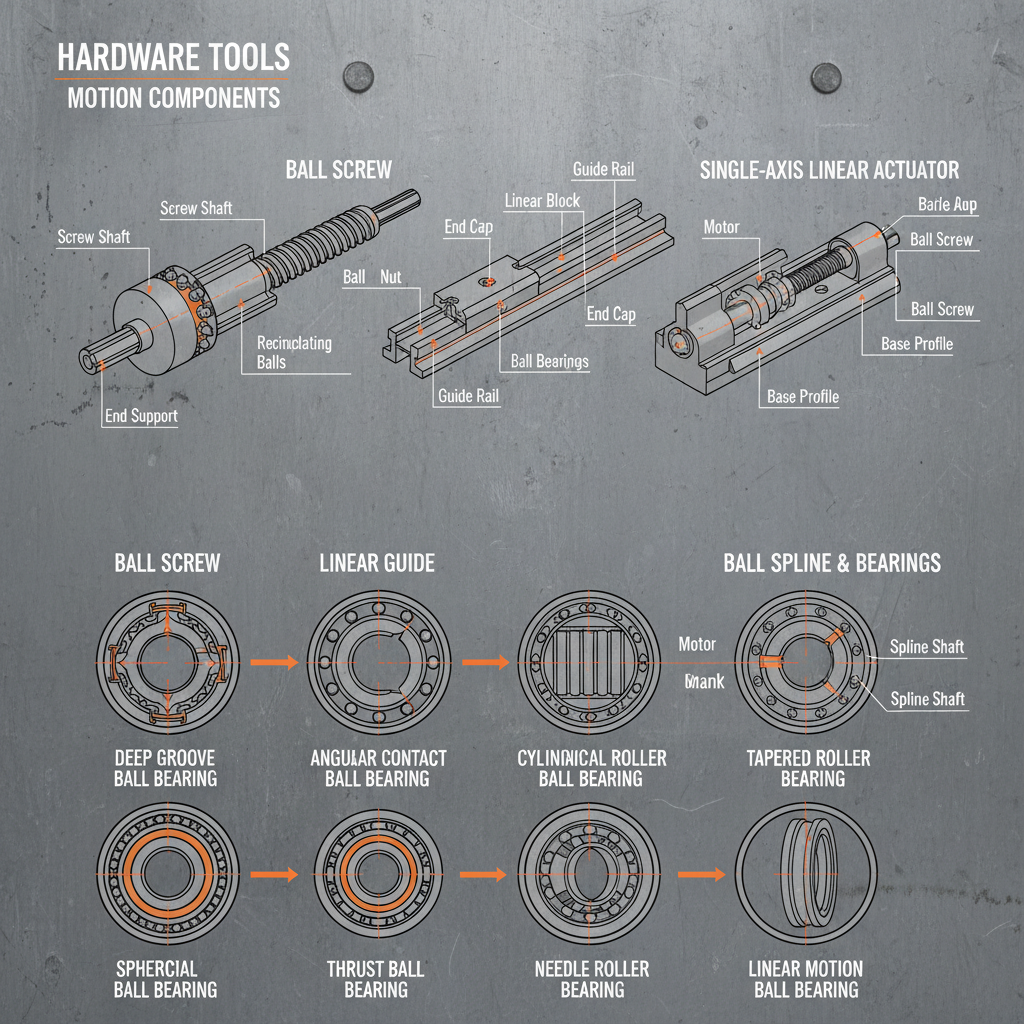
We handle full linear motion: ball screws, guides, actuators, splines. One-stop means your end block matches the screw perfectly—no interface mismatches. Exports to 50+ countries: U.S., Germany, Japan get weekly air freight.
Certifications locked in: ISO 9001:2015, CE marked, RoHS. Full traceability—lot numbers laser etched. OEM/ODM? We've rebranded for U.S. integrators, private labeled for Euro distributors.
Capacity: 5000 end blocks monthly, lead 15-25 days stock to custom. Hebei base cuts costs 20% vs. coastal factories, passes straight to you.
Contact our engineers anytime. Adam at adam@yidimotion.com or +86 18134111662. Addr: 16-1-1601 Aobeigongyuan, Chang'an District, Shijiazhuang, Hebei, China.
Feedback from Procurement Pros
Real talk from buyers who've run these in production.
Mike R., Operations Manager, Texas CNC Shop: "BK25 fixed blocks slotted right in. Held 8kN no flex. Delivery 18 days door-to-door. Better than THK pricing."
Sarah L., Supply Chain, Ontario Robotics: "Custom floating for 32mm screw. CAD files same day. Install took half a day—alignment spot on."
Tom K., Importer, California: "OEM run of 200pcs. Quality beat Alibaba samples. 20ft container packed efficient, no damage."
Raj P., Project Engineer, UK Automation: "Floating ends fixed our thermal expansion issue. Preload washers were a nice touch. Repeat order incoming."
Frequently Asked Questions on Ball Screw End Blocks
What’s the difference between fixed and floating end blocks?
Fixed takes axial load, floating allows thermal growth. Use fixed on drive end, floating opposite.
Can you do stainless steel versions?
Yes, 304 or 316 for corrosive environments. Add 15% to lead time.
MOQ for custom machining?
50pcs min. Prototypes single-run possible at sample pricing.
Shipping to USA—duties and times?
Air: 7-10 days, ~$15/kg. Sea: 25-35 days, full container $2500. We handle commercial invoices.
Compatible with Hiwin or TBI screws?
100%. Standard journal fits, or spec your shaft dia.
More questions? Email Adam.
Ready to Spec Your Ball Screw End Blocks?
Get factory-direct pricing, samples, or full OEM plans. No games—just straight procurement support.
+86 18134111662 | adam@yidimotion.com | Full Contact
Written by Adam Li, Export Director at YIDI Motion. 15 years in linear motion exports. Last updated: October 2026.
HEBEI YIDI IMPORT AND EXPORT TRADING CO.,LTD. | Precision Linear Components Factory