Meta Description: Reliable ball rail systems for CNC, automation, robotics. YIDI Motion factory-direct OEM/ODM linear guides. Precision accuracy, heavy load capacity. Export worldwide. Request specs & quotes today.
Ball Rail Systems: Precision Linear Motion for Demanding Industrial Applications
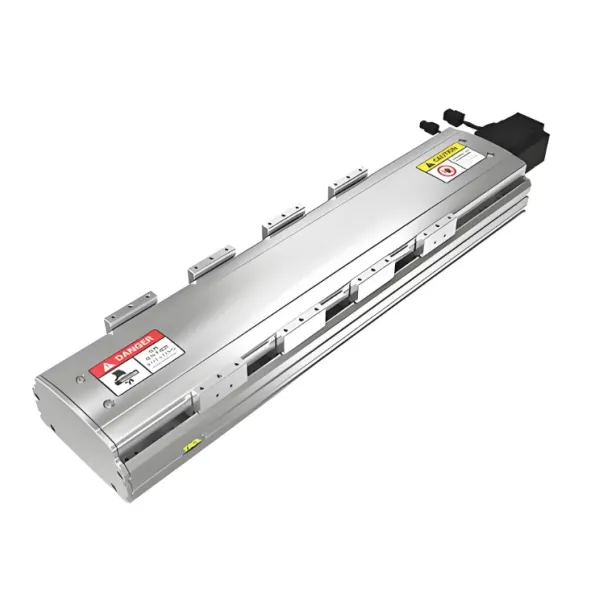
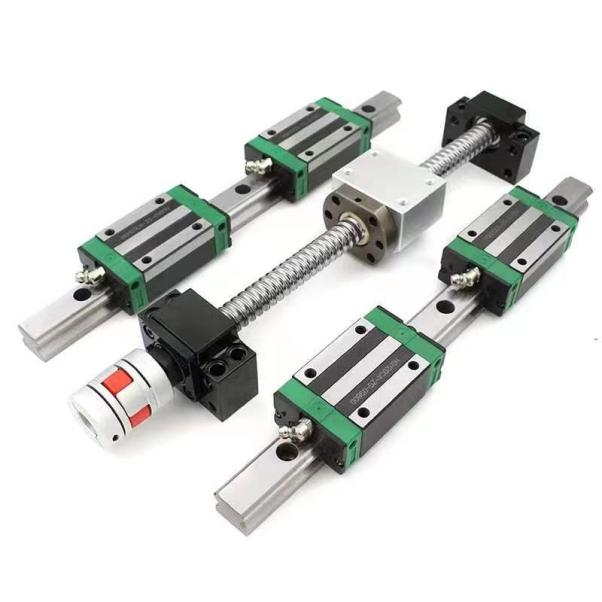
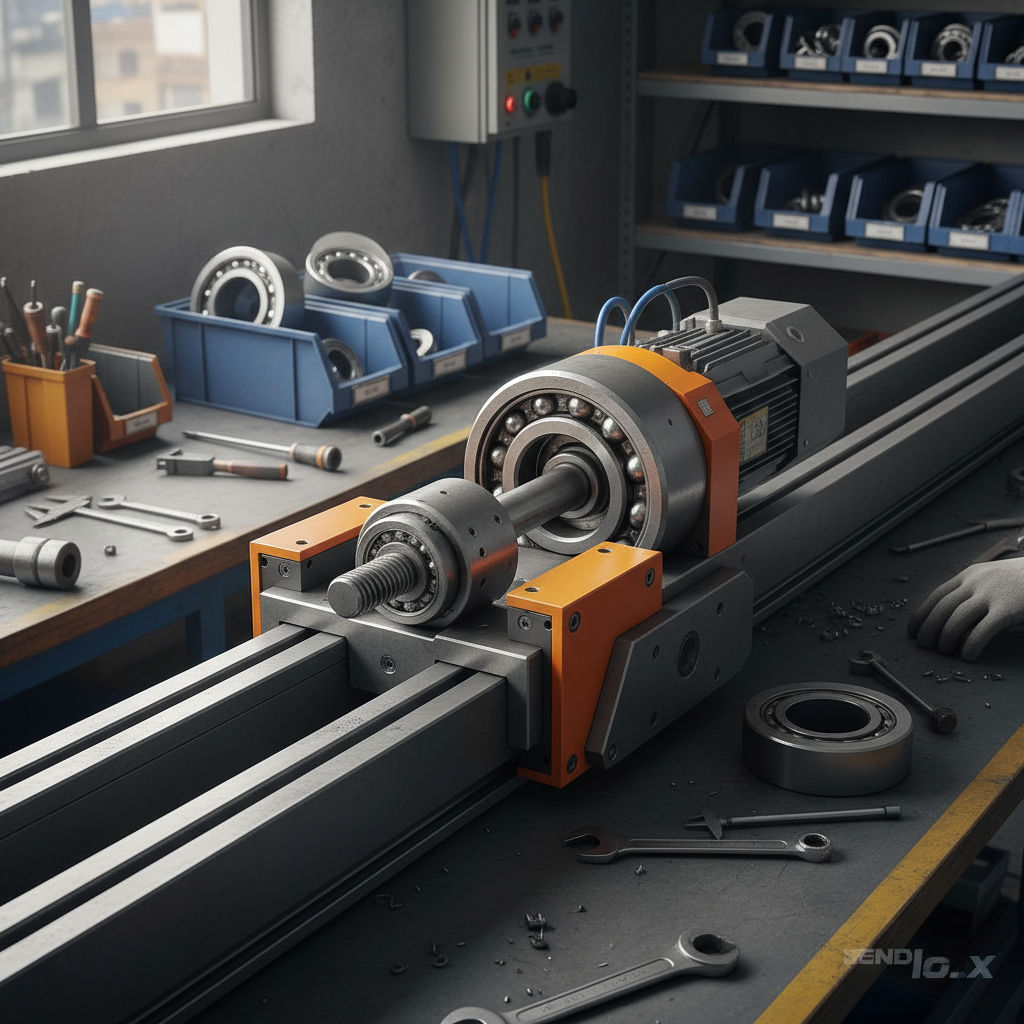
In manufacturing setups where every millimeter counts, ball rail systems stand out as the workhorses of linear motion. We've been supplying these to machine builders and automation integrators for years, watching them handle everything from high-speed CNC spindles to heavy-duty robotic arms. At YIDI Motion, our ball rail systems—essentially profiled linear guides with recirculating ball bearings—deliver the smooth, backlash-free travel you need without the binding issues that plague cheaper alternatives.
Procurement teams often come to us after dealing with overseas suppliers who promise the world but deliver rails that wear out too fast under load. A ball rail system isn't just a rail and carriage; it's an engineered solution with hardened steel profiles, precision-ground raceways, and ball recirculation channels designed for dynamic loads up to 500kN in larger sizes. We've seen operations cut downtime by switching to our systems because they maintain accuracy over millions of cycles.
Table of Contents
Understanding Ball Rail Systems: How They Work Under Load
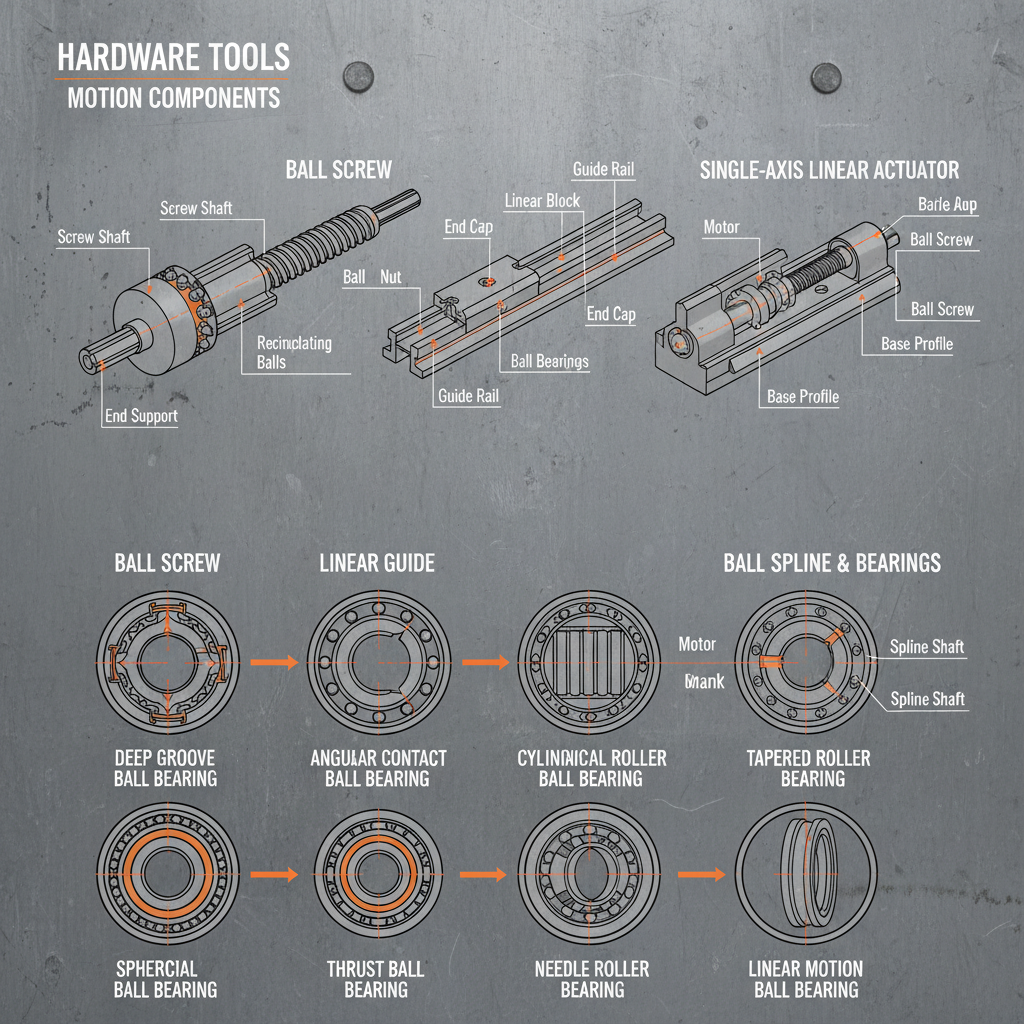
Take a typical setup: a machine tool slide where friction means scrap parts and frustrated operators. Ball rail systems replace that with four rows of 3 to 6mm steel balls rolling in deeply profiled raceways. The rail itself is through-hardened steel, often C45 or better, with precision grinding to tolerances like IT3 or tighter. Our carriages come in widths from 15mm up to 65mm standard, but we handle customs beyond that.
Recirculation happens via end caps and return channels—simple, but critical. Balls pick up speed without skidding because of the 45-degree contact angle, balancing loads in all directions. We've tested these in-house: dynamic load ratings hold up even after 100km of travel at 2m/s. Not every supplier admits this, but preload matters. Class C0 to C3 options let you tune for rigidity versus smoothness.
One thing buyers overlook: dust. Our seals use double-lip nitrile rubber, keeping contaminants out longer than basic wipers. In dirty shops, that alone extends life. And for high-acceleration axes, low-friction coatings cut drag by noticeable amounts—no magic numbers, just smoother starts.
Compared to roller rails, ball systems run quieter and lighter. Rollers take more beating on impacts, but balls excel in repetitive precision moves. We've shipped thousands to US integrators who pair them with our ball screws for full axes.
Where Ball Rail Systems Shine in Real Operations
Machining centers first. X and Y axes demand repeatability under chip loads. Our HGH series (standard flange mount) handles that, with customers reporting sub-0.01mm positional accuracy over 1m travels.
Robotics next—gantry pickers, SCARA arms. Vertical Z-axes need anti-creep tech; our designs lock balls in place during stops. Seen it prevent drift in 24/7 packaging lines.
- CNC Mills/routers: High-speed contouring, minimal backlash.
- Automated warehouses: Smooth pallet movers, low noise.
- Medical devices: Cleanroom-compatible with stainless options.
- 3D printers (industrial): Quiet, precise layering.
- Semicon equip: Vacuum-rated versions available OEM.
One importer told us last year: "Switched from European brand—same specs, half the landed cost, no quality drop." That's the edge for US buyers facing supply chain squeezes.
Buyer's Guide: Selecting the Right Ball Rail System
Start with load. Calculate C_dyn (basic dynamic) times application factor. For intermittent use, 1.0-1.5; continuous heavy, up to 3.0. Rigidity? Preload C1 boosts stiffness 20-30% but raises friction.
Accuracy classes: P (normal), H (high), SP (super). Most procurement specs call for P, but tolerances stack up in multi-axis builds—go H for peace of mind.
Risks to dodge: Undersized rails fail early. Offshore knockoffs warp under heat. Check for chrome plating on raceways; it wears off fast. Demand hardness certs: 58-62 HRC min.
| Factor | Recommendation | Why It Matters |
|---|---|---|
| Size Selection | Match block to max load | Prevents deflection |
| Lubrication | Integrated grease nipples | Extends cycles 2x |
| Mounting | Tapped holes, dowels | Alignment critical |
| Custom Lengths | Up to 6m stock | No joints needed |
linear ball rail ball bearing rail linear rail ball bearing
Budget tip: Bulk OEM drops unit price 30-40%. Lead time 4-6 weeks standard; rush 2 weeks extra.
Ready to spec? Send your drawings—get factory pricing in 24h.
Standard Technical Specifications
| Model | Width (mm) | Dyn Load (kN) | Stat Load (kN) | Accuracy |
|---|---|---|---|---|
| HGH15 | 15 | 12.5 | 19.2 | P/H |
| HGH20 | 20 | 19.8 | 30.2 | P/H/SP |
| HGH25 | 23 | 26.2 | 41.3 | P/H |
| HGH30 | 28 | 34.2 | 55.1 | P/H/SP |
| HGH35/HGW35 | 34 | 45.5 | 73.5 | P/H |
| HGH45 | 45 | 67.1 | 105.6 | P/H |
Note: Values per block, paired for full systems. Full catalog on request. Materials: Rail S55C hardened; Block aluminum alloy.
Installation Realities and Maintenance Schedules
Mounting's straightforward but unforgiving. Level rails to 0.02mm/300mm or binding creeps in. Use dial indicators; torque bolts to spec—overtighten strips raceways.
Lube every 3-6 months, depending on duty. Grease points are accessible; we supply high-temp lithium-based. In washdown areas, watch for ingress.
Common pitfalls: Misaligned parallels cause uneven wear. Vertical installs need end clamps. Expect 50,000-100,000km life with proper care.
Why Partner with YIDI Motion Factory
HEBEI YIDI IMPORT AND EXPORT TRADING CO., LTD.—YIDI Motion since 2020. 100 staff, 30% senior techs. German/Japanese CNC grinders ensure flatness. We export to 50+ countries: US, Germany, Japan, Canada.
OEM/ODM full-service: Custom profiles, logos, packaging. One-stop linear motion: pair with ball screws, splines, modules.
- ISO 9001 certified (cert/iso.png available)
- CE marked for EU
- ROHS compliant
- Lead times: 25-45 days container
- MOQ flexible for samples
Logistics: FOB Tianjin, 20GP holds 10 tons. Duties? We advise HS codes. US importers love our container optimization—fits more than bulky Euro packs.
Contact: +86 18134111662 | adam@yidimotion.com | Full details
What Procurement Pros Say
Mark T., Operations Mgr, Ohio CNC Shop: "Needed 2m rails quick for a retrofit. YIDI hit specs, arrived in 28 days. Smoother than THK replacements, price unbeatable."
Sarah L., Supply Chain, Texas Automation: "OEM run of HGH30 blocks. Tolerances spot-on, preload perfect. Cut our axis costs 35%. Samples first sealed the deal."
John R., Engineer, California Robotics: "Heavy Z-axis app. Held 80kN without creep. Maintenance simple—grease quarterly. Better value than domestic."
Carlos M., Importer, Florida: "Full gantry kit: rails, blocks, screws. Container packed tight, no damage. Repeat business."
Frequently Asked Questions
Q: Interchangeable with Hiwin/THK?
A: Yes, drop-in for most HGR/HGH sizes. Drawings match.
Q: Custom lengths over 3m?
A: Up to 6m seamless. Joint kits for longer.
Q: Samples for testing?
A: Free for qualified buyers; pay freight.
Q: Warranty?
A: 12 months, extendable on OEM.
Q: US stock?
A: No, but air ship 7-10 days.
Next Steps for Your Project
Don't risk unproven suppliers. Get tailored specs, pricing, or samples.
HEBEI YIDI – Reliable since 2020. Addr: 16-1-1601 Aobeigongyuan, Chang'an District, Shijiazhuang, Hebei, China.
Written by Adam Li, Export Director, YIDI Motion.
 Over 12 years in linear motion exports. Connect.
Last updated: 2026. © YIDI Motion.