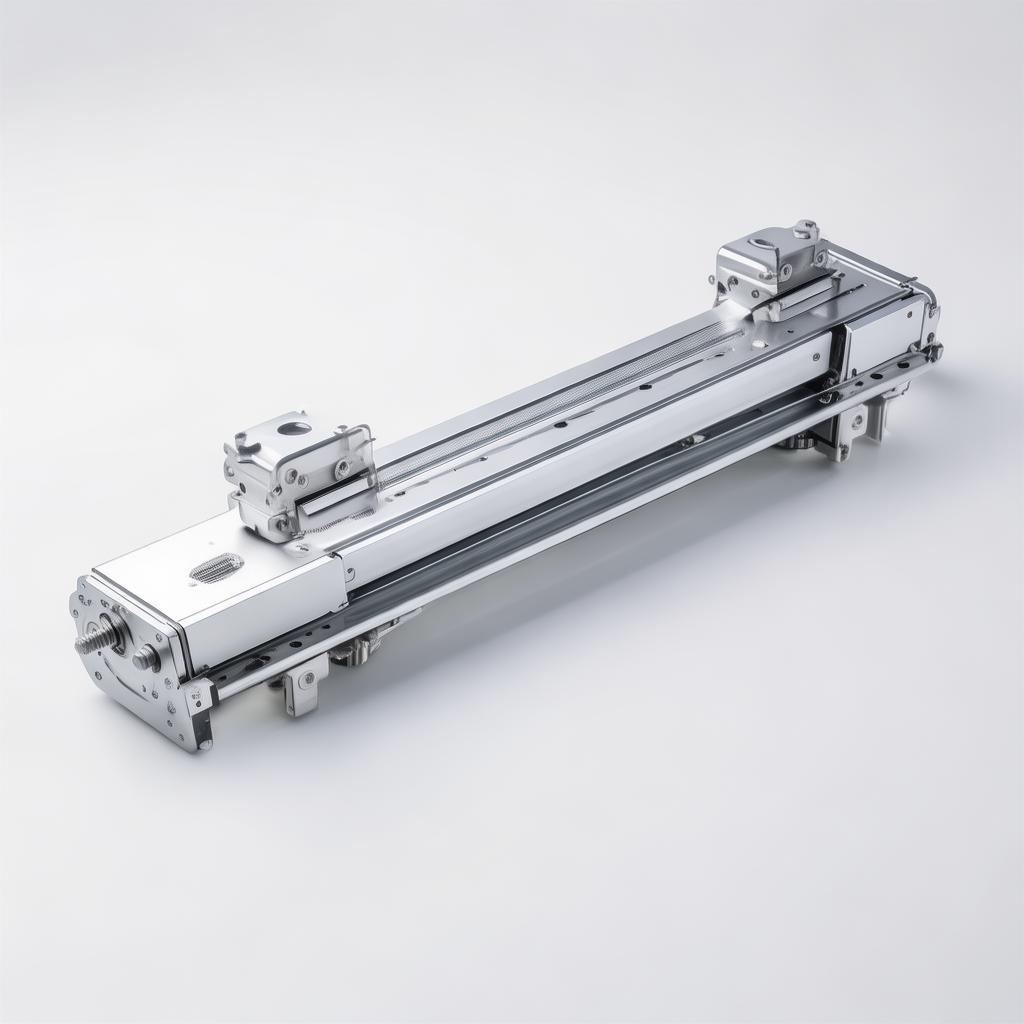
Ball Bearing Rails: Precision Linear Motion for Demanding Industrial Applications
Sourcing reliable ball bearing rails shouldn't mean endless supplier hunts or quality headaches. We've shipped thousands of meters to U.S. factories—OEM linear guides built for your CNC, automation lines, and heavy-duty slides.
Quick Navigation
Sourcing Ball Bearing Rails: Common Pitfalls U.S. Buyers Face
Procurement managers know the drill. You spec out a ball bearing rail for your automation project, only to get rails that bind under load or wear out in months. Happens more than you'd think, especially when chasing the lowest quote from unvetted suppliers.
Lead times stretch to 12 weeks. Customs holds shipments over minor paperwork. And tolerances? Off by microns, throwing your machine alignment out the window. I've handled calls from operations directors in Ohio factories scrambling for replacements mid-production run.
Take tolerances. A C0-class rail might promise smooth travel, but cheap imports often clock in at C7 or worse—dynamic load drops 30-50%. Preload mismatches cause chatter. Suddenly, your high-speed pick-and-place line vibrates like it's on a washing machine.
Then logistics bites. FOB Shanghai sounds cheap, but port congestion in Ningbo adds weeks. No container optimization means partial loads and surprise fees. We've seen U.S. importers pay 20% extra on freight alone.
One more: Material certs. Rails need hardened steel raceways, chrome alloy balls—GCr15 or equivalent. Knockoffs use soft steels, pitting after 5,000 cycles. Your ROI evaporates.
Bottom line? Risk adds up. Delayed projects cost thousands per day. That's why directors lean toward proven exporters with U.S. track records.
YIDI's Ball Bearing Linear Rails: Engineered for Real-World Demands
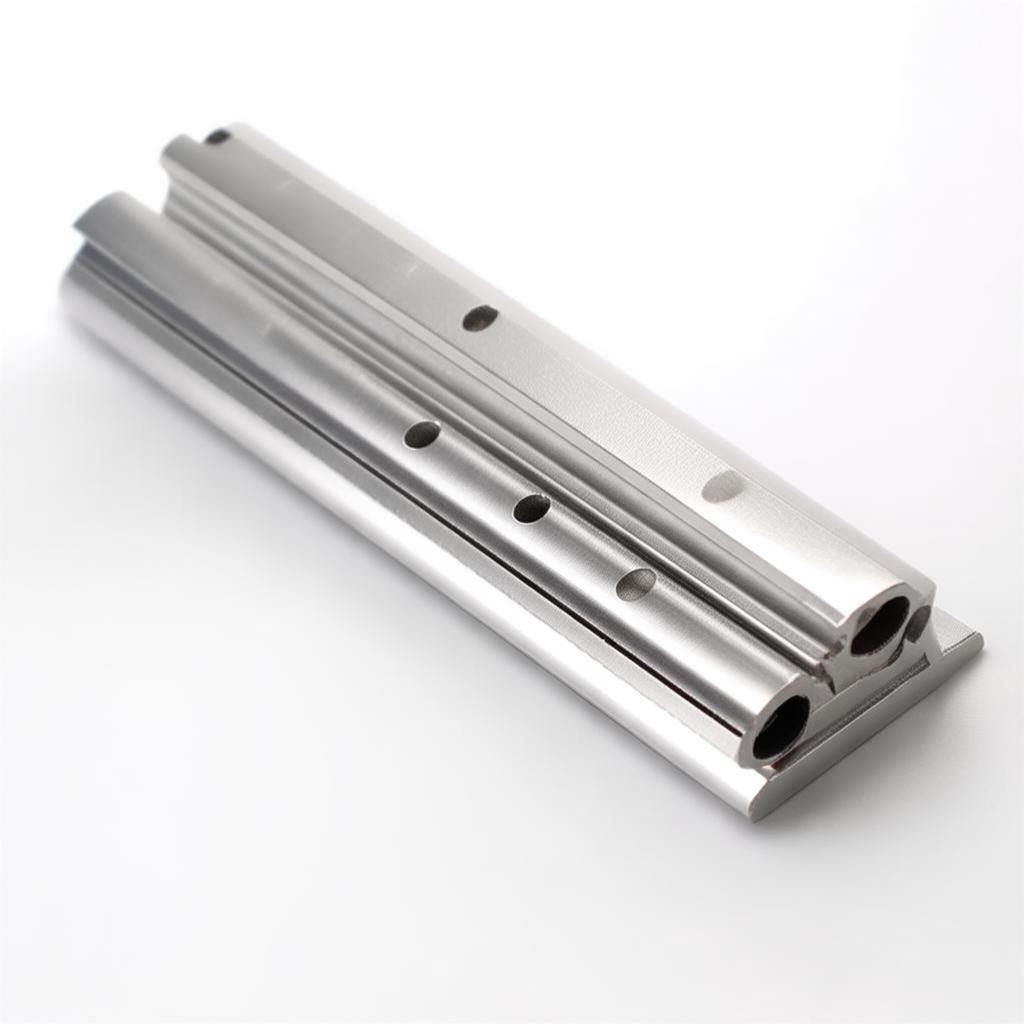
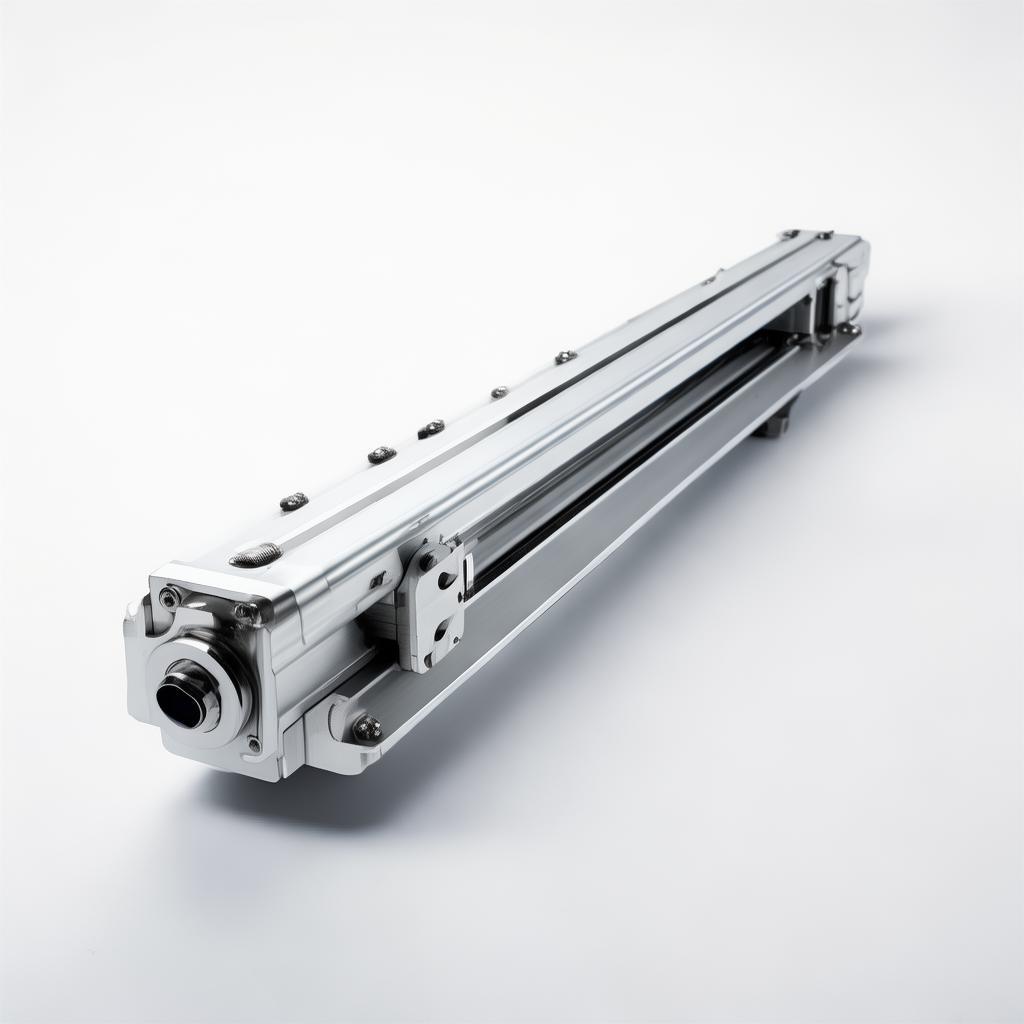
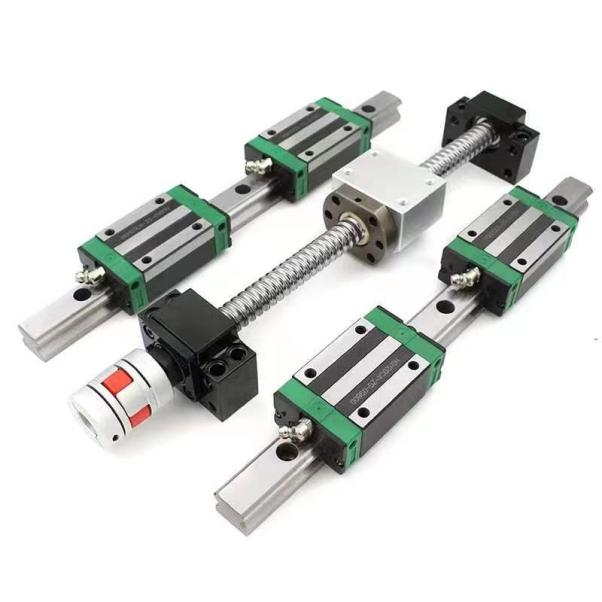
Our ball bearing rails aren't off-the-shelf generics. Built in our Hebei facility, these are HGR/HGH series equivalents—20mm to 65mm widths, lengths up to 6 meters stock, custom to 10m. Four-row ball circulation for max rigidity, even under moment loads.
Why do they perform? Gothic arch contact angle—usually 50-55 degrees—spreads load evenly. Balls are precision-ground, diameter tolerance within 0.5 microns. Raceways hardened to 58-62 HRC. No edge stresses, no premature spalling.
We match DIN 645-1 accuracy. C0 down to P-class for ultra-precision apps. Preload options: light (Z0), medium (ZA), heavy (ZB). Pick based on your rigidity needs—medium handles most CNC gantry setups without backlash.
| Model | Width (mm) | Max Length (m) | Dyn Load (N) | Stat Load (N) |
|---|---|---|---|---|
| HGR20 | 20 | 3 | 21,500 | 28,300 |
| HGR25 | 23 | 4 | 33,200 | 41,500 |
| HGR30 | 28 | 5 | 45,500 | 59,600 |
| HGR35 | 34 | 6 | 58,700 | 73,500 |
| HGR45 | 45 | 6 | 79,400 | 102,200 |
linear rail ball bearing ball rail system linear ball rail
Custom machining? No issue. Tapped ends, blind holes, integrated wipers. Dust seals standard—labyrinth design keeps contaminants out better than clip-ons.
Vs. roller rails? Balls give lower friction for high-speed needs—up to 5m/s. Rollers win on shock loads, but for precision slides, balls rule. Many U.S. OEMs switch back after roller trials.
- Low noise: Ball retainers dampen clatter—critical for cleanrooms.
- Long life: 50,000km typical under rated load.
- Interchangeable: Blocks swap with major brands, no redesign.
- OEM flexible: Private label your specs.
Inside YIDI Motion: The Factory Powering Your Ball Bearing Rails
YIDI Motion kicked off in 2020, but our core team brings 20+ years from top linear motion plants. 100 employees strong, 30% senior techs. We grind our own raceways on Japanese Okuma grinders—parallelism under 2 microns.
German DMG Mori mills handle block machining. Heat treat in-house: vacuum furnaces for uniform hardness. Every rail run through Rockwell testers, ball diameter sorters. No outsourcing weak links.
Certifications? ISO 9001:2015 audited yearly. RoHS compliant materials. CE marked for EU, though most U.S. buyers grab ours for quality alone. Exports hit 50 countries—your neighbors in Michigan get weekly shipments.
OEM/ODM is our sweet spot. Last year, customized 500+ rail sets for a Texas automation firm. Full CAD integration, prototypes in 10 days. Scale to thousands? Lead time holds at 3-4 weeks.
One observation: Buyers undervalue supplier stability. We've dodged supply chain snarls others couldn't—stockpiled balls pre-2022 shortages.
Where Ball Bearing Rails Shine: From CNC to Packaging Lines
CNC mills and lathes first. Gantry slides need zero deflection—our ZA preload keeps tolerances micron-tight at 10m/min feeds.
Pick-and-place robots. High cycle rates demand low drag. Friction coefficient under 0.003 means less servo strain, longer uptime.
Packaging machines. Vertical lifts with side loads—four-point contact handles it. Food-grade grease options for sanitary lines.
Even medical: Scanner tables, lab automation. Low particle generation, quiet operation.
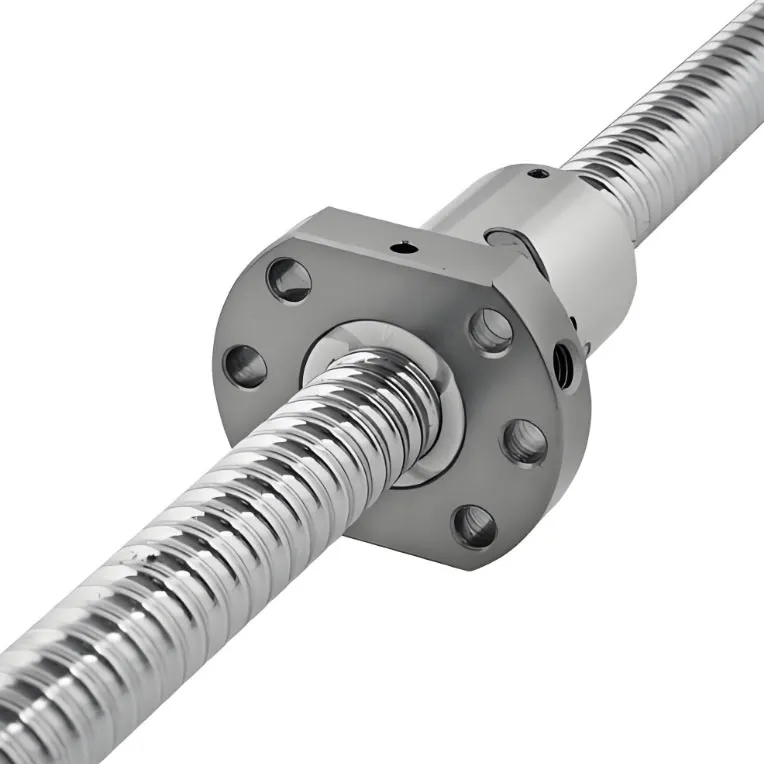
Contractors tell us: "Switched to your 35mm rails, axis tuning time halved." Practical win.
Field Installation: What Works, What Doesn't
Mount parallel. Laser alignment tool, not eyeballing. Shim blocks even—0.01mm twist kills life.
Lube right: Lithium grease NLGI 2, thin film. Overdo it, balls hydroplane. Wipe excess.
Torque bolts to spec—too loose, play; too tight, preload spikes. Run-in: 100m travel at half speed, check for binding.
Warning: Dirt kills faster than overload. Seals help, but shop vac around mounts.
Maintenance? Clean quarterly, relube. Cycles over 10 million? Inspect balls visually.
From Shijiazhuang to Your Dock: Seamless Global Shipping
FOB Xingang port, 48 hours truck from factory. CIF/LCL to LA/Long Beach—15-25 days. Full 40' container? 2000m of 30mm rail optimized.
Duties? HS 8482.10—U.S. importers know the drill. We prep commercial invoices, packing lists flawless.
Lead times: Stock 2 weeks, custom 4. Samples? DHL 5 days, your cost prepaid.
What U.S. and Global Buyers Say
"Rails arrived perfect. Installed on our Haas mill—smoother than stock. Lead time beat THK quote by two weeks."
- Mike R., CNC Supervisor, Ohio | July 2026
"OEM run for packaging line. Preload spot-on, no tuning needed. Freight smooth to Texas."
- Sarah L., Procurement Lead, Dallas | Feb 2026
"Tried cheaper—nope. YIDI's 45mm held 20% overcalc load. Custom ends saved fab time."
- Tom K., Automation Engineer, California | Oct 2026
"Quiet operation in our cleanroom setup. ISO docs helped QA pass fast."
- Elena G., Project Manager, Canada | April 2026
Frequently Asked Questions on Ball Bearing Rails
What's the difference between ball and roller linear rails?
Balls for speed/precision, rollers for heavy shock. Ours optimized for 80% of industrial needs.
How do I choose preload?
Light for free motion, heavy for rigidity. Calc via our engineer chat—factors speed/load.
OEM minimum order?
Starts at 10 sets. Scales easy.
Warranty details?
12 months/10,000km. Defects covered freight back.
Compatible with which brands?
HIWIN, THK, Bosch drop-ins. Blocks bolt direct.
Ready to Spec Your Ball Bearing Rails?
Talk factory direct. No middlemen, straight pricing.
HEBEI YIDI IMPORT AND EXPORT TRADING CO.,LTD. | 16-1-1601 Aobeigongyuan, Chang'an District, Shijiazhuang City, Hebei Province, China
Zhang Wei
Senior Export Engineer, YIDI Motion
15+ years in linear motion exports to USA/EU