Gear rack manufacturers play a critical role in modern industrial automation, materials handling, and precision engineering. These manufacturers specialize in the production of linear gears, essential components in converting rotational motion into linear motion. From robotics and CNC machinery to elevators and large-format printers, the demand for high-quality gear racks is consistently growing. Understanding the capabilities and nuances of different gear rack manufacturers is paramount for engineers, procurement specialists, and businesses seeking reliable and efficient motion control solutions.
The global market for gear racks is driven by several factors, including the expansion of the manufacturing sector in emerging economies, increasing adoption of automation technologies, and the need for precise and repeatable linear movements in various applications. According to industry reports, the market is projected to witness significant growth in the coming years, fueled by innovations in materials, manufacturing processes, and design. The ability of gear rack manufacturers to deliver customized solutions, meeting specific performance requirements and industry standards, is crucial for maintaining competitiveness.
Choosing the right gear rack manufacturer is a strategic decision that impacts the overall performance, reliability, and longevity of the equipment. Factors to consider include material quality, precision of manufacturing, heat treatment processes, and the manufacturer's technical expertise. A robust supply chain and commitment to quality control are also essential aspects to evaluate when selecting a partner for gear rack sourcing.
Introduction: Global or Industry Context
The role of gear rack manufacturers is expanding rapidly with the globalization of manufacturing and increasing demands for automation. According to the United Nations Industrial Development Organization (UNIDO), manufacturing output continues to grow significantly in developing nations, creating a surge in demand for components like gear racks. This trend necessitates manufacturers capable of delivering high-precision, durable, and cost-effective solutions. The increasing complexity of industrial processes and the push for efficiency require gear rack manufacturers to constantly innovate and adapt to evolving needs.
The global gear rack market is estimated to be worth several billion dollars annually, with a substantial portion originating from Asia-Pacific, followed by North America and Europe. The ISO 9001 standard is commonly adopted by leading gear rack manufacturers to ensure consistent quality and customer satisfaction. However, challenges remain in maintaining supply chain resilience, mitigating geopolitical risks, and addressing environmental concerns related to manufacturing processes. Identifying gear rack manufacturers that prioritize sustainability and responsible sourcing is becoming increasingly important.
A significant problem facing many industries is the inconsistent quality and lead times associated with gear rack sourcing. Reliance on a limited number of suppliers or a lack of robust quality control measures can lead to production delays and increased costs. This challenge underscores the importance of establishing long-term partnerships with reputable gear rack manufacturers who can provide reliable, high-performance components, and responsive support.
Definition & Meaning
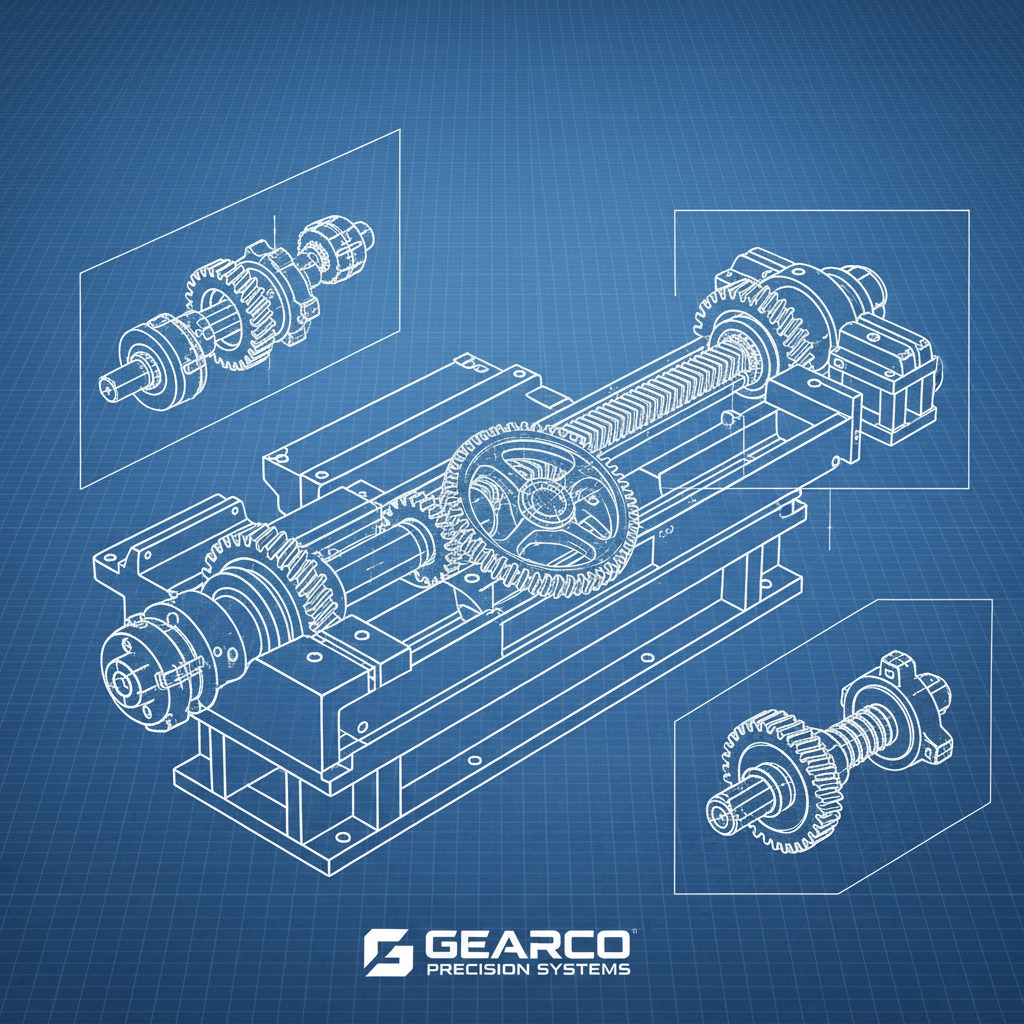
Gear rack manufacturers are companies specializing in the design and production of gear racks – linear gears with teeth cut along a straight bar. These racks are designed to mesh with a pinion gear (a circular gear), converting rotational motion into linear motion, or vice versa. They are crucial components in a wide variety of mechanical systems, acting as the driving force behind precise and controlled linear movement.
The connection to modern industry is profound. Without reliable gear racks, many automated systems would be impossible to build. From the automated guided vehicles (AGVs) used in warehouses to the computer numerical control (CNC) machines that shape precision parts, gear racks are the silent enablers of efficiency and accuracy. This isn’t just about industrial applications; gear racks are also essential in applications like elevators, gates, and even some types of specialized printing equipment.
In the context of humanitarian needs, while not directly providing immediate relief, the efficient production and distribution of goods often rely on systems employing gear racks. For example, automated conveyor systems in distribution centers, vital for delivering aid, depend on these components. Moreover, the manufacturing of medical equipment, reliant on precision motion control, also benefits from the expertise of gear rack manufacturers.
Key Factors or Core Components
Durability: Gear racks must withstand significant loads, repeated use, and often harsh environmental conditions. Manufacturers employ various materials (steel, stainless steel, aluminum, plastics) and heat treatment processes to enhance durability and resistance to wear and tear. The lifespan of a gear rack directly impacts the reliability of the entire system.
Precision: High precision is paramount for smooth, accurate, and efficient operation. Gear rack manufacturers utilize advanced machining techniques, such as gear grinding and hobbing, to achieve tight tolerances and ensure proper meshing with the pinion gear. Inaccuracies can lead to backlash, vibration, and reduced performance.
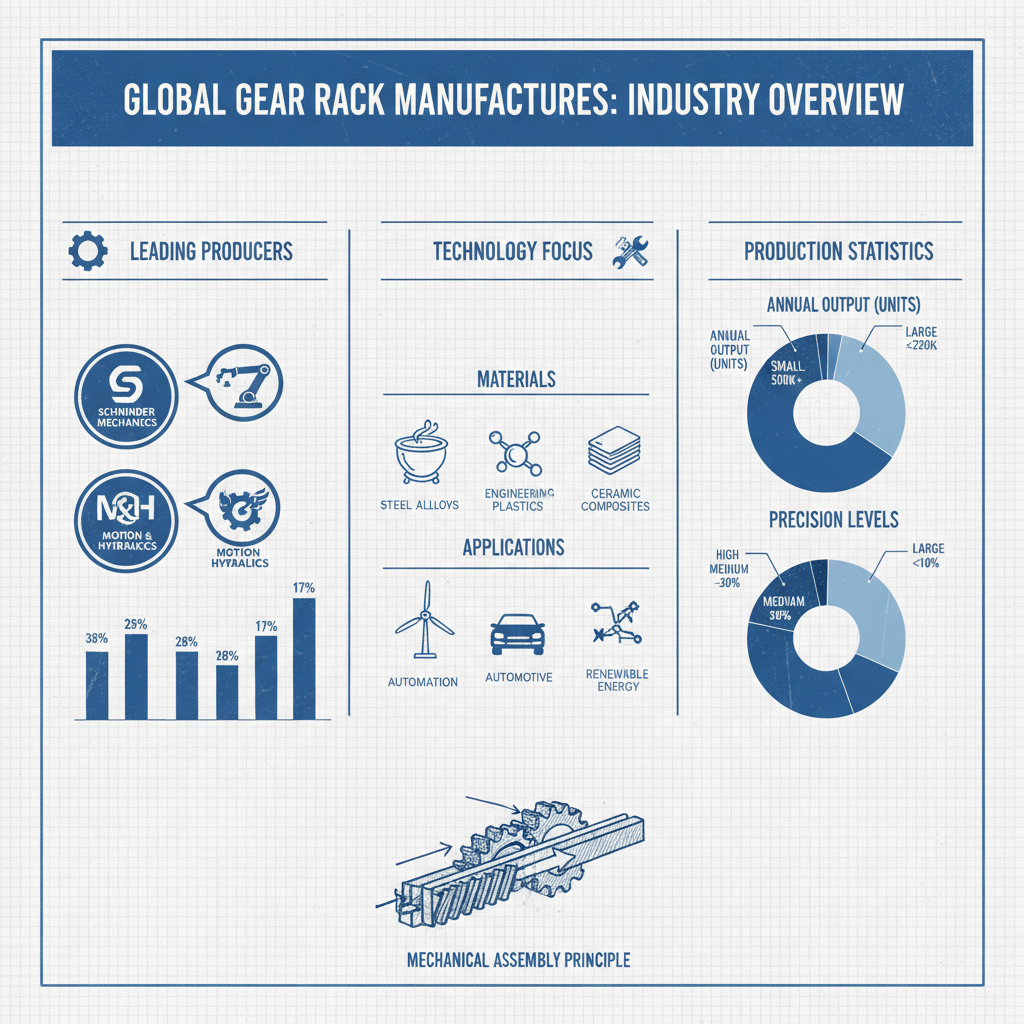
Material Selection: The choice of material greatly impacts performance. Steel alloys offer high strength and durability, while stainless steel provides corrosion resistance. Aluminum is lighter but may sacrifice some strength. Plastics are used in lower-load applications where noise reduction is a priority. The selection depends on the application requirements.
Heat Treatment: Heat treatment processes like hardening and tempering improve the mechanical properties of the gear rack, increasing its wear resistance, strength, and fatigue life. Proper heat treatment is critical for ensuring long-term reliability.
Surface Finish: A smooth and precise surface finish minimizes friction and wear, enhancing the overall efficiency and lifespan of the gear rack. Manufacturers often employ grinding, polishing, or coating techniques to achieve the desired surface finish.
Global Applications & Use Cases
Gear racks find widespread use in robotics and automation, particularly in applications requiring precise linear positioning, such as pick-and-place robots, CNC milling machines, and 3D printers. They are essential for the accurate movement of tools, materials, and workpieces. This demand is particularly strong in automotive, aerospace, and electronics manufacturing.
In the materials handling industry, gear racks drive automated conveyor systems, stacker cranes, and automated storage and retrieval systems (AS/RS). These systems rely on the reliable linear movement provided by gear racks to efficiently manage inventory and streamline logistics. Regions with large distribution centers, like North America and Europe, are key markets.
Elevators and lifting platforms also heavily rely on gear rack and pinion systems for vertical transportation. The ability to lift heavy loads safely and reliably necessitates high-quality gear racks. In post-disaster relief operations, mobile cranes equipped with gear rack-driven lifting mechanisms are crucial for clearing debris and rescuing individuals.
Application Breakdown of gear rack manufacturers
Advantages & Long-Term Value
The primary advantage of using high-quality gear racks lies in increased system efficiency and reduced downtime. Precise linear motion translates to faster production cycles, improved product quality, and lower maintenance costs. A well-designed and properly maintained gear rack system can operate reliably for years, minimizing the need for costly repairs or replacements.
From a sustainability perspective, durable gear racks contribute to longer product lifecycles and reduced waste. By minimizing the need for frequent replacements, they reduce the demand for raw materials and energy associated with manufacturing. Furthermore, the improved efficiency enabled by precision gear racks can lead to lower energy consumption in various applications. Partnering with environmentally conscious gear rack manufacturers is vital for aligning with sustainability goals.
Future Trends & Innovations
The future of gear rack manufacturing is being shaped by several key trends, including the adoption of additive manufacturing (3D printing) for creating complex gear rack geometries and customized designs. This technology allows for faster prototyping and production of specialized parts.
Another significant trend is the development of self-lubricating gear racks, which eliminate the need for external lubrication, reducing maintenance requirements and improving operational cleanliness. Research into new materials, such as advanced polymers and ceramic composites, is also underway, aiming to enhance durability, reduce weight, and improve performance in extreme environments.
Challenges & Solutions
A major challenge faced by gear rack manufacturers is maintaining consistent quality and precision in high-volume production. Ensuring that every gear rack meets stringent tolerances requires rigorous quality control measures and advanced inspection techniques.
Another challenge is managing lead times and responding to fluctuating demand. Implementing efficient supply chain management practices and investing in flexible manufacturing capabilities are essential for addressing this issue. Collaborating closely with customers to forecast demand and optimize production schedules can also help minimize delays.
Finally, addressing the environmental impact of manufacturing processes is crucial. Adopting sustainable manufacturing practices, such as reducing energy consumption, minimizing waste, and using eco-friendly materials, is becoming increasingly important for gear rack manufacturers.
Summary of Challenges and Potential Solutions for Gear Rack Manufacturers
| Challenge |
Impact on Manufacturers |
Potential Solutions |
Implementation Difficulty (1-10) |
| Maintaining Consistent Quality |
Increased scrap rates, customer complaints, brand damage |
Implementing robust quality control systems, advanced inspection equipment |
7 |
| Managing Lead Times |
Lost sales, dissatisfied customers, supply chain disruptions |
Optimizing production schedules, diversifying suppliers, utilizing forecasting tools |
6 |
| Rising Material Costs |
Reduced profit margins, increased product prices |
Negotiating long-term contracts, exploring alternative materials, improving material utilization |
8 |
| Skilled Labor Shortage |
Difficulty maintaining production capacity, reduced innovation |
Investing in training programs, offering competitive wages and benefits, automating tasks |
9 |
| Environmental Regulations |
Increased compliance costs, potential penalties |
Adopting sustainable manufacturing practices, investing in pollution control technologies |
5 |
| Competition from Low-Cost Producers |
Price pressure, reduced market share |
Focusing on innovation, providing superior customer service, offering customized solutions |
7 |
FAQS
Gear racks are commonly manufactured from various materials, including steel (carbon steel, alloy steel, stainless steel), aluminum alloys, and engineering plastics. Steel provides high strength and durability, making it ideal for heavy-duty applications. Aluminum is lighter and offers good corrosion resistance, while plastics are often used in low-load applications requiring noise reduction and self-lubrication. The choice of material depends on factors like load capacity, operating environment, and cost.
Heat treatment is a critical process in gear rack production as it significantly enhances the mechanical properties of the material. Processes like hardening and tempering increase the rack’s wear resistance, strength, and fatigue life. Proper heat treatment ensures that the gear rack can withstand high loads and operate reliably over an extended period, minimizing the risk of premature failure and maximizing its service life.
Determining the correct gear rack size and specifications involves considering several factors, including the desired load capacity, speed, accuracy, and operating environment. You'll need to calculate the required length of the rack based on the range of motion, the pitch of the teeth based on the desired resolution, and the module based on the required tooth strength. Consulting with a reputable gear rack manufacturer is highly recommended to ensure proper selection and optimize performance.
Spur gear racks have straight teeth and are best suited for applications requiring high accuracy and low noise levels. Helical gear racks have angled teeth, providing smoother and quieter operation, and can handle higher loads. Bevel gear racks are used to transmit motion between shafts that are not parallel, often found in more complex machinery. The choice depends on the specific application's requirements for load, speed, noise, and angularity.
Regular maintenance is essential for maximizing the lifespan of gear racks. This includes periodic lubrication with appropriate grease or oil to reduce friction and wear, cleaning to remove debris and contaminants, and inspection for signs of damage or wear. Promptly addressing any issues like chipped teeth or excessive backlash can prevent further damage and ensure continued reliable operation.
Ensure the gear rack you purchase meets quality standards by verifying that the manufacturer holds relevant certifications, such as ISO 9001. Request material certifications and dimensional inspection reports to confirm compliance with specifications. Choosing a reputable manufacturer with a proven track record and a commitment to quality control is crucial for obtaining a reliable and durable gear rack.
Conclusion
In conclusion, gear rack manufacturers are vital components in a vast range of industrial applications, providing the precise linear motion necessary for automation, materials handling, and advanced machinery. Understanding the key factors influencing gear rack performance – durability, precision, material selection, and heat treatment – is crucial for selecting the right solution for specific needs. The ongoing innovations in materials, manufacturing processes, and designs promise to further enhance the capabilities and efficiency of gear rack systems.
Looking ahead, continued collaboration between gear rack manufacturers and end-users will be essential for addressing emerging challenges and capitalizing on new opportunities. By embracing sustainable manufacturing practices, investing in research and development, and prioritizing customer satisfaction, gear rack manufacturers can play a key role in driving innovation and shaping the future of industrial automation. For high-quality gear racks and expert solutions, visit our website: www.yidibearings.com.