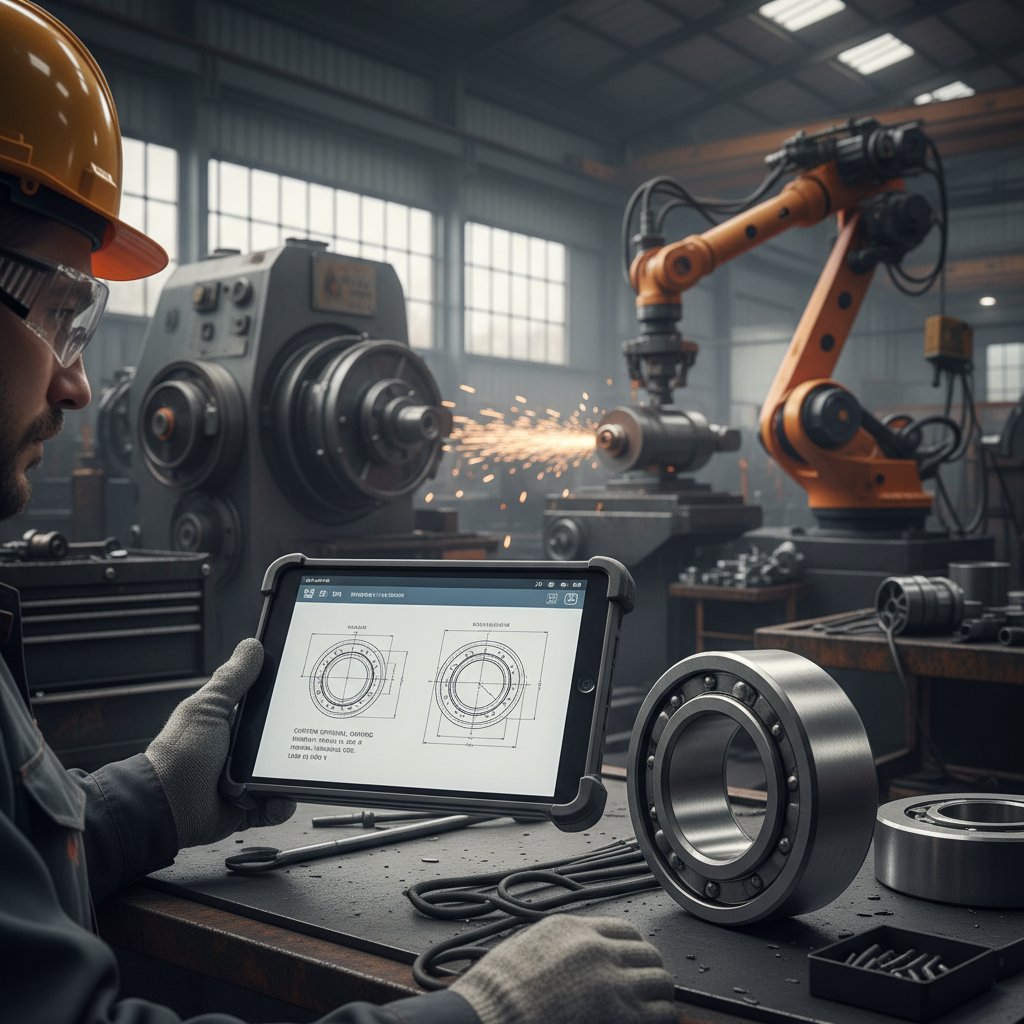
In the complex world of mechanical engineering, the bearing serves as the silent heartbeat of industrial motion. By reducing friction between moving parts, these components ensure that machinery operates with precision, efficiency, and longevity. Whether it is a massive wind turbine or a delicate surgical robot, the ability to manage rotational and linear loads is what allows modern civilization to keep moving forward.
Understanding the nuances of bearing technology is not merely a technical requirement but a strategic advantage for manufacturers. As global industries shift toward higher speeds and extreme environments, the demand for advanced materials and precision engineering has skyrocketed. Selecting the right bearing can mean the difference between a machine that lasts decades and one that fails prematurely, leading to costly downtime and safety risks.
This comprehensive guide explores the evolution, application, and future of the bearing, providing engineers and procurement specialists with the insights needed to optimize their systems. From the fundamental physics of load distribution to the integration of AI-driven predictive maintenance, we delve into how these critical components drive the global economy and sustain industrial growth.
Global Industrial Relevance of Bearings
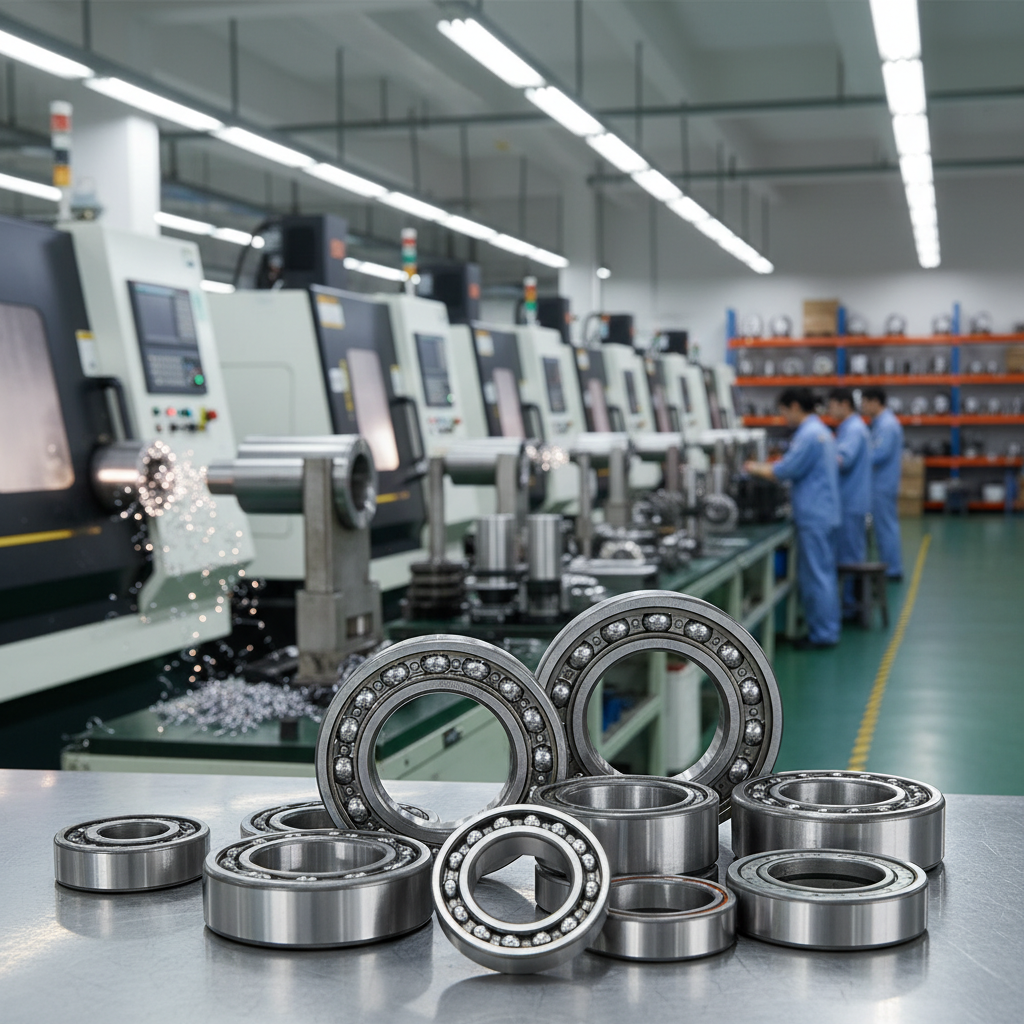
The global bearing market is a cornerstone of the manufacturing sector, mirroring the growth of the worldwide GDP. According to ISO standards and industrial data, millions of tons of steel are processed annually specifically for bearing production to support the automotive, aerospace, and energy sectors. Without the precise tolerance of a high-quality bearing, the efficiency of electric vehicle motors and high-speed trains would plummet, leading to massive energy waste.
However, the industry faces a critical challenge: the balance between cost-efficiency and extreme durability. In emerging industrial zones, the proliferation of low-quality components often leads to frequent mechanical failures, which hampers productivity. This has created a global push toward standardized quality certifications, ensuring that every bearing can withstand the rigorous demands of 24/7 automated production lines.
Fundamental Definition and Engineering Purpose
At its simplest level, a bearing is a machine element that constrains relative motion to only the desired motion and reduces friction between moving parts. By placing rolling elements—such as balls or rollers—between two rings, a bearing converts sliding friction into rolling friction, which is significantly lower. This fundamental shift is what allows a heavy shaft to rotate at thousands of RPMs without melting from heat.
Beyond simple rotation, bearings are essential for supporting radial and axial loads. Radial loads act perpendicular to the shaft, while axial (or thrust) loads act parallel to it. Modern engineering often requires "deep groove" or "tapered" designs to handle combined loads, ensuring that the machine remains stable and aligned even under extreme pressure.
In the context of humanitarian and infrastructure needs, these components are vital. From the pumps that deliver clean water to remote villages to the generators that power field hospitals, the reliability of a bearing ensures that life-saving equipment remains operational in the harshest environments on Earth.
Core Components of High-Performance Bearings
The durability of a bearing begins with its material selection. High-carbon chromium steel is the industry standard due to its hardness and wear resistance, but for specialized applications, ceramic or stainless steel is used to prevent corrosion and handle higher temperatures.
Precision is the second core factor. The concentricity of the inner and outer rings must be maintained within microns. Any deviation in the geometry of the bearing leads to uneven load distribution, which accelerates wear and causes vibration, ultimately reducing the lifespan of the entire machine assembly.
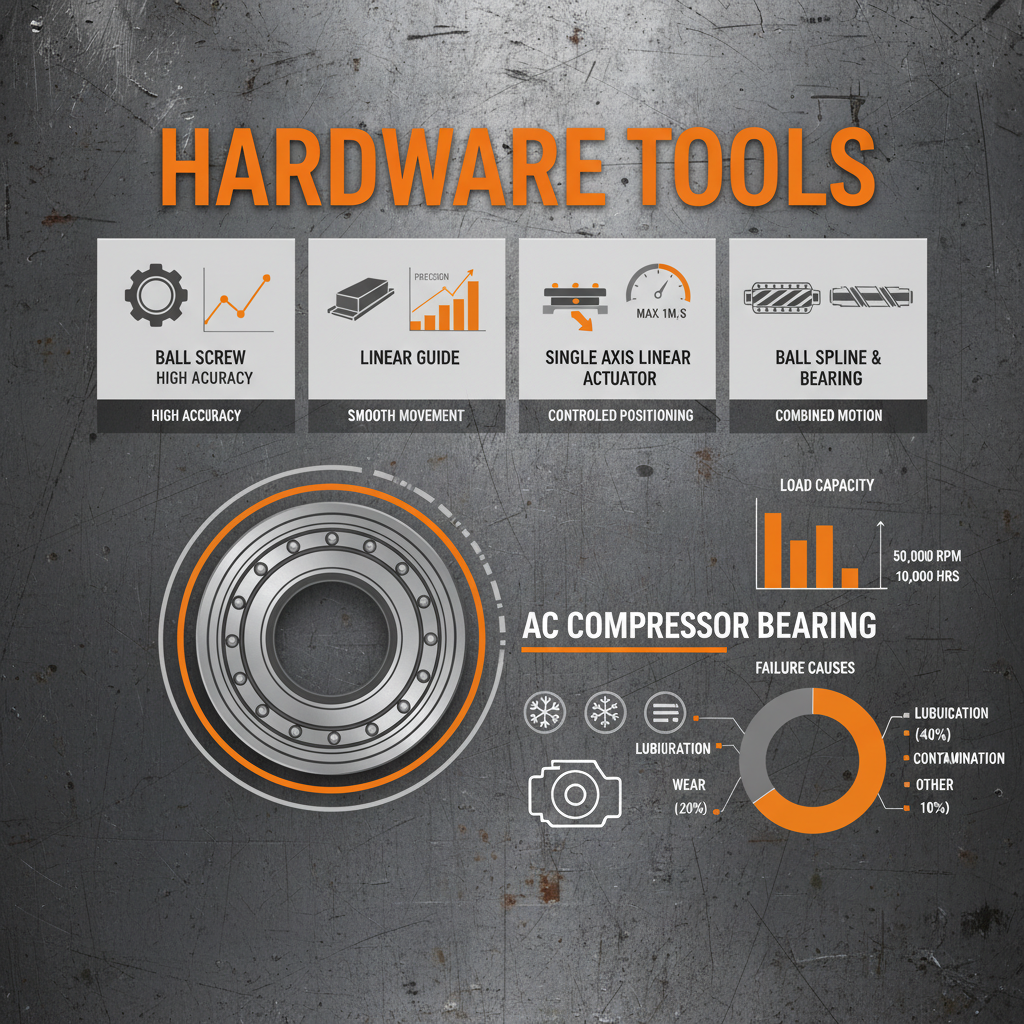
Finally, lubrication is the "lifeblood" of the system. Whether using high-grade grease or oil mists, the lubricant forms a thin film that prevents metal-to-metal contact. Advanced sealing technologies now allow bearings to operate in contaminated environments, such as mining or chemical plants, without losing their internal integrity.
Performance Metrics and Efficiency Analysis
To evaluate the effectiveness of a bearing, engineers look at a combination of load capacity, speed ratings, and frictional torque. A high-performance bearing must maximize the "L10 life"—the life that 90% of a group of identical bearings will reach or exceed. This metric allows companies to plan maintenance cycles and avoid catastrophic failures.
By optimizing the contact angle and surface finish of the rolling elements, manufacturers can significantly reduce the energy required to maintain motion. This efficiency gain is cumulative; across a factory of a thousand motors, the energy saved by using precision-engineered bearings can reduce carbon footprints by several percentage points.
Comparison of Bearing Efficiency Ratings by Design
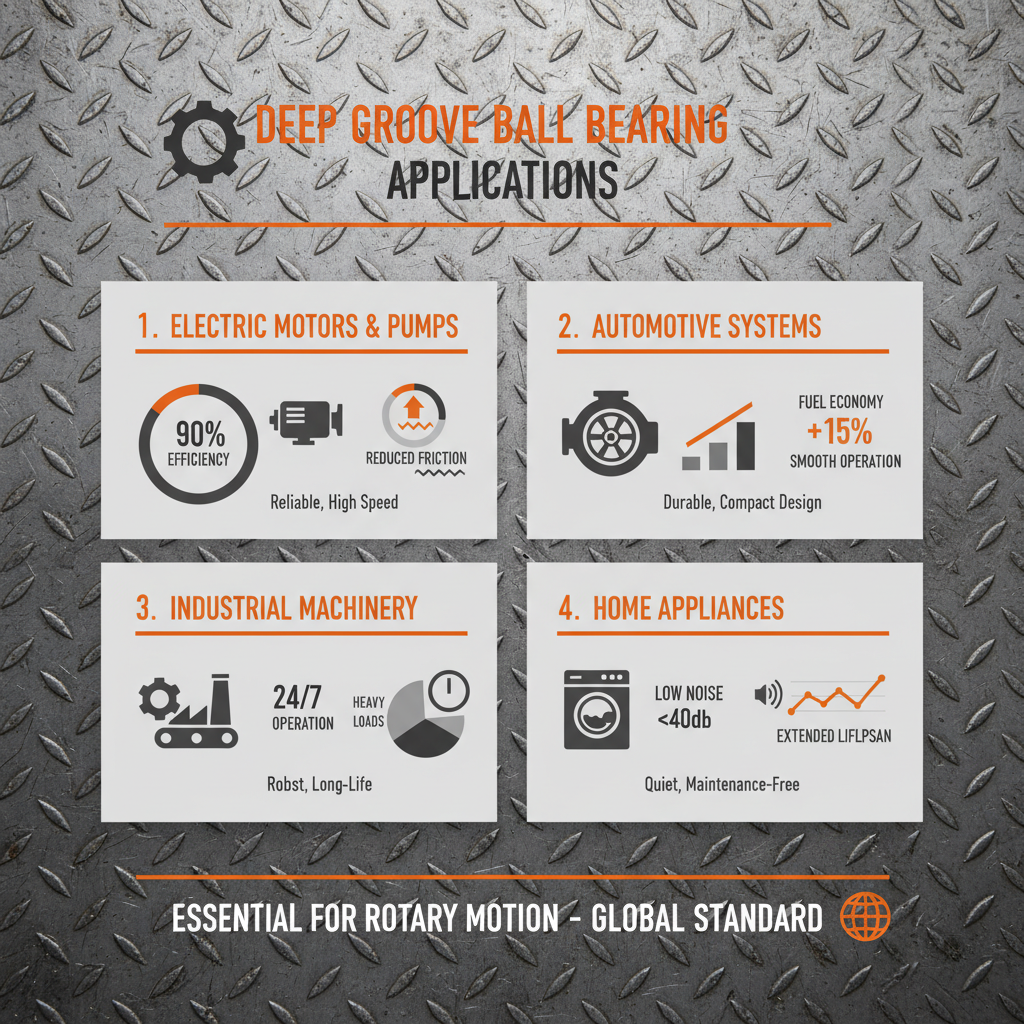
Global Applications and Sector Use Cases
In the aerospace sector, the bearing is subject to the most extreme conditions. Jet engines require bearings that can withstand immense centrifugal forces and temperatures that would melt standard steel. Here, hybrid ceramic bearings are utilized to provide high-temperature stability and reduced weight, which is critical for fuel efficiency in long-haul flights.
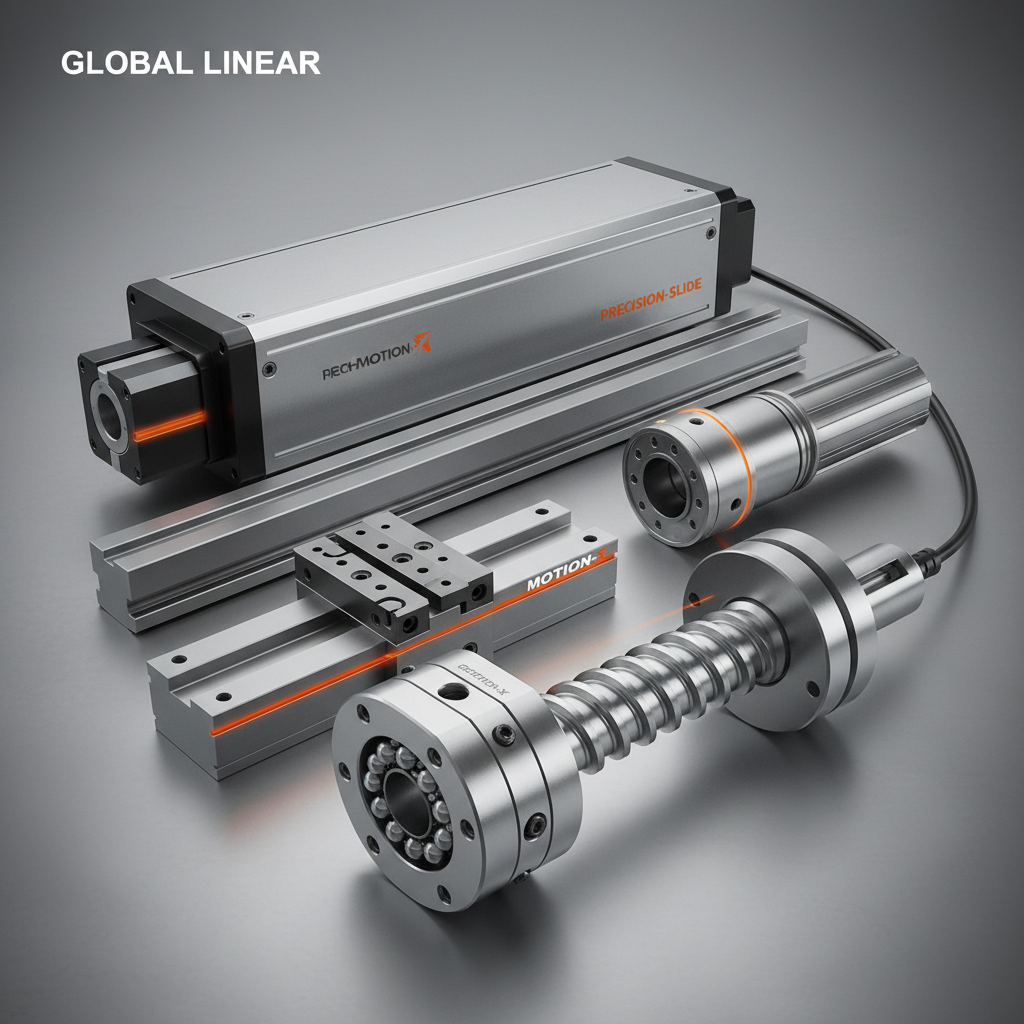
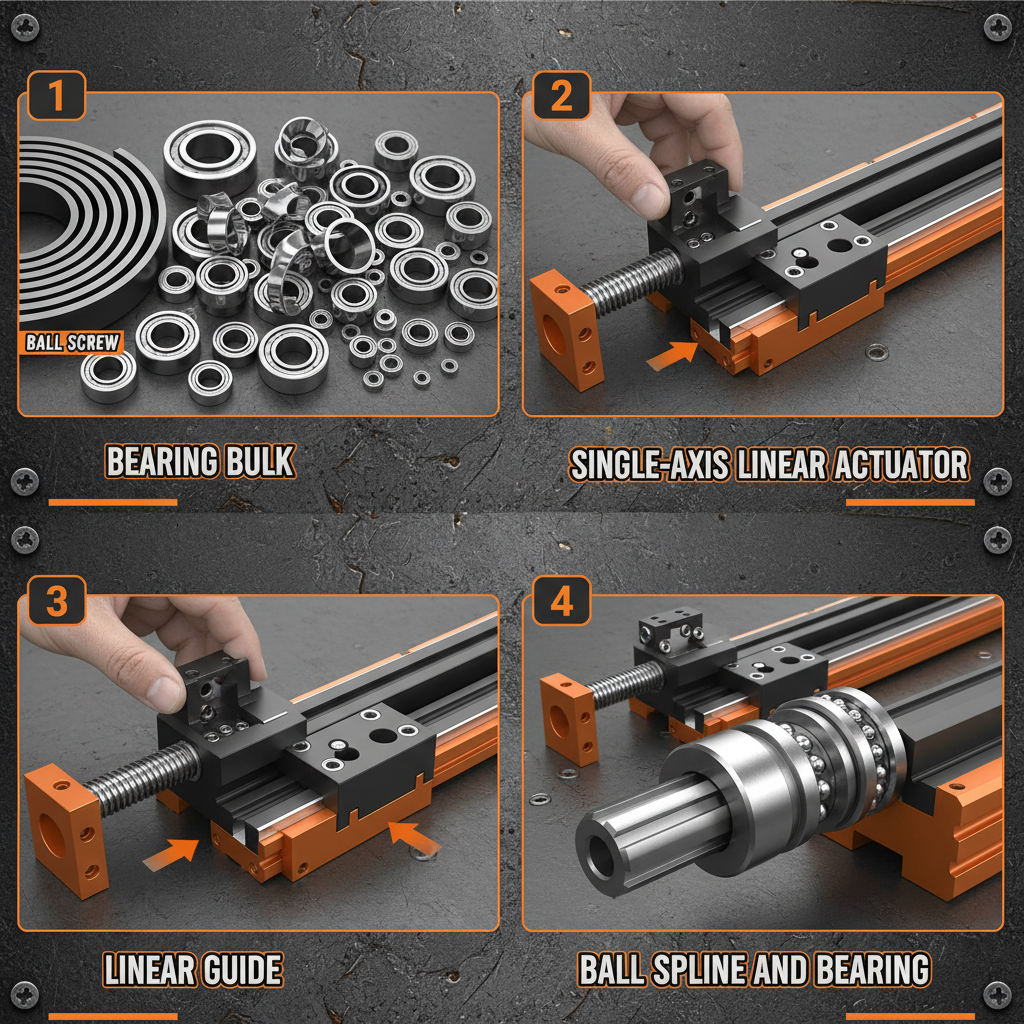
Conversely, in the field of automated logistics and robotics, linear bearings and ball splines are the primary drivers of movement. In massive fulfillment centers across Asia and North America, thousands of linear modules rely on these components to move parcels with millimeter precision. The ability of these bearings to operate quietly and smoothly allows for the high-density automation that defines modern e-commerce.
Long-Term Value and Sustainability Benefits
Investing in premium bearing technology offers a clear logical advantage: the reduction of Total Cost of Ownership (TCO). While a low-cost bearing may seem attractive initially, the hidden costs of energy loss, frequent lubrication intervals, and unplanned downtime often exceed the initial price of a high-end component by tenfold.
From a sustainability perspective, longer-lasting bearings mean less industrial waste. By extending the service life of a machine, companies reduce the need for replacement parts and the energy-intensive process of smelting new steel. This aligns with the global "Circular Economy" movement, where durability is valued over disposability.
Beyond the numbers, there is a human element of trust and safety. In elevators, cranes, and medical imaging equipment, a bearing failure is not just a financial loss—it is a safety hazard. The reliability of a certified bearing provides the peace of mind that critical infrastructure will perform its duty without failure.
Future Trends and Material Innovations
The future of the bearing is intrinsically linked to the digital transformation of industry, often referred to as Industry 4.0. "Smart Bearings" are now being developed with embedded sensors that monitor vibration, temperature, and acoustic emissions in real-time. This allows for predictive maintenance, where a bearing can "signal" its own need for lubrication or replacement before a failure occurs.
Material science is also evolving toward nano-coatings and self-lubricating polymers. These innovations aim to eliminate the need for external grease, which is a major contaminant in food processing and pharmaceutical manufacturing. By integrating lubricants directly into the material structure, the next generation of bearings will be cleaner and more efficient.
As we transition toward green energy, the role of bearings in wind turbines and hydrogen compressors is expanding. The challenge is to create components that can operate for 20 years in salty, humid offshore environments without maintenance. The integration of advanced alloys and corrosion-resistant coatings is the key to unlocking the full potential of renewable energy.
Comparative Analysis of Bearing Material Performance
| Material Type |
Wear Resistance |
Corrosion Level |
Max Temp Limit |
| Chrome Steel |
Very High |
Moderate |
120°C |
| Stainless Steel |
High |
Low |
200°C |
| Silicon Nitride |
Extreme |
None |
800°C |
| Polymer/Plastic |
Moderate |
Very Low |
80°C |
| Tungsten Carbide |
Extreme |
Low |
400°C |
| Bronze Alloy |
Moderate |
Moderate |
250°C |
FAQS
Ball bearings use spherical rolling elements, making them ideal for high-speed applications and lower loads. Roller bearings use cylinders, which provide a larger contact area, allowing them to support significantly heavier radial loads but typically at lower speeds than ball bearings.
Lubrication intervals vary based on the environment and load. High-load machines may require weekly greasing, while sealed bearings are designed to last their entire lifecycle without one. We recommend following the manufacturer's manual or using vibration sensors for predictive lubrication.
Not entirely. While ceramic bearings offer superior heat resistance and corrosion protection, they are more expensive and can be more brittle under extreme impact loads. They are best used in specialized environments like chemical plants or high-RPM aerospace engines.
The most common causes are improper lubrication (too much or too little), contamination from dust or moisture, and misalignment during installation. Overloading beyond the rated capacity also leads to rapid fatigue and surface pitting.
Consider the precision required, the expected load, and the environment. For high precision and speed, linear guides with recirculating balls are best. For heavy-duty sliding, linear bushings or roller guides are more appropriate.
Yes, for most industrial applications. Precision bearings reduce friction and vibration, which lowers energy consumption and prevents wear on connected components like motors and gears, resulting in a much lower total cost of ownership.
Conclusion
The bearing is far more than a simple piece of hardware; it is an essential engineering solution that enables the motion of the modern world. By mastering the balance of material science, precision tolerances, and lubrication, industries can achieve unprecedented levels of efficiency and reliability. From the core components that reduce friction to the smart sensors of the future, the evolution of bearing technology continues to drive global industrial progress.
As we look toward a future defined by automation and green energy, the strategic selection of high-quality bearings will be the key to sustainable growth. We encourage engineers and plant managers to move beyond the "lowest cost" mindset and embrace the long-term value of precision components. To explore our full range of high-performance motion solutions, visit our website: www.yidibearings.com.