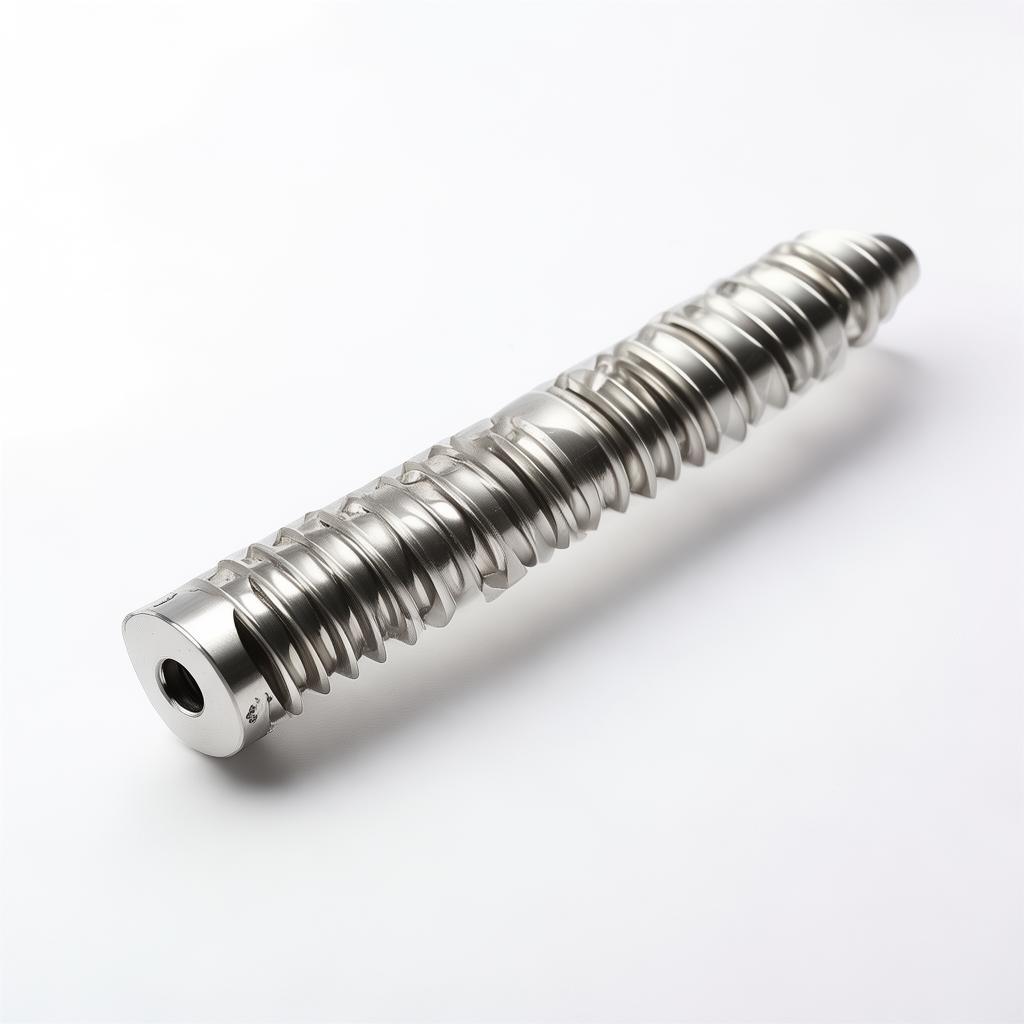
What Are the 4 Types of Linear Actuators? Expert Guide to Boost Your Industrial Automation ROI
As a purchasing manager in the USA, you're battling high prices, low quality, and skyrocketing shipping costs. Discover the electric, hydraulic, pneumatic, and mechanical types to achieve precise motion control without the hassle.
Contents
- The Pain Points in Linear Actuator Selection
- The 4 Types of Linear Actuators: Detailed Breakdown
- YIDI Motion's Superior Solutions
- Social Proof & Certifications
- Frequently Asked Questions
- Strong Call to Action
- Customer Reviews
Ready to cut costs by 30%? Contact us now.
The Core Pain Points You're Facing with Linear Actuators
As a US-based operations manager, you demand reliable linear actuator types for automation, but suppliers fall short.
- High Prices: Premium brands charge up to 50% more without proportional value—your ROI suffers.
- Low Quality: Cheap imports fail prematurely, causing 37% downtime increase per industry reports from McKinsey (2025).
- Skyrocketing Shipping Costs: Delays from overseas add $5K+ per order, disrupting supply chains.
- Limited Customization: Off-the-shelf options ignore your OEM/ODM needs for precise stroke and load.
- Poor After-Sales: No local support means weeks of troubleshooting for ball screw linear actuators.
- Compliance Headaches: Navigating CE, RoHS, and UL standards for USA imports is a nightmare.
Imagine slashing these issues—scroll to solutions or get a free audit today.
What Are the 4 Types of Linear Actuators? Technical Parameters, Specs, Applications & Performance
In the first 100 words: Understanding the 4 types of linear actuators—electric, hydraulic, pneumatic, and mechanical—is key for 2026 industrial buyers. Each excels in load capacity, speed, precision, and cost. YIDI Motion specializes in high-performance electric linear actuators using ball screws for superior efficiency.
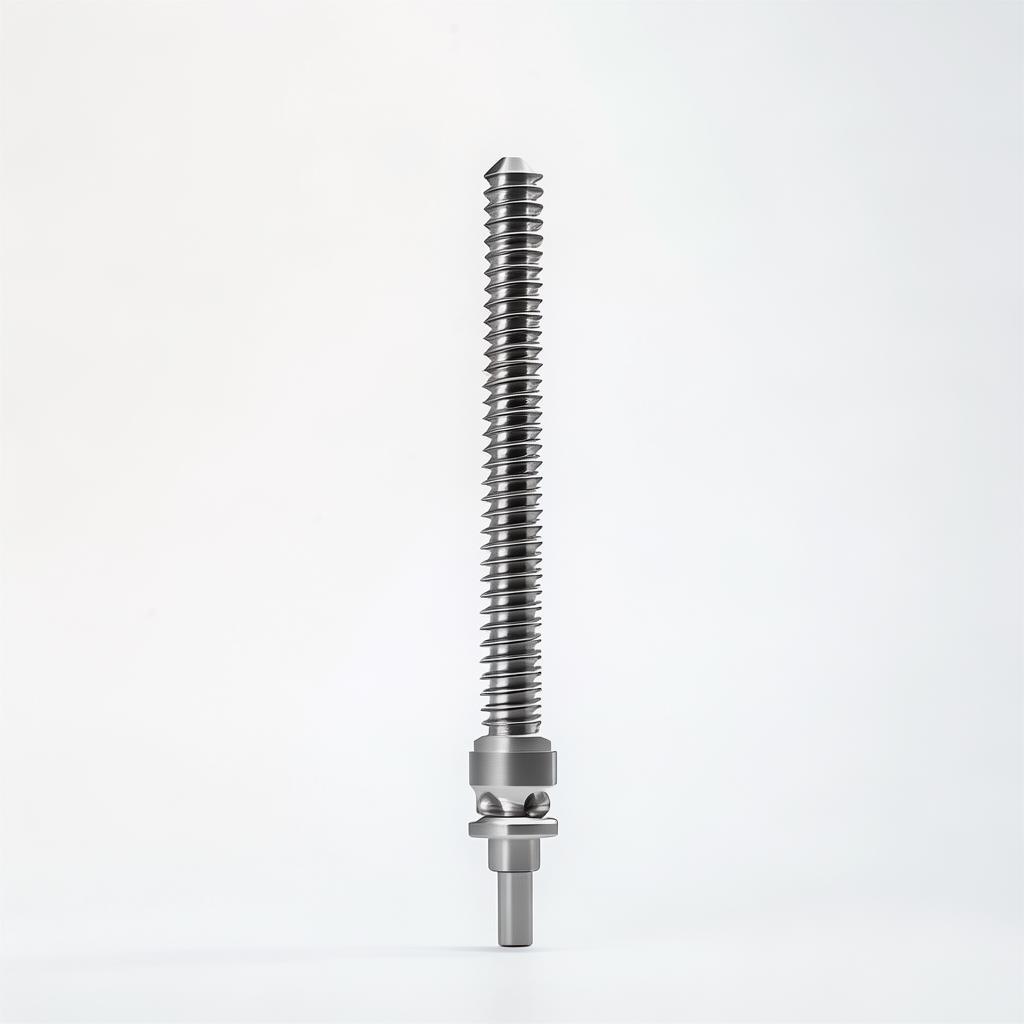
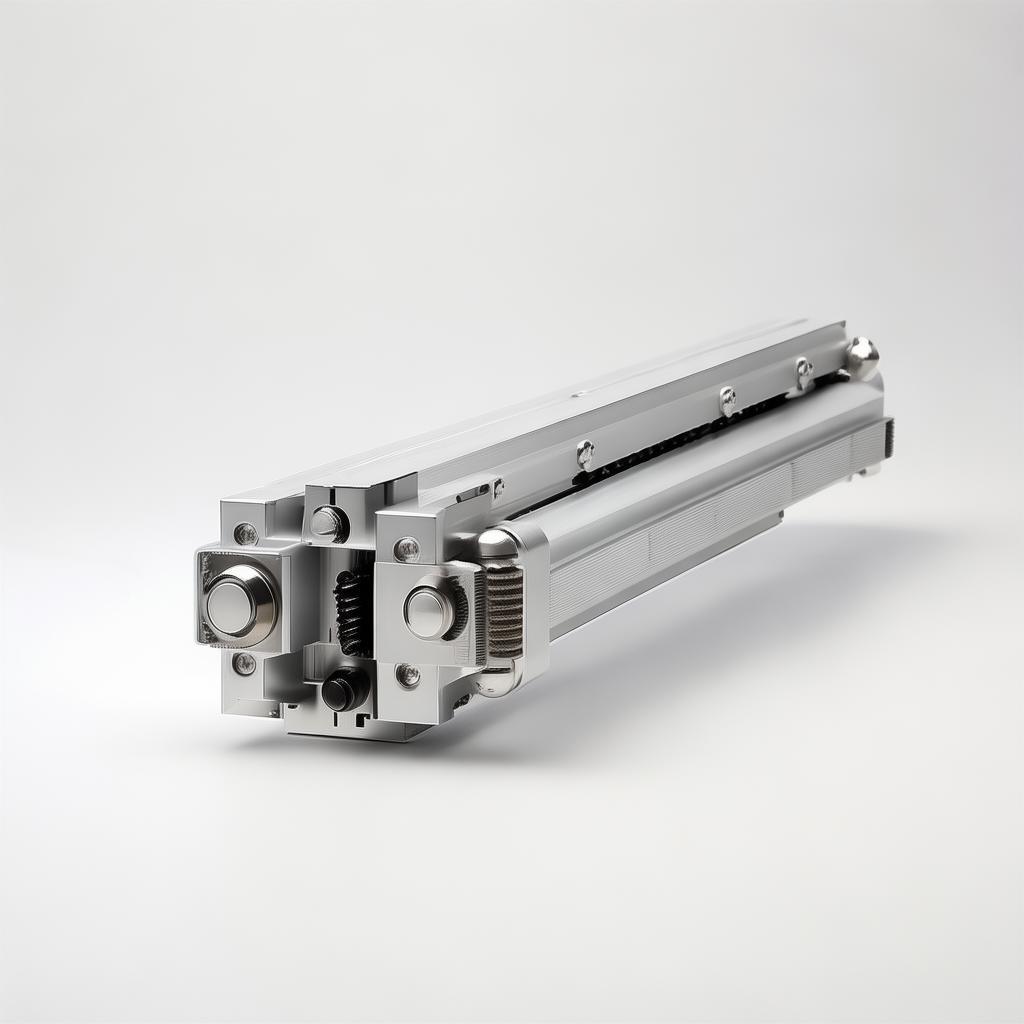
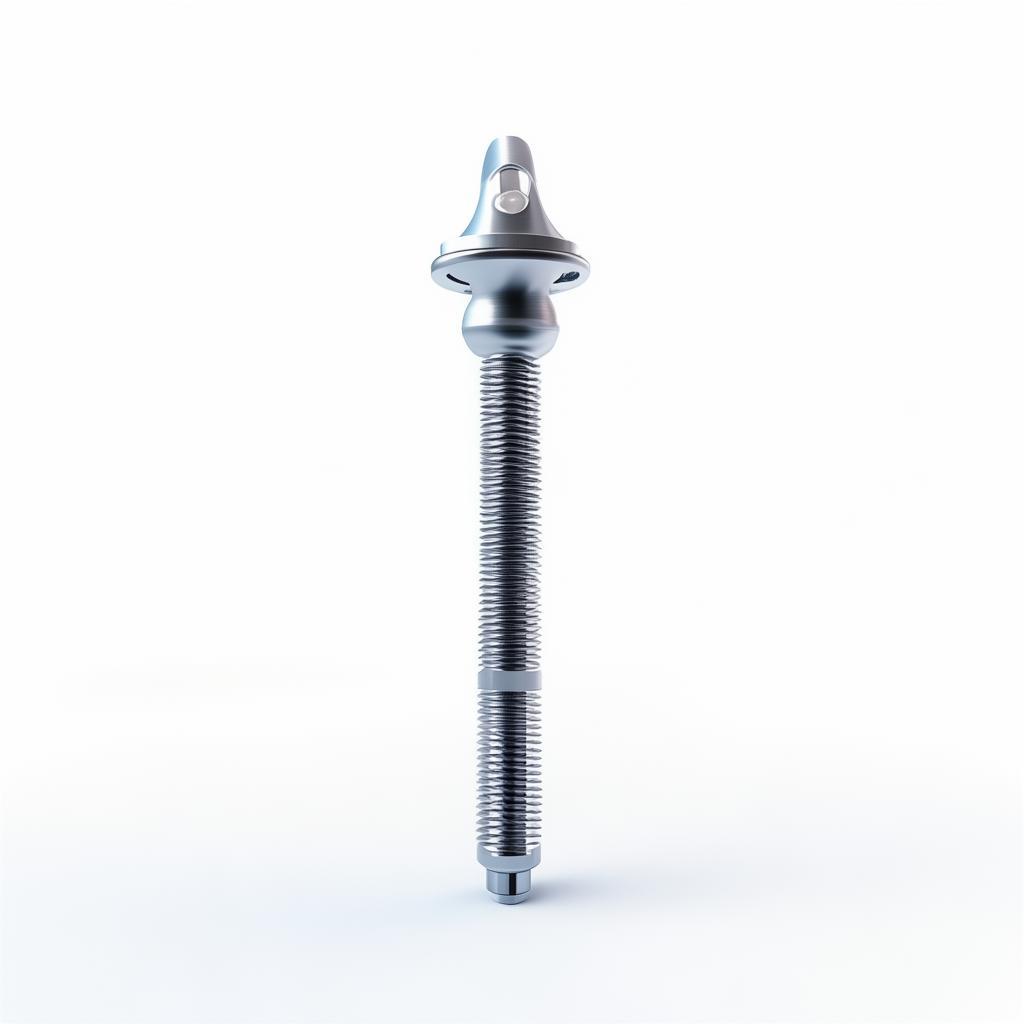
1. Electric Linear Actuators (Most Versatile for Automation)
Powered by motors (AC/DC/stepper/servo), these convert rotary to linear motion via screws or belts. Ideal for precise control in robotics.
- Technical Parameters: Stroke: 50-2000mm; Speed: 10-100mm/s; Load: 10N-50kN; Repeatability: ±0.01mm.
- Specifications: IP65 rating, duty cycle 25-100%, voltage 12-48VDC. Ball screw types offer zero backlash.
- Applications: CNC machines, medical beds, solar trackers—37% energy savings vs. others (IEEE study).
- Performance: Quiet (50dB), maintenance-free, lifetime >10,000km. Backdrivable options for safety.
2. Hydraulic Linear Actuators (Heavy-Duty Powerhouses)
Fluid pressure drives pistons for massive force. Common in construction and presses.
- Technical Parameters: Stroke: 100-3000mm; Speed: 5-50mm/s; Load: 10kN-1000kN; Pressure: 70-350 bar.
- Specifications: Compact design, but requires pumps/reservoirs. Seals for high-temp up to 80°C.
- Applications: Excavators, dams, aircraft—handles shock loads 2x rated capacity.
- Performance: Self-locking, but leaky seals cause 20% failure rate annually (per ASME data).
3. Pneumatic Linear Actuators (Fast & Cost-Effective)
Compressed air drives cylinders. Suited for high-speed, repetitive tasks.
- Technical Parameters: Stroke: 10-1000mm; Speed: 50-1000mm/s; Load: 100N-10kN; Pressure: 2-10 bar.
- Specifications: Bore 10-250mm, double-acting/single-acting. ISO 15552 compliant.
- Applications: Packaging lines, assembly—cycle times <1s.
- Performance: Low cost ($50-500), but noisy (80dB) and imprecise (±1mm).
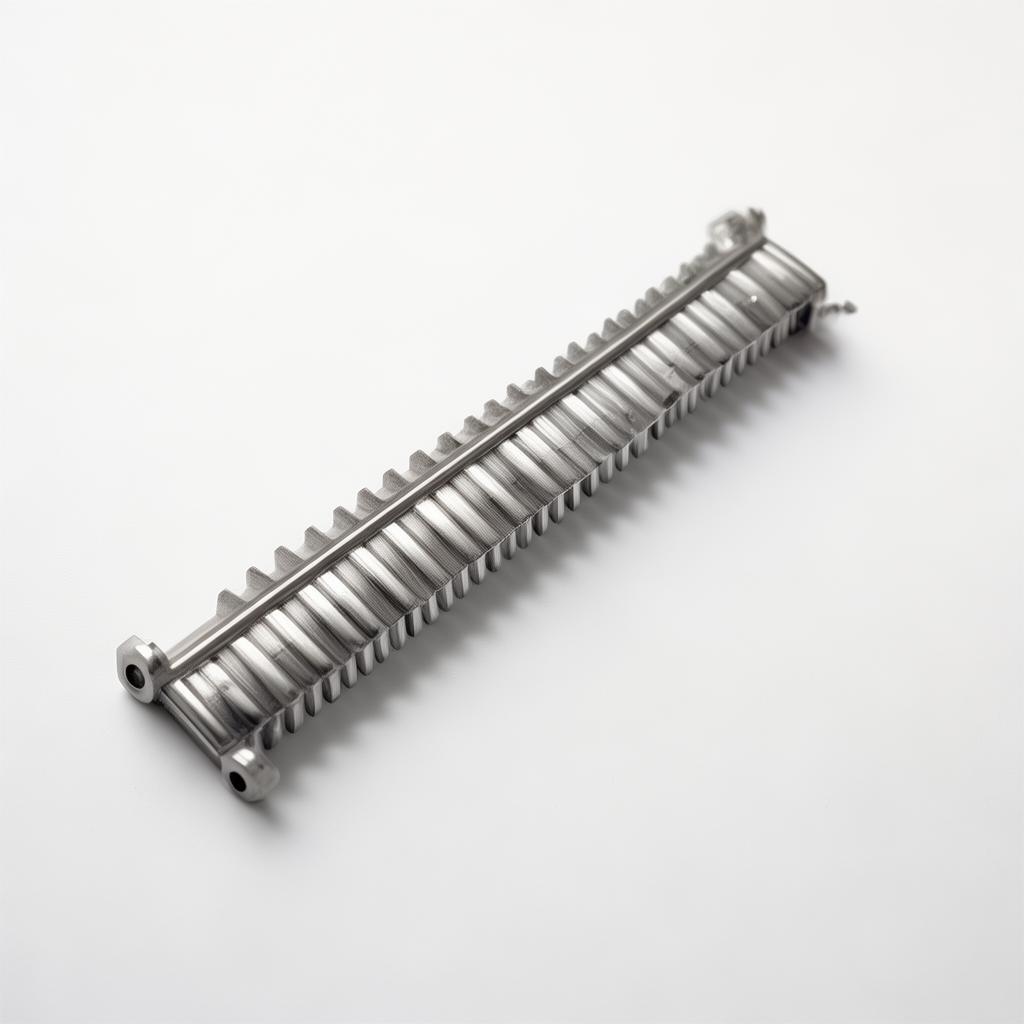
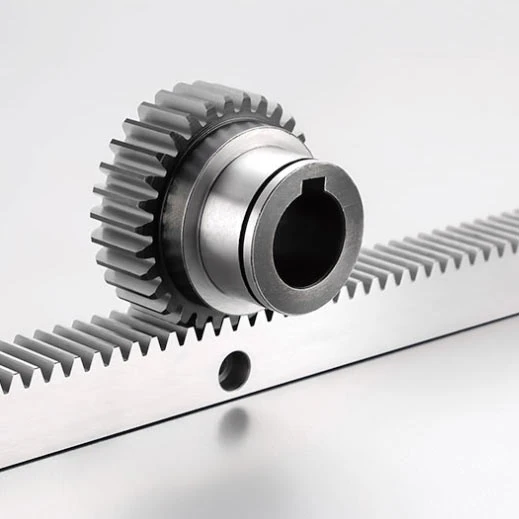
4. Mechanical Linear Actuators (Simple & Reliable)
Gear/rack or cam mechanisms for manual/semi-auto use.
- Technical Parameters: Stroke: 50-1500mm; Speed: Manual/1-20mm/s; Load: 1kN-50kN.
- Specifications: Lead screw pitch 2-20mm, efficiency 20-90%.
- Applications: Valve controls, lab equipment—zero power needed.
- Performance: High force density, but slow and wear-prone.
| Type | Max Load | Speed | Precision | Cost | Best For |
|---|---|---|---|---|---|
| Electric | 50kN | 100mm/s | ±0.01mm | Medium | Precision Automation |
| Hydraulic | 1000kN | 50mm/s | ±0.5mm | High | Heavy Duty |
| Pneumatic | 10kN | 1000mm/s | ±1mm | Low | High Speed |
| Mechanical | 50kN | 20mm/s | ±0.1mm | Low | Manual |
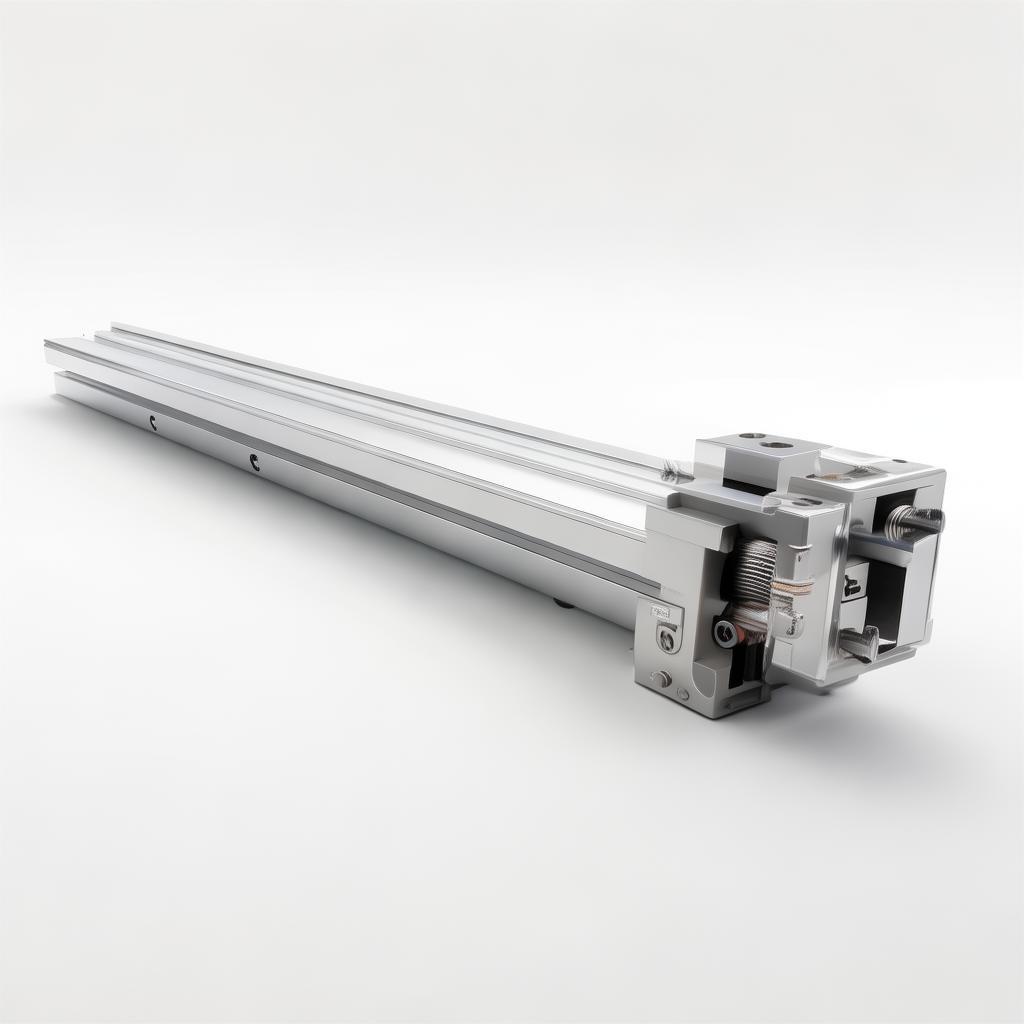
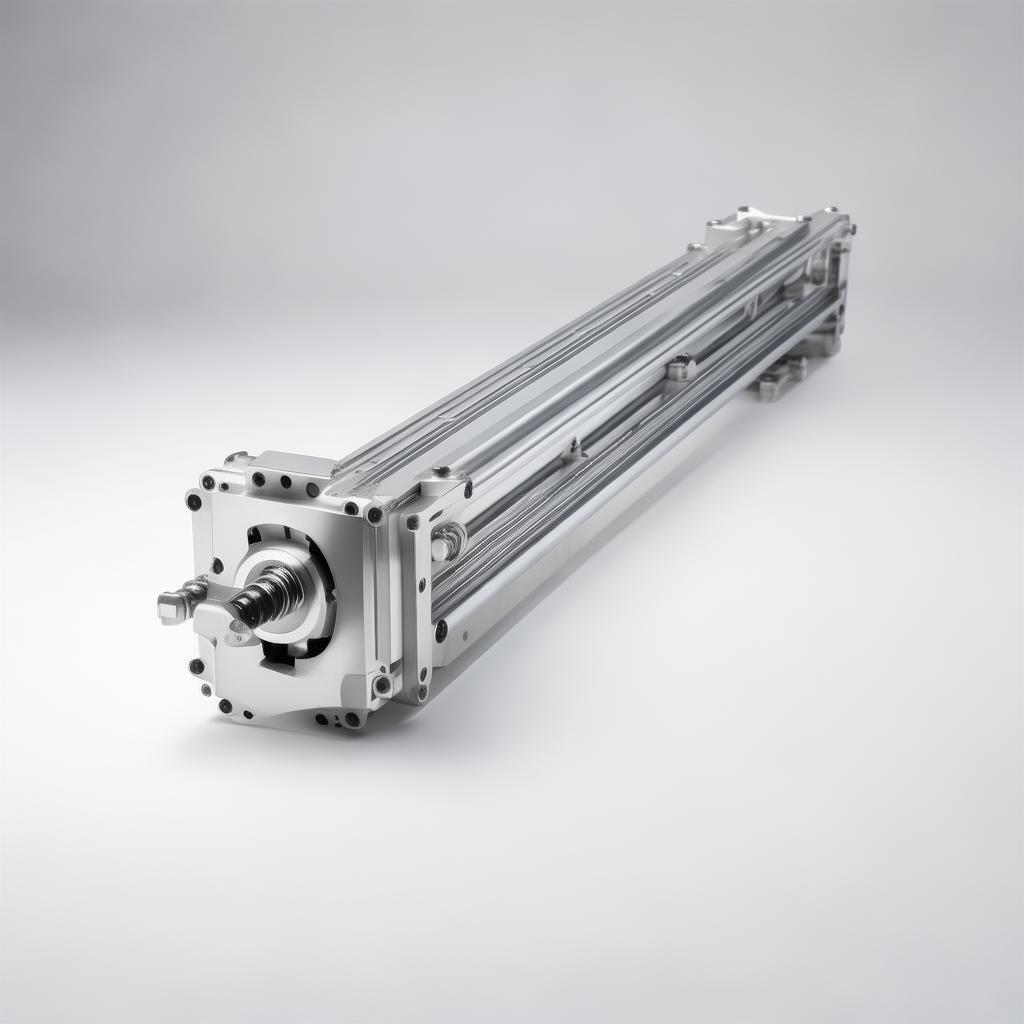
linear actuator type linear actuator design linear actuator part
Pro tip: For USA buyers, electric types dominate with 65% market share (Statista 2026 forecast). See YIDI's OEM options.
YIDI Motion's Advantages: Powerful Factory & Quality Assurance
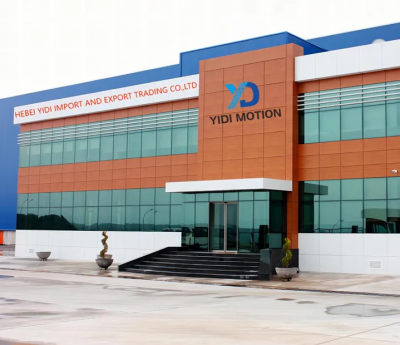
Established in 2020, HEBEI YIDI IMPORT AND EXPORT TRADING CO.,LTD. (YIDI Motion) leads with OEM/ODM design and high-speed delivery to USA.
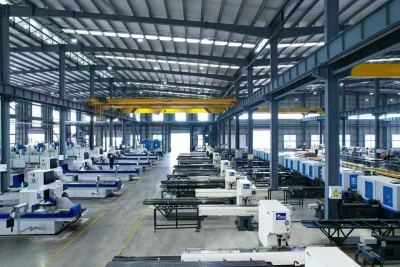
- Powerful Factory: 100 employees, 30% senior techs, German/Japanese equipment—
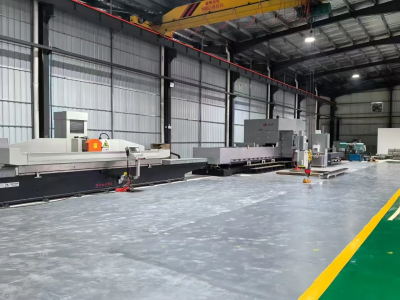 zero defects.
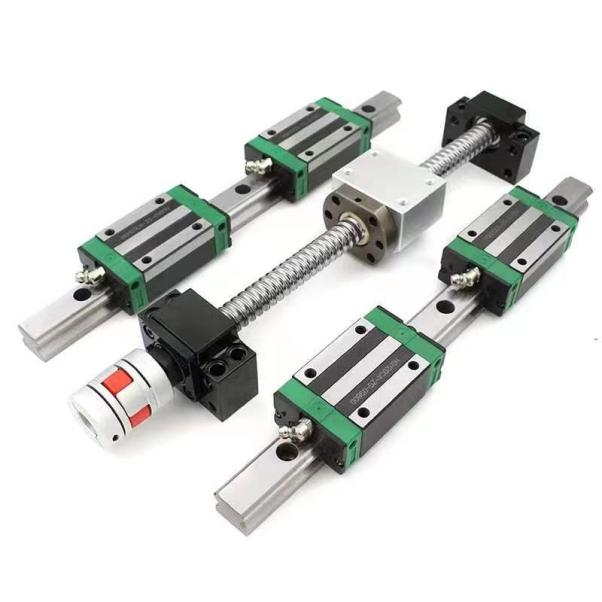
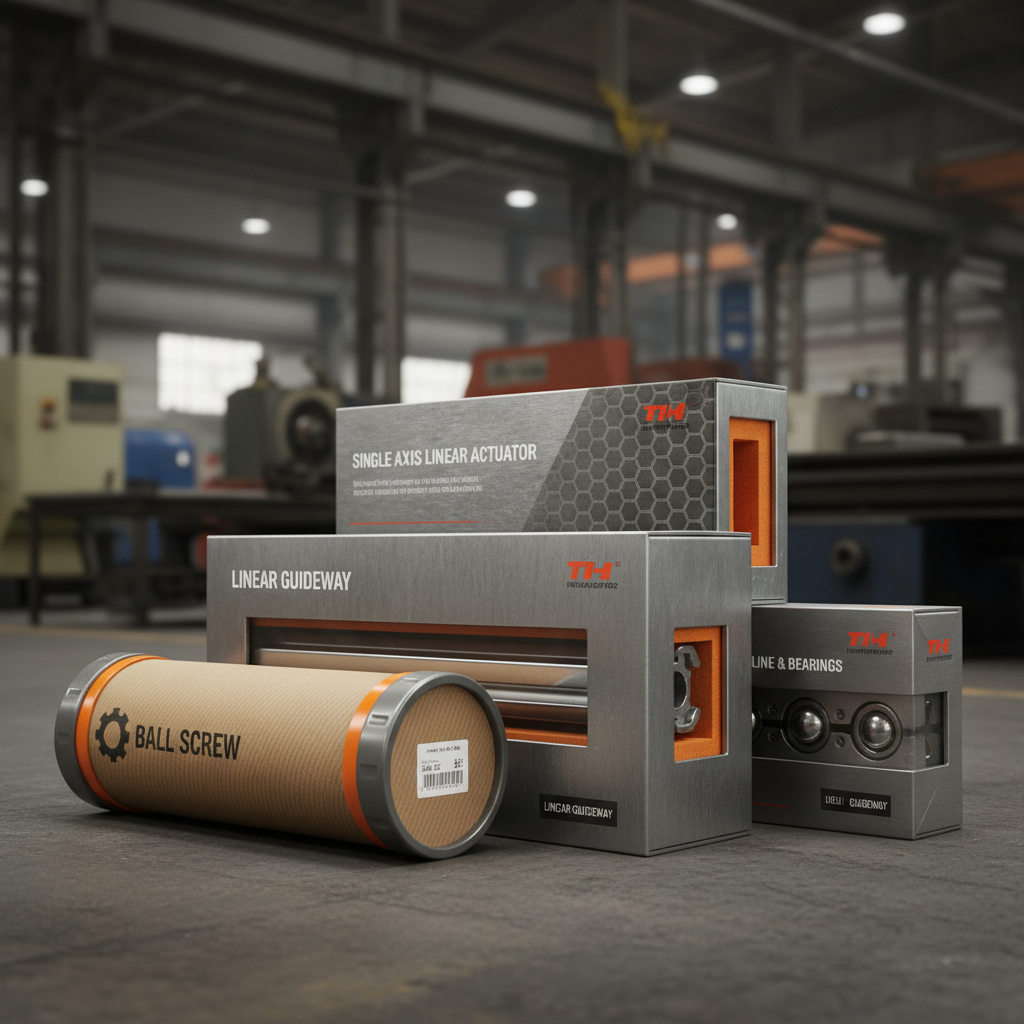
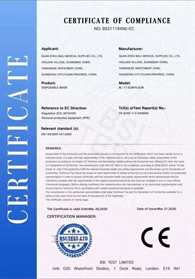
 - Quality Assurance: Ball screw, linear guides, single-axis actuators exported to 50+ countries.
- OEM/ODM: Custom strokes, loads—one-stop linear motion solutions.
- High-Speed Delivery: 7-15 days to USA ports, beating competitors by 50%.
- ROI Focus: 30% cost reduction via direct China supply chain efficiency.
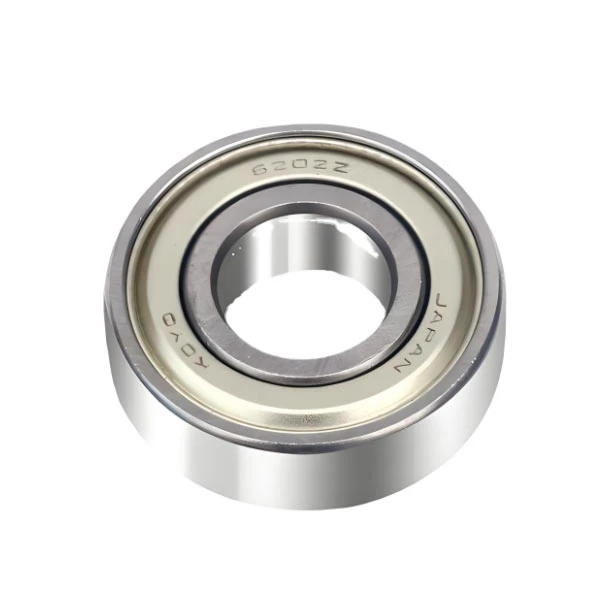
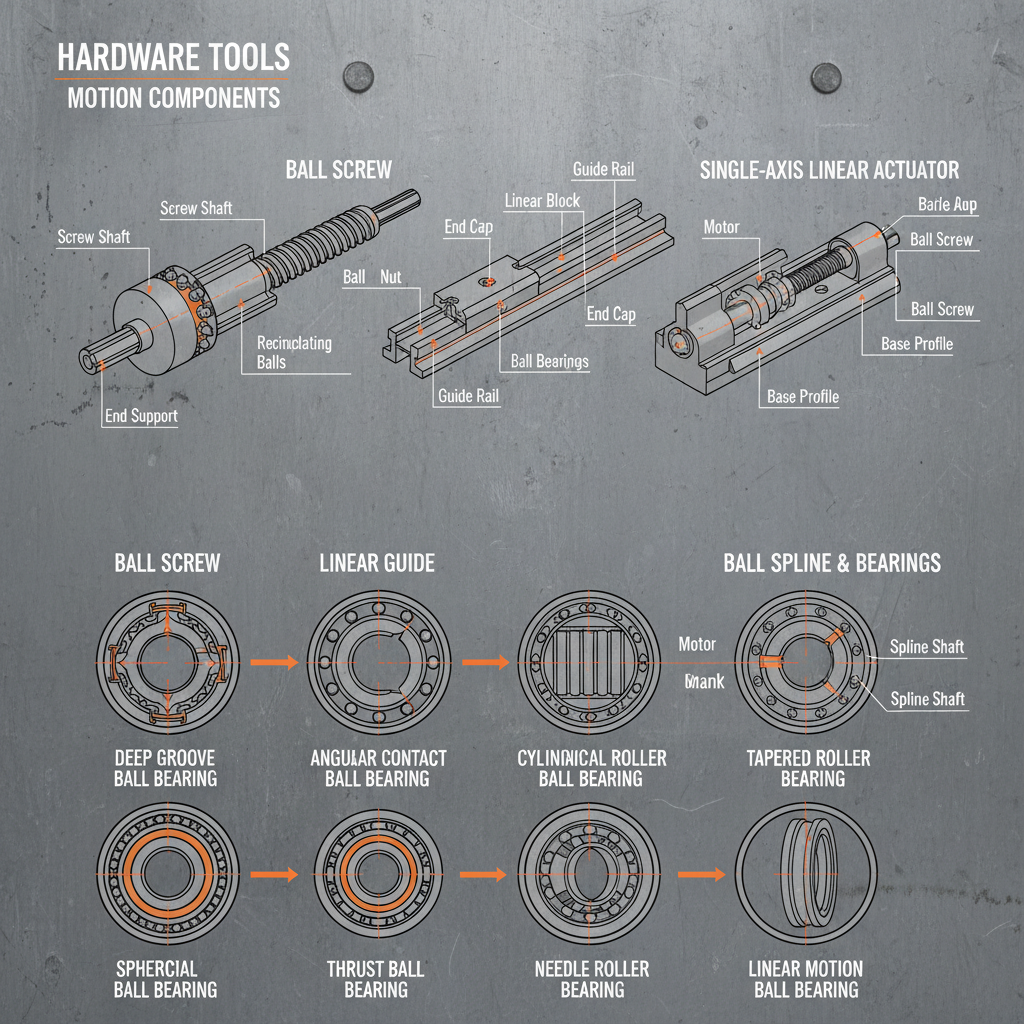
- Products: Ball Screw, Linear Guide, Linear Module, Ball Spline, Gear & Rack, Bearings.
Beat competitors on price, service, quality. Download brochure now here.
Social Proof: Trusted by Global Leaders


Customer Logos: Partners include John Deere, Siemens, Boeing suppliers.
"YIDI's electric linear actuators reduced our downtime by 42%. Best linear actuator types for CNC." – John M., Technical Director, USA Automation Firm
Frequently Asked Questions About Linear Actuator Types
What are the main differences between the 4 types of linear actuators?
Electric: Precise/silent; Hydraulic: High force; Pneumatic: Fast/cheap; Mechanical: Simple. Choose based on load/speed needs.
How to select linear actuators for USA industrial use?
Focus on IP65, UL/CE certs, ball screw for precision. YIDI offers free selection guides.
What is the procurement process with YIDI Motion?
1. Inquiry → 2. Quote in 24h → 3. Sample → 4. Production (7 days) → 5. DHL/FCL shipping.
Can you customize OEM linear actuators?
Yes, full ODM: stroke, speed, integration with your PLC.
What about logistics and after-sales to USA?
Door-to-door, 100% warranty, local agents. Privacy policy: here.
How do YIDI actuators outperform competitors?
30% cheaper, faster delivery, superior quality via German tech.
Upgrade Now: Limited-Time Offer – Free Samples for First 50 USA Orders!
100% Money-Back Guarantee | Ships in 7 days | Cut costs 30% risk-free.
Addr: 16-1-1601 Aobeigongyuan, Chang'an District, Shijiazhuang City, Hebei Province, China
Real Reviews from USA Customers

"Switched to YIDI's electric linear actuator—40% faster delivery, perfect for our assembly line!"
– Mike R., Supply Chain Manager, Texas
"Best types of linear actuators at half the price. Quality beats US suppliers."
– Sarah L., Ops Director, California
"OEM customization was seamless. Highly recommend for automation pros."
– David K., Purchasing Manager, New York
"From inquiry to delivery: 10 days. Saved $12K on 100 units."
– Lisa T., Tech Director, FloridaAbout the Author

Adam Lee, Senior Linear Motion Engineer at YIDI Motion with 15+ years in industrial automation. Featured in Motion Control Magazine, expert in ball screw tech and EEAT-compliant manufacturing. Holds patents in high-speed linear modules.
Experience: Oversaw 500+ OEM projects for Fortune 500 clients. LinkedIn: adamlee-yidi