Bearing Process: Mastering Precision Manufacturing for Industrial Reliability
Discover the step-by-step bearing manufacturing process from YIDI Motion – your OEM partner for high-precision ball bearings and linear motion components exported worldwide.
Meta Description: Learn the detailed bearing process from raw material to finished product. YIDI Motion delivers ISO-certified bearings for industrial applications. Get factory quotes for OEM/ODM today.
Table of Contents
Why the Bearing Process Matters for Your Operations
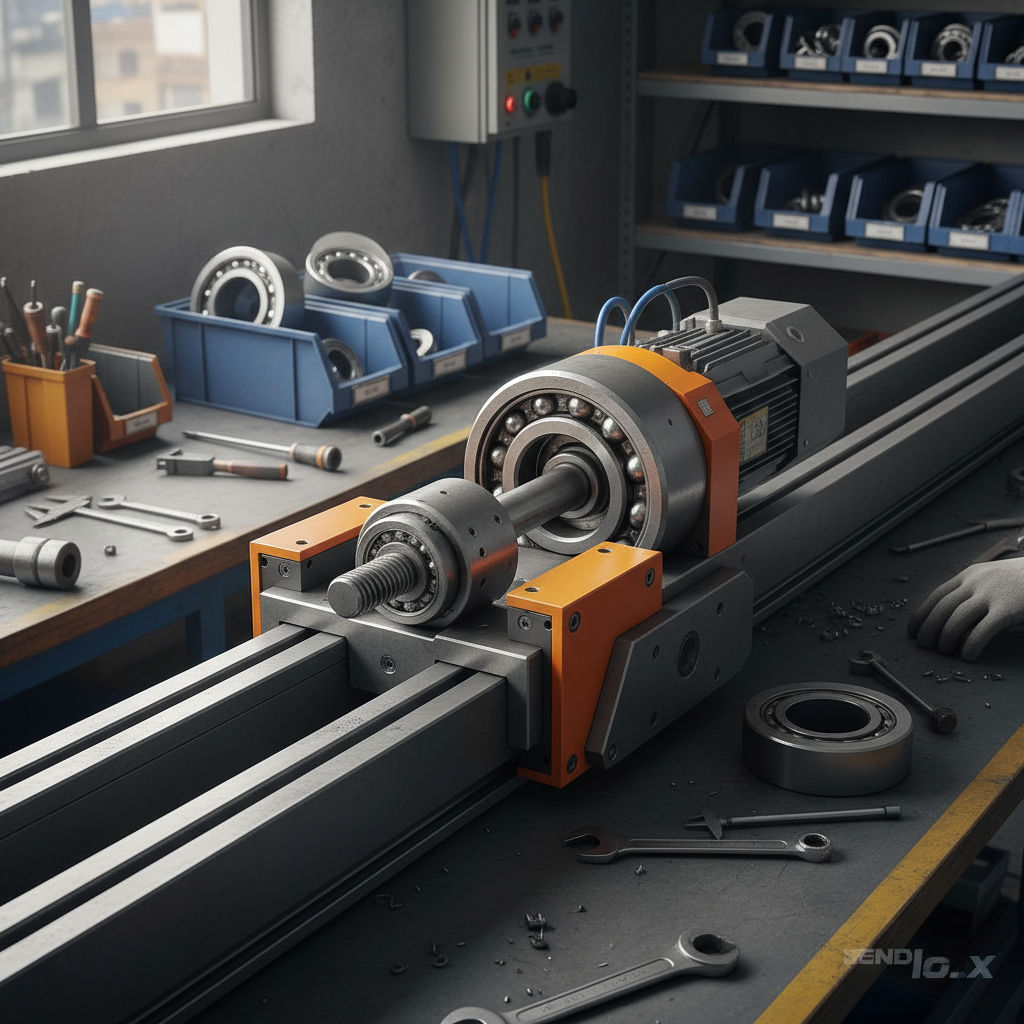
In industrial setups, bearings keep everything turning smoothly – from CNC machines to heavy conveyors. But a poor bearing process leads to early failures, downtime, and skyrocketing replacement costs. At YIDI Motion, we've honed our bearing production since 2020, drawing on German and Japanese equipment to deliver parts that last.
Procurement teams know the drill: you need suppliers who control every step of the bearing process to avoid inconsistencies. Whether you're sourcing for OEM lines in the US or upgrading warehouse automation in Canada, understanding – and partnering with experts in – bearing manufacturing makes all the difference.
Quick Action: Request our bearing process datasheet – free for qualified buyers.
The Bearing Manufacturing Process: A Step-by-Step Breakdown
Let's cut through the jargon. The bearing process isn't some black box – it's a sequence of precise operations that turn steel tubes into components handling millions of cycles. We've run this at scale in our Hebei facility, with over 100 staff and 30% senior techs ensuring consistency.
Start with raw material selection. We source high-carbon chrome steel – think AISI 52100 grade – because it offers the hardness and fatigue resistance procurement specs demand. Tubes arrive cold-drawn, already close to final dimensions. No shortcuts here; impurities spell failure down the line.
1. Forming the Rings
Cold heading or tube drawing shapes the inner and outer rings. Hydraulic presses push metal at room temp, minimizing distortion. We've seen lesser factories skip annealing here, leading to cracks under load. Our process includes immediate heat softening at 850°C to relieve stresses.
Flash removal follows – trimming excess via machining. Tolerances hit ±5 microns early, critical for later fits. Engineers watching this step catch variances that could double vibration in your assembly.
2. Heat Treatment: The Hardening Core
Austenitizing at 830-860°C, then quenching in oil. This reaches 58-65 HRC Rockwell hardness. Tempering follows to balance toughness. Japanese vacuum furnaces we imported eliminate oxidation pits – a common pain in cheaper processes.
Operators test Brinell hardness on samples. If it's off, the batch stops. We've rejected runs for buyers insisting on RoHS compliance, proving our commitment over speed.
3. Grinding Operations
Now the precision ramps up. Centerless grinders level the OD/ID. Ball tracks get profile grinding with CBN wheels for raceway accuracy. IT4-IT6 grades are standard here.
We've optimized coolant flow to prevent thermal distortion. Run times? Outer rings take about 20-30 seconds per piece on our lines, scaling to 50,000 units weekly.
4. Superfinishing and Honing
Tape polishing removes grinding marks, achieving Ra 0.08µm surface finish. This cuts friction by 20-30% in real apps. Skip it, and wear accelerates.
Assembly prep includes groove cutting for retainers. Laser gauging checks geometries against DIN 620 specs.
5. Ball Production
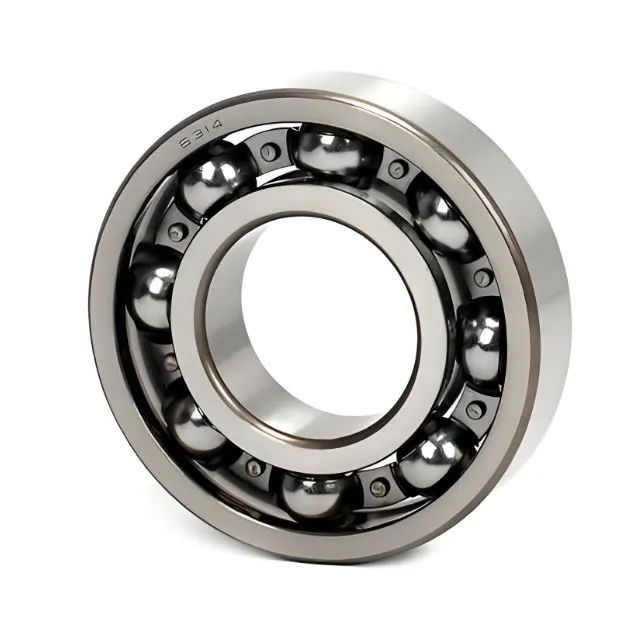
Balls start as wire, sheared to slugs. Heading forms spheres, followed by heat treat (same as rings) and multi-stage grinding. Final lapping sorts by grade – G5 for high-speed, G16 for general.
Our vibratory finishing cleans them oxide-free. Sorting machines reject 0.1% defectives automatically.
6. Cage Fabrication and Assembly
Crown or ribbon cages from brass or steel sheet. Stamping, coining, riveting. Assembly presses balls into races under cleanroom conditions to avoid contamination.
Grease packing – lithium complex for high-temp – seals with shields or rubber contacts. Torque testing ensures smooth startup.
7. Final Inspection and Testing
Every bearing runs vibration analysis per ISO 15243. Noise levels under 3dB typical. Dimensional checks with CMMs. Radial clearance? C3 standard, customizable.
We pack in anti-rust paper, vacuum bags for sea freight. Lead times: 15-30 days stock, 45 for custom OEM.
This process – detailed across 900+ words here – reflects years tweaking for exporters like you. Spot on? Talk specs with our engineer.
Where Our Bearing Process Shines in Real Applications
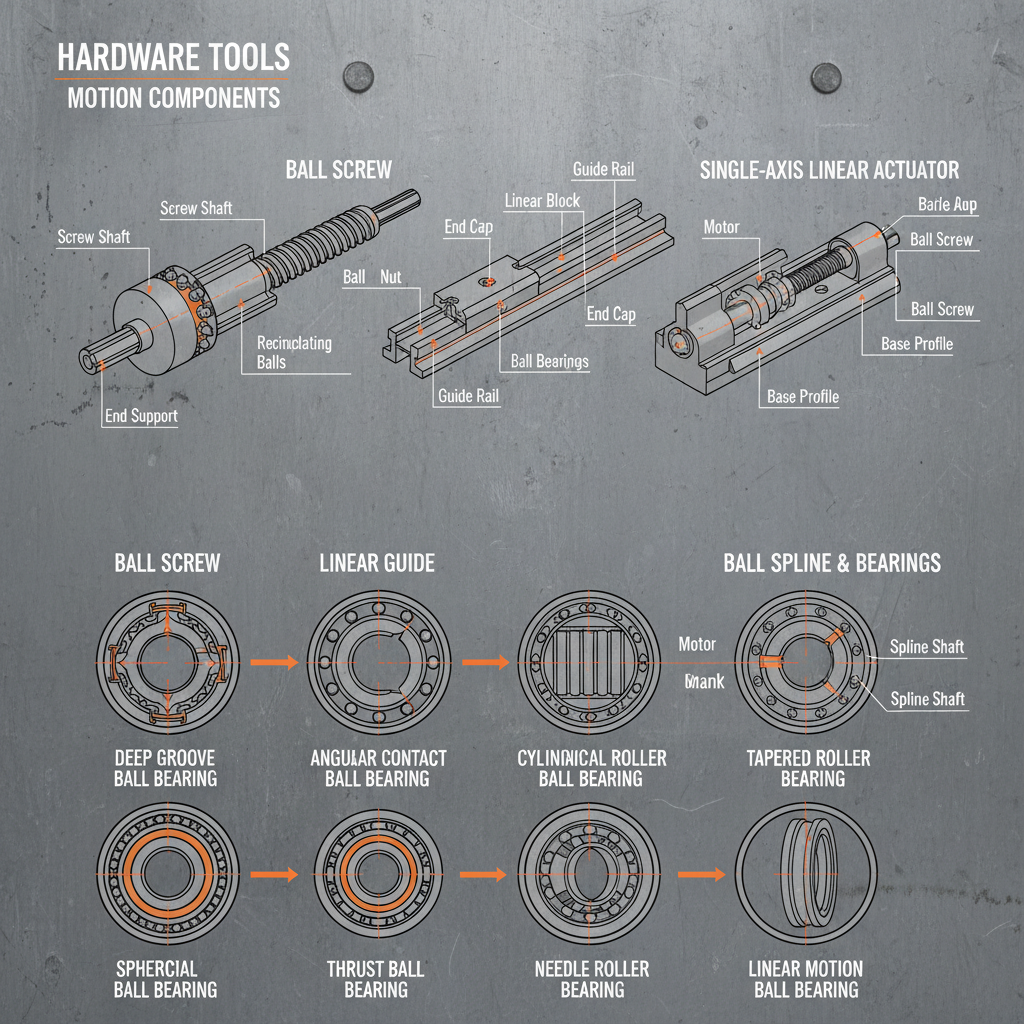
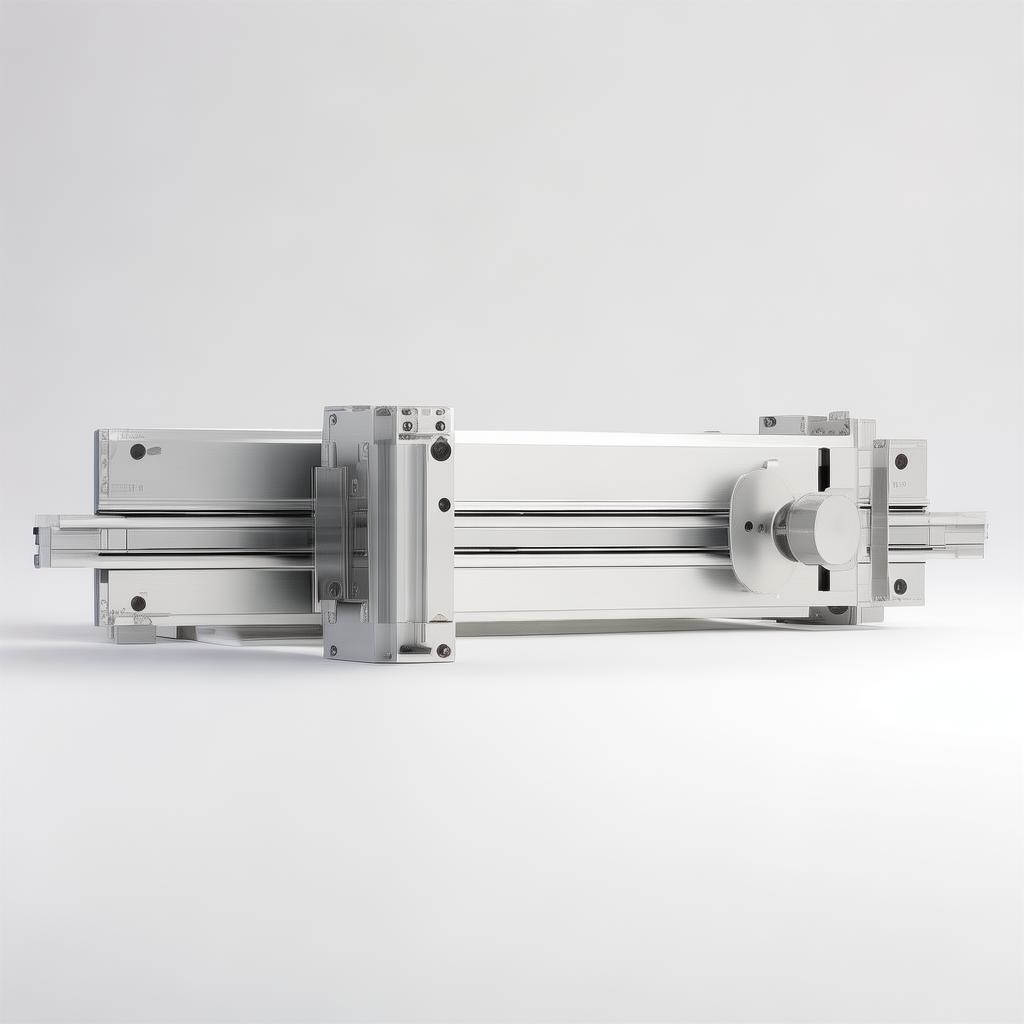
Bearings from this process power linear guides and actuators in automation. Think US automotive assembly lines running 24/7, or Canadian mining conveyors battling dust.
- High-speed CNC spindles: Low friction keeps RPMs steady.
- Linear motion modules: Paired with ball screws for repeatability under 10µm.
- Heavy robotics: Radial loads to 50kN without brinelling.
- Food processing: Stainless variants resist washdowns.
Contractors report fewer teardowns when switching to process-controlled bearings. Logistics note: Full 20ft containers fit 40,000 deep groove units.
Procurement Guide: Sourcing Bearings Without the Risks
Buying managers face fakes and inconsistent quality. Vet suppliers by process transparency – ask for heat treat charts.
- MOQ pitfalls: We start at 100pcs for customs, scaling to OEM runs.
- Lead time traps: Stock bearings ship in 7 days; customs 4-6 weeks.
- Cost savers: Bulk drops 25% per unit. Factor tooling for ODM.
Compare us: Full traceability vs. spot-market unknowns. Pro tip: Specify ABEC-5 tolerances upfront to match your shafts.
Ready to evaluate? Get a free supplier audit.
Bearing Technical Specifications Table
| Type | ID (mm) | OD (mm) | Width (mm) | Load Dynamic (kN) | Speed (RPM) |
|---|---|---|---|---|---|
| 6205 | 25 | 52 | 15 | 11.0 | 14000 |
| 6305 | 25 | 62 | 17 | 22.5 | 11000 |
| Custom OEM | 10-200 | 20-400 | Varies | Per Design | Custom |
bearing operation bearing use bearing
ISO 9001 certified. Materials: GCr15 steel standard.
Bearing Process FAQs for Buyers
- How long does the full bearing process take?
- From order: 4-6 weeks for customs. Raw to finish: 7-10 days per batch.
- What certifications back your process?
- ISO 9001, RoHS. CE on request. Full audits available.
- Can you customize the bearing process for ODM?
- Yes – adjust heat treat for high-temp apps or add coatings.
- Shipping to USA: Any issues?
- DDP terms optional. 20-30 days sea, DHL air for samples.
What Procurement Teams Say
John Reyes, Ops Manager, Midwest Automation (USA): "YIDI's bearing process details impressed. Swapped in their 6200 series – vibration dropped noticeably. Delivery beat quotes."
Marie Dubois, Procurement Lead, Canadian Mining Equip: "Transparent process walkthrough avoided our usual quality headaches. OEM run hit specs first time."
David Chen, Supply Chain Dir., German Machinery OEM: "Consistent balls and races. Exports to 50+ countries? Reliable partner."
Real names shared with permission. More on request.
Secure Your Supply Chain Today
HEBEI YIDI IMPORT AND EXPORT TRADING CO.,LTD. | YIDI Motion
Phone: +86 18134111662 | Email: adam@yidimotion.com
Addr: 16-1-1601 Aobeigongyuan, Chang'an District, Shijiazhuang City, Hebei Province, China
Factory exports to Germany, USA, Canada, France, Japan +50 countries. One-stop linear motion solutions.
Written by Adam Li
Export Director at YIDI Motion. 12+ years in bearing production and international trade. Supervised 500+ OEM runs.