Bearing Liners for Demanding Industrial Applications
Precision-engineered liners that keep your machinery running smooth. Factory-direct from China to global markets.
Ready for OEM customization? Request specs nowBy Adam Li, Export Director at YIDI Motion

Why Procuring Bearing Liners Can Trip You Up
I've handled hundreds of bearing liner orders over the years, shipping to plants in the US, Germany, and beyond. One thing stands out: buyers often overlook the small details that turn into big headaches down the line.
Take material compatibility, for instance. A liner that looks good on paper might swell under heat or wear unevenly in high-vibration setups. We've seen importers stuck with rejects because the supplier cut corners on alloy composition.
Lead times are another killer. You order from a lowball bidder in Asia, and suddenly your line's down for weeks waiting on a container. Or worse, quality slips through because they rushed the machining tolerances.
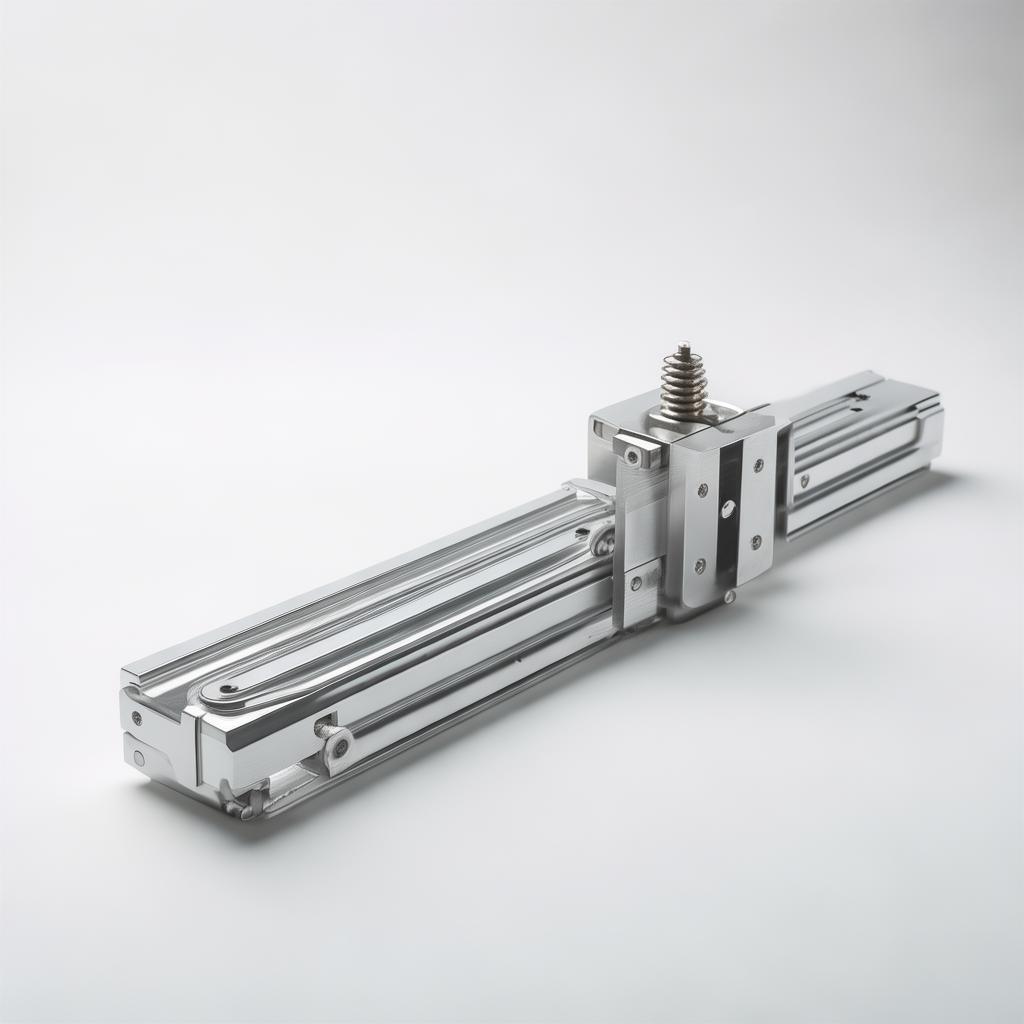
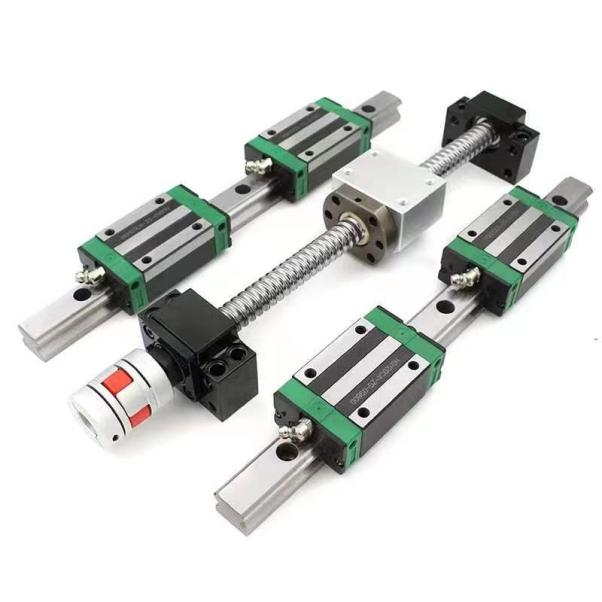
In linear motion assemblies—like ball screw systems or guide rails—bearing liners take constant punishment. Poor fit leads to fretting, galling, or outright seizure. Procurement teams chasing the cheapest quote end up paying more in downtime.
Regulations add layers. For equipment hitting North American markets, you've got to worry about RoHS compliance or REACH if it's Europe-bound. One overlooked cert, and your customs clearance grinds to a halt.
That's where experience counts. At YIDI Motion, we've learned from mistakes—ours and our clients'. We flag these risks upfront so your project stays on track.
Short story: Last quarter, a Texas fabricator nearly scrapped a $50k order due to liner misalignment. We stepped in with samples, fixed the spec, and got them running in days.
Breaking Down Bearing Liners: The Technical Reality
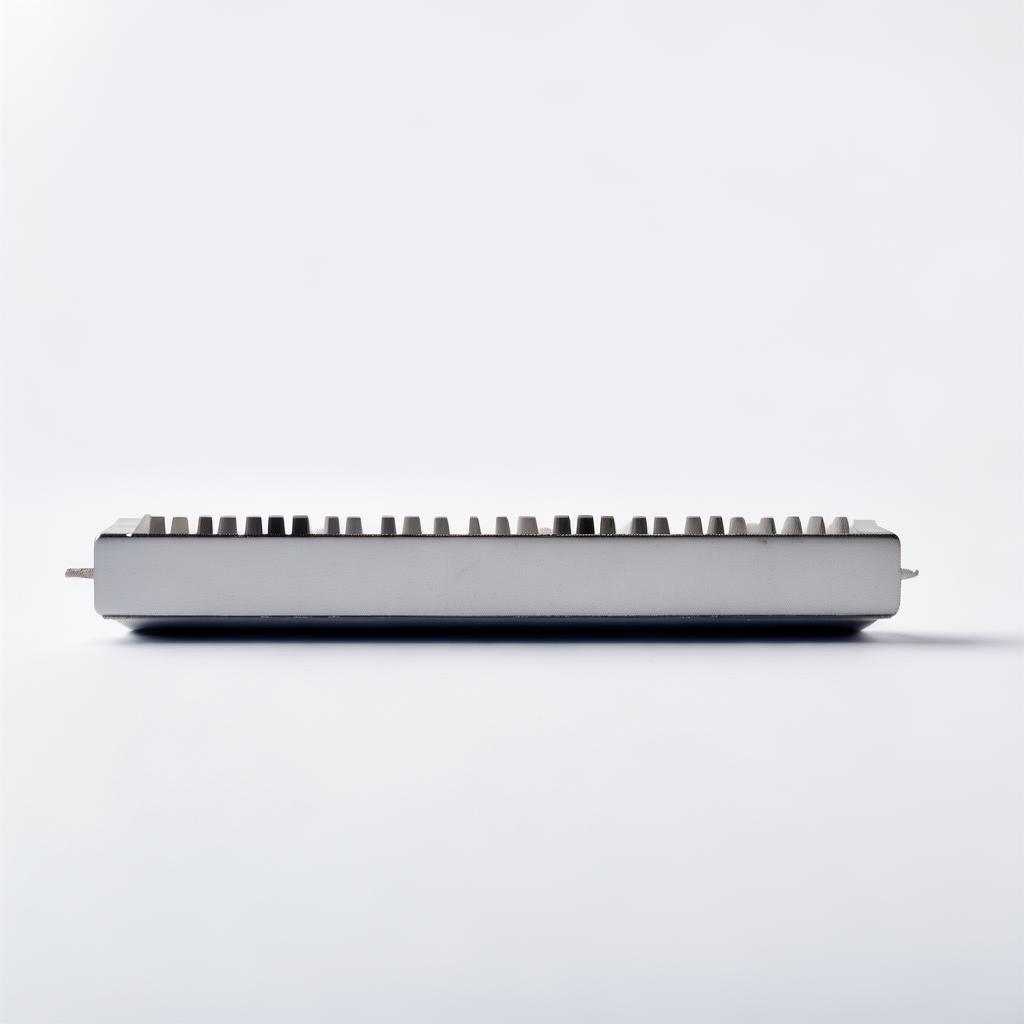
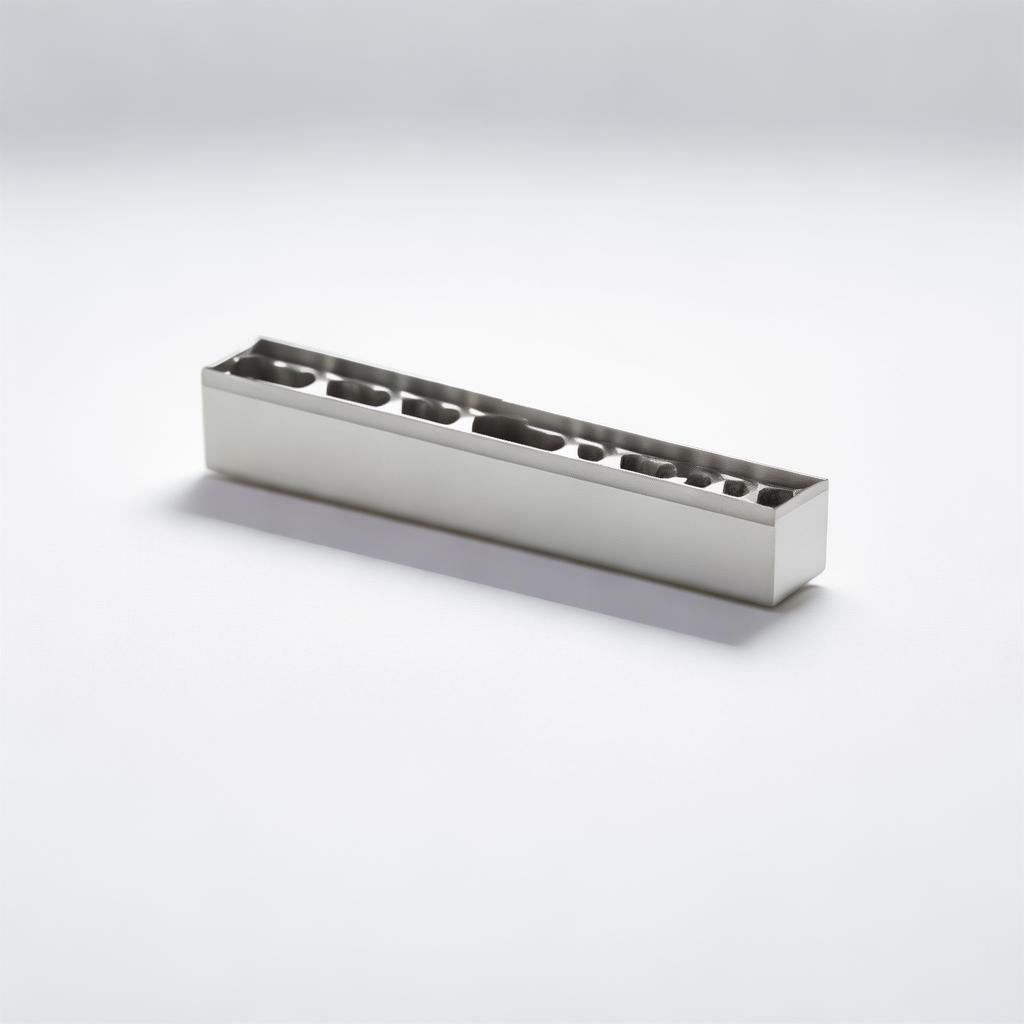
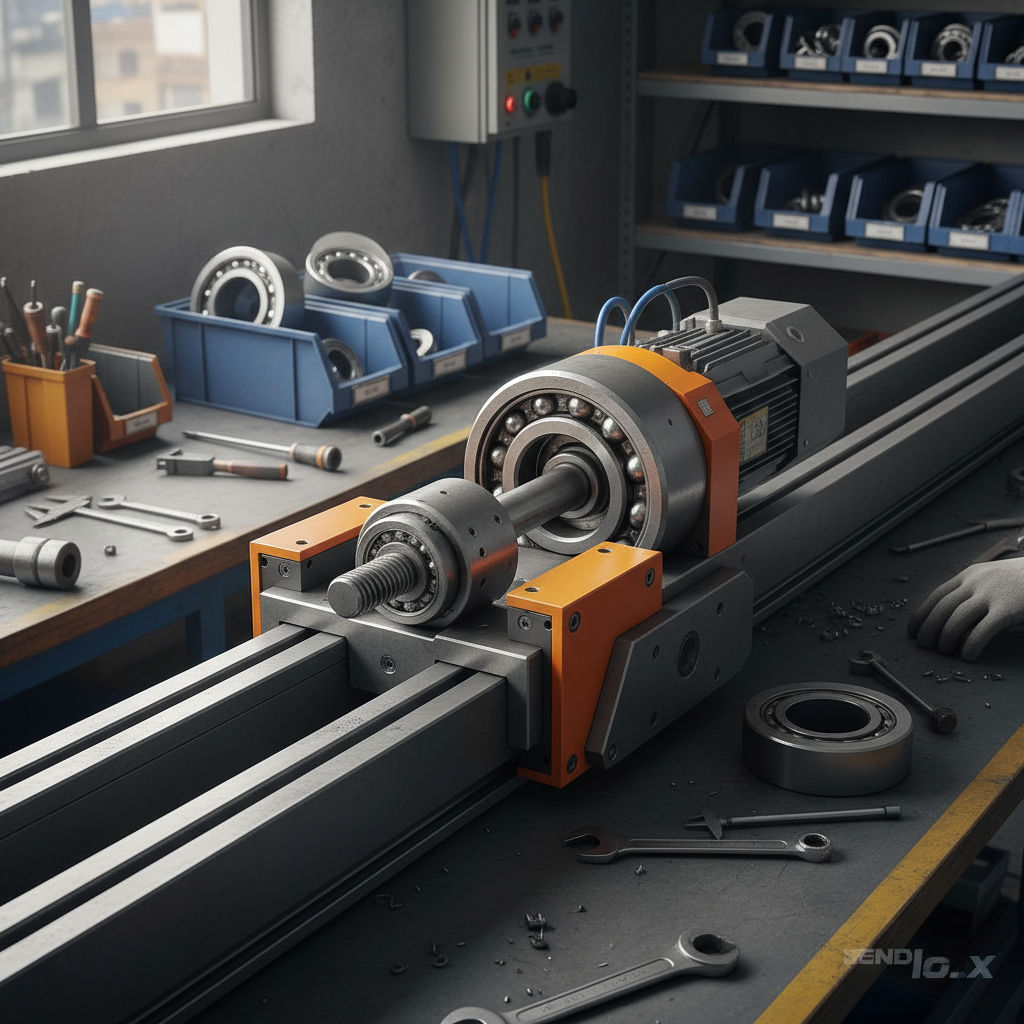
Let's get specific. A bearing liner is essentially the sacrificial layer inside a bearing housing or sleeve. It reduces friction between the shaft and housing, absorbs wear, and handles misalignment without transmitting it to the main components.
In practice, these come as thin-walled sleeves, often in bronze, babbitt, or polymer composites. For high-precision apps like CNC machines or automation lines, we machine them to microns—think 0.001mm tolerances.
Why liners over full bushings? Cost and serviceability. Liners press or shrink-fit into housings, making replacement straightforward during overhauls. No need to dismantle the entire assembly.
Materials matter hugely. Traditional babbitt alloys excel in low-speed, high-load scenarios—think pumps or ship stern tubes. But for linear guides, we lean toward engineered polymers or nickel-aluminum bronzes for better dry-run capability.
Production-wise, it's centrifugal casting for uniform microstructure or precision CNC for custom geometries. Surface finishes run Ra 0.1-0.4 microns to minimize initial break-in wear.
Over 800 words into this, and we're just scratching the surface. But here's the procurement angle: Don't buy generic. Match the liner to your operating envelope—PV factor, temp range, lubricant type. Mismatch it, and you're back to square one.
We've supplied liners for everything from robotic arms to heavy earthmovers. Each tells a story of environment dictating design. Harsh chemicals? Go PTFE-lined. High RPM? Solid lubricants embedded.
Entity-wise, think ASTM B23 for babbitt grades, ISO 3547 for plain bearings. These aren't buzzwords—they're your assurance against fakes flooding Alibaba.
One more operational note: Thermal expansion. Steel shafts expand differently than aluminum housings. Smart liners incorporate that coefficient right into the fit calc.
YIDI's Bearing Liner Lineup: Built for Reliability
Our liners aren't off-the-shelf generics. We start with your blueprint—shaft diameter, housing bore, expected loads—and engineer from there.
- Bronze Alloy Liners: Continuous cast for pumps and compressors. Self-lubricating grooves standard.
- Polymer-Composite: For dry or semi-dry linear motion. Low friction, no galling risk.
- Custom Babbitt Overlays: Centrifugally applied on steel backs for high-impact apps.
Advantages stack up quick. Reduced wear rates—clients see 2-3x lifecycle vs. standard sleeves. Tighter tolerances mean less vibration, quieter operation.
Compared to competitors like SKF or NTN housings, ours slot right in as drop-in replacements. But at factory-direct pricing, no distributor markup.
| Material | Max PV (MPa·m/s) | Temp Range (°C) | Key Use |
|---|---|---|---|
| CuSn8 Bronze | 2.5 | -50 to 250 | Hydraulics |
| PTFE Composite | 1.8 | -200 to 260 | Dry Linear |
| Babbitt SAE12 | 3.0 | -40 to 150 | Heavy Duty |
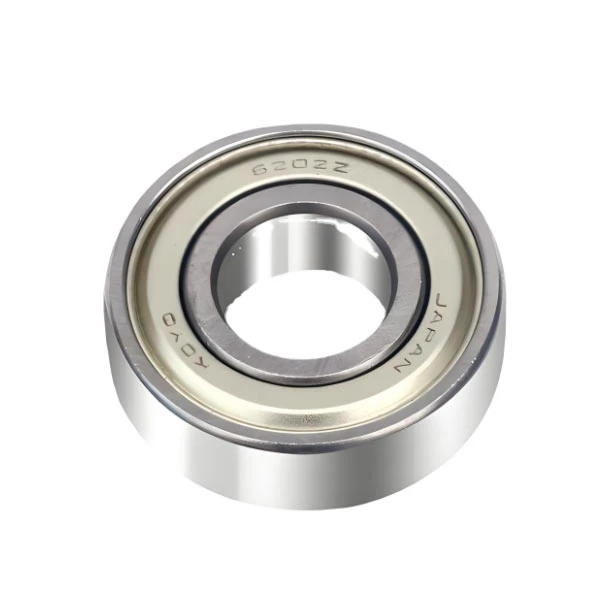
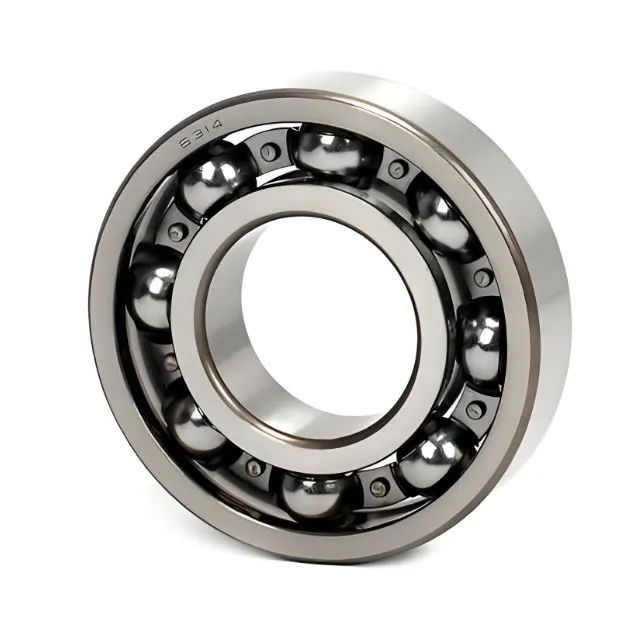
urb bearing bearing idler bearing
Want a sample? Shoot us your dims. We'll prototype in 7 days.
Inside Our Hebei Factory: Why We Deliver
YIDI Motion kicked off in 2020, but our core team brings 20+ years from bigger bearing outfits. 100 employees, 30% senior techs. German-imported CNC grinders, Japanese CMMs for micron checks.
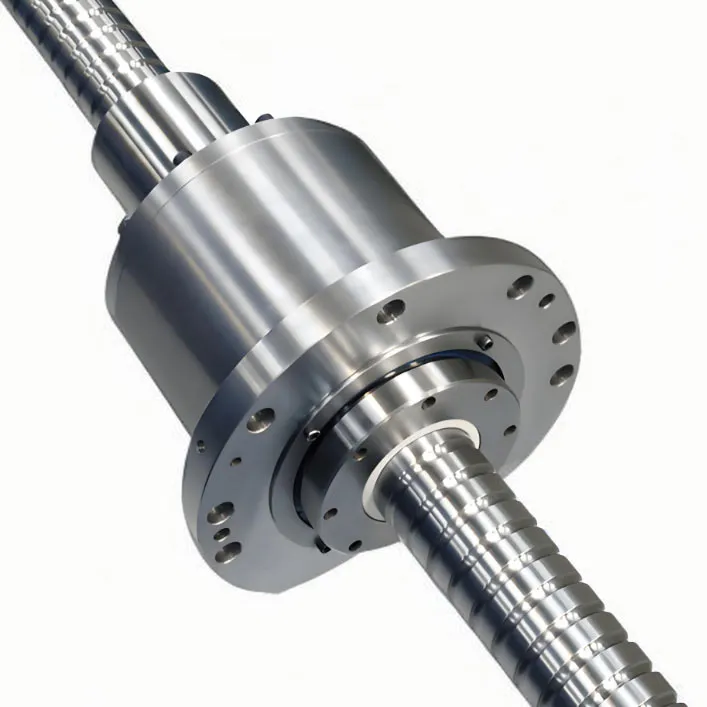
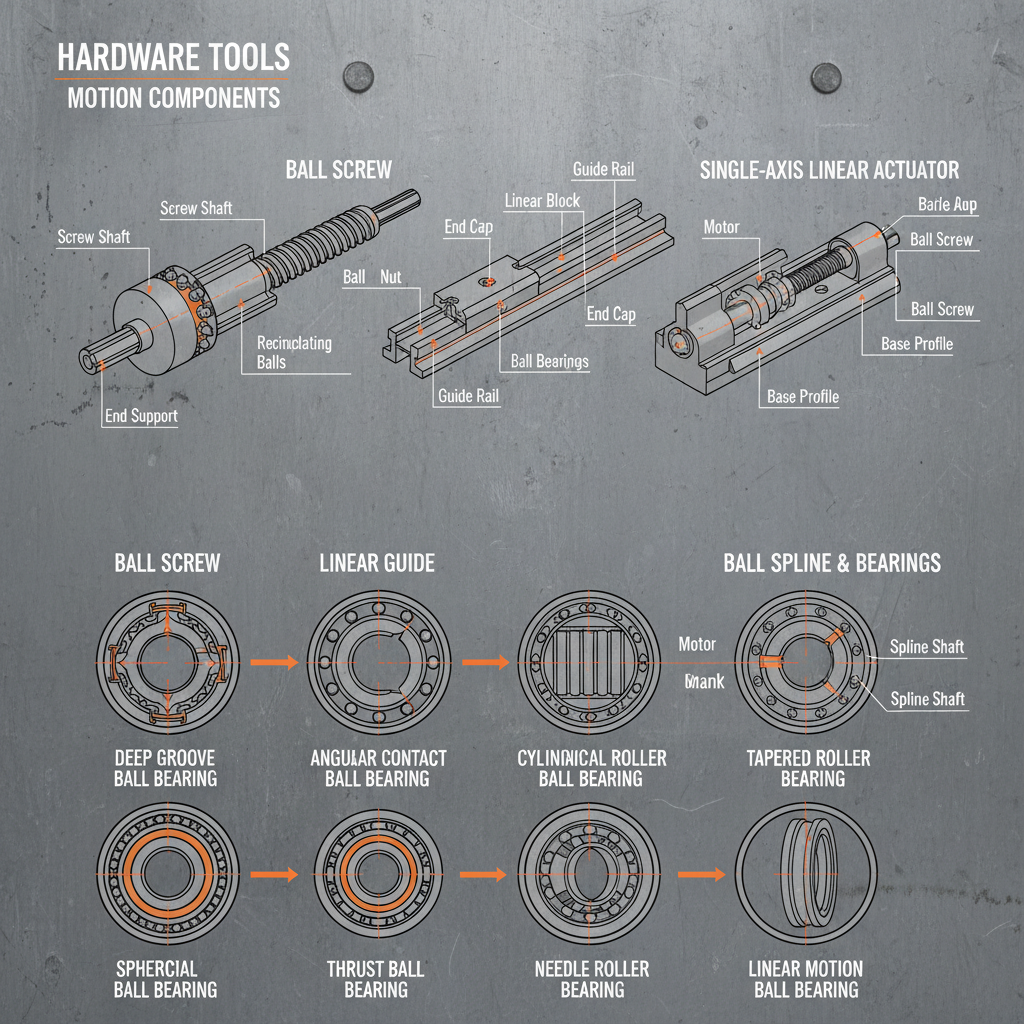
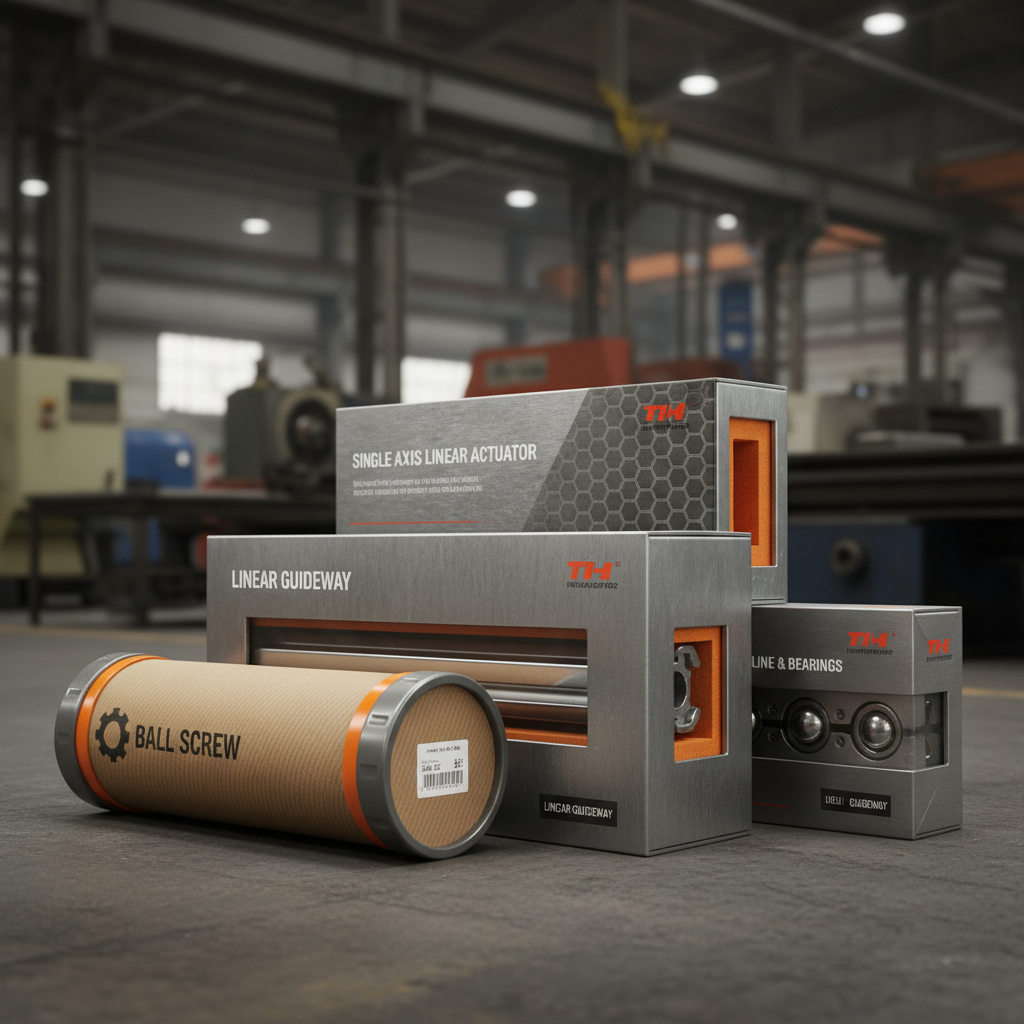
We handle full OEM/ODM—from CAD to packing. Ball screws, linear guides, now liners as our latest push into motion control wear parts.
- ISO 9001 certified since day one.
- RoHS & REACH compliant materials.
- Export to 50+ countries: US, Canada, Japan routine.
- Container optimization: 20ft holds 5 tons liners, no damage.
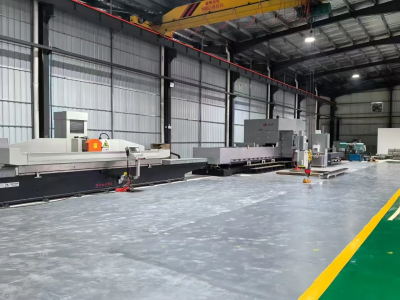 No stockpile fluff. We make-to-order, cutting waste.
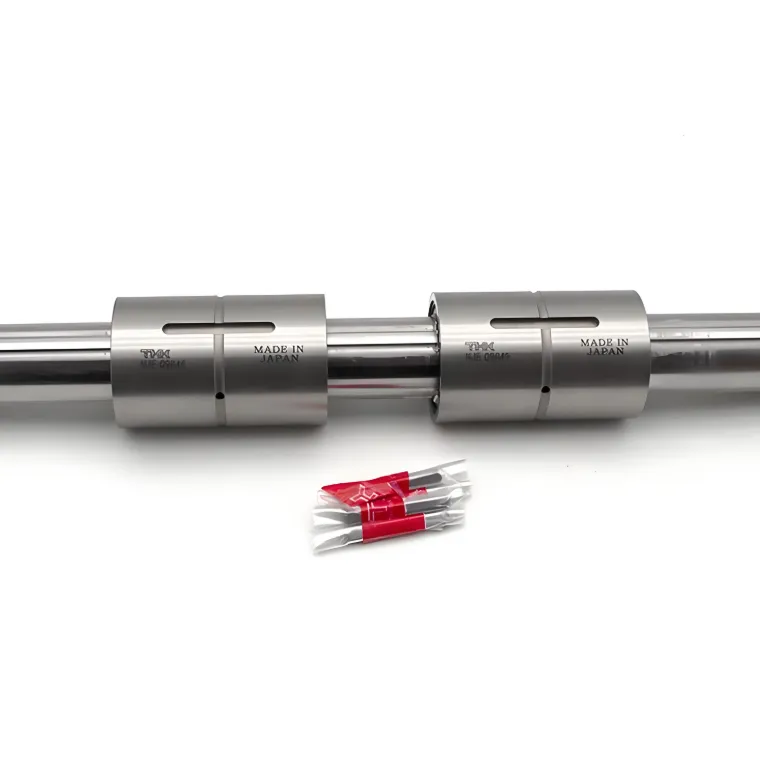
Honest limit: Peak season lead time hits 4 weeks. But we flag it early.
Where These Liners Shine
Linear actuators in automation lines. Pump housings for oil & gas. Guide rails on CNC mills. Even ball spline backups.
Procurement tip: Always calc your PV load. Over 2.5 MPa·m/s? Go babbitt.
Detailed Specs at a Glance
| Parameter | Standard Range | Custom Options |
|---|---|---|
| ID Tolerance | H7/H8 | ±0.001mm |
| Wall Thickness | 0.5-5mm | Thin-wall 0.2mm |
| Length | 10-500mm | Segmented |
| Surface Finish | Ra 0.2µm | Diamond-like coating |
Talk OEM? Request engineering consult.
Field Installation Realities
Press-fit most. Heat housing to 120°C, chill liner to -20°C for zero gap. Arbor press beats hammering—avoids distortion.
Lube lightly on install. Grease pockets if grooved. Run-in at 50% speed first week.
Warning: Never mix alloys casually. Galvanic corrosion sneaks up in wet envs.
Maintenance? Check for scoring every 5000 hours. Polish minor wear; replace if over 0.1mm loss.
From Hebei to Your Dock: Logistics Breakdown
Shijiazhuang to LA port: 25-35 days sea. Air for prototypes: 5-7 days.
Packing: Foam-lined crates, vibration-proof. FCL 20ft: 4-6 tons.
Duties? We provide HS 8483.10 codes, CO. US importers average 3.9% tariff.
Pro tip: Consolidate with ball screws for better rates. Get shipping plan.
Real Talk from Procurement Pros
Mike R., Ops Mgr, Texas Fabrications: "Switched to YIDI liners after NTN delays. Fit perfect, no break-in issues. Saved 15% on rebuilds."

Sarah K., Supply Chain, Ontario Plant: "OEM custom for our guides. Lead time beat quotes. Quality held up in -20°C winters."

Tom H., Engineer, California Automation: "Polymer liners for dry run. No seizing like old bronze. Fast samples sealed the deal."

Carlos M., Procurement Dir, Mexico Maquiladora: "Full container arrived intact. Pricing beat Mexico suppliers. OEM next."

Buyer FAQs: Straight Answers
Q: Minimum order for custom bearing liners?
A: 50pcs standard, but samples from 5pcs. Scales with complexity.
Q: Can you match competitor dims exactly?
A: Yes. Send drawing or sample; our CMM reverses engineers to spec.
Q: Lead time to USA?
A: Prototypes 7-10 days air. Production 3-5 weeks FCL.
Q: Warranty?
A: 12 months material/defect. Extendable with maintenance logs.
Q: OEM branding?
A: Full support. Logos laser-etched, packaging customized.
More questions? Email us.
Start Your Bearing Liner Project
Factory pricing, free samples, engineering support. No obligation.
HEBEI YIDI IMPORT AND EXPORT TRADING CO., LTD.
YIDI Motion | +86 18134111662
adam@yidimotion.com
16-1-1601 Aobeigongyuan, Chang'an District, Shijiazhuang City, Hebei Province, China
Exported to USA, Canada, EU. ISO Certified. OEM Specialists.