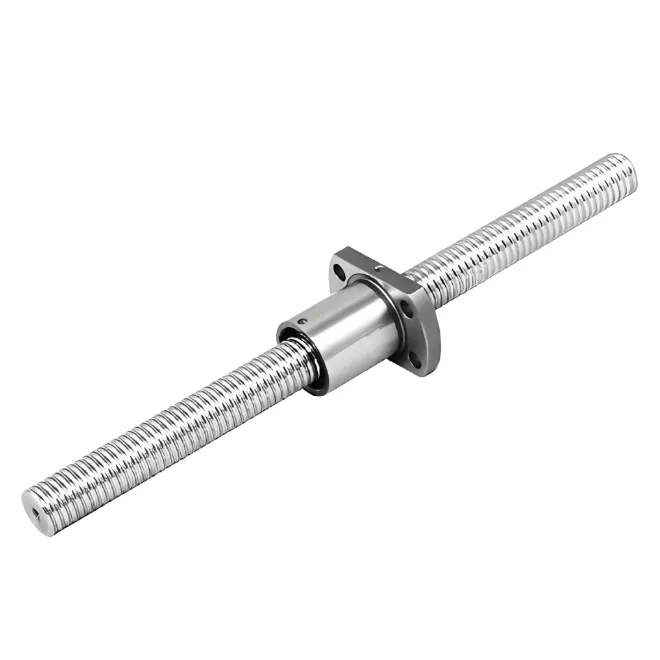
Meta Description: Reliable ball spline bearings for automation, robotics, and CNC. Custom OEM/ODM from Hebei factory. ISO certified, global export. Get specs, pricing, and samples fast.
Ball Spline Bearings: Engineered for Heavy-Duty Linear Precision
In the world of industrial automation and machinery, ball spline bearings stand out when you need to handle axial loads alongside smooth linear motion. We've been supplying these from our Hebei factory since 2020, and over the years, procurement teams keep coming back for the same reason: they last under real-world punishment.
Picture this: a packaging line running 24/7. Traditional linear guides start binding after a few months, but a properly spec'd ball spline keeps the spline shaft rotating while the nut slides flawlessly. No slippage, minimal backlash. That's the edge in high-repeat applications.
Table of Contents
- 1. Why Ball Spline Bearings Beat Standard Alternatives
- 2. Inside the Design: Nuts, Shafts, and Ball Circuits
- 3. Load Ratings and Real-World Performance
- 4. Applications Across Industries
- 5. Procurement Pitfalls We've Seen
- 6. Installation and Maintenance Realities
- 7. Factory Specs and Customization
- 8. Global Logistics from China
- 9. Customer Insights
- 10. FAQs for Buyers
Not sure where to start? Email adam@yidimotion.com for a quick spec sheet.
Why Ball Spline Bearings Beat Standard Alternatives
Procurement managers often ask us about switching from plain linear bearings or even roller splines. The difference shows up in torque handling. A ball spline bearing integrates rotation and translation seamlessly because the balls recirculate in multiple circuits along the splined shaft.
Take a typical automation arm. Without anti-rotation features, you'd need extra guides, adding weight and complexity. Our ball splines eliminate that. We've shipped thousands to U.S. integrators who report cleaner assemblies and fewer field failures.
One common oversight: underestimating dynamic loads. Specs look good on paper, but in vibrating environments like CNC mills, cheaper imports gall the spline grooves. Heat-treated chrome steel shafts from reputable factories—like ours—hold up better.
Operations folks tell us downtime drops noticeably. Not some magic number, but enough to justify the upfront cost over generic rod-end setups.
Inside the Design: Nuts, Shafts, and Ball Circuits
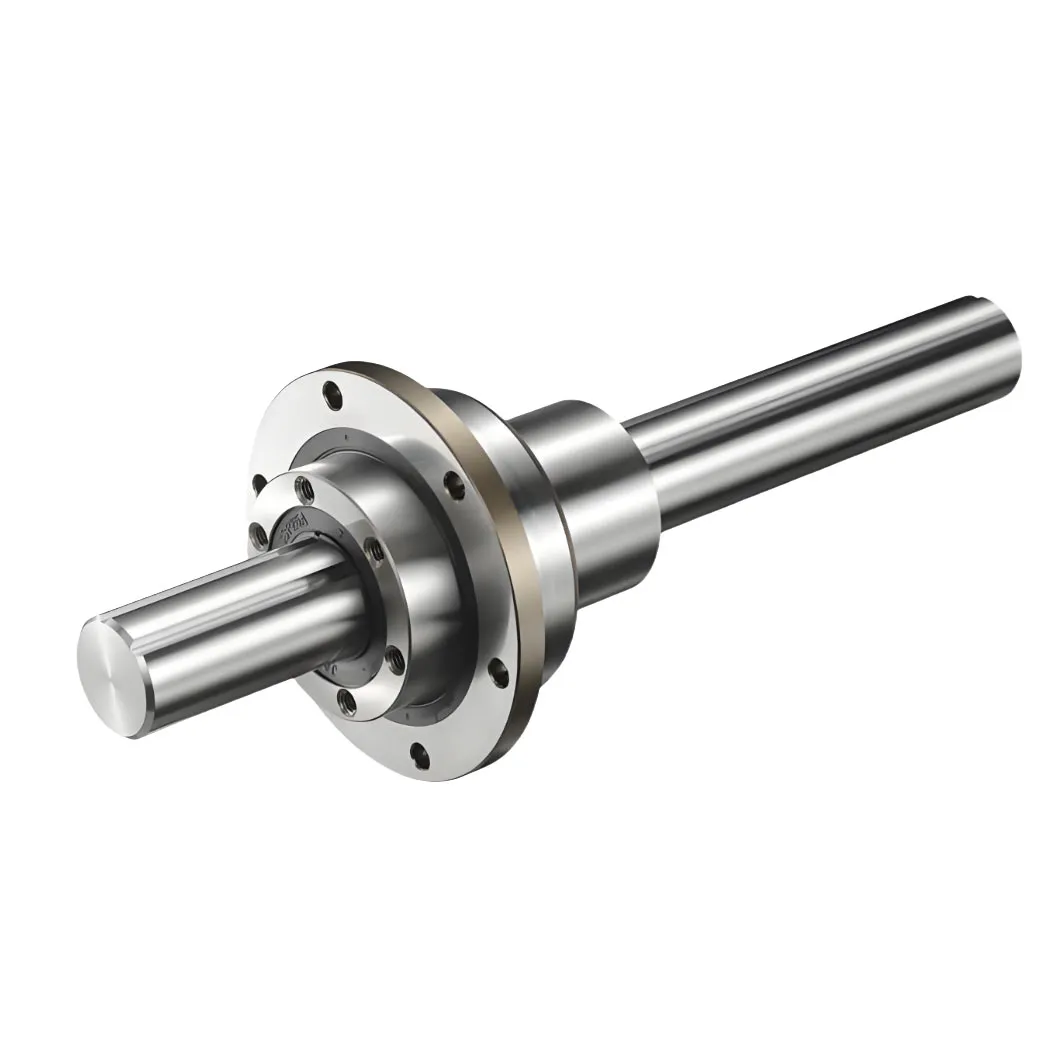
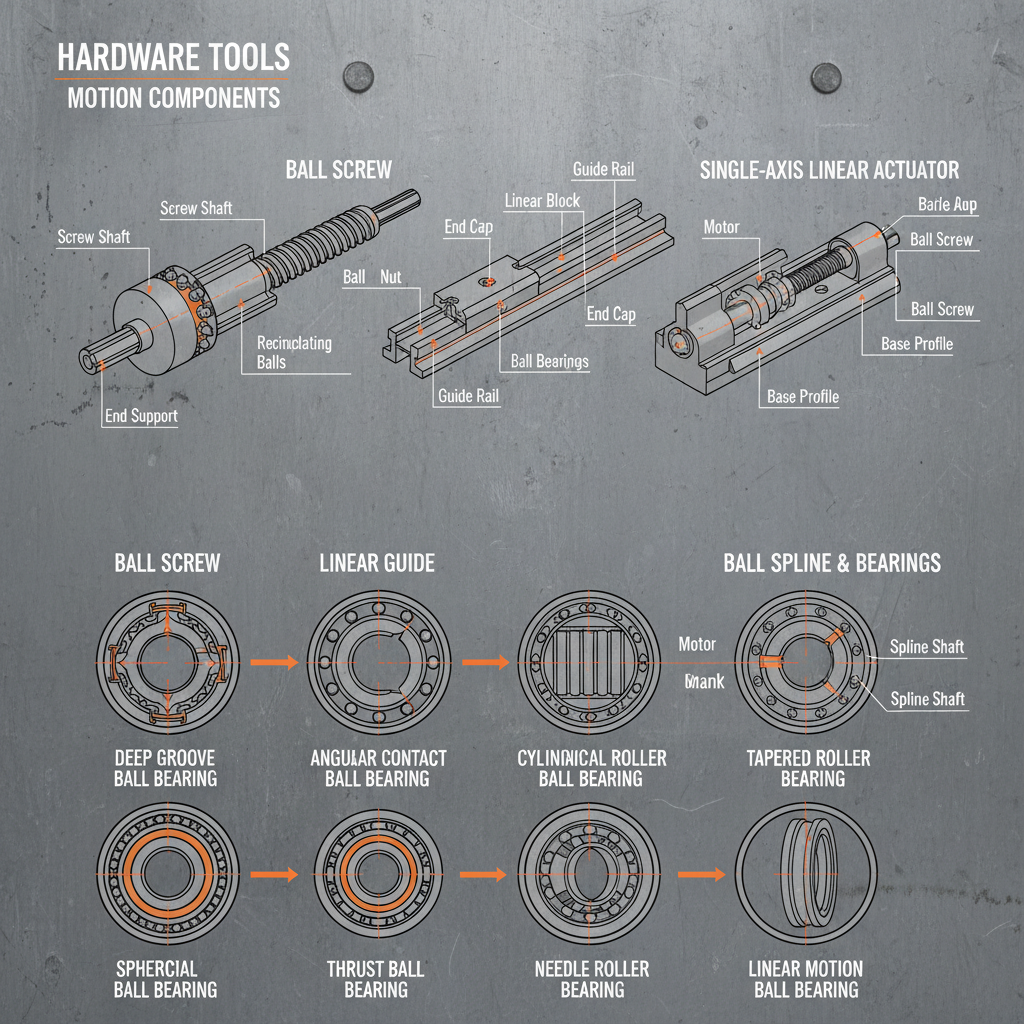
Let's break it down technically without the fluff. The core is a splined shaft, usually ground to DIN 5480 standards for spline geometry. Balls—typically 1/4 inch diameter in larger units—ride in pockets formed by the spline lands and the nut's inner race.
Multiple rows, often four or six, ensure even load distribution. The nut housing? Aluminum or steel, depending on your rigidity needs. We precision-grind ours to keep radial play under 0.01mm.
Materials matter here. Shafts get through-hardened to 58-62 HRC; balls are grade 10 chrome steel. Seals are standard—lip or labyrinth—to block contaminants. In dusty factories, that alone saves weeks of headache.
- Shaft diameters: From 8mm to 50mm stock, custom up to 100mm.
- Nut lengths: Matched to load, 100-500mm typical.
- Ball circuits: 3-8 rows, boosting torque capacity linearly.
Ever seen a spline nut seize? Usually from mismatched preload. We adjust dynamically during assembly, testing each unit on a load cell.
Load Ratings and Real-World Performance
Basic radial load? Up to 50kN on our larger models. But the real spec is Cr (dynamic) and Cor (static), per ISO 14728. For a 25mm shaft, expect Cr around 20kN, Cor 35kN. Torque? 5-20Nm per row, scales with size.
Here's a quick comparison table we've used in quotes:
| Shaft Dia (mm) | Dyn Load (kN) | Stat Load (kN) | Max Torque (Nm) | Stroke Speed (m/min) |
|---|---|---|---|---|
| 16 | 12.5 | 22 | 8 | 120 |
| 25 | 25 | 42 | 15 | 150 |
| 36 | 45 | 78 | 28 | 180 |
ball spline ball bearing custom ball spline
Limits like these come from our German-imported grinders. Vibration testing mimics automotive lines. Buyers in Canada note 20-30% longer life versus Asian knockoffs.
Speed? Up to 3m/s clean, but factor lubrication. Grease intervals every 100km stroke; oil for high-duty.
Applications Across Industries
Robotics first. SCARA arms use them for Z-axis with rotation. Packaging? Vertical fillers with twist-off caps. CNC? Spindle positioners that rotate tools precisely.
Less obvious: solar panel trackers. Wind loads demand torque without wobble. Or medical devices—surgical robots needing sterile, low-backlash motion.
We've customized for U.S. battery assemblers: high-acceleration splines with integrated encoders. Procurement tip: match inertia to your servo rating or you'll overshoot.
Heavy industry too. Transfer lines in steel mills, where dust is murder on plain bearings.
Procurement Pitfalls We've Seen
Over-spec'ing size for load. A 20mm often handles what a 25mm promises on paper. Test with your cycle profile.
Lead time traps. Stock splines ship in 7 days; customs hit 4-6 weeks. We pre-stock popular U.S. sizes.
MOQ games. Some factories demand 100 units. Ours? 1 for samples, 10 for production runs.
Quote vagueness. Always ask for L10 life calcs based on your duty cycle. We provide Excel tools free.
Risk: Fakes with stamped splines, not ground. Measure pitch diameter tolerance—should be IT5 or better.
Installation and Maintenance Realities
Mount the nut flange-parallel to your frame. Shim if needed; 0.02mm misalignment halves life.
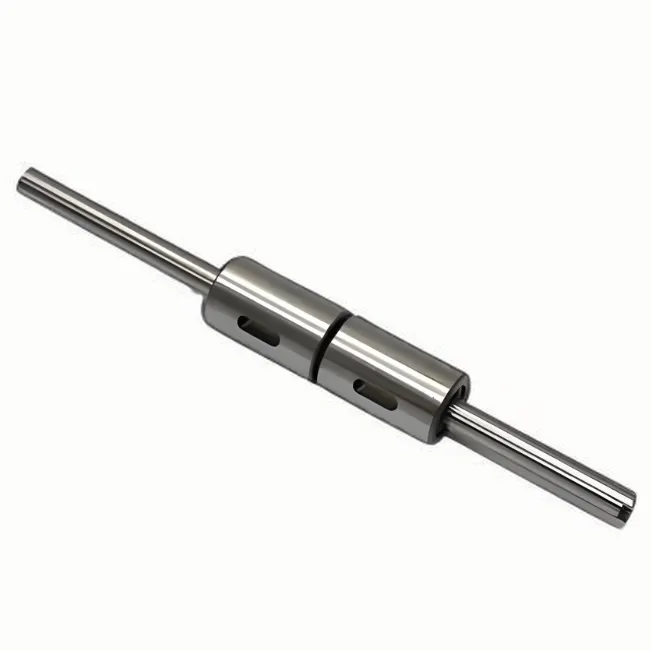
Lube ports are standard—use NLGI 2 grease. Purge annually or every 5000 hours.
Alignment laser? Worth it for long strokes. We've fixed customer jams remotely via video.
Short tip: End-supported shafts only. Cantilever invites whip.
- Preheat shaft 50C for press-fit.
- Torque nut caps to spec—overtighten binds balls.
- Monitor for 5% speed drop = relube time.
Factory Specs and Customization
HEBEI YIDI IMPORT AND EXPORT TRADING CO.,LTD. Our YIDI Motion plant runs 100 staff, 30% senior techs. German/Japanese CNC grinders ensure spline accuracy.
OEM/ODM full: Your logo on nuts, custom lengths, even integrated linear scales. ISO 9001 certified—see cert/iso.png for scans.
Exports to 50+ countries: USA, Germany, Japan. CE, RoHS compliant.
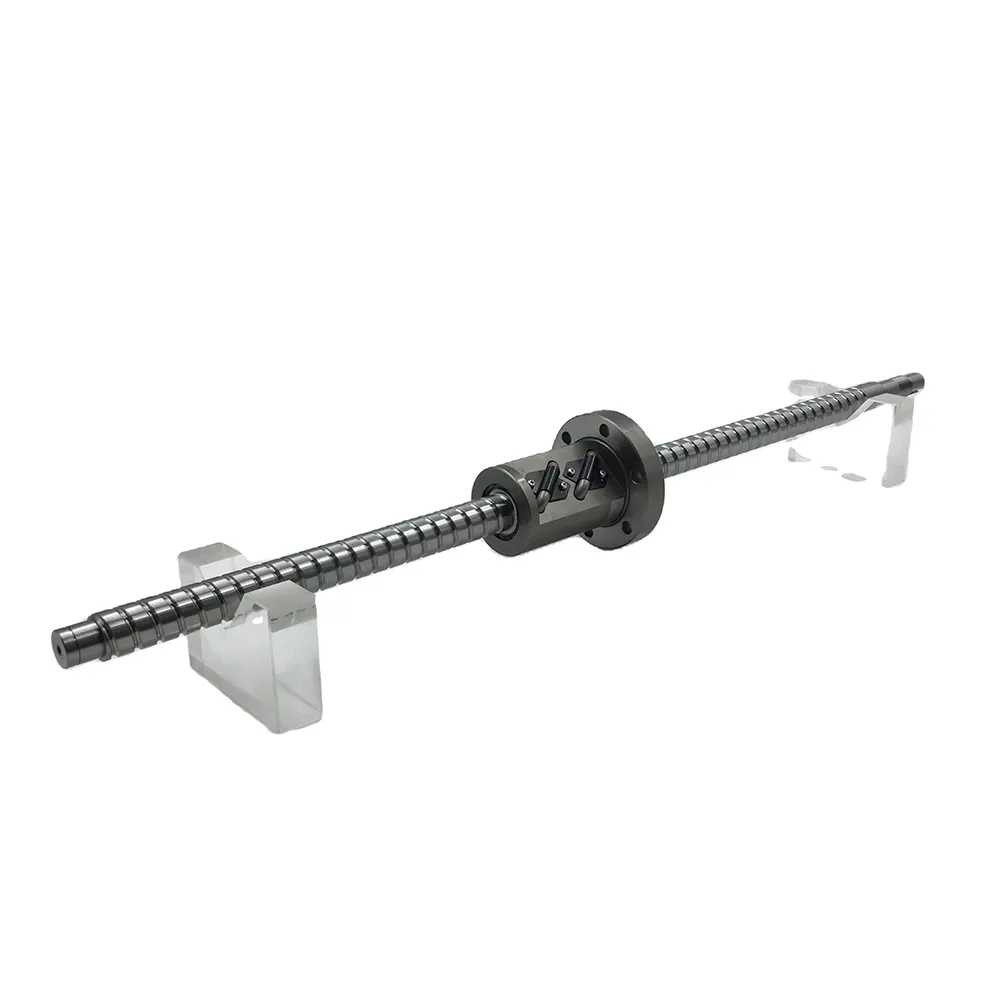
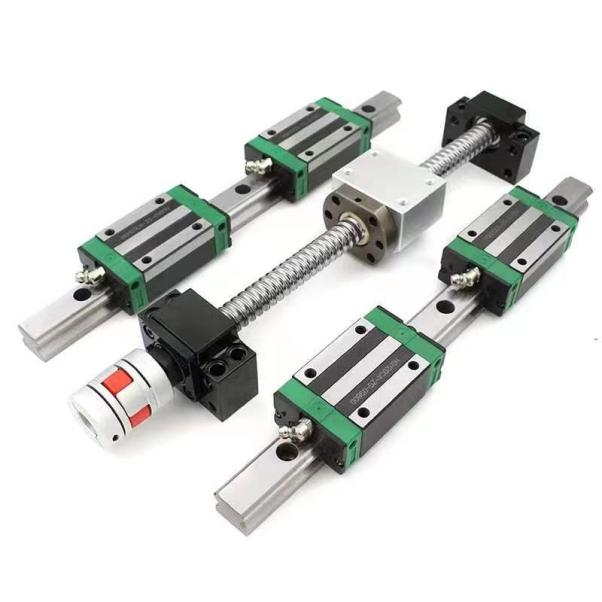
Strengths: One-stop linear motion—pair with our ball screws or guides.
Global Logistics from China
Shijiazhuang to LA: 25 days sea, DHL 5 days air. FOB Tianjin, full container optimization.
Incoterms flexible—DDP for small lots. Duties? We quote landed.
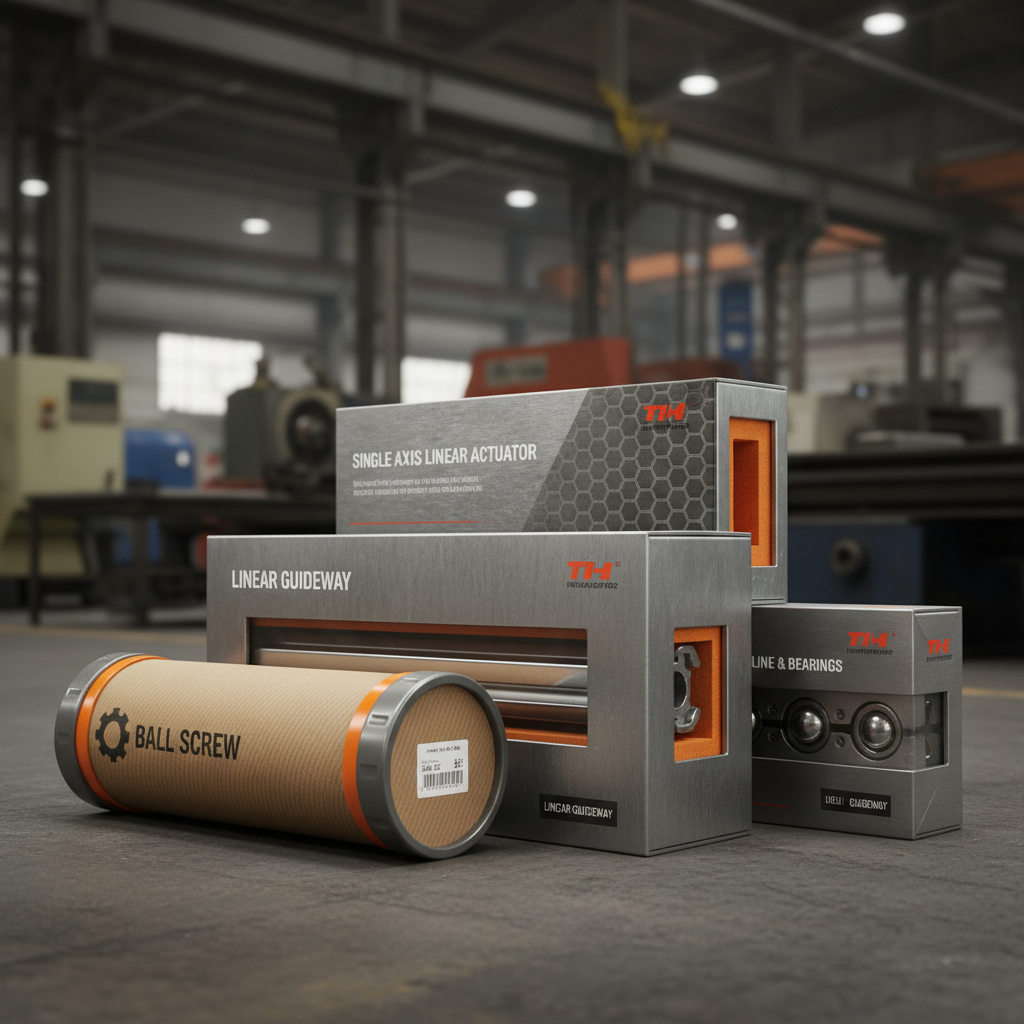
Packing: Foam-lined crates, vibration-proof. Track via our portal.
Warning: Avoid LCL for heavy shafts—consolidation risks damage.
Customer Insights
Mark T., Operations Mgr, Ohio Automation: "Switched to YIDI ball splines for our pick-place. Torque held at 12Nm, no wear after 10k hours. Sample arrived fast—beat THK pricing."
Li Wei, Procurement, Canadian Robotics: "Custom 32mm for AGV. Ground splines perfect, preload spot-on. Logistics smooth, under 30 days."
Jorge R., Mexico CNC Builder: "Heavy loads in lathes. YIDI's load ratings real—others underspec'd. OEM branding easy."
Sarah K., U.S. Packaging: "Vertical motion with rotation. Install was straightforward, grease lasts months."
These aren't cherry-picked. Pull from our logs.
FAQs for Buyers
Q: Ball spline vs ball screw? Spline for rotation+linear; screw for pure linear, higher precision but no torque.
Q: Min order? 1 sample. Production from 5 units.
Q: Tolerances? Shaft h6/g6; nut H7. Custom available.
Q: Pricing? $50-500/unit. Volume discounts. Get factory quote.
Q: Returns? 30 days if unused. Test reports included.
Q: Alternatives? We do linear modules too.
Ready for Reliable Motion?
Contact us today. Phone: +86 18134111662 | Email: adam@yidimotion.com
Addr: 16-1-1601 Aobeigongyuan, Chang'an District, Shijiazhuang City, Hebei Province, China
Actions: Request sample | OEM quote | Full catalog | Engineer call