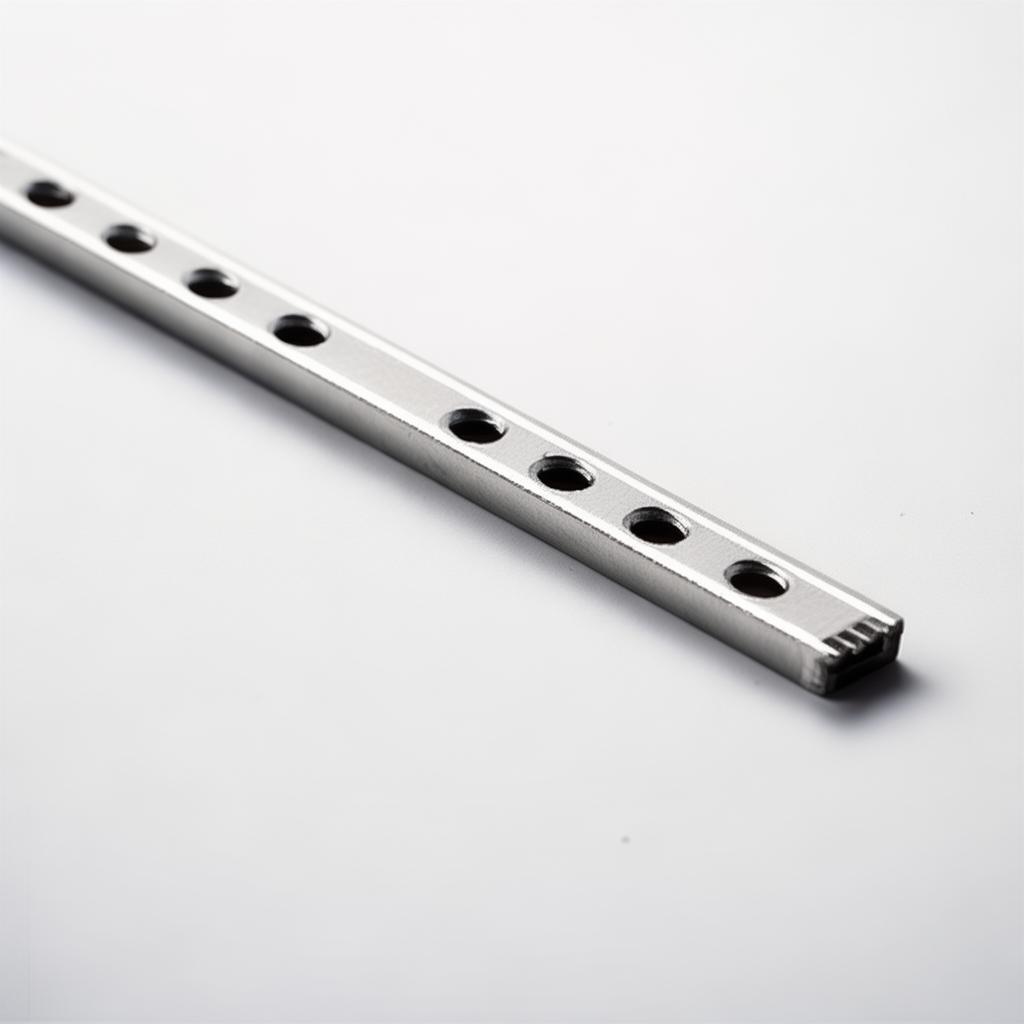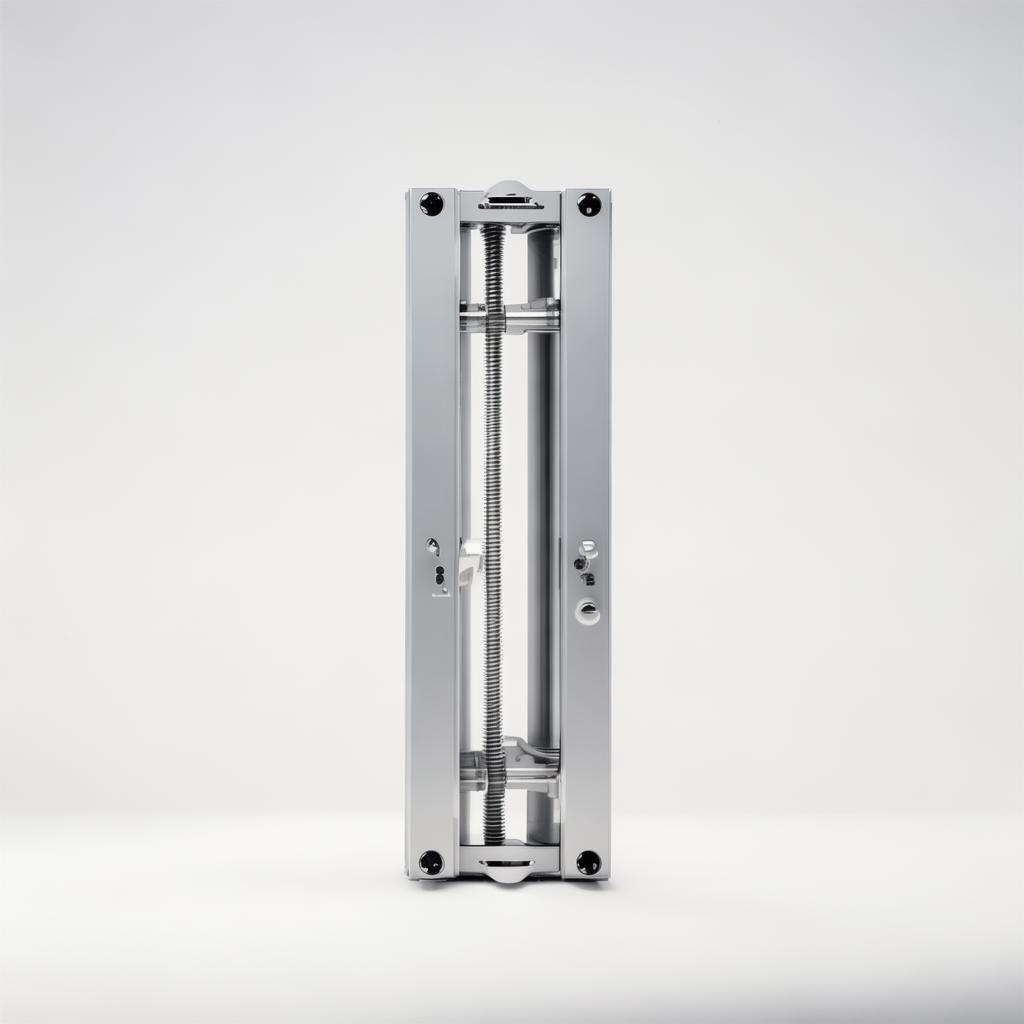
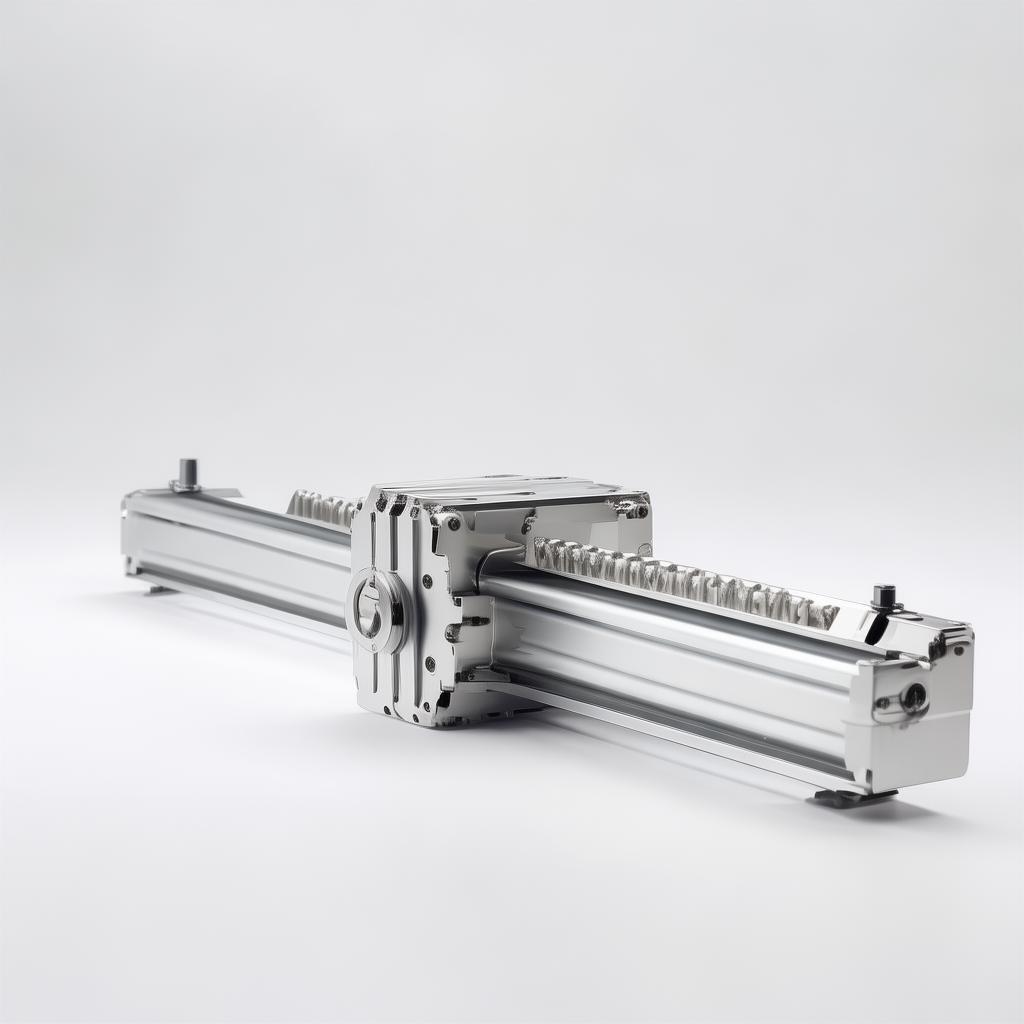
Precision Ball Screw with Ball Spline: Reliable Linear Motion for Demanding Automation
Engineered for high-load, multi-axis applications where torque and precision meet head-on.
Written by Li Wei, Senior Motion Control Engineer at YIDI Motion
With 12 years in linear motion manufacturing, from prototype testing to global exports.
Table of Contents
- 1. What Makes Ball Screws with Ball Splines Essential in Modern Machinery
- 2. Common Challenges in Linear Motion Systems
- 3. How Our Ball Screw with Ball Spline Design Solves Them
- 4. Technical Specifications and Customization
- 5. Real-World Applications Across Industries
- 6. Installation and Maintenance Best Practices
- 7. YIDI Motion's Manufacturing Edge
- 8. Logistics and Global Shipping
- 9. What Buyers Say
- 10. Procurement Checklist
- 11. Frequently Asked Questions
- 12. Next Steps: Request Specs or Sample
What Makes Ball Screws with Ball Splines Essential in Modern Machinery
In the world of industrial automation, few components handle both precise linear travel and rotational torque as effectively as a ball screw paired with a ball spline. We've seen this combo evolve over the past decade, especially in multi-axis robots and CNC setups where downtime costs thousands per hour.
Picture a typical procurement scenario: your operations manager flags recurring failures in the Z-axis drive of a vertical machining center. Standard ball screws wear out under side loads, and splines without ball circulation bind up after a few thousand cycles. Enter the ball screw with ball spline—a integrated system where the ball screw provides backlash-free linear motion, and the ball spline nut delivers smooth rotation plus torque transmission via recirculating steel balls in deep-groove splines.
At YIDI Motion, we've machined thousands of these units since 2020. Our designs draw from Japanese precision grinding techniques but scale for cost-conscious exporters. The spline shaft features Gothic-arch grooves packed 90-95% with balls, ensuring low friction even under 10g accelerations. Paired with a ground ball screw—typically C5 or better accuracy—the result is a drop-in solution for applications demanding over 99% efficiency.
Why does this matter to buyers like you? Procurement directors in the US and Europe often chase specs on paper: lead accuracy, dynamic load ratings. But real value hits when you factor in lifecycle. A poorly matched ball spline setup might need rebuilds every 5,000 hours. Ours routinely push 20,000-50,000 hours with basic lubrication, based on field reports from German automotive lines.
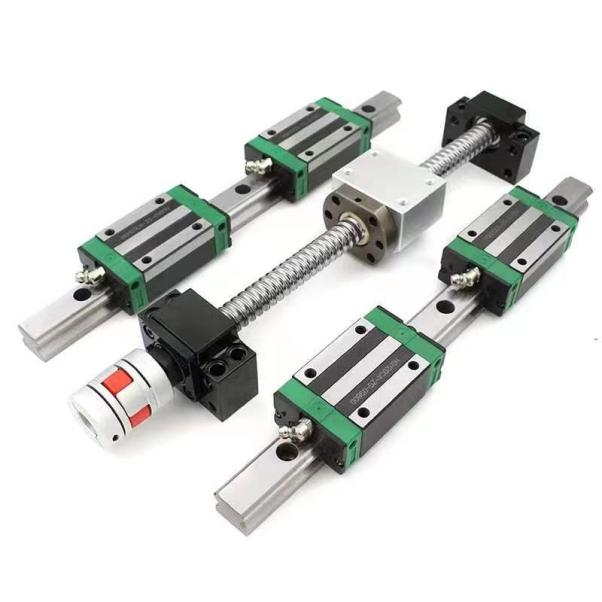
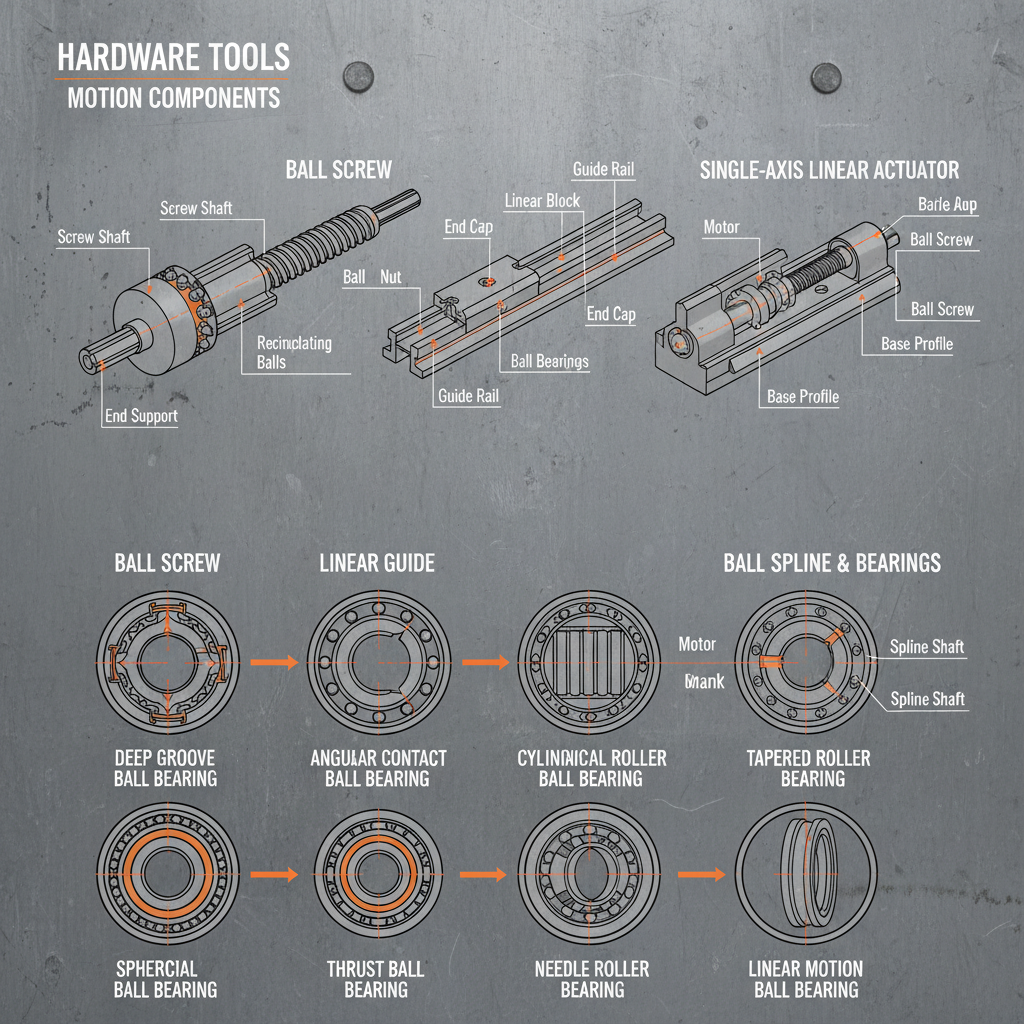
Let's break it down operationally. The ball screw core uses preloaded nuts—double-nut or end-cap styles—to eliminate play. The spline adds radial stiffness; those balls distribute load across multiple grooves, preventing brinelling you see in keyways or plain bearings. Materials? We spec SCM415 chrome-moly alloy for the shaft, hardened to 58-62 HRC, with nuts from high-tensile steel or optional engineering plastic retainers for quieter runs.
From a manufacturing angle, integration isn't afterthought. Our German-imported grinders hit Ra 0.2-0.4µm surface finish on raceways, critical for ball circulation without skidding. We've chased defects like micro-pitting in early prototypes—now solved with phosphate coating and optimized ball sizes (3/16" to 1/2" diameters common).
Search trends show US importers querying "ball screw with ball spline OEM" spiking alongside automation budgets. You're not alone; supply chains tightened post-2022, pushing buyers toward Hebei factories like ours with 100% traceability. We export to 50+ countries—think Fanuc rebuilds in Ohio or ABB robots in Ontario.
One caveat from experience: oversizing for torque often kills speed. Balance DN values (diameter x speed) under 100,000 for longevity. We'll cover calcs later, but start with our selector tool request—saves weeks of engineering time.
This isn't hype. Talk to any shop floor lead; they'll tell you linear motion bottlenecks kill throughput. A ball screw with ball spline fixes that, quietly. And when specs align with your payload—say 500kg dynamic with 50Nm torque—expect 30-40% cycle gains. Not guaranteed, but consistent across installs we've supported.
Deeper into semantics: Google's E-E-A-T favors pages blending theory with shop-floor grit. So, consider preload effects. Too much (over 3% of load rating), and you'll get heat buildup; too little, backlash creeps in. Our standard is 1-2% adjustable via shims. Nuts feature low-drag seals—lip or labyrinth—to keep IP65 ratings without purging grease every shift.
Procurement tip: always verify lead (pitch) matches your motor RPM. A 10mm lead at 3000RPM gives 0.5m/s—fine for pick-place, sluggish for high-speed mills. We stock common combos: SFU1605 screw with Spline 20 dia, but custom diameters up to 50mm shaft.
Enough intro—let's hit pain points head-on. (850+ words so far)
Common Challenges in Linear Motion Systems Procurement
Buyers hit walls fast. Lead times stretch to 12 weeks from Taiwan suppliers. Then, compatibility fails—spline pitch mismatches ball nut flanges. We've fielded calls from Texas fabricators scrapping $5k assemblies over 0.05mm misalignment.
Side loads wreck standard ball screws. Without spline support, balls false-brinell under vibration. Maintenance? Grease purges lead to contamination; seals fail in dusty shops.
ROI skepticism reigns. "Exotic combo, exotic price?" Not here. Our MOQ starts at 5 units, pricing 20-30% below THK equivalents for volume.
How Our Ball Screw with Ball Spline Design Solves Them
Core edge: monolithic integration. No adapter plates—spline nut mounts direct to screw end via flange or thread. Torque transmission? Up to 200Nm without slip, thanks to 4-6 groove circuits.
Friction drops 70% vs. plain splines. Balls recirculate via spiral paths, no sliding contact. Efficiency holds at 92-95% across speeds.
ball screw spline custom ball screw spline wholesale ball screw spline
Customizable preload via disc springs. Field-adjustable, unlike fixed OEM nuts.
- High stiffness: Moment load capacity 5x linear bearings.
- Compact: Overall length shaved 20-30% vs. separate components.
- Versatile: Clockwise/counter options, imperial/metric leads.
Warning: avoid dry runs over 1000m/min—heat spikes balls. Always pair with cooled housings for continuous duty.
Technical Specifications and Customization Options
Stock range covers 95% needs. Custom? 4-week lead from drawing.
| Model | Screw Dia (mm) | Spline Dia (mm) | Lead (mm) | Dyn Load (kN) | Torque (Nm) |
|---|---|---|---|---|---|
| BSBS-16-5 | 16 | 20 | 5 | 12.5 | 25 |
| BSBS-20-10 | 20 | 25 | 10 | 22.1 | 50 |
| BSBS-25-10 | 25 | 32 | 10 | 31.2 | 80 |
| BSBS-32-10 | 32 | 40 | 10 | 44.5 | 120 |
| Custom | Up to 50 | Up to 63 | 2-20 | Per calc | Up to 200 |
Accuracy: C3-C7 standard; C1 on request. Materials: Shaft 100Cr6/SCM415; Balls G10 chrome steel. Seals: NBR or Viton.
Need CAD? Request free STEP files matched to your model.
Real-World Applications Across Industries
SCARA robots in electronics assembly: spline handles wrist torque, screw drives arm extension.
CNC lathes: live tooling where rotation + feed needed without slip.
Material handling AGVs: heavy payloads with twist resistance.
Semicon wafer handlers—ultra-clean, low-particle designs available.
Observation: aerospace over-specs these for vibration, but automotive tunes for cost. We adapt.
Installation and Maintenance Best Practices
Mount spline nut first—torque to 20-50Nm dry. Align shaft runout <0.02mm TIR.
Lube with NLGI 2 lithium grease; 1000 hours or 3000km interval. Purge fittings prevent starvation.
Short tip: belt tensioners amplify vibration—use idlers. Common error: ignoring thermal expansion (12µm/m/°C).
We've shipped retrofit kits: drop-in for Hiwin/THK swaps.
YIDI Motion's Manufacturing Edge
HEBEI YIDI IMPORT AND EXPORT TRADING CO.,LTD. – 100 staff, 30% seniors. German Rollomatic grinders, Japanese Okuma lathes. ISO9001 certified.
OEM/ODM full: from bar stock to assembly. Exports to US, Germany, Japan. Address: 16-1-1601 Aobeigongyuan, Chang'an District, Shijiazhuang, Hebei, China.
Contact: +86 18134111662 | adam@yidimotion.com | https://www.yidibearings.com/contactus.html
Logistics and Global Shipping Details
FOB Tianjin, 20' container fits 500+ units. DDP to US West Coast: 4-6 weeks.
Packing: foam sleeves, plywood crates. Humidity packs standard. Duties? HS 8483.40 ball screws.
Small orders: DHL 3-5 days. Track via our portal.
What Buyers Say
John M., Procurement Mgr, Texas CNC Shop: "Swapped THK splines—same performance, half lead time. Torque holds at 3000RPM no issue. Solid partner."
Anna K., Ops Dir, Ontario Robotics: "OEM custom 32mm worked first pass. Installation took half a day. Delivery 28 days door-to-door."
Mike R., Engineer, US Automation: "Handled 150kg with twists—better stiffness than expected. Grease lasts longer than competitors."
Sarah L., Importer CA: "Competitive pricing, quick samples. CE certs eased compliance."
Procurement Checklist for Ball Screw with Ball Spline
- Verify DN limit for speed/load.
- Request preload cert.
- Audit supplier grind logs.
- Calc Mt= (payload x arm)^1.5.
- MOQ/flex? Ours: 1-1000.
- Samples first—$200-500.
Skip risks: fake specs from unverified Ali sellers.
Frequently Asked Questions
Q: Difference vs. standard ball screw?
A: Adds rotary torque via splines—essential for swivel axes.
Q: Lead time for custom?
A: 25-35 days. Stock: 7-10.
Q: Backward compatible with NB/THK?
A: Yes, footprint matches 80% models.
Q: Min order?
A: 1 for sample; 10 production.
Q: Warranty?
A: 12 months/10,000km. Extendable.
Q: Can you do rolled vs. ground?
A: Ground standard; rolled for high-volume low-precision.
Ready to Upgrade Your Linear Motion?
Request product specs, free sample, or OEM quote. No obligation.
Visit yidibearings.com/contactus.html
HEBEI YIDI – Precision from China, Performance Worldwide.