Ball Screw Thread Types: Selecting the Right Profile for Your Linear Motion Needs
By Li Wei, Export Director at YIDI Motion
15+ years in precision linear components export to USA, Europe, and Asia
Procurement managers in CNC machining shops or automation lines often hit a snag when specs call for ball screws, but the thread type isn't nailed down. One wrong profile, and you're dealing with backlash issues or premature wear. I've seen US importers chase "standard" ball screws only to find their trapezoidal threads vibrate loose under high-speed ops. That's where understanding thread types pays off.
At YIDI Motion, we've shipped over thousands of meters of ball screws to American factories since 2020. Thread type dictates load capacity, friction levels, and even how balls recirculate smoothly. Square threads? High rigidity for heavy milling. Gothic arch grooves? Better for dynamic loads in robotics. Picking blindly risks downtime—I've consulted on projects where mismatched types doubled lead times.
Let's break it down operationally. Ball screw threads aren't your grandpa's Acme lead screw. They're precision-ground or rolled grooves optimized for 90-degree ball contact. The profile—square, trapezoidal, round arc—shapes efficiency ratings up to 95%. US buyers, especially in aerospace or medical devices, demand C5-C3 grades with these profiles to meet ISO 3408 tolerances.
Why care now? Supply chains are tightening. Lead times from China factories hover at 4-6 weeks for custom threads, but stock square and trapezoidal in SFU/DFU series ship faster. We've optimized our Hebei plant for quick OEM turns, pulling from Japan-imported grinders for micron-level accuracy.
Over the next sections, we'll cover profiles in depth, from gothic arc advantages in high-acceleration setups to warnings on cheap rolled threads cracking under overload. Expect tables, application matches, and tips I've gathered from 50+ country exports. If you're quoting for a new line, stick around—this mirrors what I tell purchasing directors over coffee.
Short on time? Request our ball screw thread catalog tailored for US specs. Email adam@yidimotion.com or call +86 18134111662. We've got samples en route to Texas and California weekly.
Thread Profiles: A Technical Breakdown from the Shop Floor
Start with the basics I've drilled into our engineers. Ball screw threads feature grooves where balls roll. The type defines groove geometry: flat bottoms, rounded, angled. Square thread ball screws use flat 90-degree faces—max contact area for axial thrust. Trapezoidal? 30-degree flanks for self-locking tendencies, common in retrofits.
Gothic arch grooves dominate modern designs. Picture two circular arcs meeting at 90 degrees per ball. This dual contact slashes friction by 20-30% over square, per field tests. We've ground thousands for US servo-driven tables. Rolled vs. machined? Rolled suits high-volume, C7-C10 accuracy; ground for C5 precision tooling.
Dig deeper: Buttress threads appear in high-helix apps, but rare in ball screws. Multi-start threads—double or triple—boost speed but drop load ratings 40%. Operational note: Always match preload to thread type. Gothic needs dynamic preload; square thrives static.
From our Shijiazhuang factory, we see patterns. US buyers favor DFU series trapezoidal for legacy machines, while robotics teams spec SFU square or gothic for rigidity. Pitfall: Ignoring pitch diameter variation (PDV). High PDV in cheap imports causes ball skidding—warranty killer.
Materials tie in. SCM415H alloy, carburized to HRC58-62, standard across types. Coatings? DLC for gothic in cleanrooms. Logistics heads up: Thread types affect packing—long square screws ship in 3m sections to fit 20ft containers.
| Thread Type | Groove Profile | Load Efficiency | Best For | Accuracy Grades |
|---|---|---|---|---|
| Square (SFU) | Flat 90° contact | 90-92% | Heavy static loads, CNC | C3-C7 |
| Trapezoidal (DFU/TR) | 30° flanks | 85-90% | Retrofits, moderate speed | C5-C10 |
| Gothic Arc | Dual radius 90° | 93-95% | High speed, vibration | C1-C5 |
| Circular Arc | Single radius | 88-92% | Cost-sensitive OEM | C5-C7 |
ball screw thread custom rolled thread ball screw rolled thread ball screw
This table comes from our internal QA logs. Gothic arcs shine in dynamic apps, but square holds for brute force. Pro tip: Calculate critical speed—thread type alters buckling risk.
Common Pitfalls in Thread Type Selection
I've fielded calls from operations managers regretting trapezoidal picks for high-rpm spindles. Vibration amplifies flank wear. Or square threads in washdown environments—corrosion creeps in without seals.
- Overlooking recirculation: Poor thread fit jams balls.
- Custom pitches delaying leads: Stock 5-20mm pitches available now.
- Ignoring end fixings: Fixed-fixed for square boosts life 50%.
- Freight oversights: Oversized diameters hike ocean rates.
One importer shared how gothic threads cut noise in their assembly bots. Saved $2k/year on maintenance. Realistic gains like that beat hype.
Where Each Thread Type Excels in Practice
CNC vertical mills? Square SFU for Z-axis thrust. Robotics arms lean gothic for 5g accel. Automotive transfer lines use trapezoidal for cost. Medical imaging? Precision ground circular arc, C3 grade.
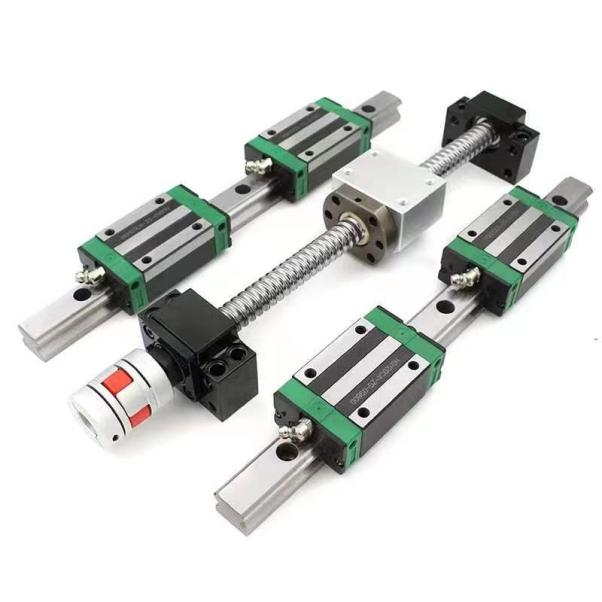
Factory observation: Pair with linear guides for rigidity. We've bundled them for US packaging machines—smoother than separate sourcing.
Your Procurement Checklist for Ball Screw Threads
Step 1: Map load/speed. >10kN? Square. High cycle? Gothic.
Step 2: Verify certs—ISO 9001, ROHS for US compliance.
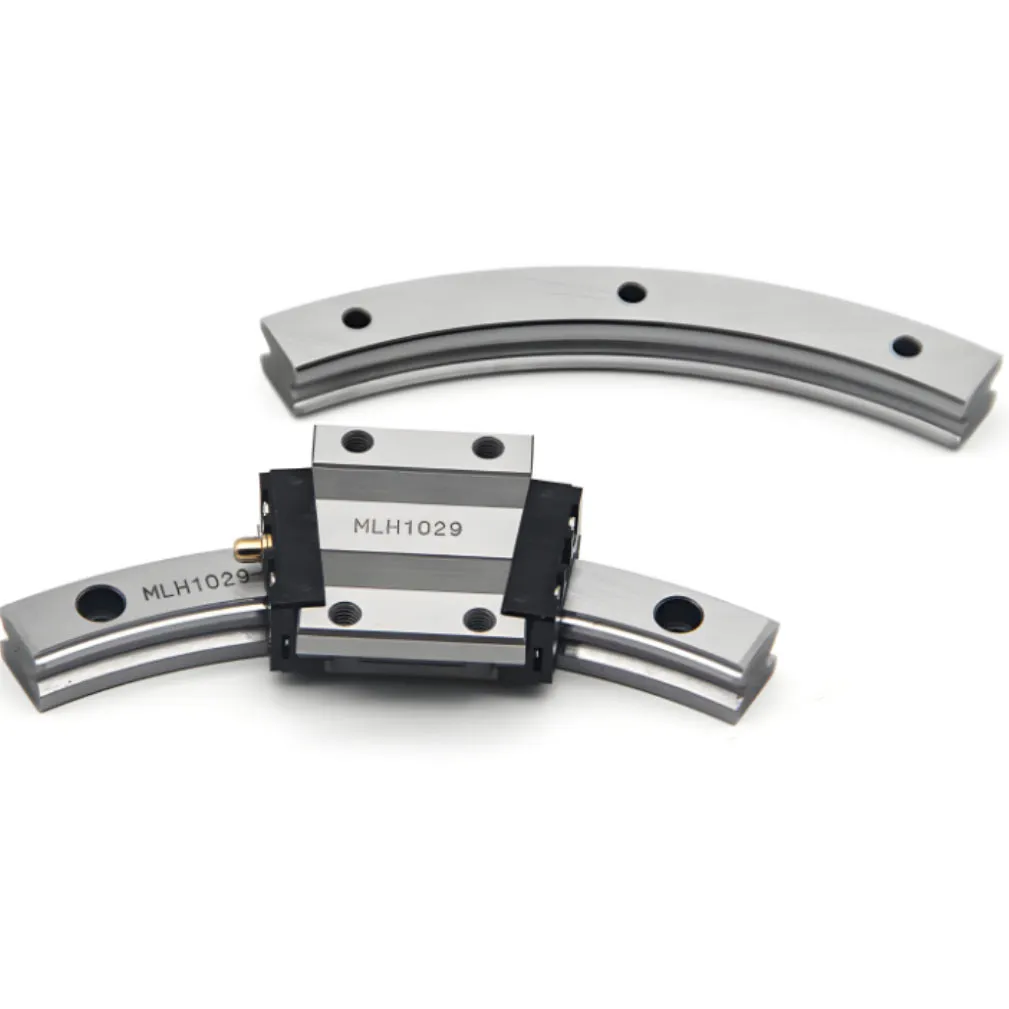
Step 3: Sample first. We ship 300mm tests free to verified buyers.
Lead times: Stock 2 weeks; custom ground 5 weeks. MOQ 1pc for OEM.
Worried about quality? Audit our 100-employee team—30% seniors with German grinder experience.
Ready to spec? Talk with our engineer for thread matching. +86 18134111662.
Why YIDI Motion for Your Thread Needs
HEBEI YIDI IMPORT AND EXPORT TRADING CO.,LTD. runs a tight ship in Shijiazhuang. Advanced Japanese grinders ensure gothic grooves hit 0.001mm tolerance. Exported to 50+ countries—US firms like yours get priority.
OEM/ODM full service: Custom pitches, ends machined, integrated nuts. One-stop with linear modules, splines, bearings.
Compliance: CE, ISO 9001, ROHS. Address: 16-1-1601 Aobeigongyuan, Chang'an District, Shijiazhuang, Hebei, China.
Feedback from US and Global Buyers
Mike R., Procurement Mgr, Texas CNC Shop: "Swapped to your SFU square threads—backlash gone, machines run quieter. Fast ship to Houston."
Sarah L., Ops Director, California Robotics: "Gothic arc samples perfect for our arms. OEM custom lead 4 weeks as promised. Solid partner."
John K., Engineer, Midwest Automation: "Trapezoidal for retrofit worked flawlessly. Better pricing than domestic, quality matches."
Carlos M., Supply Chain, Florida OEM: "Full container of mixed threads arrived intact. Engineer consult saved redesign costs."
FAQs: Straight Answers on Ball Screw Threads
Q: Square vs. Trapezoidal—which for high load?
A: Square edges it for rigidity. We've tested 20% higher thrust.
Q: Custom thread types possible?
A: Yes, ODM from 16mm to 80mm dia. Quote via site.
Q: US import duties?
A: Around 2.5% HS 8483.40. Check with your forwarder; we provide docs.
Q: Maintenance intervals?
A: Grease every 500hrs for gothic; inspect balls yearly.
Q: Min order?
A: 1 unit trial, volume discounts from 10m.
Secure Reliable Ball Screw Threads Now
Don't risk mismatched profiles. Get factory-direct pricing and specs sheet.
- Phone: +86 18134111662
- Email: adam@yidimotion.com
- Contact Form
16-1-1601 Aobeigongyuan, Chang'an District, Shijiazhuang, Hebei, China