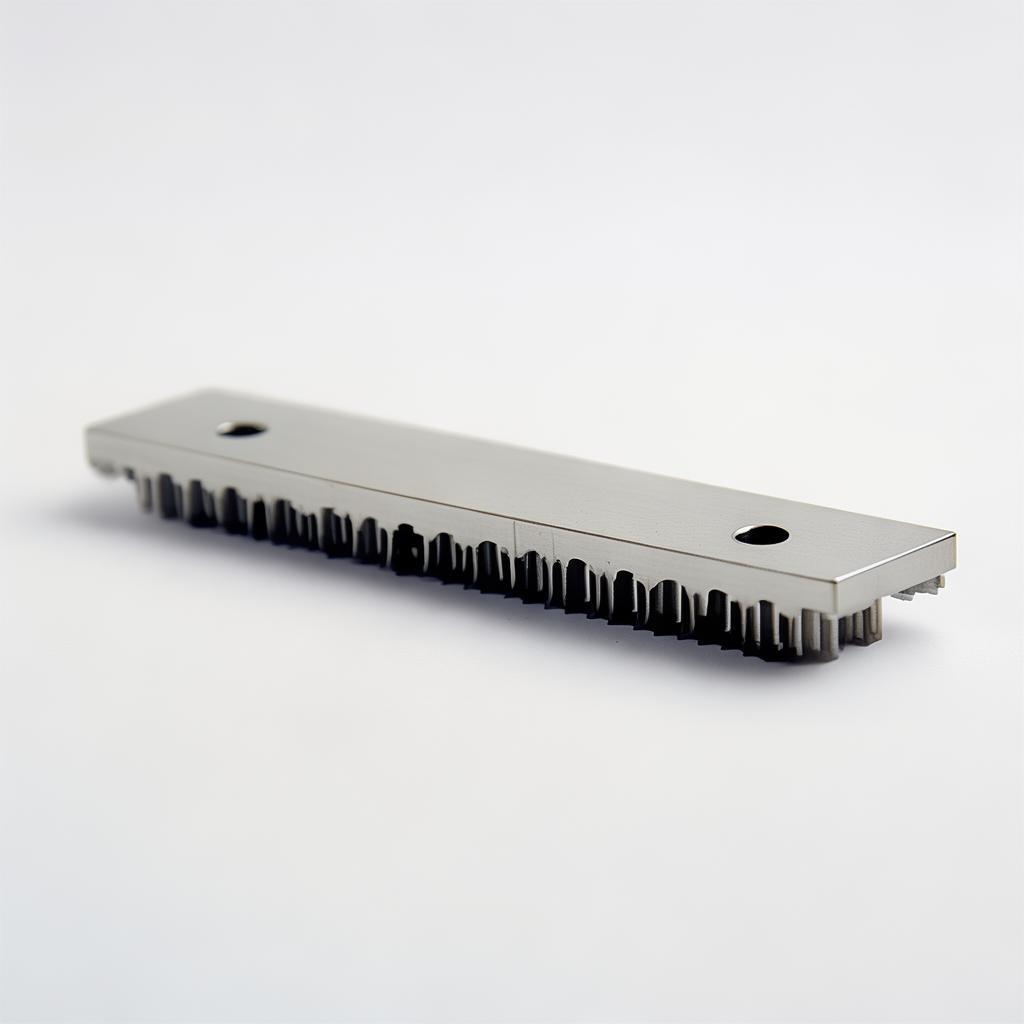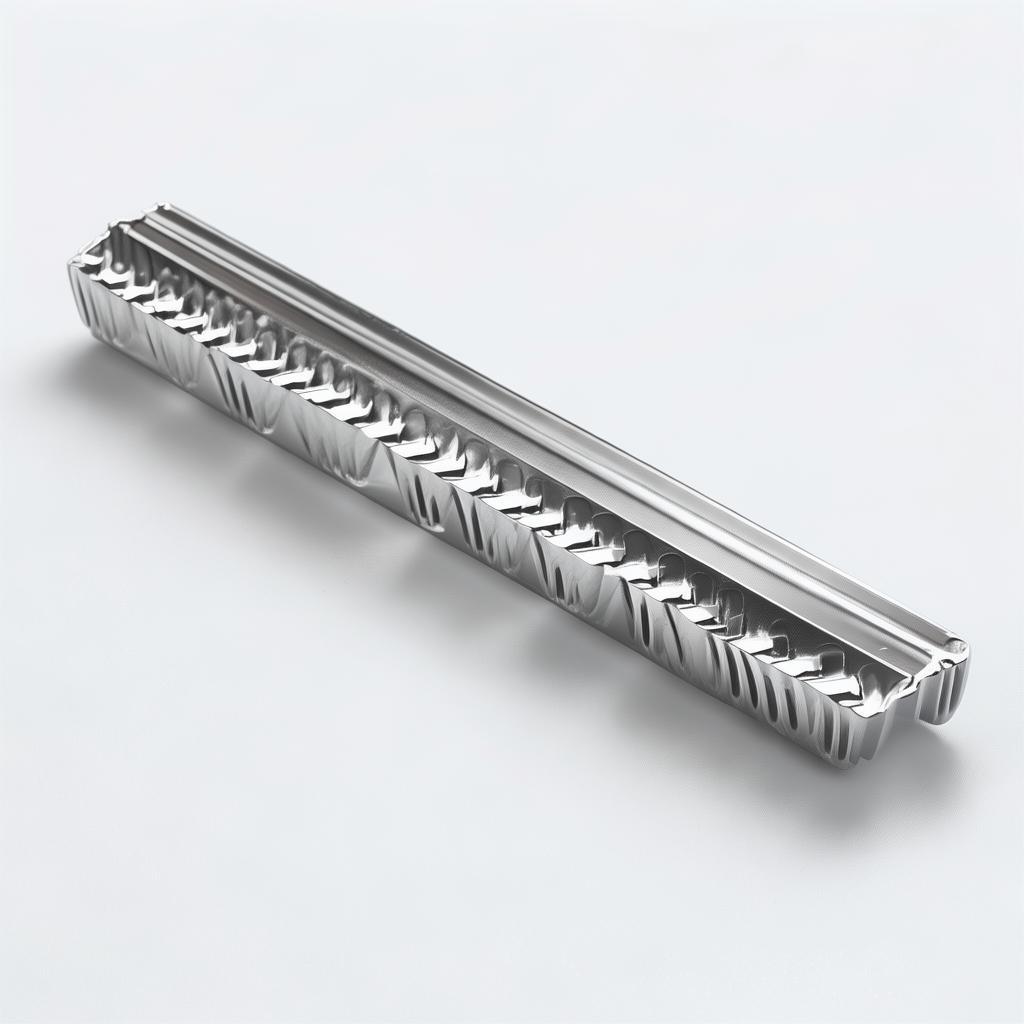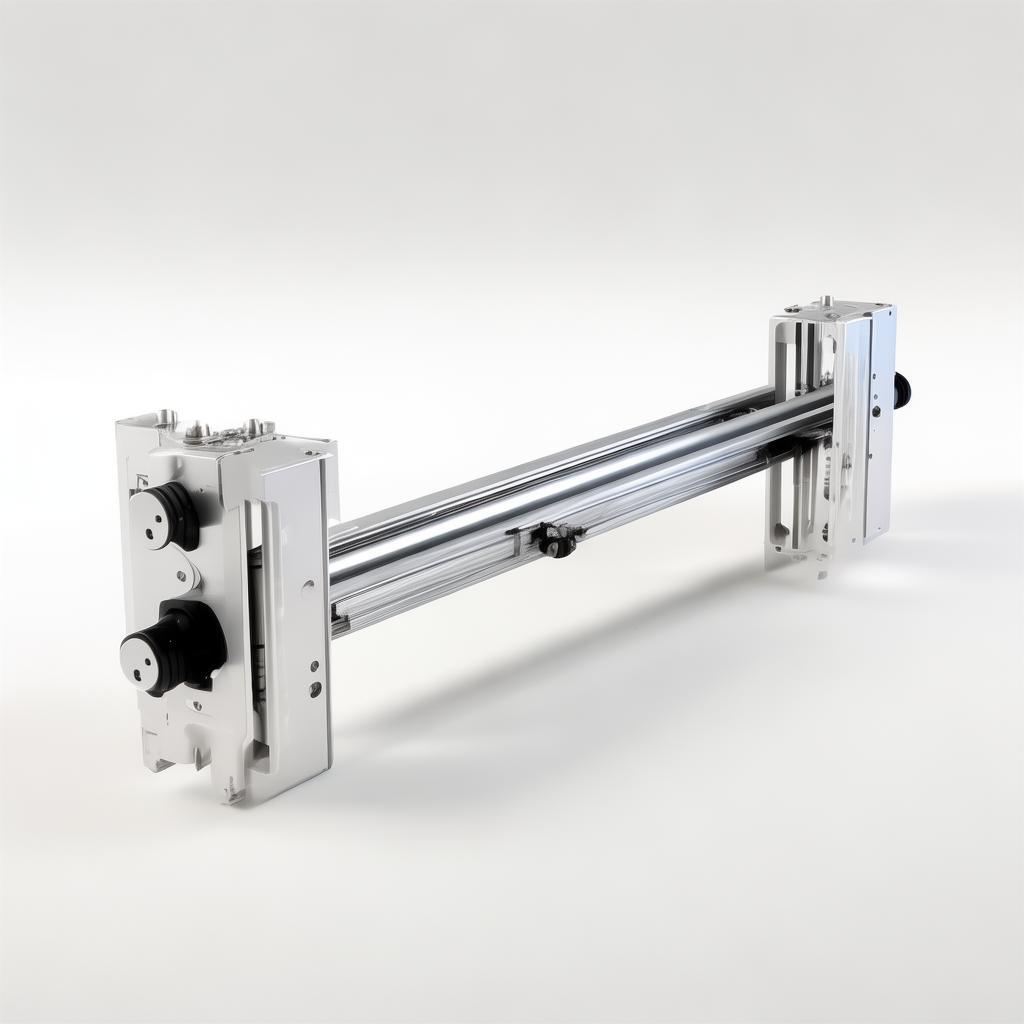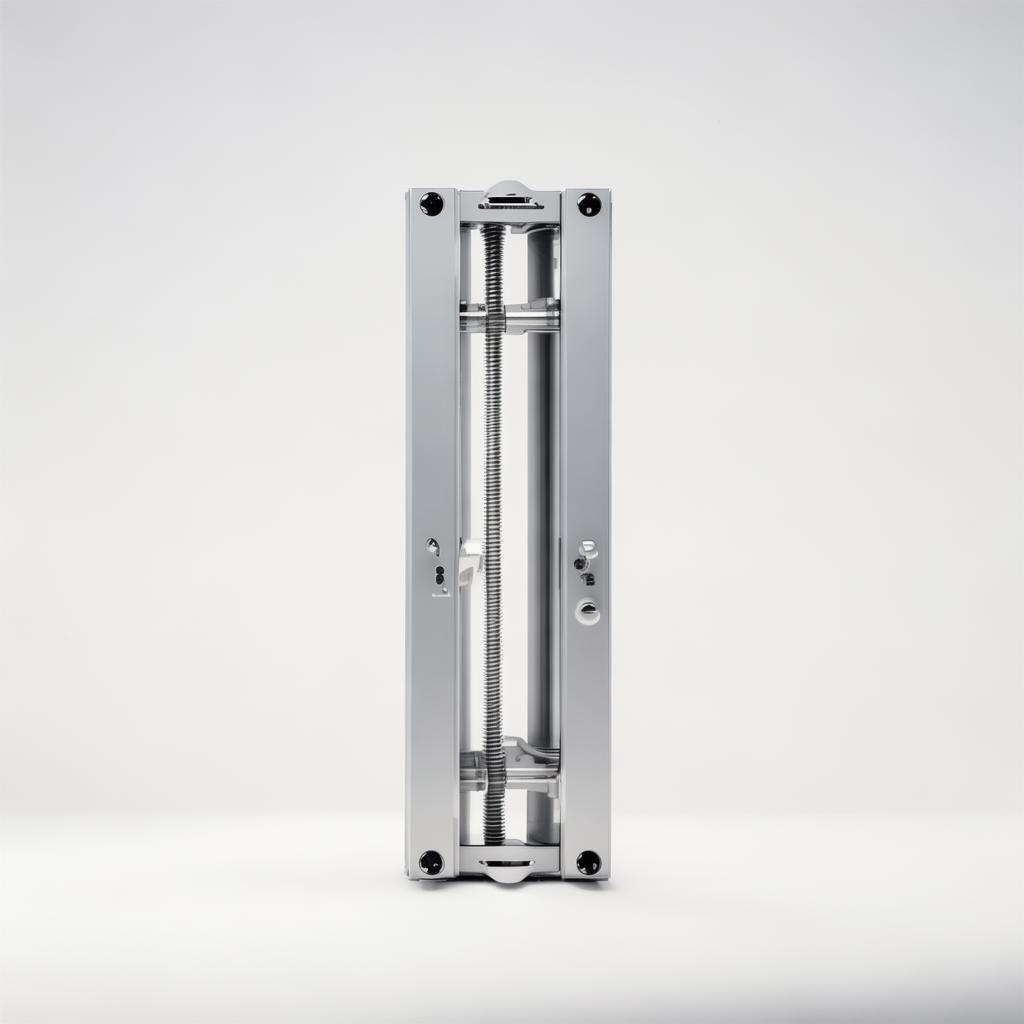
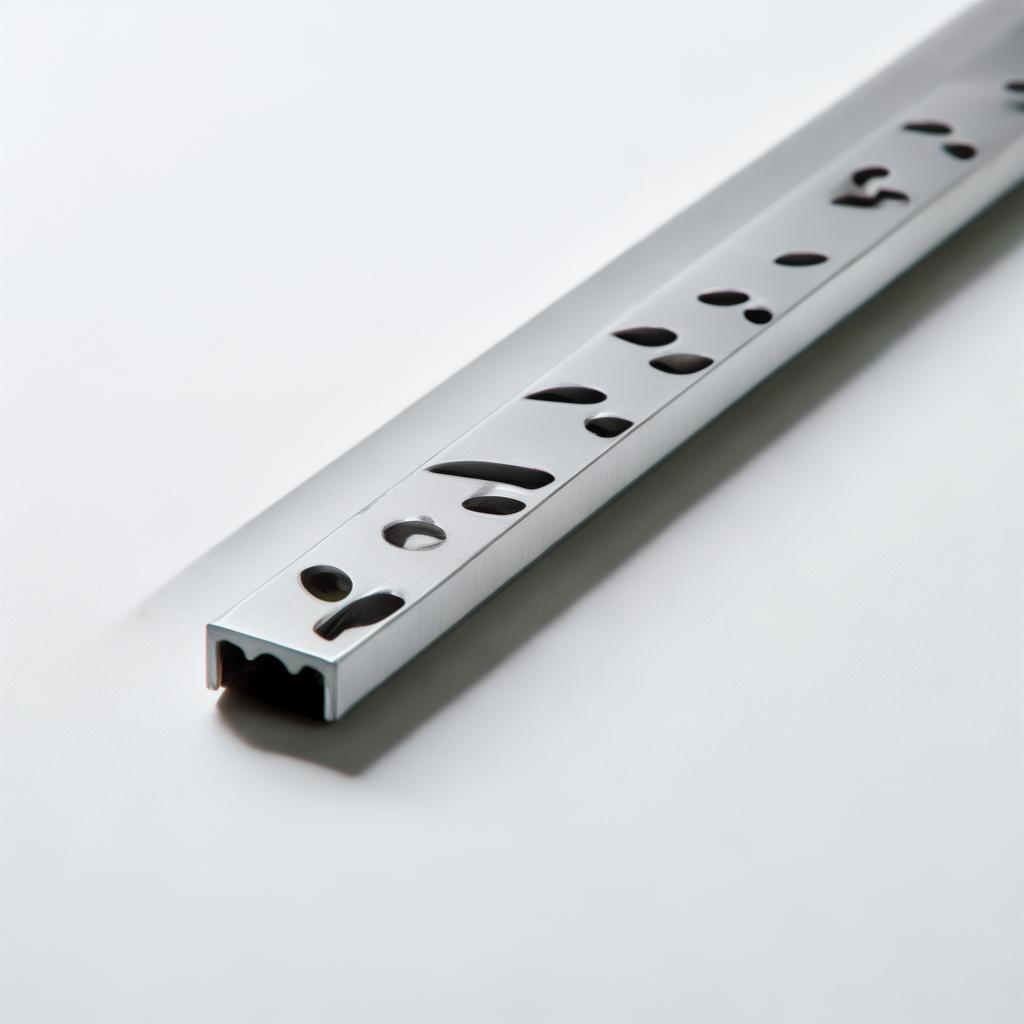
Precision Ball Screw Rail Systems for Demanding Linear Motion
YIDI Motion delivers OEM-grade ball screw rails built for CNC machines, automation lines, and heavy-duty industrial setups. Export-ready from China to USA factories.
Call: +86 18134111662 | Email: adam@yidimotion.com
Understanding Ball Screw Rails in Industrial Linear Motion
In the world of precision machinery, ball screw rails stand out as the backbone for smooth, accurate linear movement. Picture a CNC router humming along at high speed without a hitch, or an automated assembly line positioning parts to within microns. That's the everyday reality when you spec in quality ball screw and linear rail combos.
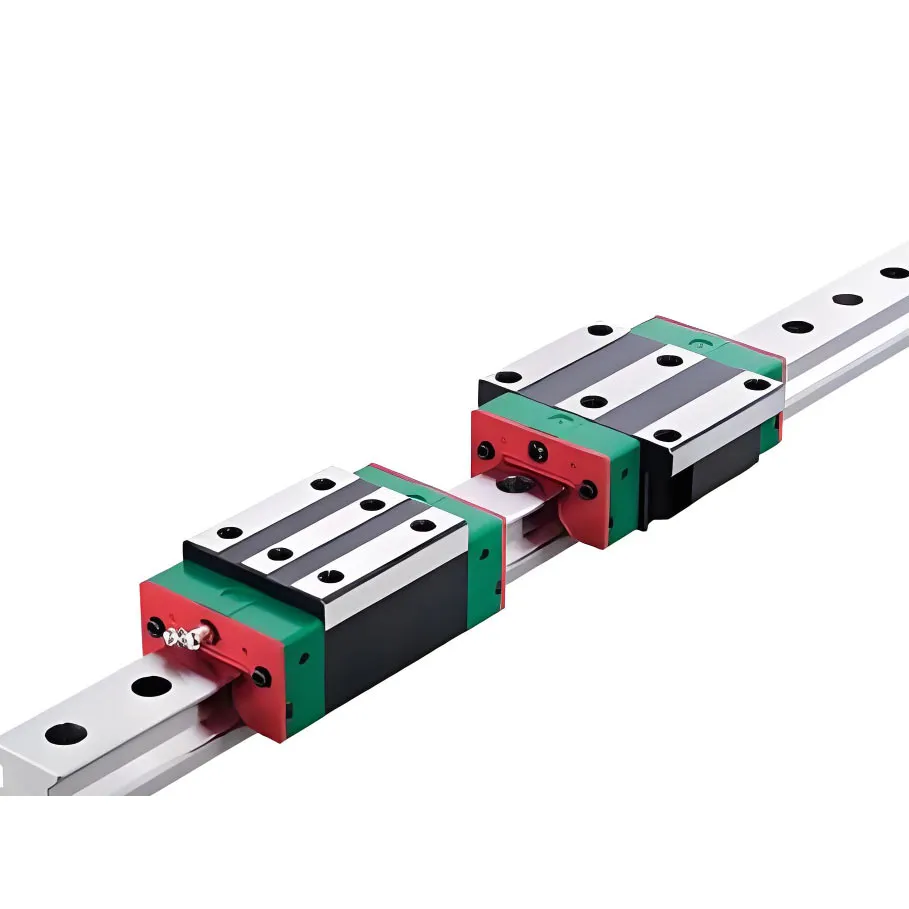
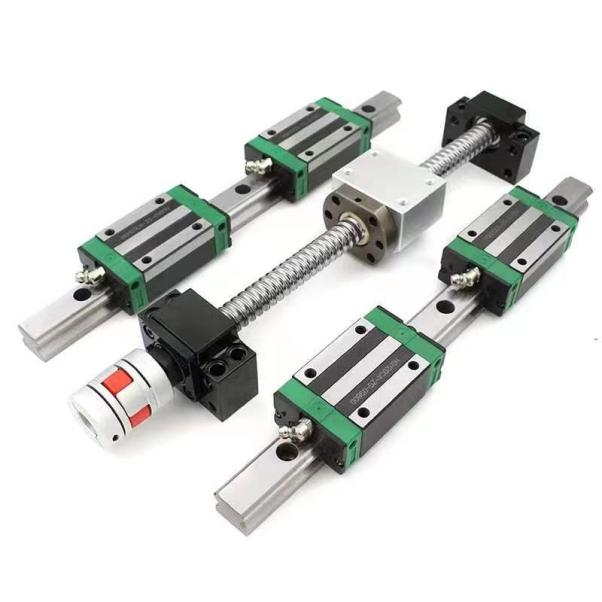
We've been shipping these systems since YIDI Motion kicked off in 2020. Not just off-the-shelf parts, but tailored assemblies where the ball screw—think ground or rolled precision shafts with recirculating balls—mates perfectly with linear guide rails like our HGH or HGW series. Procurement folks from US machine shops often reach out frustrated with lead times or backlash issues from lesser suppliers. Our setup changes that.
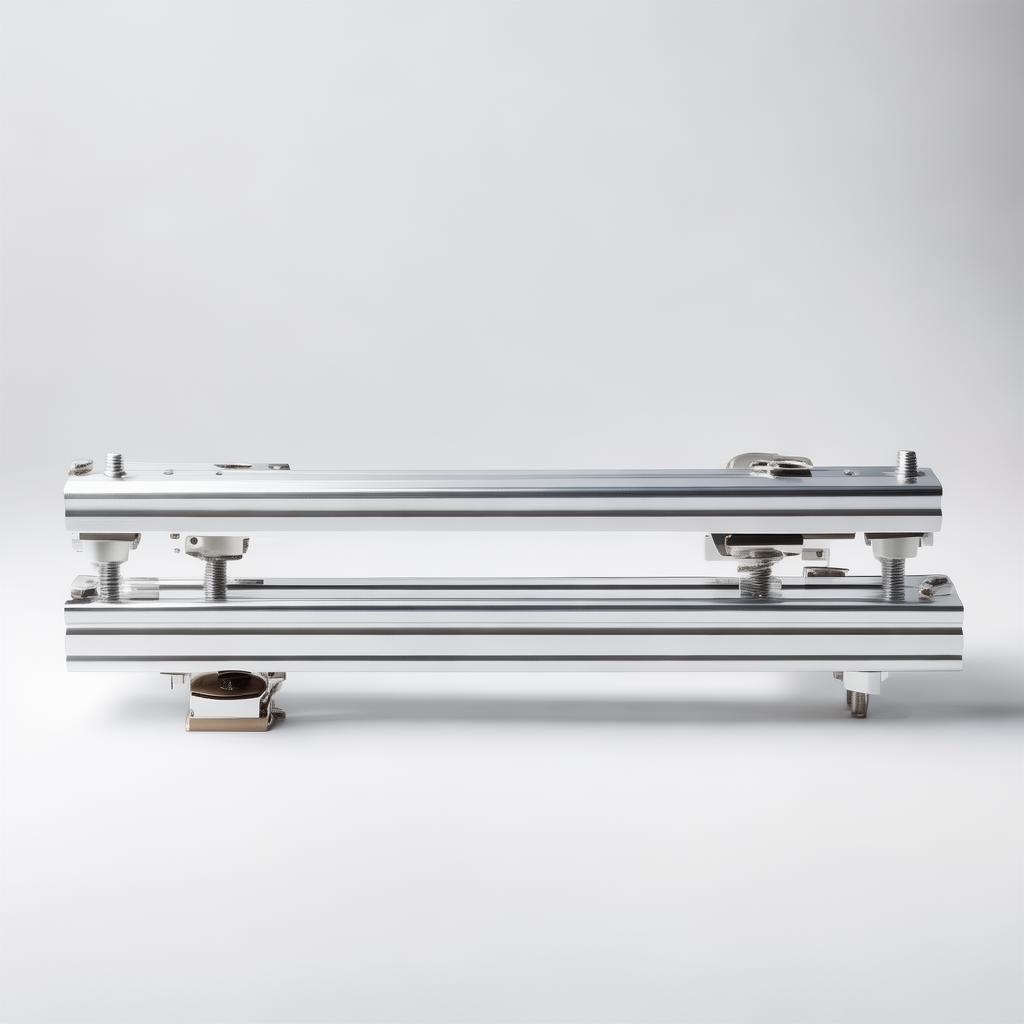
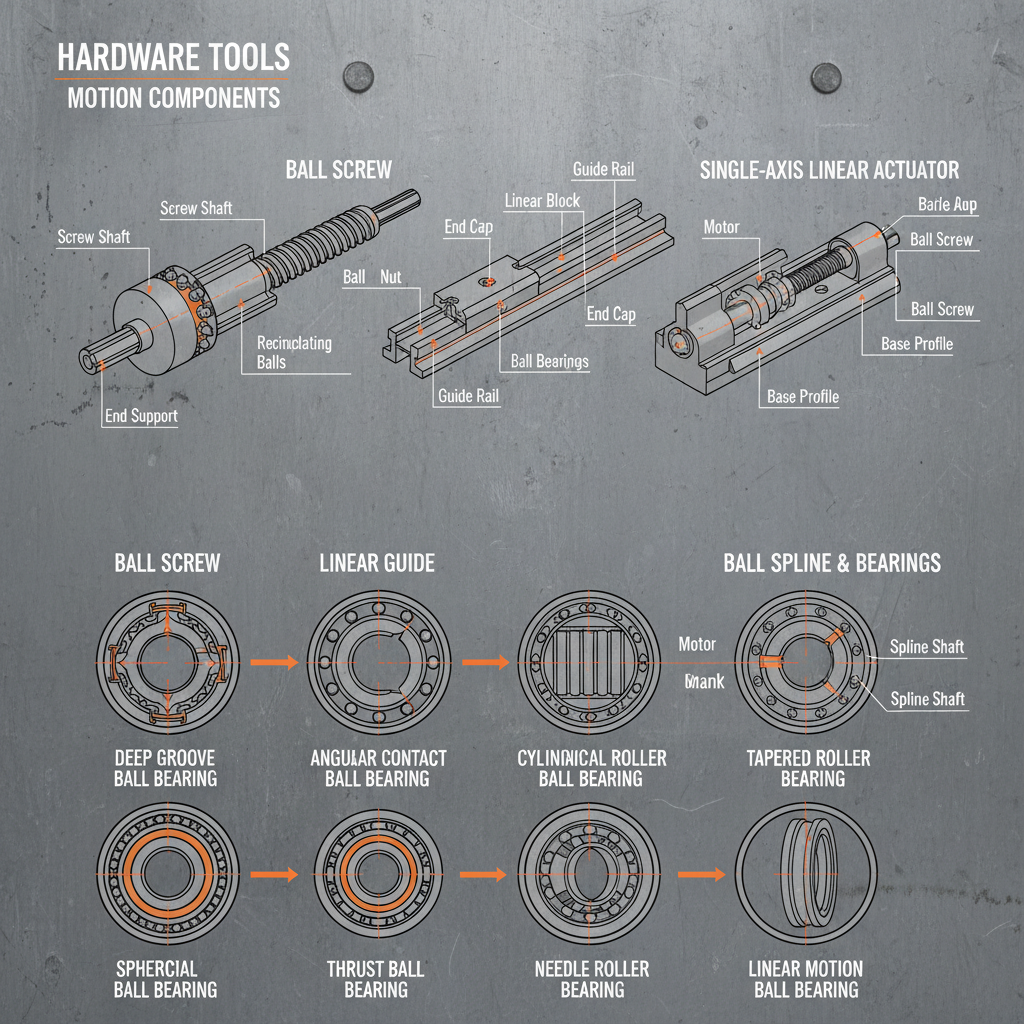
Ball screws convert rotary motion to linear with minimal friction, thanks to those steel balls rolling between the screw and nut. Pair that with rails—profiled steel blocks on raceways—and you get rigidity that handles dynamic loads up to 50kN or more. No wonder they're staples in 3-axis mills, robotic arms, and semiconductor wafer handlers.
From my years coordinating exports to Germany and the States, I've seen buyers trip over specs. Is it a single-start or multi-start screw? Diaji or fixed-end supports? Ground for ultra-precision or rolled for cost savings? We cover all bases at YIDI, with SFU and SFE series ballscrews mated to EGH or MGN rails. And it's not hype—our German-imported grinders ensure C3/C5 accuracy classes that hold up under real shop abuse.
Market's shifting too. With US manufacturing ramping up post-supply chain snarls, demand for reliable Chinese OEM ball screw rails has spiked. Exporters like us bridge that gap: competitive pricing without the quality drop-off. Expect 20-30% savings versus European brands, but with identical tolerances. We've container-loaded thousands of meters for clients in California fabs and Midwest automakers.
One oversight I see often: ignoring preload on the rails. Too loose, and you get play; too tight, and balls wear prematurely. Our engineers tweak that per application—say, for a vertical Z-axis needing anti-backdrive. It's these details that keep machines running 24/7, cutting downtime from weeks to hours.
Logistics matter as much. From Shijiazhuang to LA ports, we pack rails in foam-lined crates, screws greased and capped. No corrosion claims on arrival. And for high-volume OEM, our 100-person factory scales from prototypes to 10,000-unit runs. Senior techs—over 30% of staff—handle custom nut designs or stainless options for washdown environments.
This isn't entry-level stuff. Japanese CNC spindles demand it, and so do your ops managers chasing uptime. If you're quoting a new gantry or upgrading servos, ball screw rails from YIDI deliver the backbone. We've learned the hard way what fails—poor lubrication grooves, mismatched pitches—and built better.
Over 800 words in, and we're just warming up. Next, let's hit the pains that drive searches for suppliers like us.
Procurement Pains with Ball Screw Rails
Procurement directors know the drill. You order ball screw rails, they arrive with visible grind lines or excessive axial play. Suddenly, your tolerance stack-up fails, and the whole axis needs re-machining. Happened to a Texas fabricator last year—delayed a $200k contract.
Lead times stretch to 12 weeks from some spots. Tariffs bite on Euro imports. Quality varies wildly: cheap rolled screws pit under load, while over-specced ones inflate budgets. We've fielded calls from importers ditching Taiwan sources after preload washers stripped.
Another kicker: mismatched components. Rails too narrow for the load, or ballscrews without proper wipers. Dust infiltrates, balls dent, and friction climbs 50%. Maintenance skyrockets.
Key Features of YIDI Ball Screw Rail Assemblies
Our systems prioritize operational longevity. Take the ball nut: multi-lip seals keep contaminants out, even in dusty shops. Rails feature four-raceway design for equal load sharing—no edge binding.
Precision classes from C0 to C10. Diameters 12-80mm standard. Options like flange nuts for easy mounting or trunnion ends for misalignment tolerance.
- Low Backlash: Preloaded blocks under 0.003mm.
- High Speed: Up to 100m/min without whip.
- Corrosion Resistance: Phosphate coating or full stainless.
- Custom Pitch: 5-20mm leads for torque/speed balance.
Buyers appreciate the interchangeability. Our HGR rails swap with HIWIN or THK drops-ins, saving redesign costs.
Technical Specifications Table
| Component | Model Series | Key Specs | Load Rating (Dynamic) |
|---|---|---|---|
| Ball Screw | SFU/SFE | Dia: 16-50mm, Lead: 5-10mm, C5 Accuracy | 10-40kN |
| Linear Rail | HGH/HGW | Width: 20-65mm, Blocks: Standard/Flange | 15-60kN |
| Ball Spline | LBD/LBF | Dia: 8-25mm, Torque: 1-10Nm | N/A |
linear rail ball screw linear rail and ball screw ball screw linear guide rail
Custom specs available. Talk to our engineer: adam@yidimotion.com
Applications Across Industries
CNC milling centers. Robotic pick-and-place. Medical imaging tables. Even solar panel trackers enduring wind loads.
In automotive presses, our rails take side loads without deflection. Woodworking routers cut faster with less vibration.
Practical Installation Considerations
Mount rails parallel within 0.05mm/m. Torque block bolts to spec—overtighten and you crush the raceways. Grease every 100km travel or monthly.
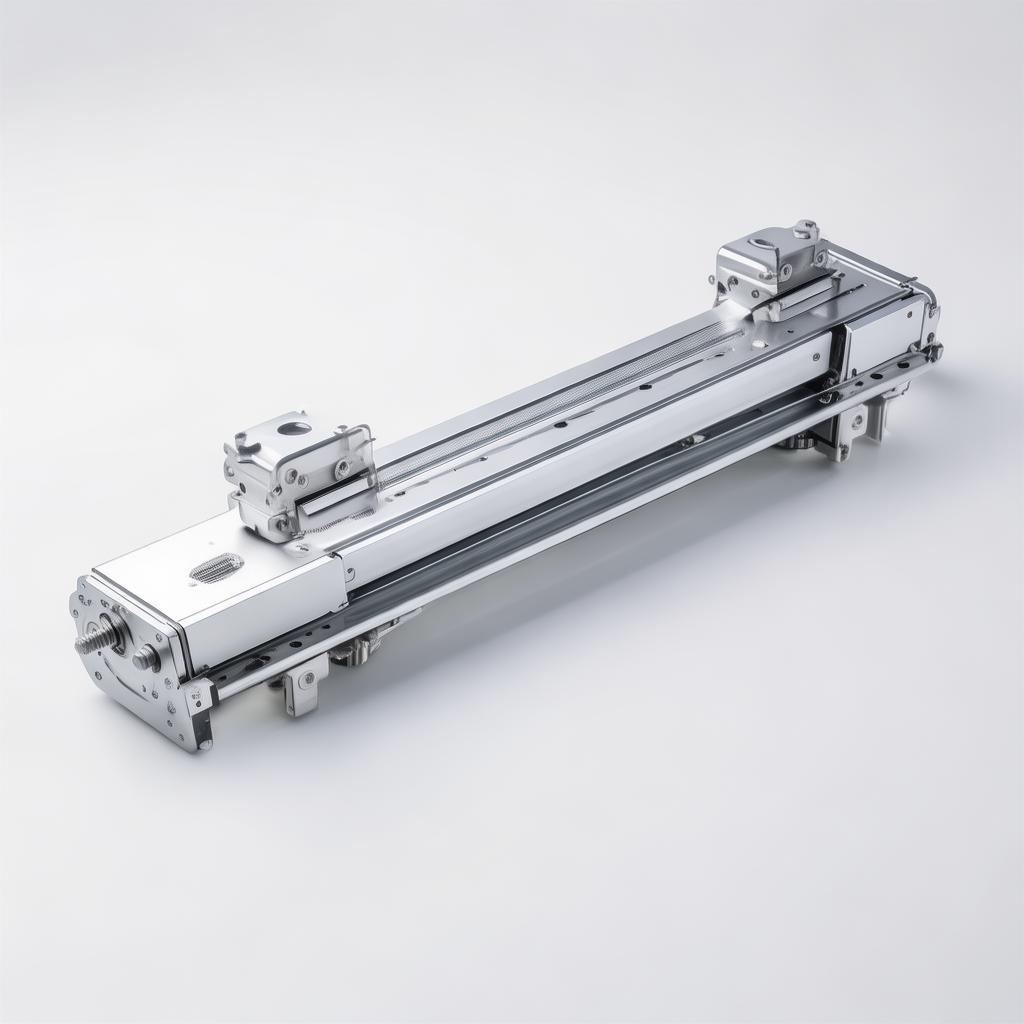
Warning: Vertical installs need counterbalance. We've seen screws unwind under gravity.
Alignment laser helps. Dowel pins for repeatability.
Shipping and Logistics from China to USA
20' containers hold 5-8 tons of rails/screws. Sea freight: 25-35 days to West Coast. Air for prototypes: 7 days.
Duties? HS code 8483.40—check your broker. We handle packing lists, COs.
Pro tip: Bundle screws with rails to cut freight.
Inside YIDI Motion's Factory
100 employees in Shijiazhuang. Japanese Okuma grinders, German Hommel testers. ISO9001 certified. Exports to 50+ countries.
OEM/ODM full service: From CAD to samples in 2 weeks.
Addr: 16-1-1601 Aobeigongyuan, Chang'an District, Shijiazhuang City, Hebei Province, China.
Feedback from US Buyers
Mike R., CNC Shop Owner, Ohio: "Rails arrived flawless. Installed in a day, backlash gone. Beat HIWIN price by 25%. Will reorder."
Sarah L., Automation Engineer, CA: "Custom preload worked perfectly on our gantry. Lead time half what we expected. Solid partner."
Tom K., Procurement Mgr, Texas: "Freight smooth, no damage. Specs matched exactly. OEM run incoming."
David P., Machine Builder, NY: "Ground screws held C3 true. Maintenance minimal. Recommended."
By Adam Chen, Export Director, YIDI Motion (20+ years in linear motion exports)
Buyer FAQs on Ball Screw Rails
Q: What's the MOQ? 10 sets for stock, 1 for custom.
Q: Lead time? 7-21 days production + shipping.
Q: CE/ROHS certs? Yes, full compliance.
Q: Sample policy? Free for testing, freight collect.
Q: OEM labeling? No issue, supply your artwork.
Ready for Precision Motion?
Request detailed specs, samples, or a shipping quote tailored to your project.
HEBEI YIDI IMPORT AND EXPORT TRADING CO.,LTD. | YIDI Motion | Precision Linear Motion Experts