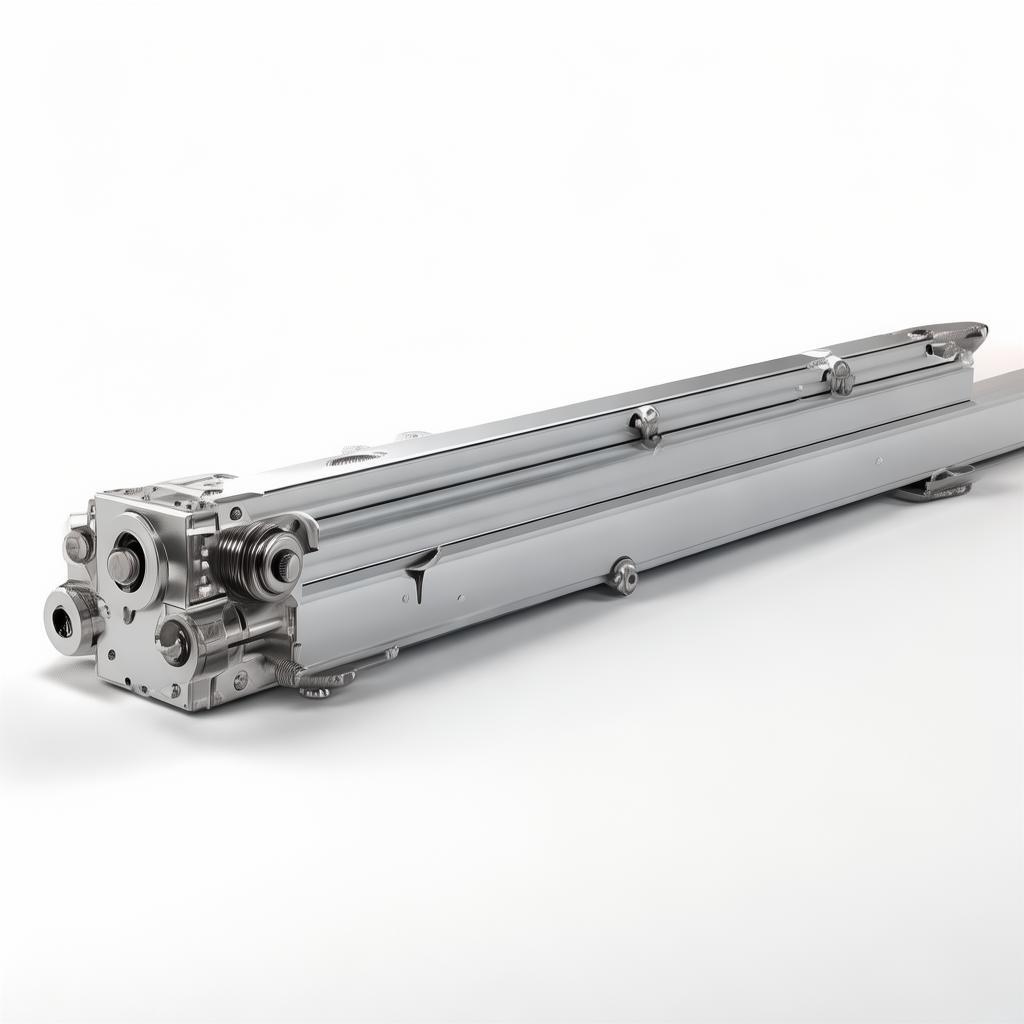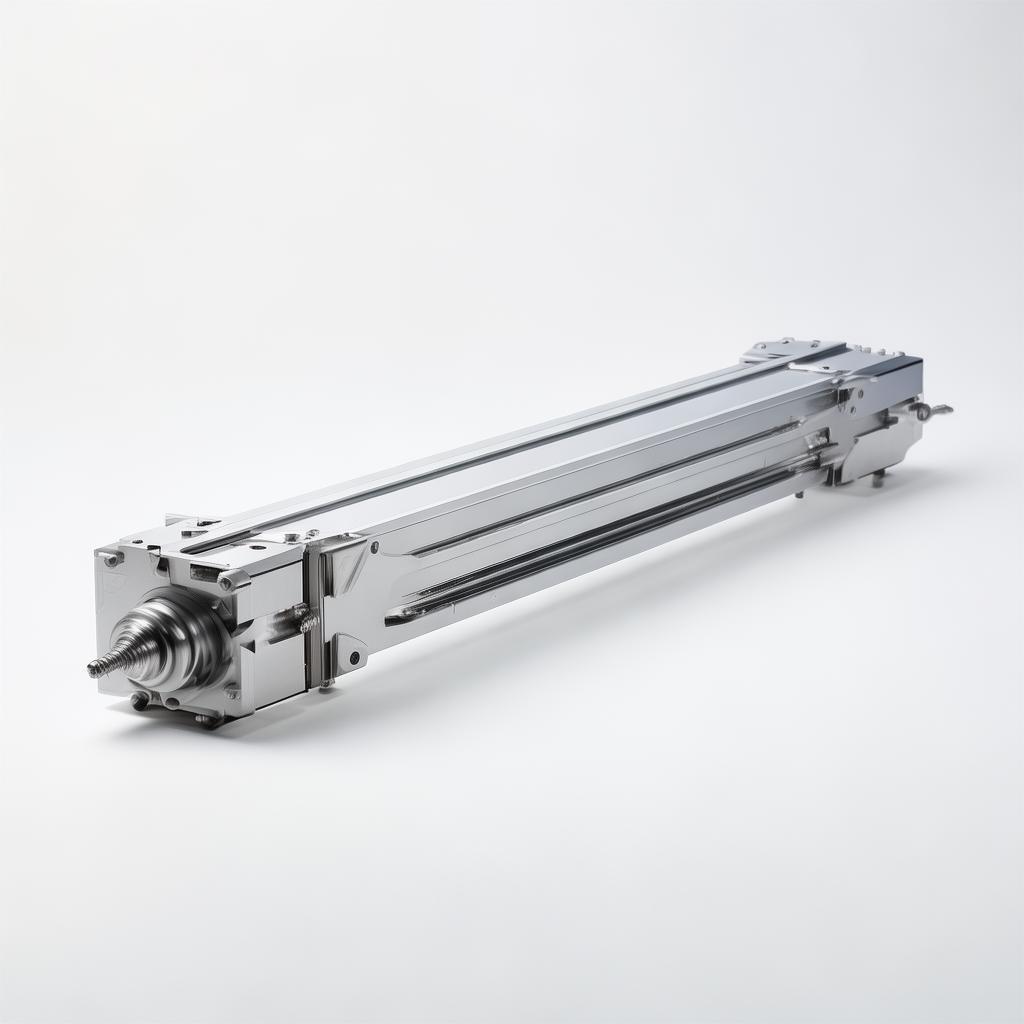
Ball Screw and Nut Assemblies
Reliable Precision Linear Motion for Industrial Automation and CNC Systems


By Adam Li, Export Director at YIDI Motion
15+ years in precision manufacturing and global B2B supply
I've spent over a decade sourcing and supplying linear motion components to factories across North America and Europe. Ball screws and nuts aren't just parts—they're the backbone of any high-precision machine. Get them wrong, and your downtime skyrockets. Choose right, and you cut maintenance calls in half.
When procurement teams call me about ball screw and nut assemblies, it's usually after a bad experience with cheap imports. Backlash creeps in after a few months. Lead times stretch from weeks to months. Or tolerances drift, throwing off entire production lines. We've seen it all at YIDI Motion.
Our factory in Hebei started cranking out ball screws back in 2020, but the team's know-how goes back further—many engineers cut their teeth on German and Japanese machines. We grind our own shafts using imported equipment from those same countries. No outsourcing. No shortcuts. That's why our C3 and C5 accuracy classes hold up under real loads, not just lab tests.
Picture this: a CNC shop in Ohio dealing with constant recalibrations. They switched to our SFU series ball screw and nut sets. Within weeks, positioning accuracy improved noticeably. No more scrapped parts eating into margins. That's the kind of feedback that keeps us going.
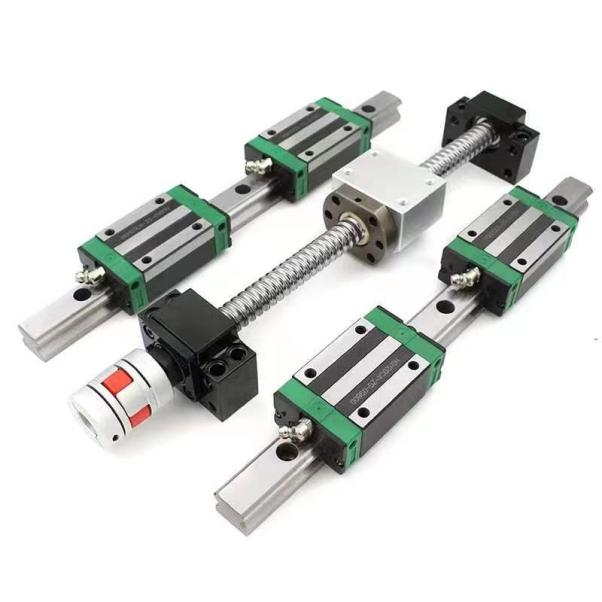
Ball screw and nut combos convert rotary motion to linear with minimal friction—up to 90% efficiency in some setups. The nut's recirculating balls take the load, reducing wear compared to ACME leadscrews. But not all are equal. Flange nuts for fixed mounting. Flanged with pillow block options for easier installs. Single-start for fine control, multi-start for speed.
Materials matter too. We use SCM440 or equivalent high-carbon chrome steel for shafts, hardened to 58-62 HRC. Nuts in high-grade alloy, sometimes bronze for low-speed high-load apps. Surface finishes down to Ra 0.8 microns. These aren't off-the-shelf generics; we tailor them for your application's dynamic load rating.
Procurement directors often overlook preload options. Too little, and you get play. Too much, and friction spikes, heat builds. Our engineers spec it based on your stroke length and speed requirements. We've shipped thousands to the US—everything from small 16mm dia. for lab robots to 80mm beasts for heavy gantry systems.
Logistics? We pack for 20ft containers, 500+ sets per load sometimes. FOB Xingang port, typically 25-35 days to major US hubs. Duties? We've got HS codes sorted—8483.40 for ball screws. No surprises at customs.
In this guide, I'll walk you through risks we've seen buyers face, how our solutions stack up, and what to watch for in specs. Skip the hype. Just straight talk from someone who's loaded containers at 2am to meet deadlines.
One more thing: OEM and ODM are our bread and butter. Rebrand our ballscrews with your logo. Custom lengths up to 6 meters. We've done it for automation firms in Texas and Michigan. Ready to talk specs? Drop us a line.
Let's dive deeper. Most buyers search "ball screw and nut" because they're scaling up—new lines, replacements, prototypes. Intent is clear: find a reliable supplier who understands tolerances, lead times, and doesn't vanish after payment.
Our repeat rate? High, because we test every batch for IP54 protection where needed, and dynamic load ratings match or beat JIS standards. No guesswork.
Procurement Risks You Can't Ignore with Ball Screws and Nuts
Sourcing linear motion parts internationally sounds straightforward until a shipment arrives warped or under-spec. I've fielded calls from US importers furious about backlash over 0.01mm. Here's what trips people up.
- Accuracy Drift: Cheap nuts from unverified mills loosen fast under vibration. Look for C5 or better; C7 is okay for light duty but fails in automation.
- Lead Time Lies: "Stock ready" turns into 12 weeks. Our factory runs 100 staff, 30% senior techs—true capacity, not fluff.
- Material Fakes: 4140 steel labeled as SCM440. Test reports? Demand them. We provide full certs per batch.
- Freight Damage: Poor packing leads to bent shafts. We use foam inserts, wooden crates rated for sea.
- IP Ratings Ignored: Dust ingress kills nuts quick. Specify IP65 if your environment's harsh.
Avoid these, and your ROI jumps. One client saved 20% on maintenance after ditching a Taiwanese supplier. Harsh? Reality.
Our Ball Screw and Nut Solution at YIDI Motion
We build these for longevity. Ground shafts, not rolled—smoother, quieter. Nuts with 4-10 circuits depending on load. Preload options from light to heavy.
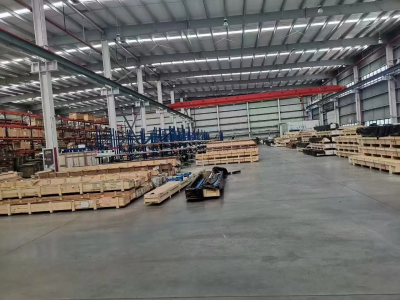
Key advantages? Efficiency holds at high speeds—up to 100m/min in tests. Low noise for cleanrooms. Custom machining for ends: threads, flanges, you name it.
Technical Deep Dive: How Ball Screws and Nuts Work
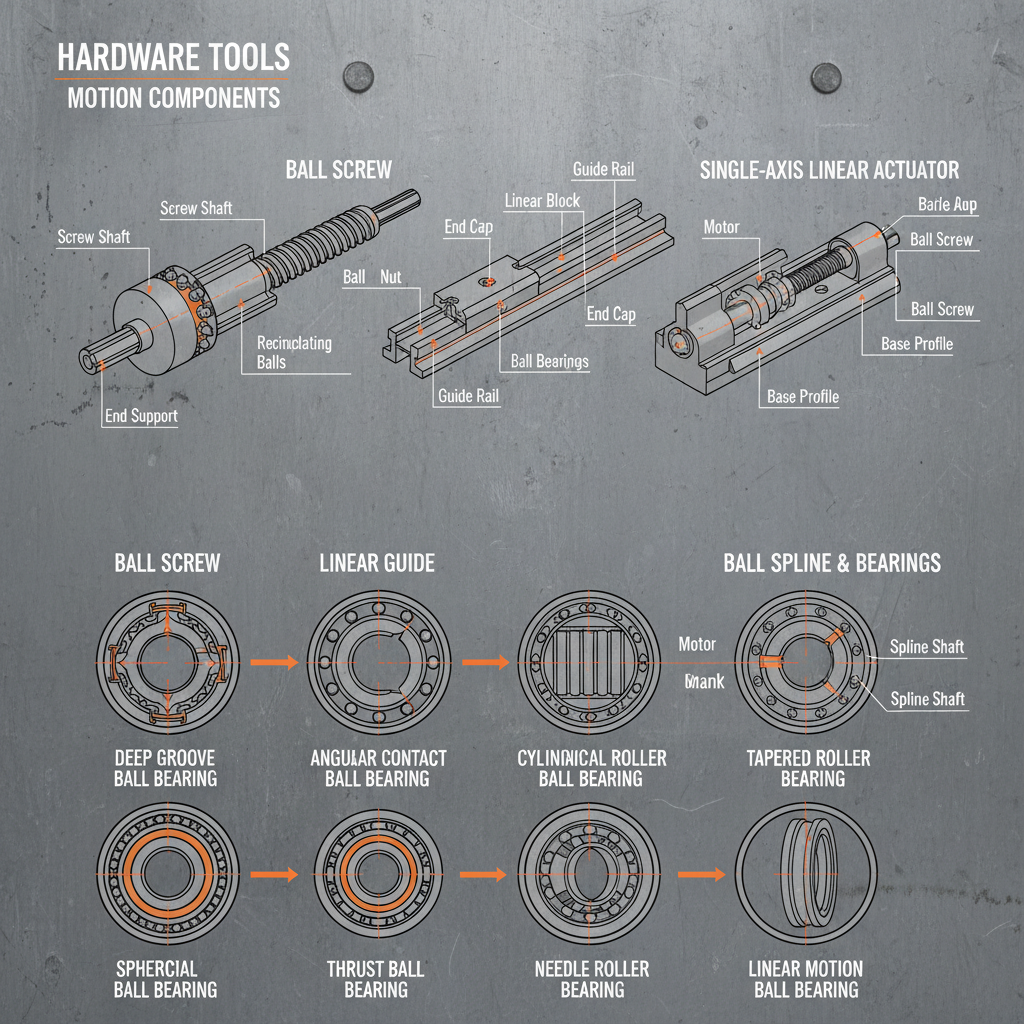
The magic is in the ball recirculation. Shaft grooves precision-ground at 60-90°. Balls roll in helical paths inside the nut, converting torque to thrust. Gothic arch contact spreads load evenly.
Types we stock/make:
- SFU/DFU Series: Standard for CNC routers. Dia 16-50mm, leads 5-20mm.
- High-Helix: For faster travel, lower torque.
- Miniature: 8-12mm for medical devices.
| Model | Dia (mm) | Lead (mm) | Dyn Load (kN) | Accuracy |
|---|---|---|---|---|
| SFU1605 | 16 | 5 | 4.3 | C7 |
| SFU2005 | 20 | 5 | 6.2 | C5 |
| SFU2510 | 25 | 10 | 11.5 | C3 |
| SFU5016 | 50 | 16 | 45.2 | C5 |
ball screws and nut ball screw and ball nut ball nut screw
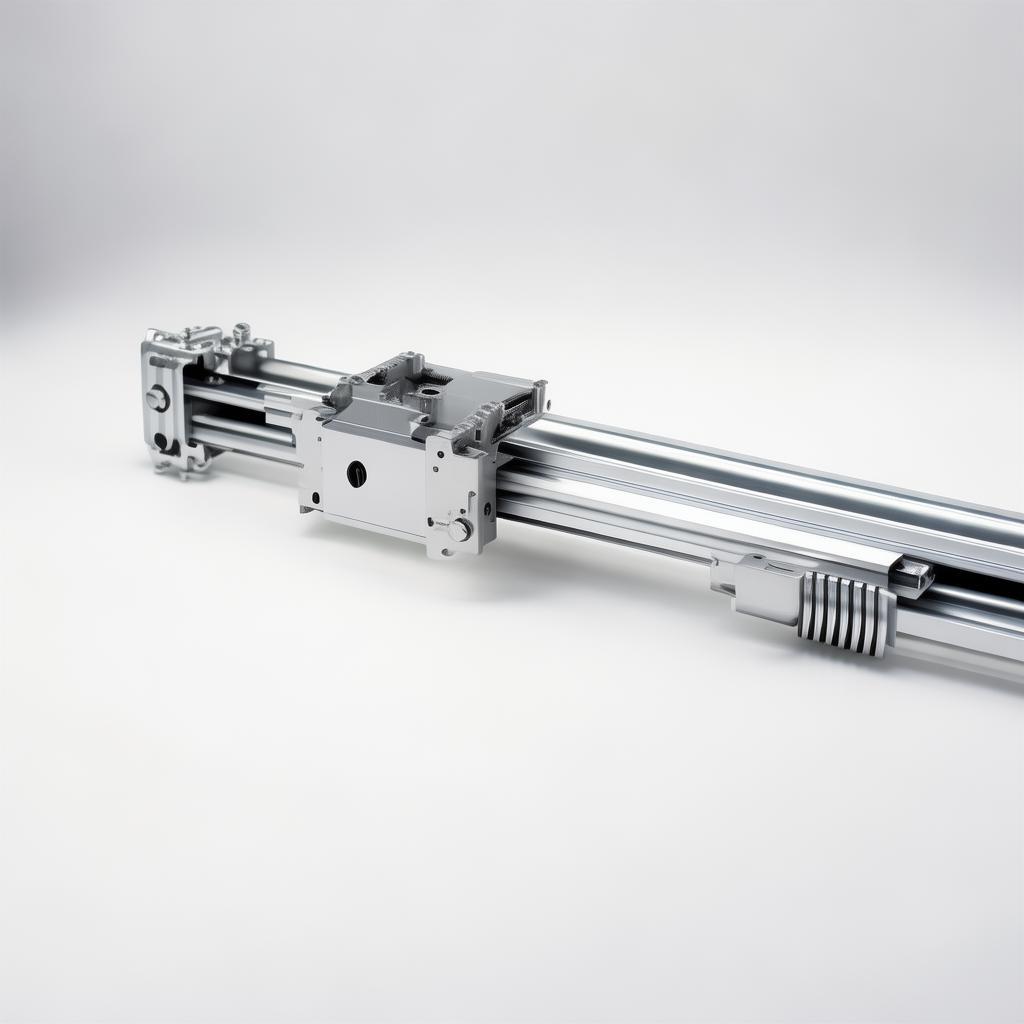
Installation tip: Align shaft ends within 0.02mm. Use our end supports to prevent whip on long strokes.
Where Ball Screws and Nuts Excel
CNC mills and lathes—90% of our US volume. Robotics arms needing repeatability. Semiconductor wafer stages. 3D printers for pros.
Heavy side? Injection molding machines. Gantries in warehouses. Even medical CT scanners where backlash can't be tolerated.
One observation: In humid shops, opt for sealed nuts. Saves cleaning time.
YIDI Motion Factory Strength
100 employees, advanced grinders from Japan/Germany. Exports to 50+ countries: USA, Germany, Canada. ISO 9001 certified.


OEM/ODM: Full custom. Min order 10 sets for standards, 50 for custom.

Shipping: +86 18134111662 | adam@yidimotion.com. Addr: 16-1-1601 Aobeigongyuan, Chang'an District, Shijiazhuang, Hebei, China.
Buyer Feedback

John M., Ohio CNC Shop
"Switched to YIDI ball screw and nut sets. Backlash gone. Install was straightforward, lead time beat quotes. Solid for our Haas mills."

Sarah K., Texas Automation Firm
"Custom 32mm with C3 accuracy. OEM branding perfect. Freight intact, customs smooth. Will reorder for next project."

Mike R., Canadian Distributor
"Handled 200 sets in one container. Quality consistent. Preload held up in vibration tests. Good partner."

Lisa T., Michigan Robotics
"Mini ball screws for prototypes. Fast samples, precise. Helped us win a contract."
FAQs for Ball Screw and Nut Buyers
What's the difference between rolled and ground ball screws?
Ground are smoother, more accurate (C3/C5). Rolled cheaper for low-precision. We do ground.
Lead times for custom lengths?
4-6 weeks standard, 8 for specials. Stock SFU in 1m increments.
OEM minimums?
50 sets. Branding included.
How to maintain?
Grease every 100km travel or 3 months. Check preload annually.
Ready for Your Ball Screw and Nut Project?
Talk to our engineers. Free quotes, samples available.
HEBEI YIDI IMPORT AND EXPORT TRADING CO., LTD. | Contact Page