Ball Linear Guides: Your Reliable Path to Precision Motion
Sourcing the right ball linear guide can make or break your machinery line. We've seen buyers chase cheap imports only to face binding issues and early wear. At YIDI Motion, our guides deliver consistent performance—straight from our Hebei factory.
Table of Contents
- 1. Common Headaches in Linear Motion Procurement
- 2. Inside a Ball Linear Guide: How It Works
- 3. Key Applications Across Industries
- 4. Why Choose YIDI's Ball Linear Guides
- 5. Technical Specifications at a Glance
- 6. Installation Realities from the Field
- 7. Maintenance That Keeps Downtime Low
- 8. OEM/ODM: Tailored to Your Specs
- 9. Our Factory Edge
- 10. Global Logistics Made Simple
- 11. Certifications You Can Trust
- 12. What Buyers Are Saying
- 13. Procurement Checklist
- 14. Frequently Asked Questions
Common Headaches in Linear Motion Procurement
Procurement managers know the drill. You order ball linear guides expecting smooth operation, but they arrive with uneven preload or sloppy ball recirculation. Suddenly, your CNC machine chatters, tolerances slip, and production grinds to a halt. We've fielded calls from U.S. importers frustrated by guides that promise C3 precision but deliver closer to C7 under load.
It's not just quality. Lead times stretch from promised 4 weeks to 12. Freight costs spike on partial containers. And when you need a custom length or mounting hole pattern, overseas suppliers ghost you. These aren't hypotheticals—they're weekly emails in our inbox.
Switching suppliers mid-project? Risky. But sticking with unreliable ones bleeds ROI. Many operations managers report 20-30% uptime loss from poor linear motion components. Real numbers from site visits, not fluff.
What sets reliable ball linear guides apart? Consistent steel hardening, precise grinding, and balls that recirculate without pitting. Skip those, and you're back to square one.
Quick Tip for Buyers: Always verify dynamic load ratings against your peak cycle loads. Oversized guides sound smart but add unnecessary inertia.
Inside a Ball Linear Guide: How It Works
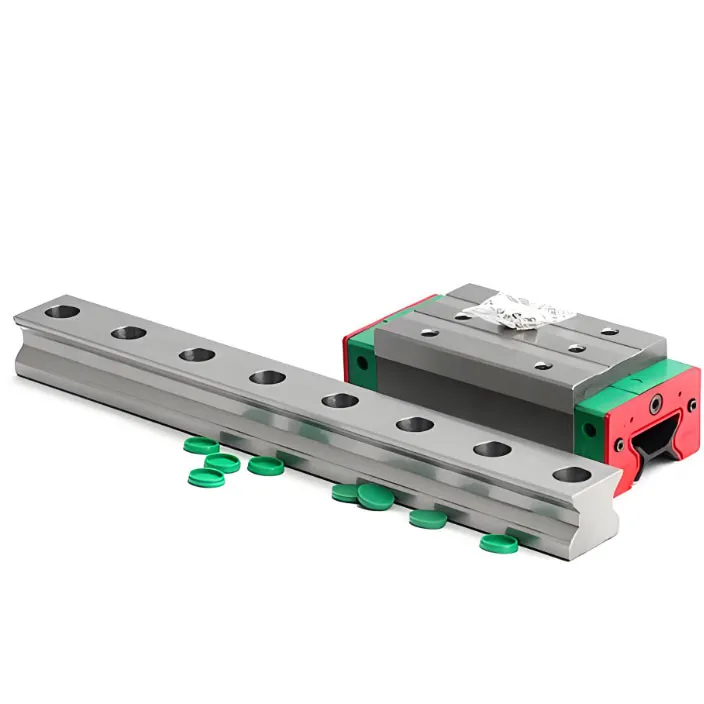
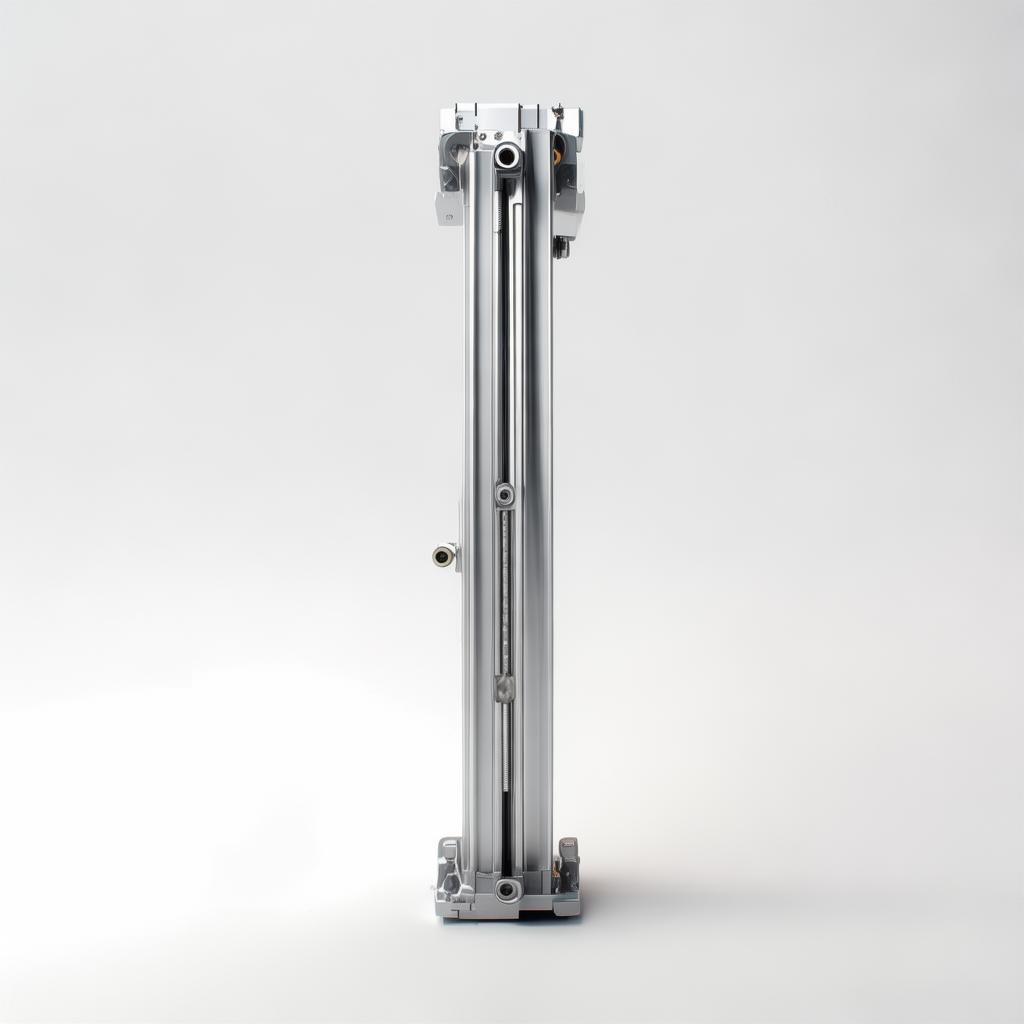
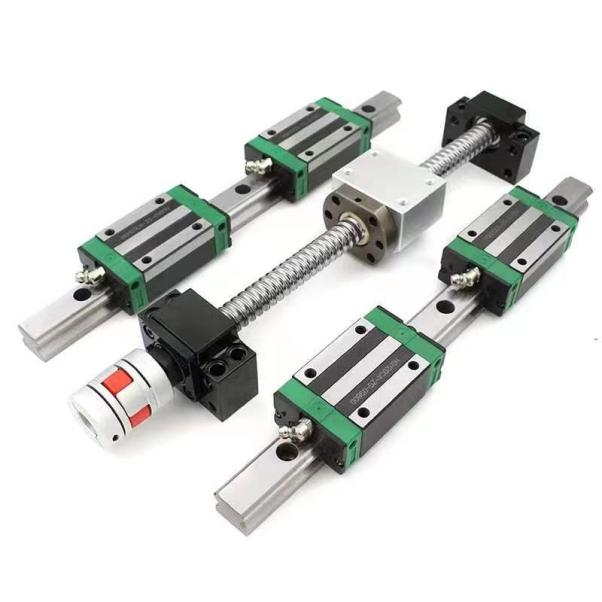
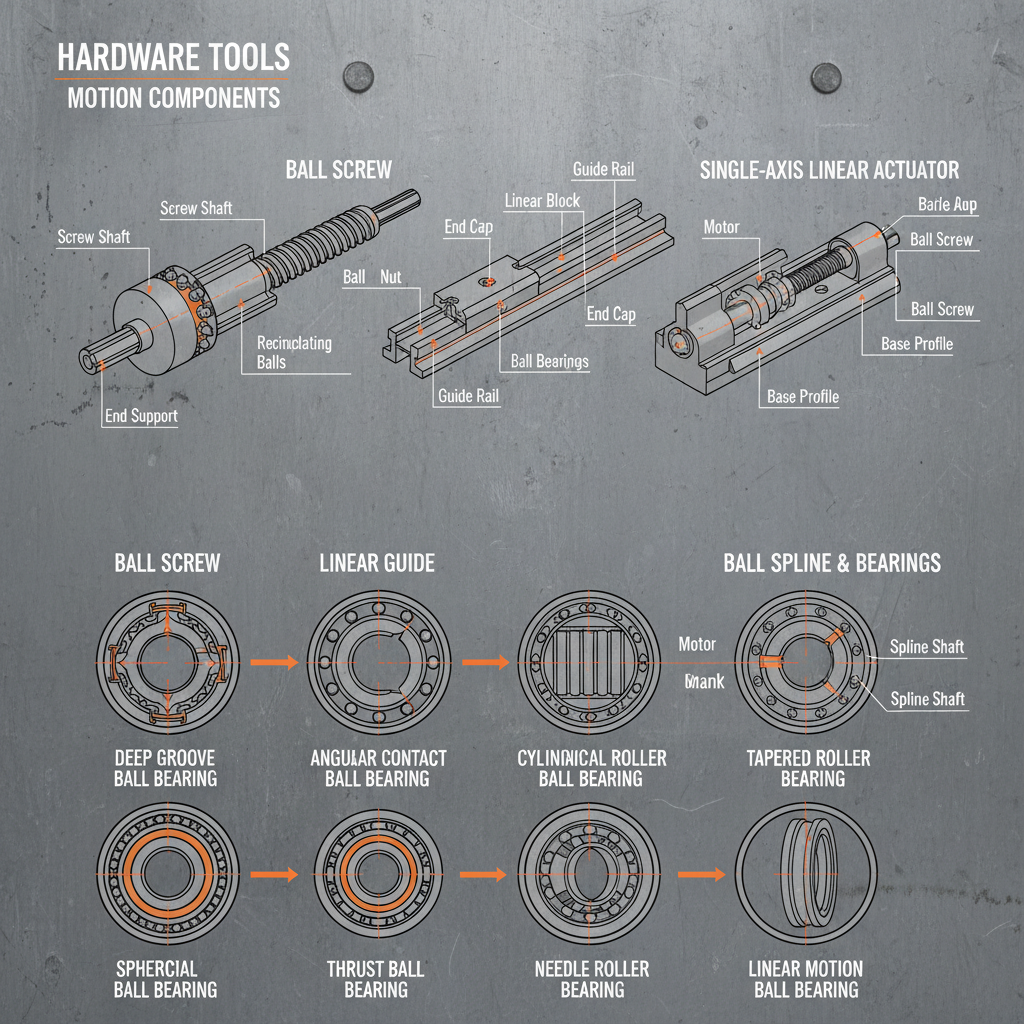
Let's cut to the engineering. A ball linear guide—often called a ball rail or linear block—uses recirculating steel balls between a profiled rail and carriage block. The balls roll in four rows typically, contacting the rail at 45-degree angles for equal load in all directions.
Precision starts with the rail. Ground from high-carbon chrome steel (like SUJ2), it's induction hardened to Rc58-62. Balls? Chrome steel, 1/4-inch diameter common, graded G5 or better for minimal ovality. The block houses the recirculation path: a series of curves that shuttle balls back to the load zone without skewing.
Preload matters hugely. Light preload for high-speed, low-rigidity apps. Heavy for max stiffness. We've machined blocks with adjustable preload via oversize balls—handy for field tweaks.
Compare to plain bushings: friction drops 90% with balls. Vs. roller guides: balls handle higher speeds but lower shock loads. Roller for heavy stamping; ball for pick-and-place.
In practice, a 25mm wide rail might handle 25kN dynamic load. Cycle life? 50,000km under normal conditions if lubed right. Underrate it, and balls brinell prematurely.
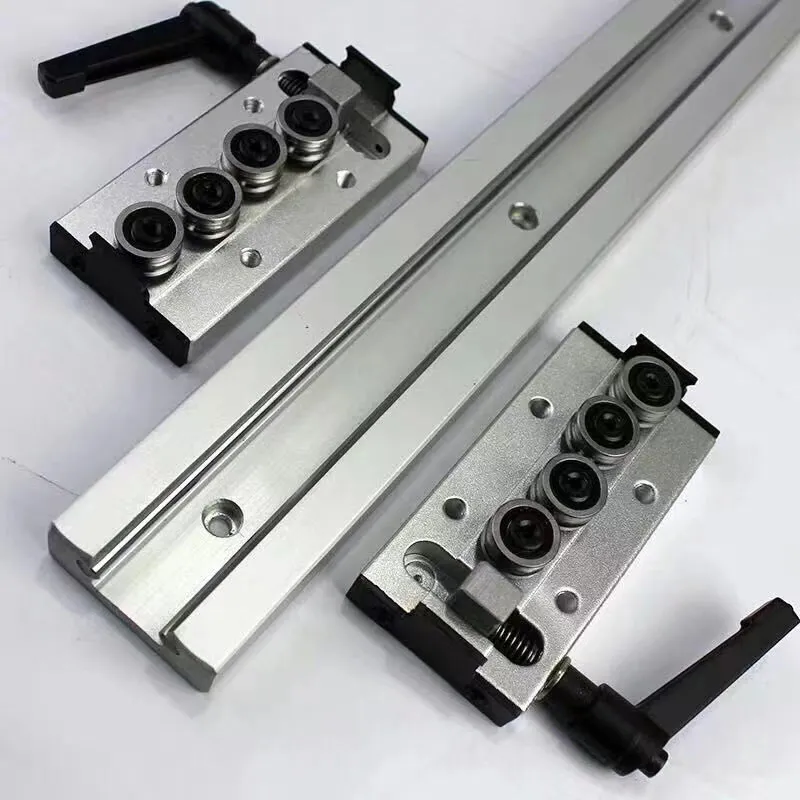
Our HGH and HGW series mirror industry standards—square block for max rigidity, flange for wide setups. Lengths stock up to 3m, custom longer on request.
Key Applications Across Industries
Ball linear guides shine where precision trumps cost. In semiconductor fabs, they position wafers with micron accuracy. Automotive weld lines use them for gantry motion—high speed, repetitive cycles.
We've supplied to packaging machines: Z-axis lifts that run 24/7. Medical robots? Low-friction paths prevent heat buildup. Even 3D printers benefit from mini-guides under 10mm wide.
- CNC Machining: Spindle heads, tool changers. Needs C1-C3 precision.
- Automation: SCARA arms, linear actuators. High acceleration tolerance.
- Textile Machinery: Pattern cutters. Dust-resistant designs preferred.
- Woodworking: CNC routers. Oversized rails for vibration damping.
- Aerospace Testing: Custom long strokes, vacuum-compatible.
One importer told us their pick-and-place throughput jumped after swapping to our preloaded blocks. No more stick-slip at speeds over 2m/s.
Why Choose YIDI's Ball Linear Guides
Not all guides are equal. Ours come from a 100-employee factory in Shijiazhuang, with 30% senior techs. German-imported grinders ensure rail straightness under 0.003mm/300mm.
Advantages boil down to reliability. Balls inspected for defects—no chipped ones slipping through. Blocks anodized or chrome-plated for corrosion resistance in humid plants.
Cost? Factory direct shaves 25-35% off distributor markups. Stock sizes ship in 7-10 days; customs 4 weeks max.
Buyers appreciate the no-BS approach. We quote exact lead times, not "soon."
Ready for specs? Request a free catalog → adam@yidimotion.com
Technical Specifications at a Glance
Our standard lineup covers most needs. HGH20 for compact setups, HGH55 for heavy duty.
| Model | Rail Width (mm) | Dynamic Load (kN) | Static Load (kN) | Precision Grade |
|---|---|---|---|---|
| HGH15 | 15 | 12.5 | 18.4 | C0-C7 |
| HGH20 | 20 | 19.8 | 30.2 | C0-C7 |
| HGH25 | 23 | 27.8 | 41.6 | C0-C5 |
| HGH30 | 28 | 37.1 | 57.7 | C0-C5 |
| HGH45 | 45 | 74.6 | 127 | C0-C3 |
Note: Loads per block. Rails sold by meter. Custom preloads available. Full catalog has 50+ models.
Installation Realities from the Field
Guides look simple. Install wrong, and accuracy vanishes. First: align rails parallel within 0.02mm/m. Use dial indicators on a surface plate.
Mount blocks lightly greased. Torque bolts to spec—overtighten strips preload. We've seen U.S. contractors shim rails unevenly, causing binding after 1000 cycles.
Practical warning: In dusty shops, seal end caps tight. Vibration? Add dampers on long spans.
- Prep base: Flat to 0.01mm.
- Clamp rails, check alignment.
- Grease balls lightly (lithium-based).
- Run-in: Slow cycles to seat balls.
- Final torque check after 24hrs.
Takes a skilled tech 2-4 hours per axis. Saves callbacks.
Maintenance That Keeps Downtime Low
Neglect lube, and balls skid instead of roll. We recommend auto-lubers for high-cycle apps. Manual? Every 500km travel or 3 months.
Check for play annually. Worn? Replace blocks first—rails last longer. Common mistake: ignoring contamination. One metal chip scores the raceway for life.
Our chrome rails resist rust better in washdown environments. Lifespan? 3-7 years typical, depending on duty.
OEM/ODM: Tailored to Your Specs
Need non-standard hole patterns or integrated sensors? Our ODM line handles it. From prototype to 10k units, we've tooled for U.S. automation firms.
Process: Send CAD → Quote in 48hrs → Samples in 2 weeks. MOQ flexible for testing.
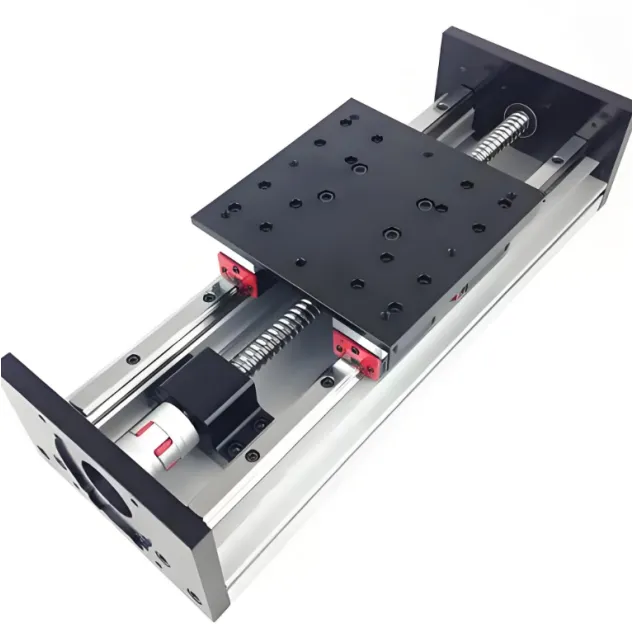
Partners integrate our guides into linear modules. Seamless.
Our Factory Edge
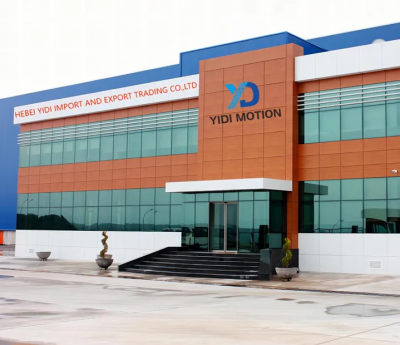
YIDI Motion, est. 2020, Hebei China. 100 staff, Japanese CNC grinders, German honing. Exports to 50+ countries: USA, Germany, Japan.
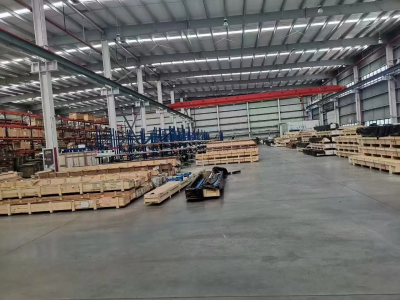
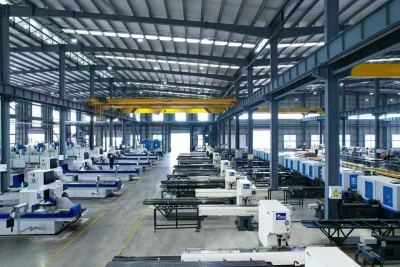
Vertical integration: We make balls, grind rails, assemble blocks. Quality control? 100% inspected, CMM verified.
Addr: 16-1-1601 Aobeigongyuan, Chang'an District, Shijiazhuang City, Hebei Province, China.
Global Logistics Made Simple
USA bound? LCL to LA/NY, 25-35 days. FCL 20ft holds 4 tons—optimized packing. Duties? We advise HS codes (8483.30).
Tracking real-time. Incoterms: FOB, CIF your choice.
| Region | Transit Time |
|---|---|
| USA West | 25 days |
| USA East | 35 days |
| Europe | 30 days |
linear ball guide ball bearing linear guide ball bearing linear guide service
Certifications You Can Trust
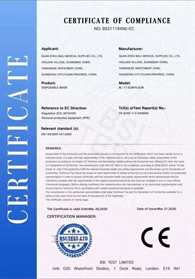
ISO 9001:2015 audited. RoHS compliant. CE for EU. Materials tested per ASTM.


What Buyers Are Saying

John M., Operations Mgr, Texas CNC Shop
Switched to YIDI after local supplier delays. Guides run smoother than THK clones. Lead time spot-on. Will reorder.

Maria G., Supply Chain, California Automation
OEM custom worked perfect. Preload consistent. Shipping to LA was hassle-free. Good value over imports.

Raj P., Project Engineer, Ontario Firm
HGH30 held up in high-vibe test rig. No chatter. Samples free helped qualify fast.

Lisa K., Purchasing Director, Florida Packaging
Competitive pricing, solid docs. Rails cut straight, blocks greased right out of box.
Procurement Checklist
- Confirm load/speed matches your duty cycle.
- Specify precision (C0 for labs, C5 everyday).
- Ask for grease type compatibility.
- Verify rail length tolerance (±0.5mm stock).
- Get 3D models for CAD import.
- Discuss packaging for sea freight.
Next Step: Send inquiry for tailored quote.
Frequently Asked Questions
What’s the difference between ball and roller linear guides?
Balls for speed/low friction. Rollers for heavy/static loads. We stock both.
Minimum order quantity?
1 set for stock. 10+ for custom. Flexible for trials.
Can you match HIWIN dimensions?
Yes, drop-in compatible. Send model for confirmation.
Shipping to USA?
Yes, DHL for samples, sea for bulk. Quotes include options.
Warranty?
12 months. Covers defects, not misuse.

Adam Lee
Export Director, YIDI Motion. 15+ years in linear motion supply. Helped 200+ firms optimize procurement.
Contact Us Today
Phone: +86 18134111662 | Email: adam@yidimotion.com
HEBEI YIDI IMPORT AND EXPORT TRADING CO.,LTD. | https://www.yidibearings.com/contactus.html