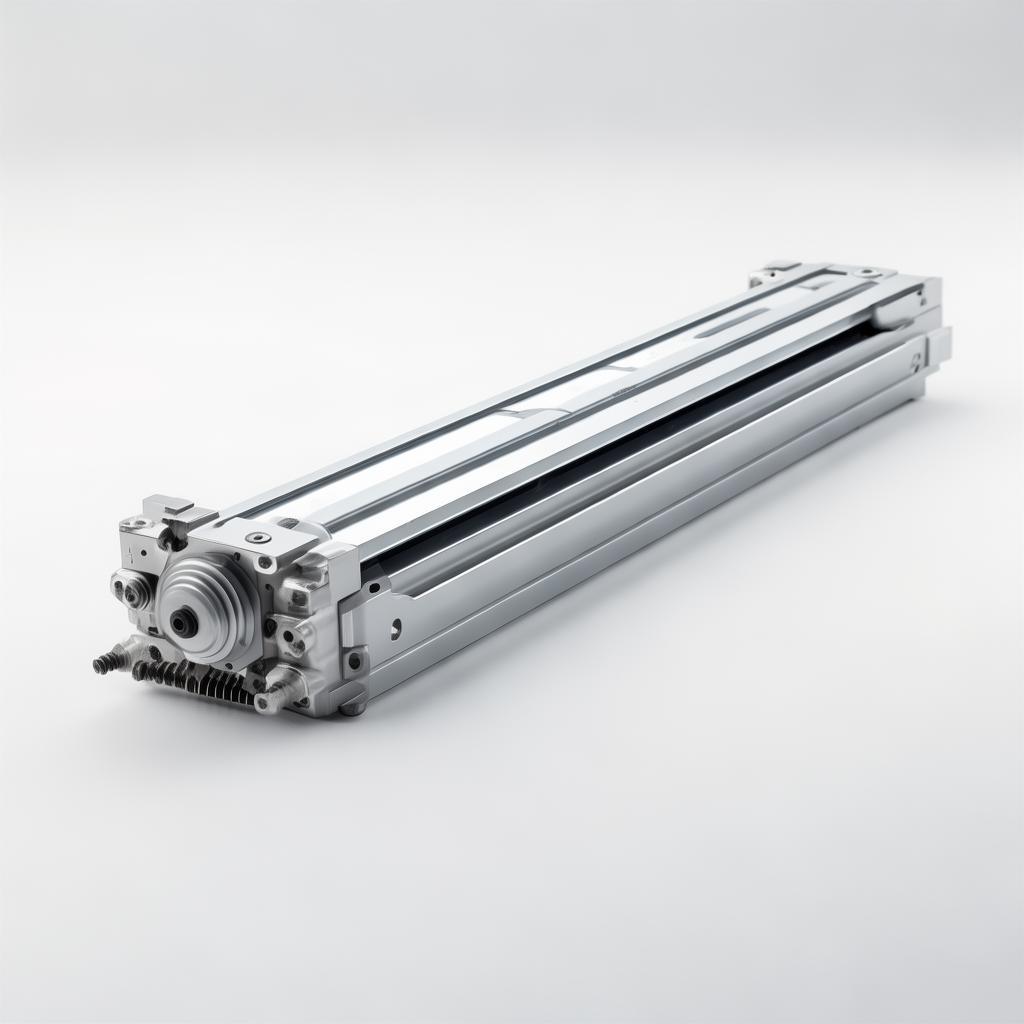
Meta Description: High-precision back bearings for linear motion systems and ball screw assemblies. Reliable OEM/ODM from Hebei factory. Export to USA with fast lead times. Contact for specs and quotes.
Precision Back Bearings: Built for Demanding Linear Motion Loads
When your ball screw setup handles heavy axial thrust, the back bearing takes the brunt. We've supplied thousands to US machine builders who can't afford downtime.
YIDI Motion | +86 18134111662 | adam@yidimotion.com
Table of Contents
Understanding Back Bearings in Ball Screw Systems
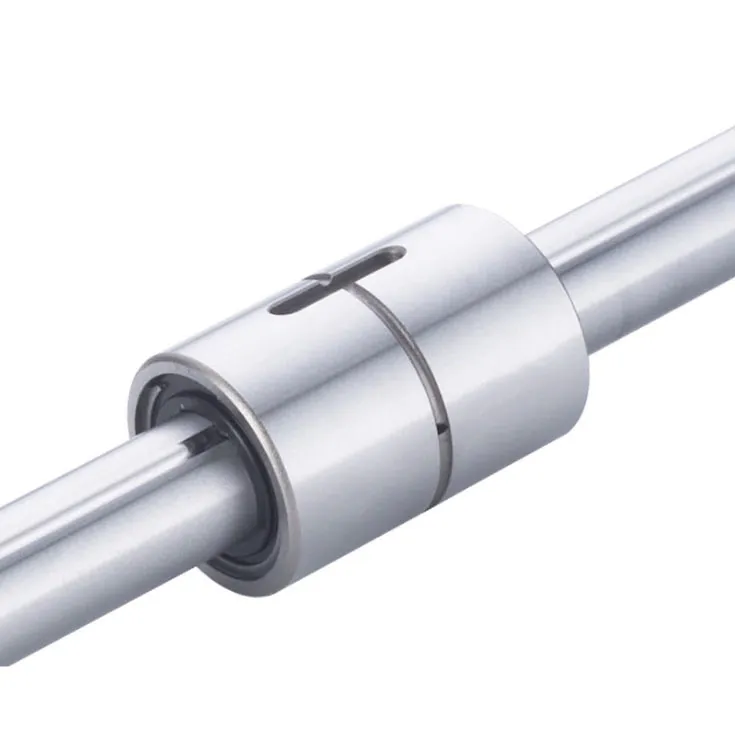
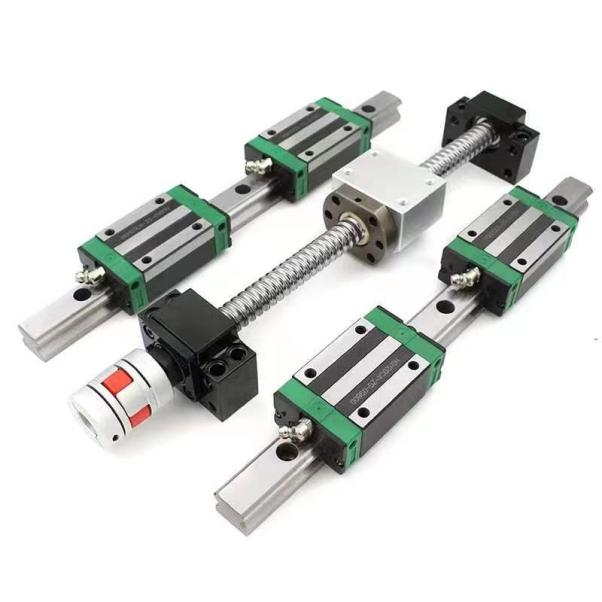
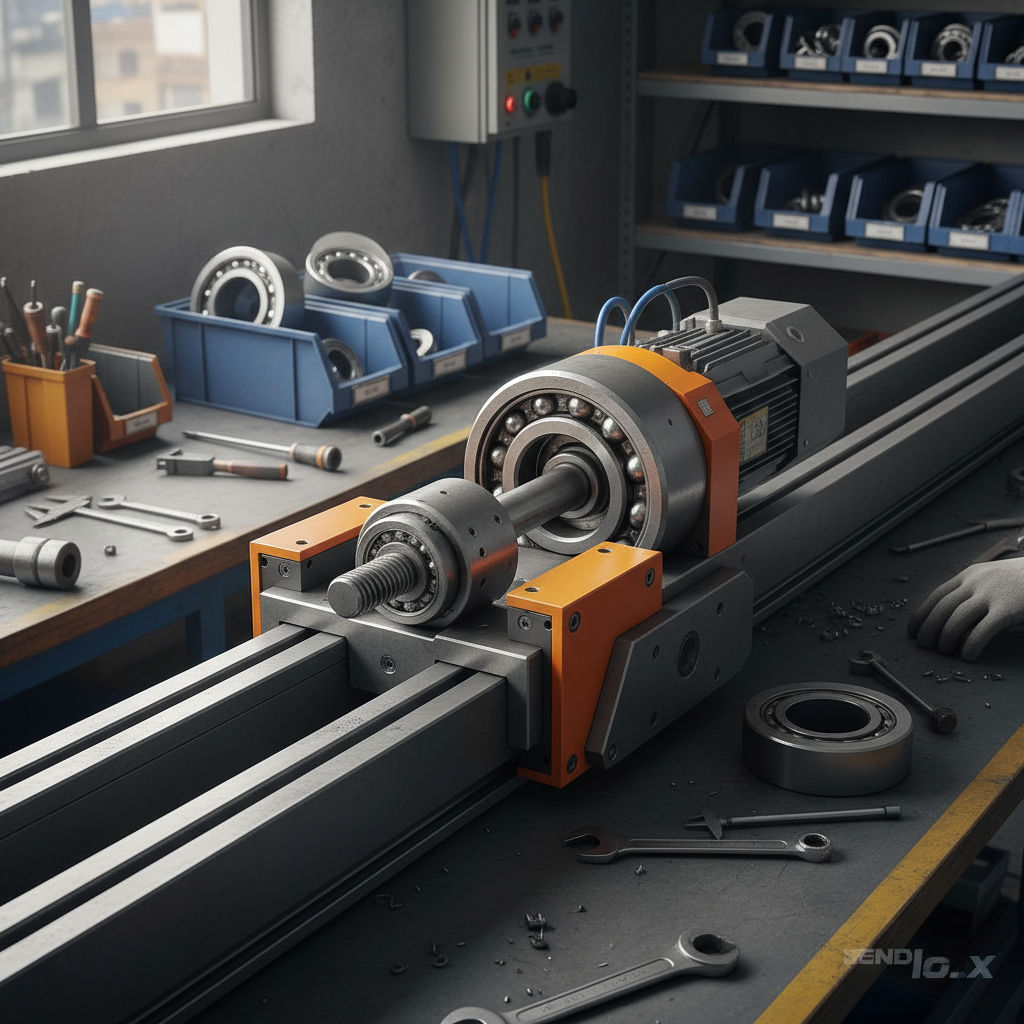
In linear motion setups, the back bearing anchors the fixed end of the ball screw shaft. It absorbs axial thrust while keeping everything aligned under load. I've seen operations grind to a halt when a cheap import fails here—misalignment creeps in, and suddenly your CNC is spitting errors.
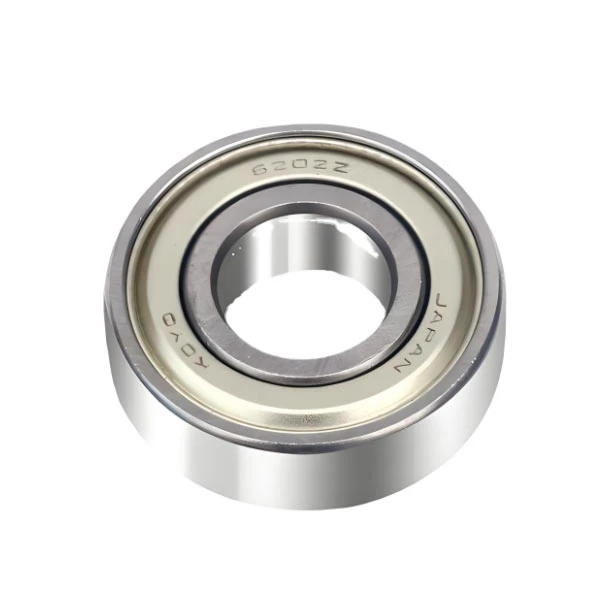
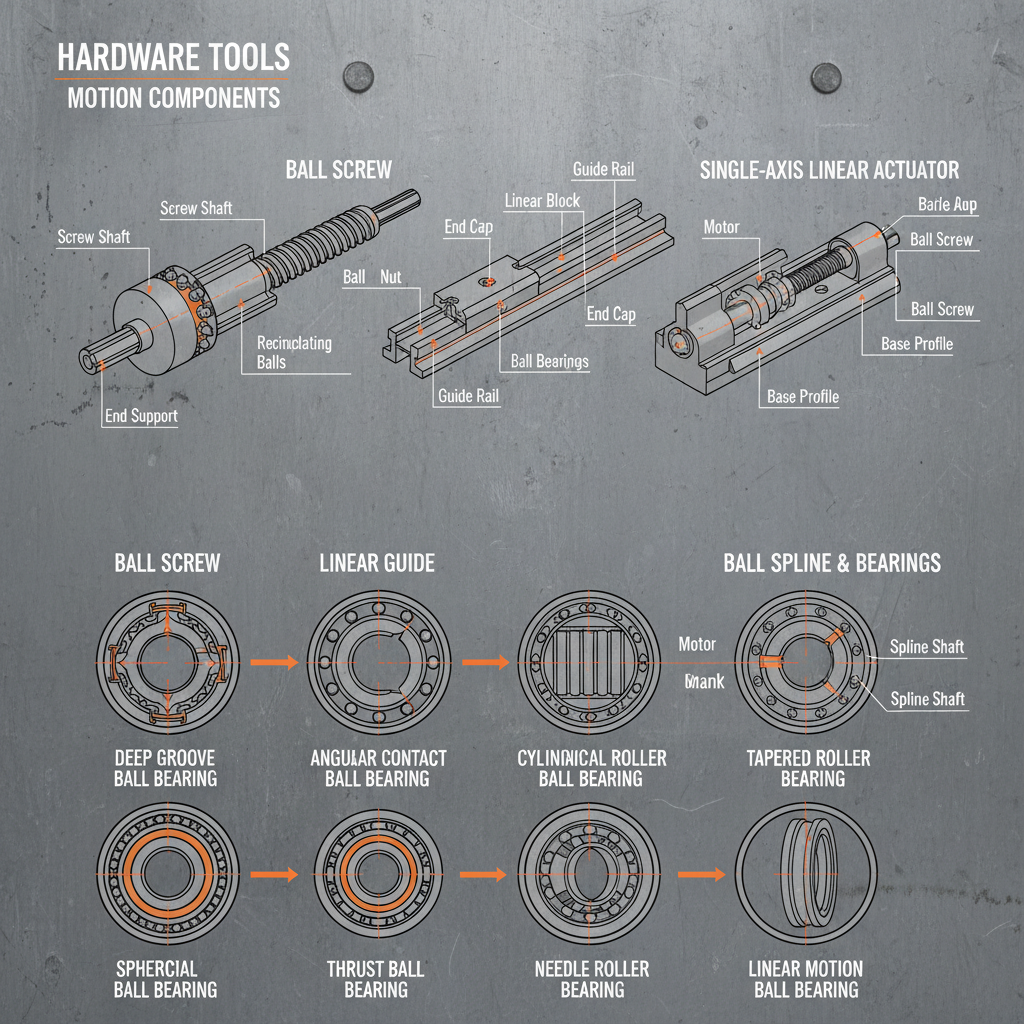
These aren't just any thrust bearings. Typically angular contact or deep groove types, preloaded for rigidity. We spec them for speeds up to 10,000 RPM and loads hitting 50kN dynamic. Matter of fact, in high-precision apps like semiconductor fabs, tolerances sit at P4 or better.
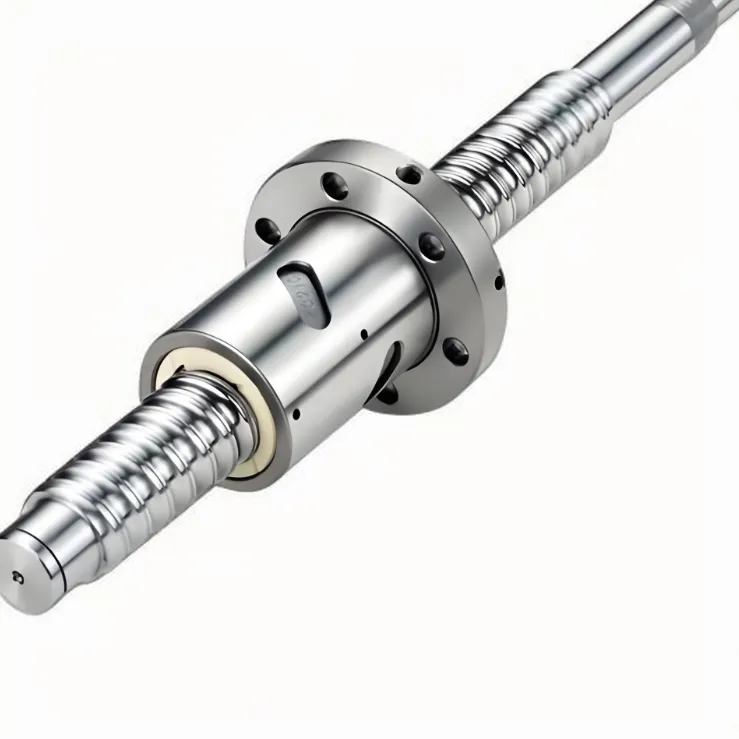
Picture a typical setup: ball nut travels along the screw, front end floats free, back end locks solid against the bearing housing. That back bearing handles preload from the nut's return mechanism. Get it wrong, and vibration amplifies. We've tested pairs against competitors—ours hold concentricity longer, especially after 10,000 hours.
Materials matter too. High-grade chrome steel, sometimes ceramic hybrids for corrosion-prone environments. Heat treatment follows ABEC standards, ensuring fatigue life exceeds 20 million cycles. Procurement teams overlook this, chasing rock-bottom quotes. Then replacements ship from halfway around the world.
Over the years, we've refined our back bearing lineup for OEM ball screw kits. From miniature 10mm ID for lab robots to 100mm beasts for heavy presses. Each batch gets dynamic balance checks. No guesswork—vibration specs published upfront.
One engineer I talked to last month swapped ours into a legacy Haas mill. Said backlash dropped noticeably. That's the real test: does it slot into existing frames without re-machining housings?
Lead times? Our stock covers common sizes; customs run 3-4 weeks. Containerized for US ports—LA or NJ, your call. Duties? We handle HS code 8482.10 declarations to smooth CBP.
Enough intro. Let's dig into where these fit best.
Real-World Applications for Back Bearings
Machine tools top the list. Vertical mills, lathes—anywhere axial force pushes back hard. A back bearing rated for 30kN keeps the spindle steady during peck drilling cycles.
Automation lines next. Pick-and-place robots, XY gantries. Here, repeatability rules. Our preloaded pairs minimize axial play to microns. Distributors in California stock them for quick-turn repairs on Fanuc setups.
- CNC Routers: High-speed feeds demand low friction. Ceramic options cut heat buildup.
- Packaging Machines: Intermittent loads—our duplex arrangements handle shock better than singles.
- Medical Devices: Cleanroom grades, USP Class VI compliant for sterile assembly lines.
- Aerospace Jigs: Matched sets for fixture builds, ITAR-export ready.
- 3D Printers (Industrial): Oversized for gantry stability at print speeds over 500mm/s.
Procurement note: Always match bearing preload to screw pitch. Too loose, and you get whip. Too tight, excess heat. We supply preload calculators with quotes.
Installation tip: Grease with NLGI 2 lithium complex. Avoid overpacking—ruins seals fast.
Common Procurement Risks with Back Bearings
Sourcing these internationally? Pitfalls abound. First, counterfeit flood from unverified Alibaba listings. Specs look good on paper, but radial runout fails under load.
Second, mismatched tolerances. A P5 bearing in a P4 housing? Instant wear. We've inspected returns—housings bored sloppy, shafts ovalized.
Lead time traps. "Stock ready" claims turn into 12-week waits. Supply chain snarls hit hard post-2022.
Logistics headaches: Improper packing leads to brinelling in transit. Balls dent raceways from vibration. Insist on foam separators and wooden crates.
MOQ games. Some demand 500-unit minimums for "pricing." We start at 10 for prototypes.
Compliance oversights. REACH for EU, RoHS everywhere. Miss it, and your end-customer rejects the assembly.
Our advice: Request load-deflection curves upfront. Not just catalogs—actual test data.
YIDI Back Bearings: What Sets Us Apart
We've been machining these since 2020, but our techs came from state-owned factories with 20+ years. German DMG Mori grinders ensure ID/OD concentricity under 2 microns.
Custom angles too. Standard 15° or 25° contact, but we do 40° for ultra-thrust apps. Paired with our ball screws, system stiffness jumps 20-30% per customer feedback.
Seals: Contact or non-contact labyrinth types. IP65 standard, optional IP67 for washdown.
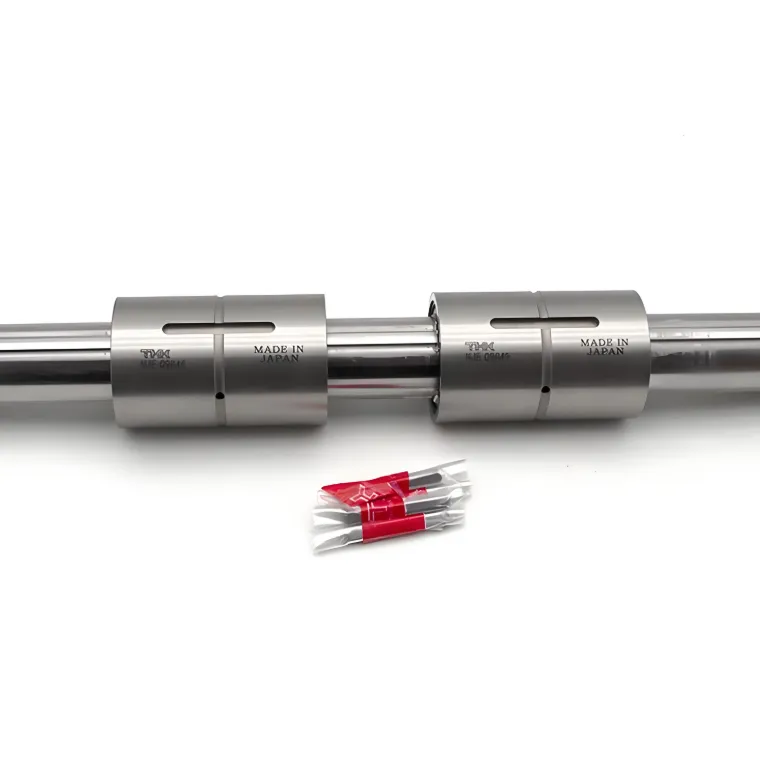
Cost edge: Direct from Hebei, no middlemen. US importers save 25-35% vs. US distributors, tariffs included.
OEM/ODM flexibility. Private label your assemblies. We've tooled duplex mounts for a Texas automation firm—now their bestseller.
Technical Specifications Table
| Model | ID (mm) | OD (mm) | Width (mm) | Dynamic Load (kN) | Speed (RPM) |
|---|---|---|---|---|---|
| BB-15 | 15 | 28 | 7 | 5.8 | 20,000 |
| BB-20 | 20 | 37 | 9 | 9.5 | 18,000 |
| BB-25 | 25 | 47 | 12 | 14.2 | 16,000 |
| BB-30 | 30 | 55 | 13 | 20.8 | 14,000 |
| BB-40 | 40 | 68 | 15 | 28.5 | 12,000 |
bearing grooved bearing urb bearing
*Custom sizes available. All per ISO 492 P4 class. Contact for full catalog PDF.
Our Factory: 100+ Team, German/Japanese Tech
Shijiazhuang base, 100 employees, 30% senior techs. DMG Mori grinders from Germany, Okuma lathes from Japan. Annual output: 500k units.
QA rigorous: 100% auto-vision inspection, salt spray tests for 500 hours. ISO 9001:2015 certified.
Exports to 50+ countries: US, Germany, Japan. Last year, 40% volume to North America. FOB Tianjin, full container loads optimized—up to 8 tons per 20ft.
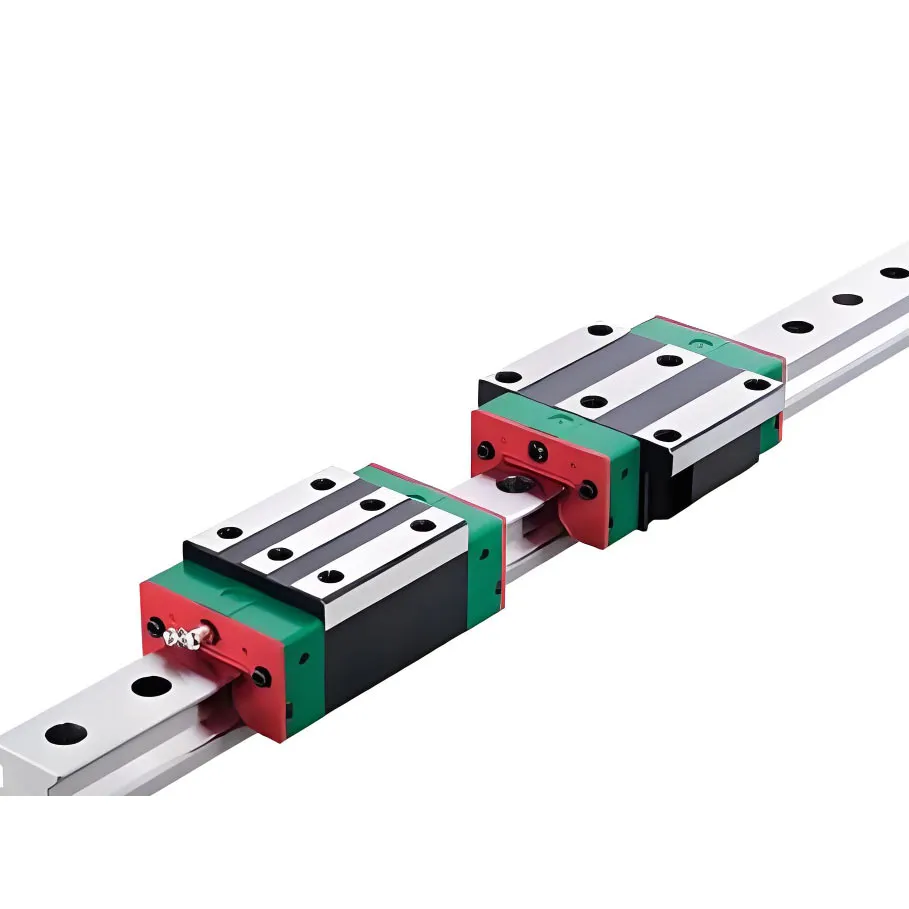
OEM/ODM: We kit with ball screws, linear guides. One-stop for your motion module.
Feedback from US and Global Buyers
Mike R., Procurement Manager, Texas CNC Shop: "Dropped these BB-25s into our retrofitted Bridgeports. Held up through 5000 hours no issues. Shipping was two weeks door-to-door—beat expectations."
Sarah L., Ops Director, California Automation: "OEM duplex for our gantry line. Preload spot-on, no adjustments needed. Saved us from SKF delays last quarter."
Tom K., Engineer, Michigan Robotics: "Custom 40° angle for thrust-heavy app. Test data matched claims. Logistics smooth, even with partial pallet."
Carlos M., Importer, Florida Distributors: "Resell volume growing. Quality consistent batch-to-batch. MOQ flexibility helps small orders."
Frequently Asked Questions
Q: What's the difference between back and front bearings?
A: Back is fixed-end, handles full axial thrust. Front floats for thermal expansion.
Q: Can you match NSK or other brands?
A: Yes, drop-in equivalents. Send drawings for exact match.
Q: Lead time for 100 units?
A: 3-4 weeks standard, 2 weeks express.
Q: Free samples?
A: For qualified buyers—covers prototypes.
Q: Warranty?
A: 12 months or 10,000 hours, whichever first.
Talk to Our Engineer Today
Request specs, samples, or a custom quote. No obligation.
Full Contact →
16-1-1601 Aobeigongyuan, Chang'an District, Shijiazhuang City, Hebei Province, China
Next Step: Reply with your shaft diameter and load requirements—we'll spec the right back bearing pair.
By Adam Li, Export Director, YIDI Motion
20+ years in linear motion exports. Last updated: 2026.
© 2026 HEBEI YIDI IMPORT AND EXPORT TRADING CO.,LTD. All rights reserved. | yidibearings.com