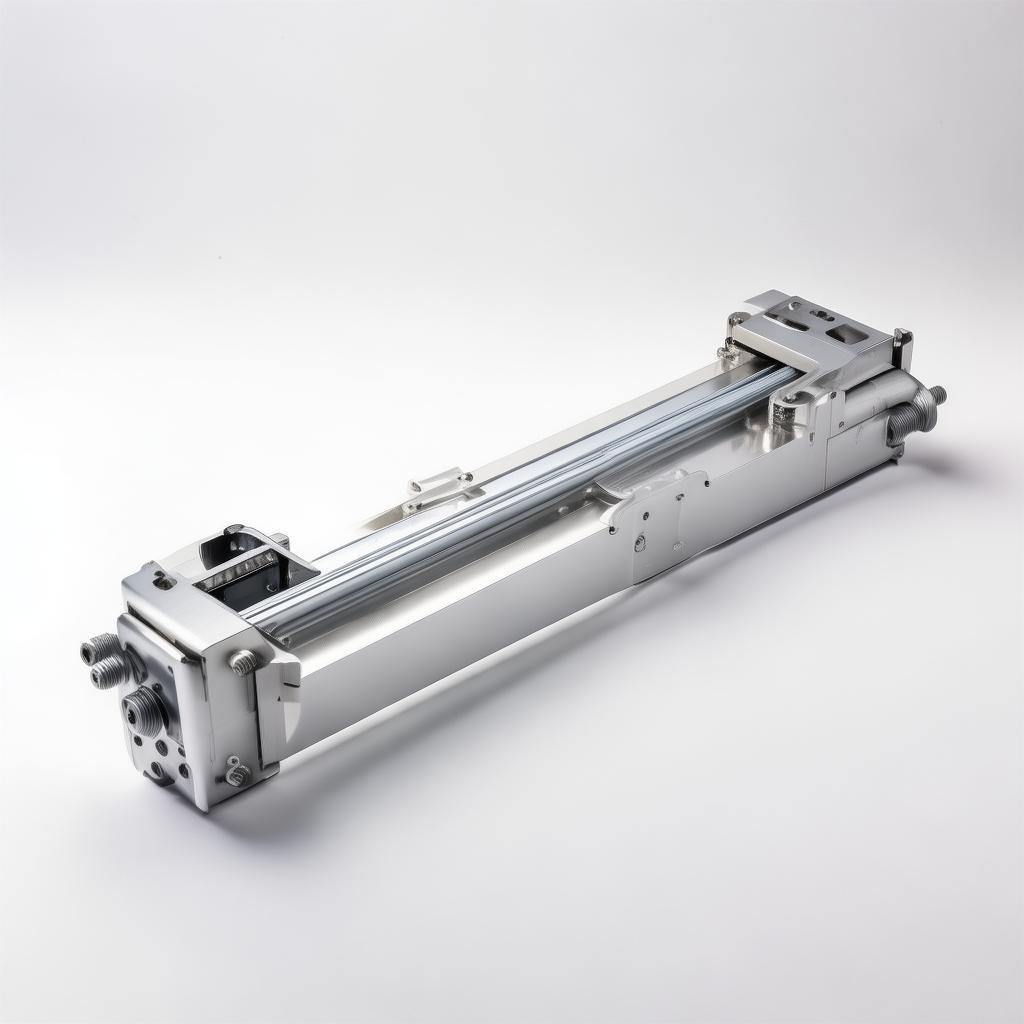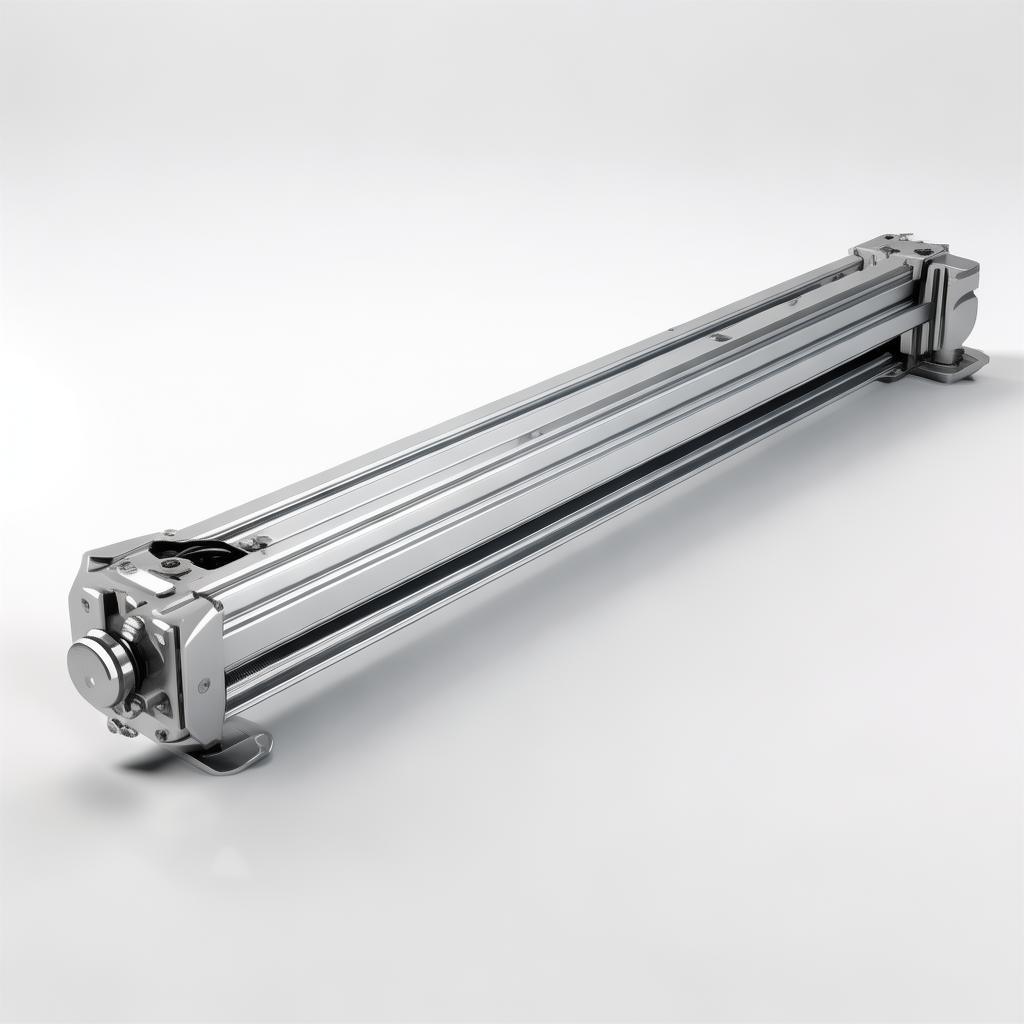
Aluminium Linear Rails: Lightweight Precision Guides for Industrial Automation
Aluminium Linear Rail | Wholesale OEM Supplier China - YIDI Motion
Meta Description: Precision aluminium linear rails for CNC, robotics, automation. Lightweight, corrosion-resistant. OEM/ODM factory direct. Fast export to USA/EU. Get specs & quote now.
Table of Contents
- Why Choose Aluminium Linear Rails?
- Current Market Shifts in Linear Motion
- Key Features of Our Aluminium Rails
- Detailed Technical Specifications
- Real-World Applications
- Common Procurement Pitfalls
- Installation and Setup Tips
- Ongoing Maintenance Realities
- Global Shipping and Lead Times
- Our Factory Capabilities
- OEM/ODM Customization
- What Buyers Are Saying
- Frequently Asked Questions
Procurement managers in automation know the drill. You're speccing out linear motion components for a new CNC setup or robotic arm, and weight starts creeping into the equation. Steel rails have been the go-to for decades—rugged, reliable. But aluminium linear rails? They're changing the game, especially when payload isn't extreme and you need to shave kilos off the assembly.
At YIDI Motion, we've been machining these since 2020 out of our Hebei facility. Not just slapping aluminium extrusions together. We're talking precision-ground profiles with integrated carriage systems, anodized for corrosion resistance, and tolerances holding to ±0.005mm. Why does this matter? In high-speed automation lines, every gram saved translates to faster acceleration, lower energy draw, and simpler mounting on lighter frames.
Take a typical USA importer we worked with last quarter. They were retrofitting pick-and-place robots for a Midwest electronics assembler. Steel rails worked fine, but the frame flexed under vibration. Switched to our 25mm wide aluminium linear rail series—dropped total system weight by about 40%. Acceleration rates jumped without tweaking servo amps. No more resonance issues. That's not hype; it's what happens when you pair low density (2.7g/cm³) with high stiffness from optimized cross-sections.
Aluminium linear rails aren't for every job. Heavy milling? Stick with steel. But for 80% of automation tasks—think 3D printers, medical devices, packaging machines—they deliver where steel overkills. We've exported over 10,000 meters to Germany, Canada, and Japan alone. Our rails run on lines for brands like Siemens and Fanuc integrations.
Material science backs it. 6063-T6 aluminium alloy dominates here: excellent machinability, good fatigue strength, and natural oxide layer for wear resistance. We hard-anodize ours to 50-60 Rockwell, extending life in dusty shops. Compare that to painted steel, which chips and rusts if seals fail.
Buyers often ask about deflection. Under 500N loads, our 20mm rails deflect less than 0.02mm/m—on par with premium steel if you spec right. We've tested against Bosch Rexroth and THK equivalents. Cost? 30-50% less at factory gate.
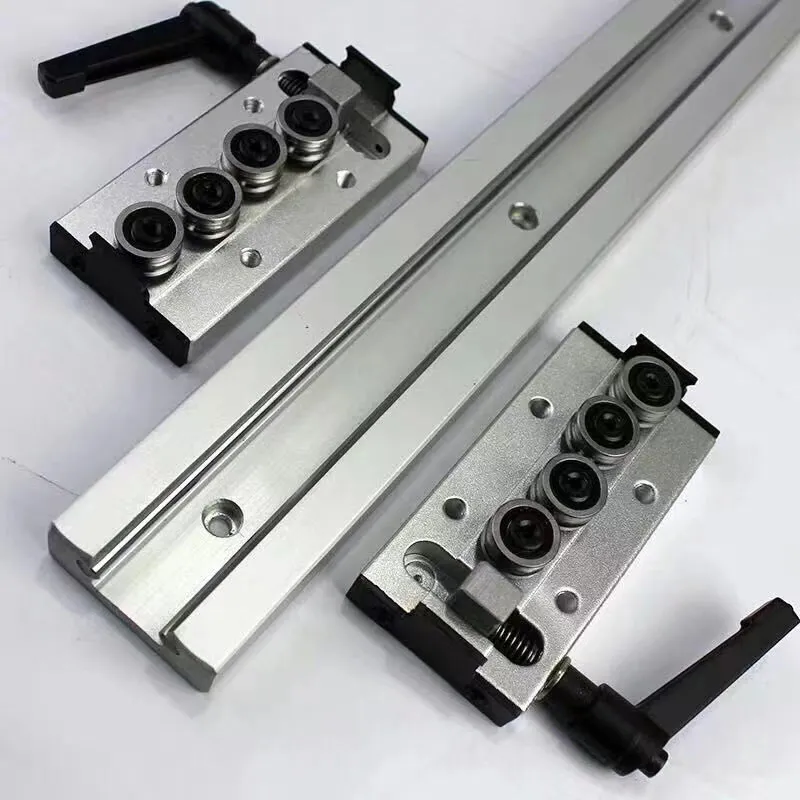
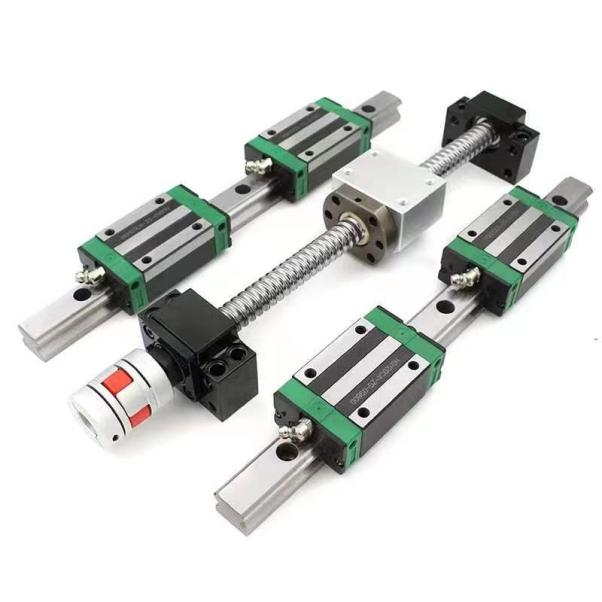
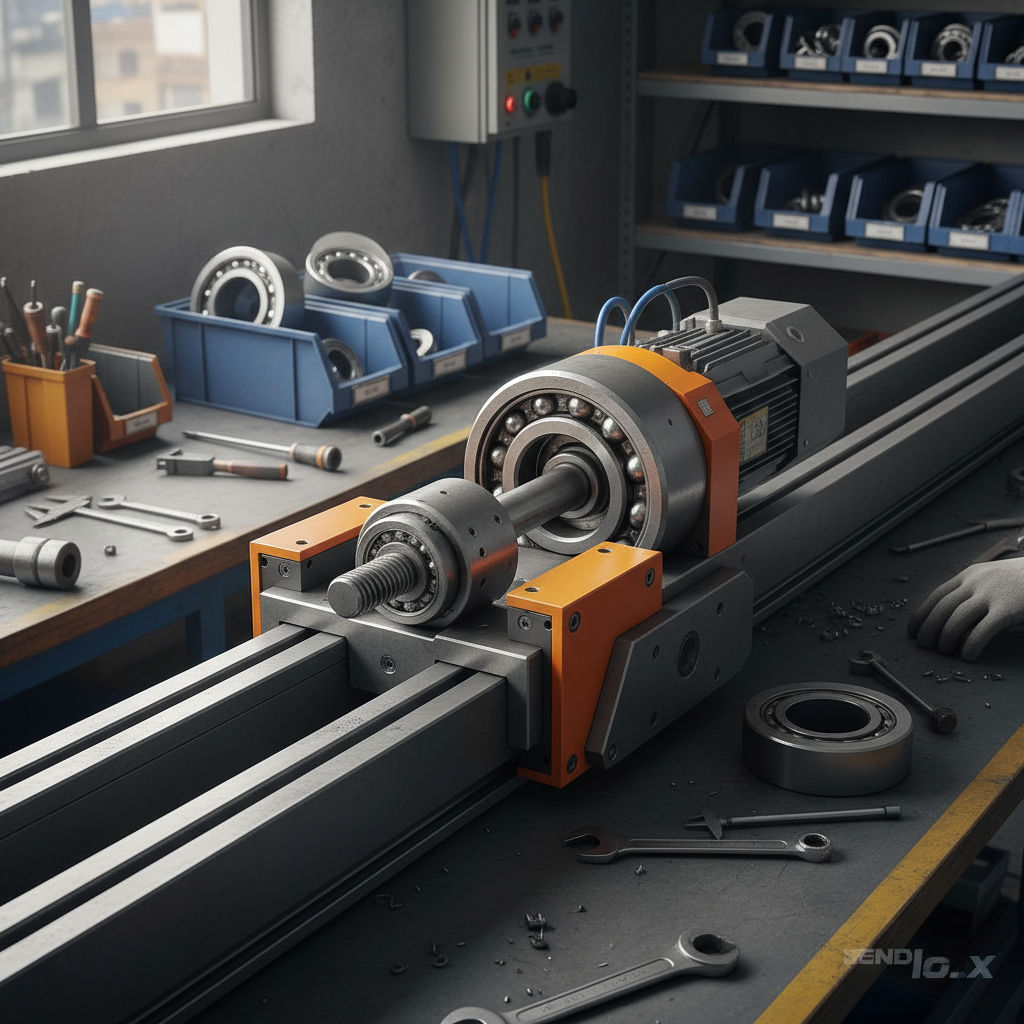
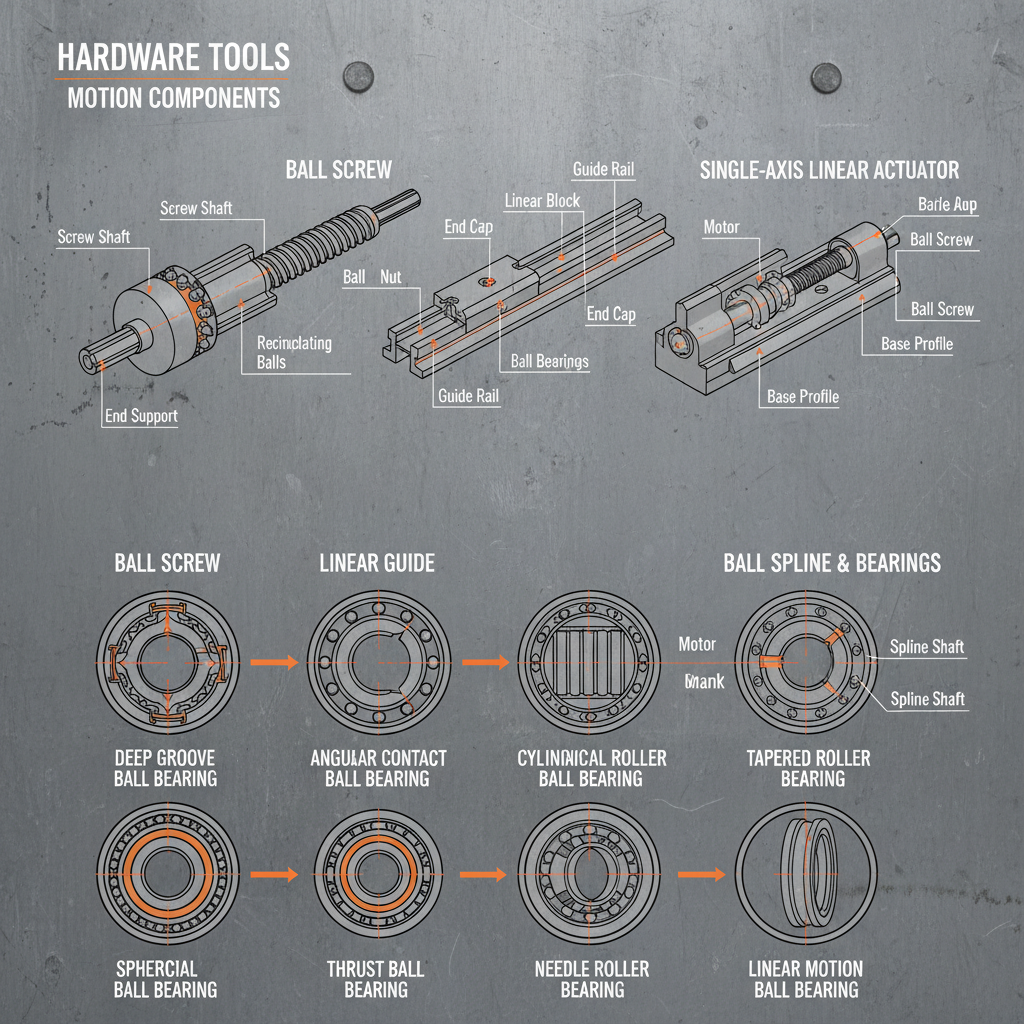
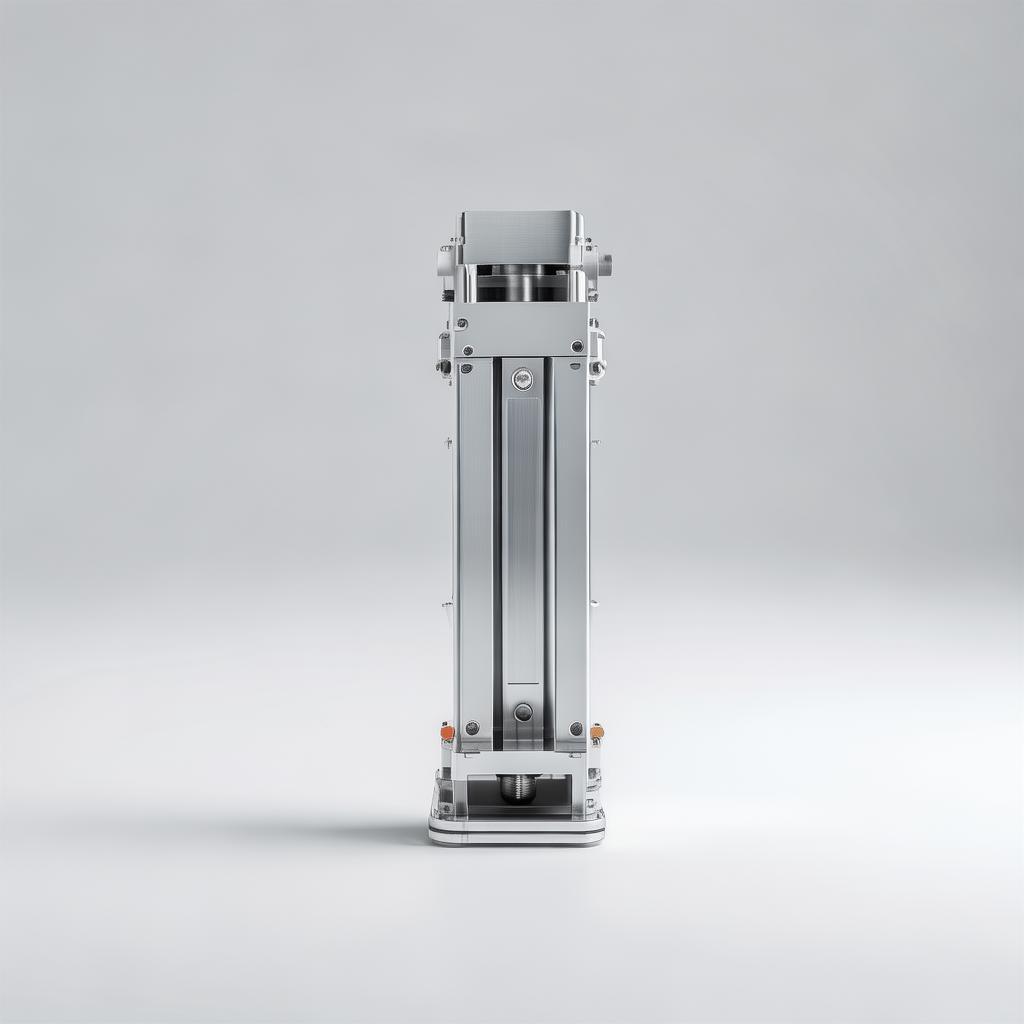
This isn't entry-level stuff. Our linear guides integrate ball recirculating blocks, often with four rows for max rigidity. Preload options: light, medium, heavy. You pick based on your duty cycle. We've got blocks from 15mm to 65mm widths, lengths cut to spec up to 6 meters.
Global supply chains being what they are, lead times matter. We stock popular sizes; customs clears in 7-10 days to LAX or JFK. Container loads optimize with nested packaging—up to 5km per 20ft. No minimums for samples.
Ready to evaluate? Request our aluminium linear rail catalog—includes CAD files and load charts.
Market Shifts Driving Aluminium Demand
Automation exploded post-2020. Cobots, AGVs, lightweight gantries— all screaming for reduced mass. Steel's density (7.8g/cm³) bites in battery-powered or portable rigs. Aluminium linear rails fit perfectly.
EU regs push energy efficiency; USA fabs chase uptime. Lighter rails mean less inertia, quicker stops. One trend: modular systems. Our rails slot into aluminum extrusions like 80/20 profiles—no welding needed.
Supply crunch hit steel prices up 25% last year. Aluminium stabilized. Importers recalculating TCO favor us.
What Sets Our Aluminium Linear Rails Apart
Extruded from 6061 or 6063 billet. CNC-ground raceways. No porosity issues like castings.
- Low Friction: Ball blocks with Gothic arch contact—friction coefficient under 0.003.
- Corrosion Tough: Type III anodizing, salt spray tested 1000hrs.
- Quiet Operation: Integrated dampers cut noise 10dB vs. bare steel.
- Thermal Stable: Expansion coeff 23µm/m-K; stable to 80°C.
Carriages self-align. Seals keep out swarf. End caps protect from edge impacts.
Technical Specifications Table
| Rail Width (mm) | Block Size | Dynamic Load (N) | Static Load (N) | Max Length (m) |
|---|---|---|---|---|
| 15 | 15-45 | 12,500 | 19,500 | 3.0 |
| 20 | 20-55 | 22,000 | 33,000 | 4.5 |
| 25 | 25-65 | 33,000 | 52,000 | 6.0 |
| 35 | 35-90 | 58,000 | 92,000 | 6.0 |
aluminum linear rail aluminium profile linear rail aluminium linear guide rail
Loads per block; derate for multi-axis. Full charts in catalog.
Where Aluminium Linear Rails Excel
CNC routers: Z-axis drops weight, boosts speed.
Robotics: Joint linkages stay agile.
Packaging: High-cycle sorters run cooler.
3D Printing: Bed movers silent and smooth.
Medtech: Cleanroom compatible, no rust worries.
Procurement Risks to Watch
Cheap imports bend under load. Verify hardness testing.
Ignore preload? Backlash kills accuracy.
Long rails warp if not supported every 1m.
Our advice: Sample first. Test on your rig.
Practical Installation Insights
Mount parallel within 0.03mm/300mm. Use torque wrench—overtighten strips anodizing.
Lube with NLGI 2 grease every 500km travel. Dust boots essential in shops.
Short tip: Shim blocks for even preload.
Maintenance That Keeps Them Running
Inspect seals quarterly. Clean with isopropyl, not solvents.
Expected life: 50,000km under moderate duty. Steel edges it out here, but weight savings pay off.
Shipping to USA and Beyond
FOB Tianjin. 20ft holds 4-6km rails. DDP options available.
Lead: 7-15 days stock; 25-35 custom. Track via our portal.
Phone our logistics team: +86 18134111662. Full contact page.
YIDI Motion Factory Strengths
100 staff, 30% senior techs. German/Japanese CNCs. ISO 9001 certified.
Exports to 50+ countries. Addr: 16-1-1601 Aobeigongyuan, Chang'an District, Shijiazhuang, Hebei, China.
CE, RoHS compliant. See factory/1.png for line shots (catalog).
OEM/ODM Tailored to Your Needs
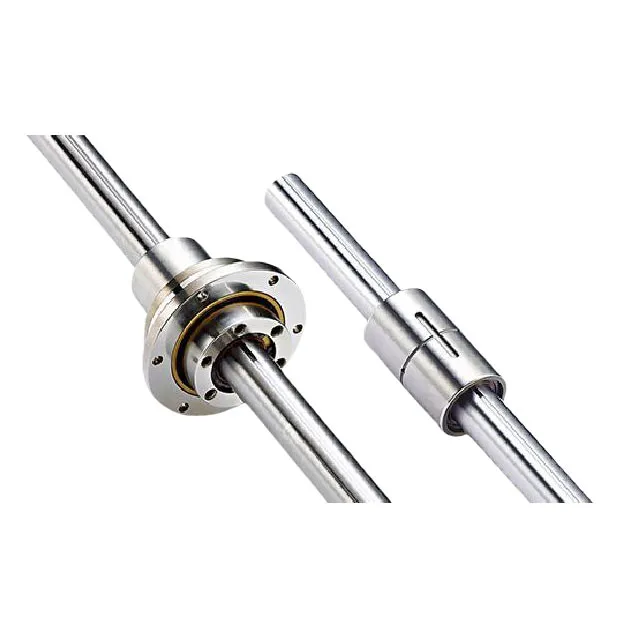
Logo engraving. Custom lengths/blocks. Integrate with your ball screws.
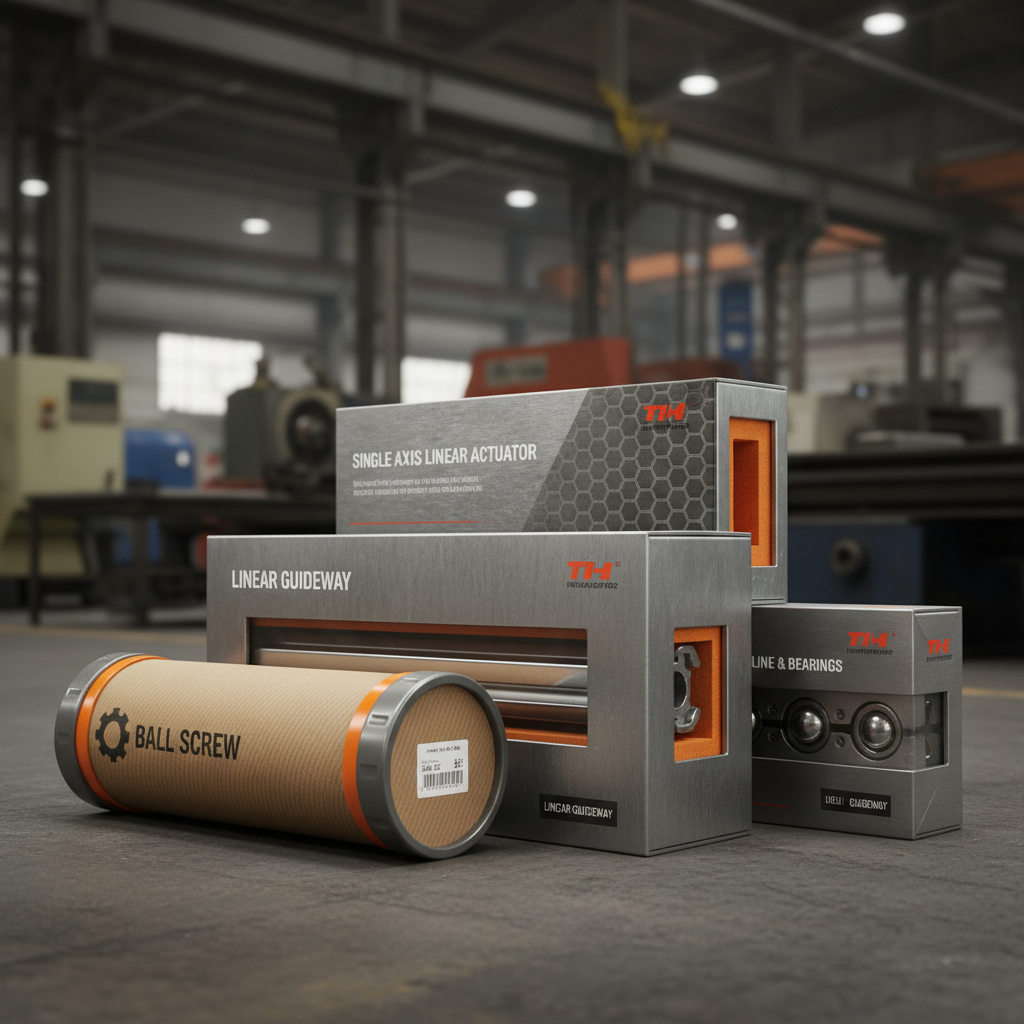
One-stop linear motion: rails + actuators + splines.
Feedback from Real Buyers
Mike R., Procurement Mgr, Ohio USA: "Swapped steel for YIDI aluminium rails on our gantry. Install took half the time. No complaints after 6 months. Good value."
Anna K., Engineer, Toronto Canada: "25mm series perfect for cobot base. Light enough for battery ops. Fast ship—arrived in 12 days."
John D., Ops Director, Texas: "OEM run for packaging line. Held spec under 24/7 load. Will reorder."
Carlos M., Importer Mexico: "Competitive vs THK. Seals held in humid shop. Recommended."
Buyer FAQs
Q: Aluminium vs steel—which for my 10kg payload?
A: Aluminium fine if speed > load. Calc moment loads first.
Q: Min order?
A: Samples ok. Full container discounts.
Q: CAD available?
A: STEP/IGES on request.
Q: Warranty?
A: 12 months; lifetime consults.
Get Started Today
Request free samples, factory pricing, or engineer chat.
+86 18134111662 | adam@yidimotion.com
About the Author: Adam Li, Export Director at YIDI Motion. 15+ years in linear motion exports. author/1.png
HEBEI YIDI IMPORT AND EXPORT TRADING CO.,LTD. | Established 2020 | Shijiazhuang, China