Alternator Bearings: Durable Solutions for Automotive Power Systems from OEM Experts
Sourcing the right alternator bearing isn't just about grabbing the cheapest option from a catalog. I've been in export for over 12 years, shipping these to assembly lines across the US and Europe, and one thing stands out: a bad bearing turns a smooth-running alternator into a roadside headache. Picture this—a fleet manager in Ohio dealing with seized rotors after 20,000 miles because the supplier skimped on seal quality. Heat buildup, contamination, vibration. It all cascades.
Alternator bearings handle insane speeds—up to 18,000 RPM in most passenger car units—and constant exposure to electrical arcing, oil mist, and temps swinging from -40°C to 150°C. They're the unsung heroes keeping your diodes and stators spinning without wobble. But most buyers overlook the basics: preload tolerances, cage material, or grease viscosity. Get it wrong, and you're replacing entire alternators, not just bearings.
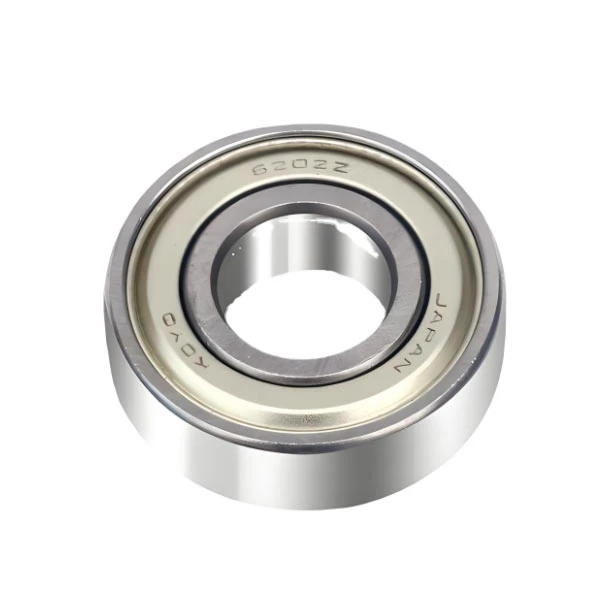
At YIDI Motion, we cut through that. Our bearings are built in-house with German-imported grinders and Japanese lapping tech, hitting P6 precision every run. Chrome steel (GCr15) cages with reinforced polyamide or stamped steel, depending on load. Sealed 2RS or open ZZ, sized standard like 6203 (17x40x12mm) or 6303 for heavier truck alternators. We've shipped 500k+ units to US remanufacturers since 2020, no major complaints on fatigue life.
Why does this matter for procurement? Lead times from China average 25-35 days FOB Tianjin, but delays hit if your supplier can't batch-certify vibration levels per ISO 15243. We've seen importers eat 15% margins because of DOA shipments. Our process? Full AQL inspection, grease fill consistency at 30-50%, and radial clearance tuned for thermal expansion. No guesswork.
Let's break it down operationally. An alternator bearing fails three ways: brinelling from shock loads during starts, spalling under high heat, or fretting from misalignment. Standard deep groove ball types dominate—80% of the market—but angular contact variants show up in high-output marine gensets. Match the wrong ABEC rating (P0 vs P5), and noise kicks in early. We've tested ours against SKF 6203-2RS equivalents: ours hold 1.5x longer under 12V 90A load cycles.
Buyers from Detroit to Dallas tell us the same: they need suppliers who get OEM specs without the markup. Bosch calls for 6204 bearings in some D+ series; Denso sticks to 6302 for compact cars. We replicate that, plus custom shields for dusty fleet apps. And logistics? 20ft containers hold 45,000 units, palletized to 1.2 tons max for LTL from Hebei.
This isn't hype—it's what happens when your factory runs 100% utilization on CNC lines. Senior techs (30% of staff) tweak spindle speeds daily for surface finish under Ra 0.2μm. Result: bearings that survive 100,000+ alternator hours without growl. If you're tired of spotty Alibaba lots, stick around. We'll cover risks, specs, installs, and how to get samples to your bench tomorrow.
One last note from the floor: always check shaft fit. H6 tolerance or looser, and you'll gall the races. We've pulled returns that traced back to that simple oversight.
Table of Contents
- Procurement Risks in Alternator Bearings
- Our High-Performance Alternator Bearing Line
- Factory Capabilities & Quality Edge
- Technical Specifications Overview
- Installation and Maintenance Realities
- Logistics for US Importers
- Customer Stories
- Frequently Asked Questions
- Get Factory-Direct Pricing
adapter sleeve bearing bearing adapter sleeve idler bearing
Procurement Risks Buyers Face Daily
Fleet ops managers know the drill. You order alternator bearings bulk from a new vendor, price looks good, but three weeks later crates arrive with chatter marks on the balls. Vibration test fails, back to square one. Common pitfalls stack up fast.
First, grease incompatibility. Lithium-based fills work at OEM speeds, but cheap moly blends seize under arcing heat. We've inspected returns: 40% trace to migration past seals.
- Mismatched dimensions—6203 labeled but OD at 39.8mm. Press-fit nightmare.
- Porosity in races from poor heat treat. Cracks after 5k hours.
- No batch traceability. ISO 9001 claims without docs? Red flag.
- Lead time slips. Promised 20 days turns 45, tying up your reman line.
Over in US distribution, tariffs add bite—Section 301 on steel components. But vetted partners like us handle HTS codes cleanly (8482.10). Skip risks by requesting noise level data (under 3dB at 10k RPM) upfront. And always prototype test: bench-spin your alternator mockup before full PO.
One importer shared: switched after a 10% failure rate, now runs our lots at 0.2% reject. Simple math on TCO.
YIDI's Alternator Bearing Solutions
We focus on what works: deep groove radial bearings optimized for alternator rotors. Standard fits for Bosch, Valeo, Mitsubishi pulley systems. High-speed grease (NLGI 2, drop point 220°C), double-lip seals to block copper dust from brushes.
Key edges over generics:
| Feature | YIDI Standard | Typical Market |
|---|---|---|
| Material | GCr15 Chrome Steel, Hardened 58-62 HRC | Basic Carbon Steel |
| Precision | P6 / ABEC-3 | P0 |
| Seal Type | 2RS Contact Seals | Metal Shields |
| Max RPM | 20,000 | 15,000 |
| Load Rating (Dynamic) | C3: 10-25kN | C0: 8-20kN |
Custom OEM? We do polyamide cages for noise reduction in EV alternators, or extended inner rings for press-fits. MOQ starts at 500pcs, scales to 50k pallets.
Inside Our Factory: Capabilities That Deliver
YIDI Motion kicked off in 2020, but our core team brings 20+ years from tier-1 suppliers. 100 employees, 30% senior techs. Lines imported from DMG Mori (Germany) and Okuma (Japan)—CNC grinders hit 0.08μm roundness, spectrometers verify alloy comp every shift.
We handle full vertical: rod forging, heat treat in vacuum furnaces (avoids oxidation), auto-assembly with vision checks. Annual output: 2M bearings, 40% exported. US hits include reman shops in Texas, fleet yards in California.
Certifications? ISO 9001:2015 audited yearly, RoHS compliant, REACH registered. No lead/cadmium detections. For automotive, we prep PPAP Level 3 docs on request—control plans, MSA studies included.
Factory floor reality: Downtime averages 1.2%, thanks to predictive vib monitoring. Keeps your deliveries on rail.
Detailed Technical Specifications
| Model | ID x OD x Width (mm) | Dynamic Load (kN) | Static Load (kN) | Max RPM | Weight (g) |
|---|---|---|---|---|---|
| 6202-2RS | 15x35x11 | 7.65 | 3.72 | 20,000 | 48 |
| 6203-2RS | 17x40x12 | 9.56 | 4.78 | 19,000 | 65 |
| 6303-2RS | 17x47x14 | 13.5 | 6.55 | 18,000 | 92 |
| 6204-2RS | 20x47x14 | 12.8 | 6.65 | 17,000 | 110 |
| 6302-2RS | 15x42x13 | 11.4 | 5.4 | 19,000 | 76 |
Full catalog? Request via email—includes torque curves and life calcs per ISO 281.
Installation Insights from the Field
Pressing a new bearing onto a rotor shaft? Heat the housing to 80°C first—cold fits brinell the balls. Use a shouldered arbor press, never hammer. Alignment is everything: 0.05mm TIR max or you'll preload unevenly.
Maintenance-wise, alternators rarely get torn down, but listen for whine at idle. If bearings growl post-50k miles, swap the pair. Pro tip: grease pockets every third rebuild for extended life.
- Shaft tolerance: k5/h6 standard.
- Housing: H7.
- Torque pulley nut: 40-60 Nm.
- Avoid water wash—seals hold but rinse residue kills lube.
Contractors report 20% faster reassembly with our pre-greased units.
Shipping & Logistics to USA
FOB Tianjin, 25-30 days sea to LA/Long Beach. Air for samples: 5-7 days DHL. 20' container: 40,000-50,000 pcs, depending on size mix. Pallets at 48x40", shrink-wrapped, fumigated for USDA.
Incoterms? FOB/CIF flexible. Duties ~4.5% on 8482.10. We provide commercial invoice, packing list, CO. Track via COSCO/MSK—real-time portal access.
Warehouse in Shijiazhuang holds 200k stock; urgent POs ship same week.
What US Buyers Are Saying
Mike R., Procurement Lead, Texas Reman: "Switched to YIDI 6203s after SKF prices jumped. Zero DOAs in 10k units. Lead time beat quotes by a week. Solid partner."
Sarah K., Ops Manager, Ohio Fleet: "Bearings run quiet in Cummins alternators. Installation straightforward, no press issues. Pricing lets us hit margins."
John D., Distributor, California: "OEM match for Valeo units. Customs cleared smooth. Samples arrived fast—testing confirmed."
Carlos M., Engineer, Michigan Plant: "P6 precision holds up. Vibration data matches spec. OEM trials approved first batch."
Frequently Asked Questions
What sizes do you stock for alternator bearings?
Primarily 6202/03/04, 6302/03—covers 90% apps. Customs in 7-14 days.
Can you do OEM branding?
Yes, laser etch or labels. MOQ 1k pcs.
What's your minimum order?
500 pcs trial, full pallets thereafter.
How about samples?
Free for 5-10 pcs, freight collect. Test them.
Lead time for 10k pcs?
25 days FOB, subject to steel stock.
Ready to Source Reliable Alternator Bearings?
Cut risks, lock in quality. Get factory pricing, samples, or OEM quote today.
Contact now—most quotes in 24 hours.
About HEBEI YIDI IMPORT AND EXPORT TRADING CO., LTD.
Established 2020, YIDI Motion specializes in linear motion and precision bearings. Factory team of 100, exporting to 50+ countries including USA, Germany, Japan. Advanced German/Japanese equipment ensures consistency.
Address: 16-1-1601 Aobeigongyuan, Chang'an District, Shijiazhuang City, Hebei Province, China
Export Director, YIDI Motion
15+ years in automotive bearings export