Actuator Controller Solutions for Industrial Automation – OEM from YIDI Motion
Actuator Controller | OEM Linear Actuator Controllers | YIDI Motion Factory Direct
Meta Description: Reliable actuator controllers for electric linear actuators. Factory-direct OEM/ODM from China with CE/ISO certs. Modbus/PLC compatible. Fast lead times to USA/EU. Request specs now.
Why Actuator Controllers Matter in Your Next Automation Project
Sourcing the right actuator controller isn't just about plugging in a box that sends signals. I've been in export sales for linear motion components for over a decade, and I see purchasing managers chase specs like voltage tolerance or PID tuning, but miss the real headaches: integration failures on the shop floor or controllers that crap out under continuous duty cycles.
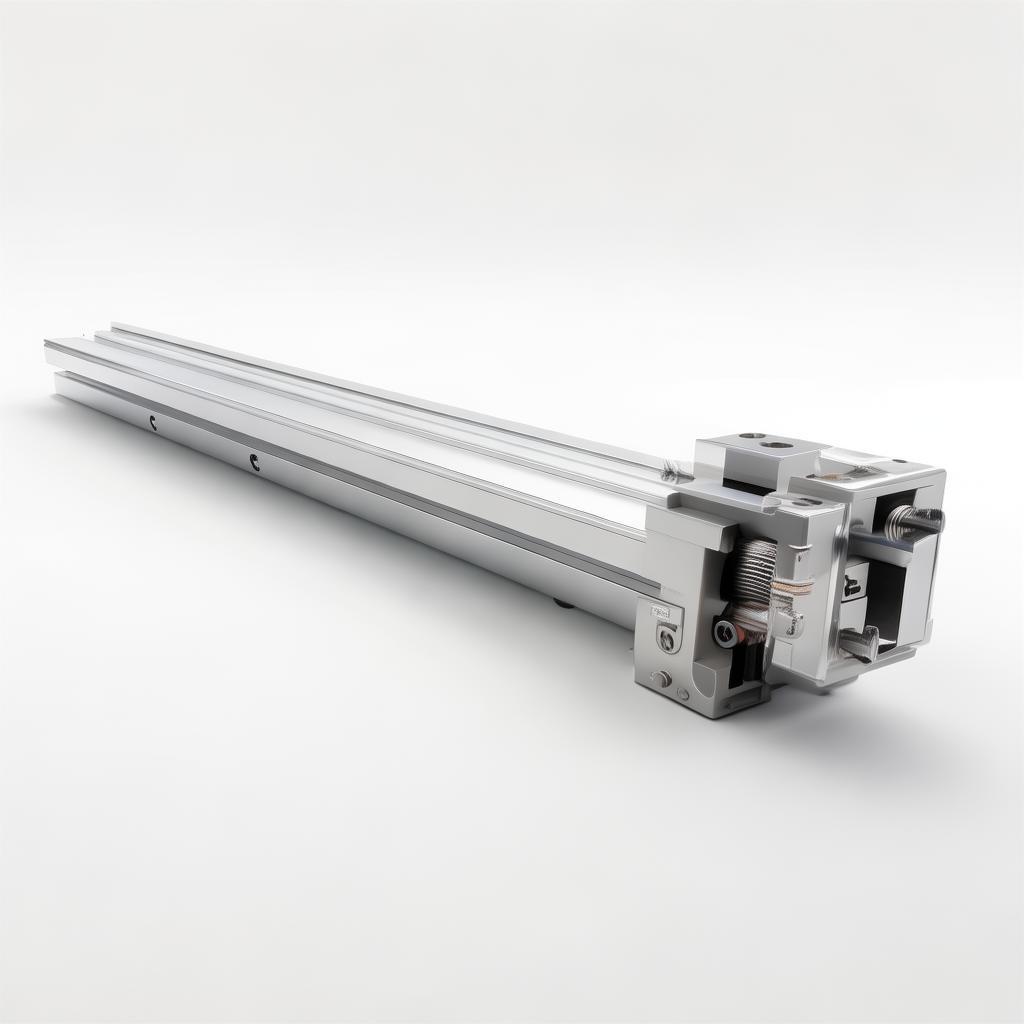
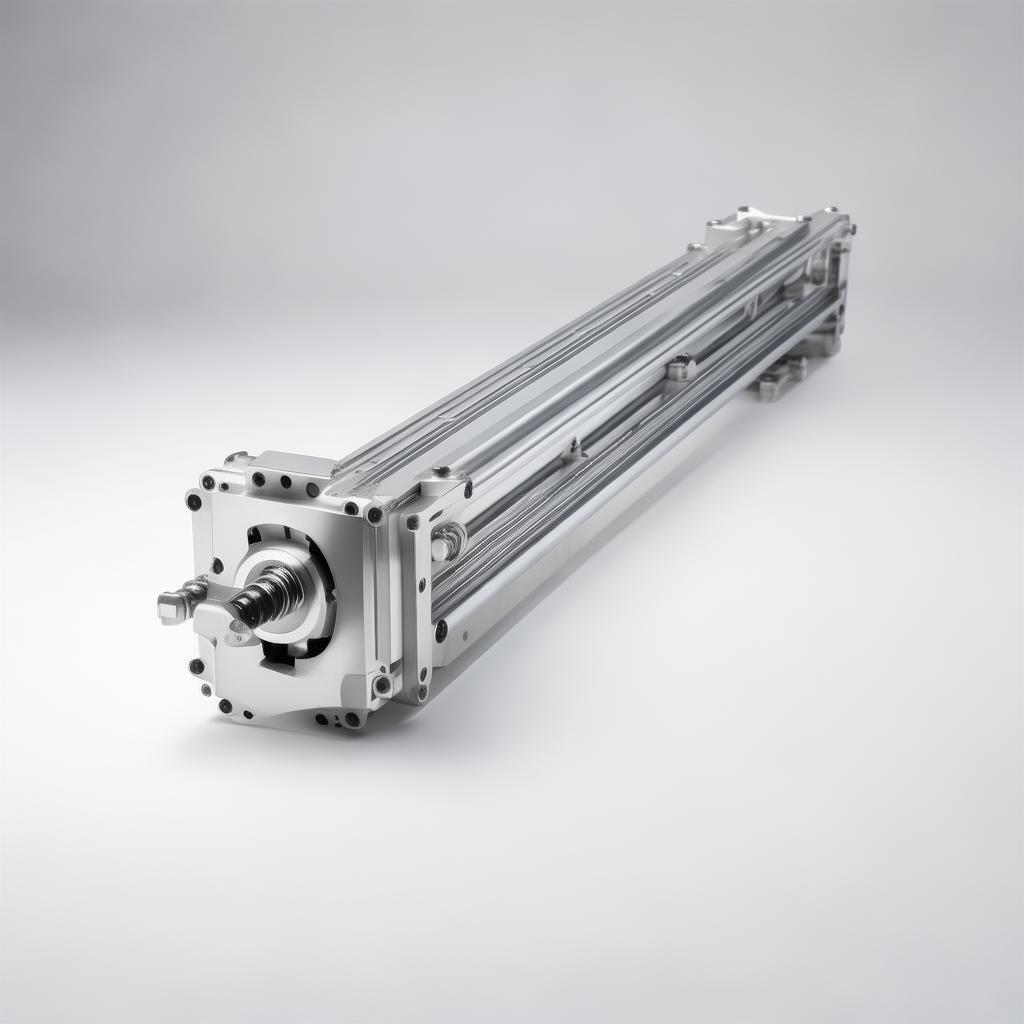
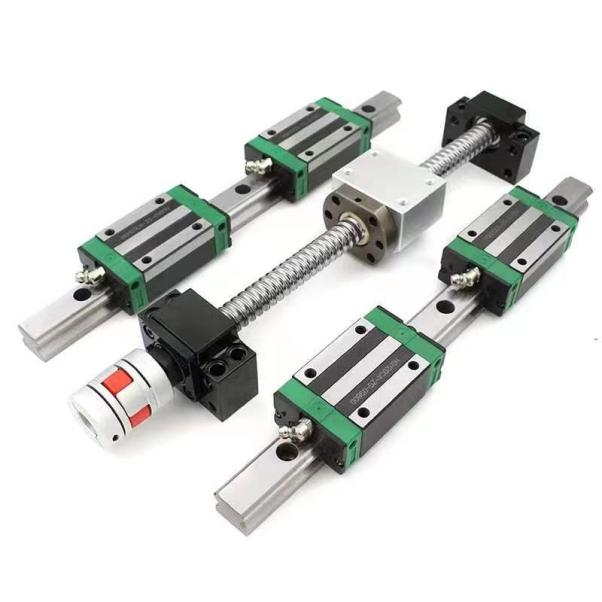
Take a typical scenario. You're retrofitting a conveyor system or building a pick-and-place robot arm. Your linear actuators – maybe ball screw driven ones like our single-axis models – need precise position feedback and speed control. A cheap controller from an unknown vendor? It drifts after 500 cycles, throws error codes during Modbus polling, or simply overheats in a dusty warehouse. Suddenly, your downtime costs spike, and procurement's explaining to ops why the line's stopped.
That's where controllers like ours at YIDI Motion come in. We're not some reseller slapping labels on generic boards. Our factory in Hebei produces controllers tuned specifically for electric linear actuators, with native support for stepper, servo, or DC motor drives. We've shipped these to integrators in Germany and the US who run 24/7 packaging lines. They handle 24-48V inputs, analog feedback loops, and limit switch overrides without flinching.
But let's back up. What exactly defines a solid actuator controller? It's the brain dictating stroke length, velocity profiles, and homing sequences for your actuator. Ours integrate seamlessly with PLCs via RS485 or CANopen protocols – no custom coding nightmares. And since we're OEM/ODM specialists, we tweak firmware for your exact application, whether it's a medical dosing pump or an AGV lift mechanism.
Procurement teams tell me they worry about lead times. With global supply chains wobbly, we stock common configs and hit 2-4 week turns for customs. Container loads to Long Beach or Rotterdam? Optimized at 20ft equivalents, palletized for forklift unload. No surprises there.
Industry shifts play in too. Automation's booming – think Industry 4.0 upgrades where actuators replace pneumatics for energy savings. Controllers must now support IoT endpoints for predictive maintenance. Our units log stroke counts and temp data, pushing alerts via Ethernet/IP. Integrators in Canada report cutting troubleshooting time because faults self-report instead of guesswork.
I've walked factory floors where mismatched controllers caused vibration issues, wearing out ball screws prematurely. A good one dampens that with adaptive acceleration ramps. Ours do. And for US buyers, UL listings are on the roadmap alongside our CE and ISO 9001 badges.
This isn't hype. It's from dealing with repeat orders from folks who've burned on Alibaba specials. They stick with us for the reliability – and the engineering calls where our techs dial in parameters over Zoom before shipment.
Stick around. I'll break down risks you're probably facing, how our controllers solve them, factory details, specs, and what buyers say. If you're specs-shopping, grab our datasheet at the end.
Table of Contents
Common Procurement Risks When Buying Actuator Controllers
I've audited supplier lists for clients, and actuator controllers top the regret chart. First off, compatibility traps. You order a controller rated for 10A peak, but your actuator's inrush hits 15A on startup. Boom – fried MOSFETs in week one.
Then protocol mismatches. Your Siemens PLC expects Modbus RTU at 9600 baud, but the controller ships with proprietary junk. Weeks lost rewiring or swapping gear.
Supply chain flakes are brutal. Post-COVID, some factories quote 10 days, deliver in 90. Or quality dips: boards with cold solder joints failing humidity tests. US importers face CBP holds if RoHS docs are sketchy.
Don't get me started on firmware rigidity. Off-the-shelf units won't let you adjust deadband for low-friction ball screw actuators, leading to hunting and wear.
Overlooked: environmental specs. IP65 claims that wash off in a washdown setup. Or no overheat protection, cooking internals in enclosed cabinets.
Budget pitfalls too. Lowball quotes ignore lifecycle – cheap ones need replacing yearly, while ours run 50,000+ hours. ROI math flips fast.
- Verify encoder feedback support – incremental or absolute?
- Check duty cycle ratings for your cycle times.
- Ask for thermal imaging reports on prototypes.
Skip these, and you're back quoting alternatives. Seen it too often.
How Our Actuator Controllers Tackle These Head-On
Our controllers are built around real-world actuator pairings – think our own linear modules with NEMA 17-34 steppers or brushless servos. Core is a 32-bit ARM MCU handling multi-axis sync if needed, with opto-isolated inputs for safety interlocks.
Customization's baked in. OEM run? We flash firmware for your stroke limits, homing speeds, or even soft-start curves to cut mechanical stress. ODM? Full board spin with your logo, CAN bus for AGVs, or EtherCAT for high-speed lines.
Power side: Universal 12-48VDC input, regen clamping for dynamic braking. Feedback loops use Hall sensors or encoders up to 5000PPR, closing position errors to 0.1mm.
Practical edge: Built-in diagnostics. LED codes for faults, serial debug port, and optional web server for tuning via LAN. Integrators love skipping laptops for phone checks.
Compared to generics, ours cut wiring – DB15 connectors for everything: power, motor, limits, analog out. DIN rail mountable, too, for panel bliss.
Quick Win: Pair with our ball spline actuators, and you get plug-and-play torque transmission without backlash headaches.
Behind the Scenes: YIDI Motion Factory Capabilities
HEBEI YIDI IMPORT AND EXPORT TRADING CO., LTD. – that's us, founded 2020 in Shijiazhuang. 100 staff, 30% senior techs. We don't outsource; vertical integration from CNC grinding ball screws to controller assembly.
Equipment? German Hermle 5-axis mills, Japanese Fanuc robots for pick-test-pack. Burn-in chambers simulate 85C/85%RH for 168 hours. Yield? Over 98% on controllers.
Exports to 50+ countries: USA, Germany, Japan. Certifications: ISO 9001:2015, CE for EU, RoHS compliant. Working on UL 508A for North America.
Team handles OEM for brands – custom enclosures in aluminum or plastic, laser-etched serials. Logistics: FCL to major ports, DDP options for EU via rail.
Contact Adam at +86 18134111662 or adam@yidimotion.com. Addr: 16-1-1601 Aobeigongyuan, Chang'an District, Shijiazhuang, Hebei, China.
Detailed Technical Specifications
| Parameter | Specification |
|---|---|
| Input Voltage | 12-48VDC (±10%) |
| Output Current | Continuous 5A / Peak 10A |
| Control Modes | Position, Velocity, Current (PID tunable) |
| Communication | RS485 Modbus RTU, CANopen, Optional Ethernet/IP |
| Feedback | Incremental Encoder (up to 5000PPR), Hall Sensors |
| I/O | 8x Digital In/Out, 2x Analog In (0-10V), 1x Analog Out |
| Protection | IP65, Overcurrent, Overtemp, Short Circuit, EMC per EN61000 |
| Operating Temp | -10°C to +60°C |
| Dimensions | 120x80x40mm (DIN mount) |
| Weight | 0.45kg |
control actuator linear actuator controller actuator control module
Custom specs available – e.g., higher current for heavy-duty actuators.
Real-World Applications for Our Controllers
Automated gates. Pair with rod-style actuators for precise open/close, soft-stop to avoid slams.
XYZ gantries. Sync multiple axes via master-slave mode for PCB assembly.
Medical equipment. Low-noise operation, sterile enclosures for lab automation.
AGVs. CAN bus daisy-chain for fleet control in warehouses.
Solar trackers. Weatherproof, dual-axis tilt with wind stow functions.
Contractors note: Scales from prototypes to 1000-unit runs without retooling.
Installation Insights & Maintenance Realities
Mount on DIN rail, 50mm clearance for heatsink. Wire per diagram: shielded twisted pair for comms to dodge noise.
Initial setup: Baud match your PLC, set actuator stroke via dip switches or software. Homing takes under 10s.
Troubleshoot: Blink codes mean limit fault usually – check wiring first. Firmware update via USB in 2 mins.
Maintenance? Dust off vents yearly. Lifespan hits 5+ years if under 50% duty. Replace caps every 3 years in hot spots.
Warning: Undersized cabling causes voltage drop – use 14AWG min.
Feedback from Procurement Pros
Mark T., Ops Manager, Texas Automation Inc. (USA): "Swapped generic controllers for YIDI's on our linear slides. Modbus integration was seamless, no more position jitter. Lead time beat quotes by 2 weeks. Solid for high-volume."
Luca R., Engineer, Munich Robotics GmbH (Germany): "OEM batch for our pickers. PID tuning docs were spot-on, cut setup from days to hours. CE certs held up to TUV audit. Recommend for Euro compliance."
Sarah K., Supply Chain, Toronto Fabricators (Canada): "Handled our DC actuator upgrades. CANopen worked flawlessly with Allen-Bradley PLCs. Shipping pallet intact, duties straightforward."
John P., Project Lead, Sydney Manufacturing (Australia): "Custom firmware for velocity ramps saved actuator wear. Support team iterated twice pre-ship. Price beat local distributors."
Frequently Asked Questions from Buyers
Q: Minimum order for OEM actuator controllers?
A: 50 units for customs, 1 for stock models. Samples available at cost + ship.
Q: Compatible with my stepper actuator?
A: Yes, microstep up to 1/256. Send model, we'll confirm drive currents.
Q: Lead times to USA?
A: 15-25 days air, 30-45 sea. Express DHL for prototypes.
Q: Warranty?
A: 18 months, covers DOA and defects. Extended for volume.
Q: PLC brands supported?
A: Siemens, Allen-Bradley, Mitsubishi, Omron – Modbus standard.
Q: Can you handle high-temp apps?
A: Base to 60C; custom to 80C with conformal coat.
Ready to Spec Your Actuator Controller?
Talk engineering, request factory pricing, or OEM quote. No obligations.
- Call: +86 18134111662
- Email: adam@yidimotion.com
- Request: Free Sample or Full Specs
HEBEI YIDI – Your Linear Motion Partner Since 2020.
Written by Adam Li, Export Director, YIDI Motion.