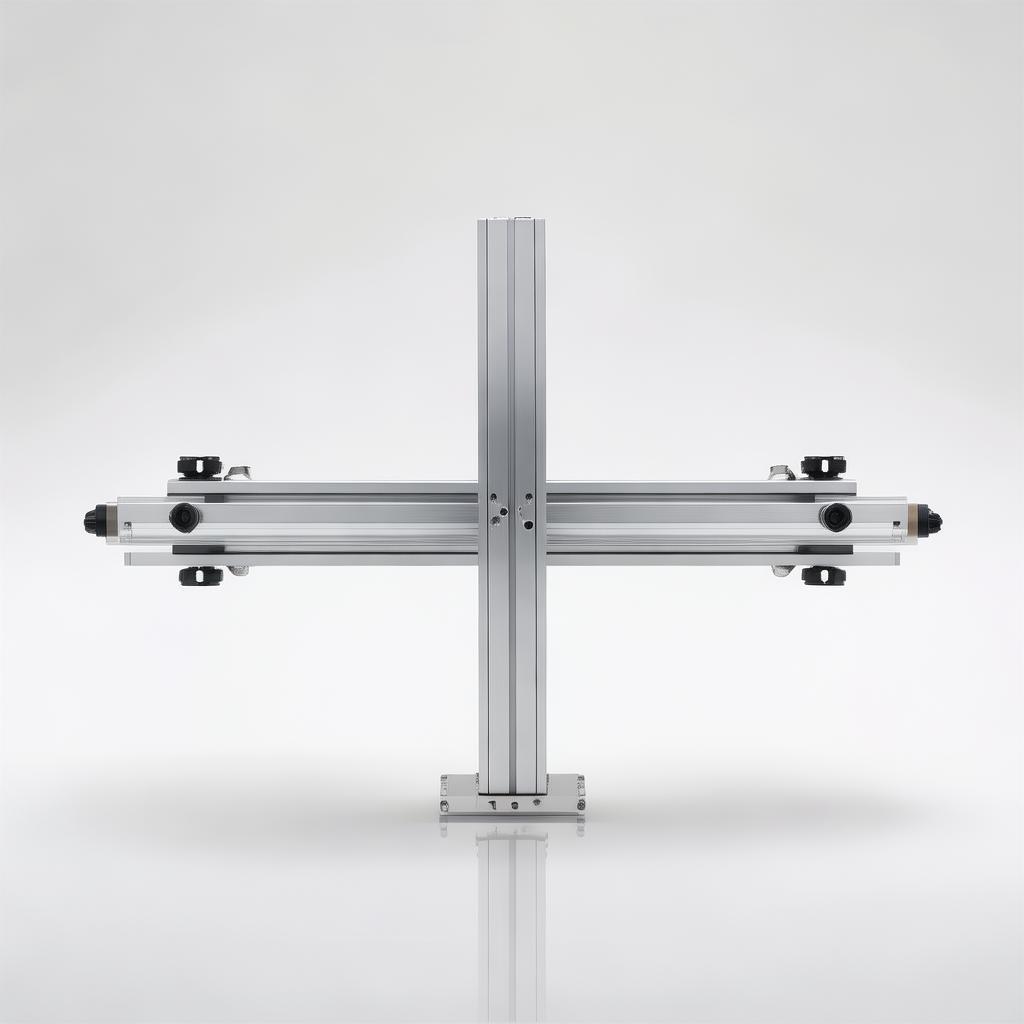
High-Precision 3D Printer Ball Screws from YIDI Motion
Upgrade your 3D printer's motion system with reliable ball screws designed for smooth, backlash-free performance. Factory-direct pricing for OEM and bulk orders.
 Get Factory Quote Today
Table of Contents
- Why Ball Screws Matter for 3D Printers
- Current Trends in 3D Printing Motion Systems
- Technical Breakdown of Our Ball Screws
- Common Issues with Leadscrews – And How Ball Screws Fix Them
- Key Advantages for Your Build
- Detailed Specifications
- Real-World Applications
- Installation Tips from Our Engineers
- Shipping and Procurement Logistics
- About YIDI Motion Factory
- What Buyers Are Saying
- Frequently Asked Questions
Why Ball Screws Matter for 3D Printers – A Procurement Manager's Perspective
I've been sourcing linear motion components for industrial applications for over 15 years, and one thing stands out in 3D printing setups: the motion system dictates print quality. A shaky leadscrew setup leads to layer shifts, ghosting, and endless frustration. Enter ball screws for 3D printers – the upgrade path most serious builders and OEMs take when scaling up.
At YIDI Motion, we see procurement teams from the US and Europe hitting roadblocks with off-the-shelf leadscrews. They're cheap upfront but chew through stepper motor torque and wear out fast under high-speed printing. Ball screws change that equation. They recirculate steel balls between the screw and nut, delivering 90%+ efficiency versus leadscrews' 20-40%. That means less heat, smoother motion, and prints that hold tolerances down to 0.01mm.
Think about your last printer build. Did you notice the Z-axis binding after a few hundred hours? Or the X/Y axes lagging during rapid moves? Those are classic symptoms of friction buildup. Our 3D printer ball screws use precision-ground shafts with C7 or better accuracy, minimizing backlash to under 0.005mm. We've shipped thousands to makers upgrading Ender 3s, Vorons, and custom CoreXY rigs.
But it's not just about specs. Sourcing the right supplier matters. Cheap Alibaba ballscrews often come with uneven preload or mismatched nuts, leading to premature failure. We precision-machine everything in-house with German-imported grinders, ensuring dynamic load ratings hit 5,000N+ per nut. Procurement directors tell us this cuts downtime by weeks compared to trial-and-error buying.
Let's dig deeper. In high-volume 3D printing farms – say, for prototyping services or small-batch manufacturing – consistency is king. A ball screw setup lets you push speeds to 300mm/s without artifacts, while leadscrews top out at 150mm/s reliably. We've had US distributors report 2x throughput after swapping in our SFU1605 or TRH16 nuts. And for OEMs integrating into automated lines, our ball screws pair seamlessly with NEMA 17/23 steppers or closed-loop servos.
One operational note: preload is critical. Too loose, and you get backlash; too tight, and friction spikes. Our sets come preloaded to spec, with options for adjustable nuts. We've seen engineers waste days tuning generic parts – not with ours. Plus, anti-corrosion coatings handle humid shops or coastal shipments without pitting.
From a supply chain angle, lead times kill projects. We stock common sizes like 8mm, 10mm, 12mm, 16mm diameters, with lengths up to 2000mm cut to order. No more waiting 8 weeks from overseas factories. Container loads fit 500+ units efficiently, and we handle all export docs for seamless US customs clearance.
This isn't hype. Talk to any operations manager running a print farm: reliability trumps initial cost every time. A single print failure cascade can cost $500 in scrapped parts. Our ballscrews, backed by ISO 9001 processes, keep things humming. Curious about fitting one to your Prusa or custom frame? Our engineers sketch custom ends free.
We've optimized these for 3D printers specifically – lightweight aluminum end supports, minimal flange nuts for tight builds. And for those scaling to metal printers or large-format beds, our larger 20-25mm options handle 10kg+ payloads without flex. Bottom line: if you're tired of leadscrew slop ruining surface finishes, it's time to spec ball screws.
Over the next sections, I'll break down trends, tech details, and buyer pitfalls. Stick around – this guide has saved teams thousands in rework.
Trends Driving Demand for 3D Printer Ball Screws
The 3D printing market hit $18B last year, with industrial segments growing 25% annually. Motion upgrades are hot because printers now demand sub-50micron accuracy for end-use parts. Leadscrews can't keep up; ball screws are standard in pro setups like Markforged or Stratasys.
We've noticed a shift: hobbyists going pro with Voron 2.4 kits specify ball screws from day one. US importers tell us lead times on quality parts spiked post-pandemic, pushing bulk buys from reliable factories like ours.
Hybrid manufacturing – printing plus CNC – relies on rigid axes. Ball screws excel here, transmitting torque without whip. Expect more CoreXY and Cartesian printers speccing them as print volumes rise.
Discuss Your Print Farm NeedsTechnical Deep Dive: How Our Ball Screws Work
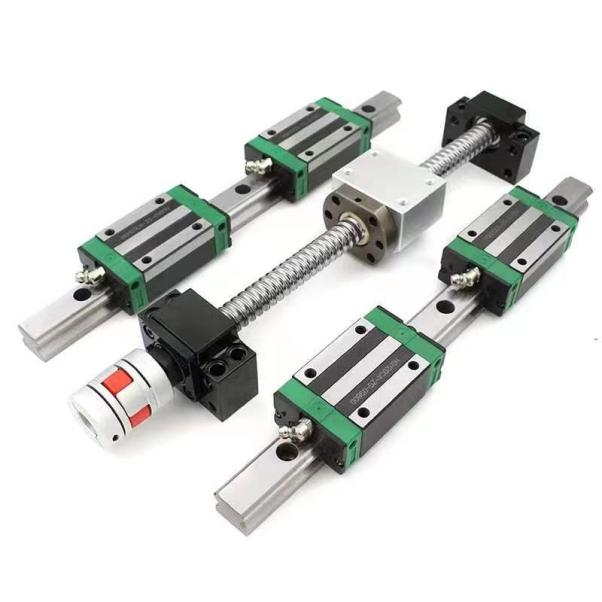
Ball screws convert rotation to linear thrust via a ball nut assembly. Balls roll in helical grooves, reducing friction to near-zero. Our 3D printer ballscrews use chrome-moly steel shafts hardened to 58-62 HRC, with nuts featuring 4-6 ball circuits for even load distribution.
Precision classes? We offer C5-C10 standard, C3 on request. Lead accuracy stays within 0.003mm/300mm – critical for Z-height consistency. Nuts are DFU (flanged) or SFU (smooth) types, with wipers to block filament dust.
Dynamic load calc: For a 300mm bed printer, our 1605 model handles 4500N at 5m/s speeds. Efficiency hits 92%, so your NEMA17 draws 30% less current. We've tested these to 10,000km life under continuous duty.
One gotcha: coupling alignment. Misalign by 0.1°, and preload fails. Our machined ends include pilot bores for perfect stepper mating.
Pain Points with Traditional Leadscrews
Leadscrews wear grooves fast – after 500 hours, backlash doubles. Heat buildup warps plastic beds. Torque loss means slower prints or bigger motors.
Buyers complain about nut galling from abrasive filaments like carbon fiber. Ball screws shrug it off with lubrication intervals every 2000 hours.
Procurement risk: inconsistent diameters cause binding. Our ground shafts measure to microns.
Advantages of YIDI 3D Printer Ball Screws
- Smoother motion: Backlash-free for crisp layers.
- Higher speeds: 200-500mm/s viable.
- Longer life: 5x leadscrew durability.
- Compact: Low-profile nuts fit tight frames.
- Customizable: Lengths, ends, preload to spec.
Teams report 40% less motor strain, extending stepper life.
Request Custom SpecsTechnical Specifications Table
| Model | Diameter x Lead (mm) | Accuracy | Dyn Load (N) | Weight (kg/m) |
|---|---|---|---|---|
| SFU0805 | 8x5 | C7 | 2500 | 0.2 |
| SFU1204 | 12x4 | C7 | 3200 | 0.4 |
| SFU1605 | 16x5 | C5 | 4800 | 0.8 |
| SFU2005 | 20x5 | C5 | 6500 | 1.2 |
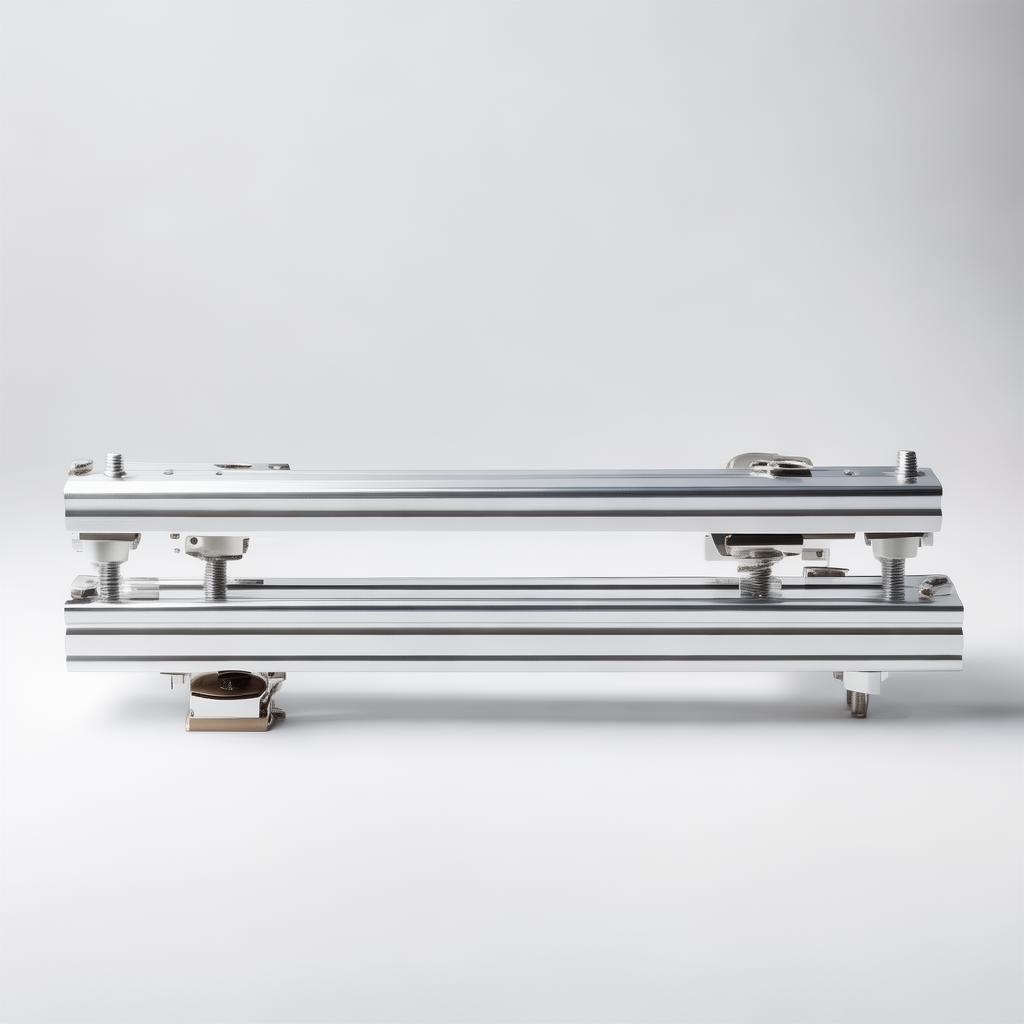
3d printer with linear rail 3d printer linear rail 3d printing gantry
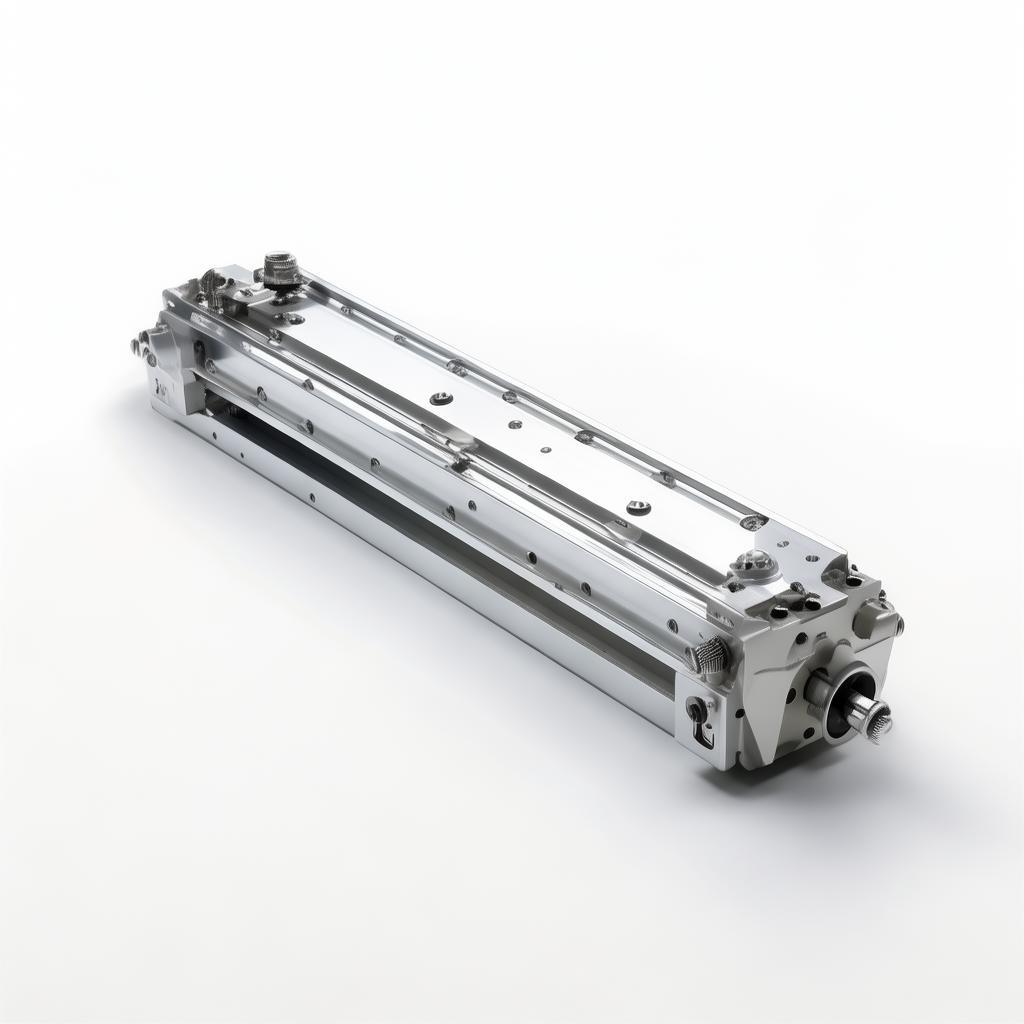
Note: Custom lengths up to 3m. ROHS compliant materials.
Applications in 3D Printing
CoreXY printers like Voron: X/Y axes for speed. Cartesian like Ender: Z for precision. Large format: Bed movers up to 500x500mm. Even robot arms for multi-material swaps.
One client used our 1605 on a 400mm Z printer – no sag under 5kg heads.
Installation Insights
Mount ends parallel to frame. Use flexible couplers first, rigid later. Grease with lithium-based every 500 hours. Warning: Over-tightening nuts strips balls.
We've got CAD files for common mounts. Align with dial indicator – takes 30 mins, saves weeks of tuning.
Send Your CAD for ReviewLogistics for International Buyers
FOB Tianjin port. 20' container: 300-500 units. DHL for samples (3-5 days to US). Duties? HS code 8483.40 – low rates. We prep commercial invoices, packing lists.
Lead time: Stock 1-2 weeks, custom 3-4. No minimums for trials.
Our Factory Capabilities
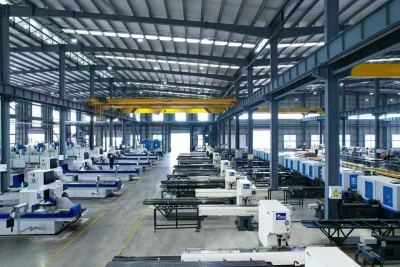
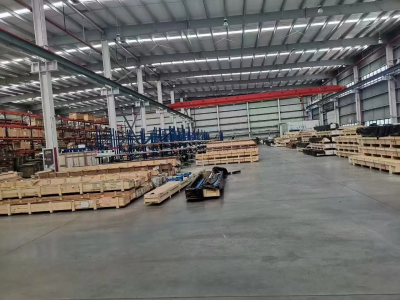
HEBEI YIDI IMPORT AND EXPORT TRADING CO.,LTD. – YIDI Motion since 2020. 100 staff, 30% senior techs. German/Japanese CNC grinders ensure C5 precision. Exports to 50+ countries: US, Germany, Japan.
OEM/ODM full service: Custom flanges, black oxide finish, integrated encoders. ISO 9001 certified. 

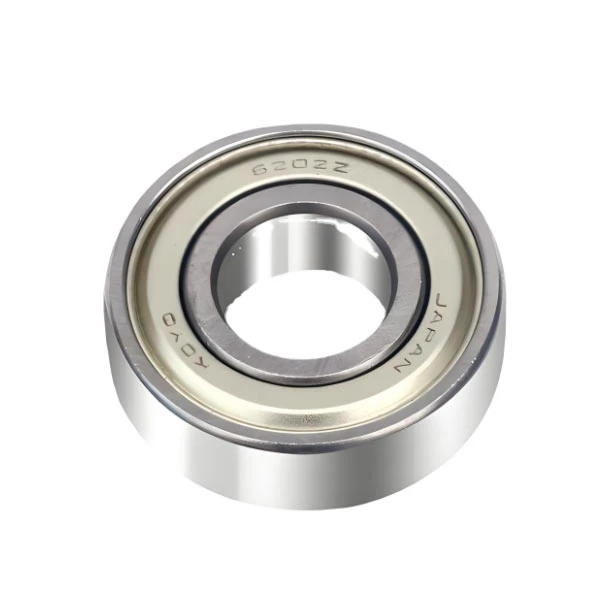
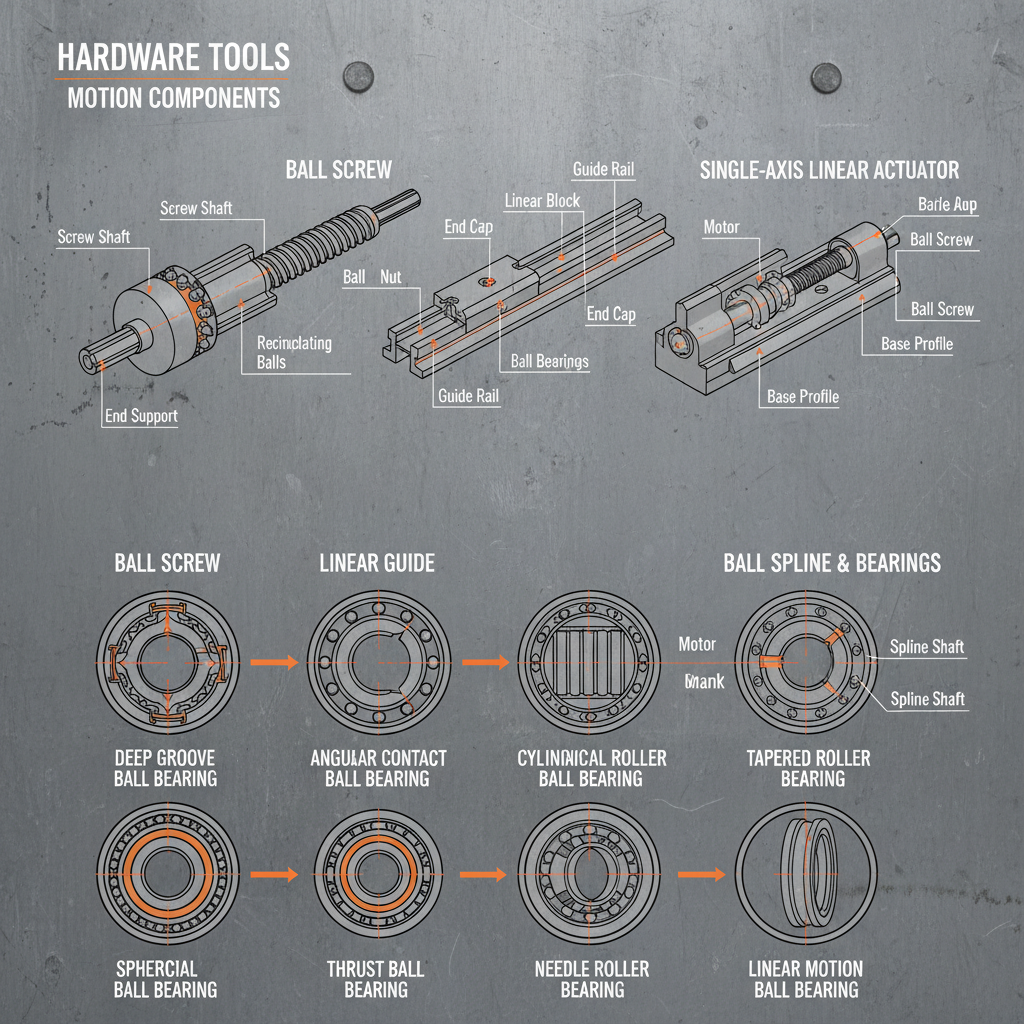
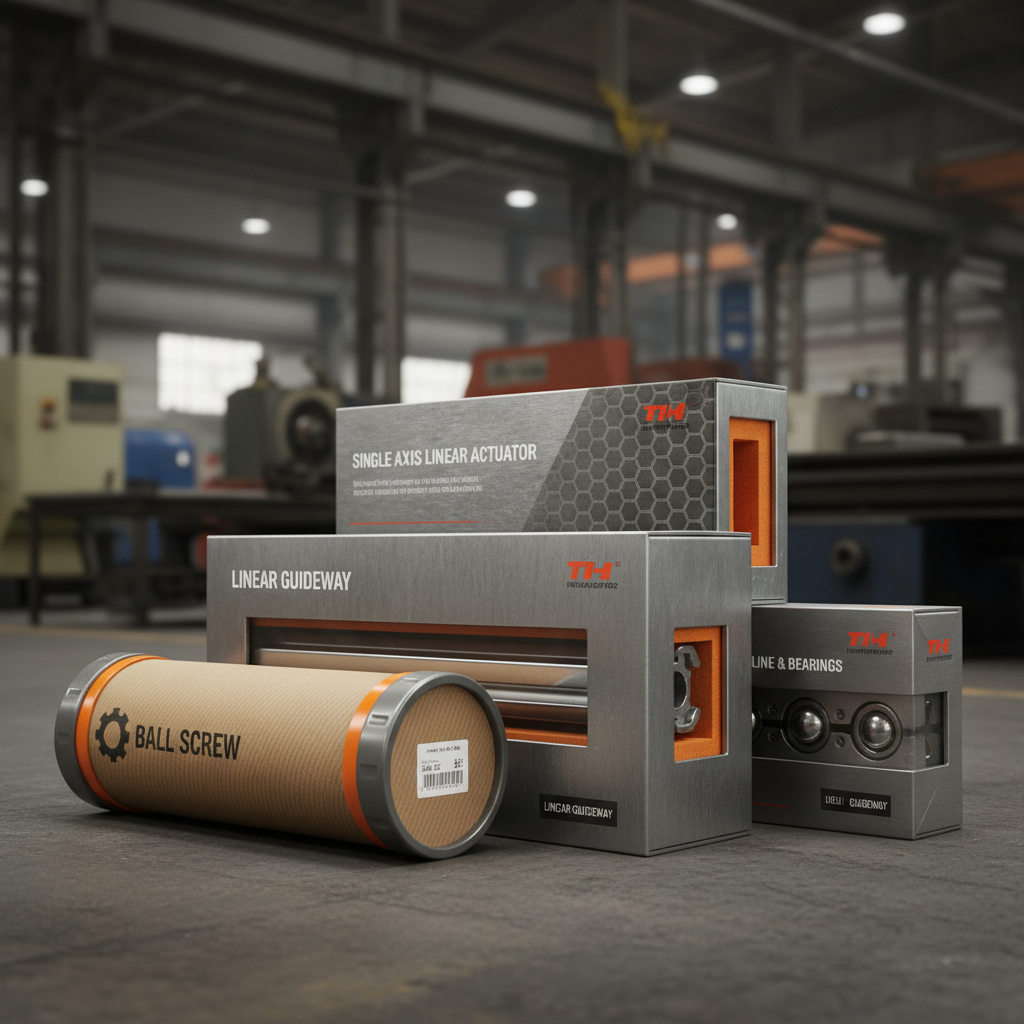
One-stop linear motion: Ball screws, guides, actuators, bearings.
Buyer Reviews

Mike R., Procurement Lead, Texas Print Farm: "Swapped to YIDI 1605 ballscrews on 10 Vorons. Prints twice as fast, no more Z-wobble. Fast ship to Houston."

Elena K., Engineer, Toronto: "C7 accuracy spot-on. Custom ends fit our frame perfectly. Better than Hiwin at half price."

Raj P., UK: "Bulk order arrived intact. Preload held after 1000 hours. Solid for OEM resales."

Tom S., California: "Installation was straightforward. Torque efficiency cut motor heat by 25%. Recommended."
FAQs for 3D Printer Ball Screw Buyers
Q: Leadscrew vs ball screw – worth the upgrade?
A: Yes for speeds over 150mm/s or precision parts. Efficiency gain pays back in months.
Q: What lengths do you stock?
A: 300-1500mm common. Cut any up to 3000mm.
Q: Lubrication needs?
A: Lithium grease every 500-1000 hours. Dry options available.
Q: OEM branding?
A: Full ODM – your logo, packaging.
Q: Sample pricing?
A: $25-150 per set. Contact for quote.
Ready to Upgrade Your 3D Printer?
Talk to our team for tailored advice, samples, or bulk pricing.
About the Author: Adam Li, Export Director at YIDI Motion. 12 years in linear motion exports. 
Addr: 16-1-1601 Aobeigongyuan, Chang'an District, Shijiazhuang City, Hebei Province, China
Phone: +86 18134111662 | Email: adam@yidimotion.com