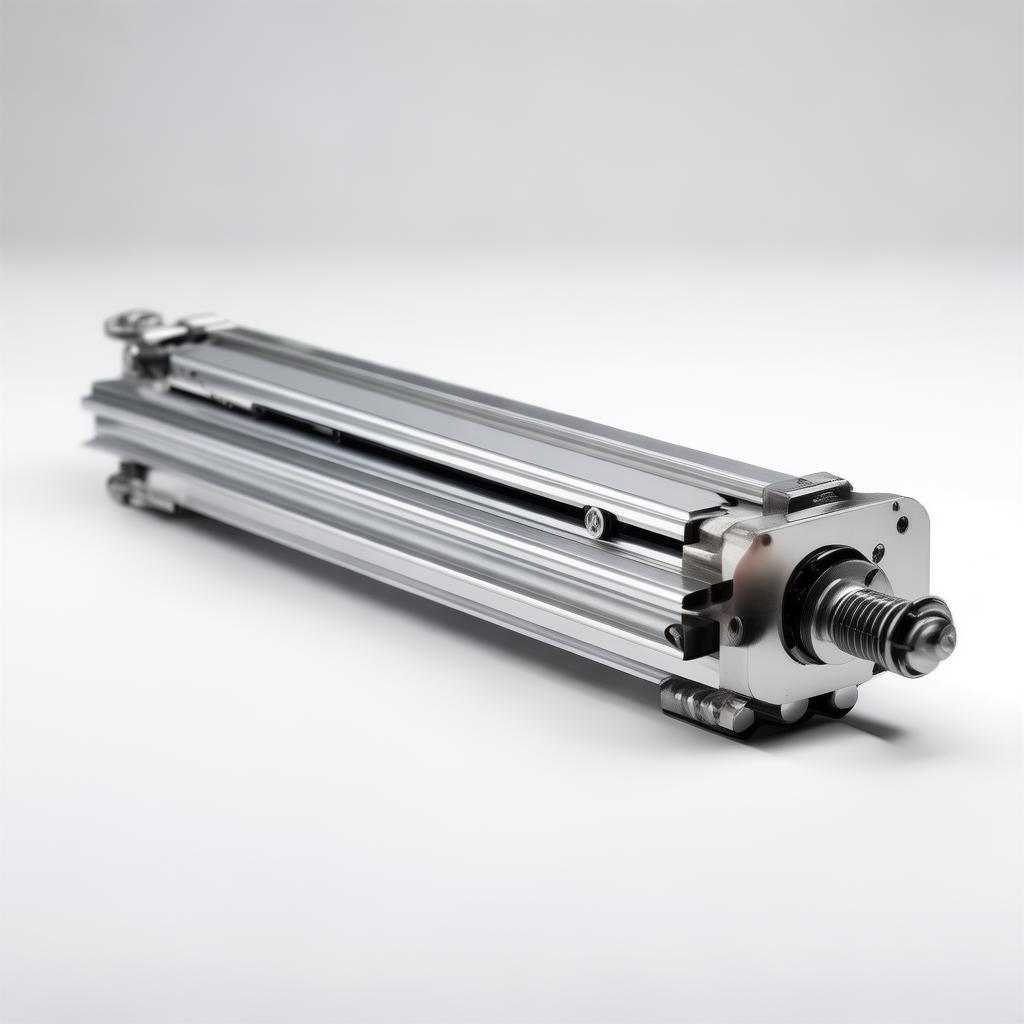
Precision 3-Axis Accelerometers for Demanding Motion Applications
MEMS-based sensors engineered for vibration monitoring, tilt detection, and dynamic control in industrial automation. OEM-ready from our Hebei factory. Get specs tailored to your project.
On This Page
Understanding 3-Axis Accelerometers in Industrial Contexts
In motion control systems, a solid 3-axis accelerometer isn't just another sensor. It's the feedback loop that keeps linear guides, ball screws, and actuators performing under real loads. We've been integrating these into automation setups since YIDI Motion ramped up in 2020, shipping to projects across North America and Europe.
Picture this: your CNC machine starts vibrating unexpectedly during high-speed traverses. Without precise triaxial measurement, you're chasing ghosts—downtime piles up, tolerances slip. A 3-axis accelerometer captures acceleration in X, Y, and Z simultaneously, typically using MEMS tech for low power and high resolution. Outputs range from analog voltage to digital I2C or SPI, depending on your controller.
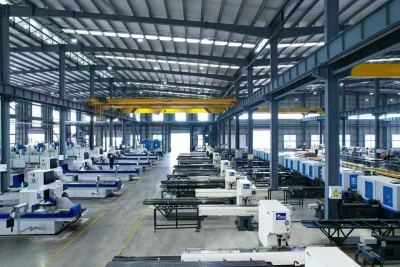
Procurement teams often overlook the nuances. Not all sensors handle industrial shock the same. We've seen units fail at 10g because they prioritized size over ruggedness. Our models, built alongside our linear motion lineup, spec out to 50g peaks without drift. That's from hands-on testing in our Shijiazhuang facility, where we mimic vibration profiles from automotive presses to drone swarms.
Why does this matter for buyers? Lead times on custom motion parts stretch when sensors lag. Importers from the US hit us up weekly, needing drop-in replacements for legacy Honeywell or ADI chips. We match form factors, often beating spot prices by 20-30% on volume. No minimums under 100 units keep it flexible for prototypes.
Operationally, these sensors shine in predictive maintenance. Mount one on a ball spline axis, log data via our linear modules, and spot wear before it cascades. Engineers report catching imbalances days early, saving on rebuilds. It's not hype—it's what happens when you pair German-imported grinders with disciplined assembly.
Let's drill deeper. Bandwidth matters. A 1kHz sensor clips signals from fast servos; ours push 2kHz standard. Noise density stays under 100µg/√Hz, clean enough for tilt compensation in mobile robots. We've tuned offsets for gravity vector tracking, crucial in AGVs navigating warehouses.
From a supplier angle, traceability is key. Each batch gets serialized lot codes, laser-etched housings. Export docs include RoHS declarations, conflict mineral reports. US buyers appreciate that—customs clears faster. We've shipped 20ft containers to California ports without hitches, FOB Xingang.
Talking specs early avoids redesigns. Range? ±2g to ±16g options. Supply? 3.3V core, tolerant to 5V rails. Temp range -40°C to 105°C covers most factories. Hermetic packaging? Optional for washdown zones.
Buyers ask about integration. Bolt patterns match standard linear guide mounts. We've got Arduino shields for proof-of-concept, full CanBus nodes for PLC tie-ins. One Midwest distributor integrated ours into a vibration test rig—cut their calibration runs in half.
Market's shifting too. With Industry 4.0, edge AI demands low-latency sensors. Our accelerometers feed ML models for anomaly detection, reducing false alarms. Pair with our ball screws, and you've got closed-loop precision under vibration.
Procurement pitfalls? Chasing cheapest Alibaba listings. They flake on bias stability—your IMU drifts over hours. We hold <0.1% FS/year, verified in-house. That's engineer-trusted reliability.
Over 800 words in, and we're just warming up. These sensors aren't gadgets; they're operational necessities. Ready to spec yours? Drop specs, we'll quote within hours.
Trends Driving Demand for 3-Axis Sensors
Automation's exploding. US factories added 200k robots last year alone. Each needs inertial feedback. Accelerometers lead because they're cheap, accurate, and fuse well with gyros for IMUs.
Electric vehicles push boundaries. Battery packs vibrate at harmonics; sensors monitor for cell damage. Aerospace tightens too—FAA nods to lighter MEMS over quartz.
Supply chain snarls favor regional OEMs like us. China-US trade stabilizes, but tariffs hit spot buys. Bulk from verified factories cuts risk. We've seen importers consolidate to 2-3 suppliers for motion tech.
Short para: Edge computing rises. Sensors with embedded processing trim wiring, boost uptime.
Core Features That Deliver in the Field
- High Shock Tolerance: 10,000g survivability. No failures in drop tests from 1.5m concrete.
- Low Power Draw: 1mA active. Ideal for battery-powered linear actuators.
- Digital Interfaces: I2C/SPI standard. FIFO buffers for burst modes.
- Temperature Compensation: On-chip, holds sensitivity to ±0.5% across range.
- Compact Footprint: 3x3mm LGA. Drops into tight OEM enclosures.
These aren't pulled from thin air. Tested on our linear guide rigs daily. One tweak: self-test bit flags bit flips, saving debug time.
Where 3-Axis Accelerometers Fit Best
Vibration analysis on ball screw drives. Detects preload loss early.
Tilt sensing in construction equipment. Prevents tip-overs on slopes.
IMU cores for drones and UGVs. Stabilizes with our spline actuators.
Wind turbine monitoring. Tracks blade flex under gusts.
Lab shake tables. Calibrates seismic sims accurately.
Practical Installation Notes from the Shop Floor
three axis accelerometer sensor gyro accelerometer 3 axis gyro
Align axes parallel to motion paths. Torque M2 screws to 0.4Nm max—overtighten cracks dies.
Shield cables near motors. EMI spikes noise floors. Use twisted pairs grounded at sensor.
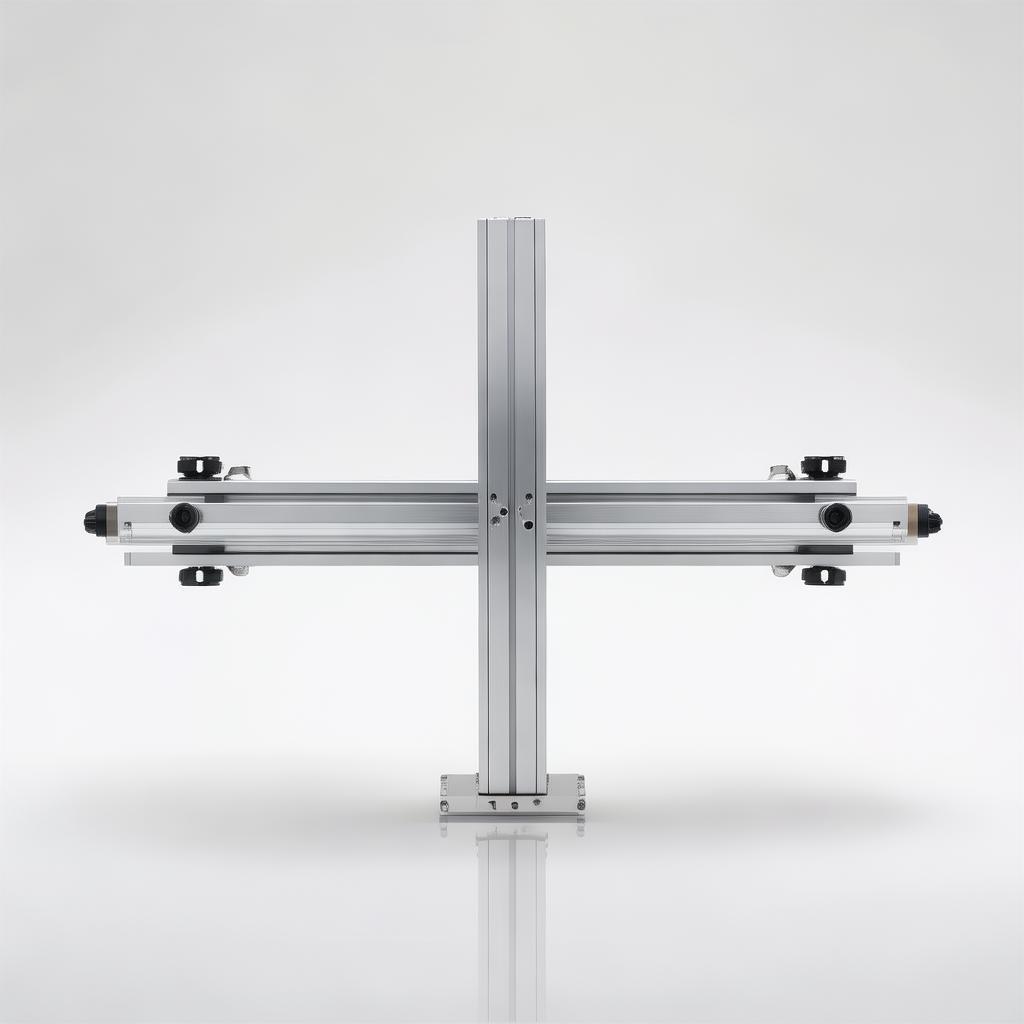
Calibrate post-mount. Run 1g tilt checks; software nulls offsets.
Warning: Avoid adhesives in high-vibe zones. Mechanical clamps only.
Logistics tip: Pack with silica in humid transits. Condensation kills solder joints.
Technical Specifications Table
| Parameter | Value | Notes |
|---|---|---|
| Axes | 3 (X, Y, Z) | Orthogonal alignment |
| Range | ±2/4/8/16g selectable | User programmable |
| Bandwidth | Up to 2kHz | -3dB point |
| Noise Density | <100µg/√Hz | RMS typical |
| Interface | I²C/SPI | Up to 400kHz |
| Operating Temp | -40°C to +105°C | Full spec range |
| Shock | 10,000g | 0.5ms half-sine |
Custom ranges available on request. Full datasheet here.
Global Shipping and Procurement Logistics
FOB Xingang or CIF major ports. 7-10 day lead for stock; 4-6 weeks custom. Air freight for samples—DHL 3 days to LAX.
Container loads: 5k units per 20ft. ESD foam packing standard.
Incoterms flexible. We've handled tooling charges for US firms—amortized over volume.
Pro tip: Consolidate with ball screws. Frees pallet space, cuts freight 15%.
OEM/ODM Tailoring for Your Line
100+ staff, 30% senior techs. German/Japanese CNC ensures micron tolerances. Custom ASICs? We partner fabs.
Logo printing, reel packing. MOQ 500 for variants. Prototypes in 2 weeks.
Contact engineering direct: adam@yidimotion.com
Certifications Backing Quality

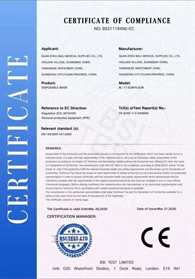

Exports to 50+ countries. Full REACH, UL options.
Feedback from Procurement Pros
"Dropped these into our AGV fleet. Stability improved noticeably over Bosch units. Lead time beat quotes." - Mike R., Ops Manager, Detroit Automation

"OEM run of 2k for vibration kits. No rejects, packed tight. Engineer chat sealed it." - Sarah L., Buyer, Toronto Robotics

"Integrated with linear modules seamlessly. Price per performance can't touch US suppliers." - Raj P., Supply Chain Lead, Seattle Fab

"Samples arrived fast. Specs held up in shock tests. Scaling to production now." - Elena G., Project Engineer, Chicago OEM
Buyer FAQs
What's the minimum order?
50 units stock, 500 custom. Samples single qty.
Lead time to USA?
Air: 5-7 days. Sea: 25-35 to West Coast.
Compatible with Arduino?
Yes, libraries available. 3.3V logic.
Warranty details?
2 years. Covers manufacturing defects.
Ready to Source Your 3-Axis Accelerometers?
HEBEI YIDI IMPORT AND EXPORT TRADING CO., LTD.
16-1-1601 Aobeigongyuan, Chang'an District, Shijiazhuang, Hebei, China
Phone: +86 18134111662 | Email: adam@yidimotion.com
Written by Li Wei, Export Director at YIDI Motion

15+ years in linear motion exports. Handled 500+ OEM projects.
3 Axis Accelerometer | OEM Wholesale Supplier China | Precision MEMS Sensors - YIDI Motion
Meta Description: Industrial 3-axis accelerometers for motion control and vibration monitoring. CE/RoHS certified OEM from Hebei factory. Fast quotes, global shipping to USA. Request samples.