In the intricate world of precision engineering, bearings and accessories serve as the silent heartbeat of modern machinery. From the smallest handheld medical device to the massive turbines of a hydroelectric plant, these components are essential for reducing friction, supporting loads, and ensuring smooth rotational or linear motion. Understanding the synergy between a high-quality bearing and its complementary accessories is not just a technical requirement but a strategic advantage for any manufacturer aiming for operational excellence.
Globally, the demand for high-performance motion control has surged as industries transition toward Automation 4.0. The integration of advanced materials and precision geometries in bearings and accessories allows for higher speeds, reduced energy consumption, and extended maintenance intervals. As global supply chains tighten, the ability to source reliable, standardized components that meet ISO and DIN specifications has become a critical factor in maintaining production uptime and product safety.
For engineers and procurement specialists, the challenge often lies in selecting the right combination of components to withstand harsh environmental conditions—such as extreme temperatures or corrosive chemicals. By optimizing the selection of bearings and accessories, companies can significantly lower their Total Cost of Ownership (TCO) and enhance the reliability of their end products, ensuring a competitive edge in an increasingly demanding global market.
The Fundamentals of Bearings and Accessories
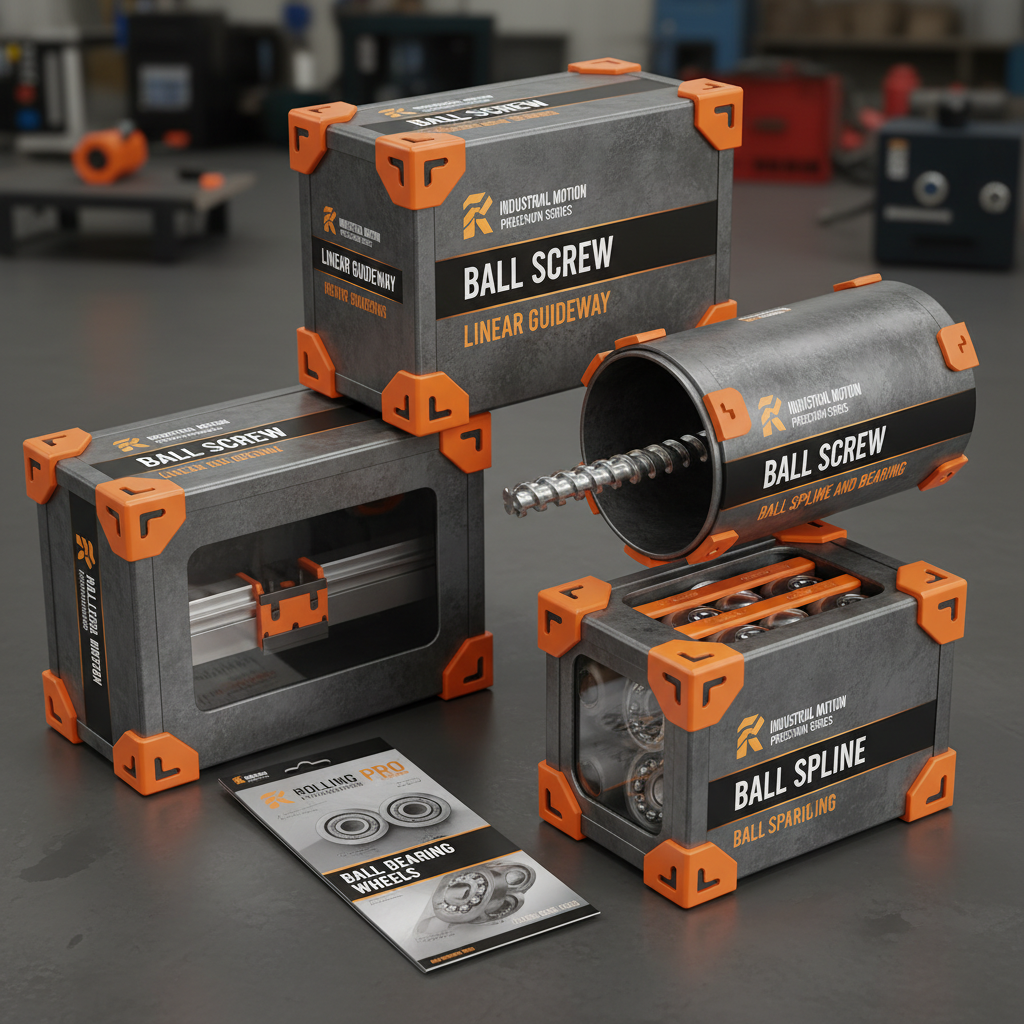
At its most basic level, a bearing is a machine element that constrains relative motion to only the desired motion, and reduces friction between moving parts. When we discuss bearings and accessories, we are referring to the entire ecosystem that supports this movement. This includes not only the inner and outer rings and rolling elements but also seals, shields, lubricants, and housings that protect the core component from contaminants.
The synergy between these parts is what determines the efficiency of a machine. For instance, a precision ball bearing paired with a low-friction seal and high-grade synthetic lubricant can operate at speeds that would destroy a poorly matched set. This holistic approach to motion components ensures that energy loss is minimized and mechanical wear is distributed evenly across the assembly.
Engineering Core Components for Motion Control
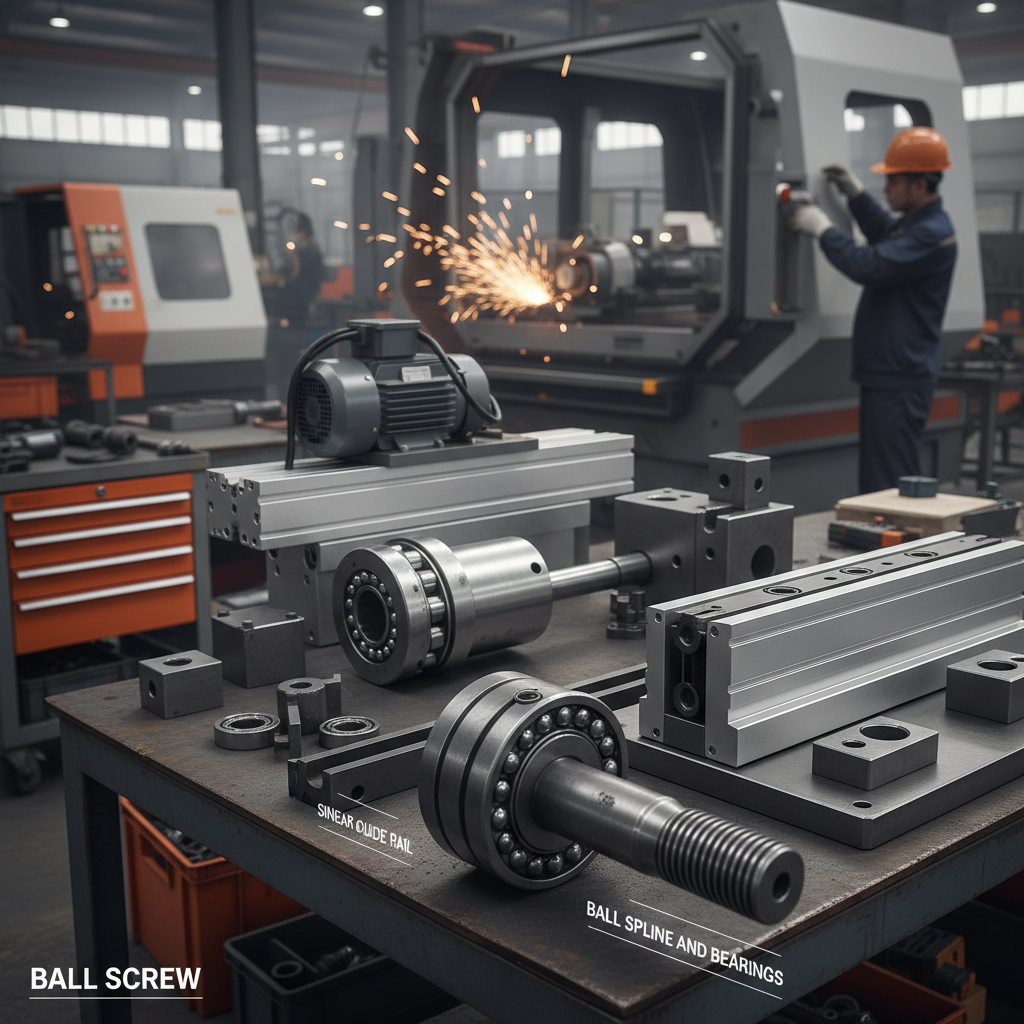
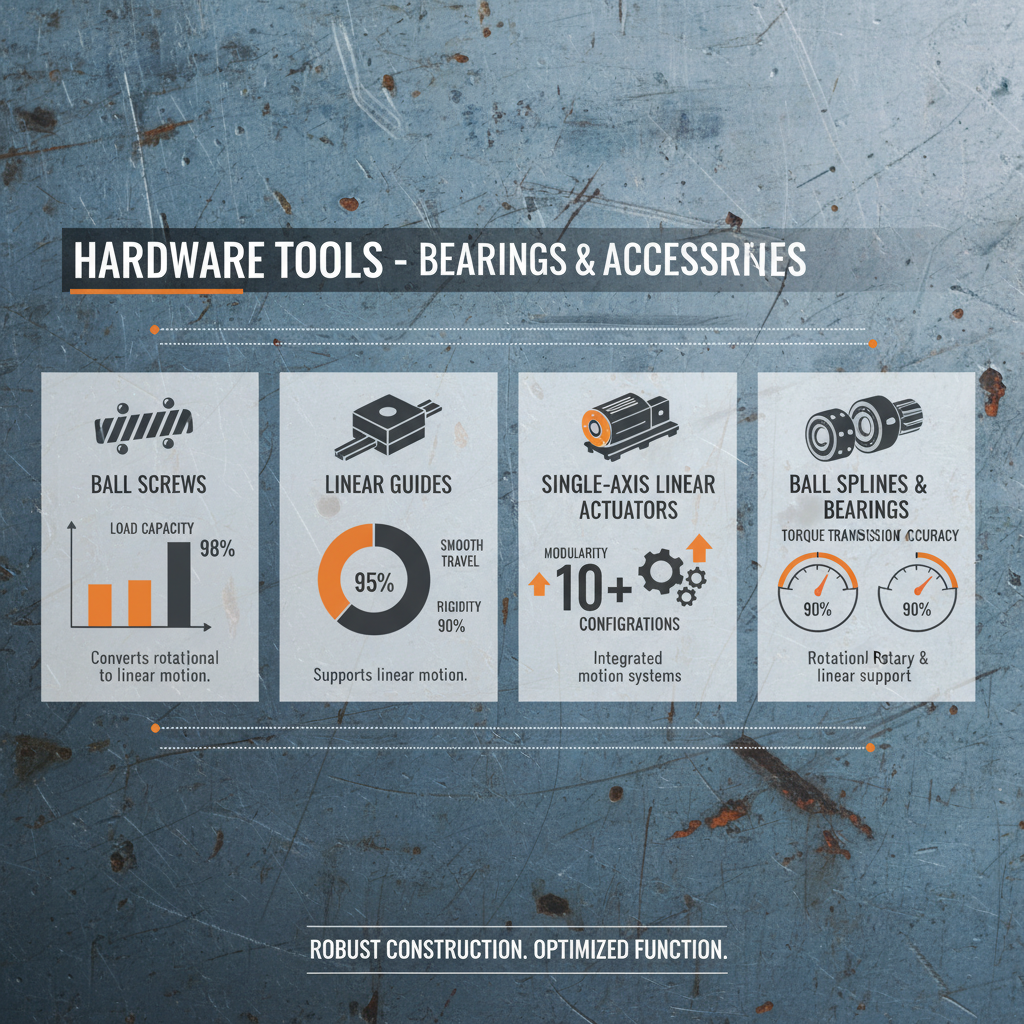
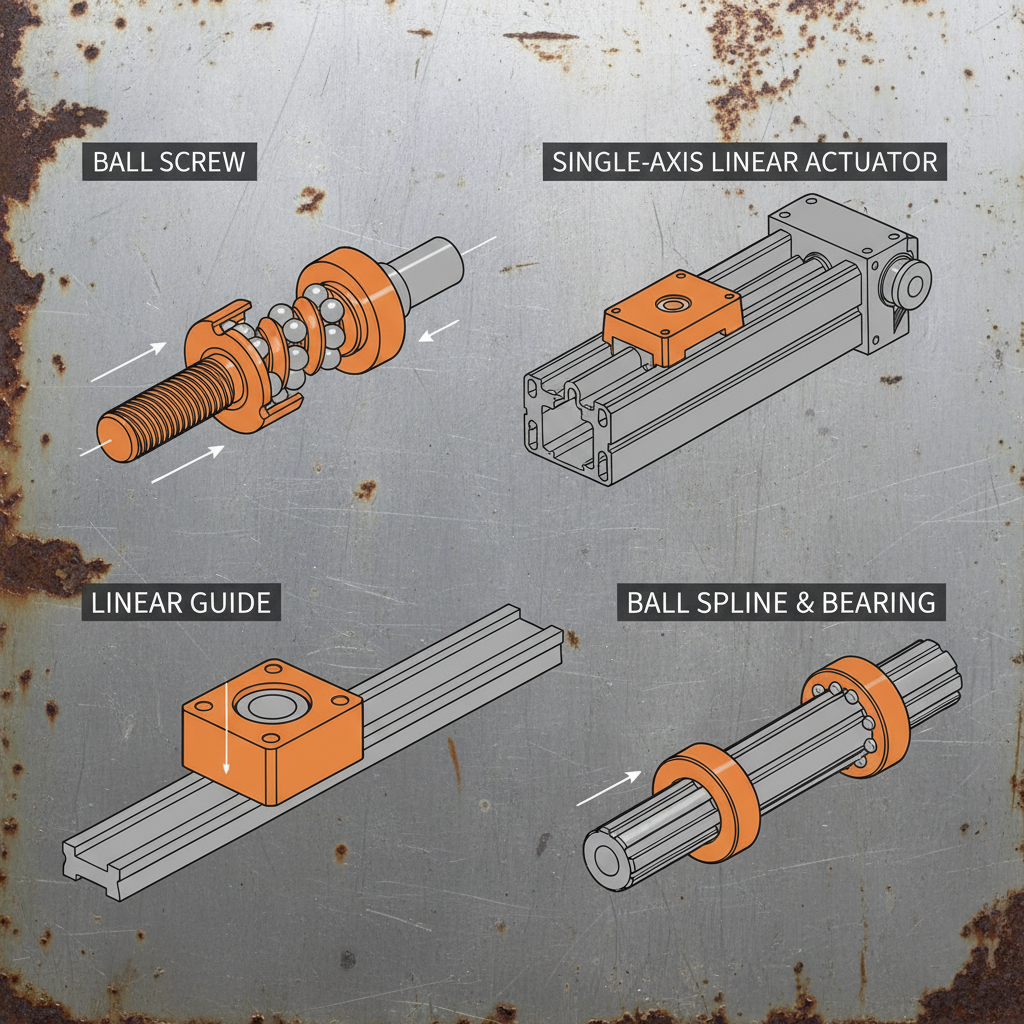
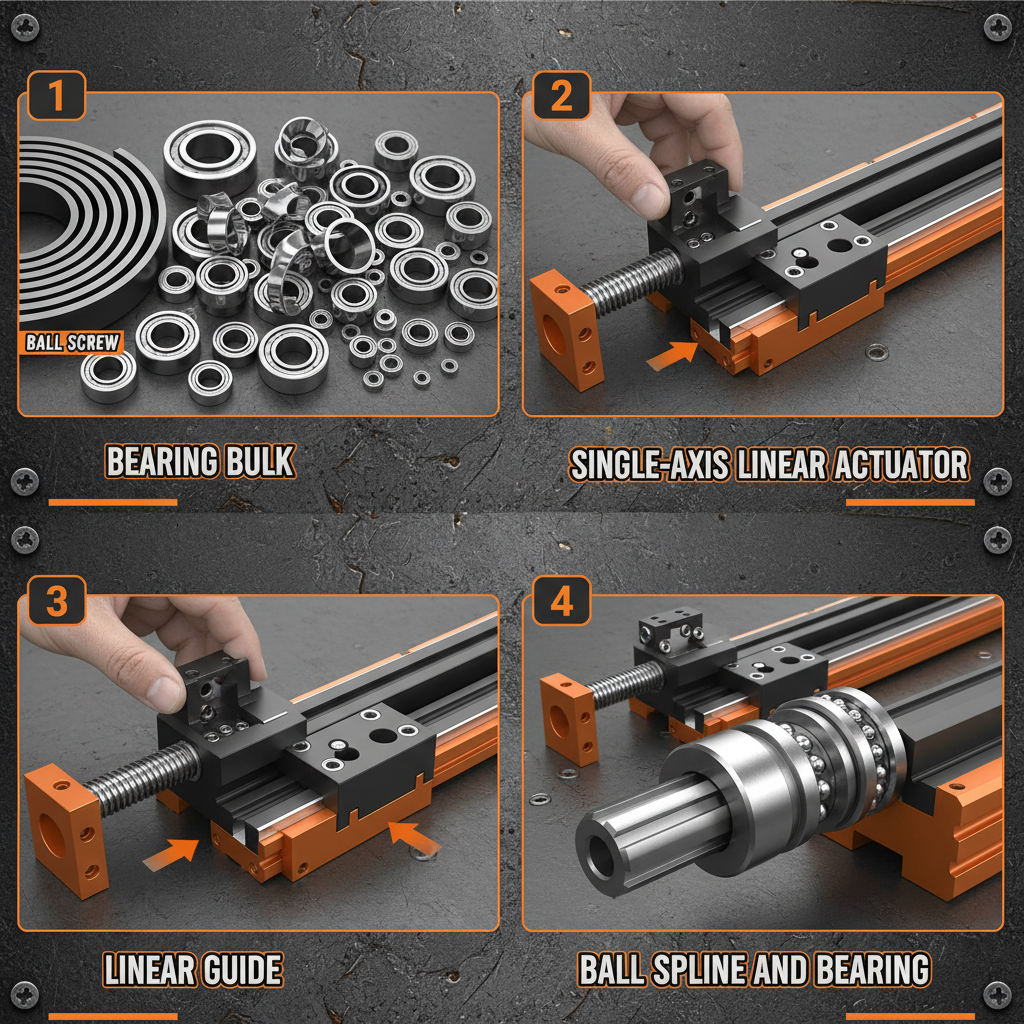
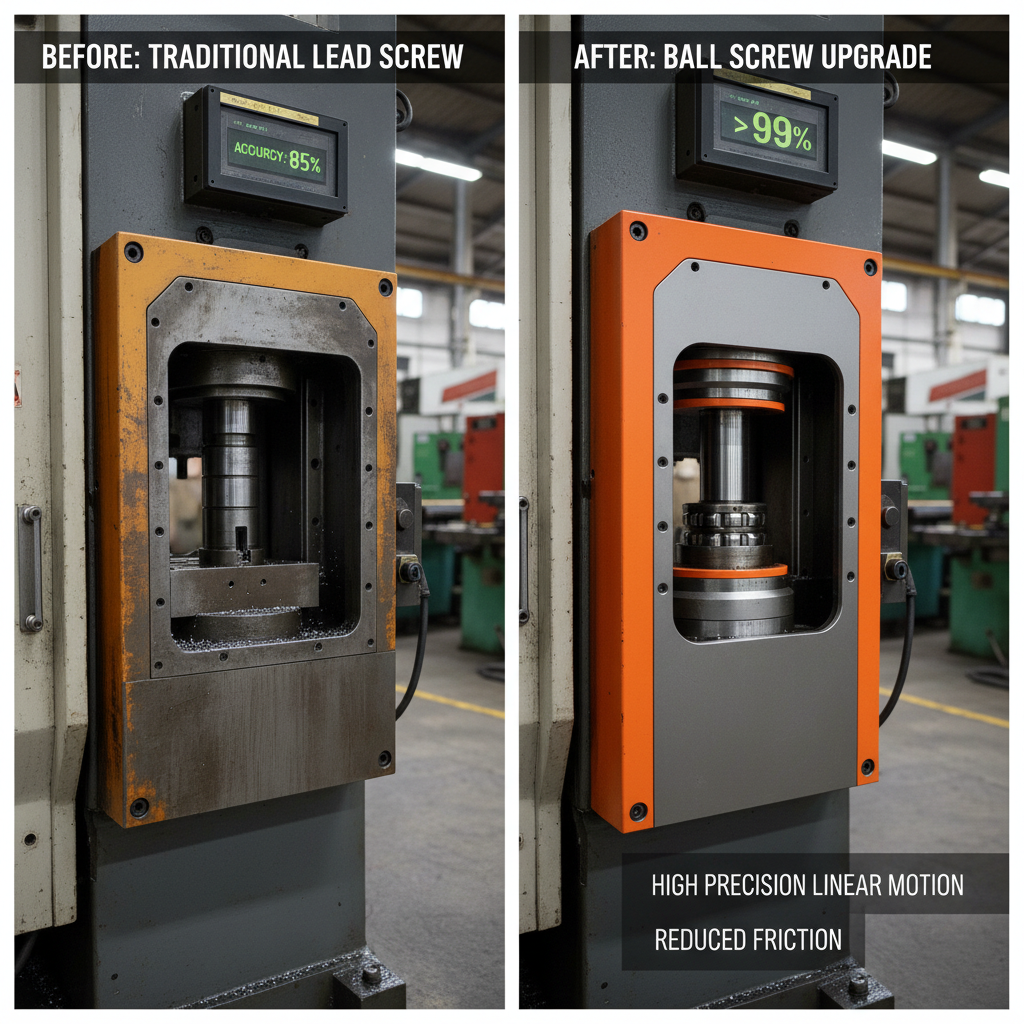
The architecture of bearings and accessories is diverse, catering to specific load types—radial, axial, or a combination of both. Ball screws and linear guides represent the pinnacle of linear motion, translating rotational force into precise linear travel. These components work in tandem with specialized bearings to eliminate "play" or backlash, which is critical in CNC machining and robotics where micron-level accuracy is non-negotiable.
Accessories such as locknuts, snap rings, and adapter sleeves play a pivotal role in the installation and stability of the system. A bearing may be rated for high loads, but if the locking mechanism is insufficient, the resulting vibration can lead to premature fatigue failure. Therefore, the "accessories" part of the equation is often where the difference between a standard machine and a high-precision instrument is found.
Moreover, the integration of gears and racks extends the functionality of bearings into the realm of torque transmission. By coordinating the gear ratios with the bearing capacity, engineers can design systems that handle immense weight while maintaining fluid movement. This integrated approach ensures that every link in the mechanical chain is optimized for the overall system's stress profile.
Critical Selection Factors for Industrial Longevity
When selecting bearings and accessories, the primary consideration must be the operational environment. Material compatibility is key; for example, stainless steel is preferred in food processing or pharmaceutical environments to prevent oxidation, while ceramic hybrids are utilized in high-speed electric motors to eliminate electrical erosion.
Durability and load-carrying capacity are often balanced against the need for scalability. In modular industrial designs, using standardized bearings and accessories allows for easier upgrades and replacements. However, the "cost-efficiency" metric should not be viewed as the lowest purchase price, but as the lowest cost per hour of operation, taking into account lubrication intervals and replacement frequency.
Finally, the precision grade (such as ABEC or ISO ratings) determines the rotational accuracy and noise levels. For high-end aerospace or medical applications, the tightest tolerances are required to ensure safety and reliability. Choosing a higher precision grade than necessary can lead to unnecessary costs, while under-specifying can lead to catastrophic system failure under load.
Performance Benchmarks in Modern Applications
Quantifying the efficiency of bearings and accessories requires looking at metrics such as coefficient of friction, thermal stability, and vibration damping. In high-speed applications, the heat generated by internal friction can lead to thermal expansion, which reduces the internal clearance of the bearing and can cause the system to seize if not properly managed with advanced cooling accessories.
Modern benchmarking often compares traditional steel-on-steel contact with advanced composite or coated surfaces. By applying DLC (Diamond-Like Carbon) coatings to the rolling elements, the need for constant lubrication is reduced, making these components ideal for vacuum environments or clean rooms where oil mist is prohibited.
Performance Efficiency of Various Bearings and Accessories Configurations
Global Use Cases Across Diverse Sectors
The application of bearings and accessories spans every corner of the globe. In the automotive sector, specifically with the rise of Electric Vehicles (EVs), bearings are being redesigned to handle higher RPMs and eliminate the "fluting" caused by stray currents from the inverter. This innovation is critical for extending the life of the drivetrain and increasing the range of the vehicle.
In remote industrial zones, such as mining operations in Australia or oil rigs in the North Sea, the focus shifts to extreme robustness. Here, heavy-duty spherical roller bearings paired with oversized lubrication systems are used to survive shock loads and abrasive dust. The ability of these components to function in hostile environments without frequent human intervention reduces operational risk and improves safety for personnel in remote locations.
Long-Term Value and Sustainability Impacts
The long-term value of investing in premium bearings and accessories is found in the reduction of waste. Low-quality components fail prematurely, leading to a cycle of replacement that consumes more raw materials and energy. By utilizing high-precision components with longer lifespans, companies contribute to a circular economy by reducing the volume of scrap metal and hazardous waste from spent lubricants.
From a logical standpoint, the reliability of motion components translates directly into safety. In elevators, cranes, or aircraft landing gear, a bearing failure is not just a cost issue—it is a safety catastrophe. The trust placed in these components is built on rigorous testing and adherence to global safety standards, ensuring that the infrastructure we rely on daily remains stable.
Furthermore, the transition to "green" lubrication—using biodegradable oils and solid-film lubricants—is transforming the accessories market. This shift not only protects the environment in the event of a leak but also aligns industrial operations with global ESG (Environmental, Social, and Governance) goals, making the factory of the future both efficient and ecological.
Future Innovations in Bearing Technology
The future of bearings and accessories is inextricably linked to the digital transformation of industry. We are seeing the emergence of "Smart Bearings," which feature embedded sensors capable of monitoring vibration, temperature, and acoustic emissions in real-time. This allows for predictive maintenance, where a bearing can signal its own need for lubrication or replacement before a failure occurs.
Materials science is also pushing boundaries with the development of nano-structured ceramics and magnetic levitation (MagLev) systems. While MagLev eliminates physical contact entirely, the supporting accessories still require extreme precision to maintain the gap. The integration of additive manufacturing (3D printing) is allowing for the creation of customized bearing housings and lubricant channels that were previously impossible to machine.
As we move toward a more automated society, the demand for integrated linear modules—combining the linear guide, ball screw, and bearing into a single, pre-calibrated unit—will grow. This "plug-and-play" approach reduces assembly errors and accelerates the time-to-market for new robotic systems.
Comparative Analysis of Bearing Technologies and Future Trends
| Technology Type |
Primary Material |
Efficiency Score |
Key Application |
| Traditional Ball Bearing |
Chrome Steel |
7/10 |
General Machinery |
| Ceramic Hybrid |
Si3N4 / Steel |
9/10 |
High-Speed Spindles |
| Smart-Sensing Bearing |
Steel + Electronics |
8/10 |
Predictive Maintenance |
| Magnetic Levitation |
Neodymium / Copper |
10/10 |
Ultra-Vacuum Pumps |
| Linear Guide Modules |
Hardened Steel |
8/10 |
CNC & Robotics |
| Polymer Bearings |
PEEK / PTFE |
6/10 |
Chemical Processing |
FAQS
Replacement intervals depend on the load profile and lubrication quality. However, for high-load industrial settings, we recommend implementing vibration analysis every 3 months. If the RMS velocity exceeds the ISO 10816 thresholds, replacement should be scheduled immediately to avoid unplanned downtime. Proper lubrication accessories can extend this life by up to 50%.
While technically possible if they meet the same ISO dimensions, it is generally discouraged. Different manufacturers use slightly different steel alloys and heat-treatment processes. Mixing them can lead to inconsistent wear rates and unexpected vibration harmonics, which may reduce the overall lifespan of the assembly.
Shields are metal plates that protect against large particles but allow some lubricant to leak and air to enter. Seals (rubber/plastic) provide a tighter closure, preventing moisture and fine dust from entering, but they increase internal friction and limit the maximum operating speed. The choice depends on whether you prioritize speed or environmental protection.
You must consider the operating temperature, load, and speed (the "viscosity" factor). High speeds require low-viscosity oils to prevent overheating, while heavy loads require high-viscosity grease to maintain a protective film. Always check the compatibility of the lubricant with the seal material to avoid swelling or degradation.
For standard, low-speed applications, traditional steel is usually sufficient. However, if your application involves high speeds, electrical currents, or corrosive environments, ceramic hybrids are highly cost-effective because they drastically reduce the frequency of replacements and eliminate the risk of electrical arcing.
Fluting is caused by electrical current passing through the bearing, creating micro-arcs that pit the race. It is common in EV motors and VFD-driven machines. Prevention includes using insulated bearings, installing grounding brushes, or choosing hybrid ceramic bearings that act as electrical insulators.
Conclusion
In summary, bearings and accessories are far more than simple hardware; they are the fundamental enablers of precision and efficiency in the modern industrial landscape. From the strategic selection of materials to the integration of smart sensing technology, every detail contributes to the reliability, safety, and sustainability of the machinery. By focusing on the holistic relationship between the bearing and its supporting components, manufacturers can achieve a superior balance of performance and longevity.
Looking forward, the evolution toward Industry 4.0 will continue to drive innovation in motion control, pushing us toward a world of zero-friction and predictive maintenance. We encourage engineers and procurement teams to move beyond the "lowest price" mentality and embrace a value-driven approach that prioritizes precision and system synergy. To explore high-performance solutions tailored to your specific needs, visit our website: www.yidibearings.com.